
Do Windows Lose Performance as They Age?
Some window components can deteriorate over time, affecting operation, sealing, appearance or other functions. That does not give every window a fixed expiry date or mean its performance declines at one predictable annual rate. Condition, original specification, installation, exposure and maintenance all matter, with different parts of an opening potentially needing different responses.
The useful starting point is what has changed and what the window needs to provide now. A failed glazing unit, a worn operating seal and a sound window built to an older specification are different situations. This guide explains how to assess them proportionately, with regulatory and heritage discussion focused on England. Repair, upgrading, selective replacement and retention remain legitimate outcomes rather than age automatically deciding the scope.
Start With Condition Rather Than a Replacement Age
Assess the opening in front of you before relying on its installation date. A window includes glass, frame, joints, hardware, finishes and a connection to the building. Those elements do not necessarily deteriorate together. One component may need attention while much of the assembly remains serviceable, so a broad statement that the windows are old cannot establish the appropriate intervention.
Exposure and use can differ within the same home. An opening used frequently may have different operating wear from a fixed pane, while weather exposure and access for care can vary between elevations. Previous repairs also affect the picture. Record those circumstances rather than assume that every window bought in the same year now needs an identical programme of work.
Describe the concern precisely. Perhaps a handle is harder to operate, a seal is visibly damaged or moisture appears somewhere it did not before. Record where and when the change is noticed. Those observations are useful evidence, but they do not identify every cause. A competent assessment should connect symptoms with findings before turning them into a whole-window replacement recommendation.
A reasonable decision can include leaving a sound opening alone. If it operates appropriately and meets the agreed needs, age by itself is not a defect. Another opening may warrant immediate specialist attention because its condition affects necessary functions. Treat the assessment as a way to establish priorities and feasible scope, with uncertainty recorded instead of hidden behind a universal replacement interval.
Separate Original Specification From Deterioration
A window can continue to perform broadly as originally intended while falling short of a new renovation brief. Earlier glazing, frame sections or opening arrangements may differ from current proposals. That is a comparison between specifications, not automatically evidence of deterioration. Establish what was installed and what improvement is now sought before describing every difference from a new product as performance lost through ageing.
Old records can help identify the original assembly, although they may not cover subsequent changes. Look for schedules, product references, repair invoices and relevant performance information. If documentation is missing, ask what can reasonably be established through inspection and what remains an assumption. Do not attach the best historical brochure figure to a window whose actual build-up or installation history has not been confirmed.
The household or building may have changed as well. A room used as an office places a desk beside glass for longer periods; an extension can alter exposure or daylight. Occupancy and ventilation patterns can affect moisture conditions. These changes deserve consideration without using them to dismiss a genuine defect. The assessment should distinguish new demands from changes within the window itself.
That distinction improves option comparison. Restoring an operating component may address deterioration, while a glazing upgrade seeks a different level of thermal performance. Both can be worthwhile, but they are not equivalent tasks. Ask each proposal to explain what it restores, what it improves and what remains, so the homeowner can judge the scope without assuming maintenance necessarily delivers a completely new specification.
Understand the Different Seals and Connections
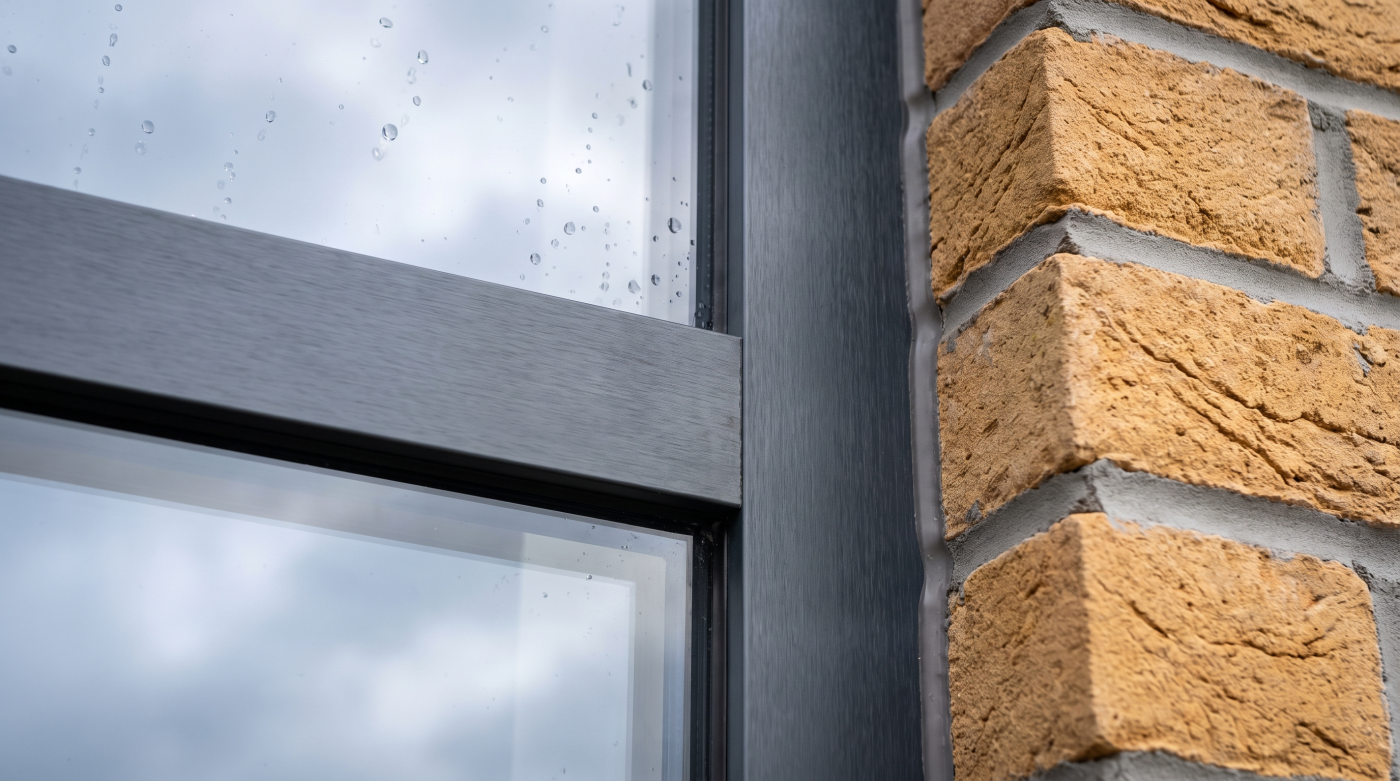
The phrase failed seal can refer to several parts of a window. An insulating glass unit has an edge-seal arrangement around its panes. The moving sash may meet operating gaskets or other seals. Glazing interfaces and the installation perimeter have further functions. Identify which component is involved before accepting a remedy, because replacing one does not automatically address a concern in another.
An operating seal helps the moving section close as intended. Its condition and contact with the adjoining surface can matter to unwanted air movement or weathering. A damaged or displaced component warrants appropriate inspection, but systems differ. Do not assume a generic replacement strip or tighter hardware setting restores every window safely or preserves its intended locking, drainage and opening functions.
The glazing unit’s edge seal has a different role from the seal between an opening sash and its frame. Concern about moisture within a sealed unit therefore needs its own assessment. Visual appearance alone cannot quantify remaining gas content or establish a universal percentage loss in thermal performance. Likewise, an apparently clear unit does not certify every other aspect of the complete window’s condition.
The frame-to-building joint should be considered separately again. Changes in surrounding fabric or the joint can create concerns even where the manufactured window remains serviceable. Ask the assessor to identify the route and responsible work, rather than repeatedly replace visible seals without checking the actual cause. This keeps the repair scope proportionate and avoids treating every concern near a window as a glass problem.
Interpret Condensation in the Right Location
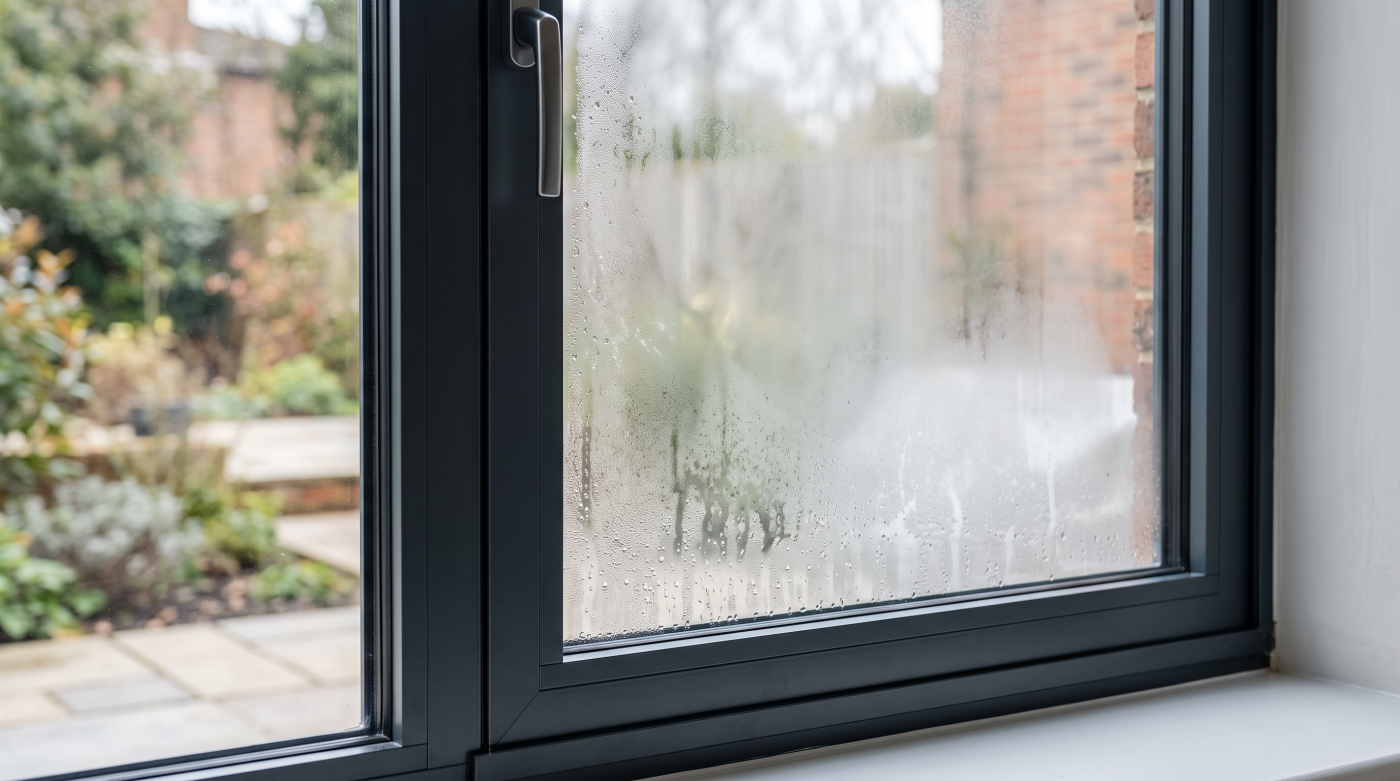
First establish where the moisture is. Condensation on the room-facing surface, on the external surface and between the panes of a sealed insulating unit involve different conditions. Moisture in the space between a separate secondary window and the original opening is another arrangement. These should not be grouped together as one symptom proving that all parts of the window have reached the end of their life.
Pilkington’s condensation guidance distinguishes these locations and identifies insulating-unit edge-seal concerns as a reason to investigate condensation between sealed panes. That supports checking the actual unit rather than diagnosing it from age alone. Do not infer an exact remaining U-value, that all insulating gas has gone or that the whole frame must be removed from the symptom by itself.
External condensation can occur under suitable environmental conditions and is not, on its own, proof of failed glazing. Room-side condensation needs consideration of moisture, ventilation and surface temperatures. Investigate changes in the building and use alongside the opening. A claim that replacement windows will automatically cure every condensation or mould problem overlooks causes that may remain after the new assembly has been installed.
Make the observation useful for the professional assessing it. Record the location, timing and whether it can be reached from an ordinary accessible surface, without dismantling or taking unsafe access. Photographs and relevant history can help. The resulting proposal should explain the supported cause and appropriate next step, rather than treat all misting as either harmless or a reason for immediate whole-house replacement.
Assess Operation, Frames and Weathering
Look at how the window works as well as how the glass appears. Difficulty opening, closing or locking deserves investigation, particularly where a required function could be affected. Do not force a stiff assembly or loosen components speculatively. The appropriate specialist should identify whether hardware, alignment, frame condition or another factor explains the change, using instructions relevant to the actual system.
Frames and finishes need their own condition assessment. Damaged paint, local deterioration, corrosion or other visible changes may have different implications depending on material and extent. A surface concern is not automatically failure of the entire frame, while an attractive finish does not prove concealed soundness. Ask for findings that identify the affected components and explain whether repair is feasible and proportionate.
Water ingress also needs a supported explanation. Intended drainage arrangements, glazing interfaces, the perimeter joint and adjoining construction can all be relevant. A change noticed during severe weather should not immediately become a general verdict on age or frame material. Record the conditions and obtain suitable investigation rather than drill, block openings or add sealant without understanding how the actual assembly manages water.
Different performance concerns may develop independently. A window can close more awkwardly without its glass suddenly losing a fixed share of insulation, while a glazing-unit concern does not prove a locking defect. Keep the necessary functions visible in the assessment. Where safety or secure operation is in doubt, seek appropriate professional advice rather than continue relying on a component whose condition has not been established.
Understand What Maintenance Can and Cannot Restore
Appropriate care helps preserve the intended operation and condition of a window. The relevant cleaning, inspection and servicing requirements depend on its materials and mechanism. Find the actual product instructions where possible, especially before using chemicals or lubricants. A general maintenance tip can be unsuitable for a coating, seal or component that behaves differently from the system shown in an online example.
VELFAC’s support resources illustrate the value of product-specific information, spare-part identification and manufacturer assistance. They do not establish a universal care routine, lifespan or repair route for other windows. Use the actual system’s documentation and support arrangements, with appropriate specialist input where the original product is uncertain or the work goes beyond ordinary safe household care.
Maintenance is not the same as changing the original specification. Cleaning a drain or obtaining an appropriate operating repair may address a defined concern, but it does not turn single glazing into an insulating unit. Equally, fitting new glass does not automatically restore the surrounding joinery or perimeter detail. A useful proposal explains what the intervention can achieve and what it cannot reasonably be expected to change.
Ask before carrying out alterations that could complicate investigation or affect written warranty conditions. Keep component identification and records of professional work. Avoid universal instructions to adjust hinges, replace gaskets or lubricate every moving part. Where repair is proposed, confirm compatible parts and the responsibility for checking operation afterwards, rather than assume a visually similar replacement will maintain all the assembly’s intended functions.
Compare Repair, Component Replacement and Wider Upgrading
Compare feasible interventions against the same objectives. Local repair, replacing an appropriate component, suitable reglazing and whole-window replacement involve different scopes. A glazing-unit quotation is not equivalent to an order that includes a frame, installation and making good. The homeowner needs to know what is retained, what changes and which findings support the proposed level of work at each opening.
Historic windows deserve an assessment of significance as well as condition. Historic England’s older-window guidance supports considering repair and appropriate upgrading. Significant glass, joinery and fittings should not disappear from the decision because a modern performance comparison looks favourable. Confirm relevant permissions and responsibilities before intervention, with the effect of any removal or alteration described clearly in the proposal.
Secondary glazing or an appropriate retained-frame upgrade may warrant comparison where feasible. Their appearance, access, operation and moisture implications need assessment for the actual room. Full replacement can also be justified where condition and the supported brief point to it. The useful appraisal explains why an option suits this opening rather than declare repair or replacement inherently correct for every window of a particular age.
Include complete project costs and consequences. Access, adjoining repairs, finishes, ventilation and necessary specialist work can affect both scope and disruption. Phasing or selective work can be reasonable where priorities support it. Avoid inventing a universal saving or payback: a proportionate decision can rest on condition, required functions and useful improvement without claiming that every old window is losing an identical amount of energy.
Plan Future Care and Keep the Evidence
Bring the findings into a simple record of the openings. Identify the original information available, observed changes, confirmed concerns and agreed intervention. Keep uncertainty explicit where a component could not be assessed. This gives the homeowner and advisers a basis for later decisions, preventing a local fault or an old installation date from becoming an unsupported verdict applied to the whole house.
Read warranties separately from expected service life. Cover may differ between glass, frame, finish, hardware and installation, with conditions and exclusions that need actual confirmation. A warranty ending does not automatically establish failure, and a long warranty is not a prediction that no maintenance or repair will be needed. Ask who handles a concern and what evidence they require before work is commissioned.
At handover, retain the exact replacement or repair information, compatible care instructions and relevant approvals. Plan safe access for future inspection and cleaning. If room use, ventilation or adjacent construction changes, review the effect on the opening rather than assume any later symptom must be age-related. Good records make it easier to distinguish the new circumstances from a developing concern within the window itself.
CBP can contribute as an architectural glazing and specification partner within renovation projects across Bath, Wiltshire, Somerset, Bristol and the Cotswolds. The right decision follows condition, significance and the intended improvement, with specialist investigation where needed. Windows can change as components age, but repair, retention or replacement should be chosen through the actual opening rather than a universal expiry date or an assumed annual decline in performance.