
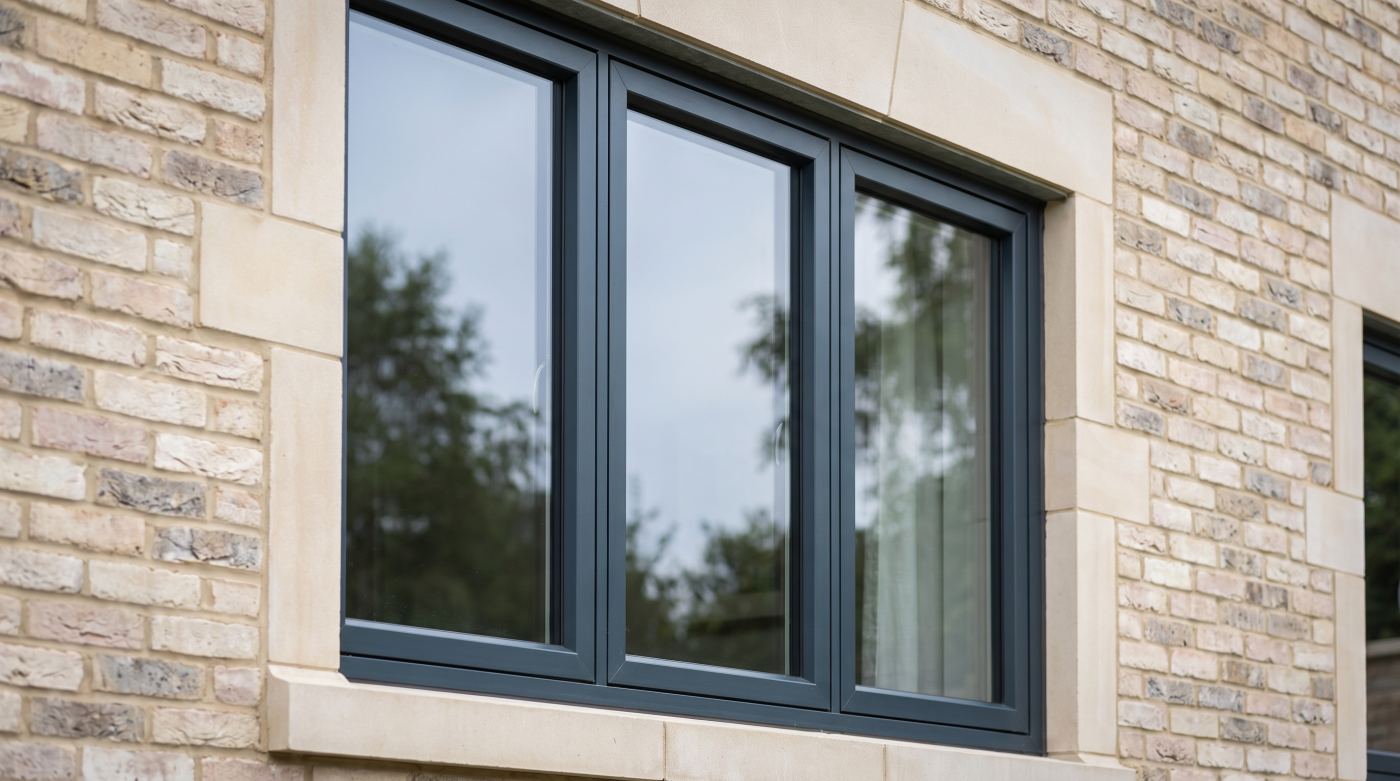
Should You Replace Windows Before Selling or Leave It to the Buyer? Replacing windows before selling can make sense where it resolves a significant problem, suits the building and fits the sale programme. It is not an automatic way to recover the cost through a higher price. In other circumstances, maintenance, targeted repairs or leaving […]
15
Oct
Oct
Do Leaseholders Need Permission to Change Their Windows? Leaseholders may need permission to replace their windows, even where they are responsible for maintaining them. The lease determines the starting position: which parts of the building are included, who must repair them and what restrictions apply to alterations. Those questions are separate from planning permission and […]
15
Oct
Oct
Are There Grants for Energy-Efficient Windows in 2026? Some energy-efficiency programmes can fund glazing improvements in 2026, but there is no universal UK entitlement to free replacement windows. The available route depends on where you live, your circumstances, the property and the improvements approved after assessment. This guide was checked on 14 October 2026. England’s […]
15
Oct
Oct
What Happens If You Sell a House Without a FENSA Certificate? A missing FENSA certificate does not automatically prevent you selling a house. It can, however, raise enquiries about replacement windows, delay the transaction or leave the buyer and their lender asking for further evidence. The right response depends on what is missing. A lost […]

14
Oct
Oct
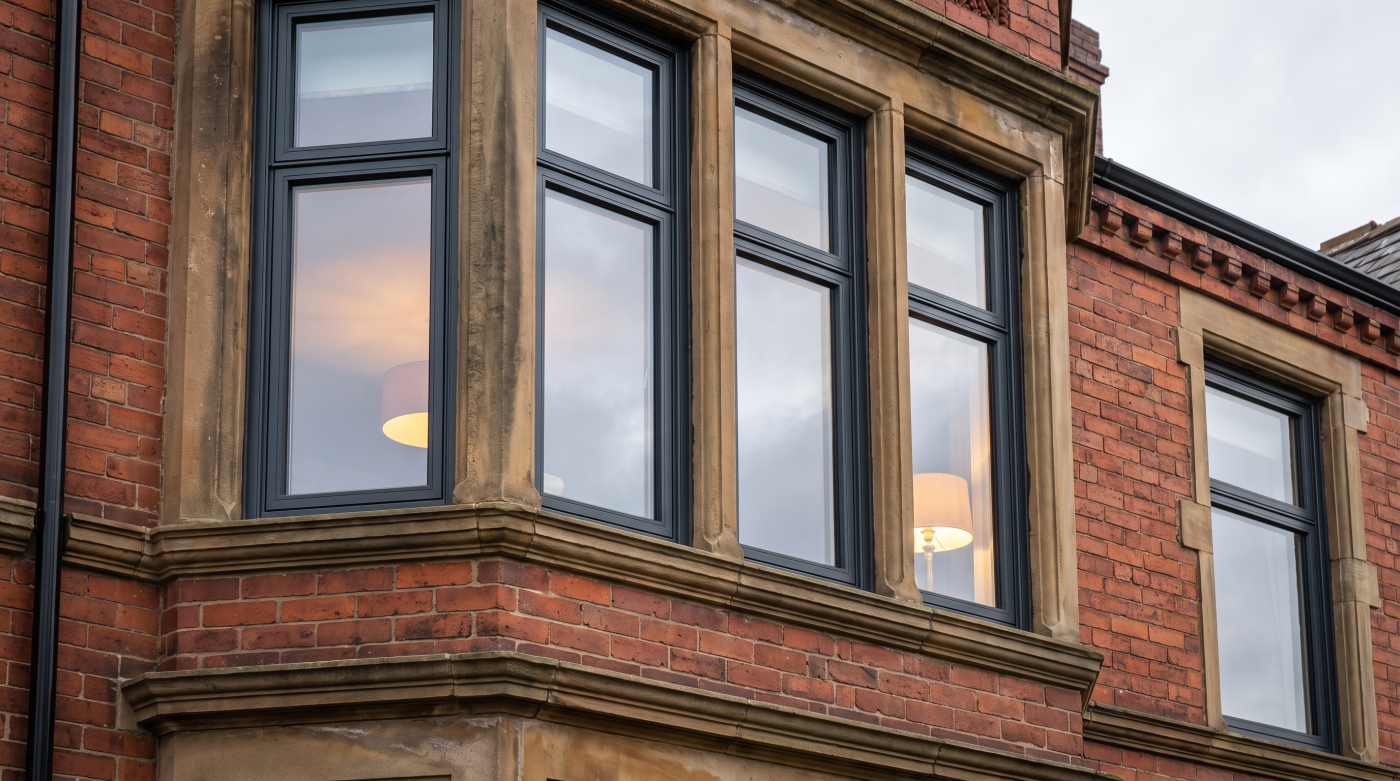
Do New Windows Affect Your Home Insurance? New windows can change the information relevant to a home’s insurance, particularly where their installation forms part of a wider renovation or alters security arrangements. They do not automatically produce a lower premium, and every replacement project does not follow an identical notification rule. The useful approach is […]
14
Oct
Oct
Is There VAT on Replacement Windows in the UK? For an ordinary replacement-window project in the UK, a VAT-registered business will normally charge VAT at the standard rate of 20%. Improving thermal performance does not, by itself, make the work eligible for energy-saving VAT relief. The answer can change where glazing forms part of a […]

14
Oct
Oct
Does a Bathroom Window Have to Be Obscure Glass? A bathroom window can provide daylight, ventilation and sometimes a valuable outlook. Obscure glazing is a familiar way to create privacy, but it should not be selected simply because every bathroom is assumed to follow the same rule. In England, there is no universal planning requirement […]

14
Oct
Oct
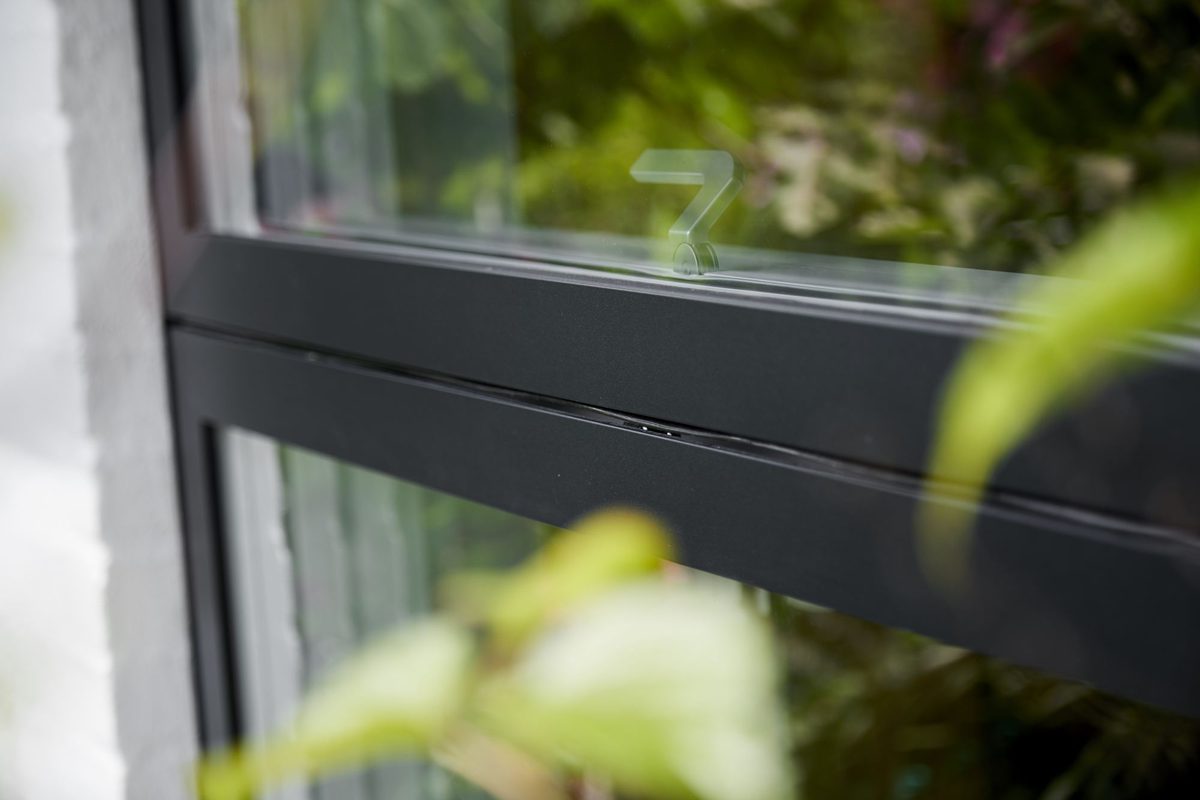
Can My Neighbour Object to a New Side Window? A side window can bring useful light into a stair, bathroom or otherwise enclosed room. It can also introduce a view towards a neighbouring home or garden. That relationship deserves attention before an opening becomes a fixed part of the design. In England, a neighbour can […]
13
Oct
Oct
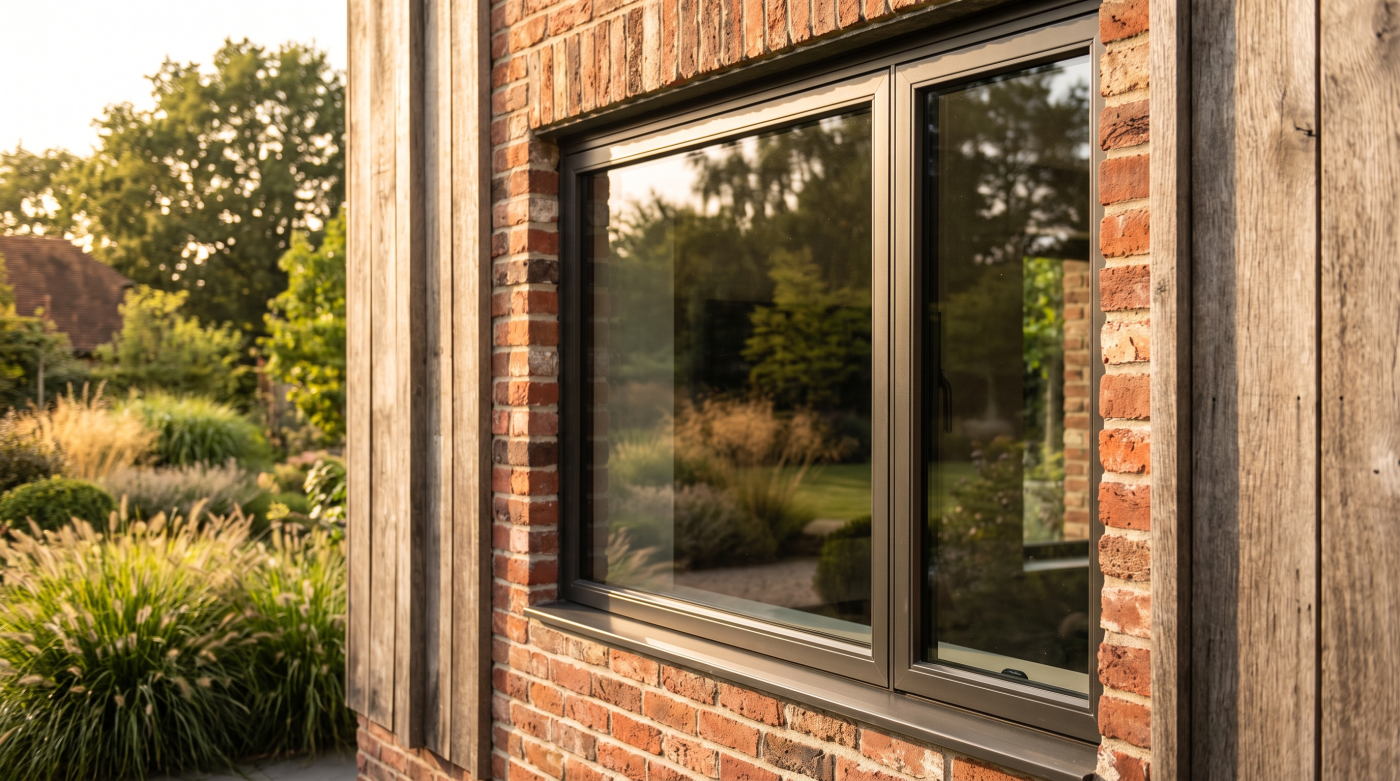
What Counts as Permitted Development for New Doors and Windows? A new opening can change how a home relates to its garden, how light reaches a room and how an elevation is composed. Before choosing the frame or glass, establish whether the proposed change benefits from permitted development or needs a planning application. In England, […]
13
Oct
Oct
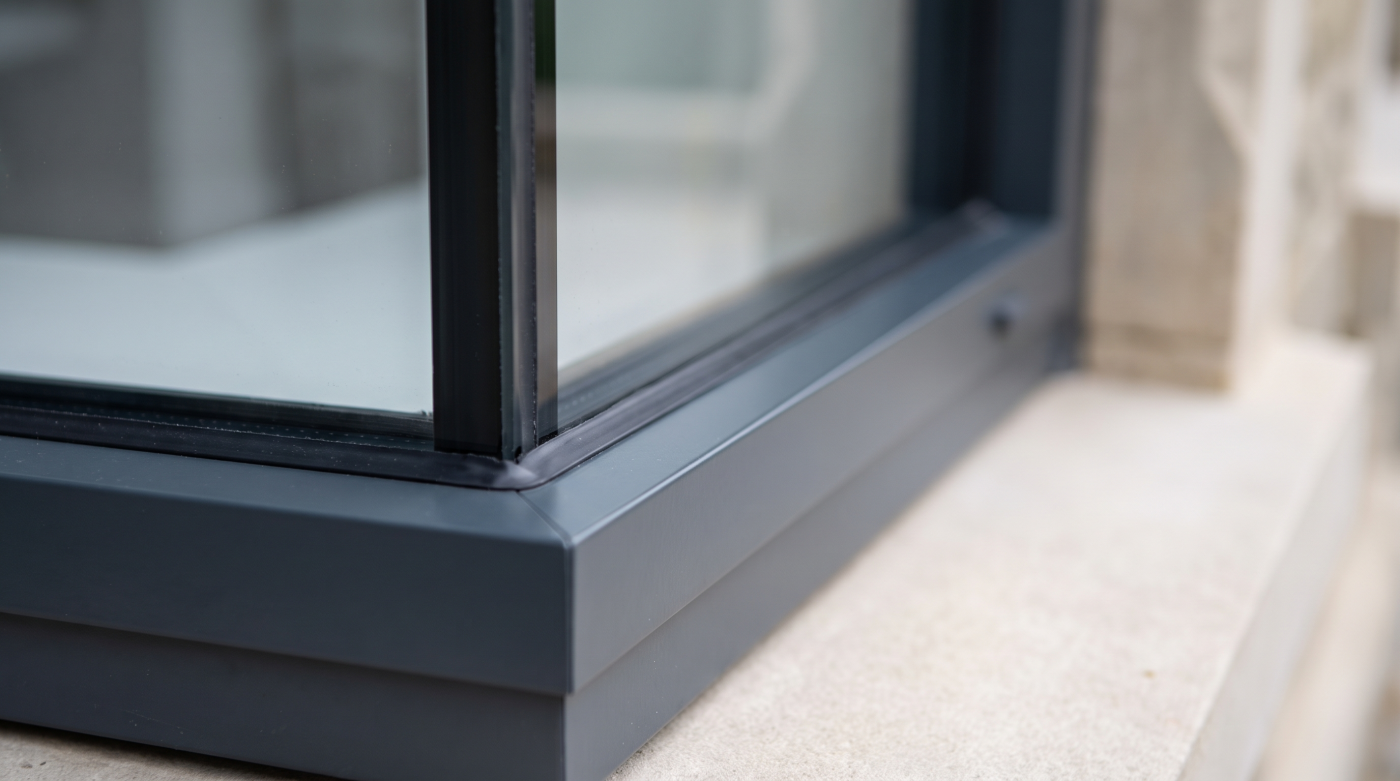
How Low Can a Window Sill Be Before It Needs Guarding? A low window can give a seated person a better view, connect a room with its landscape and change the proportions of an elevation. The safety question begins when that arrangement also creates a potential route for a fall. Sill height is part of […]
13
Oct
Oct
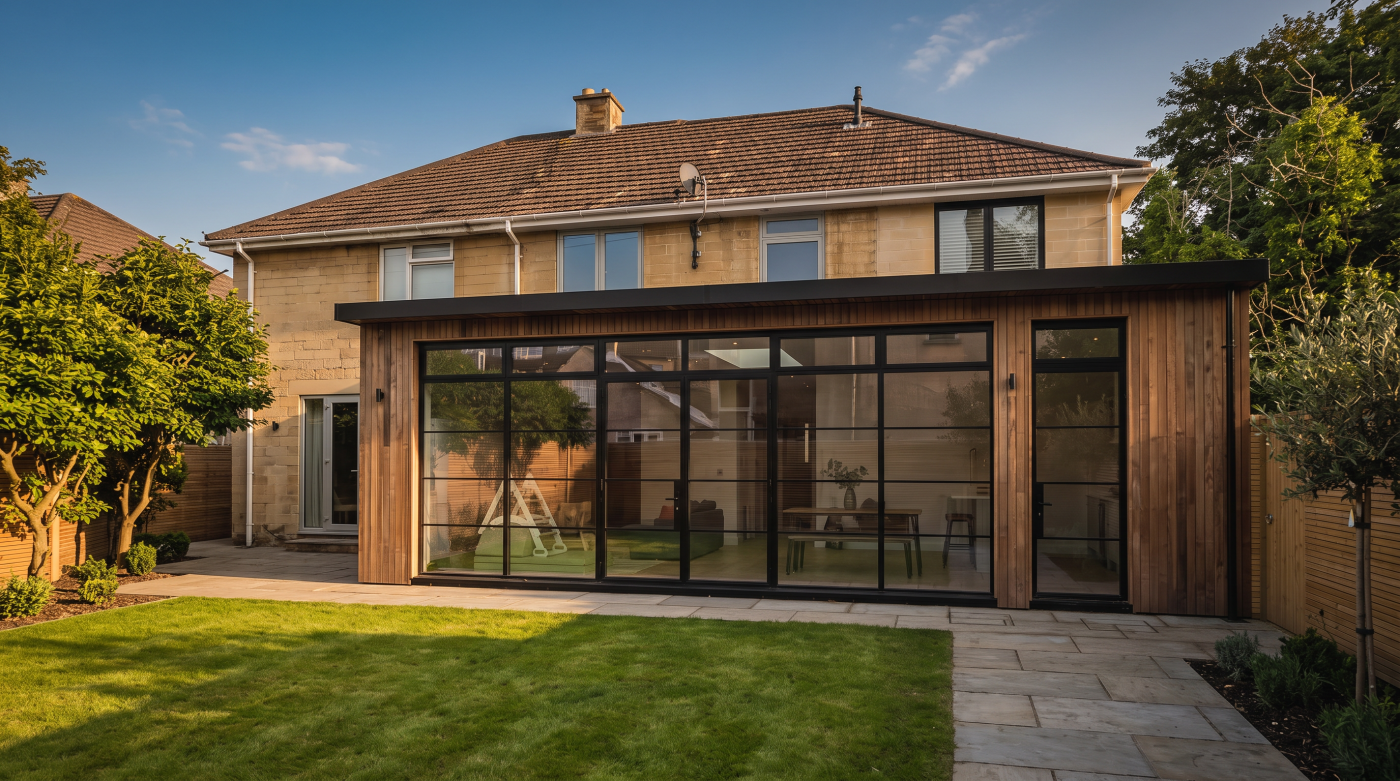
Do Ground Floor Windows Need Safety Glass? The answer depends on where the glass is positioned and what it needs to do. A conventional window above a substantial wall is a different situation from a pane extending towards the floor or a glazed side panel beside a door. Being on the ground floor is not, […]
13
Oct
Oct
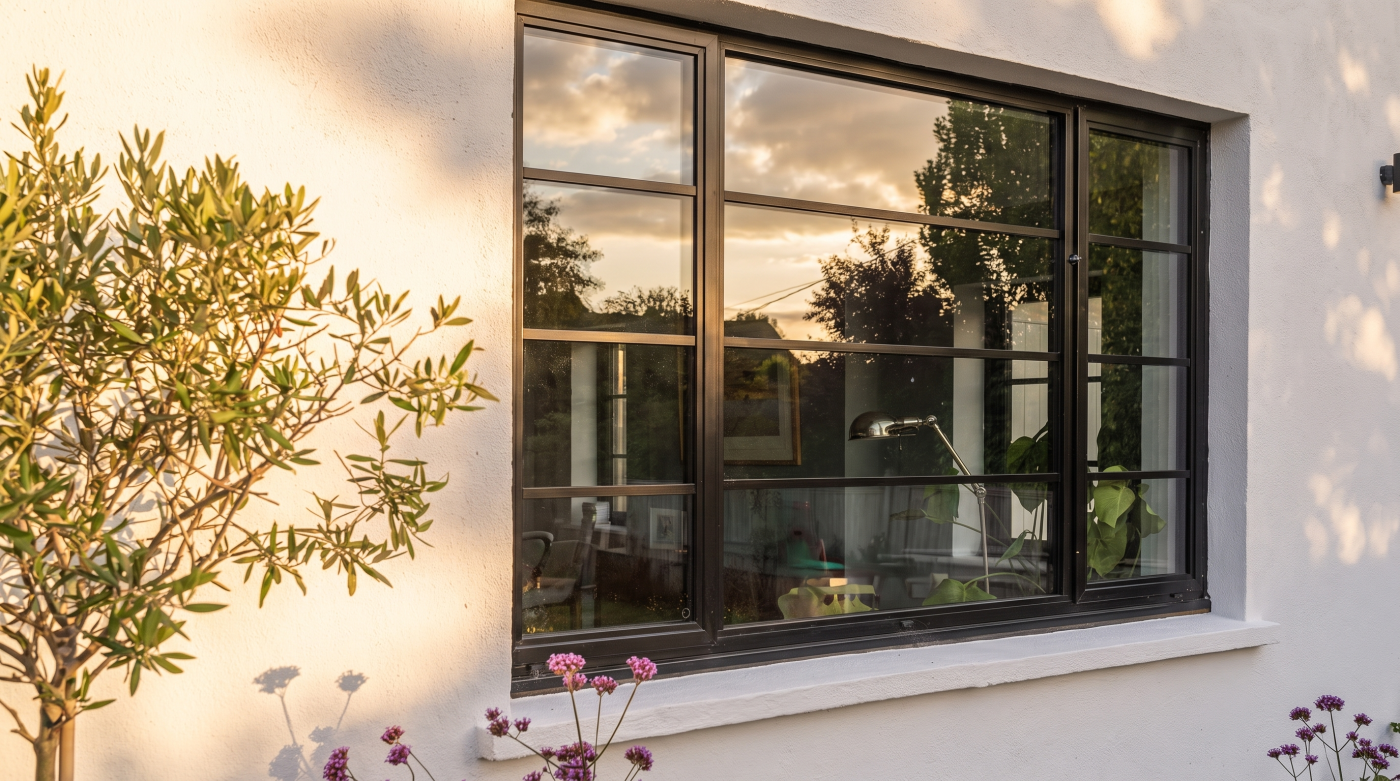
What Is Approved Document Q and Does It Apply to My Extension? A new extension often introduces a different relationship between a home and its garden. Larger doors, additional windows and a more open ground-floor plan can transform everyday use. They also prompt reasonable questions about security, particularly when product descriptions refer to Part Q […]
12
Oct
Oct
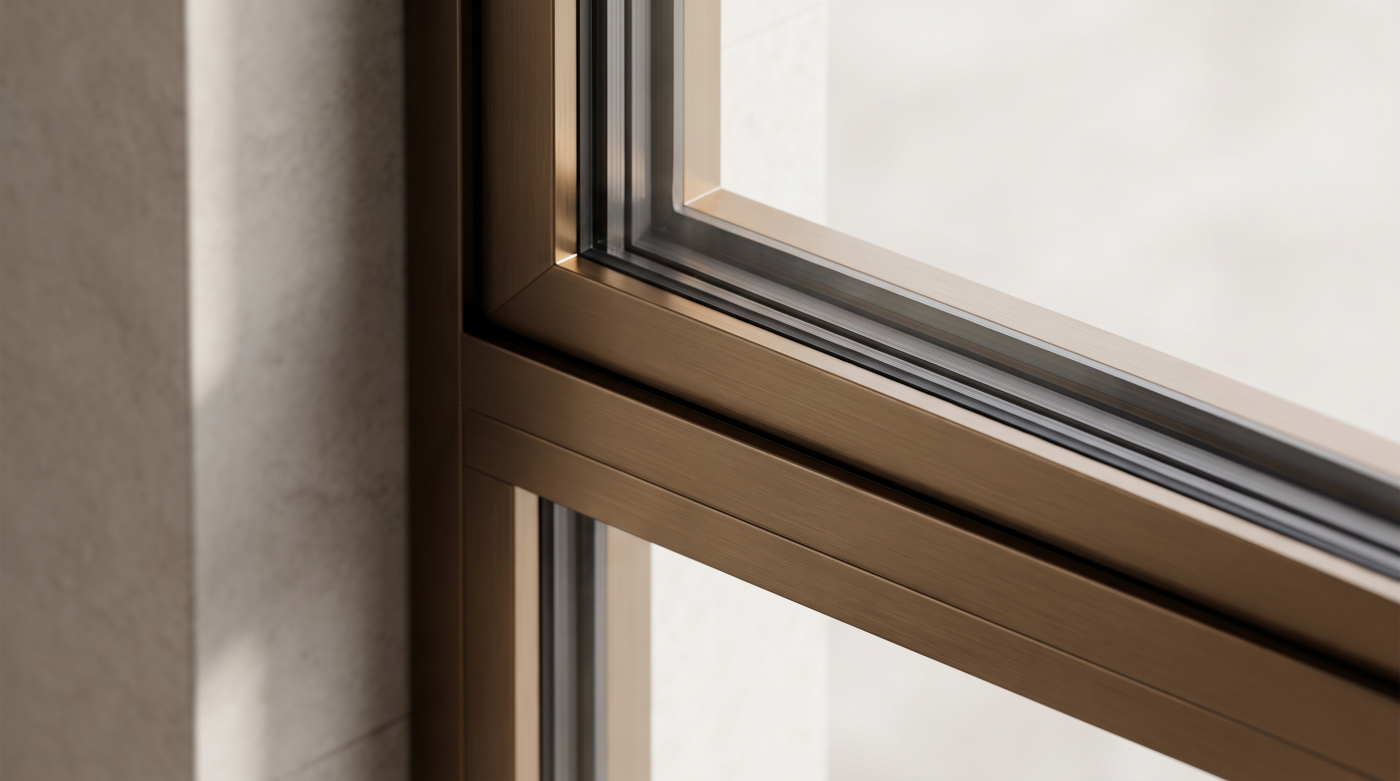
Does Replacing a Window Need Building Control Sign-Off? Replacing a complete window in England normally requires a Building Regulations compliance route, even when the new frame occupies the same opening. That does not always mean the homeowner must make a separate building control application. An appropriately registered installer can self-certify eligible work through a competent […]
12
Oct
Oct
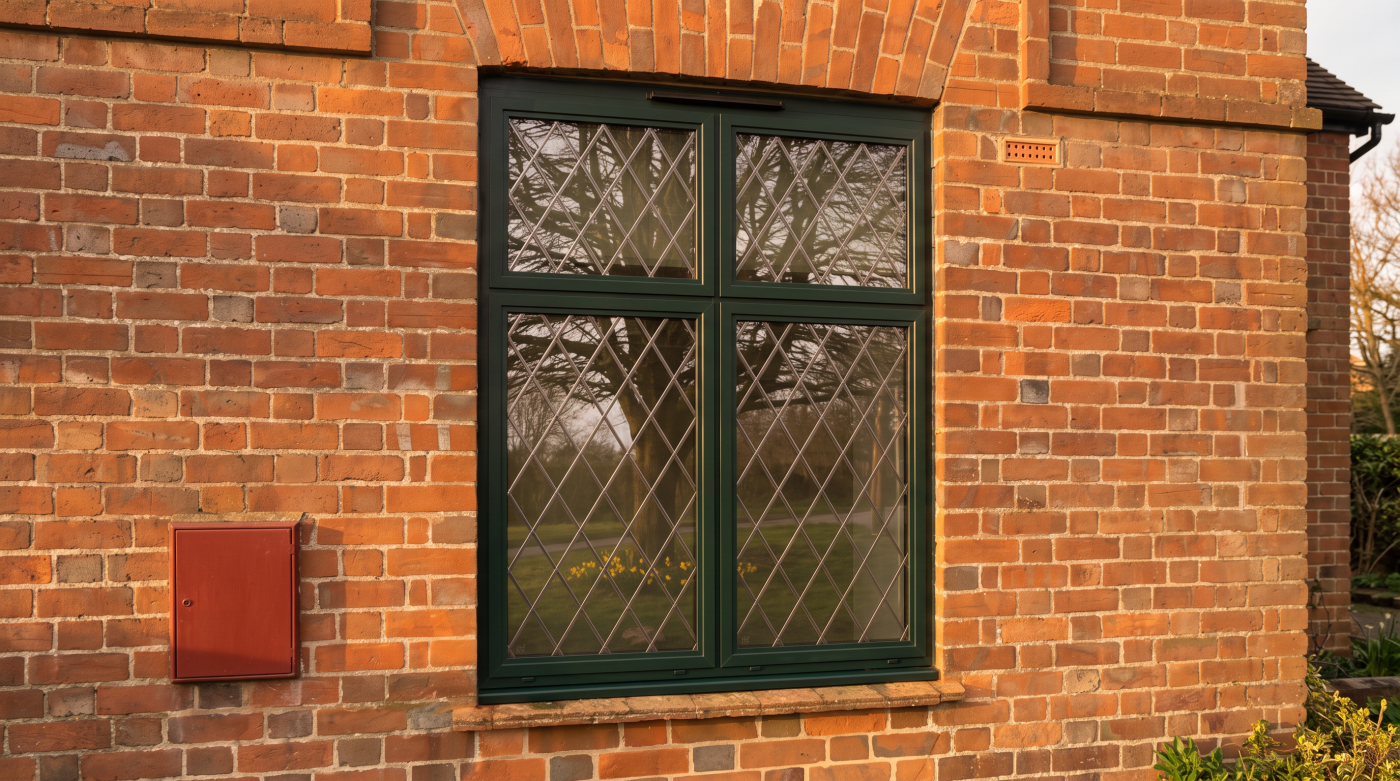
What Is a Fire Escape Window and Which Rooms Legally Need One? A window can admit light, provide ventilation and give a room its outlook. In some layouts, it also forms part of the means of escape. That extra function changes how its opening, position and hardware need to be specified. There is no reliable […]
12
Oct
Oct
Do New Windows Need Trickle Vents in 2026? Trickle vents can become a surprisingly contentious part of choosing new windows. A homeowner may want cleaner frame lines or better acoustic comfort, while the proposed specification includes a small ventilator above the glass. The explanation often arrives as a simple statement that vents are compulsory. In […]

12
Oct
Oct
What Is Part O and Will It Stop Me Having Big South-Facing Windows? A large south-facing window can shape the whole experience of a home. It can draw the garden into a living space, bring winter sunlight deep into the plan and give an ordinary room a remarkable outlook. The concern is whether those same […]
09
Oct
Oct
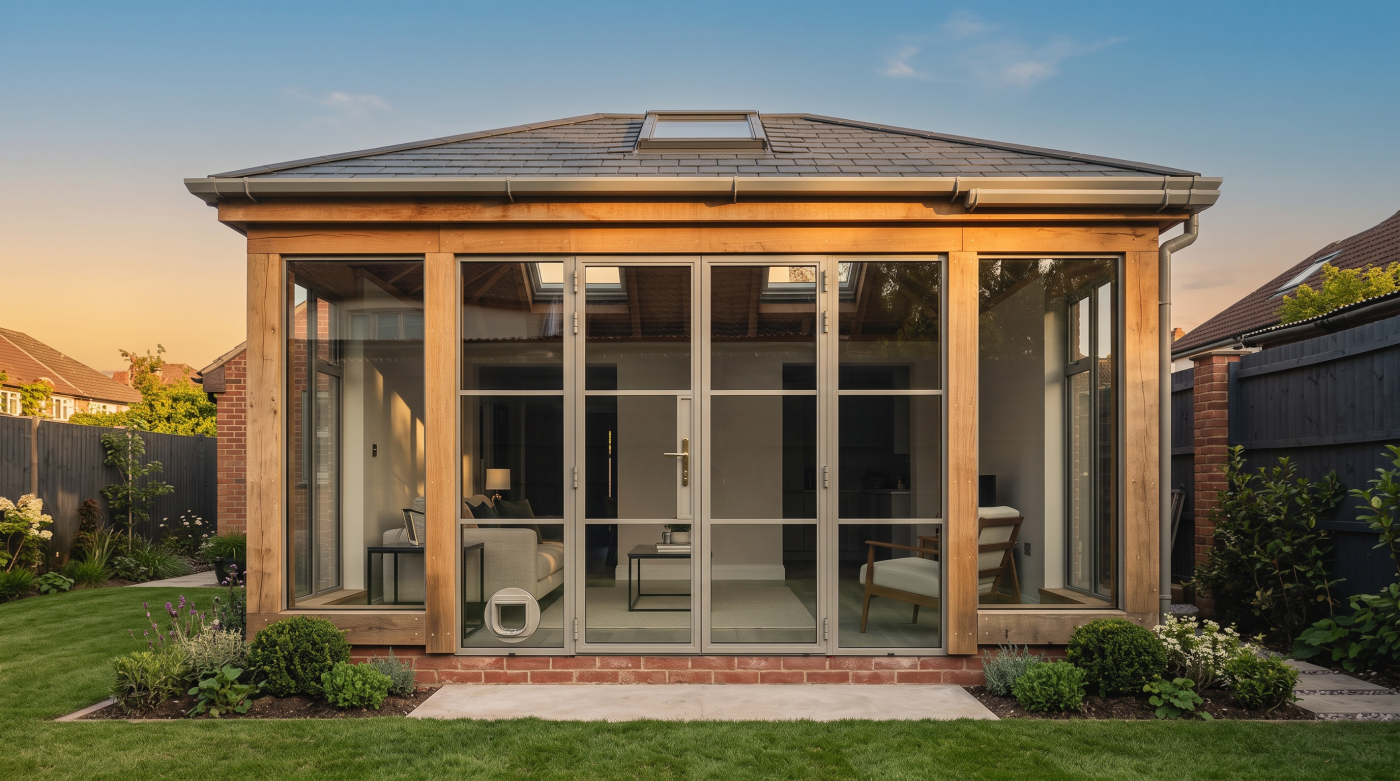
1. First, separate three kinds of change A new rule, a document published for future use and a proposal under consultation can all appear in the same year’s headlines. They do not have the same effect on a project. In glazing, confusing them can lead a homeowner to believe an existing window must be replaced […]
09
Oct
Oct
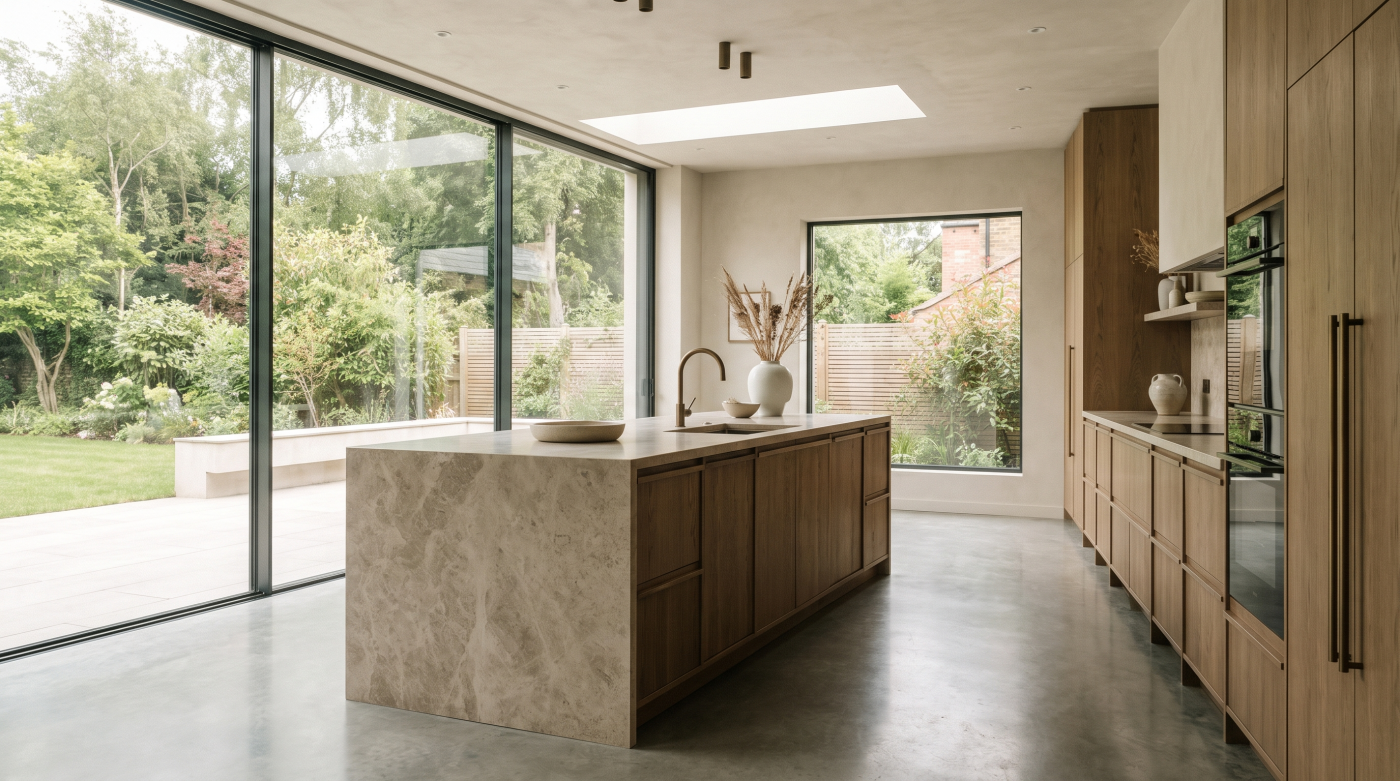
1. Begin with the rooms you want to create Spring can make a renovation feel newly possible. Longer days reveal the garden again, and an extension imagined through winter begins to seem tangible. It is tempting to begin with photographs of broad sliding doors or a roof lantern. A more useful first drawing shows how […]
09
Oct
Oct
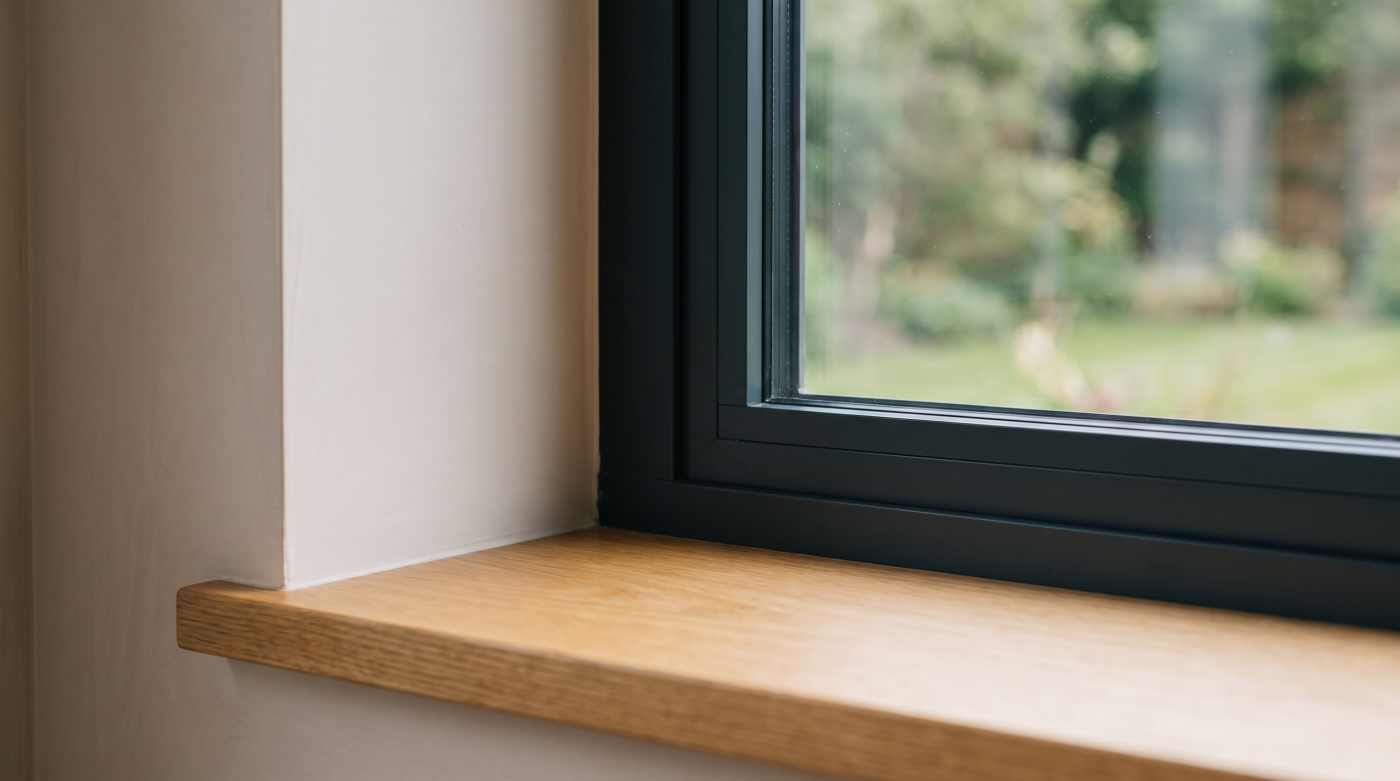
1. Begin where you actually feel uncomfortable Choose the room and position where the cold is most noticeable. It might be a chair near a bay, a bed beside an external wall or a desk facing a window. The starting point matters because discomfort is experienced in a particular place, not as an average temperature […]
09
Oct
Oct
1. The problem begins with the room, not the glass A glazed room can be a pleasure in one season and difficult to occupy in another. The cause is rarely captured by the area of glass alone. A shallow room with a shaded garden outlook behaves differently from a deep kitchen beneath a broad rooflight. […]
07
Oct
Oct
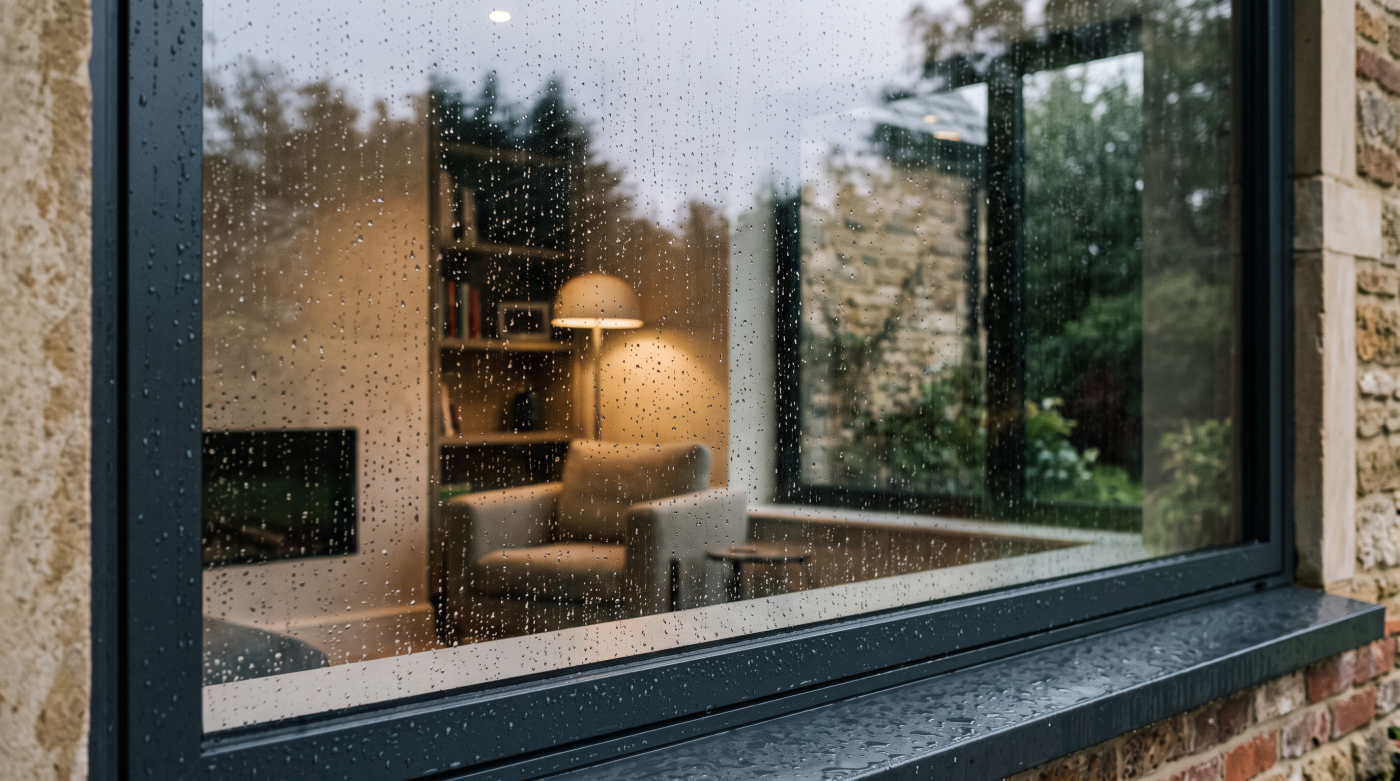
1. Weather tests the whole opening A window can seem entirely sound through a dry week and then admit air or water during a single period of driving rain. This is not mysterious. Wind changes the pressure across an elevation and pushes rain against surfaces it may barely touch in calmer weather. Orientation, shelter, height […]
07
Oct
Oct
1. Let the change in light show you how rooms work When the clocks go back in autumn, the official hour changes; the daylight available to a house follows the season. Evenings become darker earlier, and the rooms that felt open in summer can begin to feel quite different. In the UK, British Summer Time […]
07
Oct
Oct
1. Why a draught feels worse in midwinter January gives a draught a particular force. Rooms are occupied for longer, heating is in regular use and a movement of cold air across a desk or bed can become difficult to ignore. The month is typically the coldest in southern England, according to the Met Office’s […]
07
Oct
Oct
1. Start with the date the building needs to be ready Ask when the windows need to be in place, rather than when an order should be signed. A family moving into a renovated house has a different deadline from someone replacing two windows in an occupied bedroom. On an extension, the glazing may need […]