
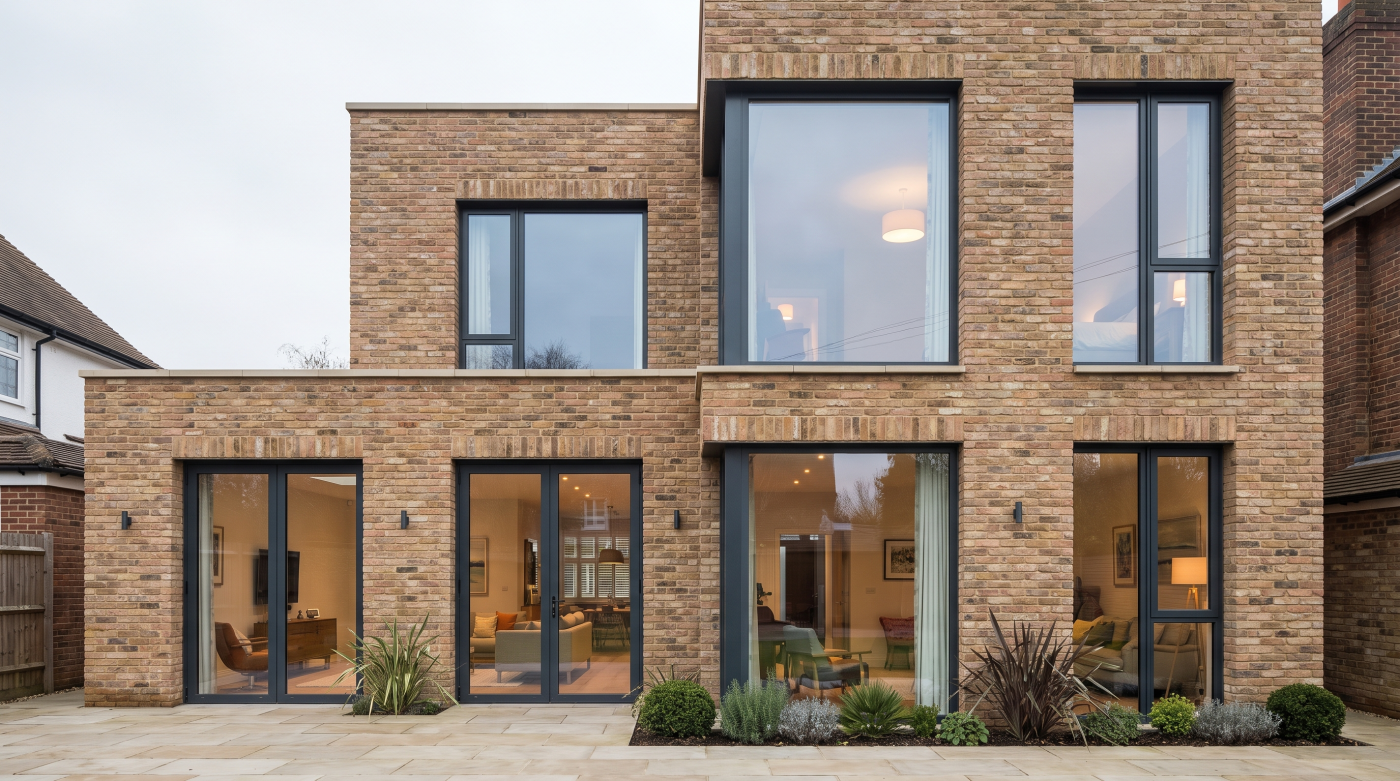
The Render Was Never the Room A good render can feel remarkably convincing. It brings the architecture, furniture, lighting, materials and landscape together into a single image, often with enough realism that it becomes easy to imagine the finished room will feel exactly the same. But a render is still one controlled interpretation of the […]
28
Sep
Sep
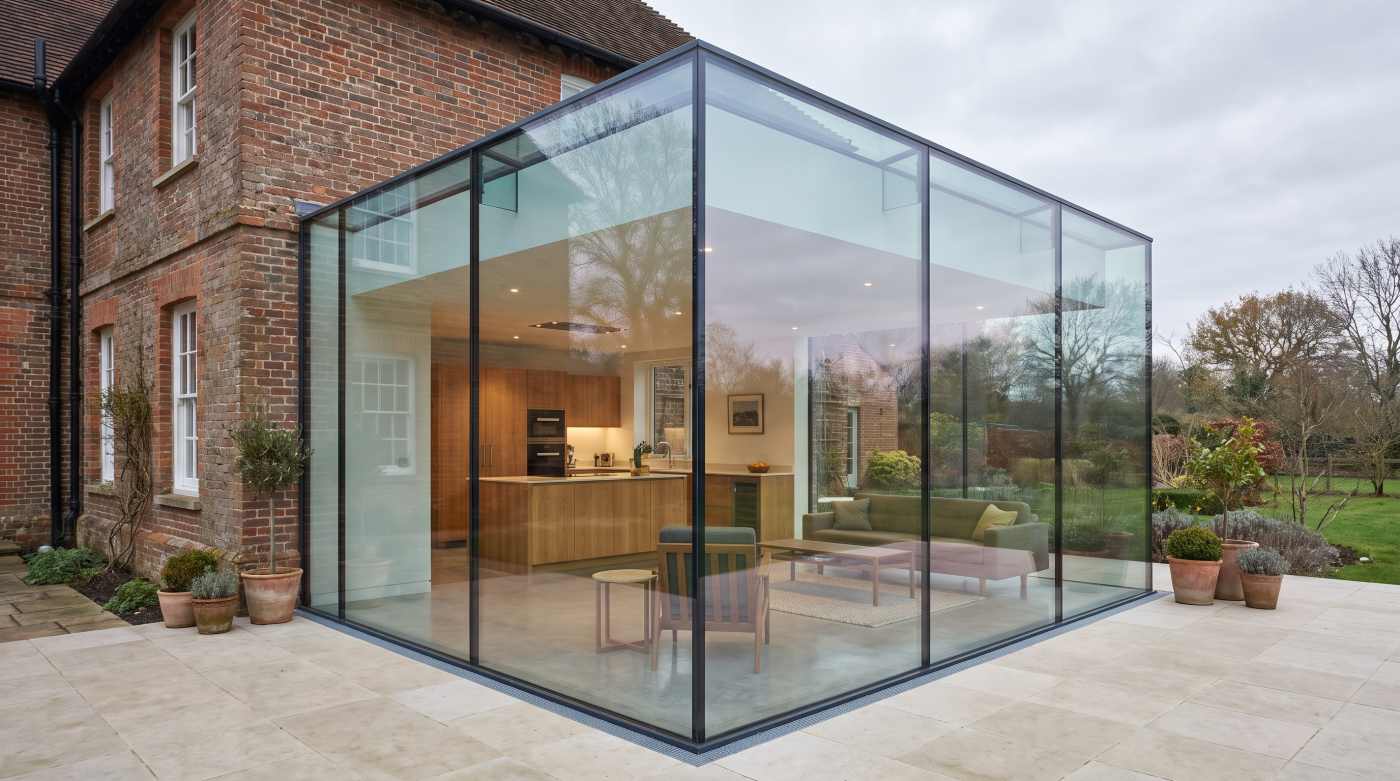
The Extension Is Usually Not Ruined by the Big Idea Most extensions are judged first by their largest gestures. How much glass should there be? Should the new structure contrast with the original house or feel more continuous? Where should the main opening sit, and how should the room connect to the garden? Those decisions […]
28
Sep
Sep
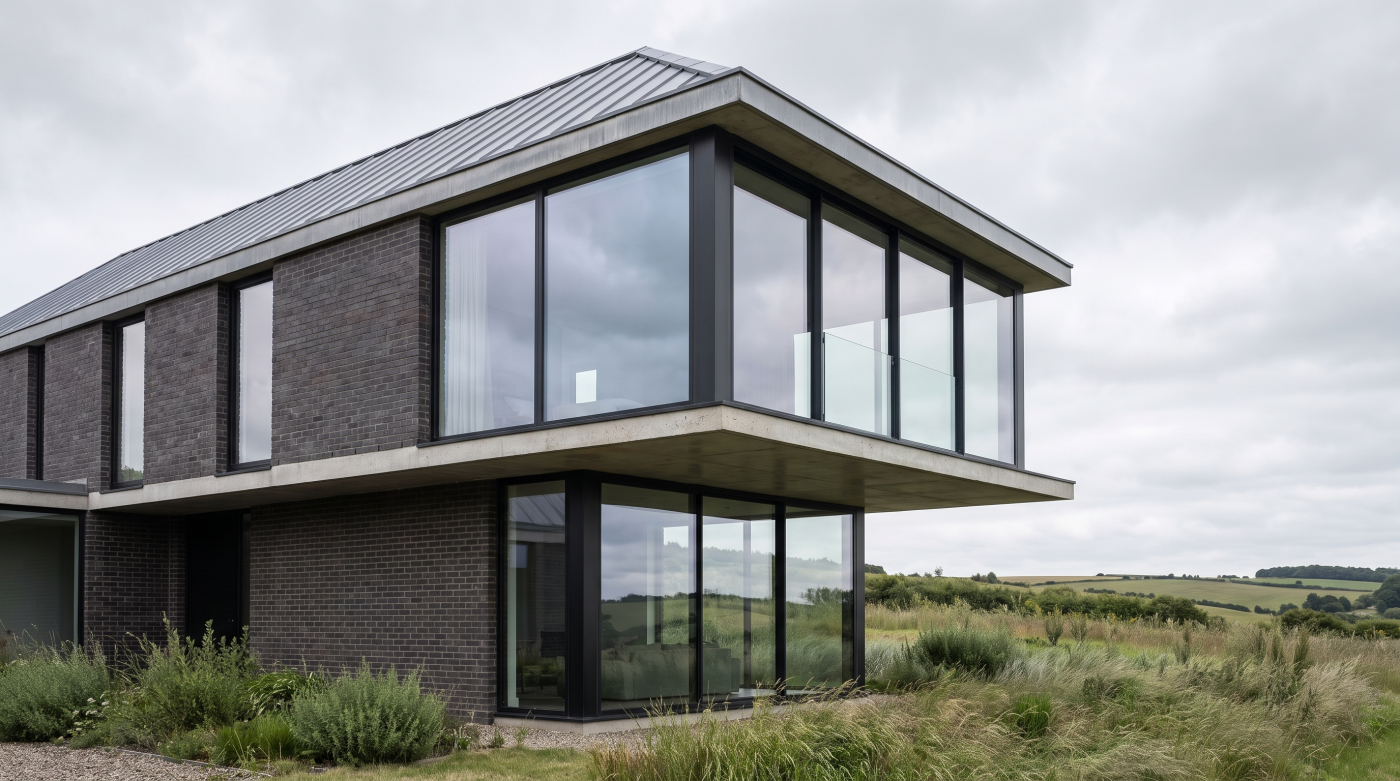
The Photograph Is Showing You a Moment, Not the Window A window can look almost perfect online because the photograph is doing more work than we realise. The viewpoint has been chosen carefully, the light is flattering, the room is styled and the landscape beyond the glass may be doing as much to create the […]
28
Sep
Sep
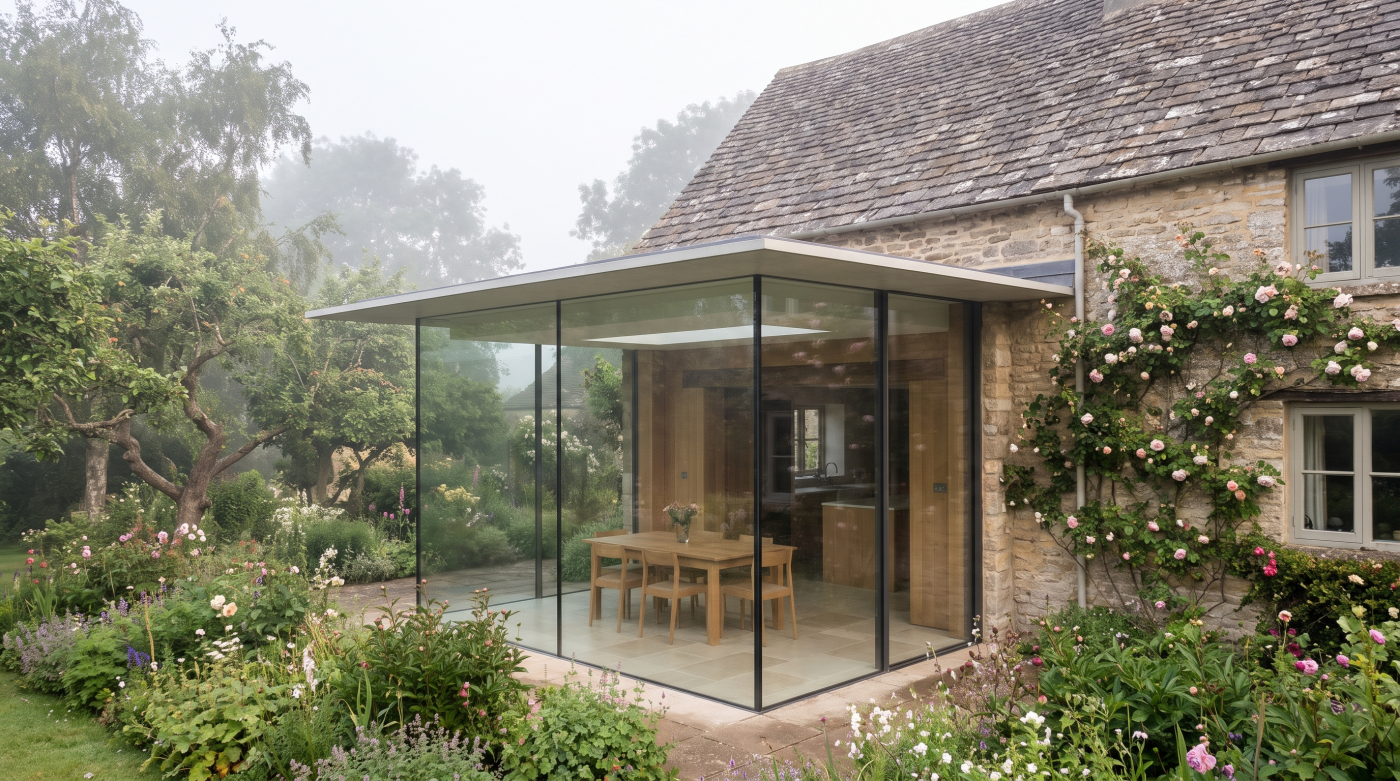
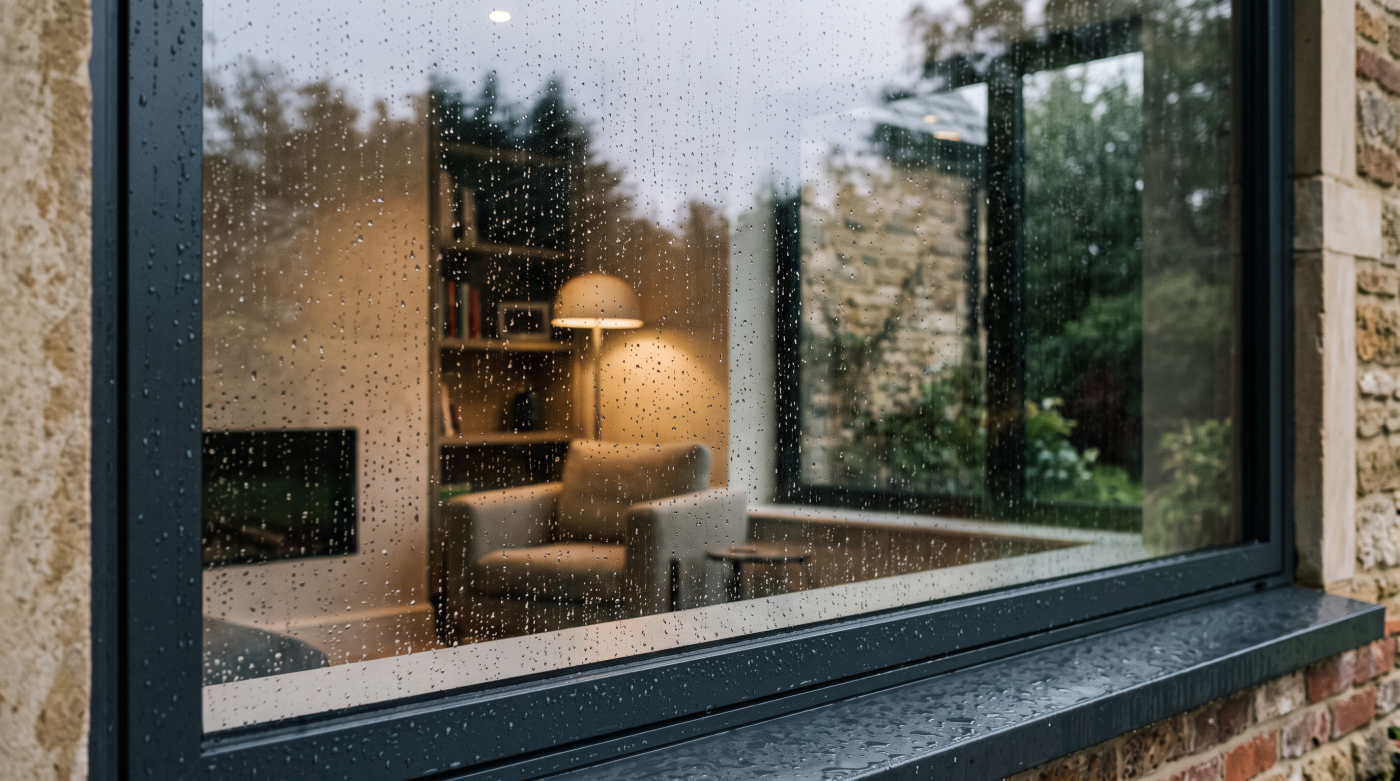
The House Does Not Feel Like Your House for a While One of the strangest parts of living through a window or door installation is how quickly familiar rooms can stop feeling familiar. A space that normally feels settled can become temporarily dominated by protective coverings, tools, access routes and the movement of people working […]
22
Sep
Sep
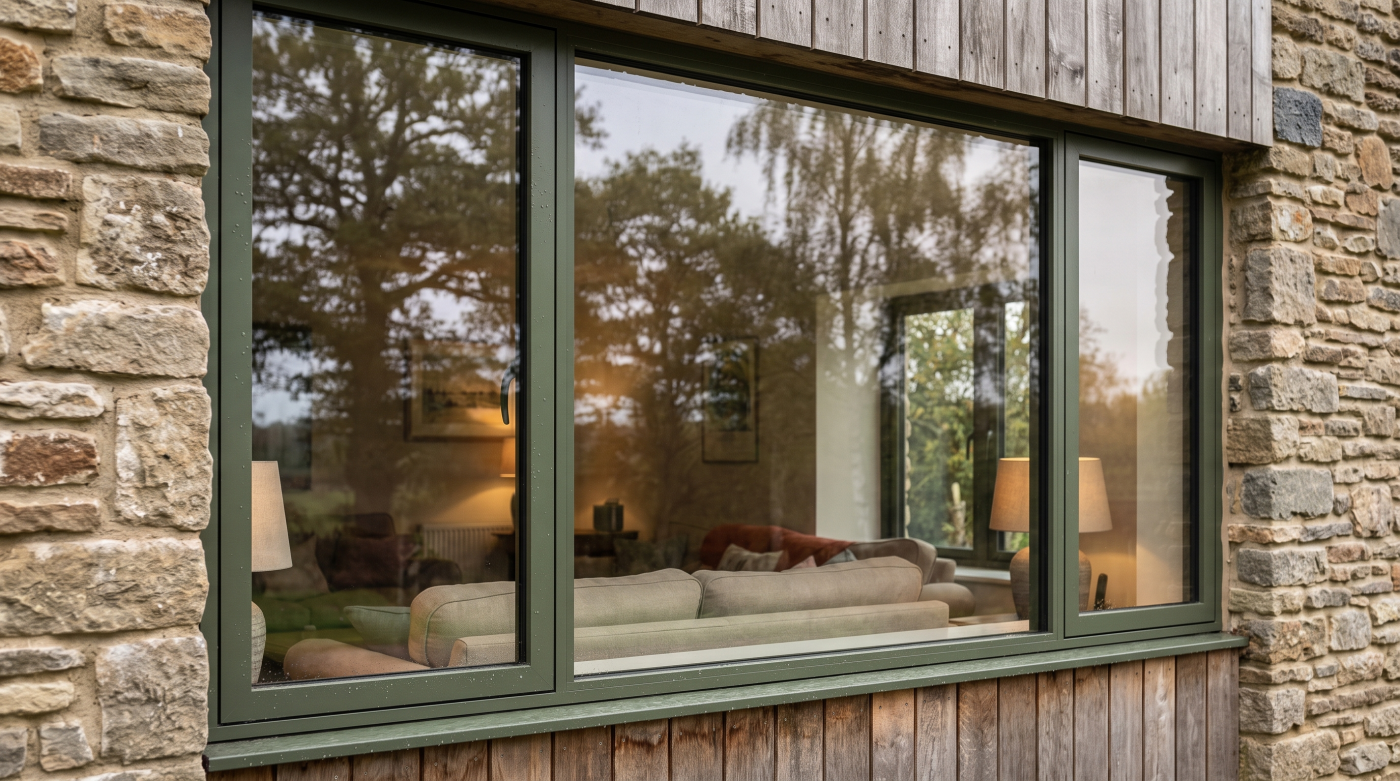
It Is Not Really About Choosing the Windows The decision that keeps a homeowner awake during a renovation is rarely just which windows or doors to choose. It is the possibility of reaching the end of a long, demanding project and discovering that the finished home does not feel quite as they imagined. The glazing […]
22
Sep
Sep
I Would Start With the House, Not the Windows If I were choosing windows again, I would begin by looking more carefully at the house itself. It is easy to spend weeks comparing frame styles, saving photographs and researching manufacturers without first deciding what each window needs to contribute to the building. The research feels […]
22
Sep
Sep
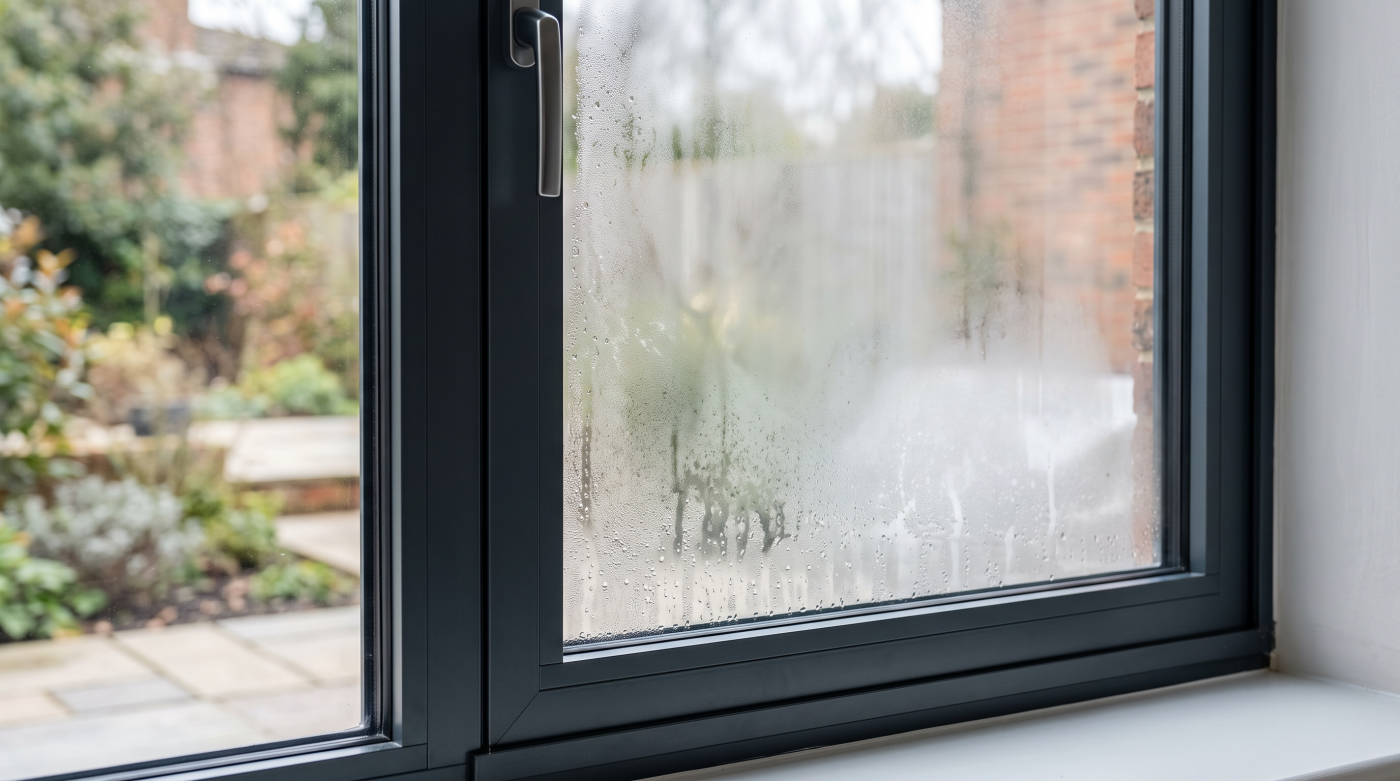
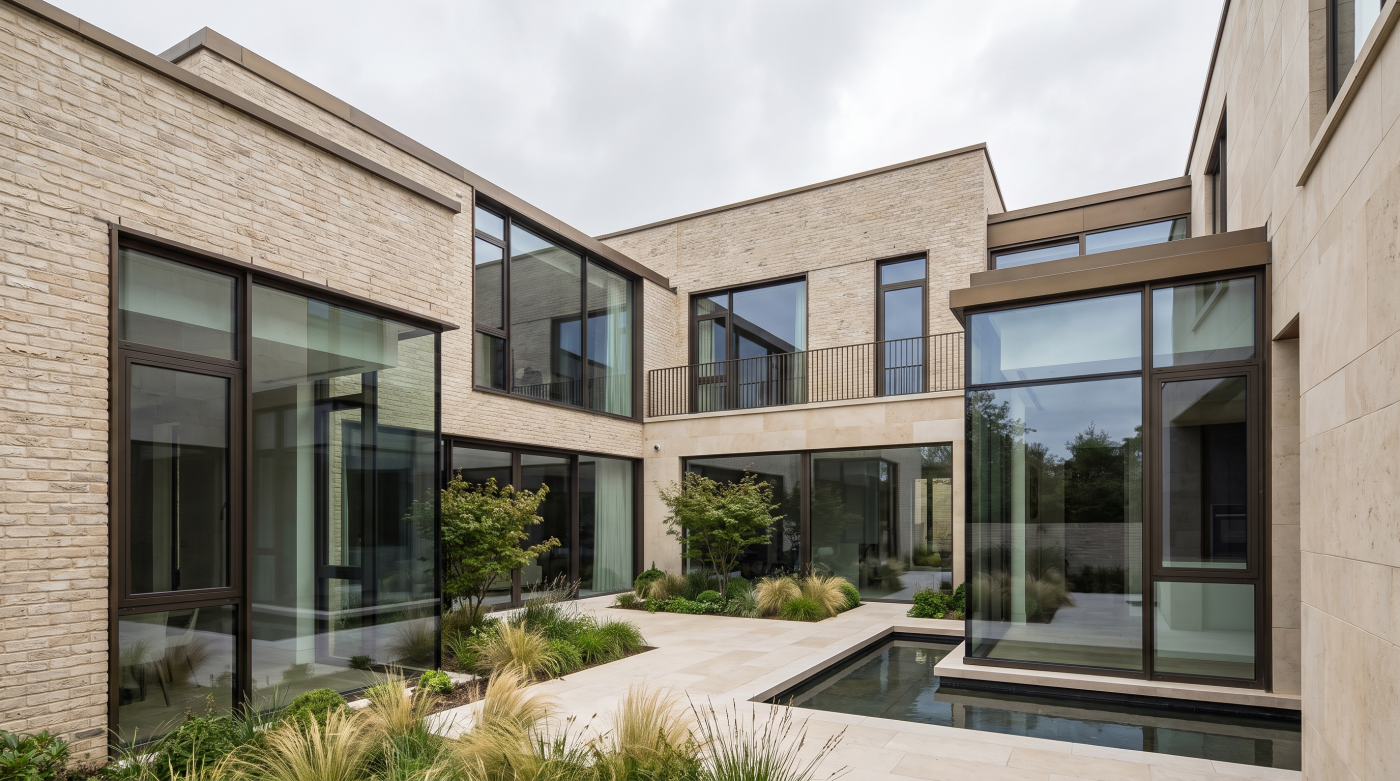
What Are the First Signs That Your Glazing May Be Failing? The first signs of a glazing problem are often changes in appearance or comfort that were not previously noticeable. A window may develop persistent misting, visible damage to the glass or moisture around its frame. It may also begin to feel draughtier or less […]
22
Sep
Sep
Do More Expensive Windows Actually Block More Outside Noise? More expensive windows can provide better sound insulation, but a higher price does not automatically mean a quieter home. The cost of a window may reflect its size, frame material, finish, opening mechanism or architectural detailing, none of which establishes how effectively it will reduce a […]
21
Sep
Sep
Is It a Problem to Leave Old Windows in Place? Leaving old windows in place is not necessarily a problem. A window does not become unsuitable simply because it has been installed for many years, and age alone provides little indication of how well it continues to serve the building. Its condition, construction, exposure to […]

21
Sep
Sep
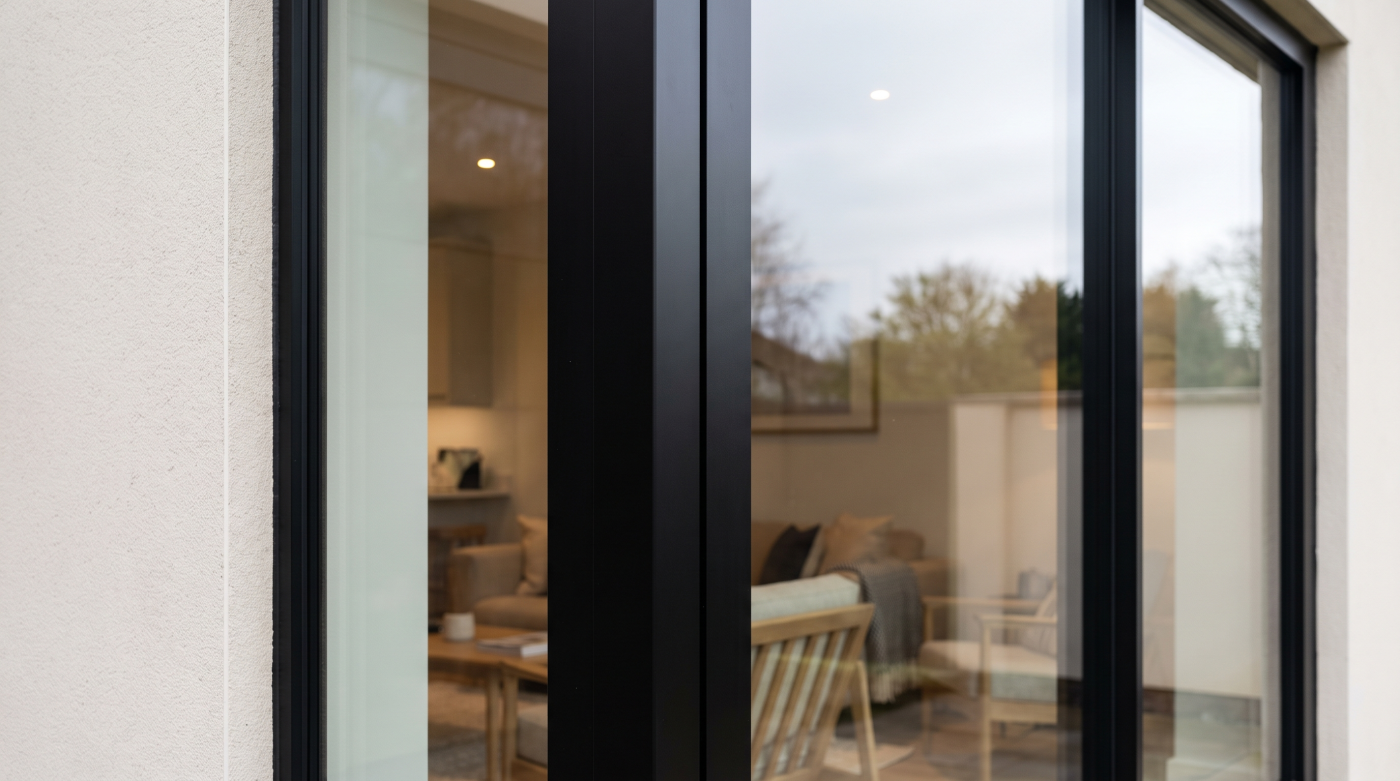
Can You Change the Colour of Existing Windows Without Replacing Them? Changing the colour of existing windows is sometimes possible without replacing the frames or glazing. Where a window remains structurally sound, operates correctly and has a surface suitable for refinishing, a new colour may offer a way to alter its appearance while retaining the […]
21
Sep
Sep
Why Do New Windows Feel Colder After Sunset? New windows can feel noticeably colder after sunset, even when they are performing exactly as intended. During daylight hours, sunlight passing through the glazing can contribute warmth to a room, while solar radiation may also increase the temperature of the glass and surrounding surfaces. As daylight fades, […]
21
Sep
Sep
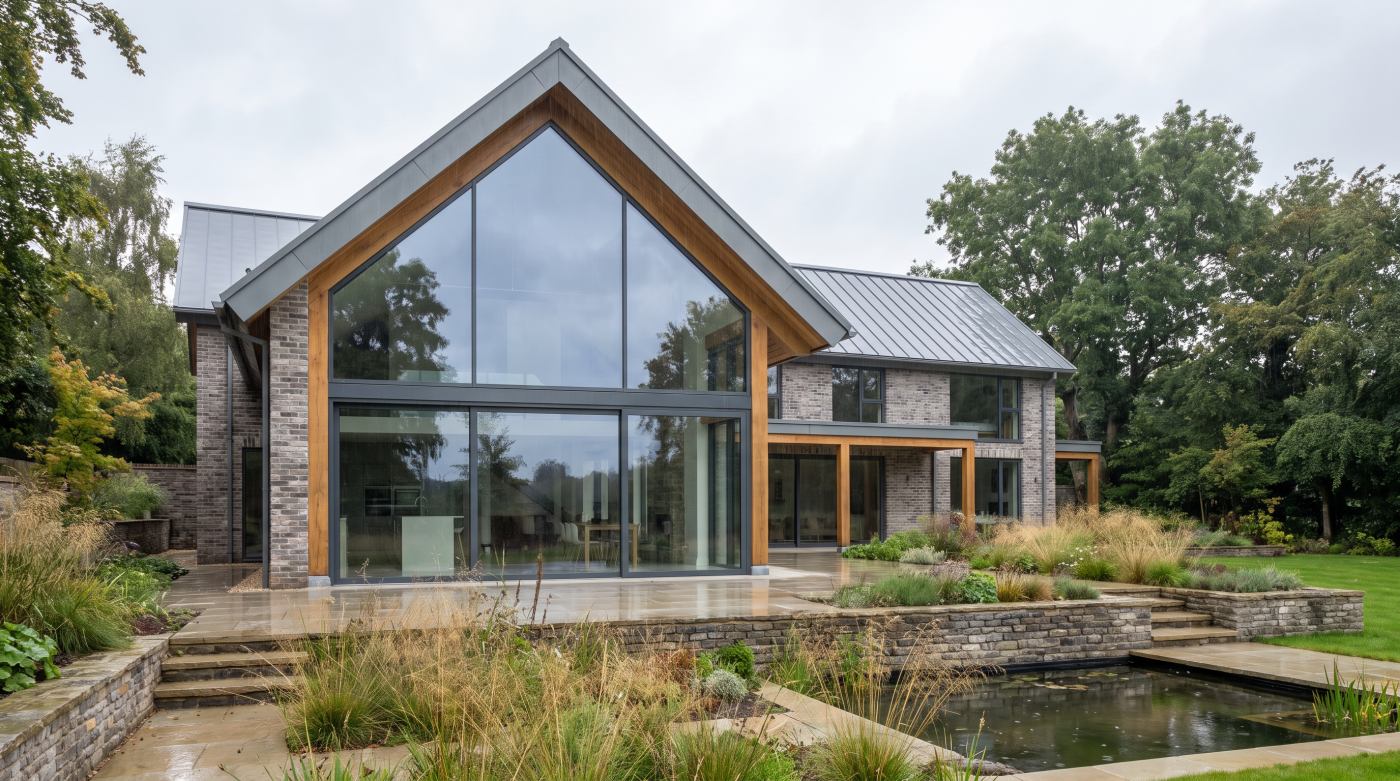
Is Replacing Windows One Room at a Time a Sensible Approach? Replacing every window in a property at the same time is not always necessary, nor is it necessarily the most appropriate approach to a renovation. For homeowners managing a limited budget, living through building work or improving a property over several years, replacing windows […]
18
Sep
Sep
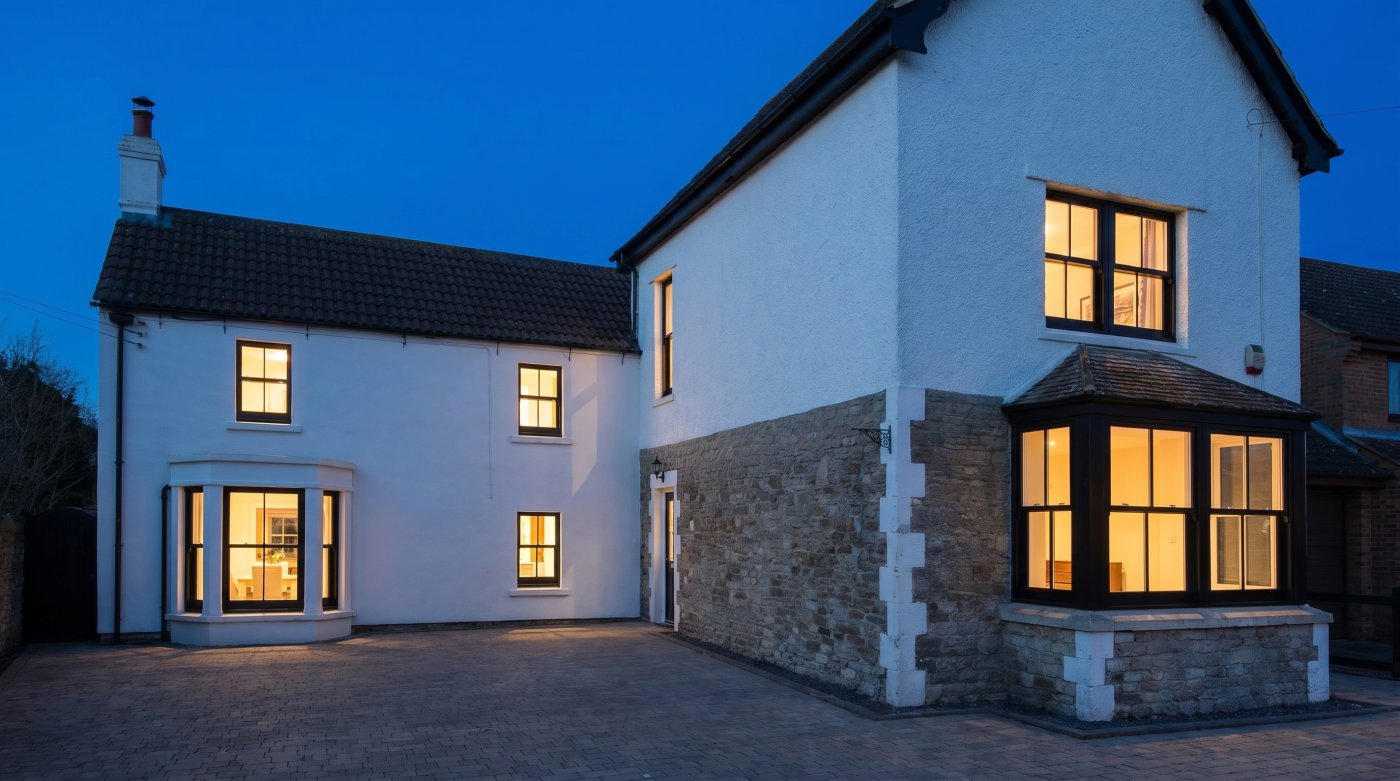
Making a Window Bigger Is Not the Same as Replacing It Replacing a window and enlarging a window opening may sound like variations of the same project. Architecturally, they are quite different. A straightforward replacement generally begins with an opening that already exists. The proportions of wall and glass remain broadly established, and the new […]
18
Sep
Sep
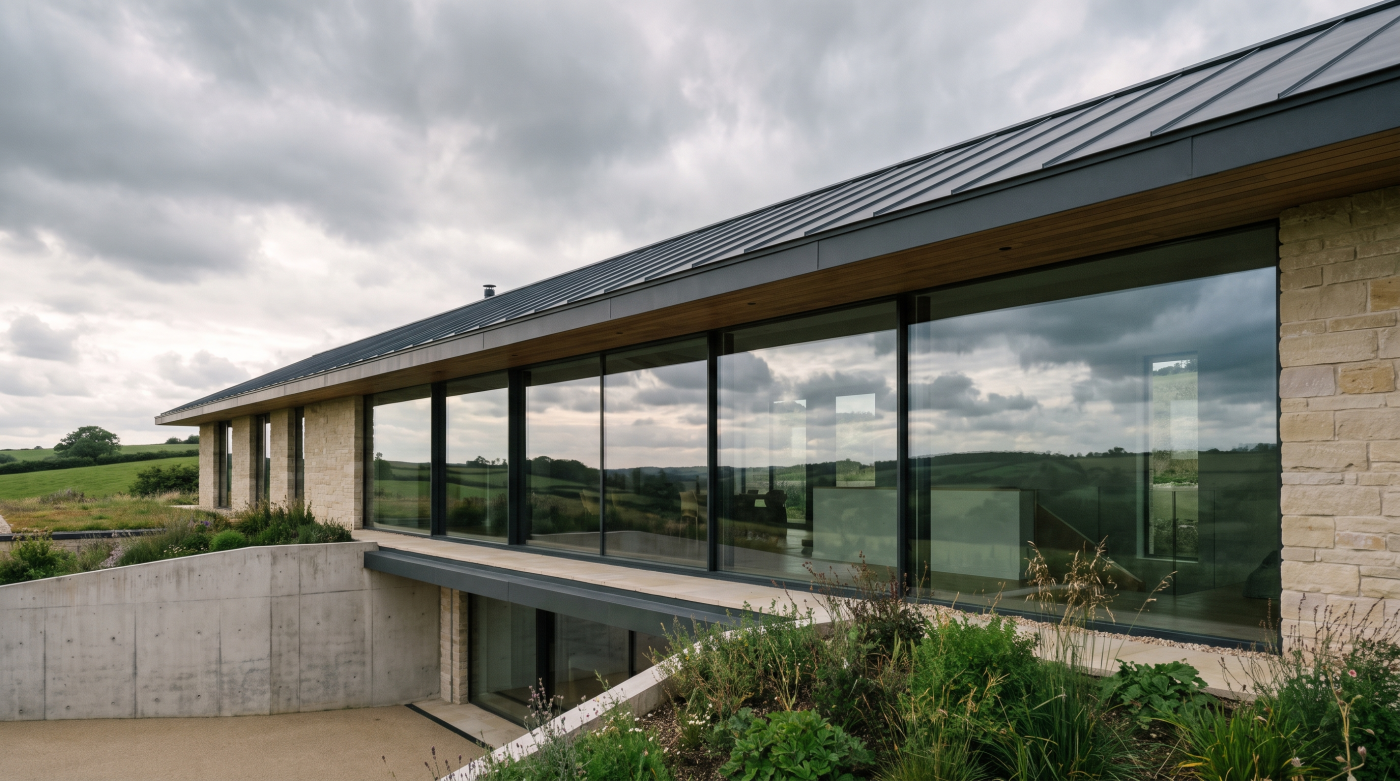
Winter Is a Season, Not an Installation Condition Winter sounds like a single condition. In reality, it describes several months in which the weather can vary considerably from one day to the next. A settled winter morning and a period of severe wind or persistent rain belong to the same season, but they do not […]
18
Sep
Sep
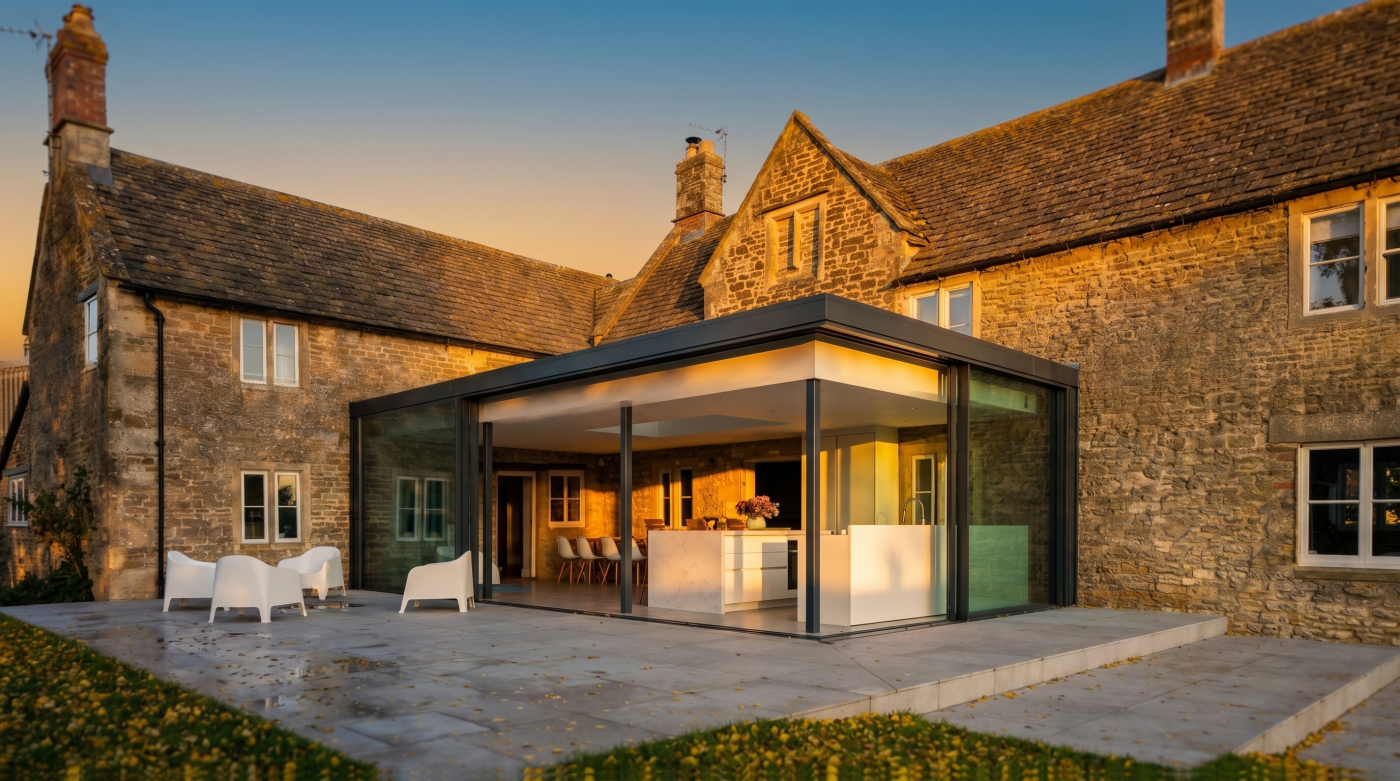
There Is No Useful “Windows Per Day” Rule It is tempting to measure a window installation by asking how many openings should be completed each day. The problem is that openings are not interchangeable units. Installing a series of relatively modest windows with straightforward access is a different proposition from working with large glazed elements, […]
18
Sep
Sep
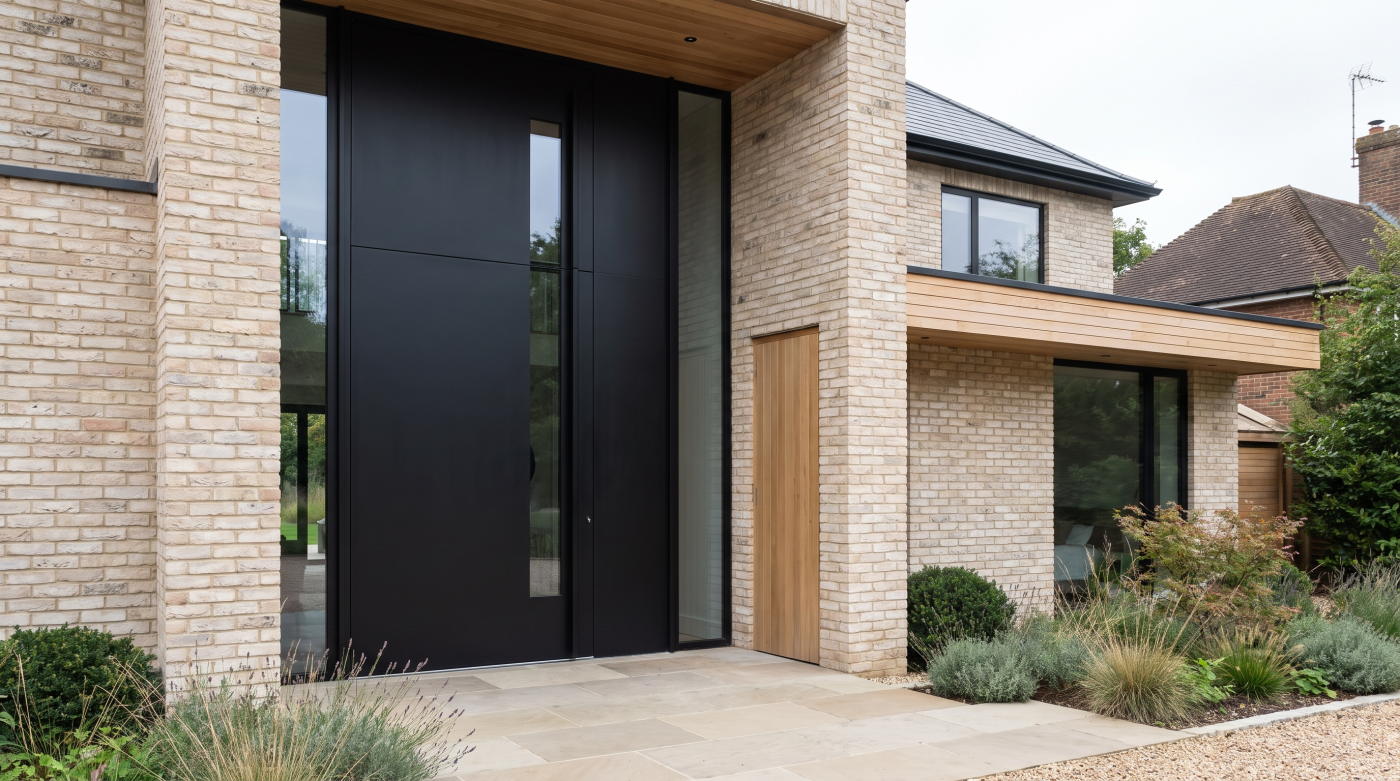
First, Decide What You Mean by “Add Value” When homeowners ask whether new windows add value to a house, they are usually asking a financial question. If I spend this much, will the property eventually be worth more? It is understandable, but it compresses several different kinds of value into a single number. There is […]
17
Sep
Sep
The Frame You Barely Notice Can Be One of the Biggest Differences From across a room, two large glazed doors can look remarkably similar. Both might have dark aluminium frames, generous areas of glass and the same broad promise of connecting the house with the garden. In photographs, the distinction between them may appear almost […]
17
Sep
Sep
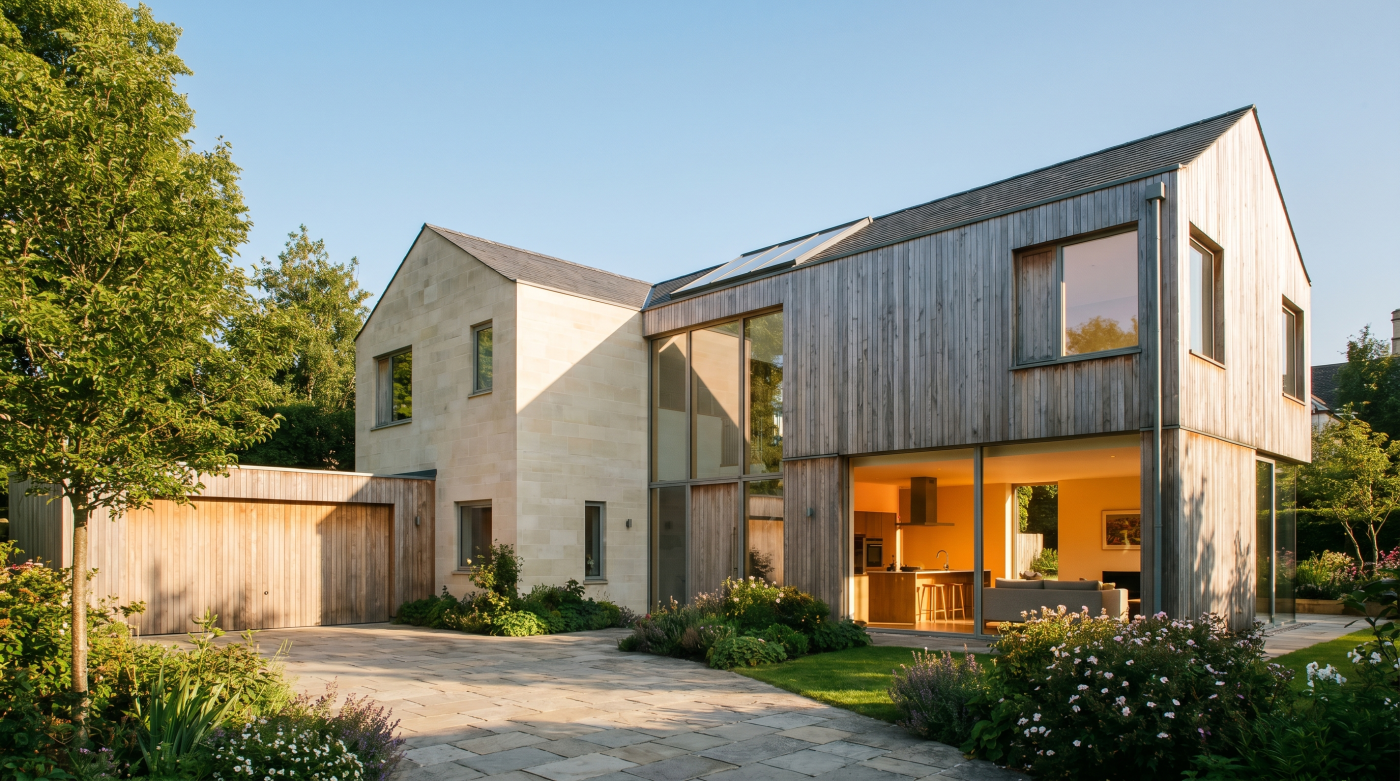
The Window Is Visibly Deteriorating — or No Longer Works Properly Some reasons for questioning a window are difficult to ignore. Its condition may have visibly changed. Frames or finishes can begin to show deterioration, components may no longer appear as they once did, or the window itself may have become increasingly difficult to use. […]
17
Sep
Sep
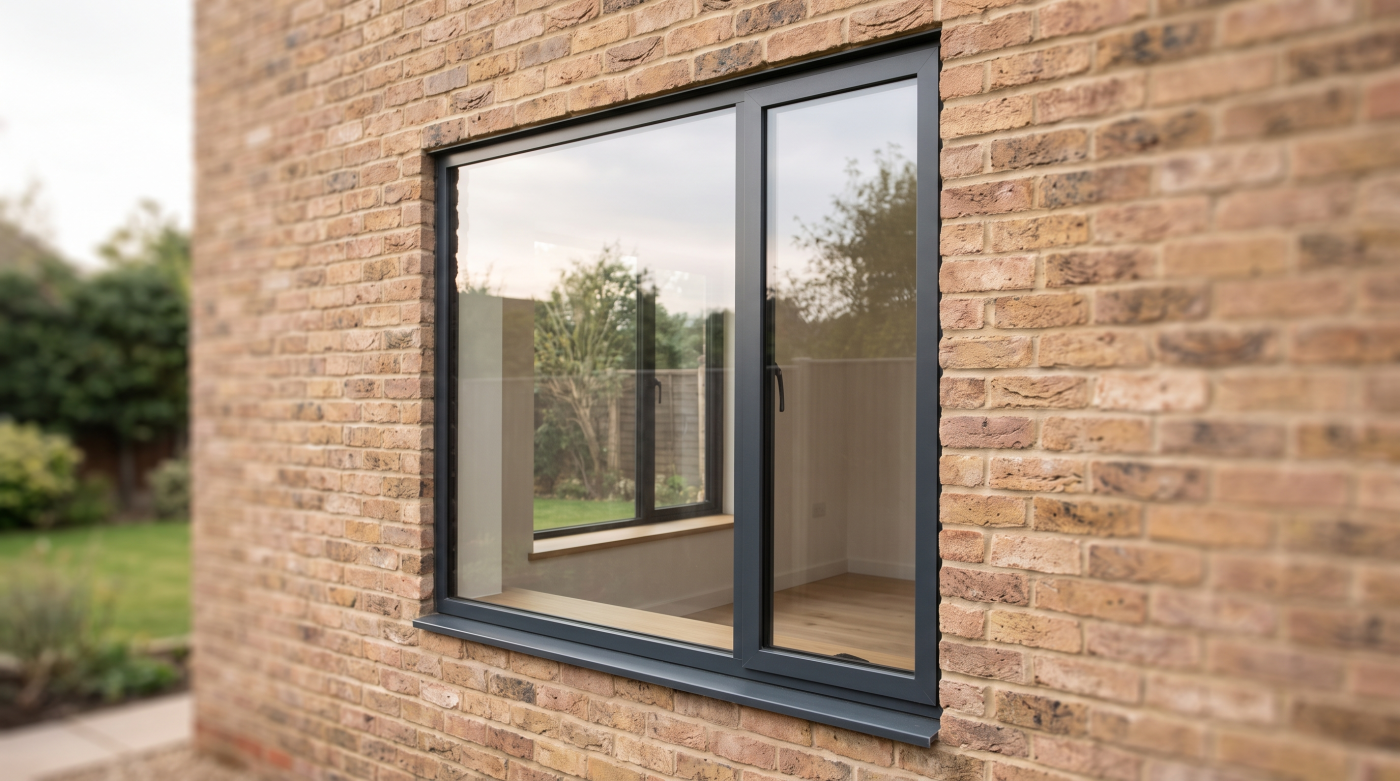
You Haven’t Really Ordered a Window Until You’ve Defined One Choosing the kind of window you want can feel like the decisive moment. You may have settled on a frame material, decided that a particular opening should contain sliding doors or agreed on the broad appearance you want throughout the house. At that point, it […]
17
Sep
Sep
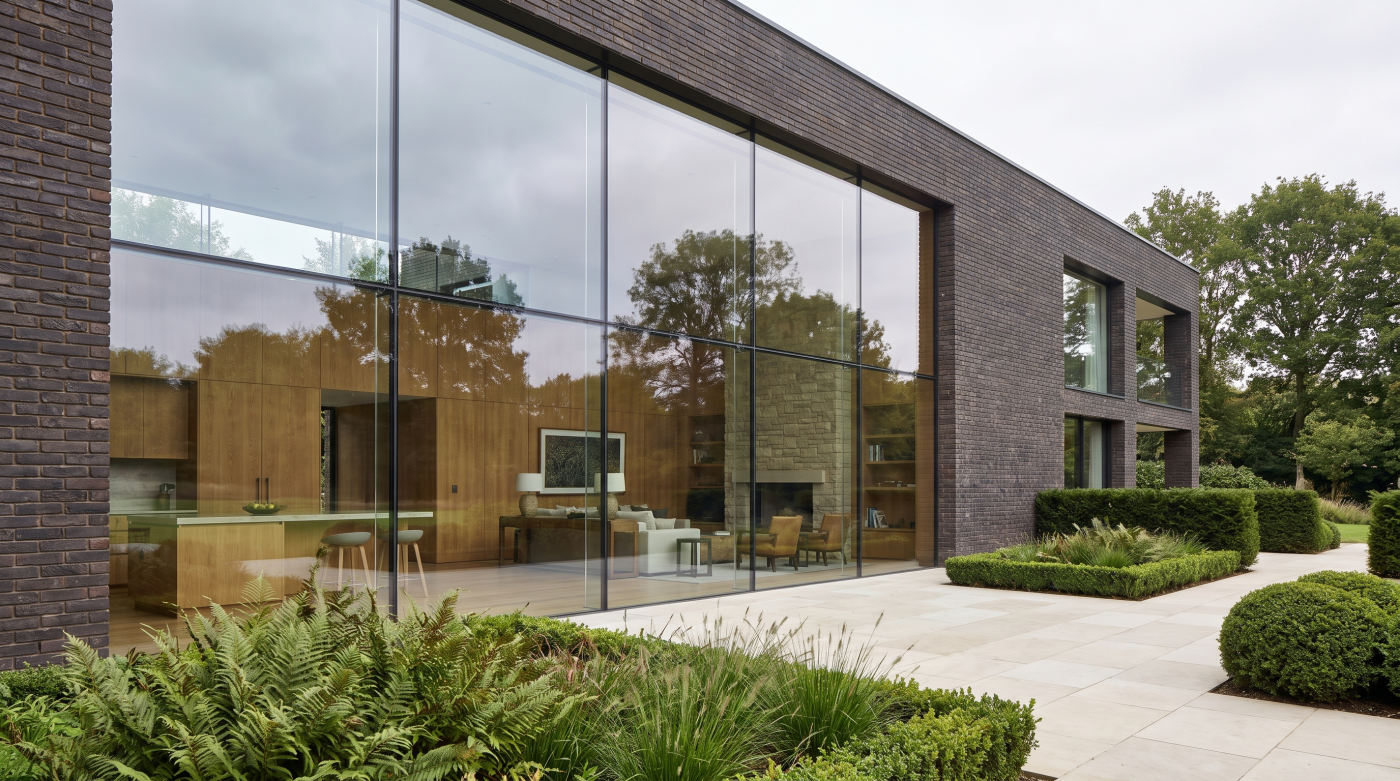
The First Question Is Not “How Long?” It Is “From When?” Ask how long your windows will take and the answer will often be expressed in weeks. That sounds reassuringly precise. Yet the number has limited meaning until another question has been answered: when does the period actually begin? A homeowner may instinctively start counting […]
16
Sep
Sep
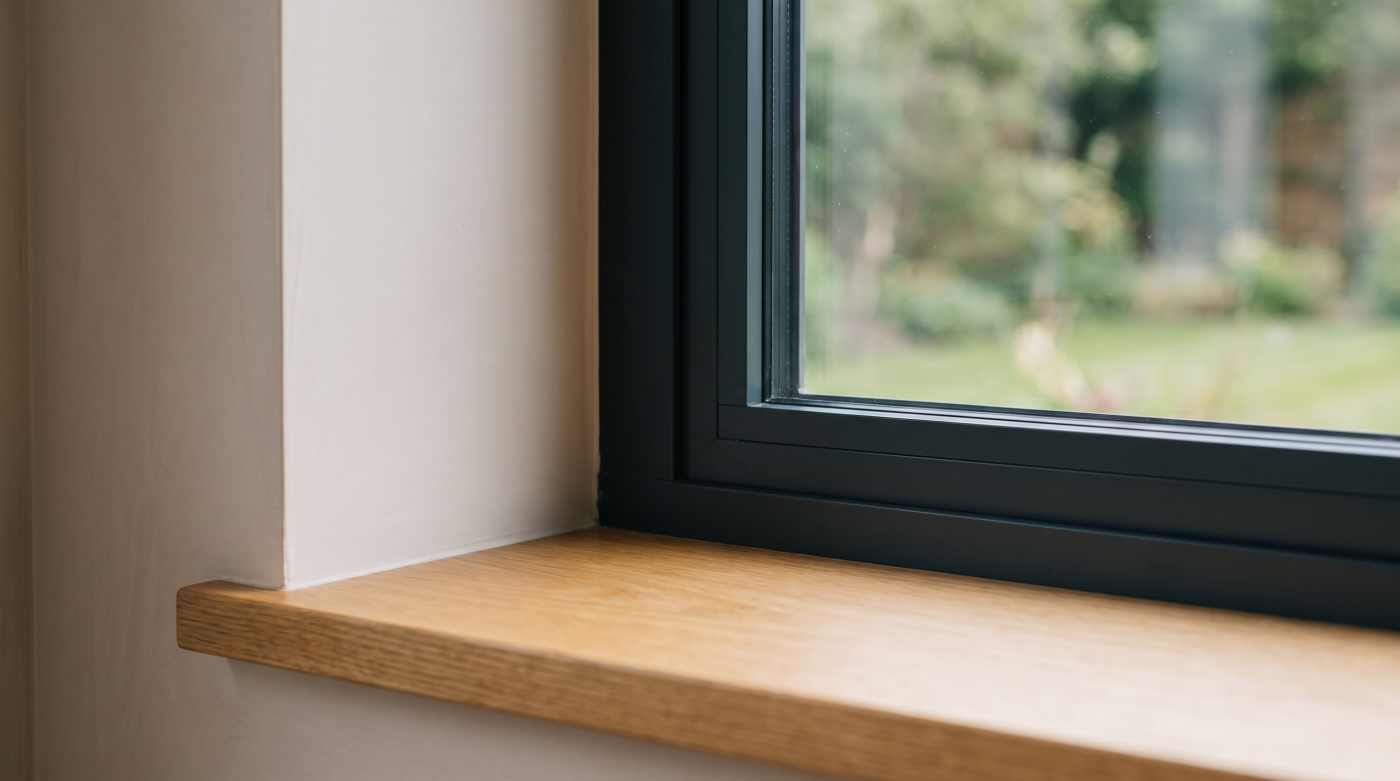
The First Confession: The Window Is Rarely the Whole Problem When a window disappoints, it is natural to assume that the answer begins with the window. Sometimes it does. But after enough projects, a broader pattern becomes difficult to ignore: the glazing is only one part of an architectural relationship. A window sits within an […]
16
Sep
Sep
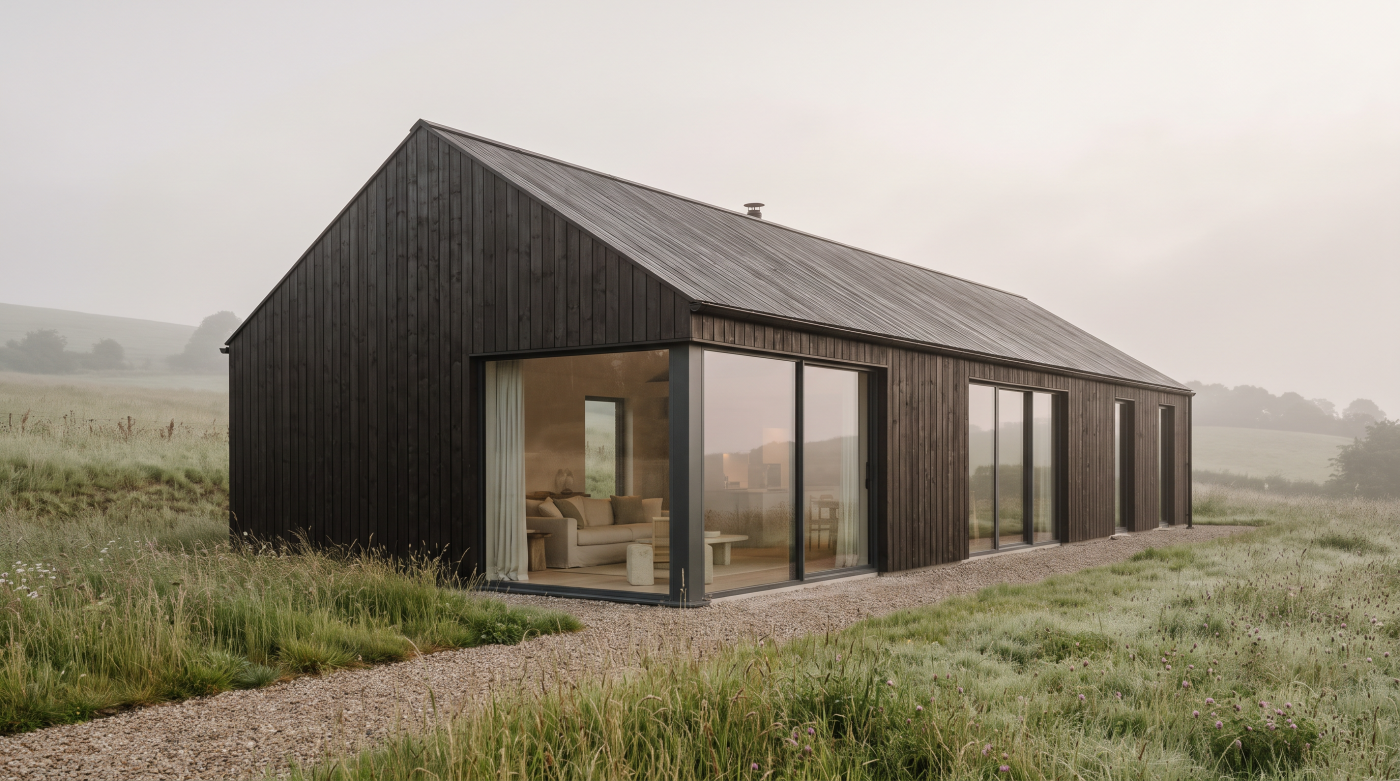
Your Quote Starts With the Information You Give Them Before a supplier can put a price against your windows, they first have to understand what they are being asked to price. Sometimes that information is relatively developed. There may be architectural drawings, dimensions, configurations and a clear sense of what the finished glazing is intended […]
16
Sep
Sep
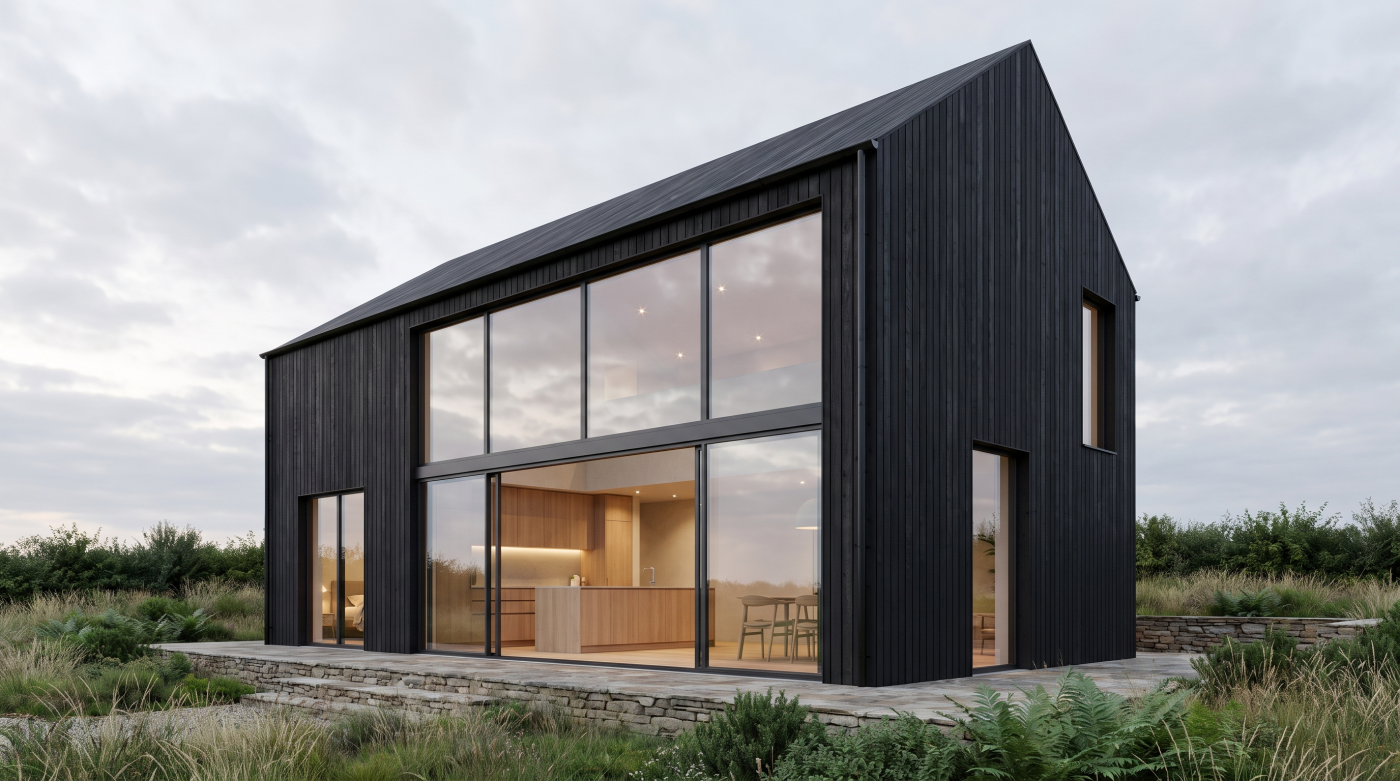
Your Window Begins as Information, Not Glass Long before a finished window reaches a building, it exists as information. At the design stage, much of that information can still feel abstract. There are dimensions on drawings, conversations about proportions, decisions about how an opening should operate and choices concerning appearance and finish. Individually, these may […]
15
Sep
Sep
Your House Is Already Giving You Clues Most homeowners begin a renovation by noticing what they dislike. A room feels colder than the rest of the house. Condensation appears somewhere it did not before. A window seems draughty, an opening feels awkward, or an extension never quite delivers the comfort that was expected of it. […]