
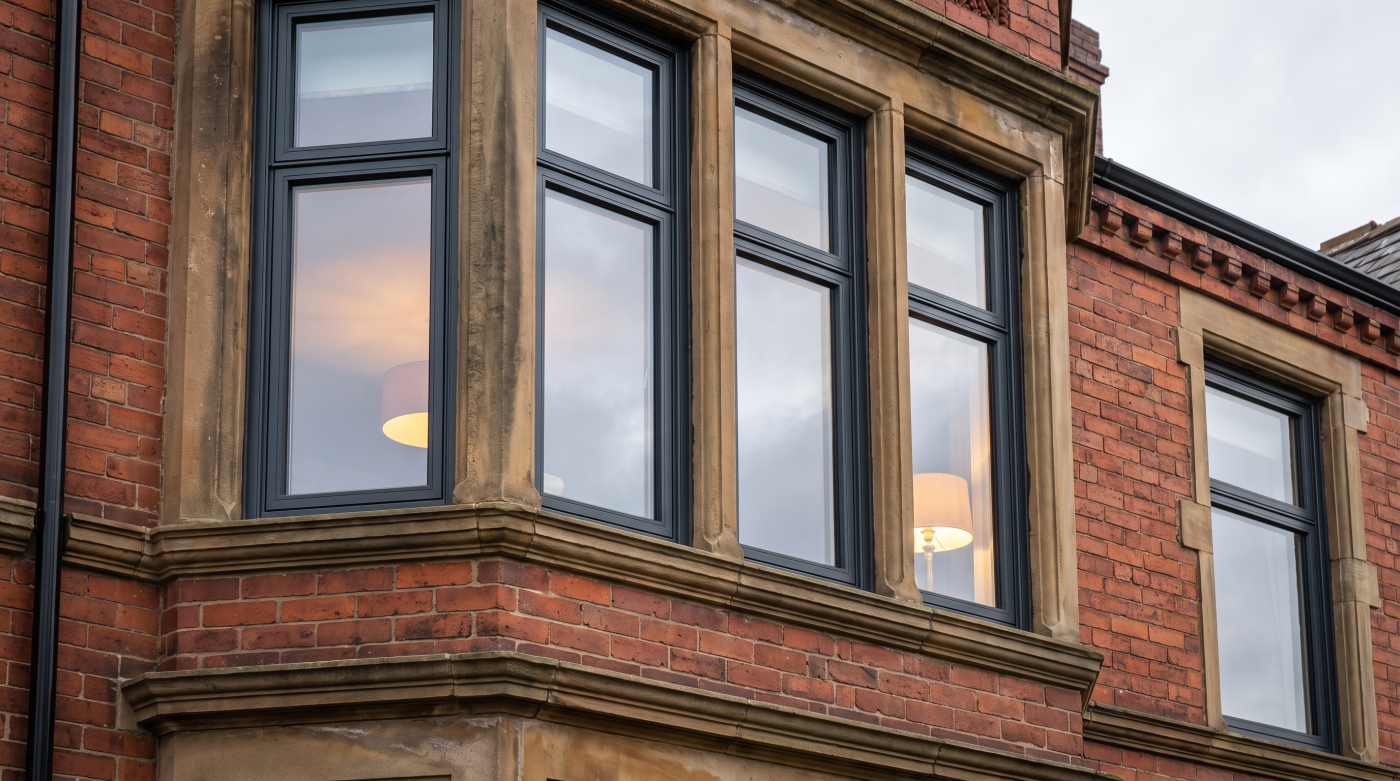
Is There VAT on Replacement Windows in the UK? For an ordinary replacement-window project in the UK, a VAT-registered business will normally charge VAT at the standard rate of 20%. Improving thermal performance does not, by itself, make the work eligible for energy-saving VAT relief. The answer can change where glazing forms part of a […]
Tag Archives: Self Build
12
Oct
Oct
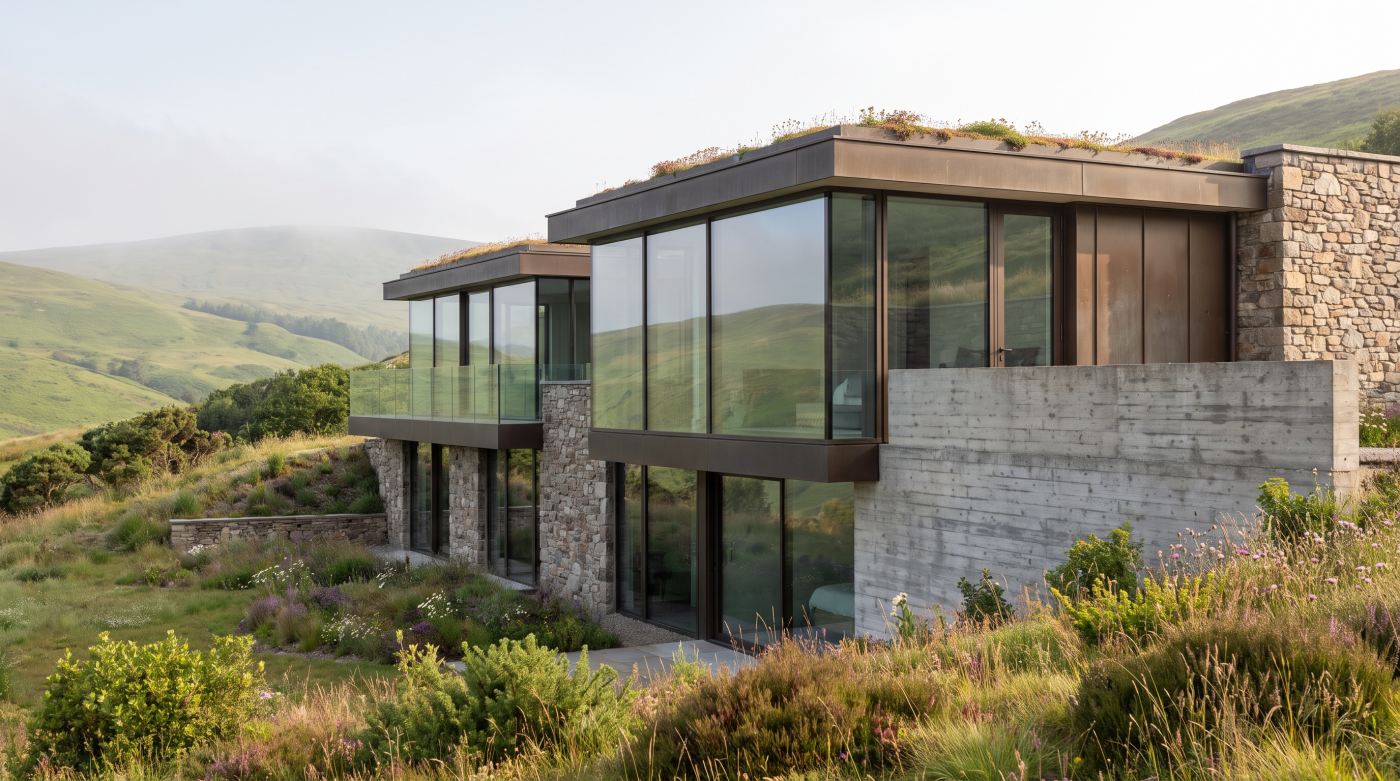
What Is Part O and Will It Stop Me Having Big South-Facing Windows? A large south-facing window can shape the whole experience of a home. It can draw the garden into a living space, bring winter sunlight deep into the plan and give an ordinary room a remarkable outlook. The concern is whether those same […]
15
Sep
Sep
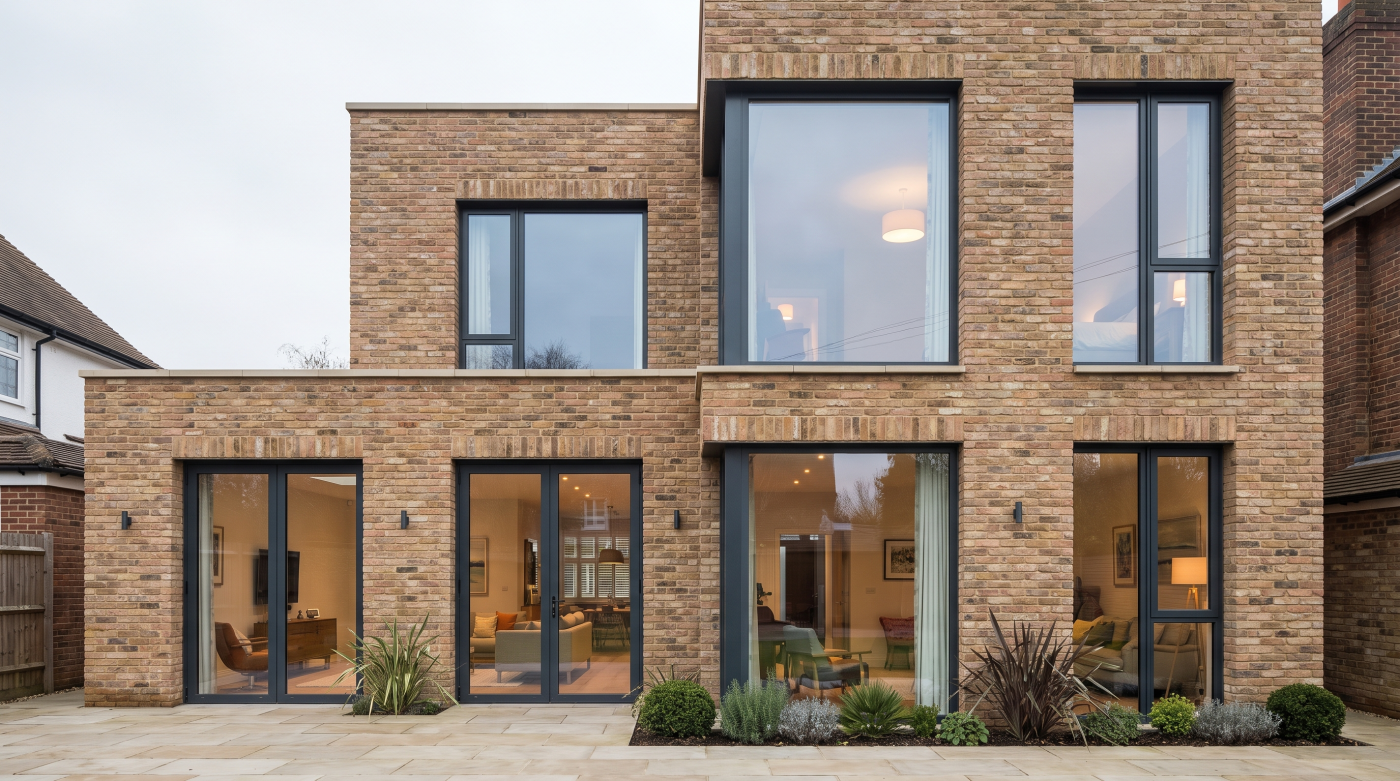
Installers See a Version of Your House You Never Will By the time a homeowner stands back to admire new glazing, much of the evidence of how it reached that point has disappeared. Frames sit within finished openings, surrounding surfaces are completed and the construction behind them is largely concealed. Installation teams encounter a very […]
26
Aug
Aug
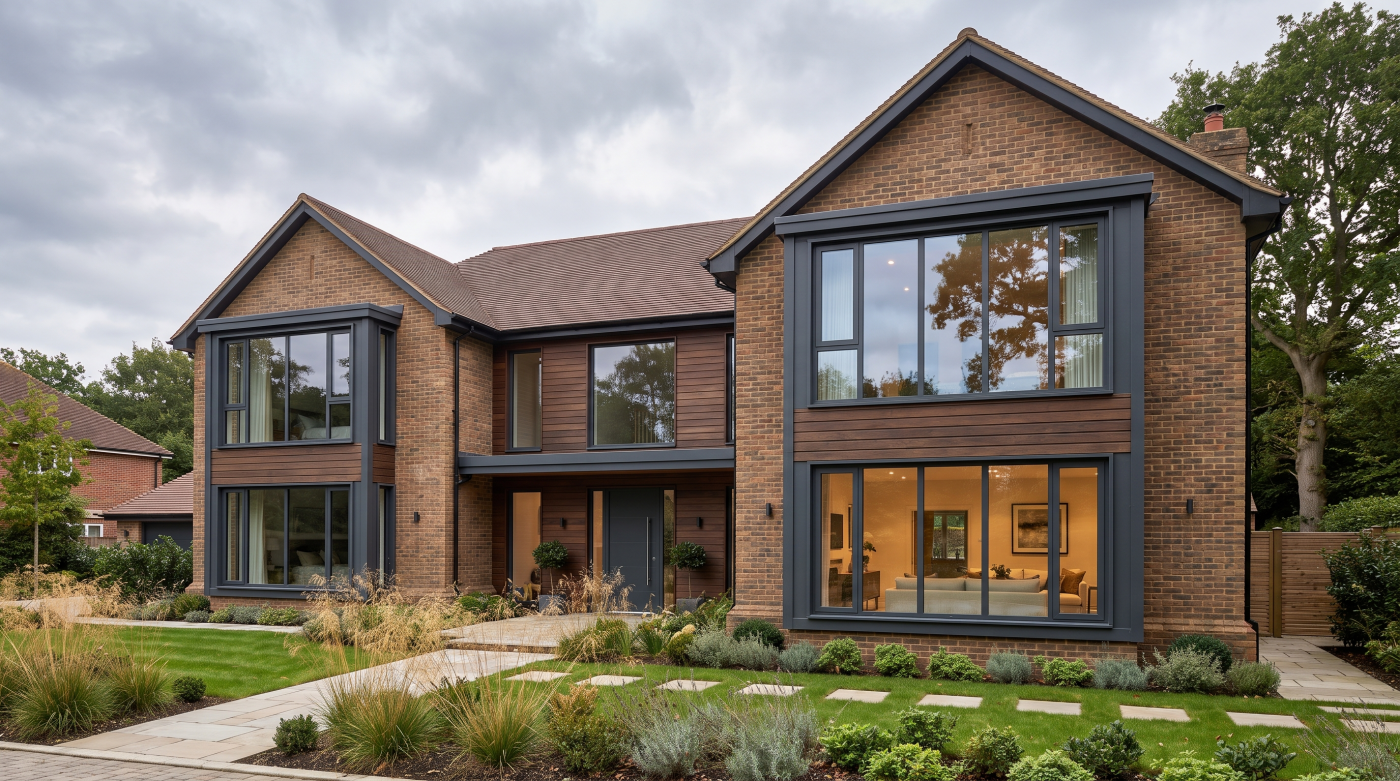
Embodied Carbon Starts Before the Window Reaches the Building The embodied carbon of glazing does not begin when a window or door arrives on site. By that point, materials have already been extracted and processed, glass has been manufactured, frames and components have been produced, and the complete system has been assembled and transported. Each […]
25
Aug
Aug
Put Glazing on the Programme Before You Need the Glass One of the easiest ways for glazing to become a programme problem is to introduce it to the programme too late. On a construction schedule, windows and doors can sometimes appear as two simple milestones: Order glazing. Install glazing. But there is a considerable amount […]
25
Aug
Aug
Stage One: Let the Architect Establish the Architectural Intent There is such a thing as involving a glazing specialist too early. At the beginning of a project, the most important questions are not usually about frame systems, glass specifications or individual products. They are about architecture. How should the home relate to its surroundings? Which […]
24
Aug
Aug
Tell Your Architect How You Want to Live—Not Just What You Want It to Look Like Most homeowners begin a project with images. A photograph of a glass-box extension. A minimal sliding elevation disappearing into a garden. A picture window framing open countryside. These references are useful. They help an architect understand the visual language […]
24
Aug
Aug
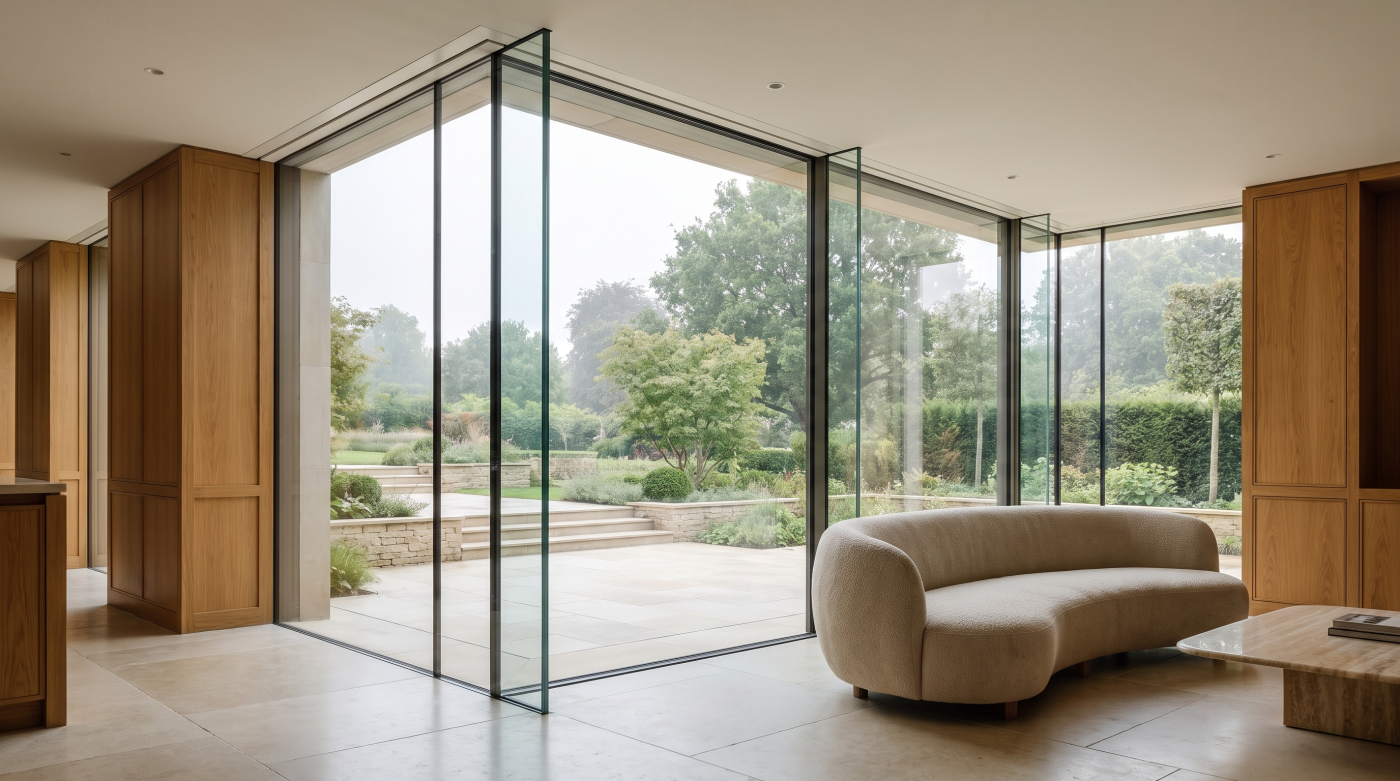
“I Want More Glass” Is Not Yet a Design Brief It is easy to understand why homeowners ask for more glass. Large panes can bring daylight deep into a room, open views towards the landscape and create the sense that the garden has become part of the interior. But “I want as much glass as […]
17
Aug
Aug
What Does “Tolerance” Actually Mean in Glazing? In architectural glazing, tolerance describes the dimensional variation that needs to be anticipated when different parts of a building come together. A drawing may show an opening with precise dimensions and perfectly straight lines, but the physical building is assembled from structural steel, masonry, concrete, timber, finishes and […]

17
Aug
Aug
Why Would Glass Need to Be Craned in the First Place? Large-format glazing does not automatically require a crane. Many substantial glass units can be installed using other professionally determined handling methods, depending on their dimensions, weight and the conditions of the site. Specialist lifting becomes relevant when the combination of the glass itself and […]
17
Aug
Aug
Large Glass Is Not Delivered Like an Ordinary Window Oversized architectural glazing may look remarkably simple once installed, but getting it into position can be a significant construction exercise. As panels become larger, they generally become heavier and more demanding to handle, changing the way they need to be transported, unloaded and moved around the […]
17
Aug
Aug
What Does Deflection Actually Mean? Deflection is the term used to describe the movement or bending of a structural element when it is subjected to load. A steel beam spanning above a large sliding-door opening may appear completely rigid, but in structural terms it is not necessarily motionless. As loads are applied, a degree of […]
14
Aug
Aug
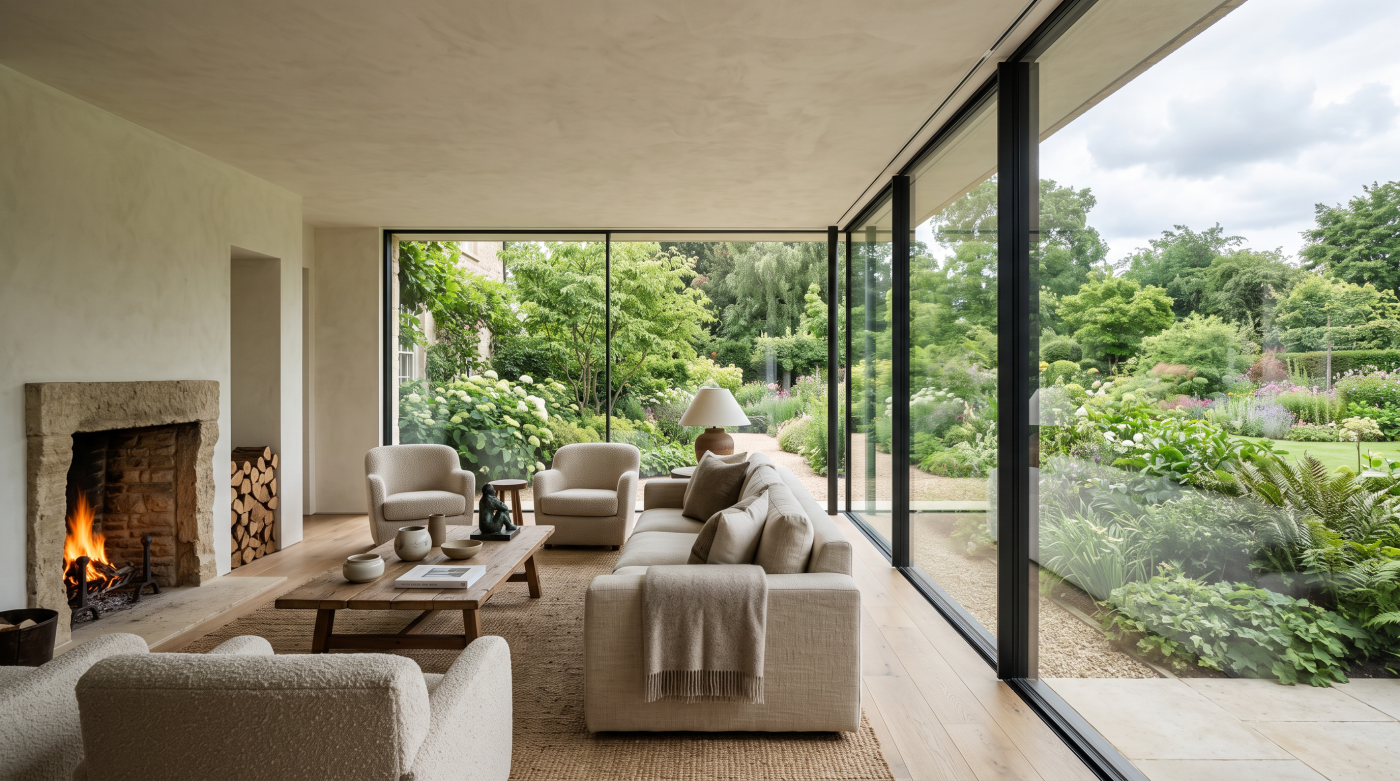
A Structural Opening Is Not Just a Hole for the Glass One of the most common misconceptions with large-format glazing is that the structure can be designed first and the glass simply made to fit the opening afterwards. At a basic level, that sounds reasonable: the engineer establishes a structurally suitable opening, the steelwork is […]
14
Aug
Aug
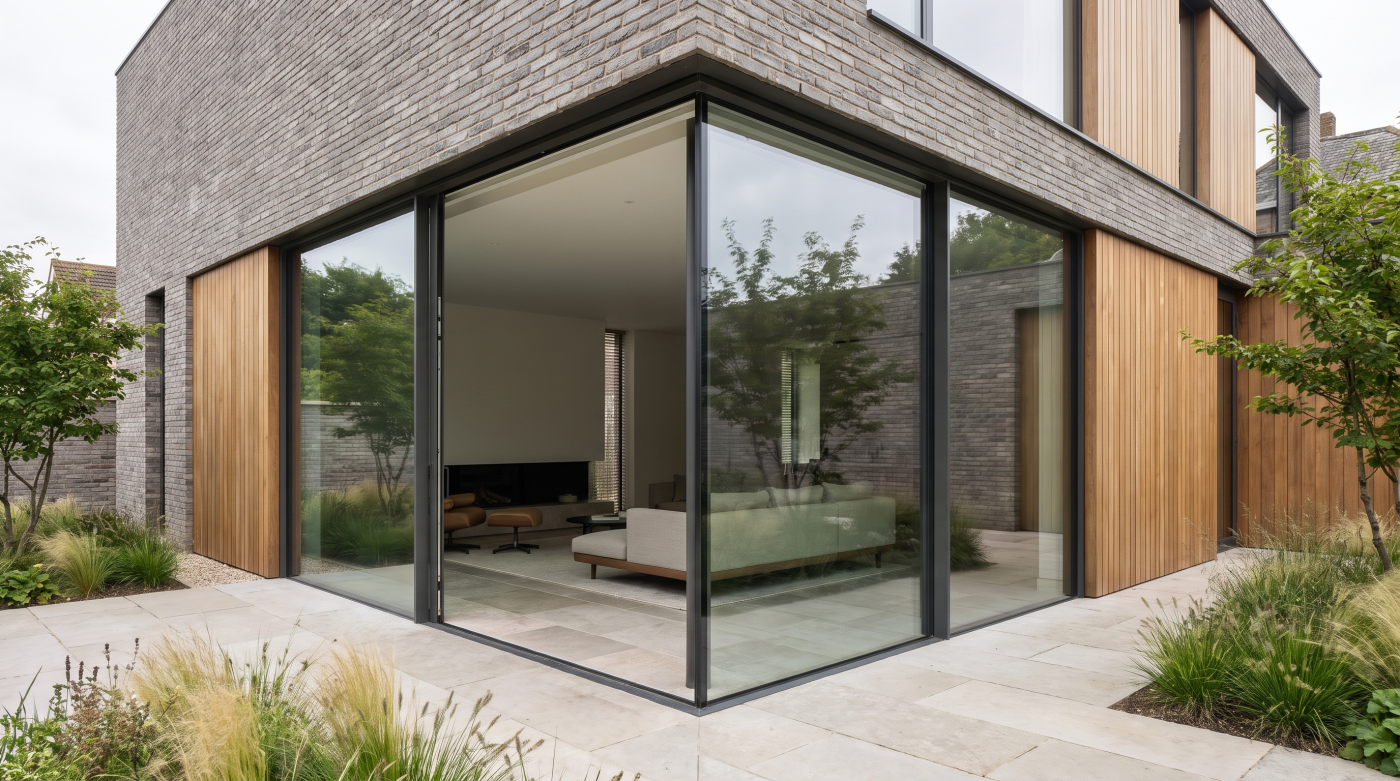
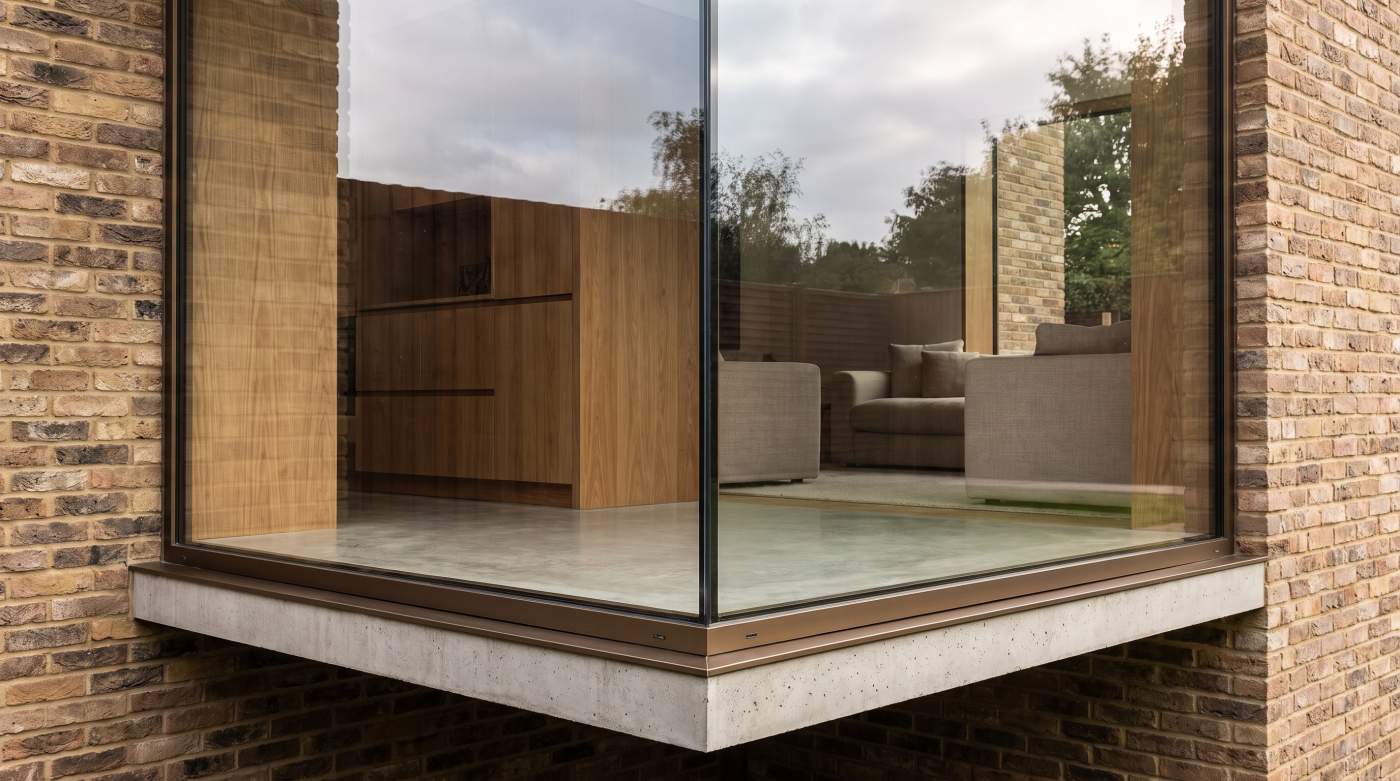
A Corner Is Not Just Something That Gets in the Way of the View When designing a highly glazed extension or contemporary home, it is easy to see the corner as an obstruction. Two large areas of glass might offer an uninterrupted view of the garden or landscape, only for a vertical post at their […]
14
Aug
Aug
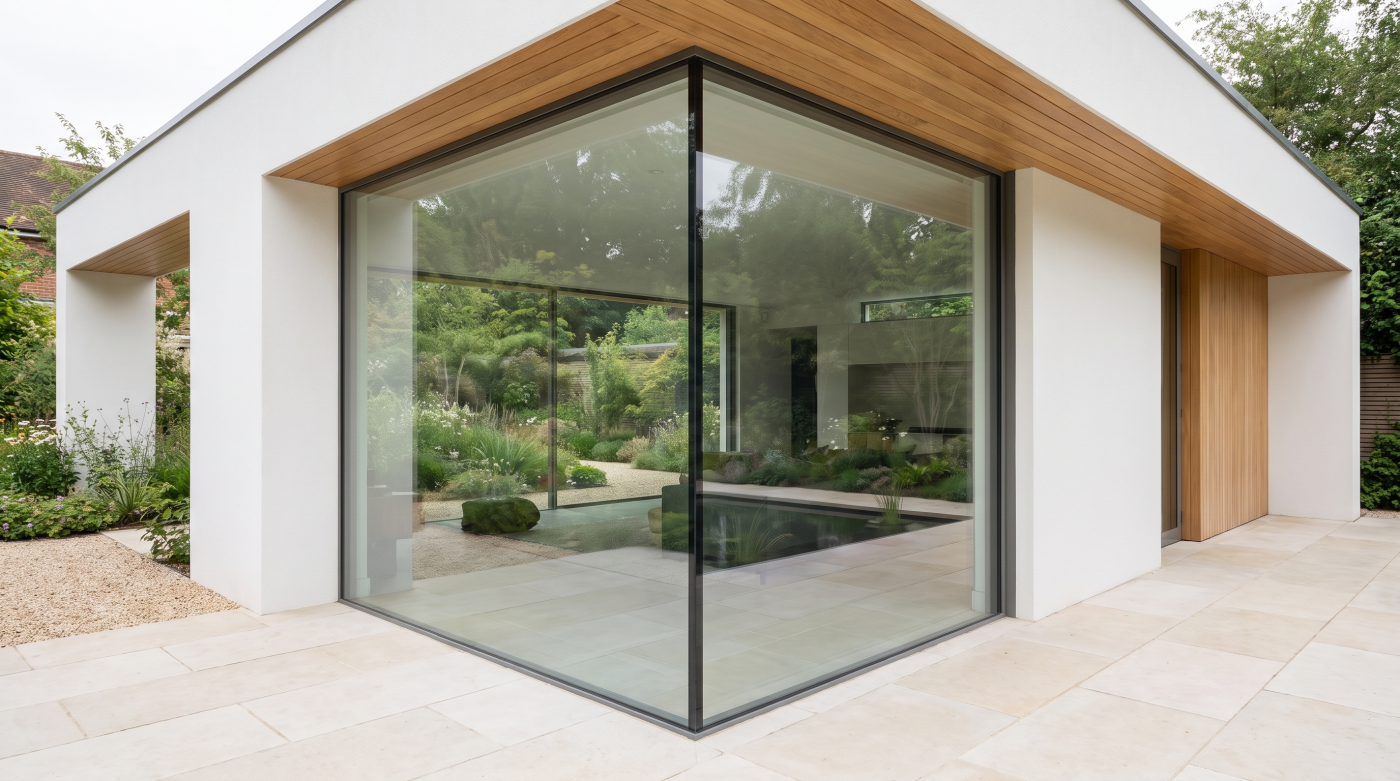
A Corner Is Not Just Something That Gets in the Way of the View When designing a highly glazed extension or contemporary home, it is easy to see the corner as an obstruction. Two large areas of glass might offer an uninterrupted view of the garden or landscape, only for a vertical post at their […]
14
Aug
Aug
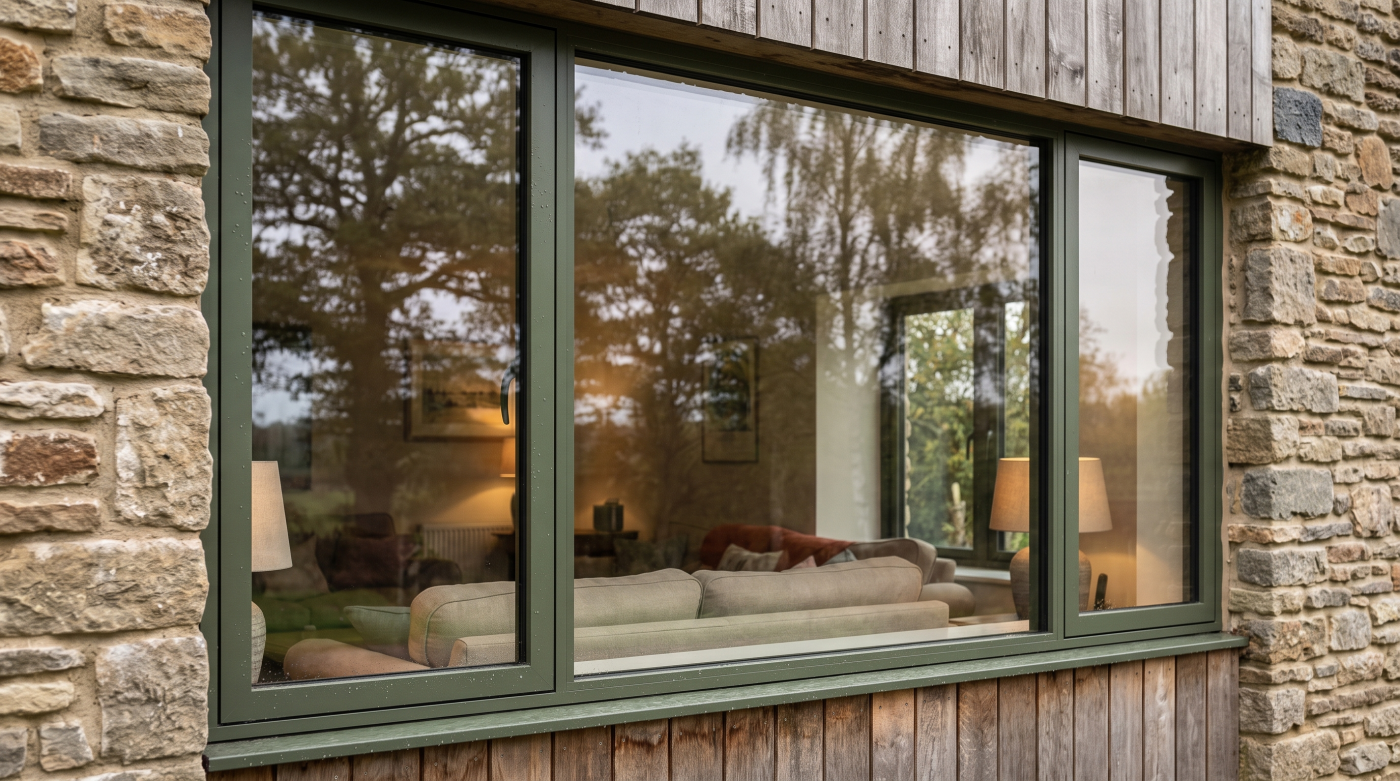
What Does “Corner Glazing Without a Post” Actually Mean? One of the most common misconceptions around postless corner glazing is that the corner is somehow constructed without a frame or supporting structure. In reality, “postless” usually describes what we see rather than everything that is happening within the construction. A conventional glazed corner typically uses […]
14
Jul
Jul
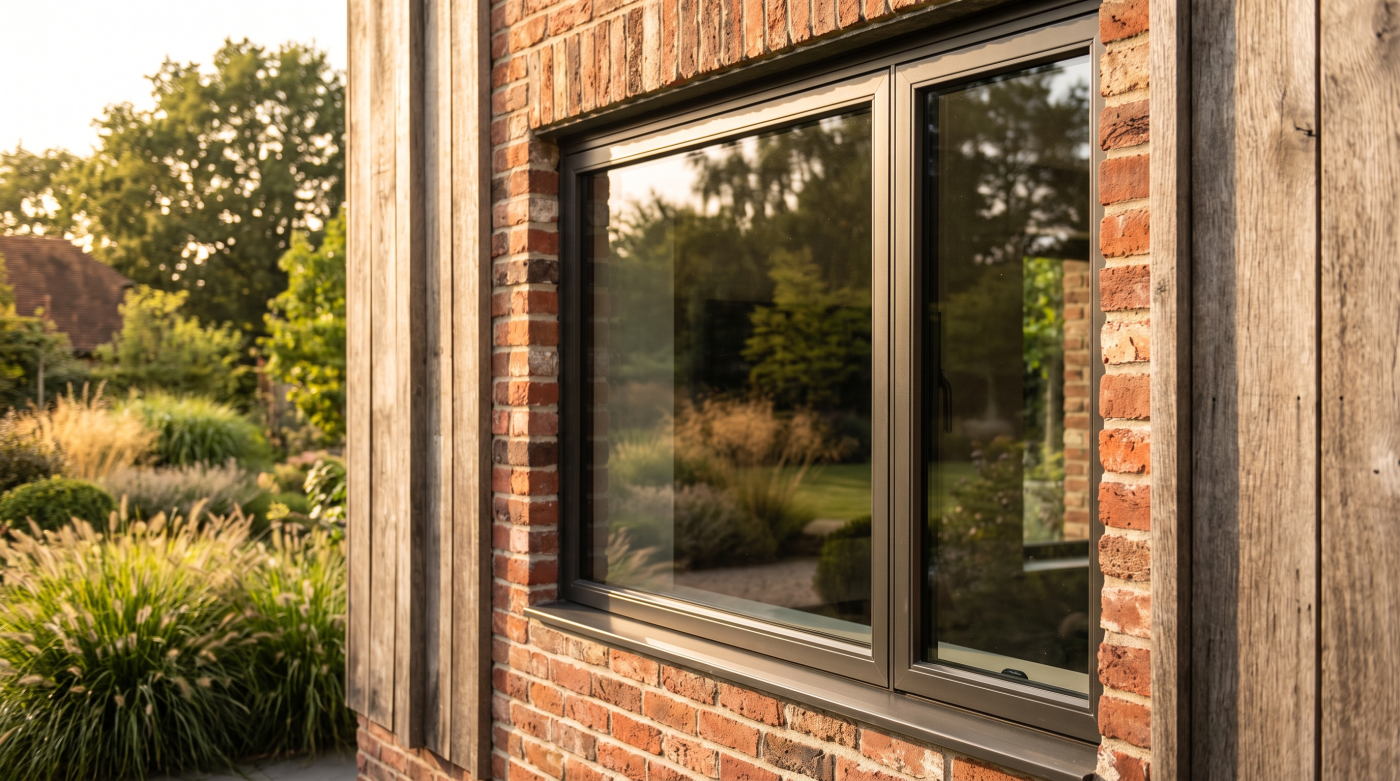
Why Windows Often Receive Too Much—and Too Little—Attention Few elements of a home renovation attract as much attention as new windows. They are among the most visible investments homeowners make, they can transform the appearance of a property and they are frequently promoted as a solution to rising energy costs. At the same time, their […]
14
Jul
Jul
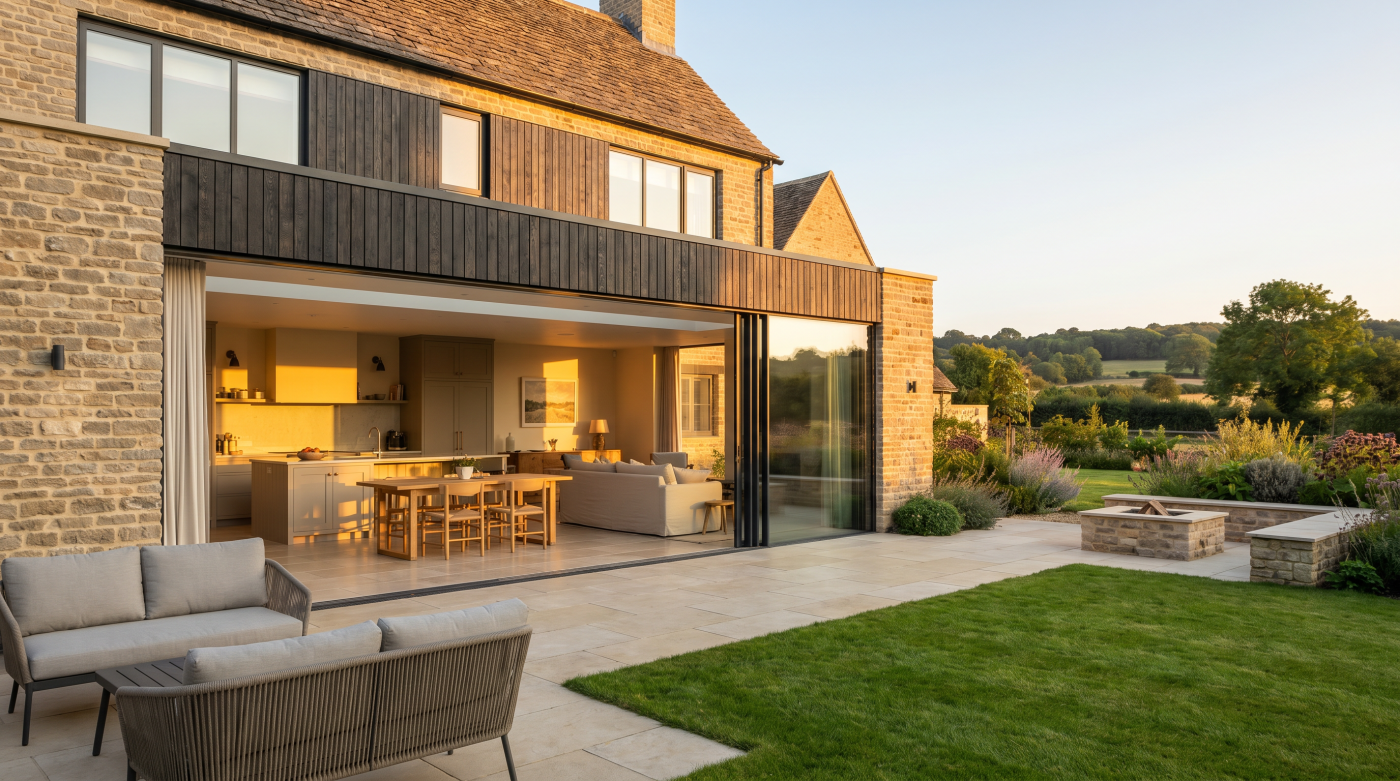
Passivhaus Is About Comfort, Not Just Energy Bills Mention Passivhaus and many people immediately think of exceptionally low energy bills, thick insulation and triple glazed windows. While these characteristics are often associated with Passivhaus buildings, they are not what defines the standard. At its heart, Passivhaus is a design philosophy centred on creating homes that […]
14
Jul
Jul
Why Overheating Has Become a Modern Design Challenge For many years, conversations about windows centred on one question: how can we keep more heat inside the home during winter? That remains an important consideration, particularly as homeowners continue to look for ways to improve comfort and reduce energy consumption. Yet as building design has evolved […]
14
Jul
Jul
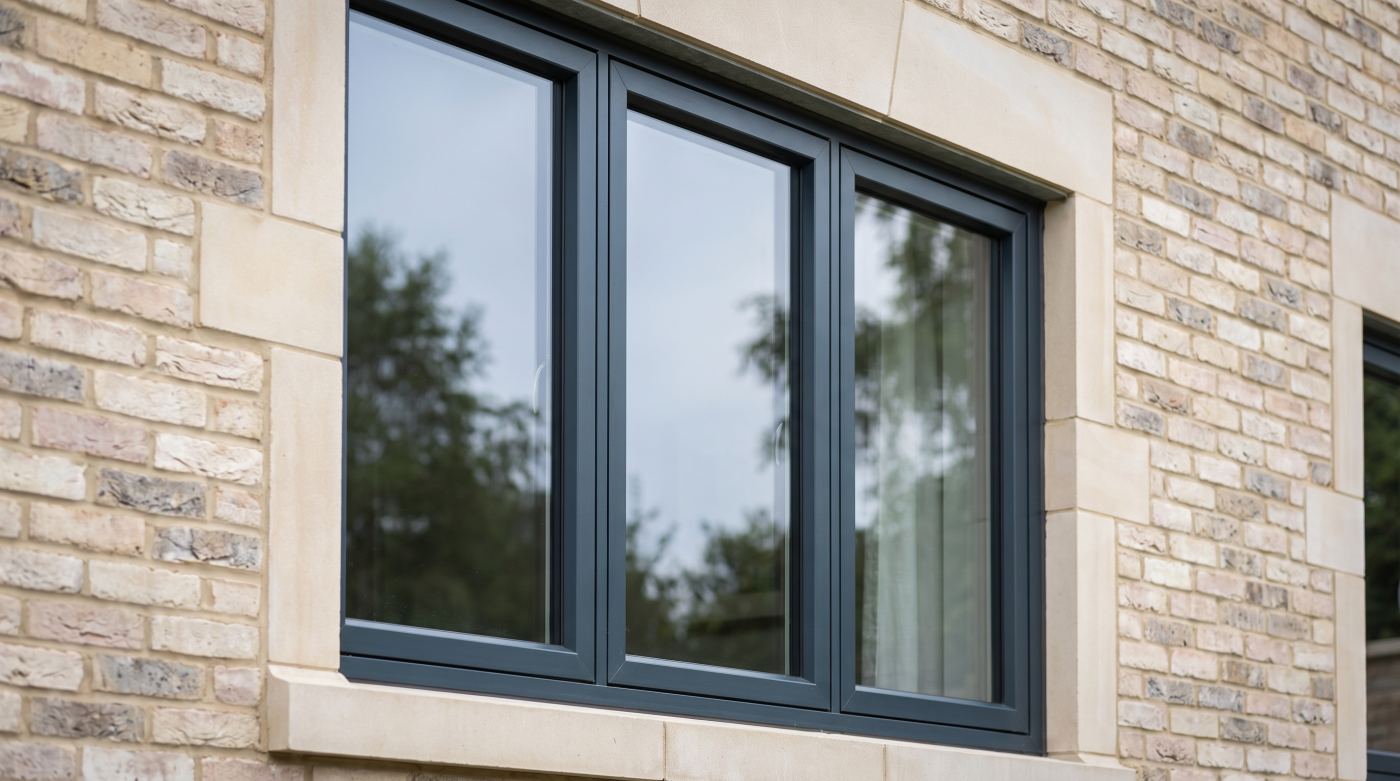
Triple Glazing Isn’t Automatically the Right Answer One of the most common misconceptions surrounding modern glazing is that triple glazing is always the superior choice. It is an understandable assumption. Three panes of glass sound inherently better than two, and as energy efficiency has become a greater priority for homeowners, triple glazing has increasingly been […]
10
Jul
Jul
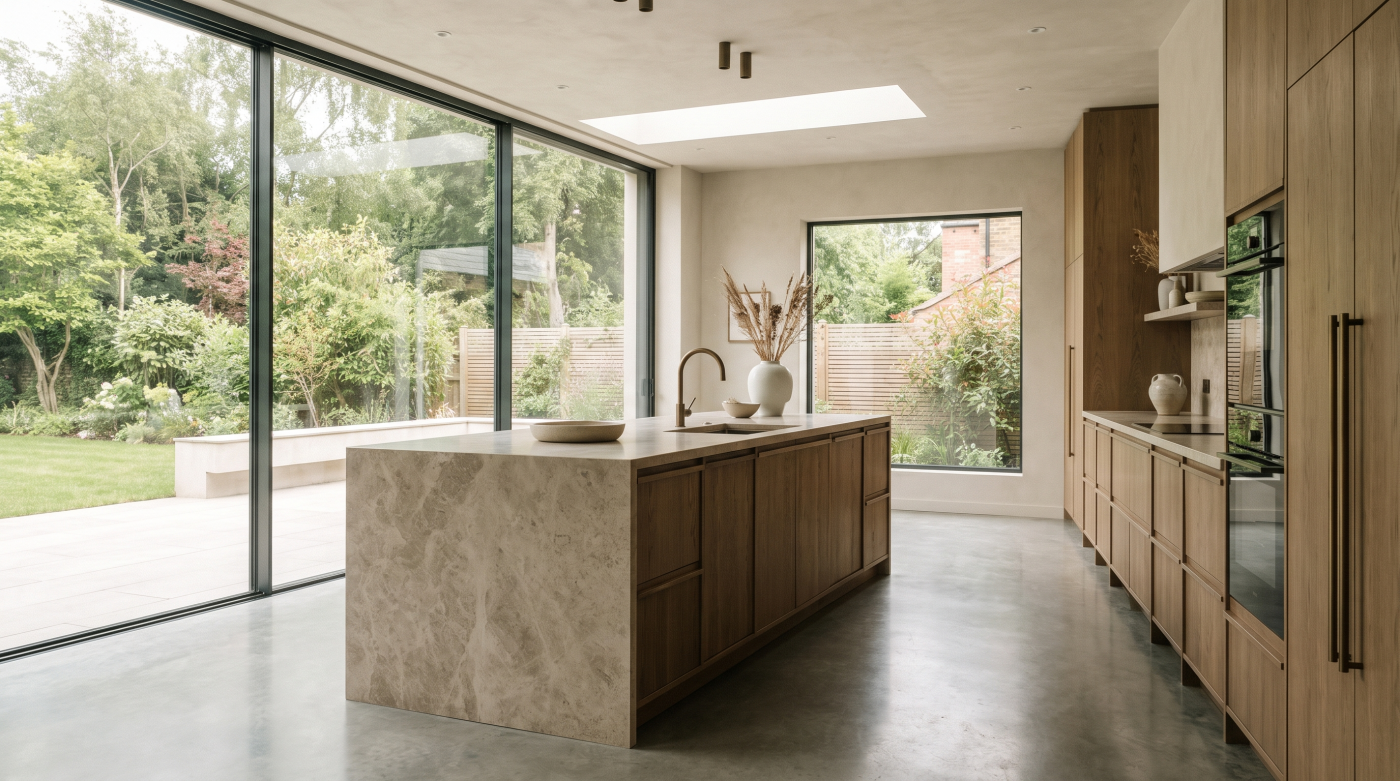
What Is FENSA? If you are planning to replace your windows, there is a good chance you will come across the term FENSA. It often appears in quotations, installation paperwork and conversations with window companies, yet many homeowners are unsure what it actually means. Some assume it is a product certification, while others believe it […]
10
Jul
Jul
Why Building Regulations Exist For many homeowners, the phrase Building Regulations immediately brings to mind paperwork, inspections and complicated technical requirements. It can feel like an obstacle that stands between an idea and the finished project. In reality, the purpose of Building Regulations is much simpler. They exist to help ensure that homes are safe, […]
10
Jul
Jul
Why Every Home Saves a Different Amount One of the most common questions homeowners ask is, “How much will new windows save me on my energy bills?” It is an understandable question, but it does not have a single answer. Unlike replacing an old appliance with one that has a published energy rating, the impact […]
10
Jul
Jul
What a U-Value Actually Measures U-values are often presented as one of the most important numbers when comparing windows and doors, yet they are rarely explained in a way that makes sense to homeowners. The term itself sounds highly technical, leading many people to assume it requires specialist knowledge to understand. In reality, the concept […]