
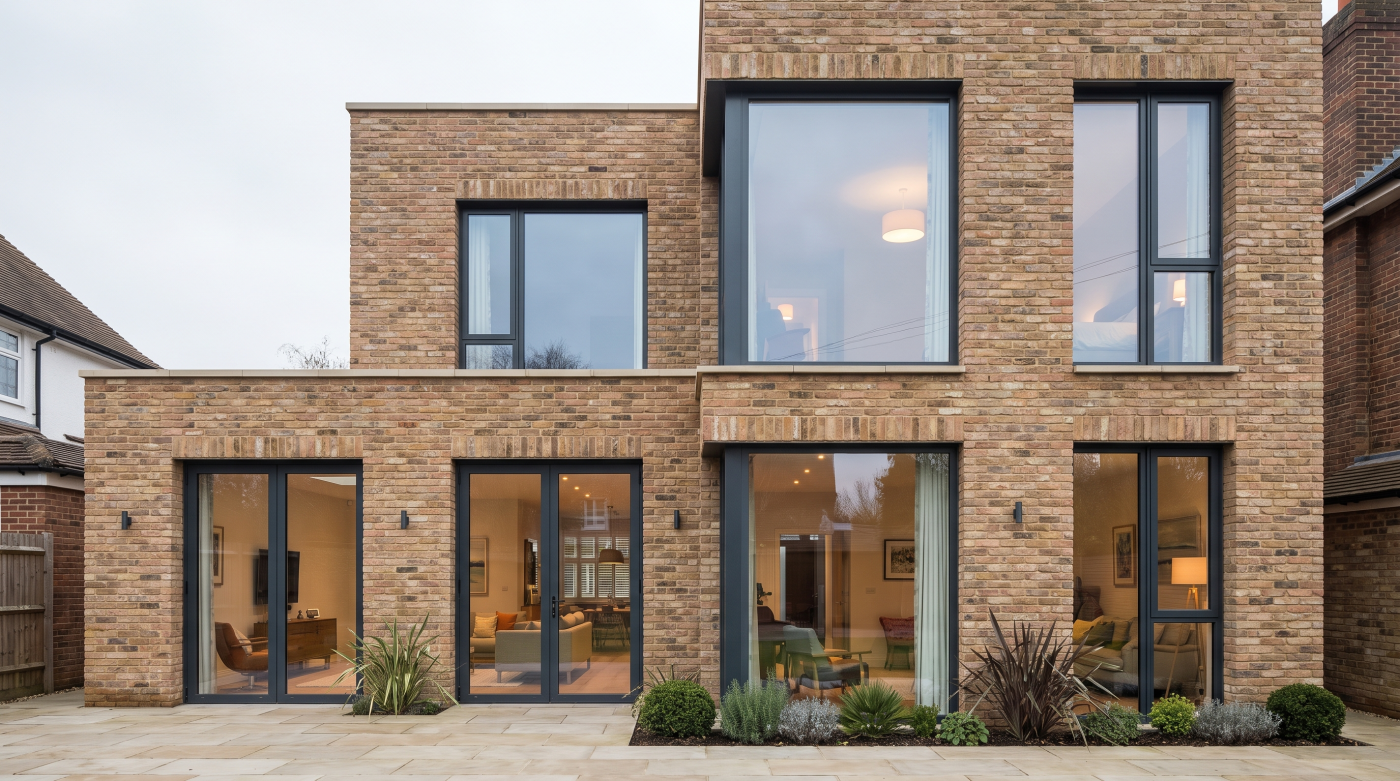
Triple Glazing Isn’t Automatically the Right Answer
One of the most common misconceptions surrounding modern glazing is that triple glazing is always the superior choice. It is an understandable assumption. Three panes of glass sound inherently better than two, and as energy efficiency has become a greater priority for homeowners, triple glazing has increasingly been presented as the premium option. Yet experienced architects and glazing specialists rarely approach a project by asking whether it needs triple glazing. Instead, they begin with a different question: what does this building need to achieve?
The answer depends on far more than the number of panes in a window. Every home has its own architectural context, whether it is a contemporary self-build, a carefully renovated Victorian townhouse or a rural extension exposed to prevailing winds. Factors such as the quality of the building’s insulation, airtightness, orientation, glazing proportions and intended use all influence how a window will perform in practice. A specification that is entirely appropriate for one project may offer little additional benefit in another.
This is why the most successful glazing decisions are outcome-led rather than product-led. If the objective is to create a home with exceptional thermal comfort, minimise energy demand or meet a demanding performance standard, triple glazing may well play an important role. Equally, there are many properties where a well-designed, high-quality double glazed system delivers an excellent balance of comfort, efficiency and value without introducing unnecessary cost or complexity.
Architects are accustomed to weighing these considerations together because every design decision involves compromise. Improving one aspect of a building can influence another, and the best specifications emerge from understanding how each element contributes to the whole rather than pursuing the highest performance figure in isolation.
For homeowners, this is perhaps the most valuable starting point. Rather than asking whether triple glazing is universally better, it is more helpful to ask whether it is the right solution for the ambitions, constraints and long-term performance goals of your particular home. That shift in perspective leads to better decisions—and ultimately, better places to live.
What Triple Glazing Actually Does
At its simplest, triple glazing consists of three panes of glass separated by two sealed cavities, which are typically filled with an insulating gas such as argon. These additional layers create more resistance to heat passing through the window, helping to reduce heat loss during colder weather. While that explanation is straightforward, it only tells part of the story. The real benefits of triple glazing are not defined by the extra pane itself, but by how the complete window system performs.
One of the most noticeable improvements can be thermal comfort. A well-designed triple glazed window generally has a warmer internal glass surface during winter than an equivalent double glazed unit. Although the difference in room temperature may be relatively modest, occupants often experience greater comfort because there is less radiant heat loss when sitting near large areas of glazing. This can make open-plan living spaces, rooms with expansive windows and homes designed around natural light feel more comfortable throughout the year.
Triple glazing may also contribute to improved acoustic performance, although this is often misunderstood. Noise reduction depends on several variables, including glass thickness, cavity widths and the overall glazing specification, rather than simply adding another pane. In some situations, a carefully specified double glazed unit can outperform a standard triple glazed unit in reducing certain frequencies of noise. Likewise, solar gain should also be considered, as the additional pane may reduce the amount of free solar heat entering a building depending on the glass specification and orientation.
For these reasons, architects and specification professionals look beyond the headline figures. They consider how the frame, glazing unit, seals, installation quality and the building itself work together to deliver the desired outcome. Triple glazing is therefore best understood not as a standalone upgrade, but as one component within a carefully engineered window system designed to balance comfort, energy efficiency, daylight and long-term performance.
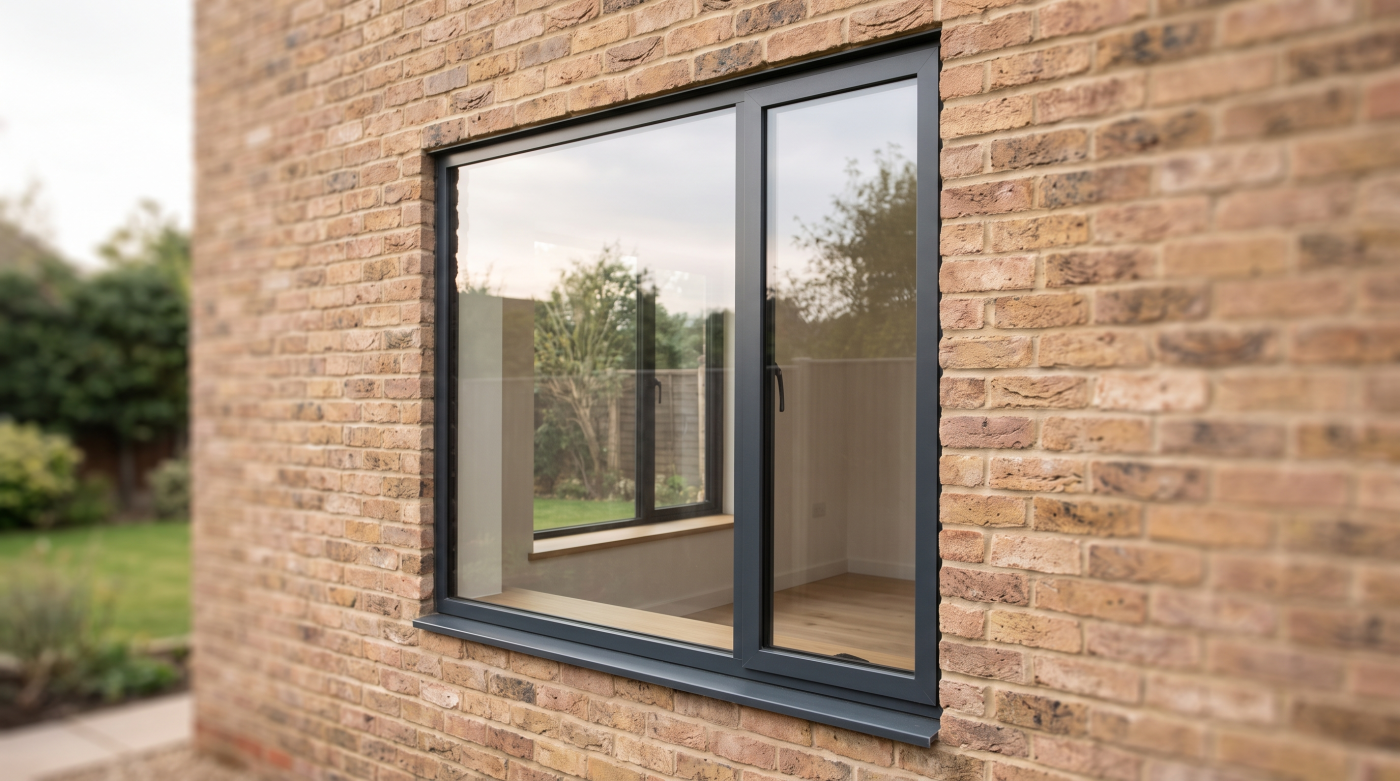
Why the Rest of the Building Matters Just as Much
It is tempting to think of windows as isolated products, capable of transforming a home’s energy performance on their own. In reality, they are just one part of a much larger system. Architects often describe a building as an envelope, where the walls, roof, floors, insulation, airtightness, ventilation and glazing all work together to determine how comfortable and efficient the home will be. Focusing on one element in isolation can therefore lead to unrealistic expectations about the impact it will have.
Consider a new self-build designed to high performance standards. If the walls are exceptionally well insulated, thermal bridges have been carefully minimised and airtightness has been meticulously achieved, specifying triple glazing can complement these measures by reducing heat loss through one of the remaining weaker elements of the building envelope. The result is a home that performs consistently, where each component has been selected to support the same overarching objective.
The situation can be quite different in an older property. A period home with uninsulated solid walls, significant air leakage and an ageing roof is unlikely to realise the full potential of triple glazing alone. While new windows may still improve comfort and reduce draughts, they cannot compensate for heat escaping elsewhere. In these cases, it is often more effective to consider glazing as part of a broader renovation strategy rather than expecting it to solve every performance challenge.
This whole-house approach also extends beyond energy efficiency. Ventilation, overheating, natural daylight and occupant comfort are closely connected, meaning decisions about glazing should support the building’s overall design rather than optimise a single performance metric. That is why experienced architects begin by understanding how the home will function before selecting individual products.
Ultimately, the most successful glazing specifications are those that complement the wider building rather than compete with it. Triple glazing delivers its greatest value when it forms part of a carefully considered performance strategy, helping every element of the home work together to create a more comfortable, resilient and enjoyable place to live.
When Triple Glazing Makes the Most Sense
Although there is no universal answer to whether every UK home should have triple glazing, there are certain types of projects where its benefits become much more compelling. These are typically homes where performance has been considered from the outset and where comfort, energy efficiency and long-term ownership are central to the design brief rather than secondary considerations.
New self-build homes are a good example. Because the building envelope, orientation, insulation levels and airtightness are being designed together, architects have the opportunity to specify glazing that complements the overall performance strategy. In this context, triple glazing can help create a more consistent internal environment, particularly in homes with large areas of glass where maintaining comfortable internal surface temperatures is an important objective.
Projects targeting demanding energy standards, such as Passive House or other low-energy designs, also frequently incorporate triple glazing. These homes aim to minimise heat loss across every element of the building envelope, making high-performance glazing a logical part of a carefully coordinated specification. Here, the decision is rarely driven by marketing or perceived prestige, but by measurable performance objectives established early in the design process.
Location can also influence the specification. Homes in exposed rural settings, elevated sites or areas subject to colder winter conditions may benefit from the improved thermal performance that triple glazing can provide. Likewise, homeowners intending to remain in their property for many years may place greater value on enhanced comfort and lower energy demand over the lifetime of the building rather than focusing solely on the initial investment.
Perhaps most importantly, architects often specify triple glazing for the quality of everyday living it can help create. A home with expansive glazing, generous daylight and uninterrupted views should also feel comfortable throughout the seasons. When carefully integrated into the wider architectural design, triple glazing can support that ambition, creating interiors that remain warm, calm and enjoyable without compromising the openness that modern homes increasingly seek to achieve.
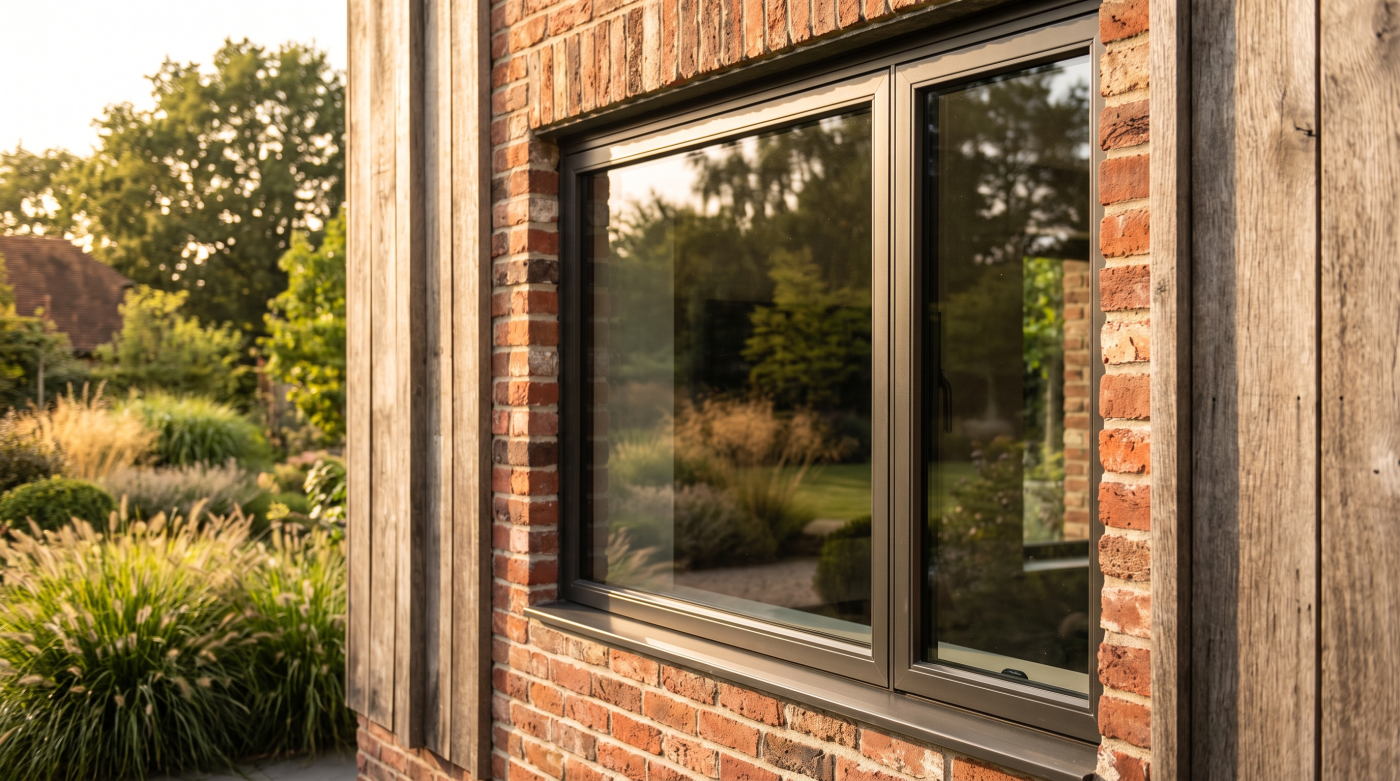
When High-Quality Double Glazing May Be Enough
While triple glazing often attracts attention for its performance credentials, that should not be interpreted as meaning high-quality double glazing has become obsolete. In fact, there are many projects where a carefully specified double glazed window remains the most balanced and appropriate solution. The objective should always be to match the glazing to the needs of the building, rather than assuming the highest specification is automatically the best choice.
This is particularly true for many renovation projects. Existing homes frequently present constraints that do not apply to new-build properties, whether those relate to the construction of the walls, the character of the building or the available budget. Investing in premium double glazing alongside improvements to insulation, draught-proofing or ventilation may produce a more balanced outcome than allocating a disproportionate share of the budget to triple glazing alone.
Heritage and conservation projects also require careful judgement. In listed buildings and properties within conservation areas, preserving the architectural character of the original windows is often just as important as improving thermal performance. Depending on the property and the applicable planning requirements, a sympathetic double glazed solution may offer the most appropriate balance between energy efficiency, appearance and heritage considerations. In some cases, secondary glazing or other complementary measures may also form part of the overall strategy.
Cost is another consideration, although it should not be viewed purely in terms of upfront expenditure. The question is not simply whether triple glazing costs more, but whether its additional benefits align with the priorities of the project. For some homeowners, that answer will be yes. For others, investing elsewhere in the building envelope or choosing a premium double glazed system may represent better overall value.
The most successful projects are rarely defined by selecting the highest specification in every category. They are defined by making informed decisions that reflect the architecture of the home, the aspirations of its owners and the way the building will be used for years to come. High-quality double glazing continues to play an important role in achieving exactly that balance.
How Architects Decide Between Double and Triple Glazing
From the outside, the decision between double and triple glazing can appear to be a straightforward comparison of performance figures. In practice, architects approach it very differently. Rather than asking which option is objectively better, they consider which specification is most appropriate for the building they are designing and the experience they want its occupants to have. The choice is rarely made on a single criterion and almost never on thermal performance alone.
One of the first considerations is orientation. A large expanse of south-facing glazing behaves differently from a modest north-facing window, influencing solar gain, daylight and the risk of overheating during warmer months. Architects also assess the size and proportion of glazed areas, recognising that homes with extensive floor-to-ceiling glazing may benefit from a different specification than those with more traditional window openings. The objective is to create comfortable, balanced spaces throughout the year rather than simply reducing heat loss in winter.
The wider design strategy also plays an important role. Building fabric, insulation levels, airtightness, ventilation systems and heating methods all influence how glazing will perform within the finished home. Client priorities are equally significant. Some homeowners are focused on achieving the highest possible energy performance, while others place greater emphasis on preserving the character of a period property, managing project costs or maximising natural light. A successful specification reflects these priorities without losing sight of the building as a whole.
Perhaps the most valuable lesson from professional practice is that glazing is never considered in isolation. Every decision involves balancing competing objectives, from comfort and aesthetics to performance, longevity and practicality. That is why experienced architects spend more time defining the project’s goals than comparing product brochures.
For homeowners, adopting this mindset can be transformative. The most appropriate glazing specification is not necessarily the one with the highest headline performance, but the one that supports the architecture, complements the building’s overall design and delivers the quality of living the project was intended to achieve.
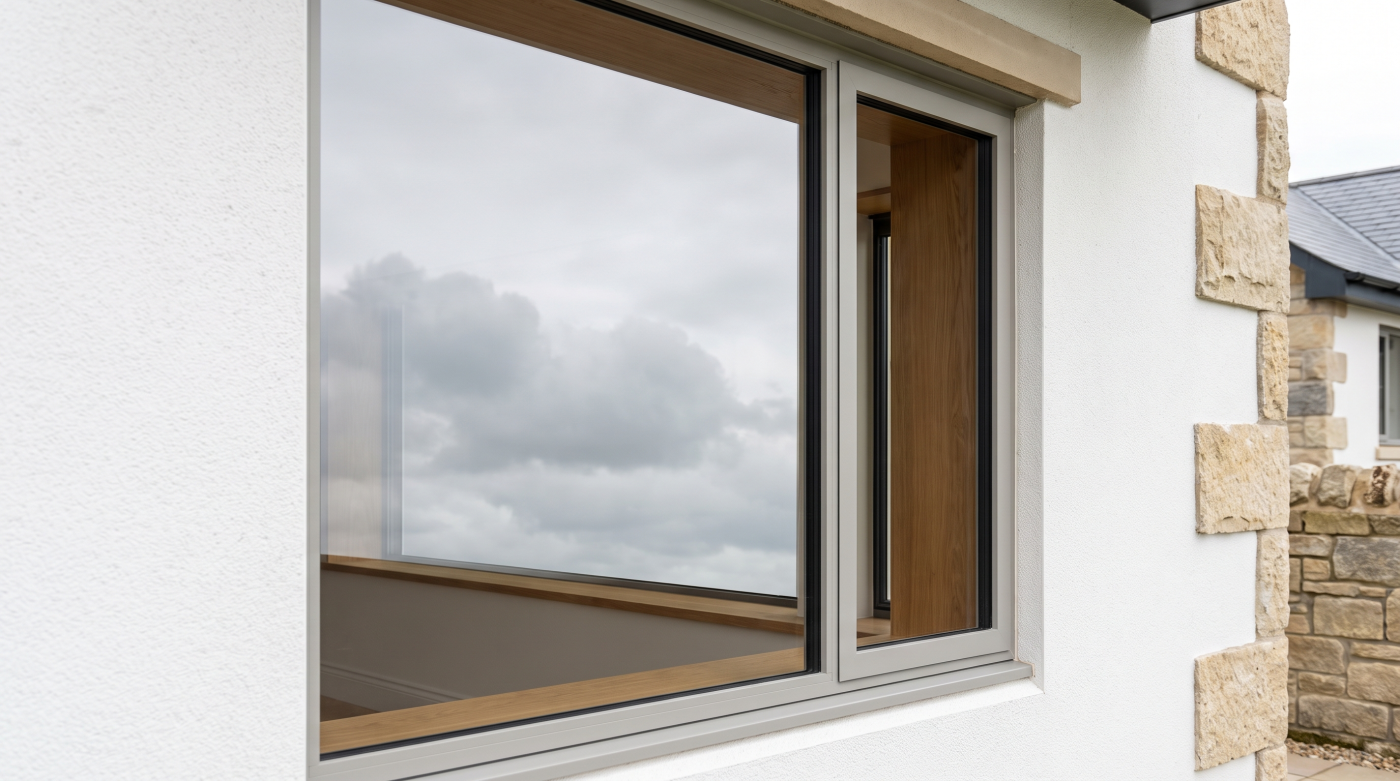
Questions Worth Asking Before Making Your Decision
By the time homeowners begin comparing window systems, many feel they should already know whether double or triple glazing is the right choice. In reality, the quality of the decision often depends less on finding the “best” product and more on asking the right questions at the outset. This is one reason why architects and specification professionals spend so much time understanding the project before recommending a particular solution.
The first question is what you want your home to achieve. Is the priority reducing energy demand, creating a more comfortable living environment, improving acoustic performance or preserving the character of an existing property? Different objectives naturally lead towards different specifications, and recognising those priorities early helps avoid decisions based solely on marketing claims or headline performance figures.
It is also worth considering how long you expect to remain in the property. Someone creating a forever home may place greater value on incremental improvements in comfort and long-term efficiency than a homeowner planning a shorter period of ownership. Equally, if the project includes wider improvements to insulation, airtightness or heating systems, glazing should be considered as part of that broader investment rather than as a standalone purchase.
Budget deserves thoughtful consideration too, but not simply in terms of the initial cost. A specification should be judged by the value it adds to the overall project, including comfort, durability, maintenance requirements and how well it supports the architectural ambitions of the home. Sometimes that will justify investing in triple glazing. In other situations, premium double glazing may represent a more balanced allocation of resources.
Ultimately, the most successful projects are shaped by informed conversations rather than assumptions. Working with an experienced architect or glazing specification partner can help clarify the trade-offs involved, ensuring the chosen solution reflects the needs of both the building and the people who will live in it. Asking better questions at the beginning often leads to better decisions that continue to deliver value long after the project is complete.
The Best Choice Depends on the Home, Not the Hype
The question of whether you need triple glazing in a UK home does not have a simple yes or no answer—and that is precisely why it deserves careful consideration. While modern glazing technology has advanced significantly, successful specification is still about understanding the building, its occupants and its long-term objectives rather than assuming that one solution suits every project.
Triple glazing can make an important contribution to comfort, energy efficiency and overall building performance, particularly in well-insulated self-build homes, low-energy developments and projects where large areas of glazing form a central part of the architectural design. In these settings, it often supports a wider strategy aimed at creating homes that feel consistently comfortable throughout the year while reducing reliance on heating. The additional performance is most valuable when it complements an already high-performing building envelope.
Equally, there are many situations where premium double glazing remains an excellent choice. Renovations, heritage properties and homes where other improvements will deliver a greater overall benefit may not require the additional complexity or investment associated with triple glazing. The most successful projects rarely result from maximising every specification; they come from balancing performance, practicality, aesthetics and budget in a way that reflects the unique character of the property.
This is one of the reasons architects begin with the building rather than the product. They evaluate how every element of the design works together before deciding which glazing solution best supports the intended outcome. That measured approach avoids unnecessary compromises and helps create homes that perform well not only on paper, but in everyday life.
For homeowners, the same principle applies. Rather than asking whether triple glazing is always worth the investment, it is more useful to ask what will make your particular home more comfortable, more efficient and better suited to the way you live. When glazing is specified as part of a thoughtful, whole-house strategy, the result is a home that feels better to occupy for many years to come.