
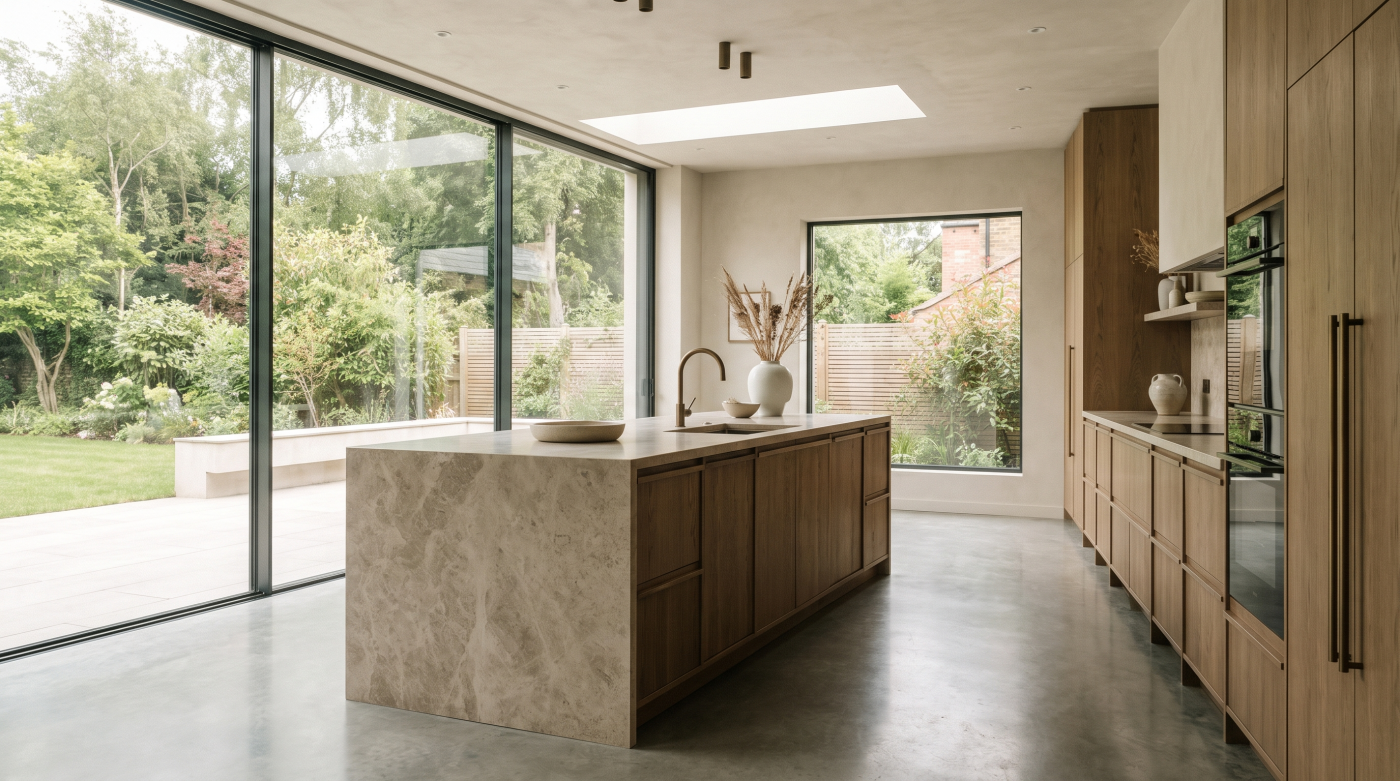
Why Building Regulations Exist
For many homeowners, the phrase Building Regulations immediately brings to mind paperwork, inspections and complicated technical requirements. It can feel like an obstacle that stands between an idea and the finished project. In reality, the purpose of Building Regulations is much simpler. They exist to help ensure that homes are safe, comfortable, energy efficient and built to a consistent standard. Rather than creating unnecessary bureaucracy, they provide a framework that protects both homeowners and the long-term performance of the building.
When it comes to windows, these regulations influence far more than compliance. They help ensure that new glazing contributes to a home’s energy efficiency, provides appropriate levels of safety, supports healthy ventilation and performs reliably throughout its lifespan. Every requirement has been developed with a practical objective in mind, whether that is reducing heat loss, improving occupant safety or ensuring windows continue to function as intended for many years.
Architects view Building Regulations as an important foundation rather than a design constraint. They establish the minimum standards that every project should achieve, creating confidence that essential aspects of performance have been considered. Once those standards are met, architects are free to focus on the wider ambitions of the project—creating homes that are not only compliant but also comfortable, beautiful and enjoyable to live in.
It is also worth remembering that regulations have evolved alongside improvements in building design. As our understanding of energy efficiency, sustainability and occupant wellbeing has developed, the standards governing windows have adapted too. Modern glazing systems are therefore expected to deliver significantly better thermal performance and overall quality than those installed decades ago, reflecting the changing expectations of contemporary homes.
For homeowners, the most helpful way to think about Building Regulations is not as a checklist of technical rules but as a quality benchmark. They establish a reliable starting point for every window project, helping ensure that the finished installation supports the safety, comfort and efficiency of the home. Understanding this principle makes the regulations far less intimidating—and much easier to see as an ally rather than an obstacle.
The Areas That Affect Windows Most
Although Building Regulations cover many aspects of construction, homeowners do not need to become experts in every section to understand how they influence a window project. In practice, a relatively small number of areas have the greatest impact on replacement windows and new glazing. Together, they help ensure that the finished installation performs safely, efficiently and comfortably for many years to come.
One of the most familiar considerations is thermal performance. Modern windows are expected to help reduce heat loss and contribute to the overall energy efficiency of the home. This is why discussions around U-values, glazing specification and frame performance often arise during the design process. The objective is not simply to meet a target number, but to create a building that remains comfortable while using energy more efficiently.
Safety is another important area. Certain locations within a property require safety glazing to reduce the risk of injury should the glass break. This is particularly relevant for low-level glazing, doors and other areas where accidental impact is more likely. These requirements are largely invisible once the project is complete, yet they play a significant role in protecting occupants during everyday use.
Ventilation also forms part of the wider picture. Well-insulated homes still need fresh air to maintain healthy indoor conditions, helping to manage moisture and reduce the likelihood of condensation. Modern window design therefore balances thermal efficiency with appropriate ventilation, recognising that a comfortable home depends on both retaining warmth and maintaining good indoor air quality.
In some situations, windows also contribute to means of escape in the event of an emergency, while structural considerations ensure larger glazed openings are properly supported within the building. Accessibility and installation quality may also influence specification depending on the type of project. Although these topics may seem unrelated, they all share the same objective: creating homes that are safe, practical and durable.
This illustrates why architects rarely think about Building Regulations as a series of isolated requirements. Instead, they see them as interconnected principles that work together to improve the overall quality of a building. For homeowners, understanding these broad themes is far more valuable than memorising individual regulations. It provides confidence that every aspect of the window project is being considered as part of a well-designed, high-performing home.
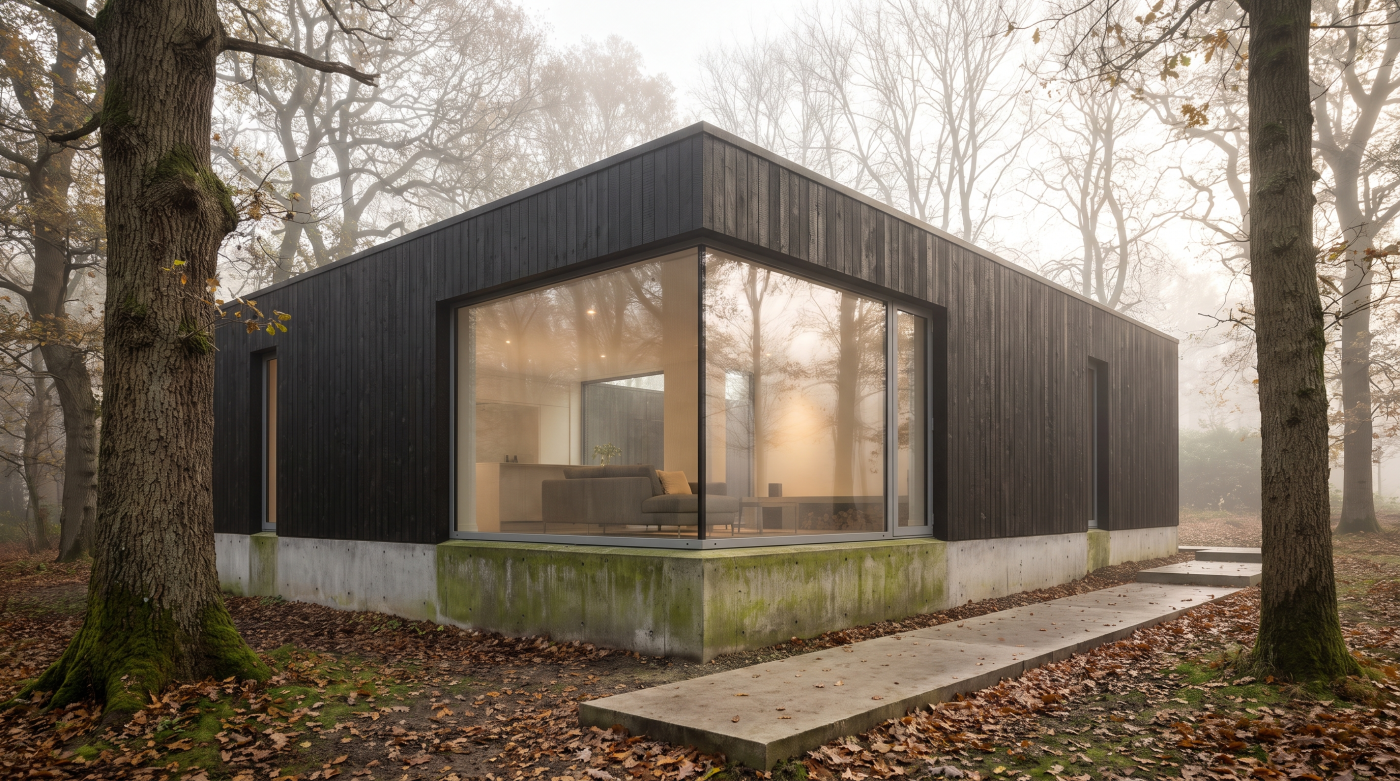
Why Compliance Doesn’t Automatically Mean Excellence
One of the biggest misconceptions surrounding Building Regulations is that meeting them automatically means a project has achieved the highest possible standard. In reality, Building Regulations establish minimum acceptable levels of performance. They are designed to ensure that homes are safe, energy efficient and fit for purpose, but they are not intended to define what exceptional architecture or premium glazing should look like. Architects understand this distinction well, which is why they often design far beyond the minimum requirements.
This difference becomes particularly clear when comparing products. Two window systems may both comply with the relevant regulations, yet deliver very different experiences in terms of comfort, durability, appearance and long-term performance. One may offer slimmer sightlines, better acoustic insulation and higher-quality hardware, while another simply meets the required standard. Both satisfy the regulations, but only one may fully support the ambitions of the project.
The same principle applies to thermal performance. Building Regulations establish minimum energy efficiency targets, but architects frequently specify glazing that exceeds those benchmarks where it benefits the building as a whole. Improved thermal comfort, reduced condensation, better solar control and enhanced daylight can all contribute to a more enjoyable home without being dictated by compliance alone. The objective is to create spaces that perform exceptionally in everyday life, not merely on paper.
Design quality also extends beyond technical performance. The relationship between window proportions, frame materials, natural light and the character of the building has little to do with regulatory compliance, yet these factors have a profound influence on how a home looks and feels. A beautifully detailed window that complements the architecture can transform a façade in ways no regulation could ever prescribe.
This is why architects view Building Regulations as the beginning of the conversation rather than the end of it. Compliance provides reassurance that essential standards have been met, but true quality comes from thoughtful design, careful specification and skilled installation. For homeowners, this is an important distinction. Choosing windows should not simply be about asking whether they comply—it should also be about asking how they will improve the comfort, character and long-term enjoyment of the home.
Why Installation Is Part of Compliance
Even the highest-quality window cannot meet its intended level of performance if it is installed incorrectly. This is why Building Regulations consider installation to be just as important as the product itself. Architects understand that a window only becomes part of the building once it has been properly integrated into the surrounding structure. Until then, its published performance figures remain potential rather than reality.
Correct installation begins with precise positioning and secure fixing. The window must be accurately aligned within the opening so that it operates smoothly, carries loads correctly and maintains consistent weather protection. Small inaccuracies during installation can affect everything from how easily the window opens to how effectively it keeps out wind and rain. Over time, these issues may also place unnecessary strain on hinges, locks and seals, reducing the lifespan of the system.
Creating an effective seal around the perimeter of the frame is equally important. Modern windows are designed to minimise heat loss and uncontrolled air leakage, but they can only achieve these benefits if the junction between the window and the building is properly detailed. Careful sealing helps reduce draughts, limits thermal bridging and supports the overall energy performance of the home. These details are largely hidden once the installation is complete, yet they have a significant influence on how comfortable the building feels throughout the year.
Professional installation also helps ensure that the completed work satisfies the relevant standards and is supported by the appropriate certification or documentation where required. For homeowners, this provides reassurance that the project has been carried out correctly while simplifying future property sales or renovations. More importantly, it gives confidence that the windows will continue performing as intended for many years.
This is why architects never separate product specification from installation quality. A premium window deserves equally skilled workmanship, because compliance depends on both working together. Building Regulations recognise this relationship, reinforcing the idea that exceptional performance is achieved through careful engineering, thoughtful detailing and professional installation rather than through the window itself alone.
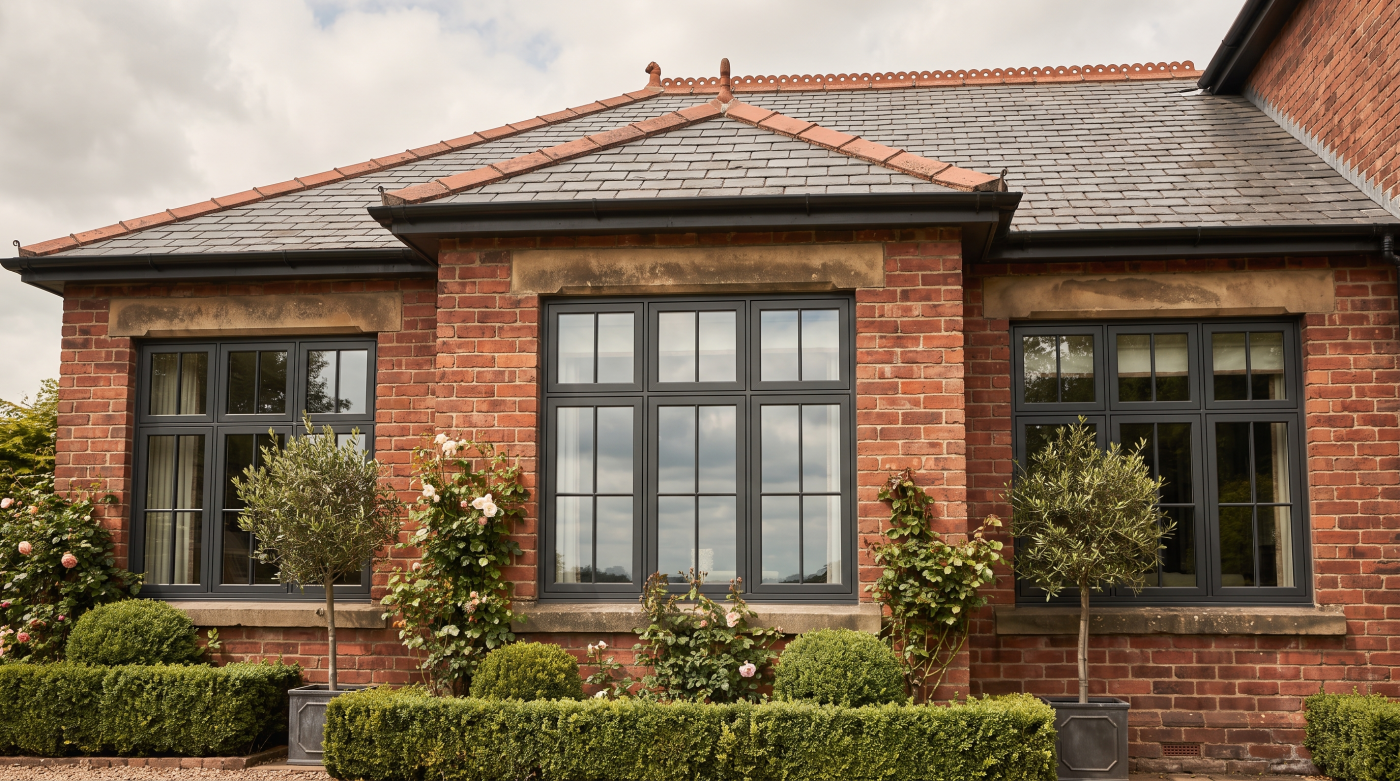
When You May Need Building Control
For many homeowners, the words Building Control can sound intimidating, creating the impression that every window project involves complex approvals and lengthy inspections. In practice, most replacement window installations follow well-established processes, and experienced professionals will guide homeowners through any requirements that apply. The important point is not to become an expert in the regulations, but to understand when additional oversight may form part of the project.
The circumstances often depend on the type of work being carried out. Replacing existing windows in a typical home is generally a straightforward process when undertaken by a suitably qualified installer operating under an appropriate certification scheme. Larger projects, however, such as new-build homes, substantial extensions or structural alterations involving new window openings, may require greater involvement to ensure the completed work meets the relevant standards.
Certain properties also require additional consideration because of their architectural or historic significance. Listed buildings and homes within conservation areas, for example, often have specific requirements intended to protect their character while allowing sympathetic improvements where appropriate. In these situations, the appearance of the windows can be just as important as their technical performance, making early professional advice particularly valuable.
Documentation is another aspect that homeowners sometimes overlook. Keeping records that demonstrate the work has been completed in accordance with the relevant requirements can prove useful in the future, particularly when selling the property. Appropriate certification provides reassurance that the installation has been carried out correctly while helping simplify future legal and property transactions.
Architects and experienced glazing specialists routinely manage these considerations as part of the wider project. They understand how regulatory requirements fit alongside design ambitions, ensuring that compliance supports rather than disrupts the process. For homeowners, this means the focus can remain on creating a comfortable, attractive and well-performing home, confident that the necessary procedural requirements are being handled appropriately.
The reassuring reality is that most window projects are far less complicated than people expect. With experienced professionals involved from the outset, Building Control becomes simply another part of delivering a successful project rather than an obstacle to achieving it.
Questions Worth Asking Before Your Project Starts
One of the best ways to ensure a successful window project is to ask the right questions before work begins. Homeowners often spend considerable time comparing frame materials, glazing options and colours, but the quality of the final outcome depends just as much on the planning and advice received at the outset. Architects know that thoughtful questions lead to better specification decisions, helping avoid compromises that may only become apparent after installation.
A good starting point is understanding how the proposed windows suit the property rather than simply asking whether they comply with Building Regulations. Every home is different, and an experienced glazing specialist should be able to explain why a particular system has been recommended in terms of thermal performance, aesthetics, daylight, durability and long-term comfort. The reasoning behind the specification is often more valuable than the specification itself.
It is equally worthwhile asking about installation. Who will carry out the work? How will the windows be sealed and integrated into the building? What measures are taken to maintain thermal performance and weather resistance? These practical considerations have a direct influence on how the finished windows perform over many years and are every bit as important as the products being installed.
Documentation is another area that deserves attention. Homeowners should understand what certification or completion paperwork will be provided, what guarantees apply to both the products and the installation, and what support will be available after the project is finished. Having this information in place provides reassurance today while also simplifying future maintenance or property transactions.
Finally, do not underestimate the value of professional advice. An experienced architect or specialist glazing partner should be willing to explain technical concepts in straightforward language, helping homeowners make informed decisions without relying on confusing jargon. A project that begins with clear communication is far more likely to end with a result that meets expectations.
Ultimately, the goal is not simply to purchase new windows but to invest in a solution that enhances the home for decades to come. Asking thoughtful questions at the beginning of the project helps ensure that every subsequent decision supports that objective, creating a smoother process and a better long-term outcome.