

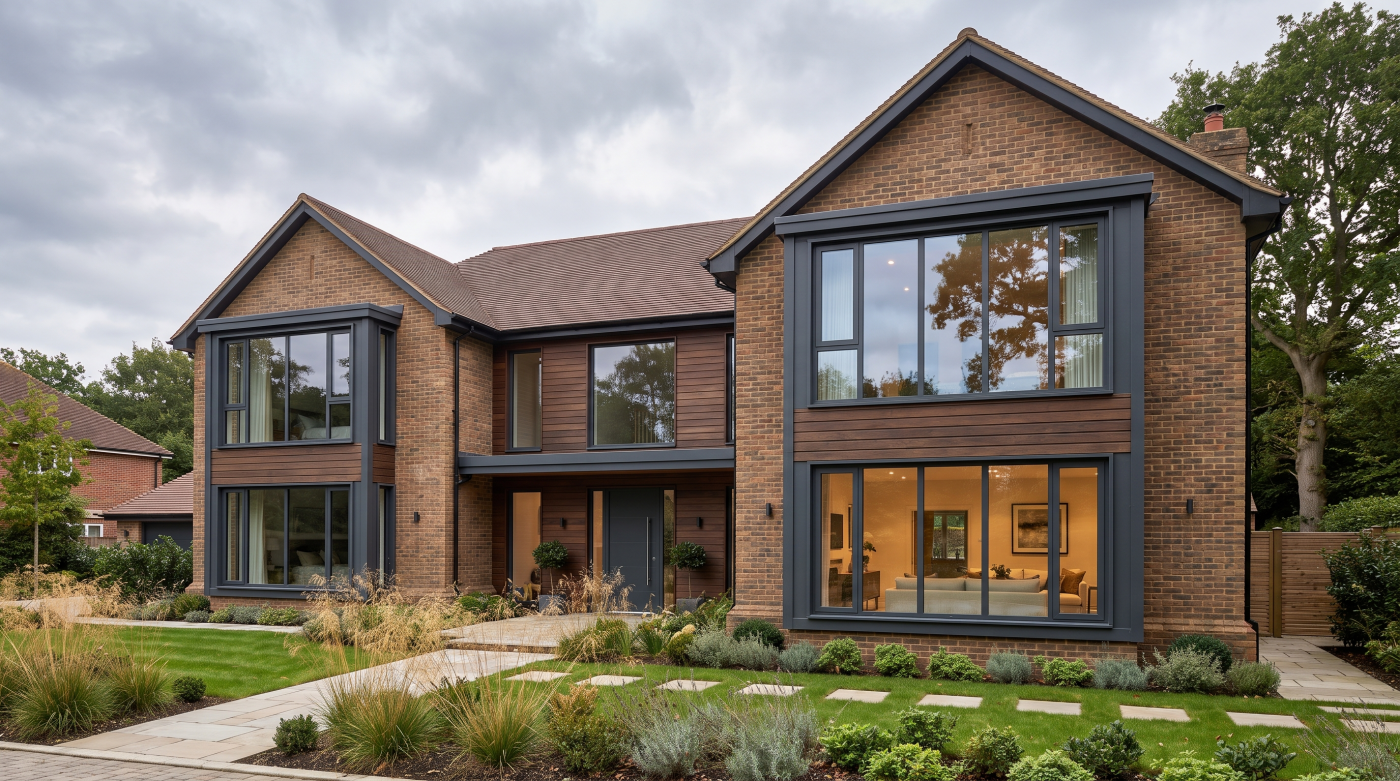
The First Warning Is Usually Visual The first sign that a glazing decision was wrong is often not a technical failure. It is a feeling that something in the room or elevation is visually heavier, busier or less balanced than expected. Frames that looked refined in a sample can appear more dominant once repeated across […]
Tag Archives: large-format glazing
29
Sep
Sep
There Is No Single Definition of the Perfect Window The idea of the “perfect” window is appealing because it suggests that glazing can be reduced to a simple hierarchy: the lowest U-value, the slimmest frame, the largest pane or the most technically advanced glass. In reality, architectural glazing is defined by several competing demands, and […]
09
Sep
Sep
A Survey Is Not Just Measuring the Opening A window survey can appear deceptively straightforward. Measure the width, measure the height and establish the dimensions from which the window will eventually be made. For a simple opening in a completed building, much of the process may indeed be relatively uncomplicated. Architectural projects, however, rarely exist […]
07
Sep
Sep
First Decide What You Are Trying to Protect Reducing a glazing budget becomes much easier once there is agreement about what the glazing is supposed to achieve. On one project, the priority may be an uninterrupted view across the garden. On another, it may be thermal comfort, generous daylight or the ability to open a […]
07
Sep
Sep
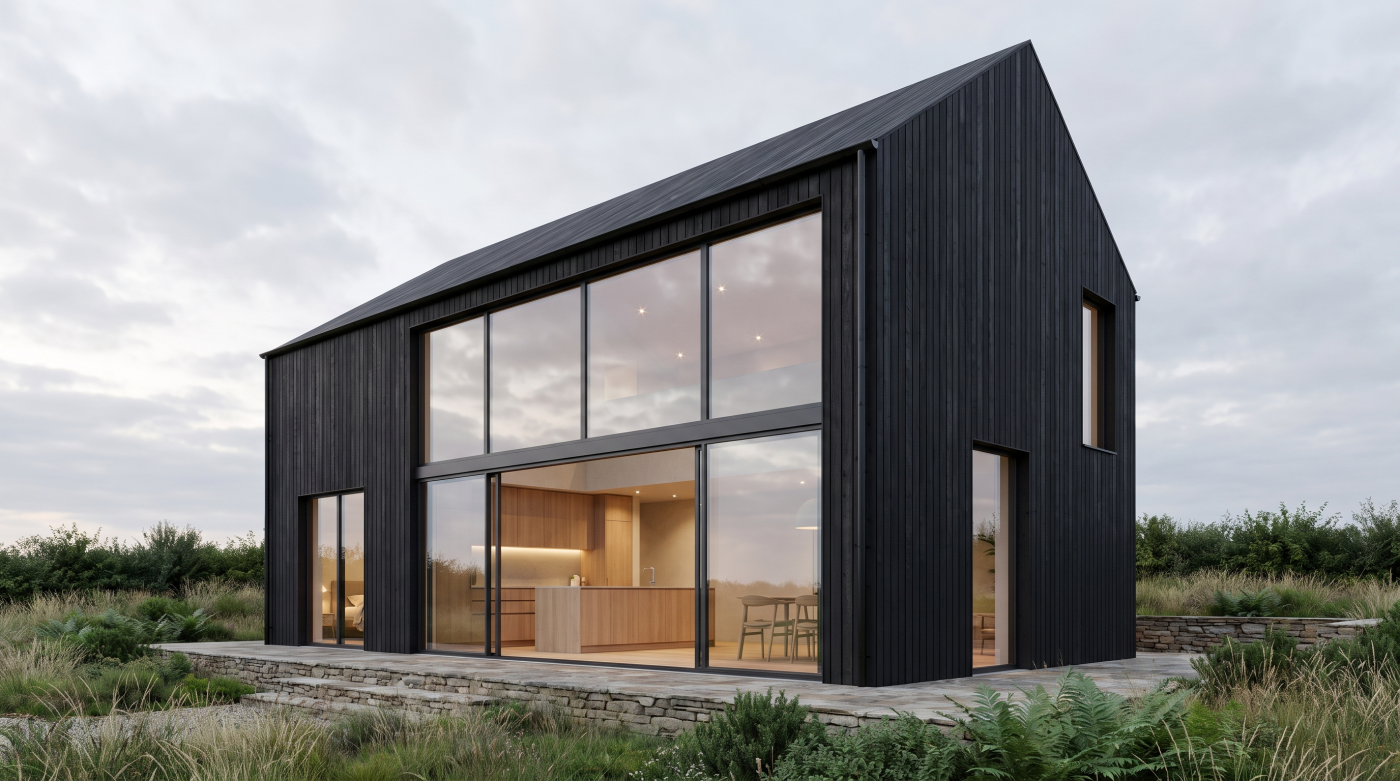
The Biggest Underestimate Is Usually the Specification, Not the Window When a glazing budget begins to move, it is tempting to assume that the windows themselves have simply become more expensive. Often, the explanation is more complicated. An early allowance may have been established when the project consisted of preliminary drawings, approximate opening sizes and […]
04
Sep
Sep
£30,000 Is a Budget, Not a Glazing Specification A budget of £30,000 sounds precise. In architectural glazing, however, it does not describe a particular quantity of windows, a certain size of sliding door or a predetermined level of specification. It establishes a financial boundary. What happens within that boundary depends on the architecture. Two projects […]

28
Aug
Aug
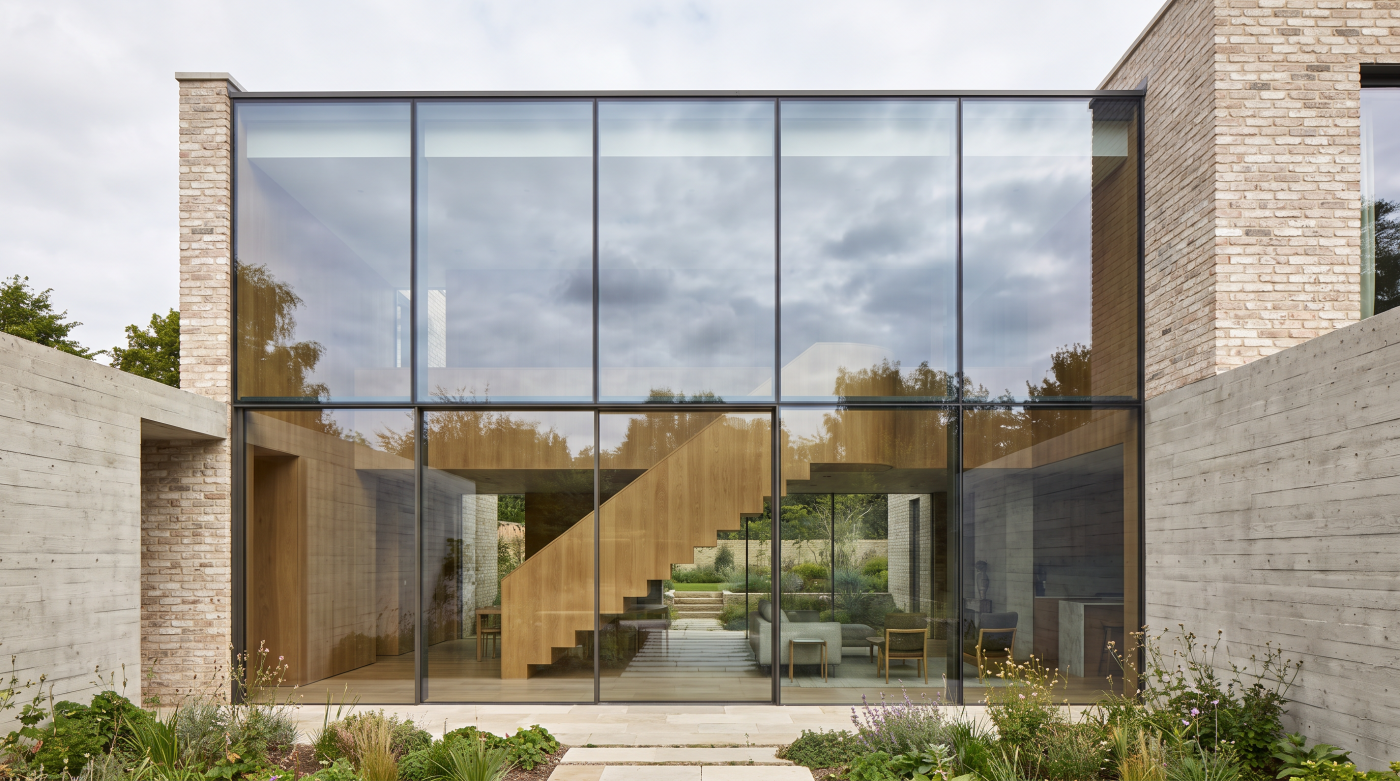
The Best Glazing Trend May Be Not Looking Trend-Led When planning a major renovation or new home, it is natural to want the finished building to feel contemporary. The difficulty is that what feels current today can become the detail that dates the building tomorrow. Glazing is particularly exposed to this cycle. Frame colours become […]
28
Aug
Aug
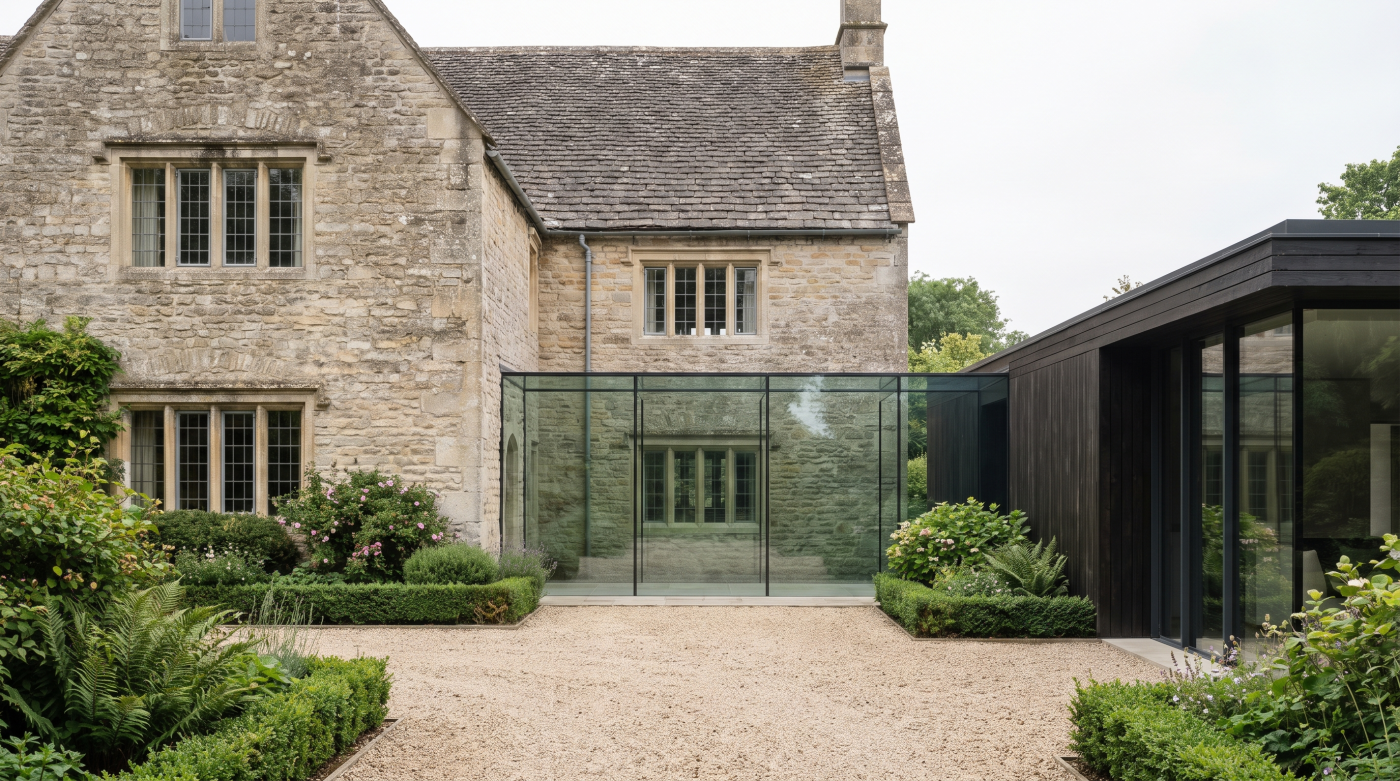
The Glazing Project Starts Before Anyone Chooses a Window An architectural glazing project rarely begins with a product. It begins with an idea about how the building should feel and function. At the earliest design stage, the important questions are usually architectural. Where should daylight enter the building? Which views deserve to be framed? How […]
25
Aug
Aug
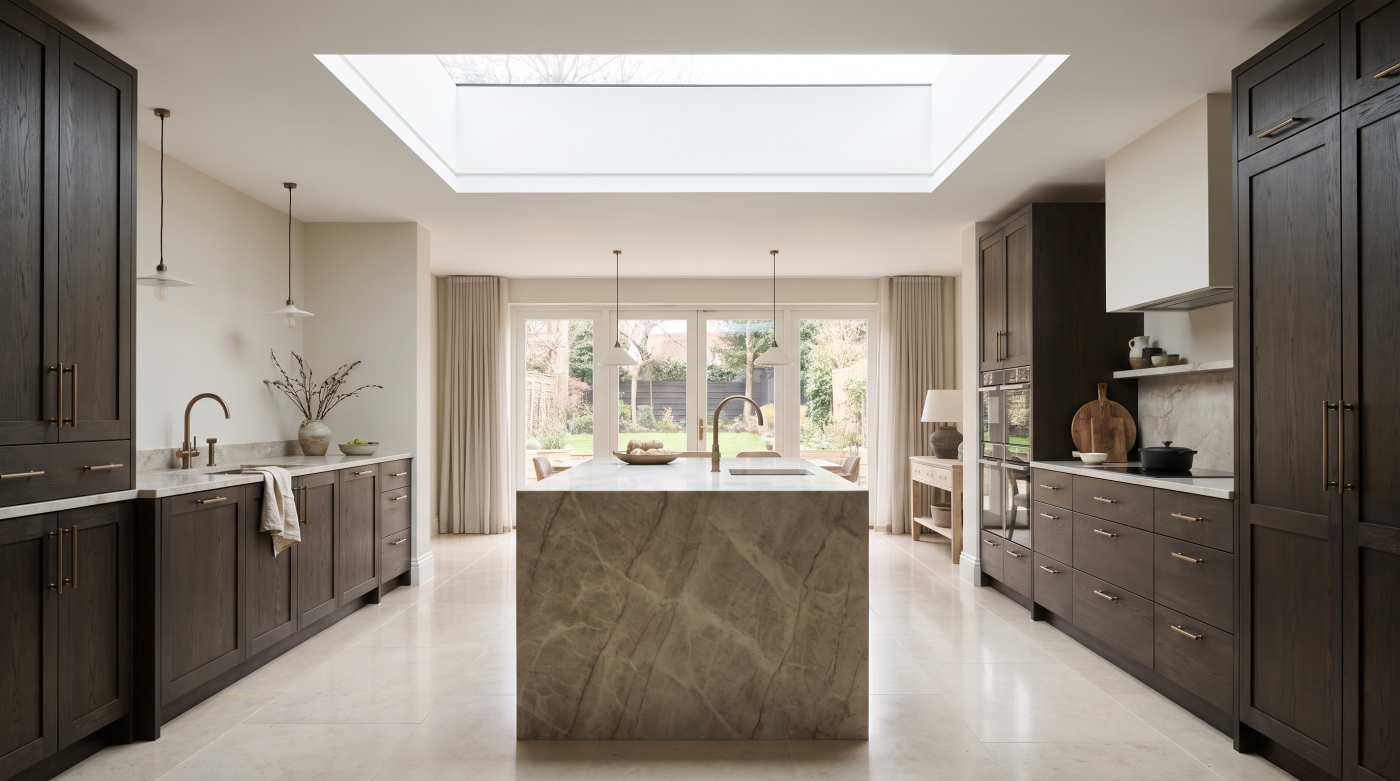
Put Glazing on the Programme Before You Need the Glass One of the easiest ways for glazing to become a programme problem is to introduce it to the programme too late. On a construction schedule, windows and doors can sometimes appear as two simple milestones: Order glazing. Install glazing. But there is a considerable amount […]
25
Aug
Aug
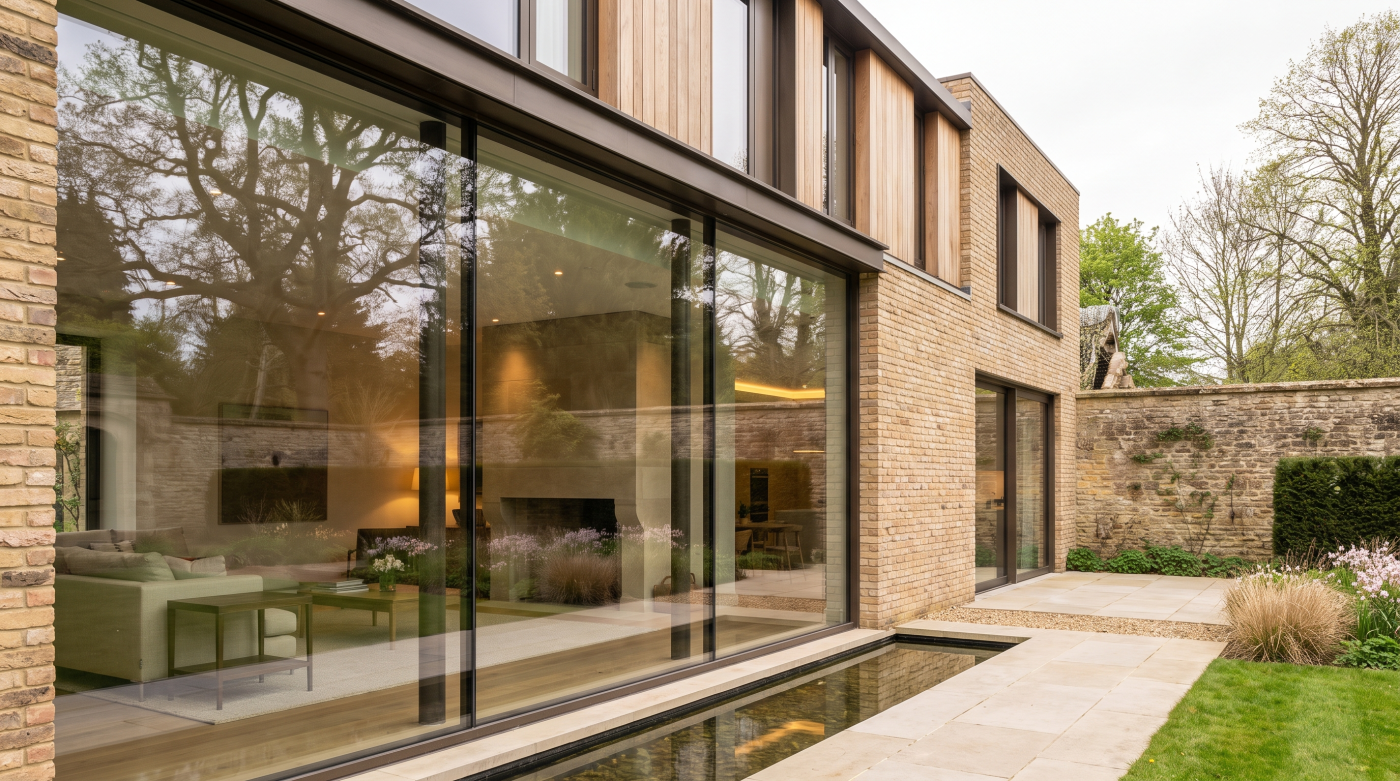
Clear Information Early Enough to Build Around For a main contractor, glazing information has value only if it arrives before the work that depends on it. A beautifully detailed threshold section is considerably less useful once the screed has been poured, the external levels established and the surrounding construction completed around a different assumption. That […]
18
Aug
Aug
What Solar Control Glass Actually Does Solar control glass is designed to reduce the amount of solar energy passing through the glazing and contributing to heat inside the building. That becomes particularly relevant where architecture uses large areas of glass to bring in daylight, open up views and create a stronger connection with the landscape. […]

17
Aug
Aug
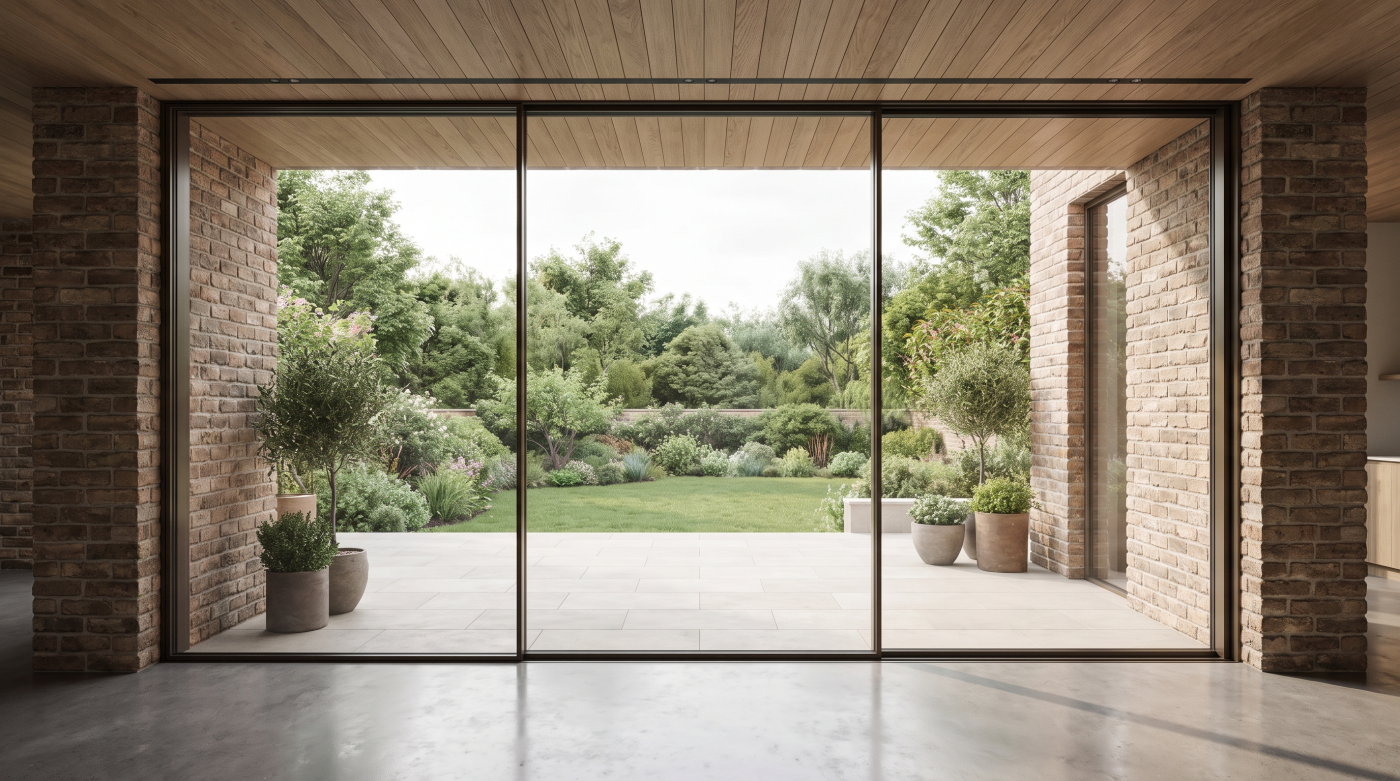
Why Would Glass Need to Be Craned in the First Place? Large-format glazing does not automatically require a crane. Many substantial glass units can be installed using other professionally determined handling methods, depending on their dimensions, weight and the conditions of the site. Specialist lifting becomes relevant when the combination of the glass itself and […]
17
Aug
Aug
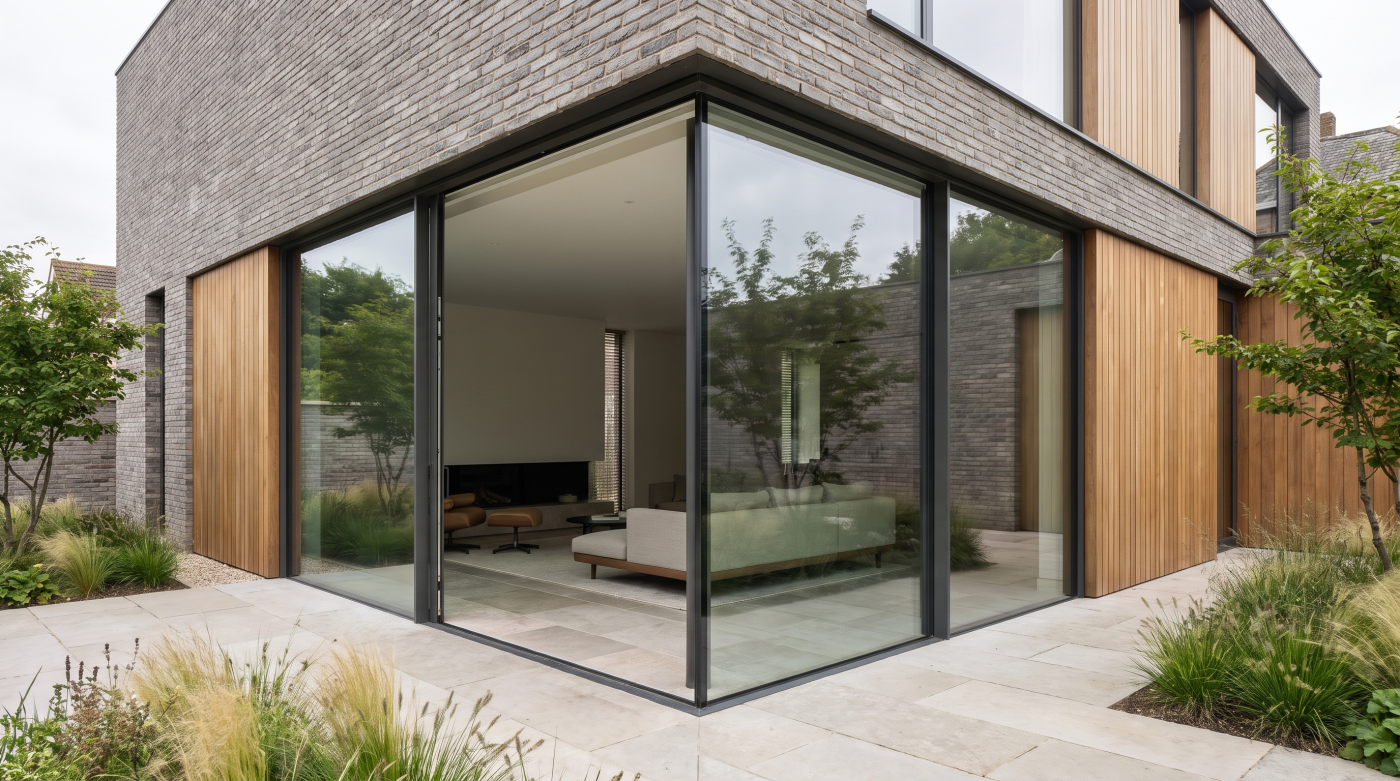
Large Glass Is Not Delivered Like an Ordinary Window Oversized architectural glazing may look remarkably simple once installed, but getting it into position can be a significant construction exercise. As panels become larger, they generally become heavier and more demanding to handle, changing the way they need to be transported, unloaded and moved around the […]
17
Aug
Aug
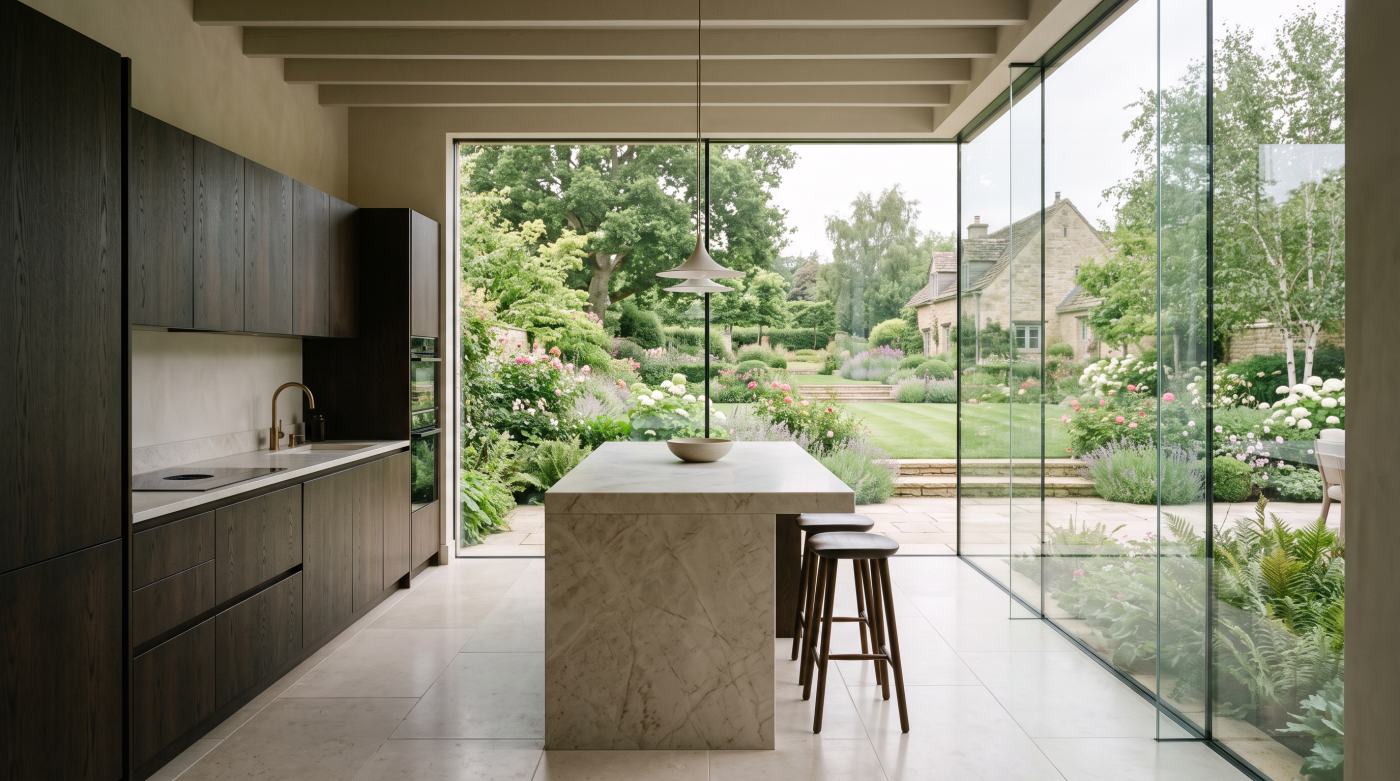
What Does Deflection Actually Mean? Deflection is the term used to describe the movement or bending of a structural element when it is subjected to load. A steel beam spanning above a large sliding-door opening may appear completely rigid, but in structural terms it is not necessarily motionless. As loads are applied, a degree of […]
14
Aug
Aug
A Structural Opening Is Not Just a Hole for the Glass One of the most common misconceptions with large-format glazing is that the structure can be designed first and the glass simply made to fit the opening afterwards. At a basic level, that sounds reasonable: the engineer establishes a structurally suitable opening, the steelwork is […]

14
Aug
Aug
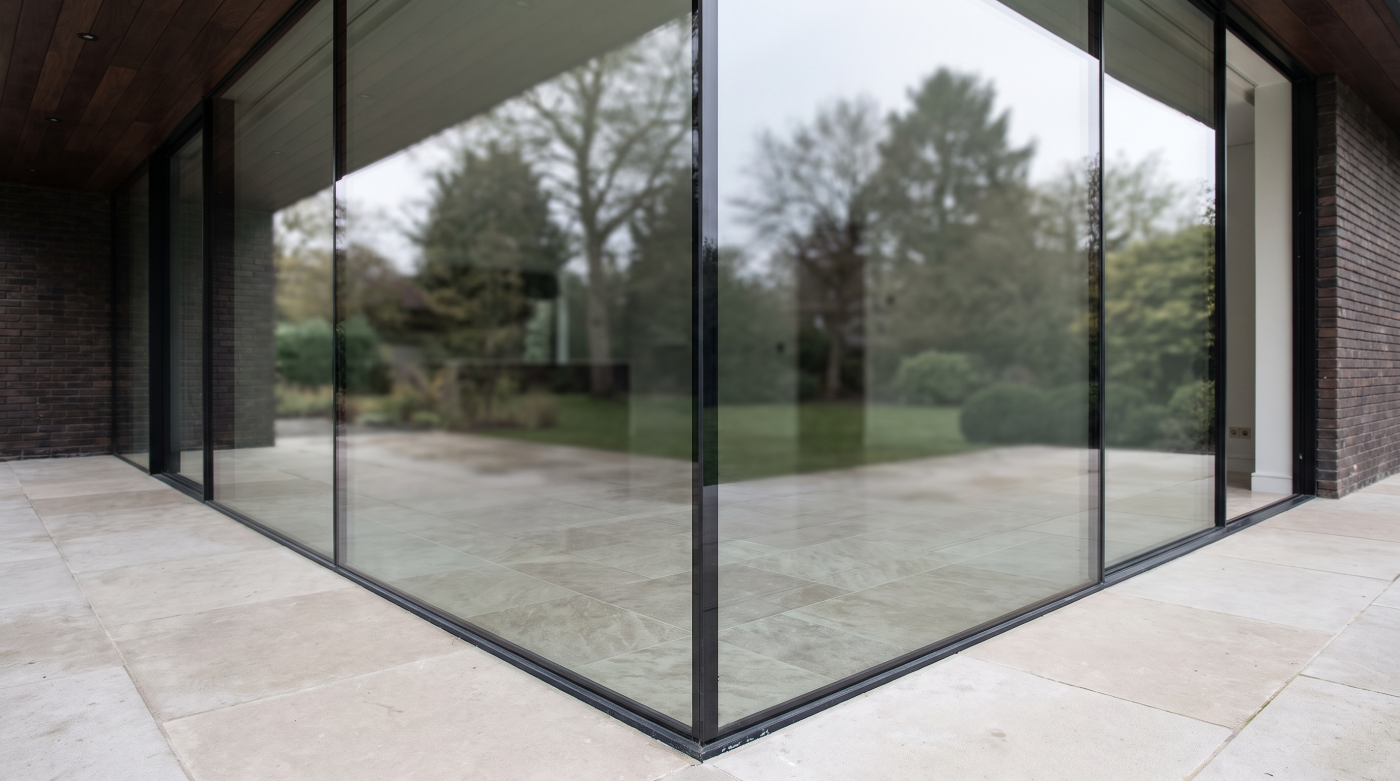
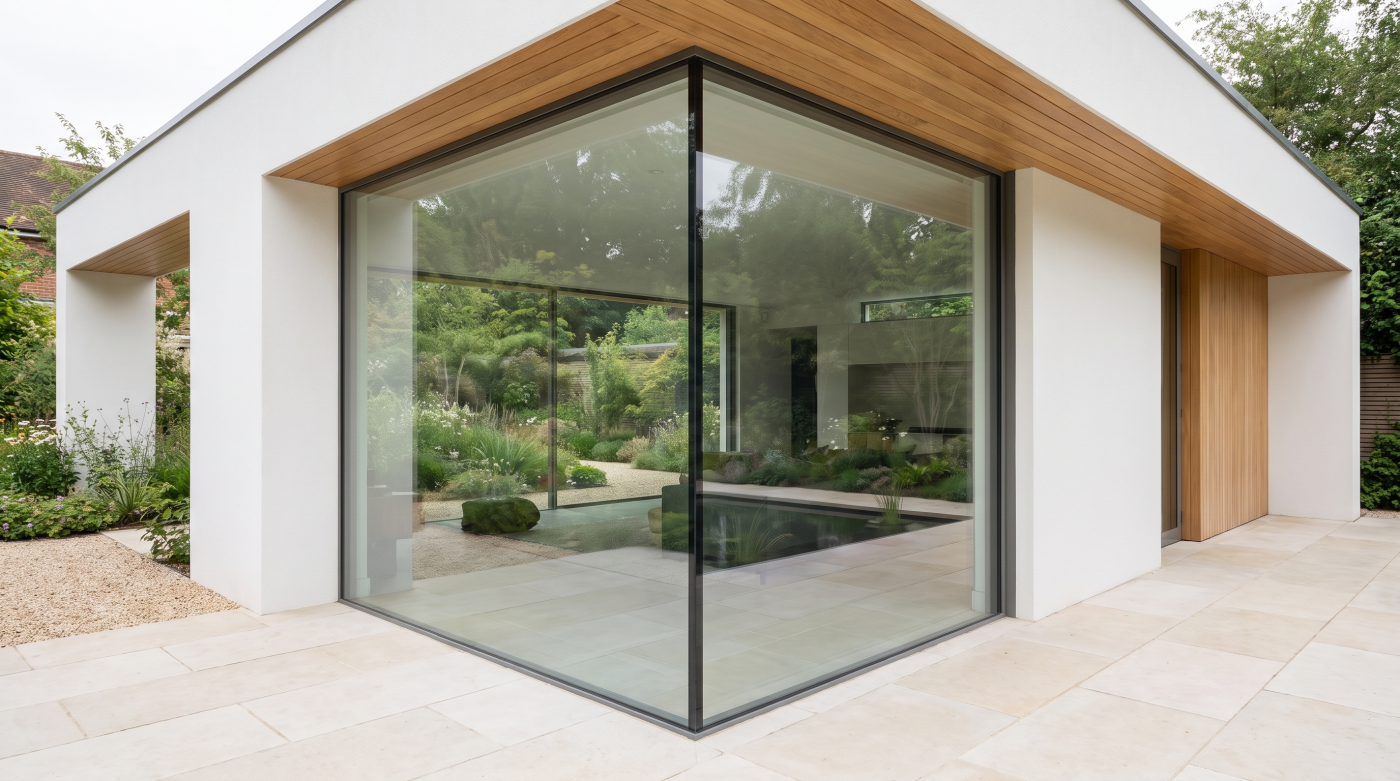
A Corner Is Not Just Something That Gets in the Way of the View When designing a highly glazed extension or contemporary home, it is easy to see the corner as an obstruction. Two large areas of glass might offer an uninterrupted view of the garden or landscape, only for a vertical post at their […]
12
Aug
Aug
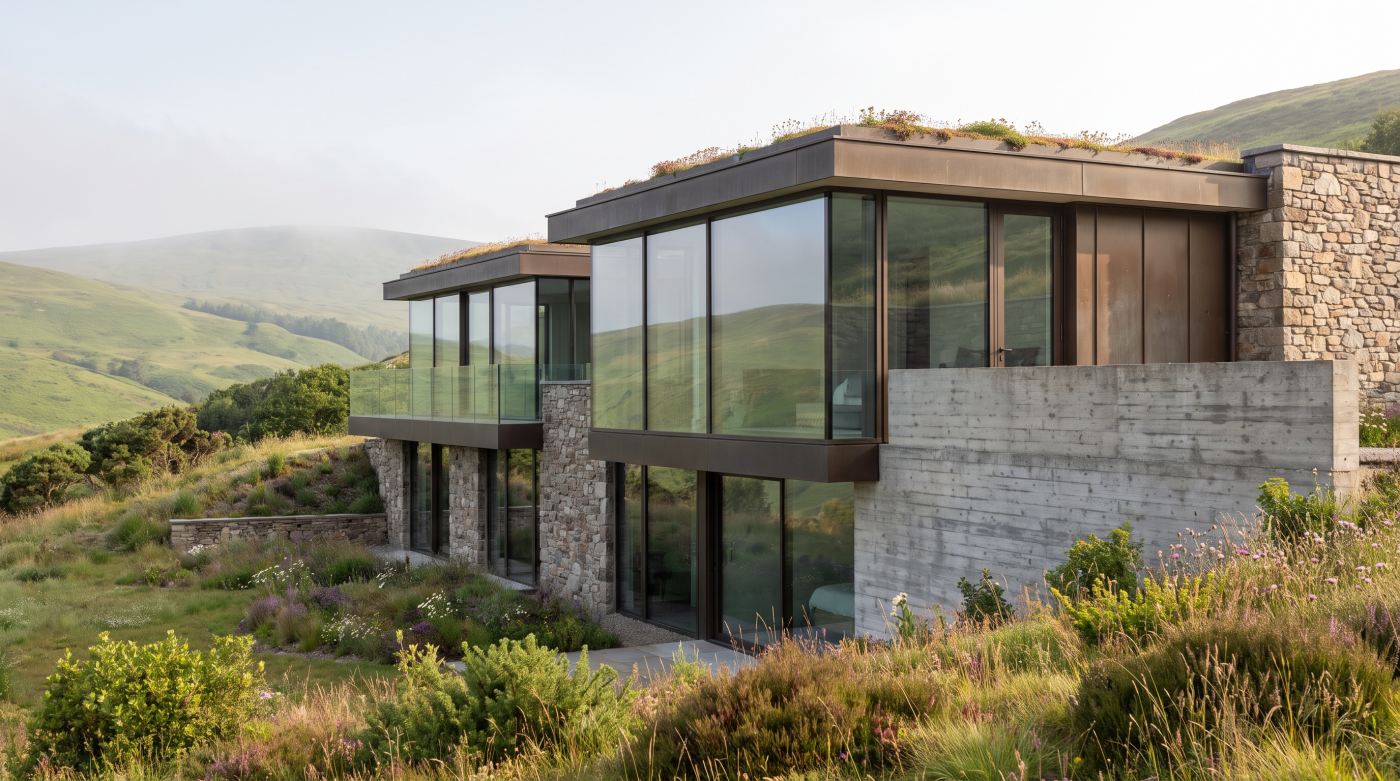
Why There Is No Single Maximum Glass Size The question of how large a single pane of glass can be appears to invite a simple answer: a maximum width, a maximum height, perhaps a maximum overall area. In architectural glazing, however, those dimensions rarely exist as universal limits. The realistic size of a pane emerges […]
11
Aug
Aug
Why Slimmer Does Not Automatically Mean Colder It is easy to assume that making a glazing frame slimmer must come at the expense of thermal performance. The reasoning appears intuitive: if there is less visible frame around the glass, there must surely be less material available to resist heat transfer. In practice, however, sightline and […]
11
Aug
Aug
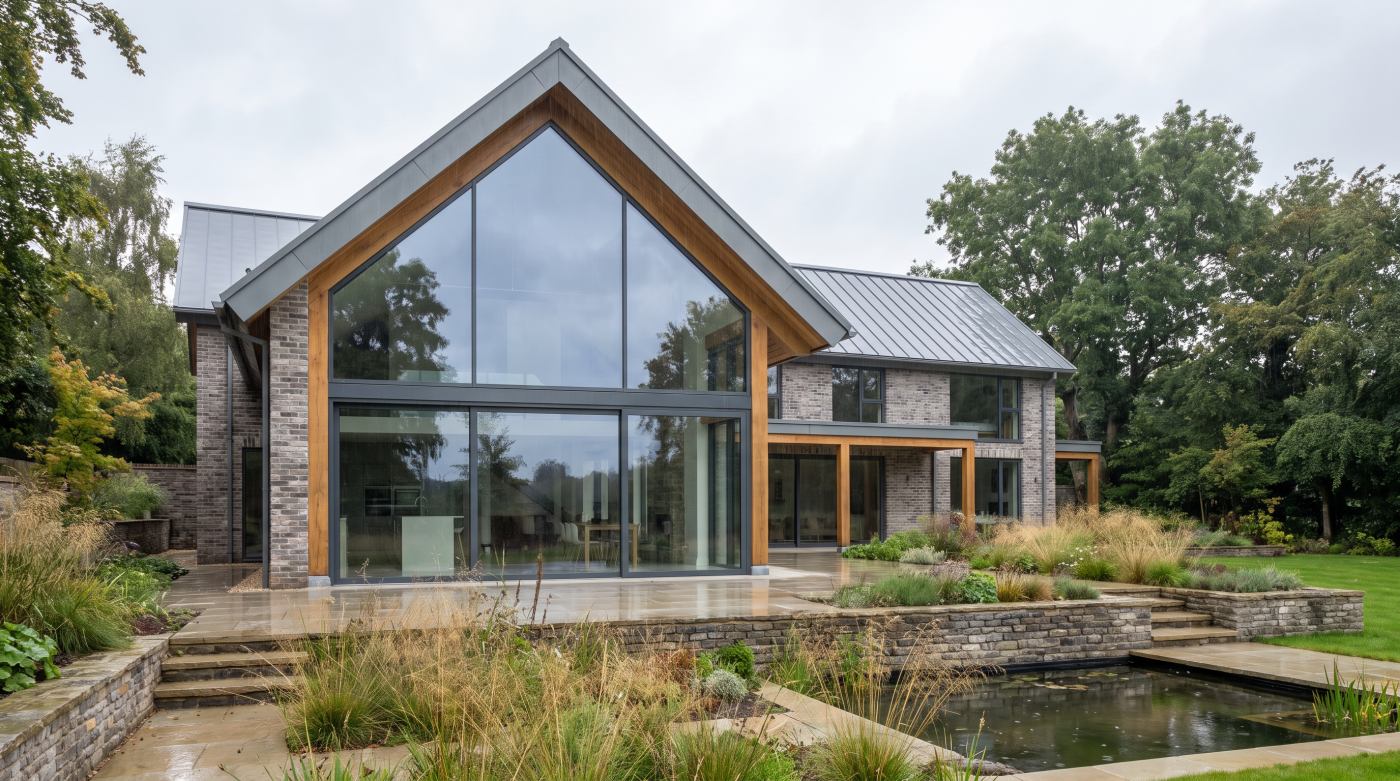
Why Sightline Is an Aesthetic Metric, Not a Performance Rating Sightline dimensions are useful because they describe something immediately visible. When two glazed panels meet, the width of the framing between them contributes directly to the character of the elevation, and it is understandable that architects and homeowners use this measurement when comparing minimal glazing […]
11
Aug
Aug
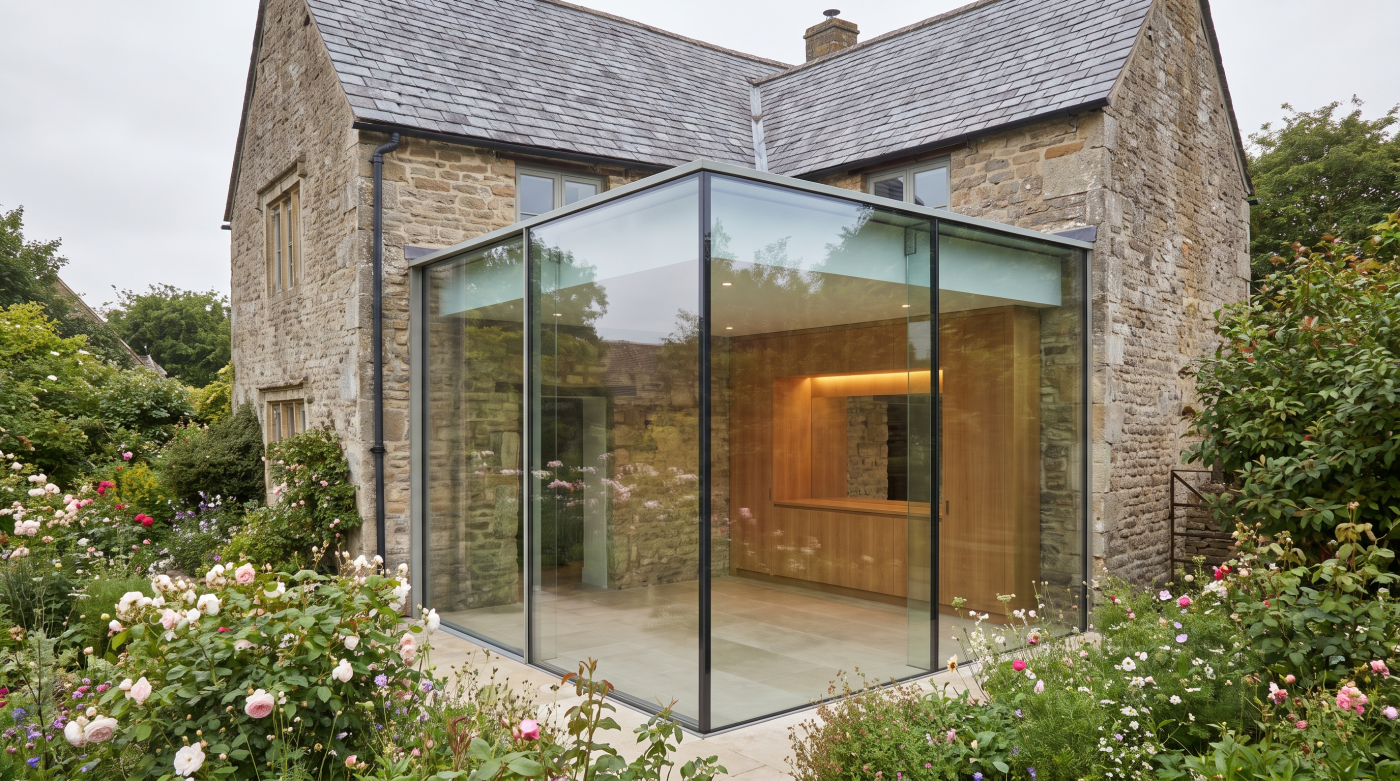
Why There Is No Single Minimum Sightline At first glance, asking how slim a glazing sightline can be seems as though it should have a straightforward numerical answer. Contemporary glazing systems are often discussed in terms of increasingly narrow profiles, making it natural to compare one dimension with another. The difficulty is that a sightline […]
11
Aug
Aug
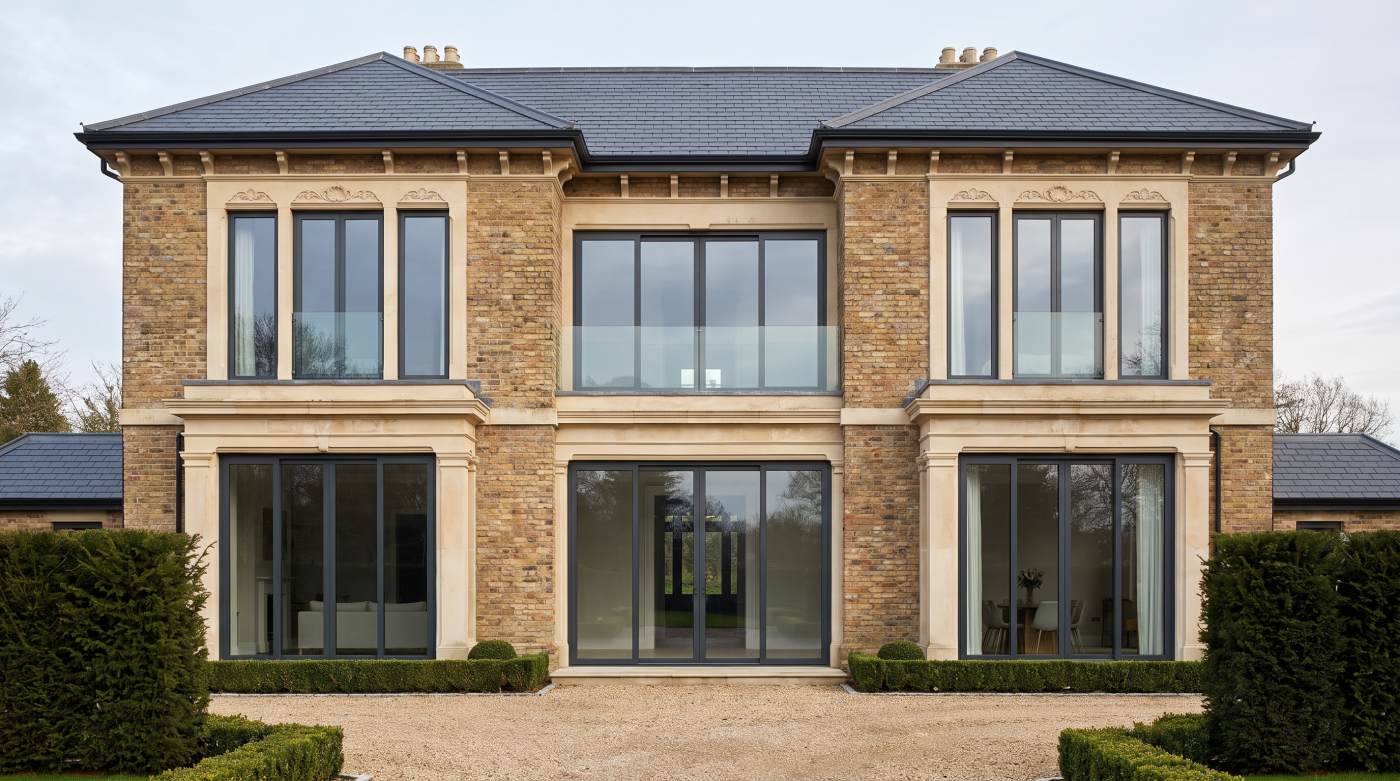
Why Architects Pursue Slimmer Sightlines The appeal of slim sightlines is easy to understand. In contemporary architecture, glazing is often intended to do more than bring daylight into a room; it is used to establish a visual relationship between the interior, the landscape and the wider setting of the building. As glazed openings become larger, […]
27
Jul
Jul
Protection Starts Before Anything Is Ordered When homeowners invest in premium glazing, it is natural to assume that protecting it begins on installation day. Frames are carefully handled, glass is lifted into place and protective coverings are applied while construction continues. Although these steps are important, architects understand that the real protection begins much earlier. […]
27
Jul
Jul
Great Architecture Starts With Light, Not Windows When homeowners begin thinking about glazing, their attention naturally turns to windows. They compare frame materials, opening styles, sightlines and product ranges, assuming these choices are where good design begins. Architects approach the process from an entirely different direction. Before they think about windows, they think about light. […]
24
Jul
Jul
Bigger Glass Changes More Than the View Large-format glazing has become one of the defining features of contemporary residential architecture. Expansive sliding doors, floor-to-ceiling windows and wide glazed openings promise uninterrupted views, generous daylight and a stronger connection with the landscape. These are compelling qualities, and when thoughtfully designed they can transform the experience of […]