
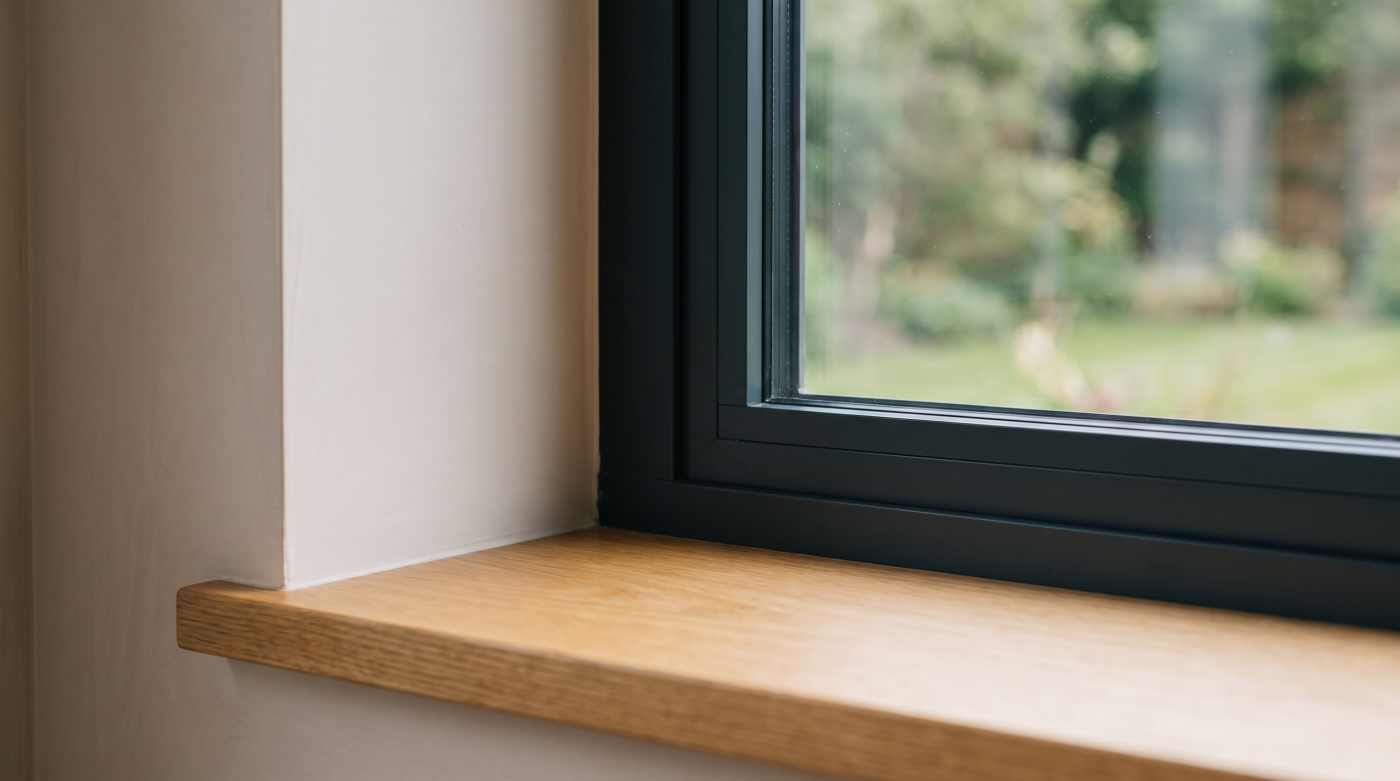
1. Start with the date the building needs to be ready Ask when the windows need to be in place, rather than when an order should be signed. A family moving into a renovated house has a different deadline from someone replacing two windows in an occupied bedroom. On an extension, the glazing may need […]
Tag Archives: Somerset architecture
06
Oct
Oct
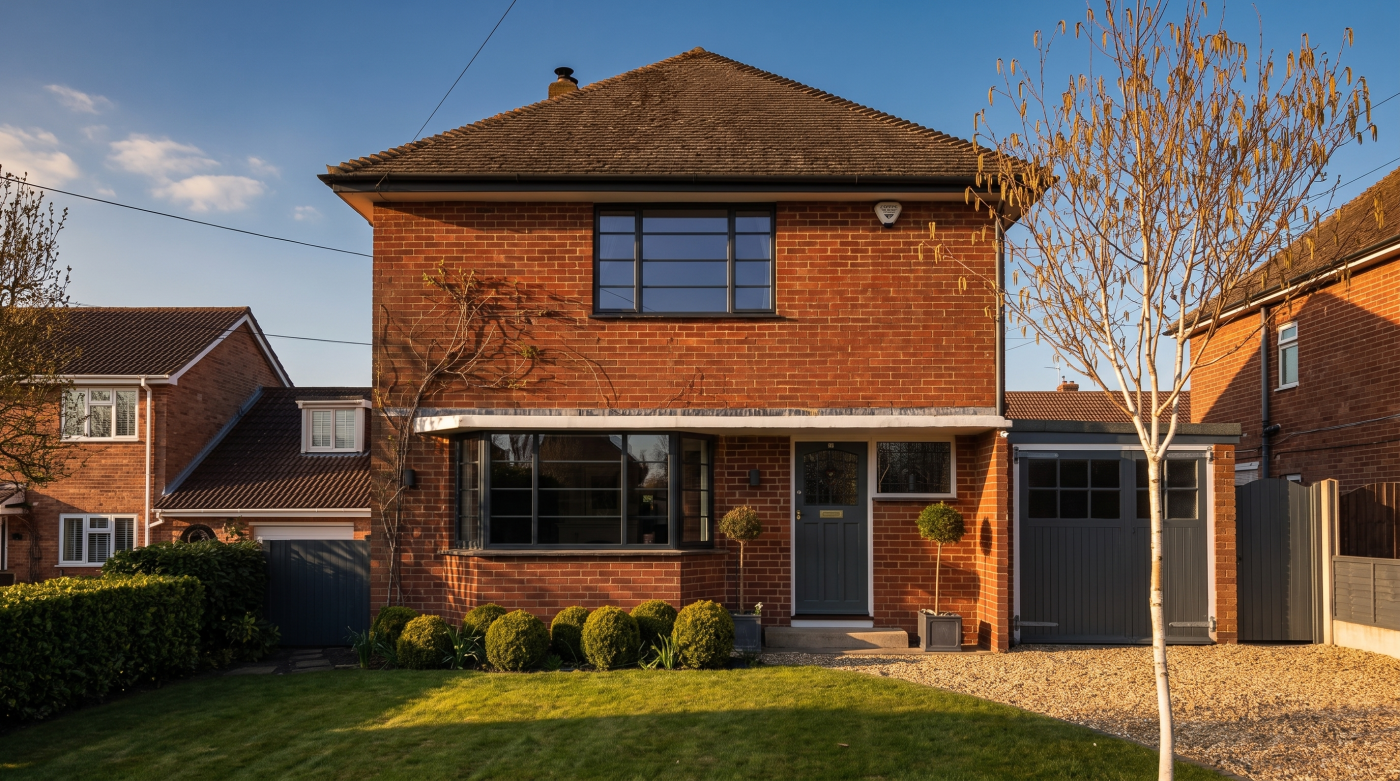
What a Glazing Designer Would Change About Your House Without seeing a house, no one can responsibly prescribe new windows for it. A glazing designer can, however, describe the questions that reveal where change would matter most—and where it would be a mistake. 1. Survey what the house already does well The first task is […]
06
Oct
Oct
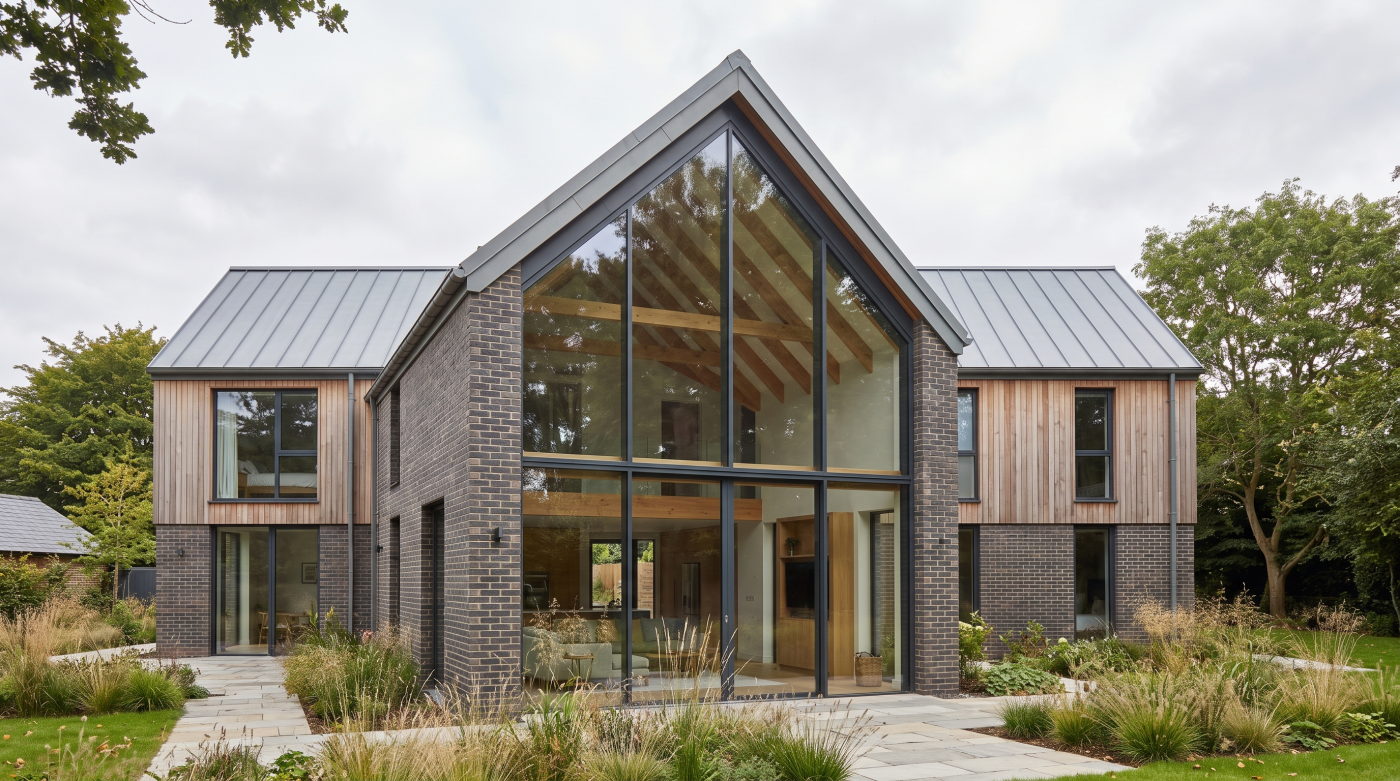
1. Ask what problem the admired house solved An architectural photograph presents a result. It seldom shows the brief that produced it: a narrow site, a dark original room, a neighbour’s close window or a family that needed several ways to occupy one space. Without that context, copying the visible feature can bring the wrong […]
06
Oct
Oct
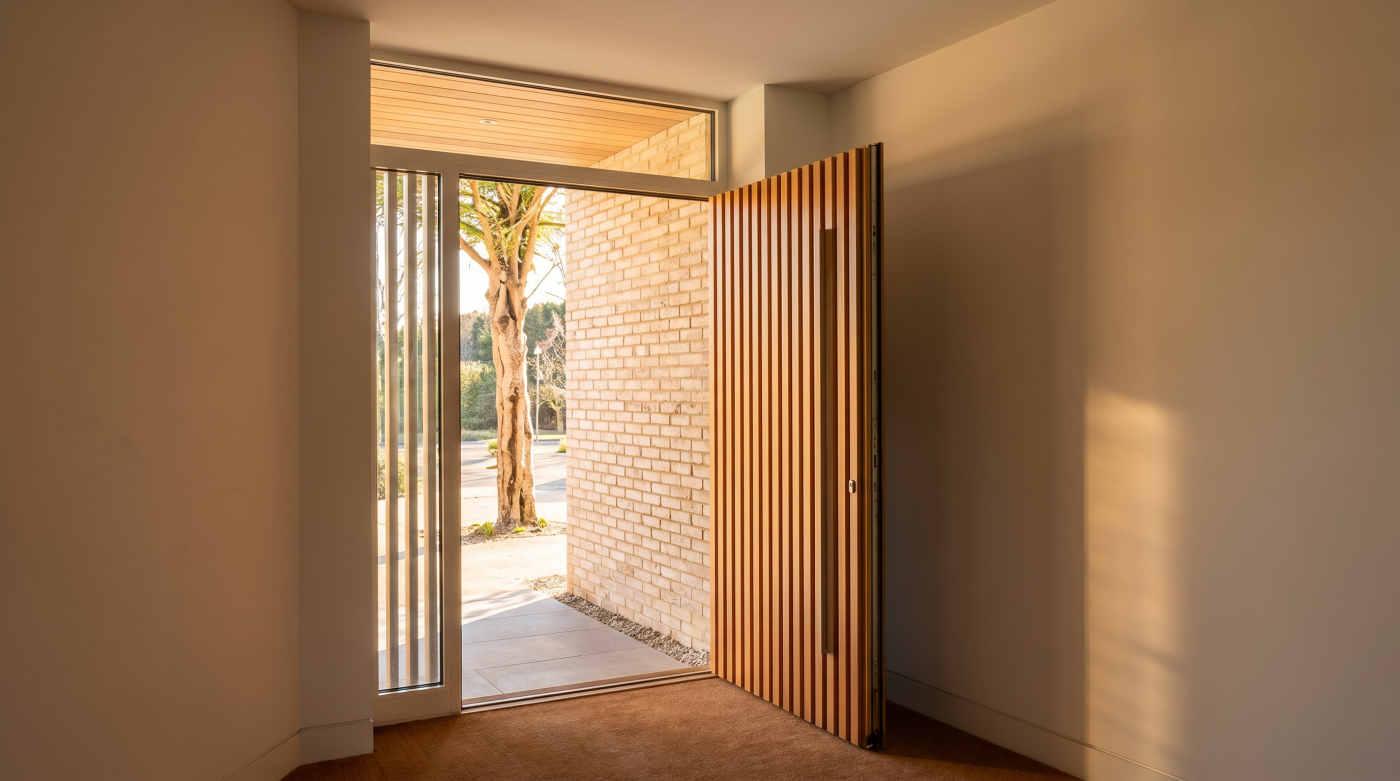
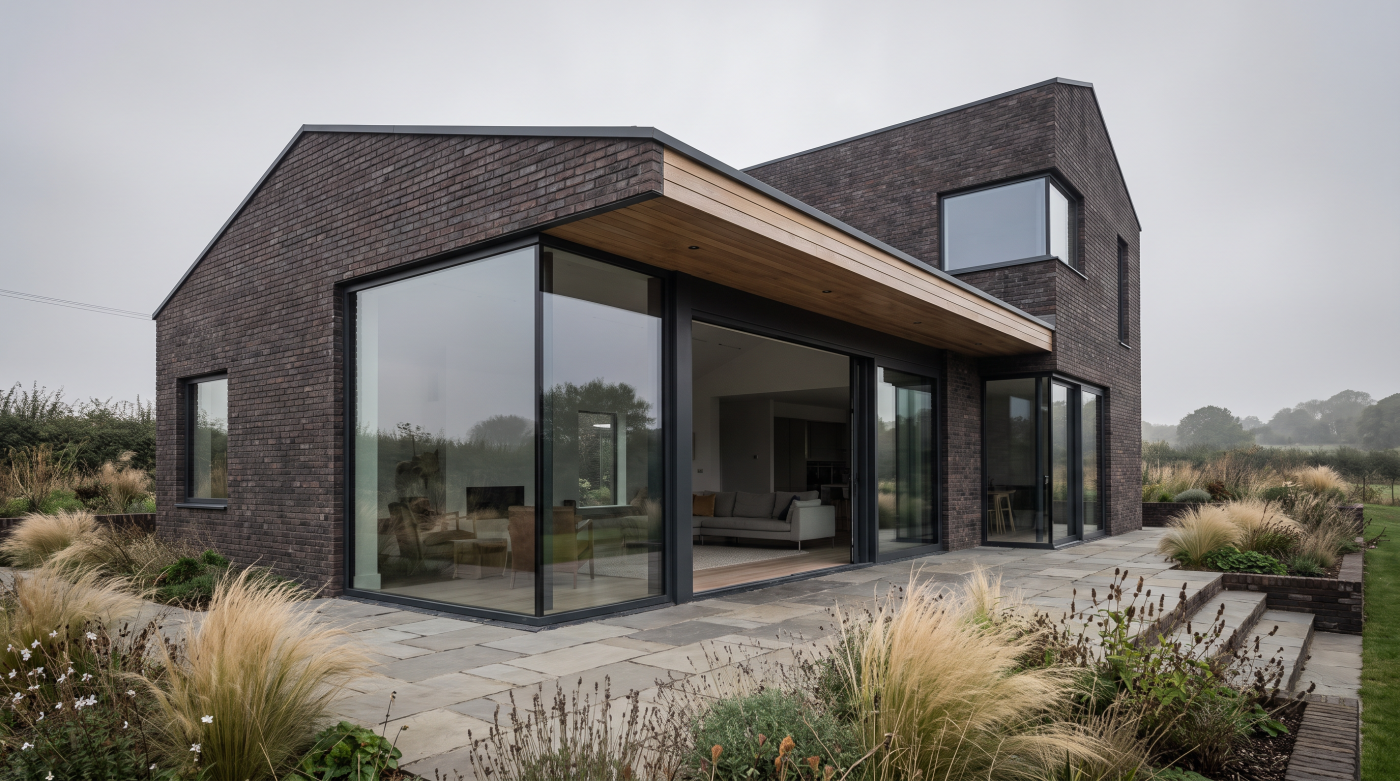
The Front Door Upgrade That Changes Everything A front door is the point where the street, the building and everyday life meet. The most consequential upgrade may be the way the whole entrance is composed, lit and used. 1. Start at the pavement or garden gate The front door is encountered before anyone touches it. […]
06
Oct
Oct
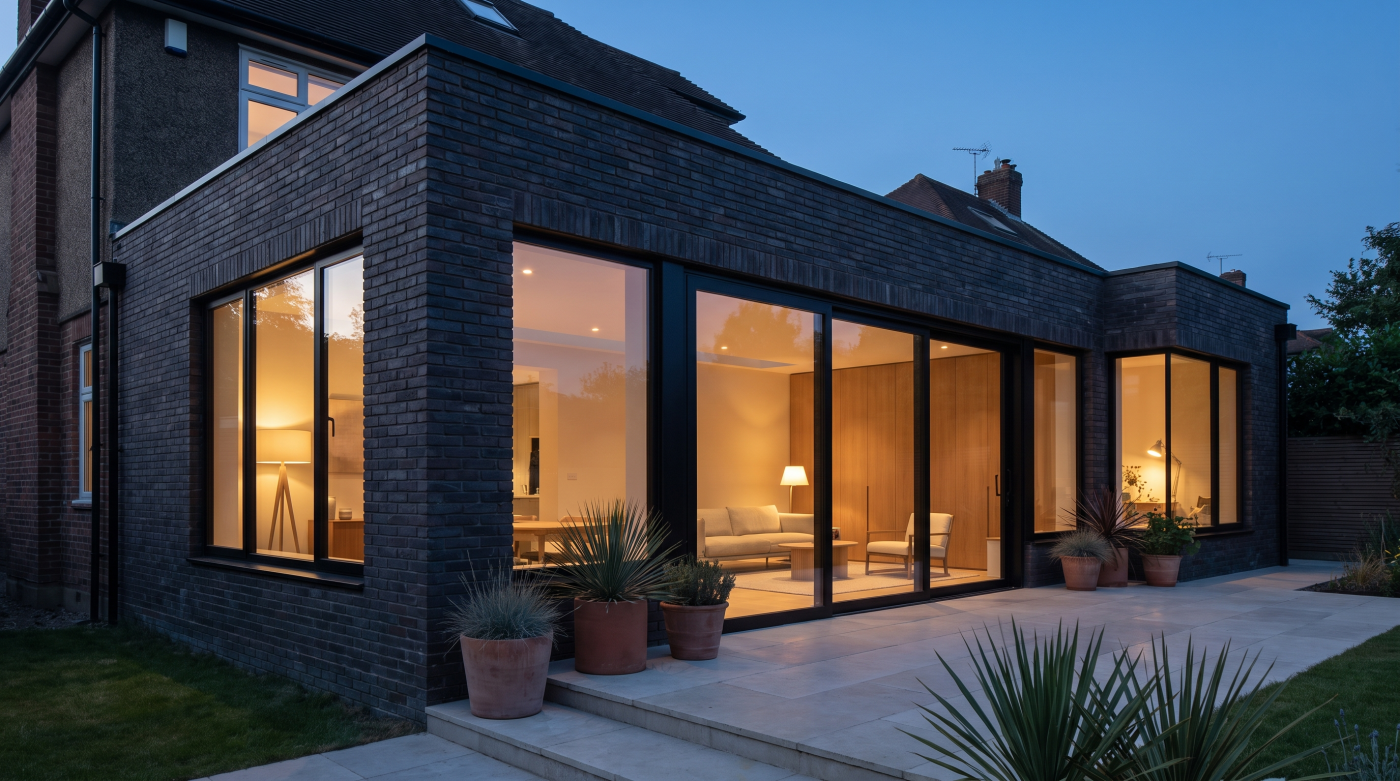
1. See the rear elevation as a whole Rear elevations often tell the story of a house’s changes. A kitchen window may belong to one decade, patio doors to another and a small extension to a third. None need be poor in isolation, yet together they can leave the garden-facing wall without a clear order. […]
05
Oct
Oct
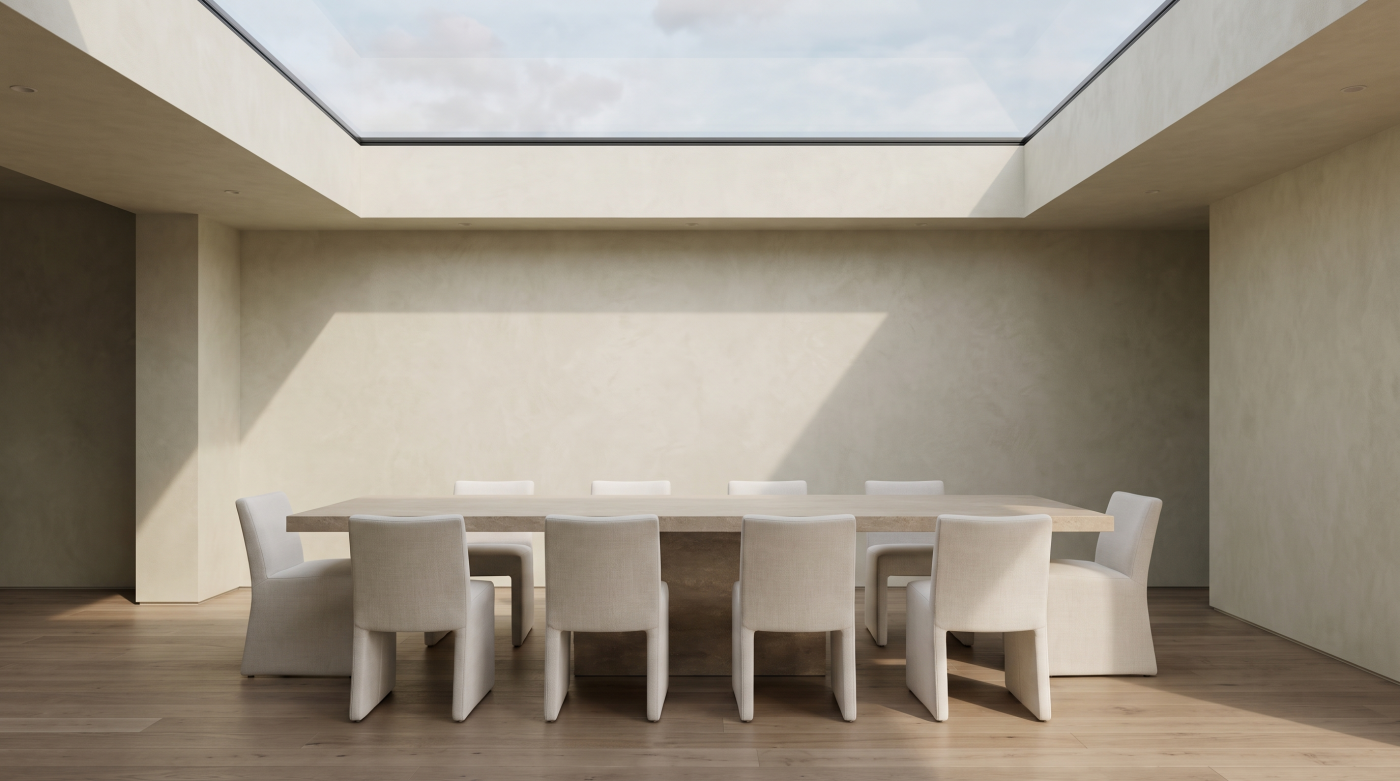
1. Light belongs to the plan The first daylight decision is often made before a window is drawn. It is the decision about which rooms occupy which parts of the house and how people move between them. A kitchen used early in the day, a study occupied for long periods and a living room that […]
05
Oct
Oct
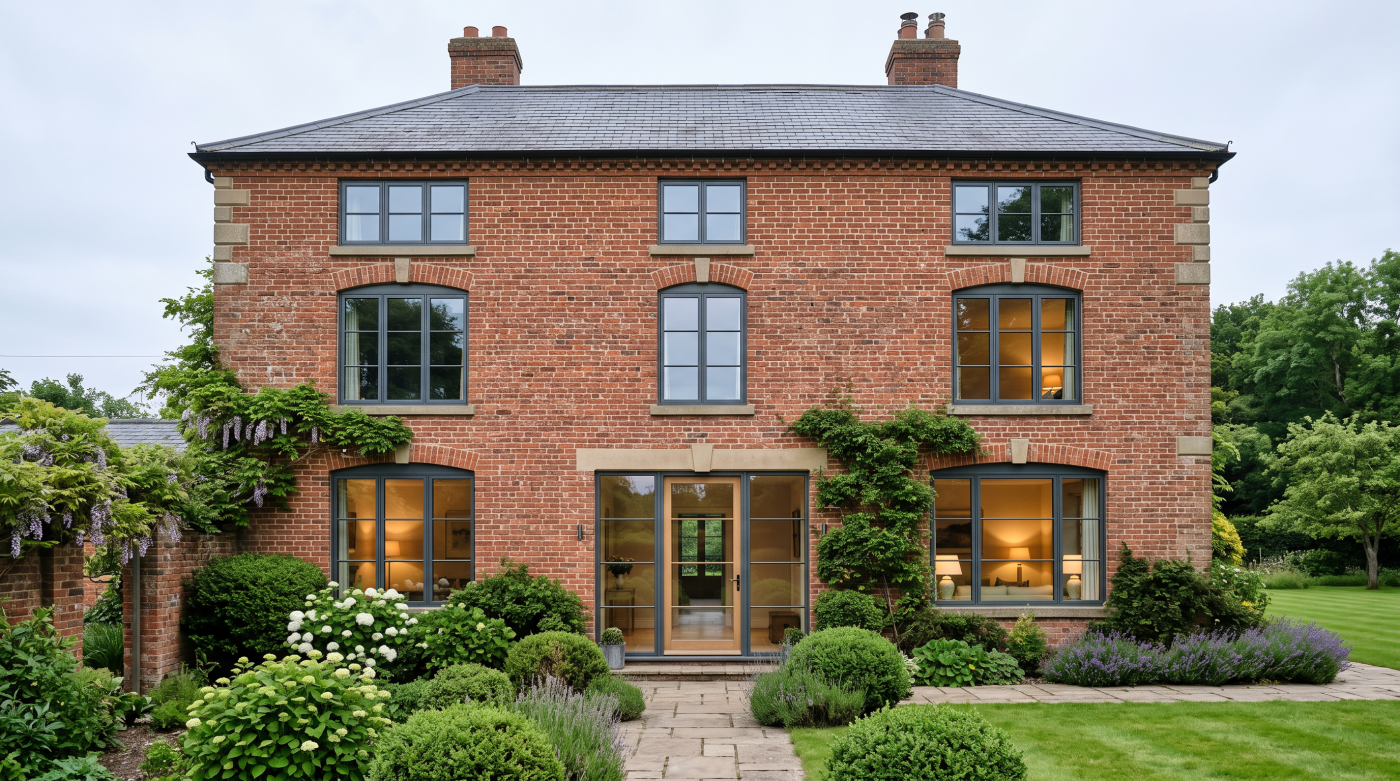
1. The rule is to look beyond the window A window can look elegant in a showroom and awkward once placed in a house. Its frame may be well made, its glass carefully specified and its dimensions entirely ordinary. What fails is the relationship between that rectangle and the building around it. Proportion is often […]
05
Oct
Oct
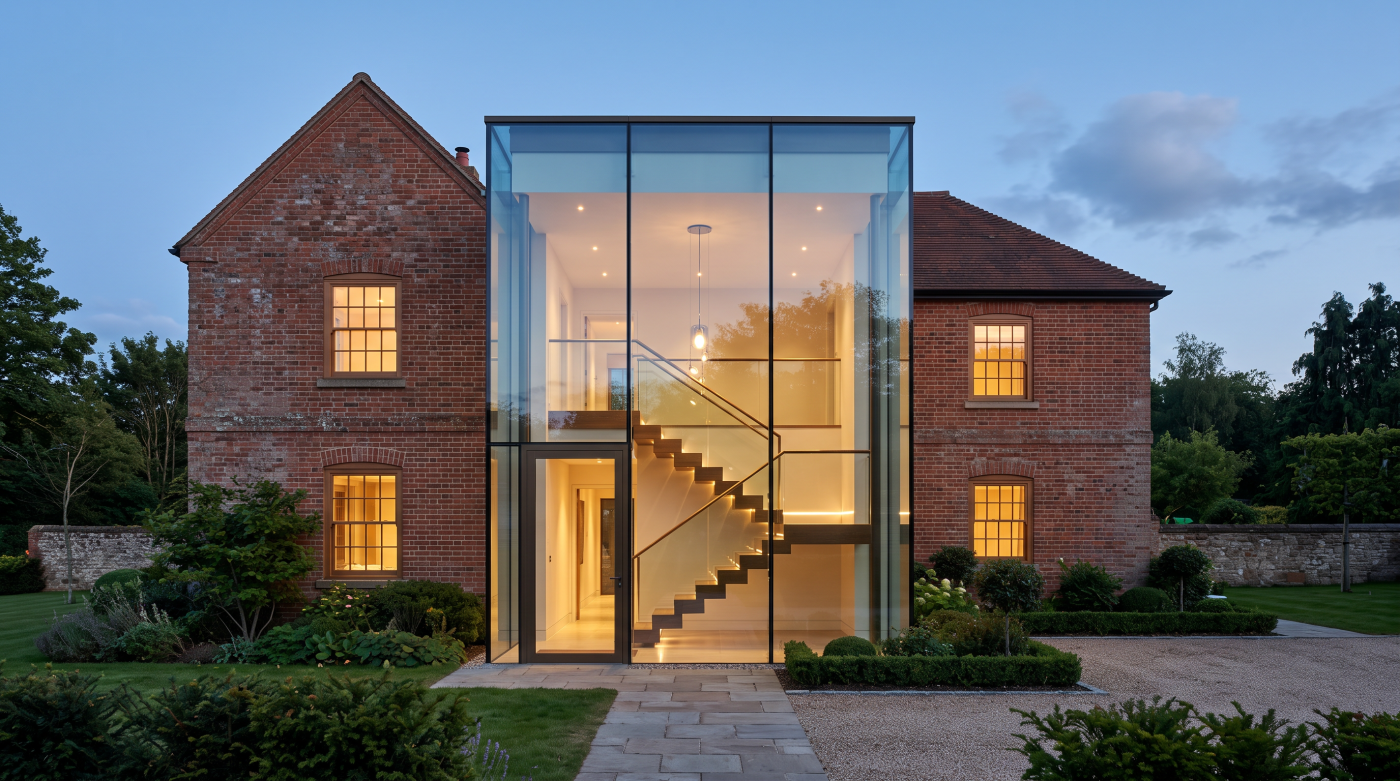
1. Read the house before changing it Every house offers clues about how it wants to be altered. Its plan may organise rooms around a central hall. Windows may establish a measured pattern on the street elevation. A later addition may have become valuable in its own right. Before drawing new openings or choosing finishes, […]
05
Oct
Oct
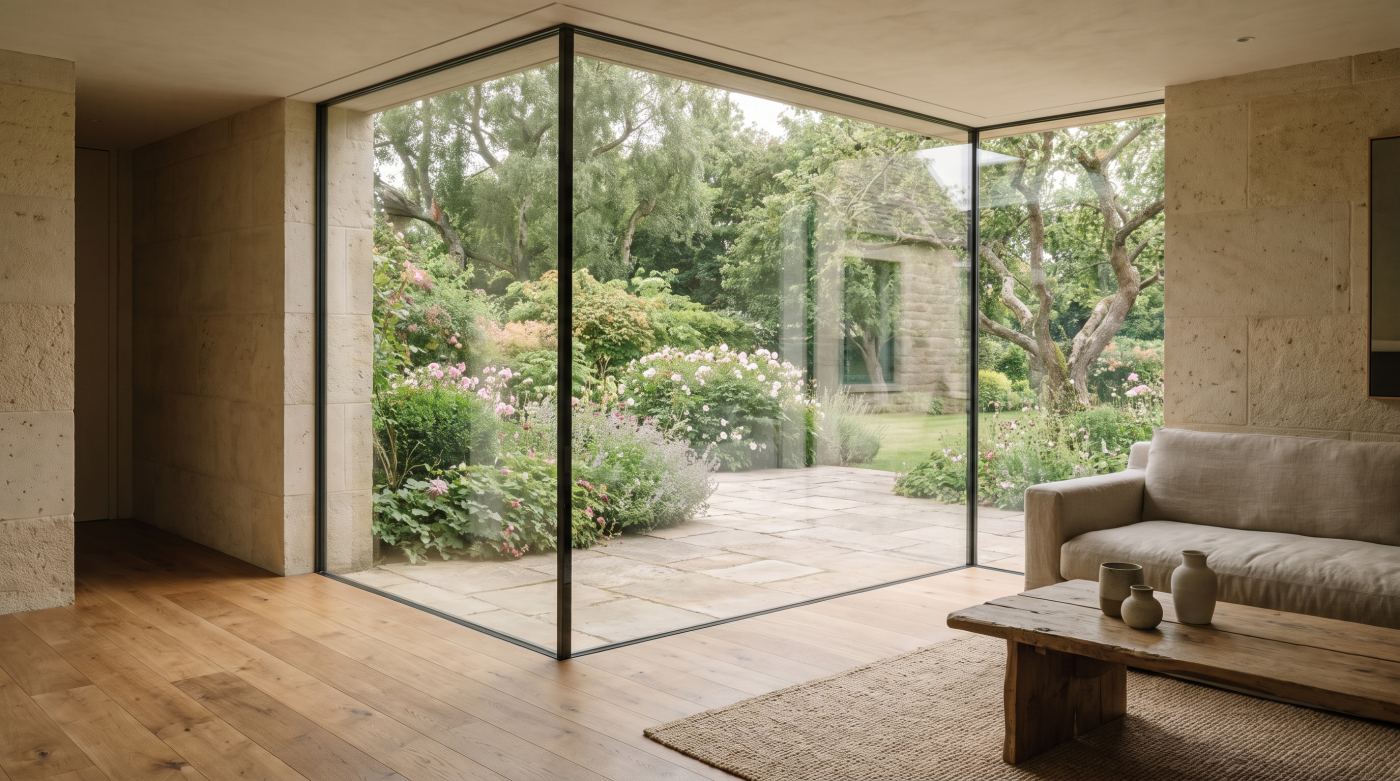
1. Decide what the glazing must do for the house A glazing budget is difficult to control when every opening is treated as equally important. A garden door used daily, a window that frames a distant view and a small opening in a secondary room do different architectural work. Their specifications need not be identical. […]
02
Oct
Oct
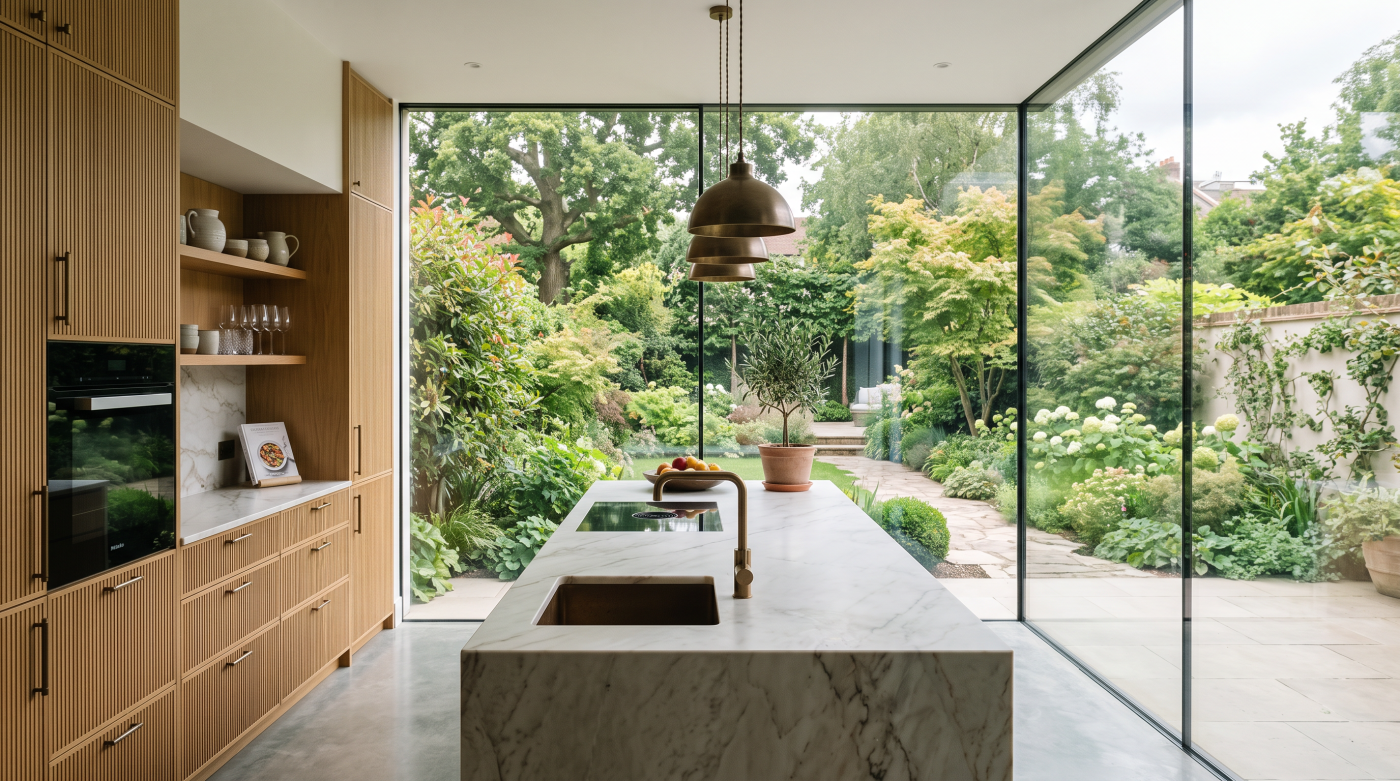
1. Why the edge of an opening matters People may not consciously inspect a window reveal, but they notice when its lines are settled. The eye moves from wall to frame to glass. If those elements meet with clear proportions, the opening feels deliberate. If uneven trims, awkward gaps or competing edges interrupt the transition, […]
02
Oct
Oct
1. Let the existing house set the terms An extension does not arrive on an empty site. Its height, roofline, materials and openings are read beside a house that already has a character of its own. A new addition can continue that language or contrast with it, but the relationship should be deliberate. Begin by […]
02
Oct
Oct
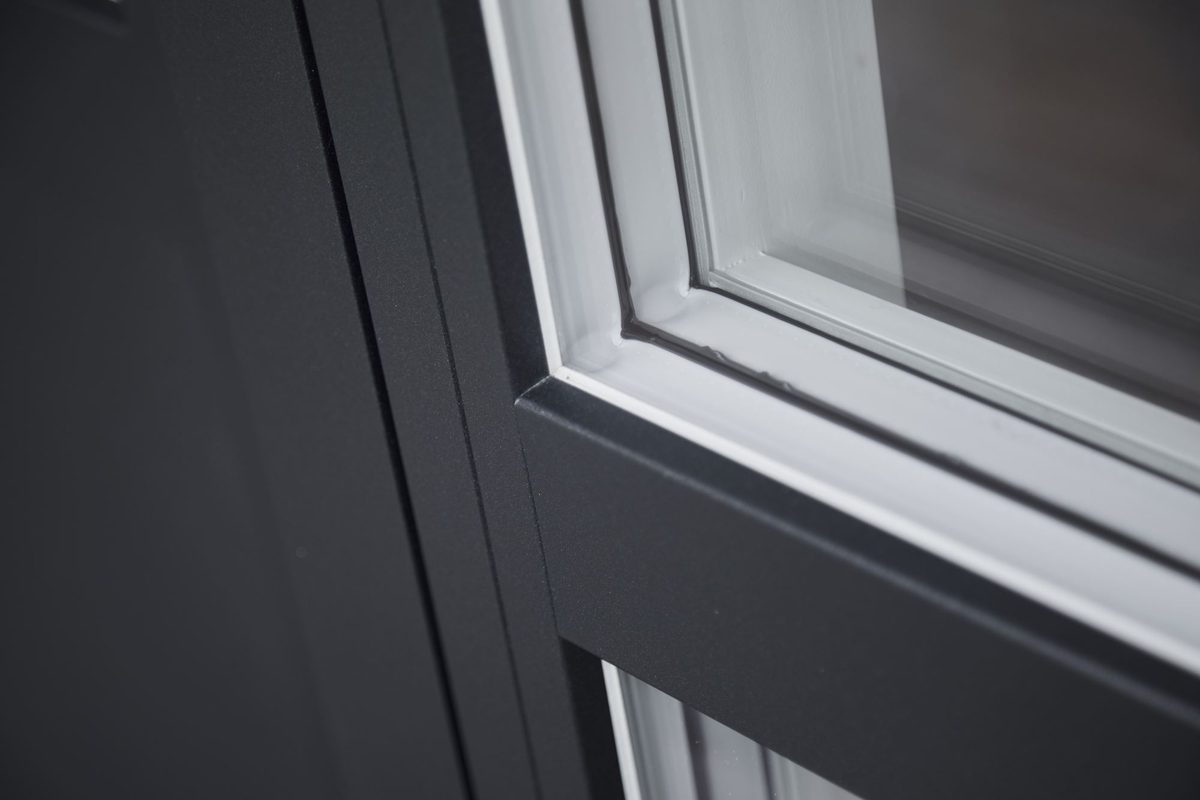
1. Begin with the building, not a product image A photograph of a glazed wall can be persuasive because it presents a complete scene: light, landscape and furniture arranged around the opening. The same doors may behave quite differently in another house. Before looking for a product, establish what the proposed glazing must do in […]
02
Oct
Oct
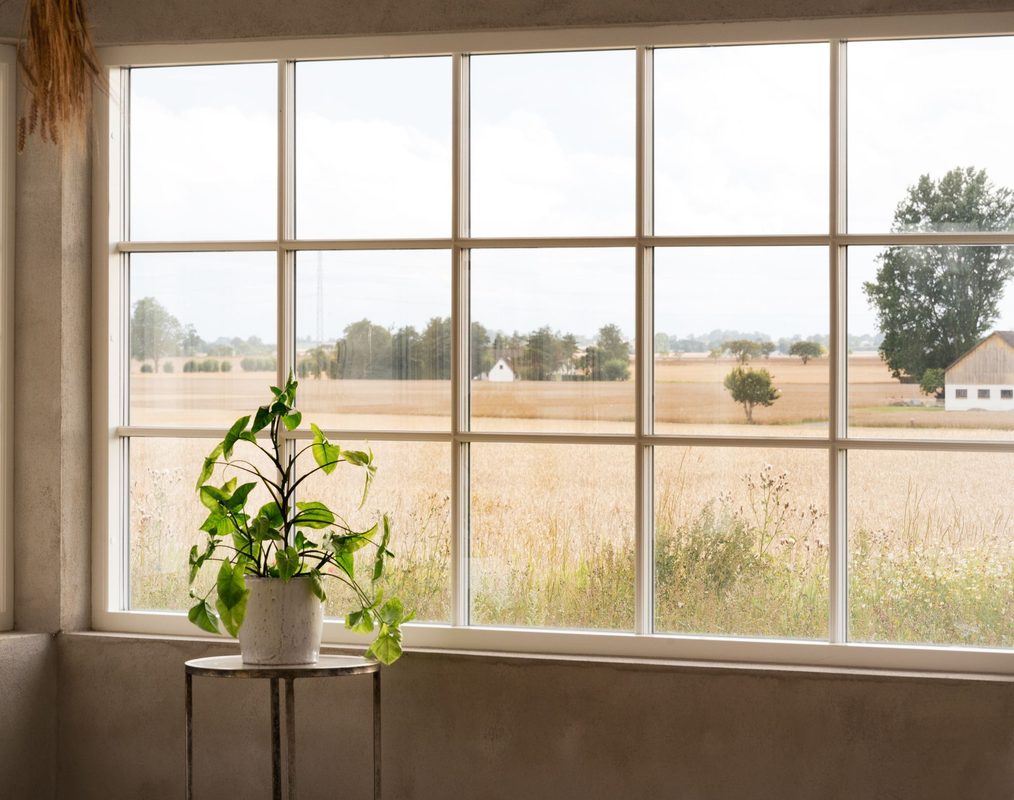
1. Start with the house and the room There is no single standard UK semi. Houses built in different decades may share a familiar outline while differing substantially in wall construction, roof insulation, ventilation and the condition of their windows. One may face an open, windy street; another may be sheltered by neighbouring buildings. Those […]
01
Oct
Oct
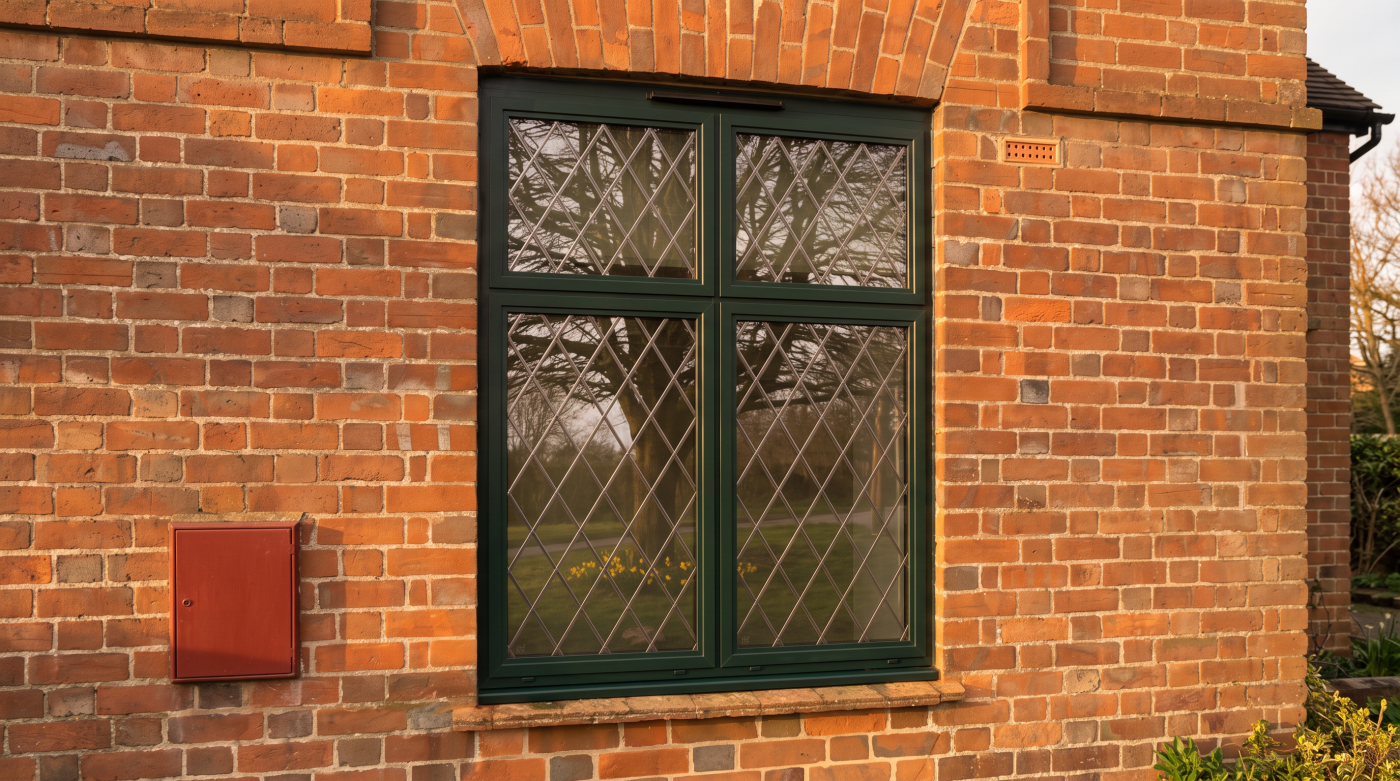
1. What would be lost if this opening changed? Before examining a defect, look at the window or glazed door as part of the building. Its proportions may establish the rhythm of an elevation. Its frame may sit precisely within a deep reveal. In an older house, glass, joinery or metalwork may have significance that […]
01
Oct
Oct
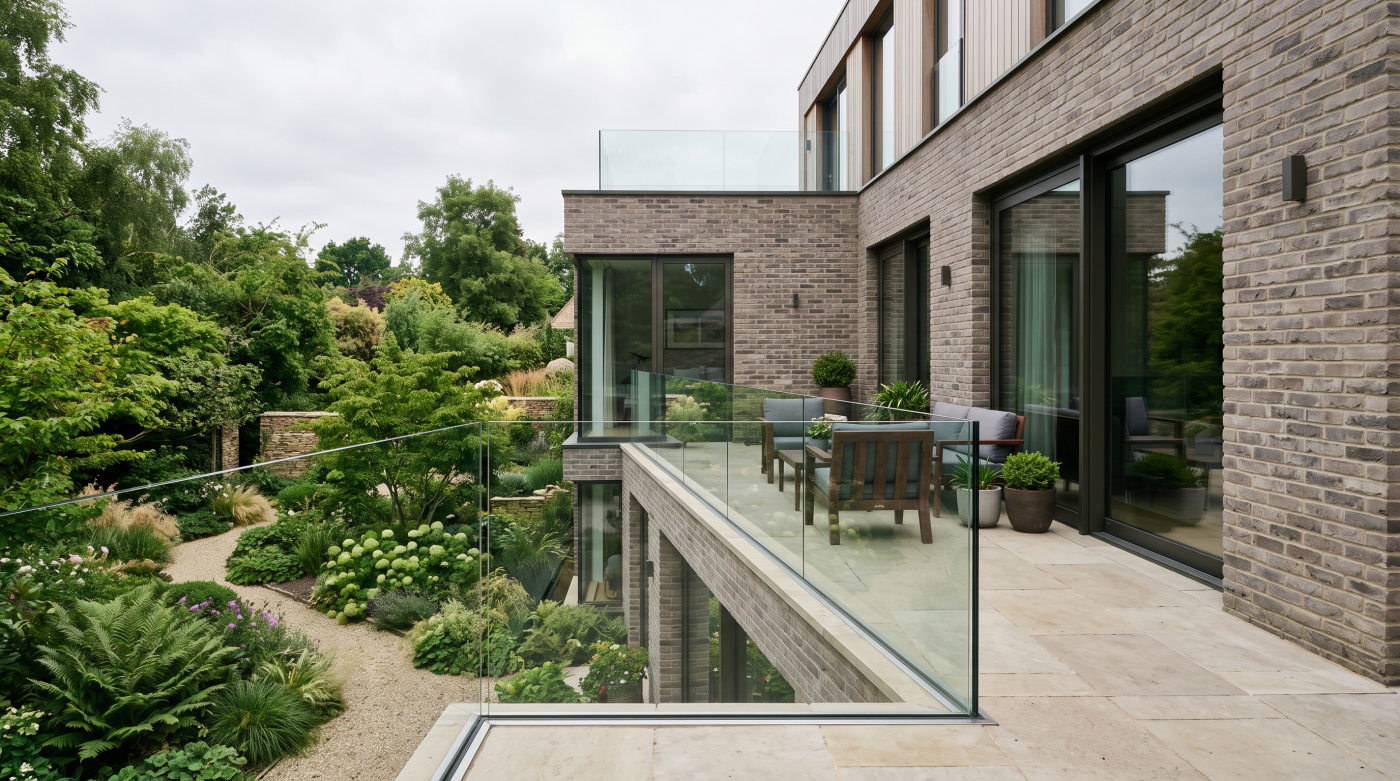
1. Design the opening before naming the product A window is part of a wall before it is a product. Its width and height affect the balance of an elevation, the amount of daylight reaching a room and the view from a particular seat. A glazed door also determines how people move between spaces. Those […]
01
Oct
Oct
1. Begin with the project’s complexity Choosing a glazing team begins with the building, not the size of the company. Replacing a straightforward window in a regular opening asks different things of a team from glazing an irregular stone house, forming a wide opening in an extension or coordinating several systems across a self-build. In […]
01
Oct
Oct
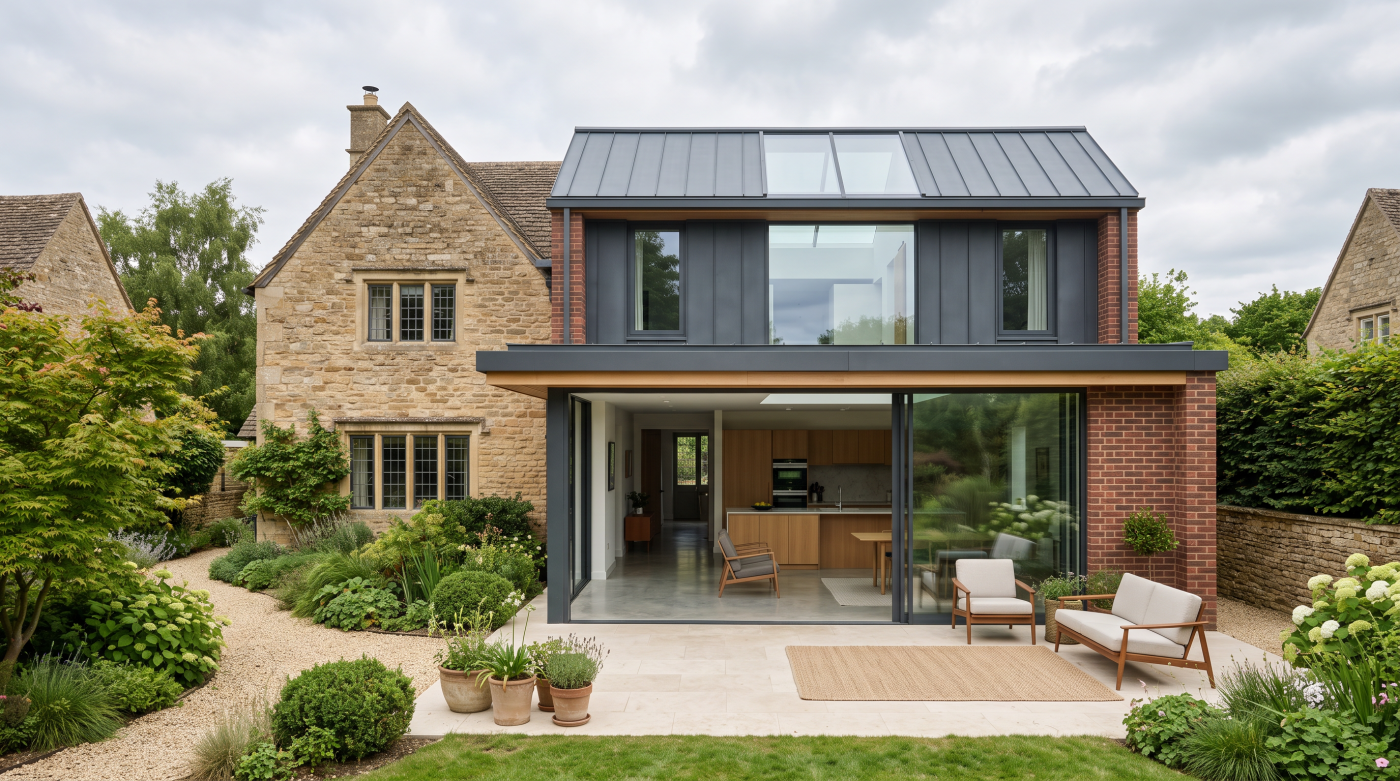
1. What role should the glazing play in the architecture? Before asking whether anyone can tell steel from steel-look glazing, it helps to ask what the glazing is meant to do. A new screen between a kitchen and sitting room may need to give the space a fine, dark outline. A replacement window in a […]
30
Sep
Sep
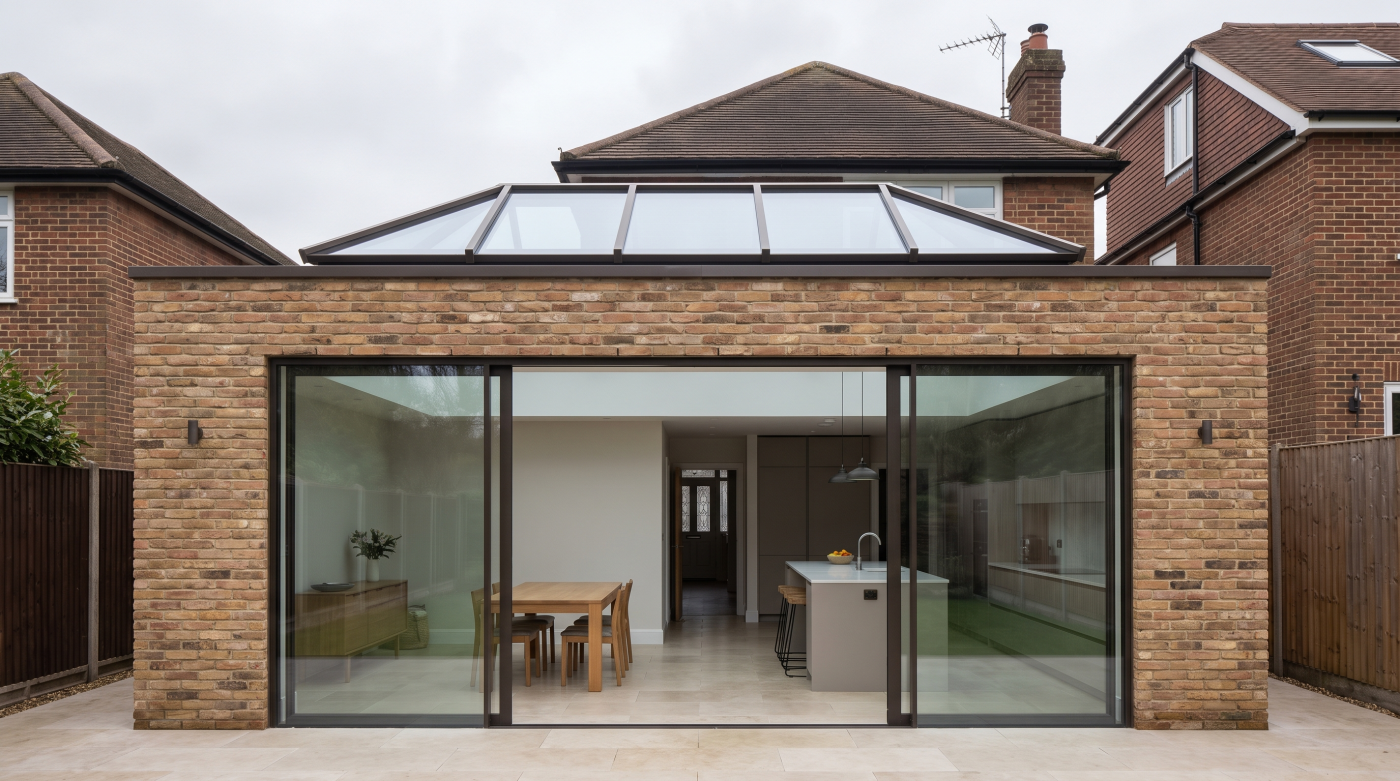
1. Understand what the existing windows contribute Windows are part of an old house’s architectural record. Their proportions, joinery, glazing bars and glass can help explain when the building was made and how it changed. Even a window installed after the house was first built may belong to a significant chapter of its history. Before […]
30
Sep
Sep
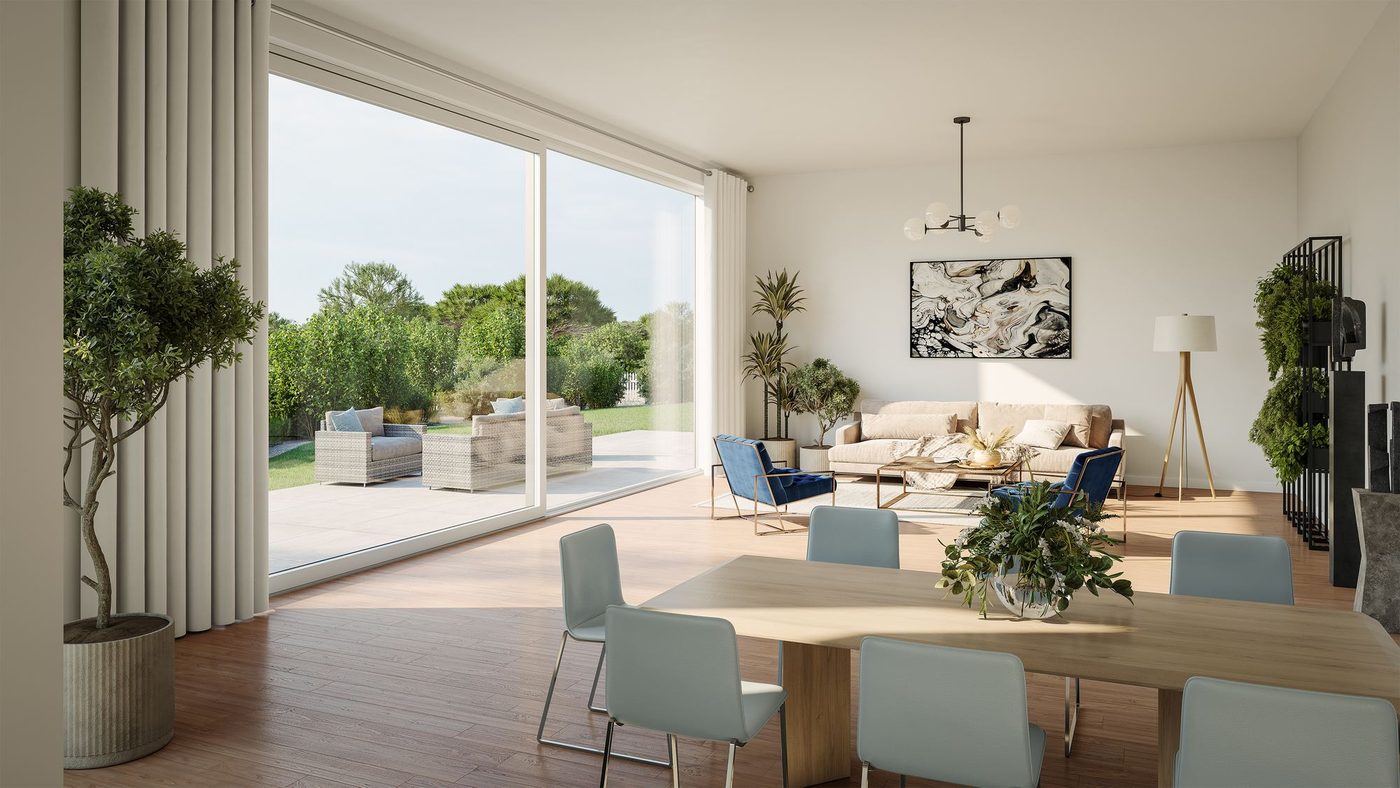
1. Identify the dark part of the plan An extension often gains daylight at its outer edge while leaving the original rooms behind it darker. Before choosing roof glazing, it is worth locating the part of the plan that most needs help. The answer may be above the new dining table, but it may equally […]
30
Sep
Sep
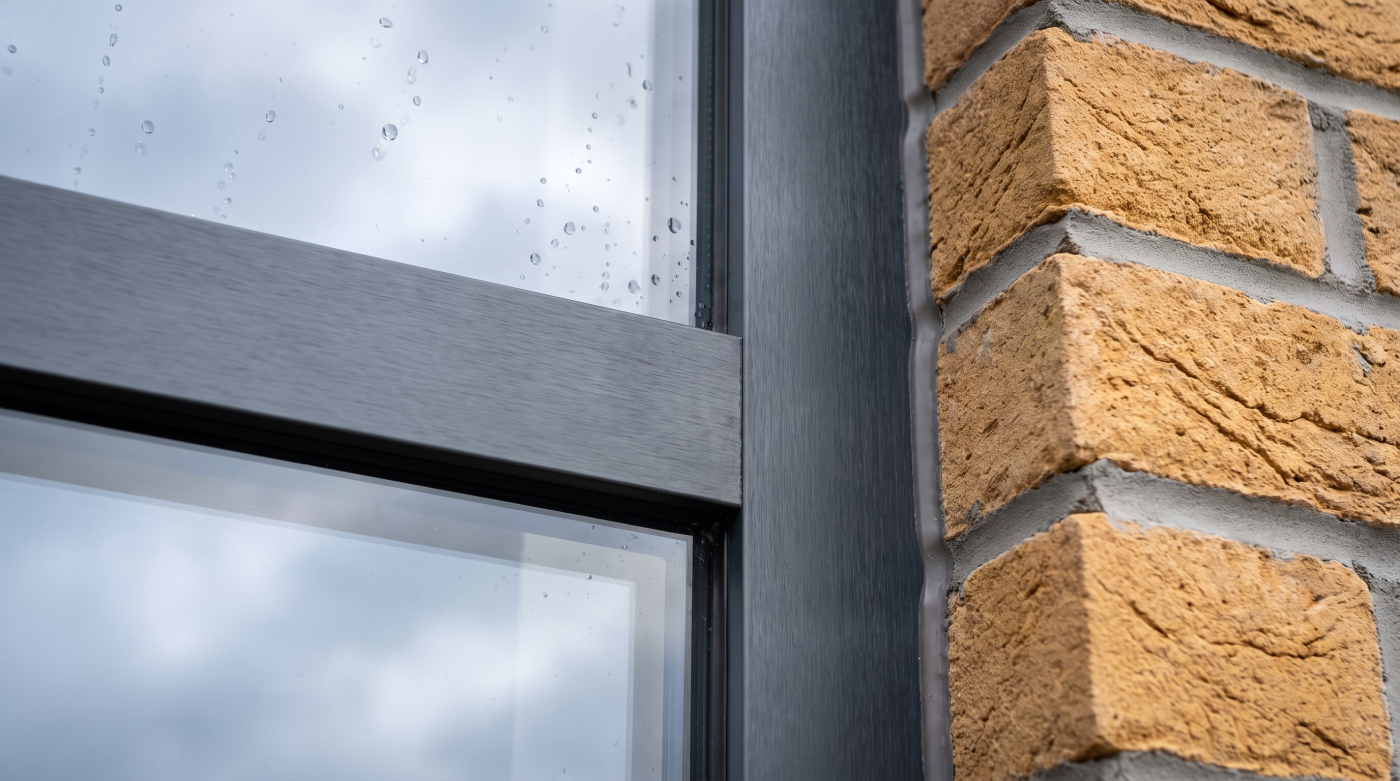
1. The room and garden before the door system A glazed opening should begin as a question about the room. Where will people sit? Which part of the garden should they see? How will they move between the kitchen, dining table and terrace? Until those relationships are clear, choosing between sliding doors and bifolds is […]
30
Sep
Sep
1. Begin with the building, not the frame The first question is not whether aluminium or timber is the better material. It is what the building asks of its windows. A new extension may call for broad panes and a restrained frame that lets the garden hold attention. An older house may depend on the […]
11
Aug
Aug
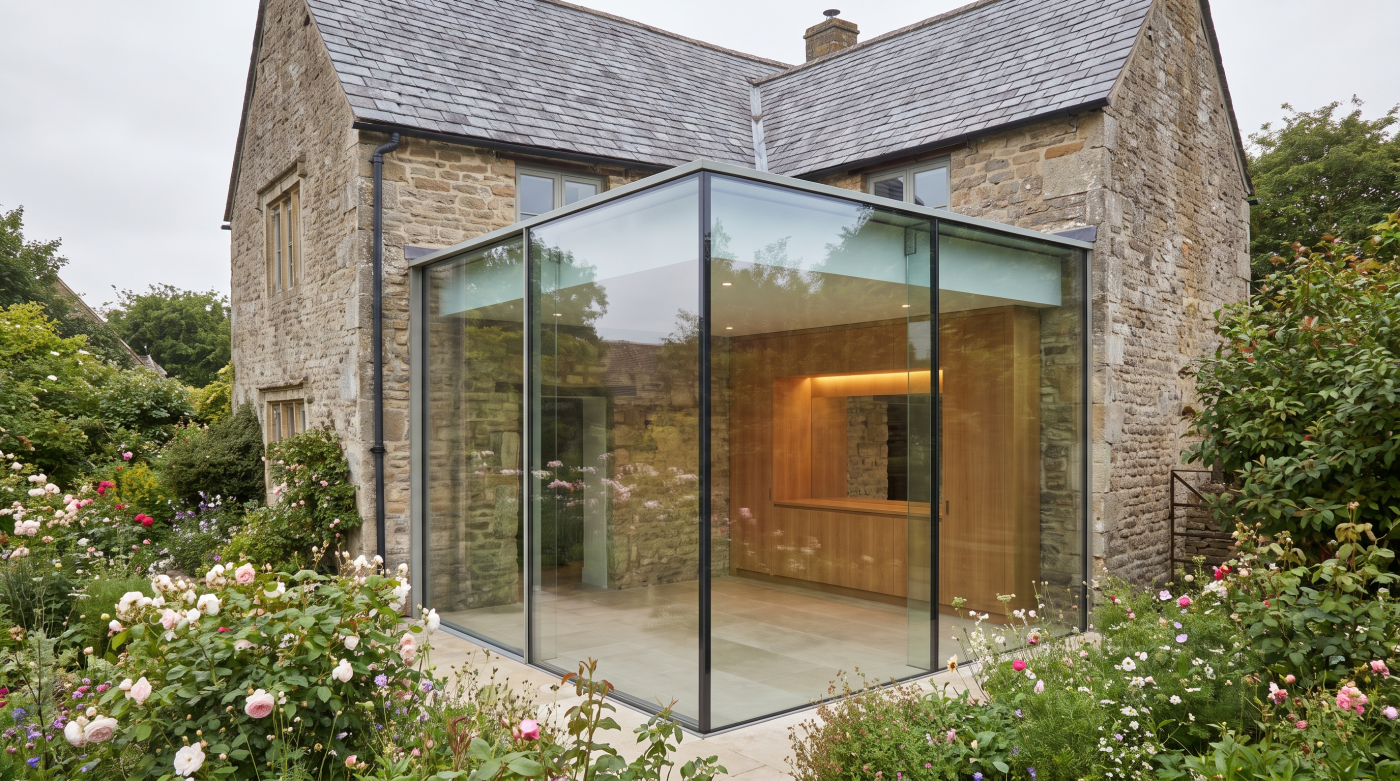
Why Architects Pursue Slimmer Sightlines The appeal of slim sightlines is easy to understand. In contemporary architecture, glazing is often intended to do more than bring daylight into a room; it is used to establish a visual relationship between the interior, the landscape and the wider setting of the building. As glazed openings become larger, […]