
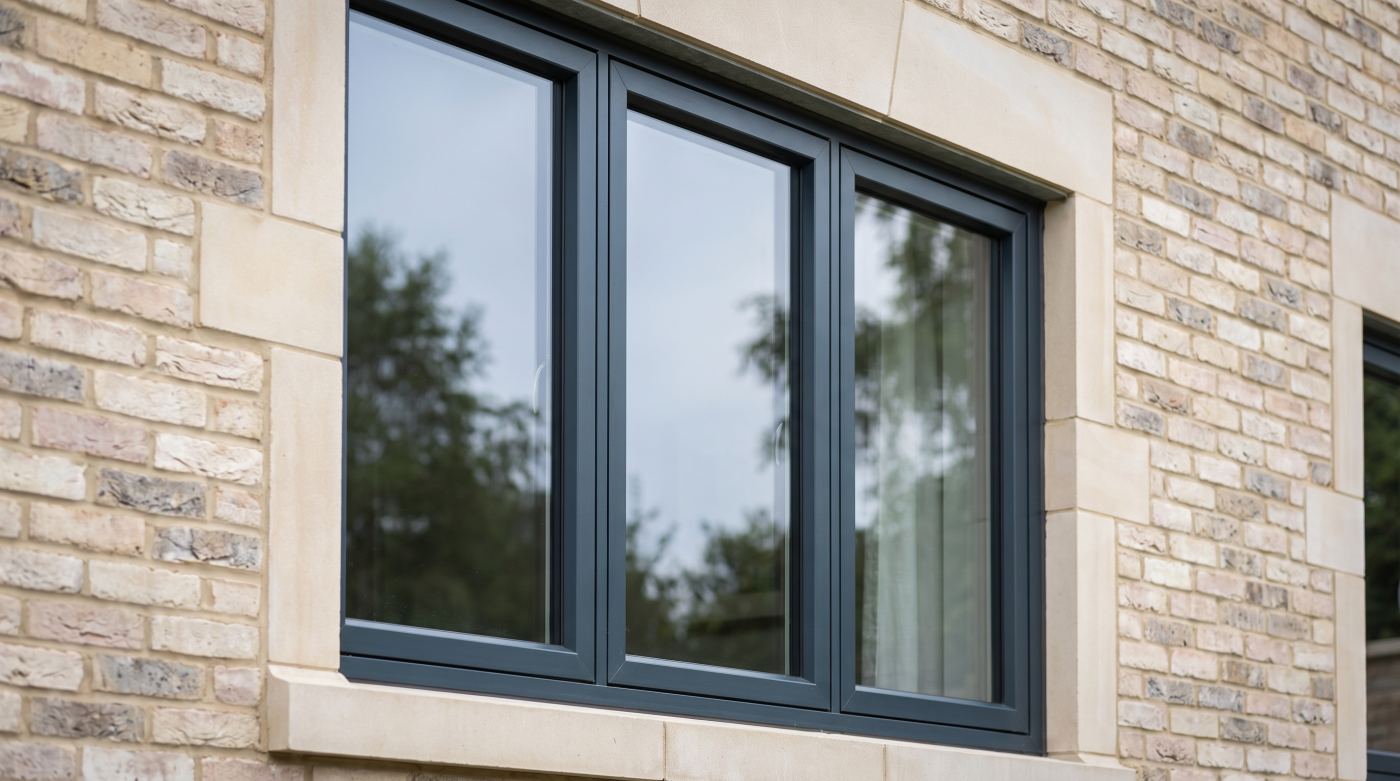
The Problem Isn’t Black Frames. It’s the Formula Black window frames are an obvious candidate whenever the conversation turns to design trends that might eventually date. They have become one of the most recognisable features of contemporary residential architecture, often appearing alongside large panes of glass, restrained materials and dark external detailing. But black frames […]
Tag Archives: Bristol extensions
14
Sep
Sep
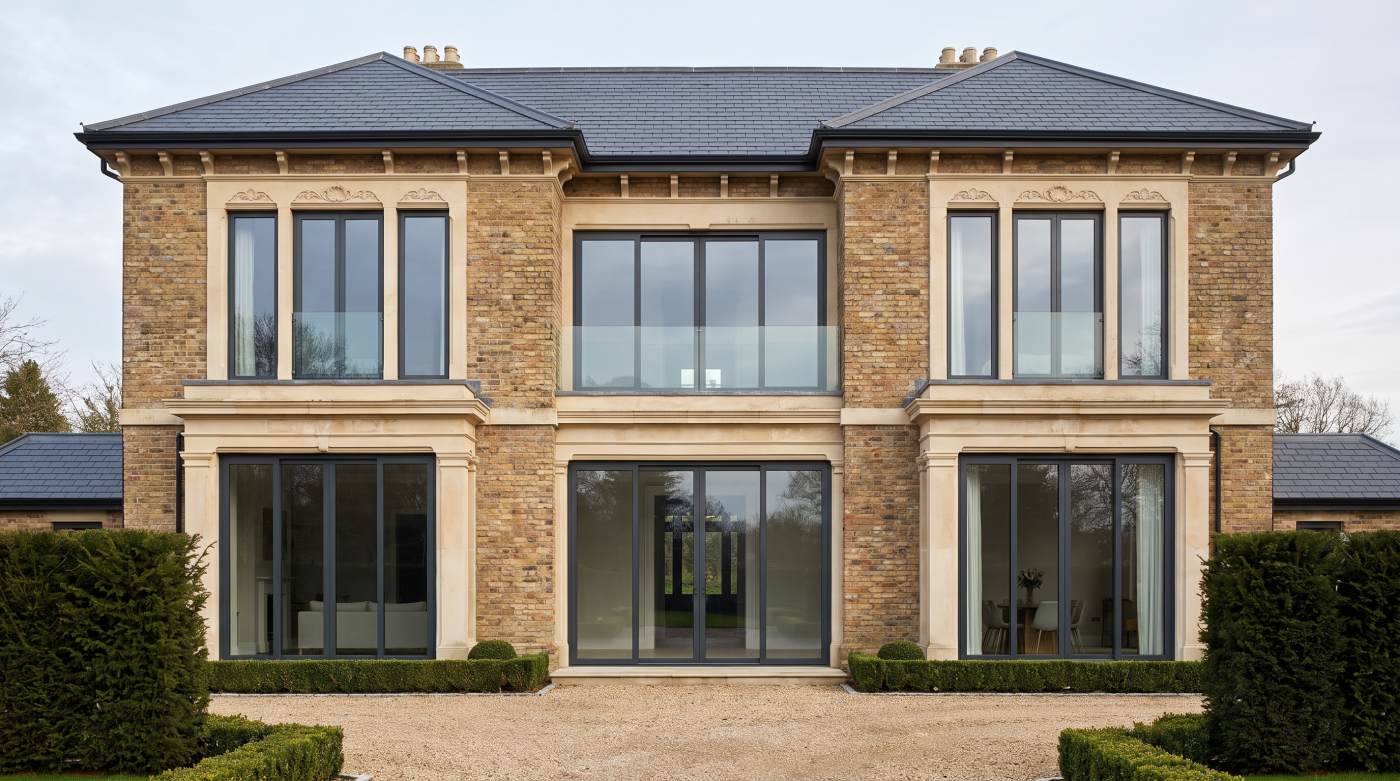
We Became Obsessed With Making Windows Disappear Contemporary residential architecture has become remarkably good at making glass feel almost absent. Panes have grown larger, frames have become visually quieter and fixed glazing can create the impression that the building simply stops where the landscape begins. Used well, the effect can be exceptional. It is easy […]
14
Sep
Sep
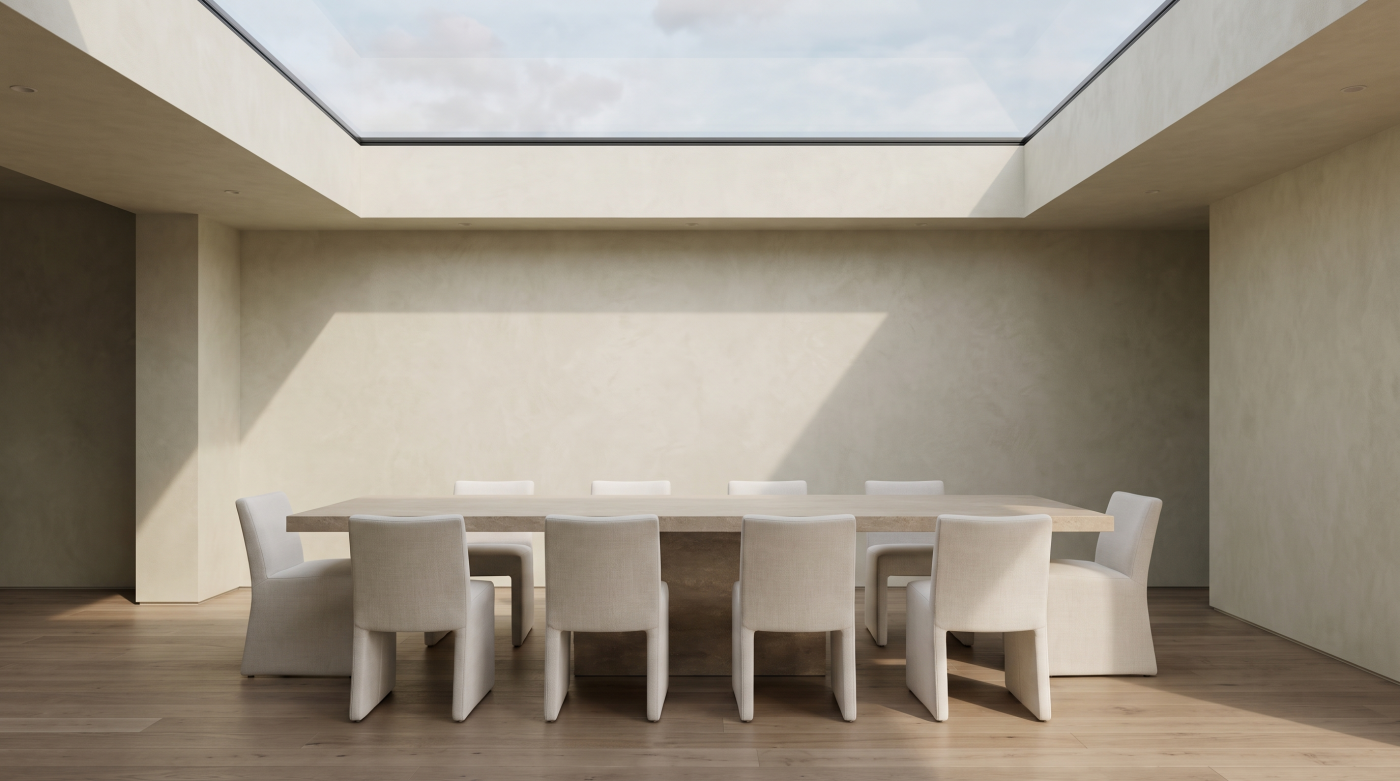
A Bigger Opening Is Not Automatically a Brighter Room When a room feels dark, making the window larger seems like the most logical response. More glass should mean more daylight. In some buildings, that is exactly what happens. But the size of an opening is only one part of the daylight equation, and increasing it […]
11
Sep
Sep
Three Panes Sounds Better Than Two — and Sometimes It Is Triple glazing has an appealing simplicity to it. If two panes of glass provide insulation, three must surely provide more. For homeowners already investing heavily in a renovation or self-build, choosing the apparently higher specification can feel like an obvious decision: improve the glazing […]
11
Sep
Sep
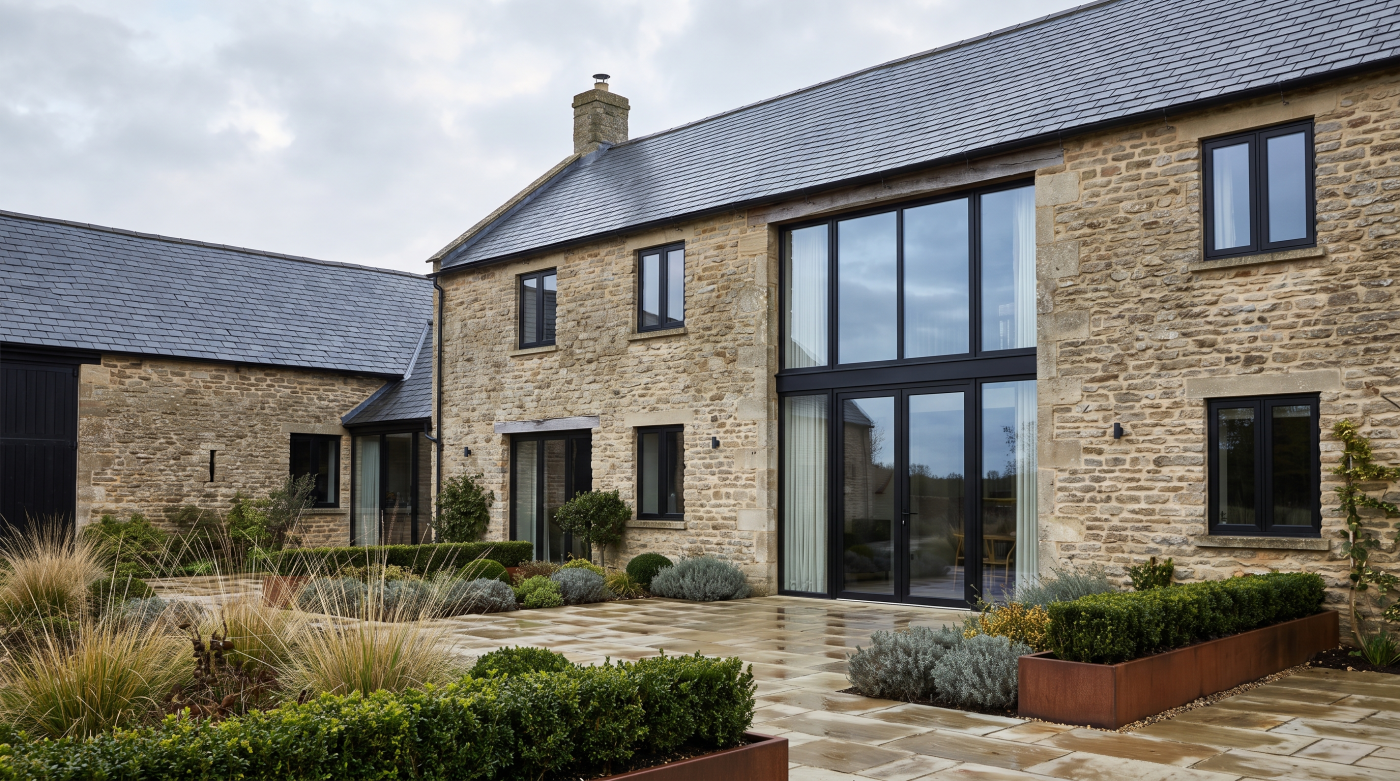
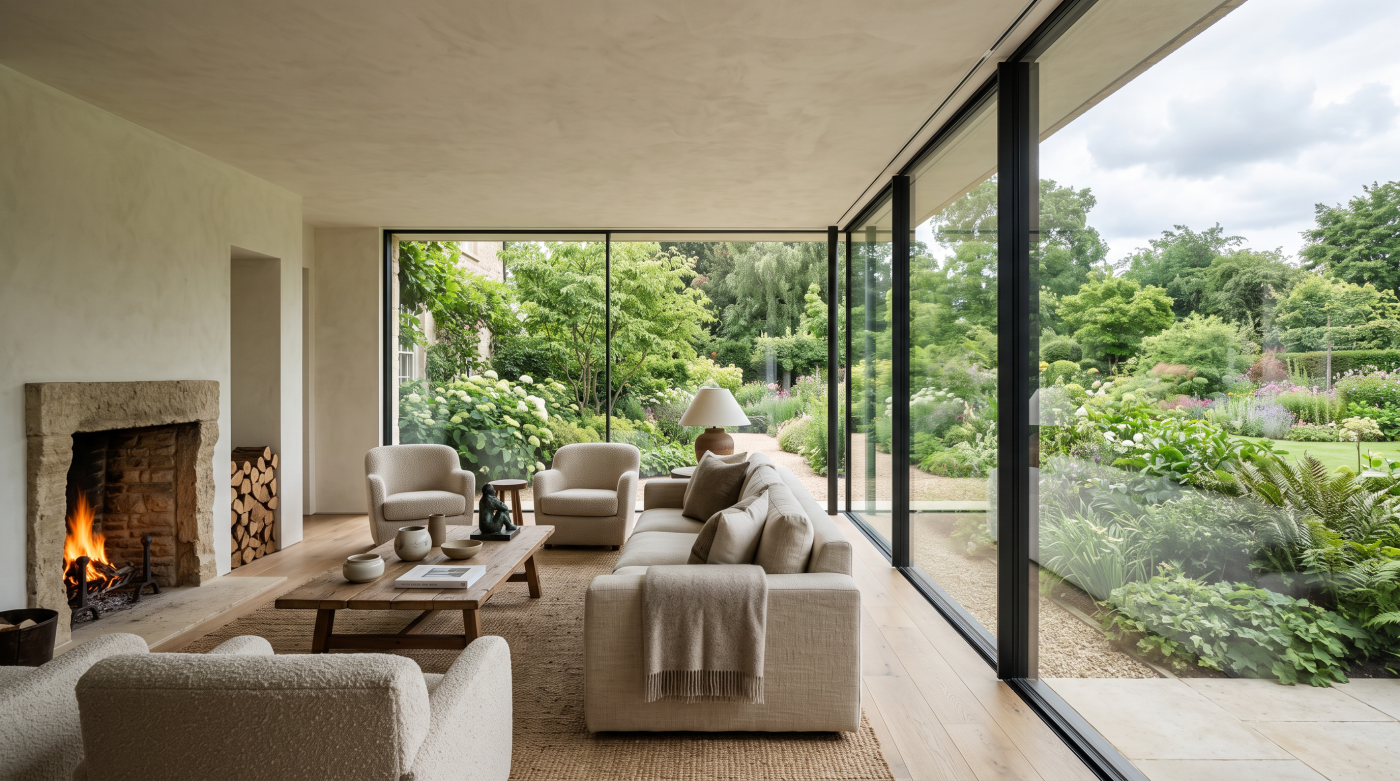
Black Became Contemporary — Then Became Automatic Black window frames did not become popular by accident. Against pale render, brick, timber or glass, a dark frame can give an elevation clarity and definition. It became closely associated with aluminium glazing, contemporary extensions and a particular kind of restrained modern architecture. Used deliberately, the effect can […]
11
Sep
Sep
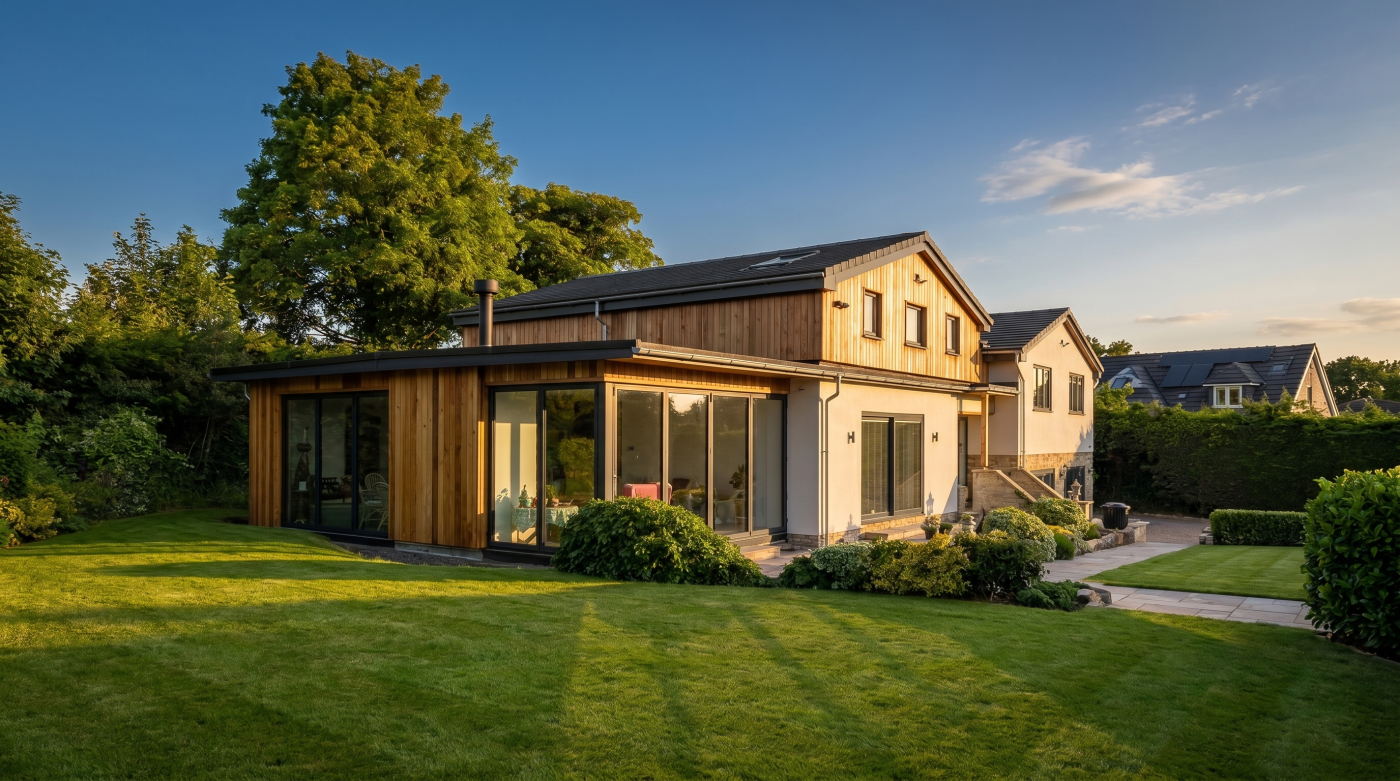
Open-Plan and Light Are Not the Same Thing When a house feels dark, removing internal walls can seem like an obvious solution. Combine the kitchen, dining room and living space, the reasoning goes, and daylight will be able to move more freely through the plan. Sometimes this works extremely well. But openness and daylight are […]
11
Sep
Sep
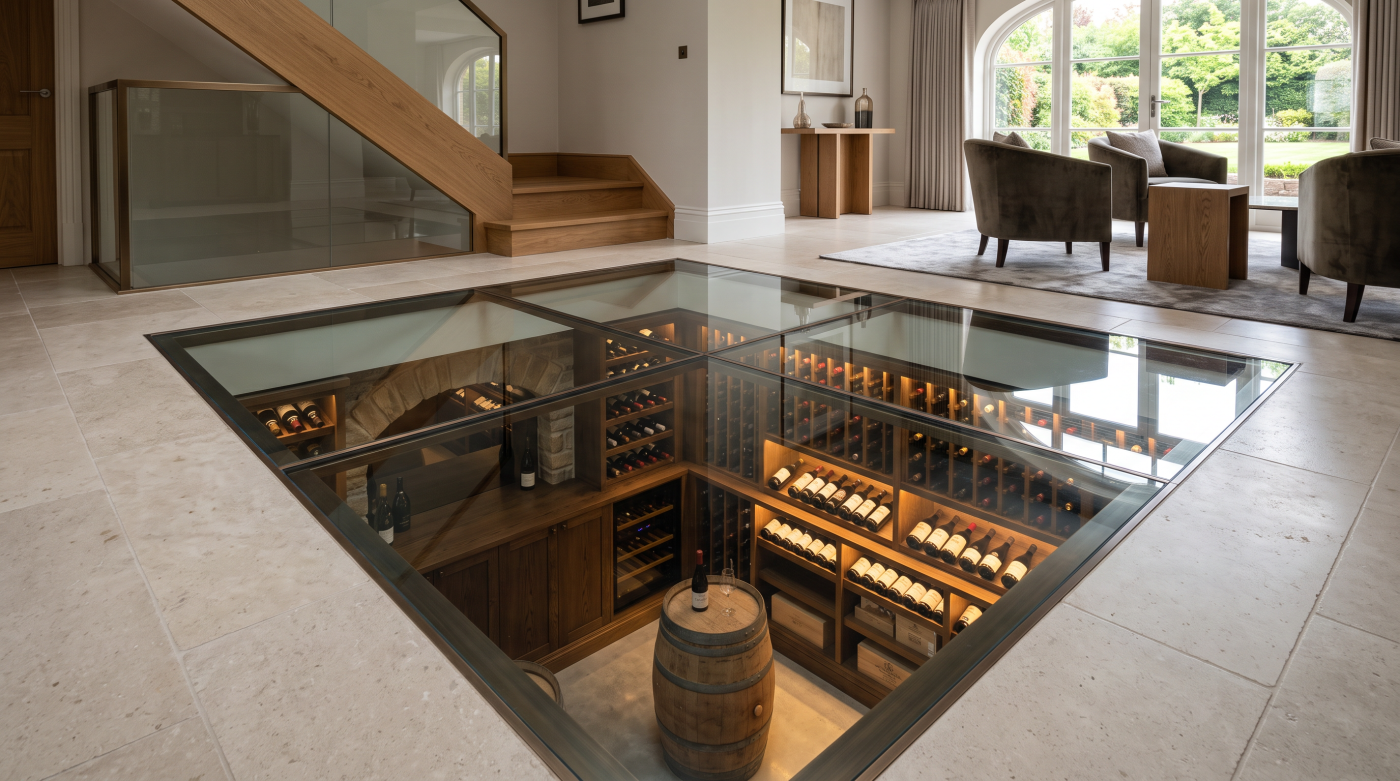
Bifolds Solved a Problem — Then Became the Default There is a reason bifold doors became so closely associated with contemporary extensions. They offered homeowners something immediately compelling: the ability to transform a substantial section of external wall into an opening, folding multiple glazed panels aside and allowing the room to extend towards the garden. […]
10
Sep
Sep
A Contract Cannot Clarify What the Project Has Never Defined A detailed contract can create a reassuring sense that everything has been settled. There is a price, a programme and a description of the work, perhaps accompanied by drawings, quotations and specifications. Yet the presence of paperwork does not necessarily mean that everyone involved has […]

10
Sep
Sep
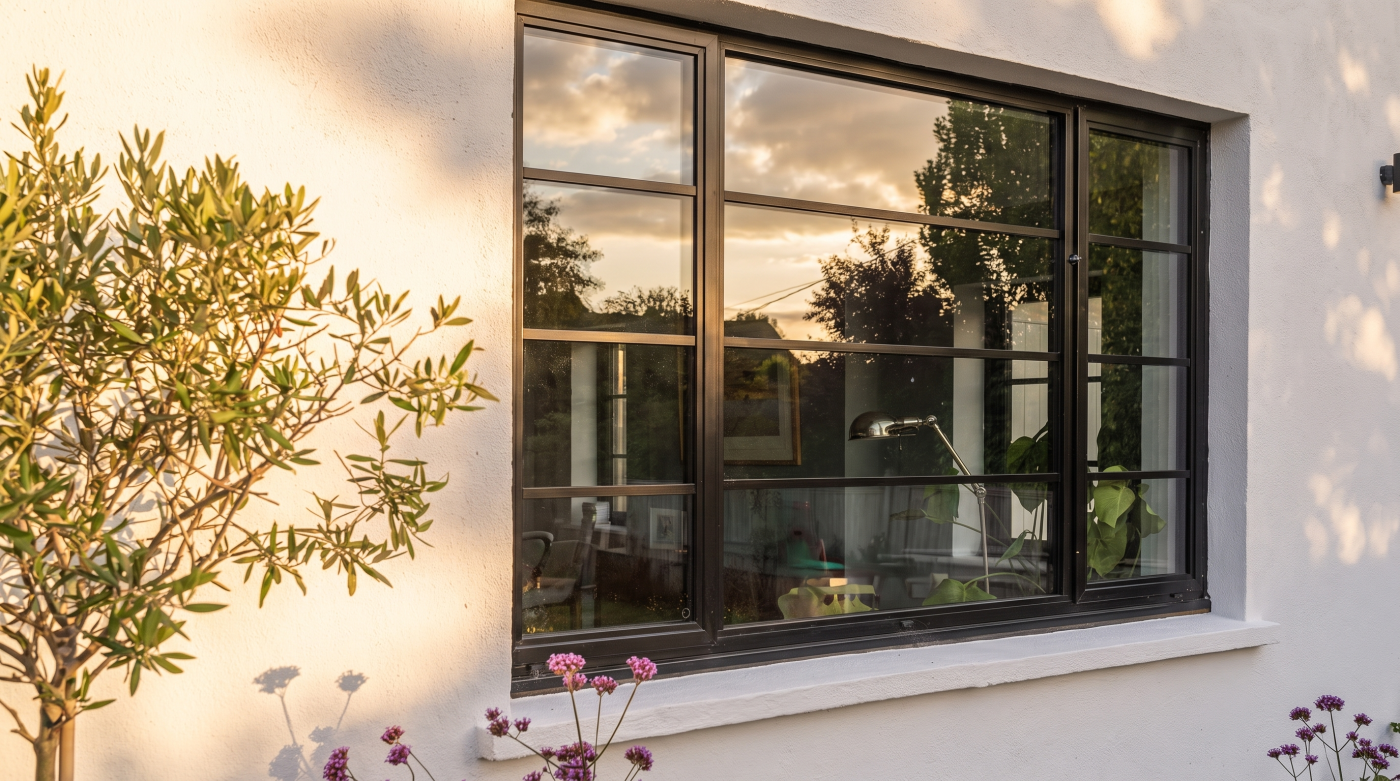
A Start Date Is Not the Beginning of a Project When planning a renovation or self-build, it is easy to think of the start date as the moment the project truly begins. It is visible and reassuring: people arrive on site, materials are delivered and the building starts to change. Yet on a well-considered project, […]
09
Sep
Sep
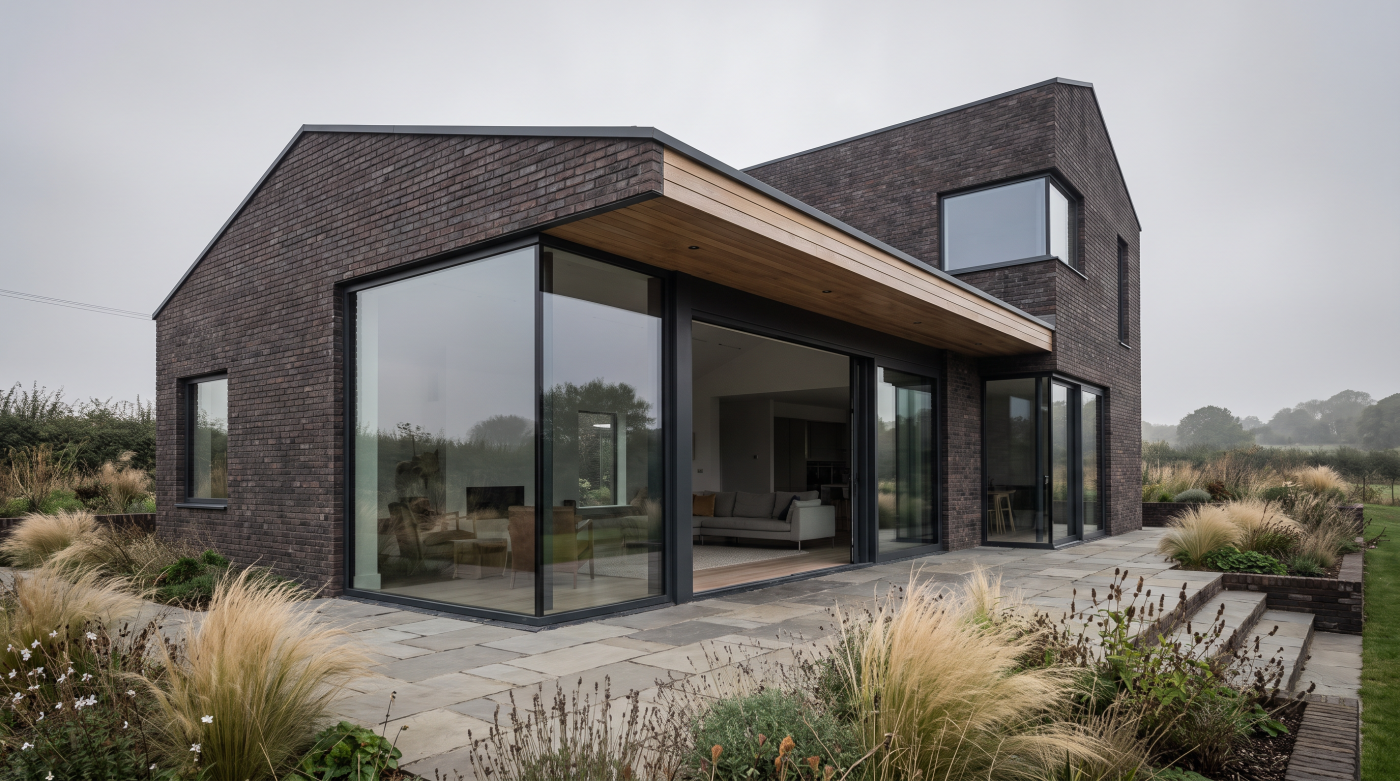
“10 Years” Is Not a Guarantee. It Is a Duration A ten-year guarantee sounds reassuring. It is a simple number, easy to remember and even easier to compare. If one window company offers five years and another offers ten, the longer period can instinctively feel like the stronger promise. But the number tells you only […]
09
Sep
Sep
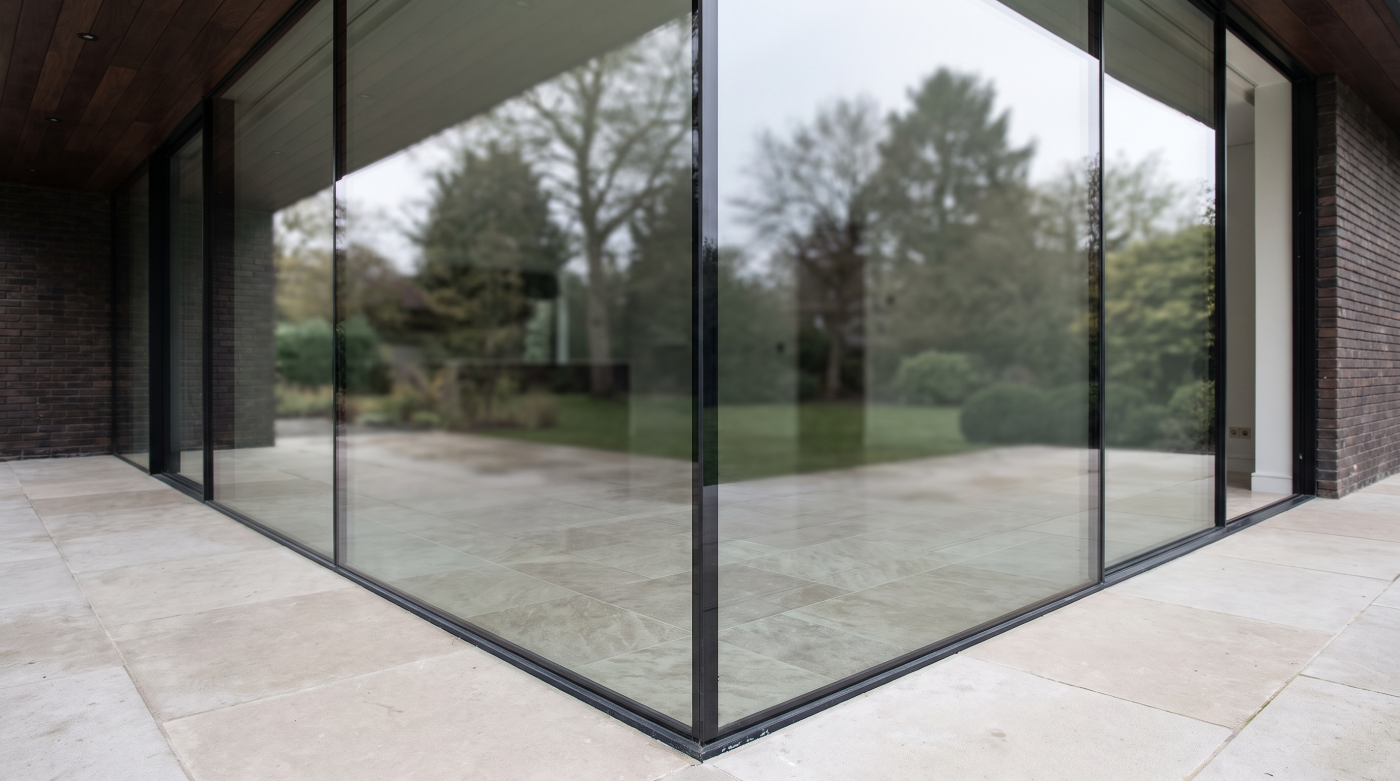
A Deposit Should Never Be Asked to Replace Clarity Paying a deposit changes the character of a glazing project. Until that point, quotations, configurations and finishes can still feel like part of an exploratory process. Once money changes hands, there is a natural sense that the important decisions have been made. That sense of certainty […]
09
Sep
Sep
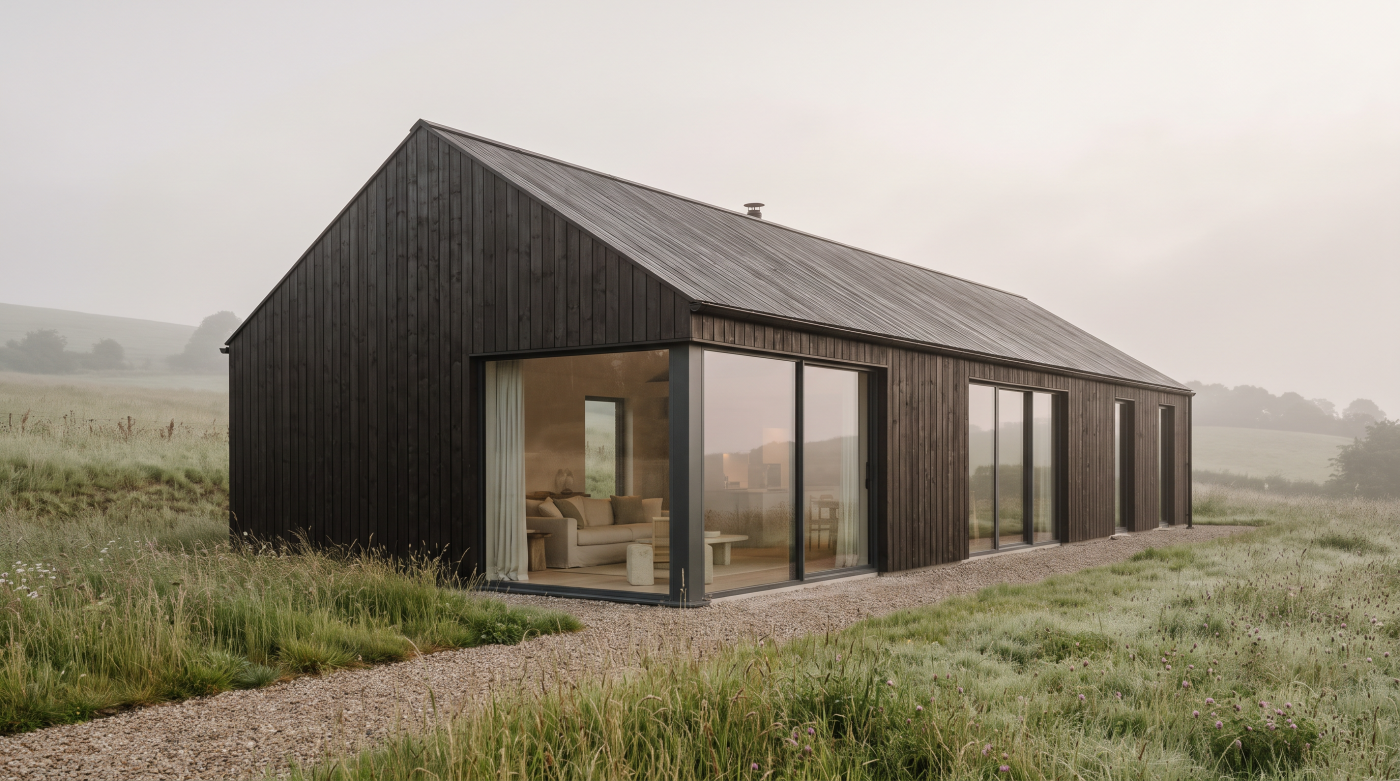
A Survey Is Not Just Measuring the Opening A window survey can appear deceptively straightforward. Measure the width, measure the height and establish the dimensions from which the window will eventually be made. For a simple opening in a completed building, much of the process may indeed be relatively uncomplicated. Architectural projects, however, rarely exist […]
08
Sep
Sep
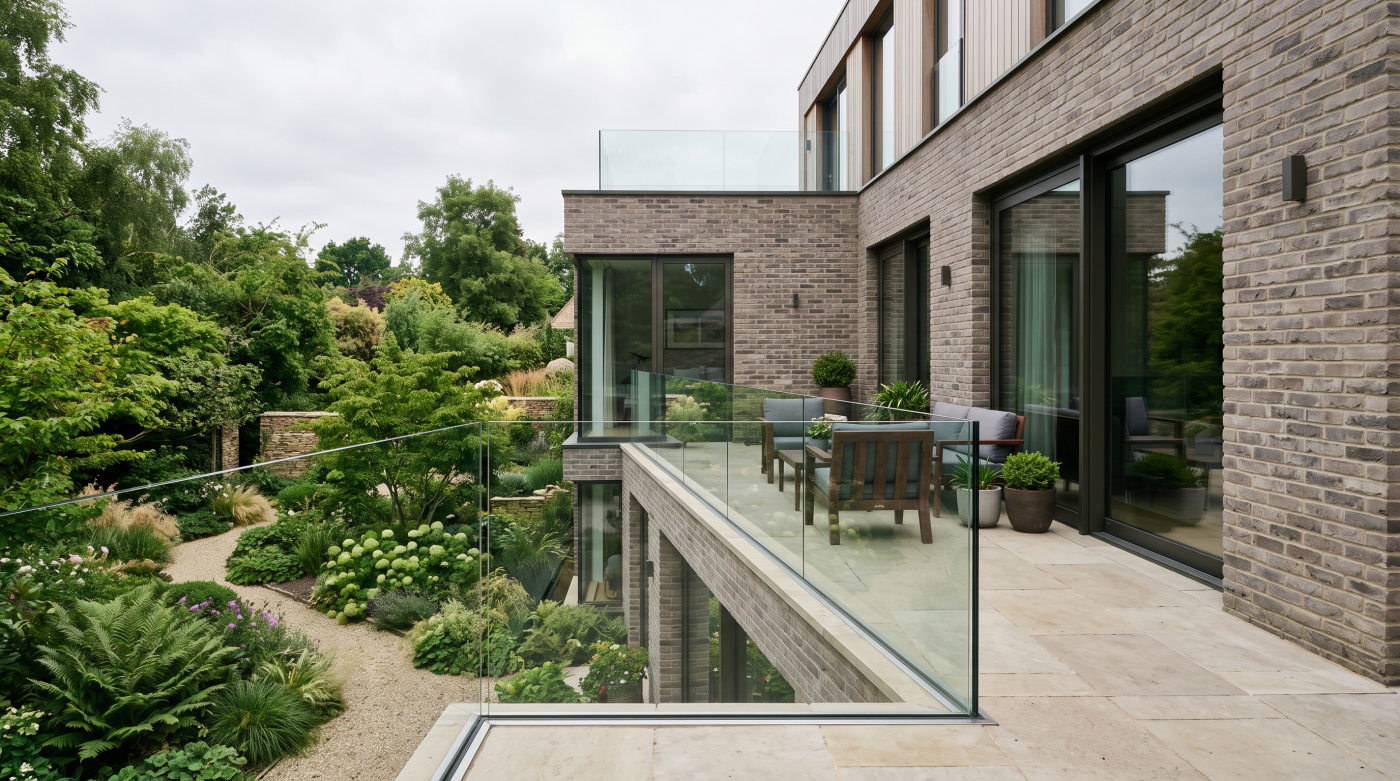
“They’re All Basically the Same” From a distance, many windows do look broadly similar. There is glass, a surrounding frame and, perhaps, an opening section. That superficial similarity can make it tempting to treat competing systems as interchangeable. Yet saying that windows are “all basically the same” avoids the more useful question: which differences actually […]
08
Sep
Sep
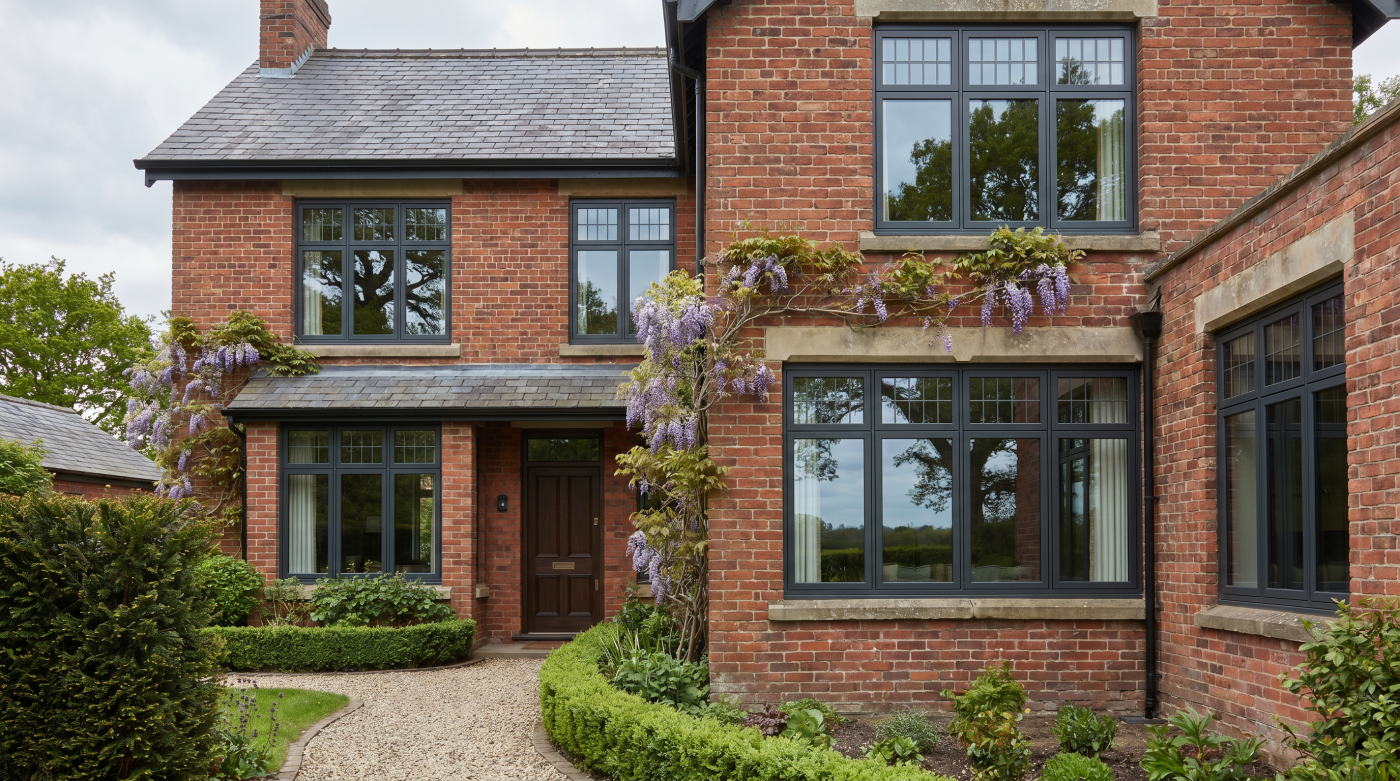
Red Flag One: You Cannot Tell Exactly What Window Has Been Quoted A window quotation can contain a great deal of information and still leave the most important question unanswered: what, precisely, is being proposed? A product name and overall dimensions may create an impression of specificity, but they do not necessarily reveal enough about […]
08
Sep
Sep
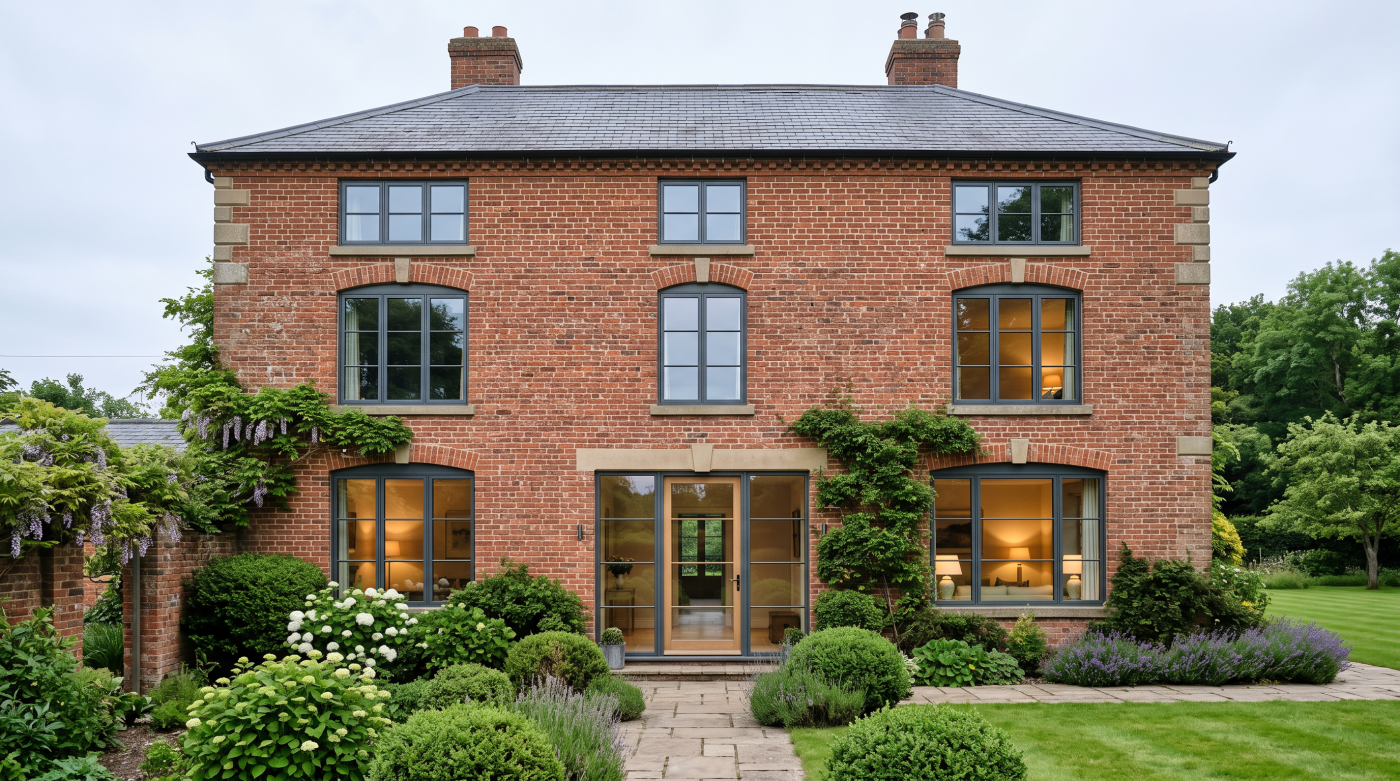
There Is No Such Thing as a Universally Essential Upgrade Window upgrades are usually presented as a progression. Better glass, lower U-values, slimmer frames or more specialised finishes can all appear to move the specification in the right direction. Technically, they may do exactly that. Architecturally, however, an improvement only has value when the building […]
08
Sep
Sep
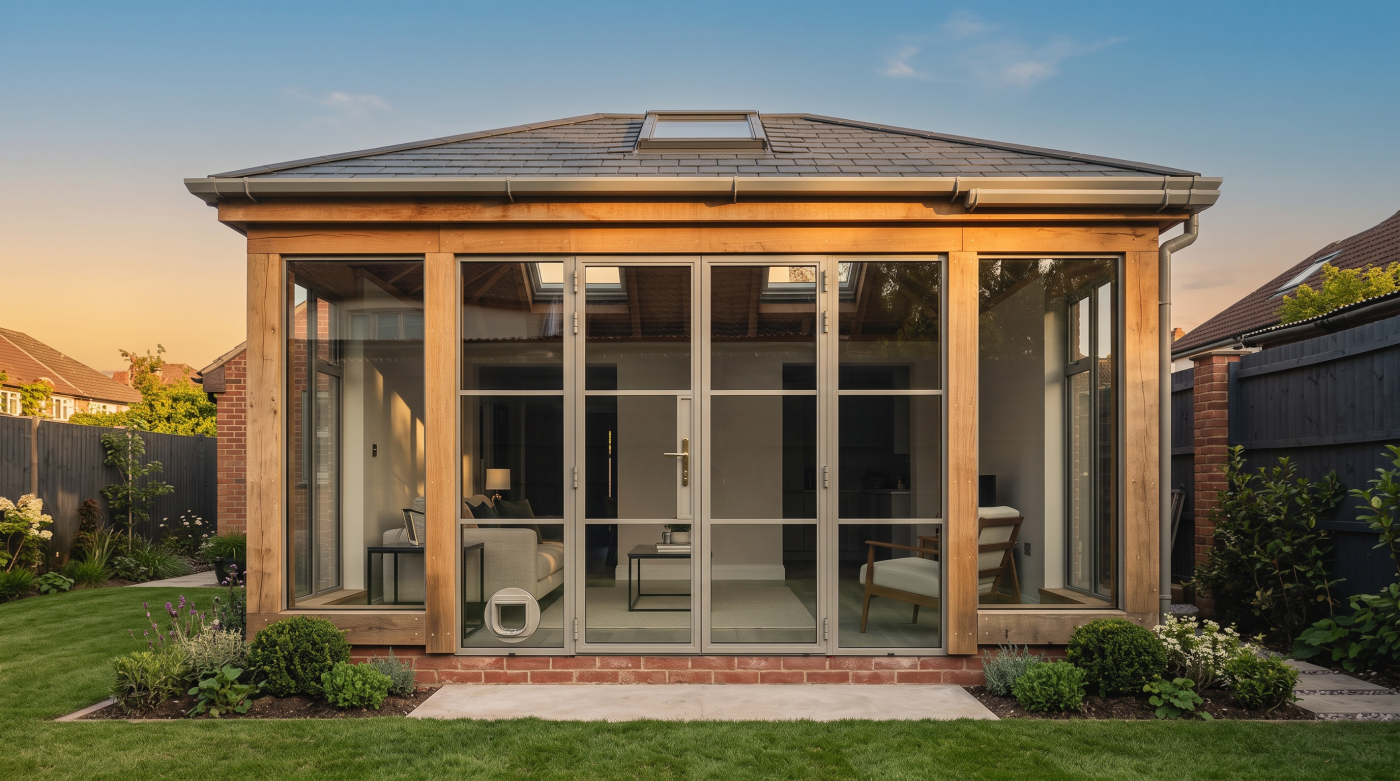
A Window Is More Than a Frame and a Piece of Glass A window appears to be one of the simpler components in a building. There is a frame, an area of glass and, where required, a means of opening it. That visual simplicity can make substantial differences in price difficult to understand. Much of […]
07
Sep
Sep
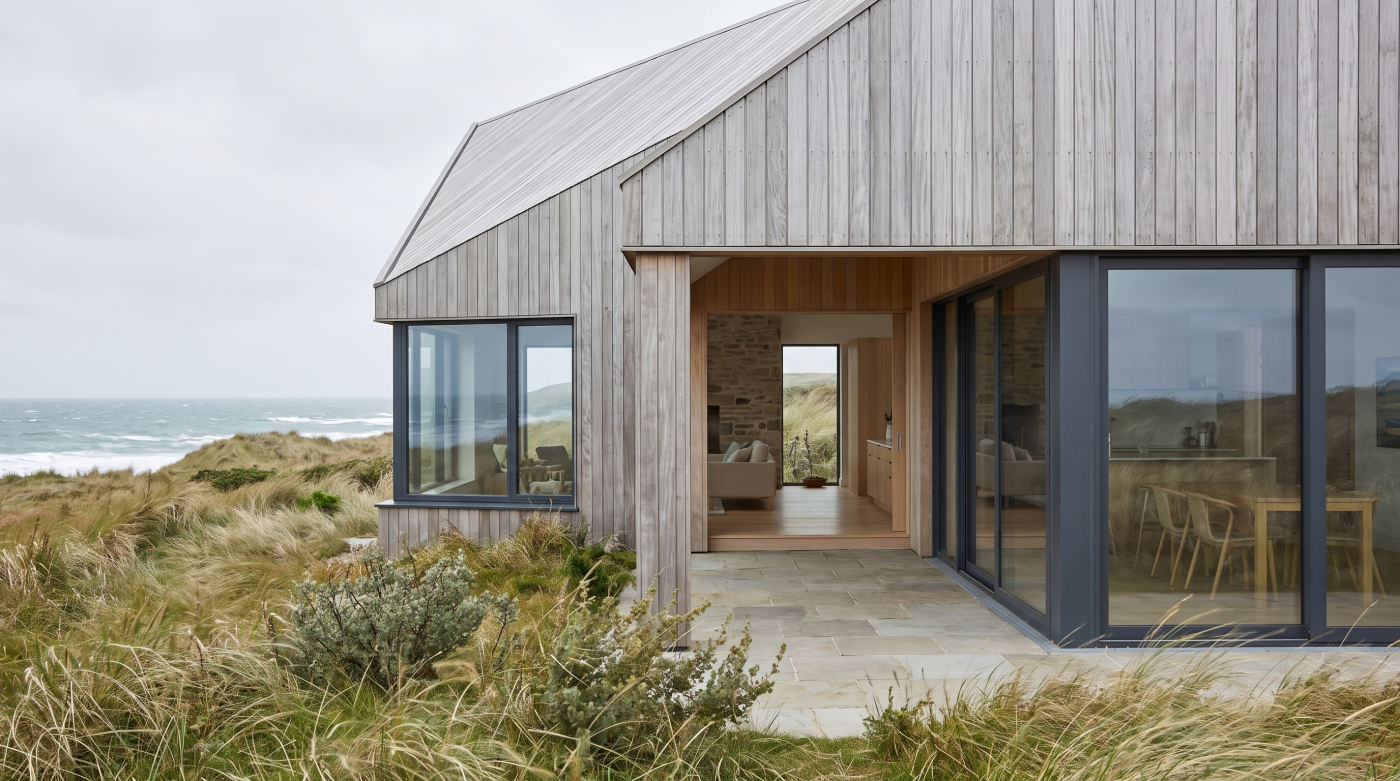
First Decide What You Are Trying to Protect Reducing a glazing budget becomes much easier once there is agreement about what the glazing is supposed to achieve. On one project, the priority may be an uninterrupted view across the garden. On another, it may be thermal comfort, generous daylight or the ability to open a […]
07
Sep
Sep
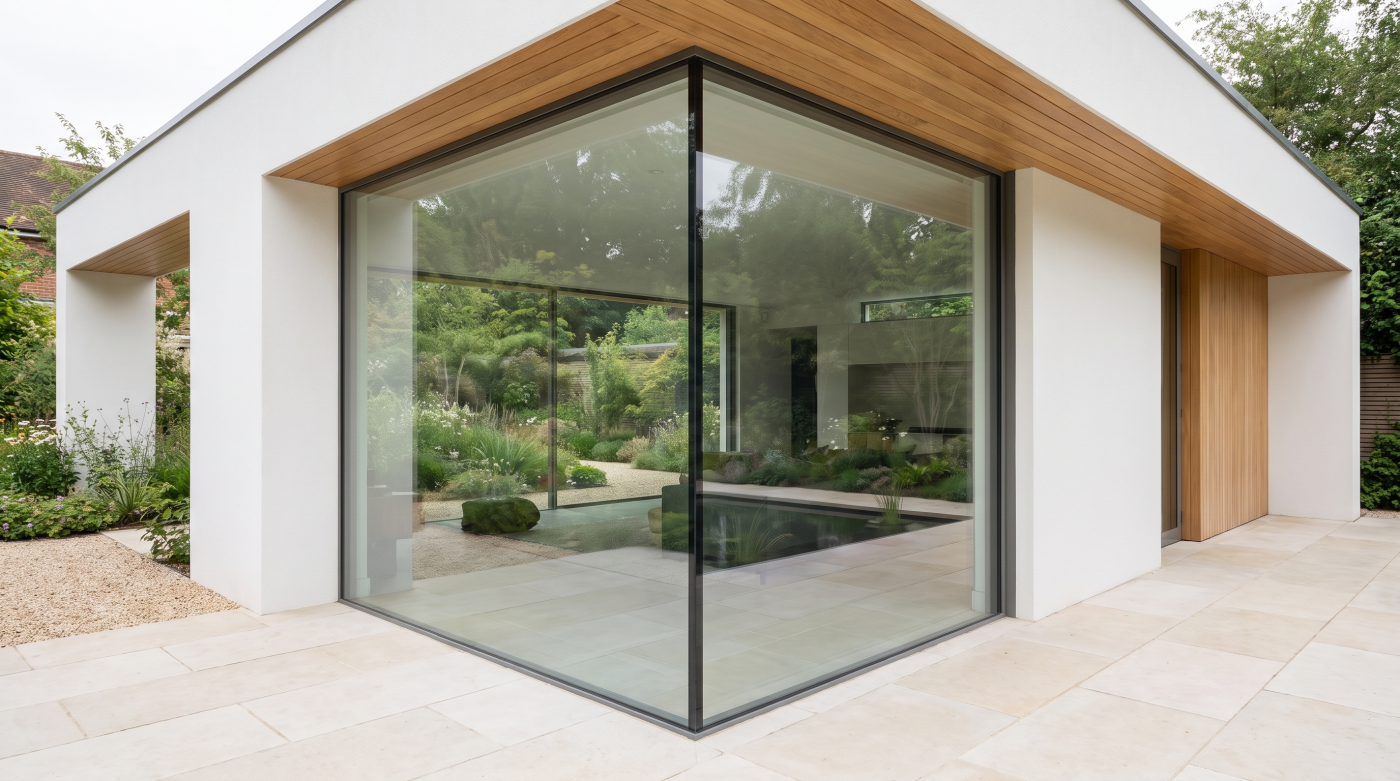
Start With the House, Not the Window Catalogue The most effective way to reduce the cost of windows is often to make better decisions before choosing them. It is easy to begin with materials, brands and individual prices, but those comparisons come relatively late in the process. By then, the architecture may already have determined […]
07
Sep
Sep
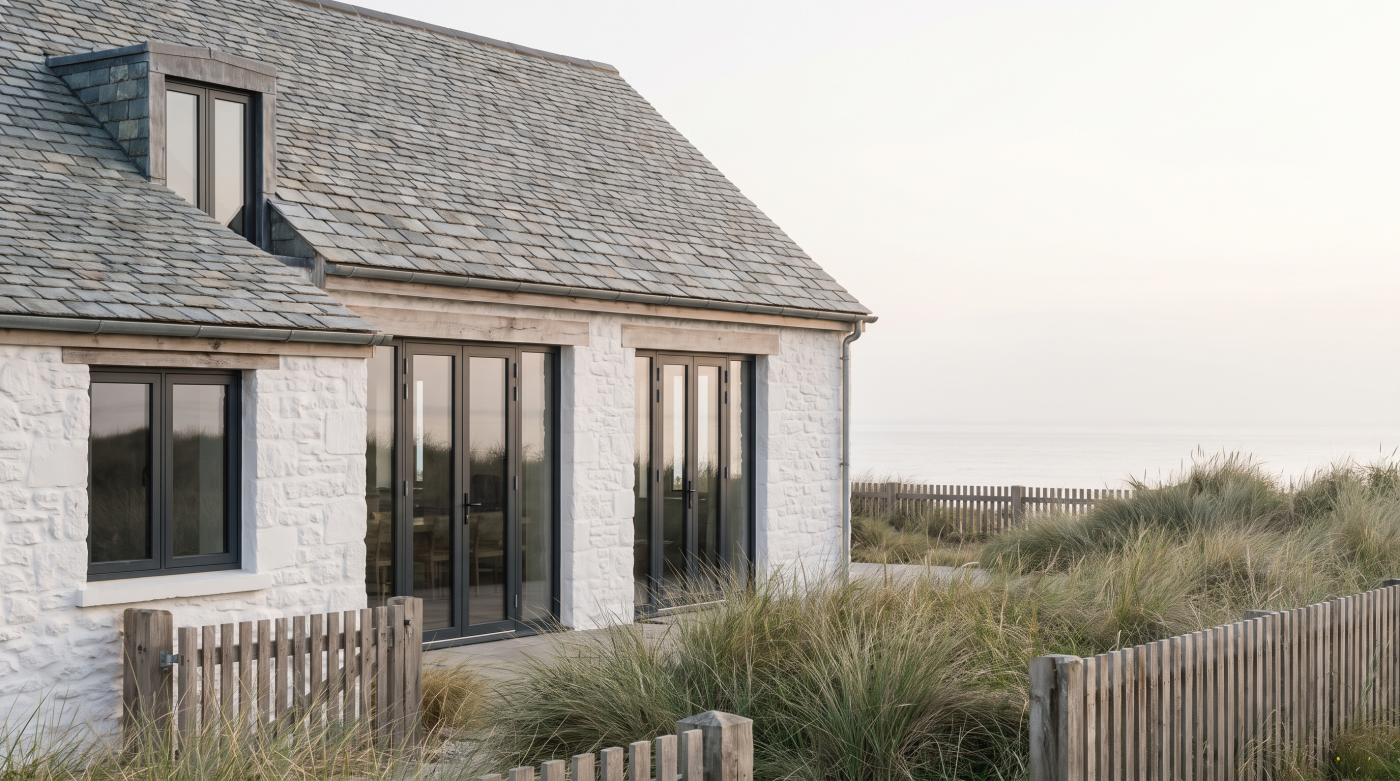
The Biggest Underestimate Is Usually the Specification, Not the Window When a glazing budget begins to move, it is tempting to assume that the windows themselves have simply become more expensive. Often, the explanation is more complicated. An early allowance may have been established when the project consisted of preliminary drawings, approximate opening sizes and […]
04
Sep
Sep
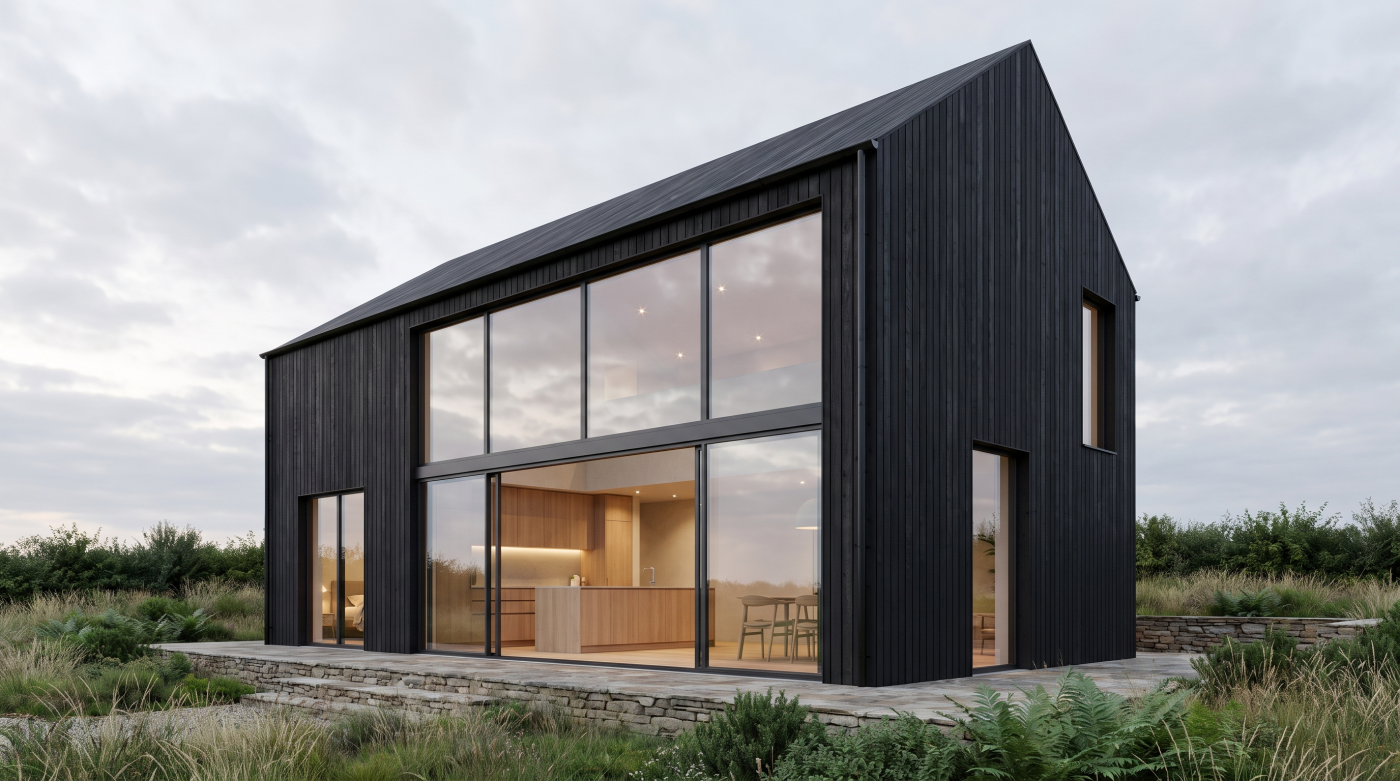
The First Price Is Not Always the Final Cost The price paid for windows and doors at the beginning of a project is only one way of measuring their cost. Glazing becomes part of the fabric of a building, which means that changing it later can involve far more than purchasing a second set of […]
04
Sep
Sep
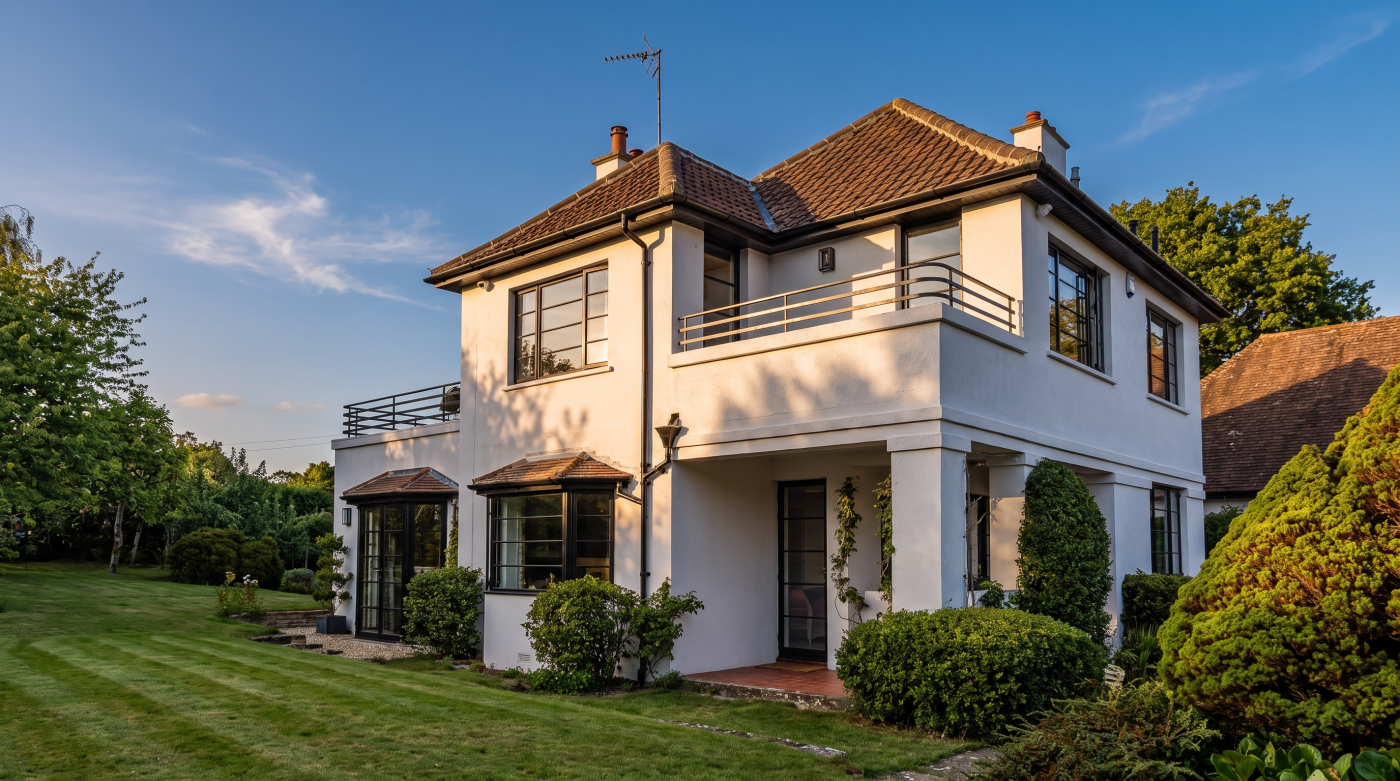
£30,000 Is a Budget, Not a Glazing Specification A budget of £30,000 sounds precise. In architectural glazing, however, it does not describe a particular quantity of windows, a certain size of sliding door or a predetermined level of specification. It establishes a financial boundary. What happens within that boundary depends on the architecture. Two projects […]
03
Sep
Sep
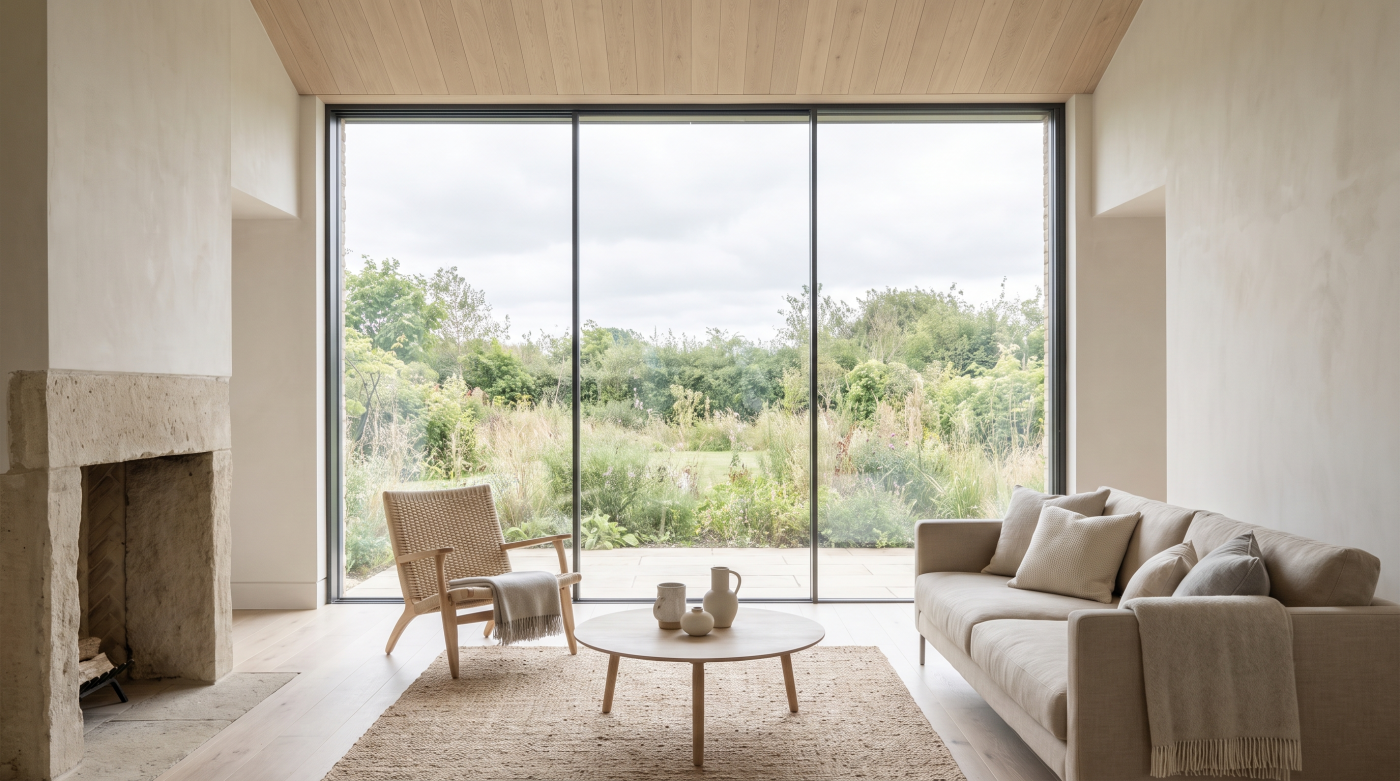
A Glazing Guarantee Is Rarely One Simple Promise A glazing guarantee can sound reassuringly straightforward. A particular period is quoted, the installation is described as guaranteed, and it is easy to assume that every element of the finished glazing carries the same protection. In practice, a substantial window or door installation can contain several distinct […]
03
Sep
Sep
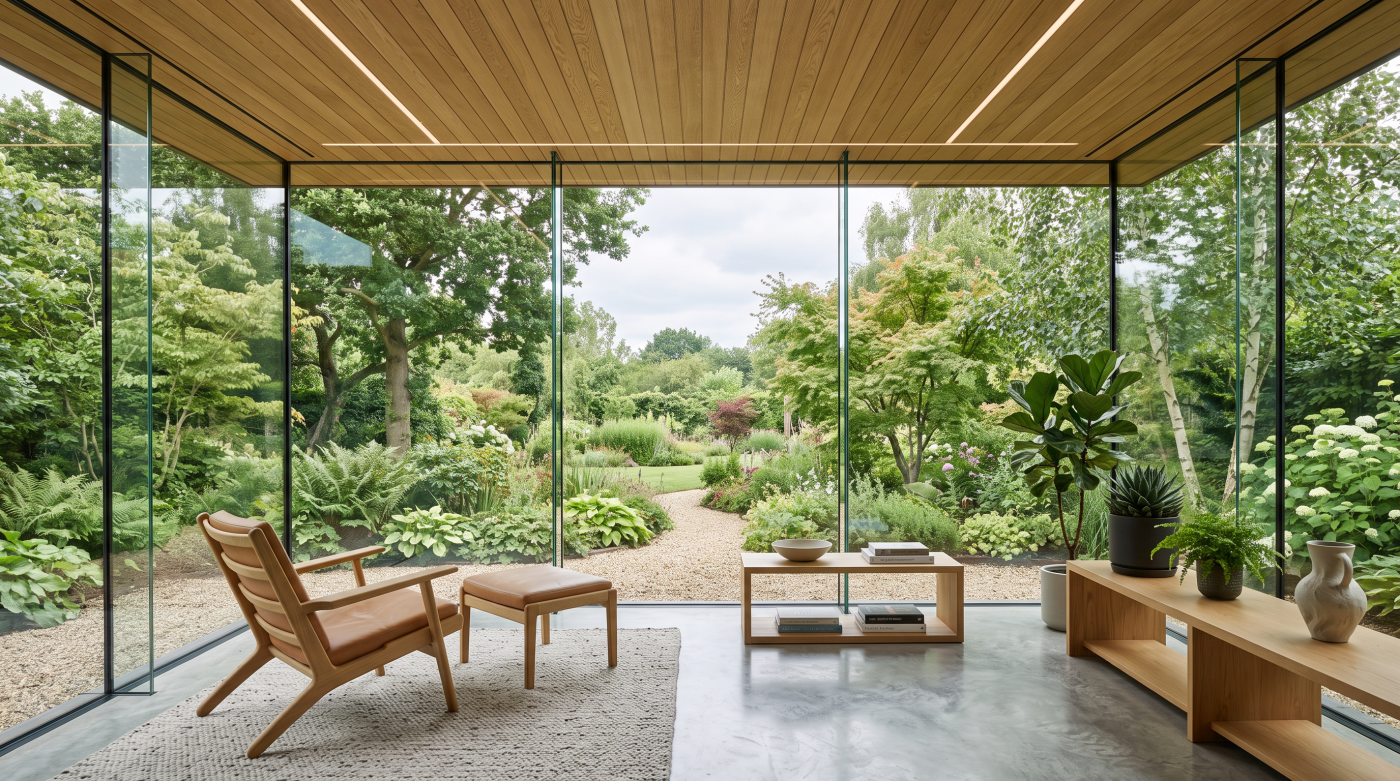
Why Sliding Doors Need a Different Approach to Maintenance Large architectural sliding doors can appear remarkably simple. A broad glazed panel moves aside, the boundary between inside and outside opens, and much of the engineering responsible for that movement remains concealed within the surrounding system. That visual simplicity is intentional, but it can disguise the […]
02
Sep
Sep
Start With Access, Not Cleaning Products With large architectural glazing, the first consideration should not be which cleaning product to use, but whether the glass can be reached safely in the first place. Floor-to-ceiling windows, tall fixed panes and expansive glazed elevations can appear straightforward from inside a room, yet their external surfaces may sit […]
- 1
- 2