
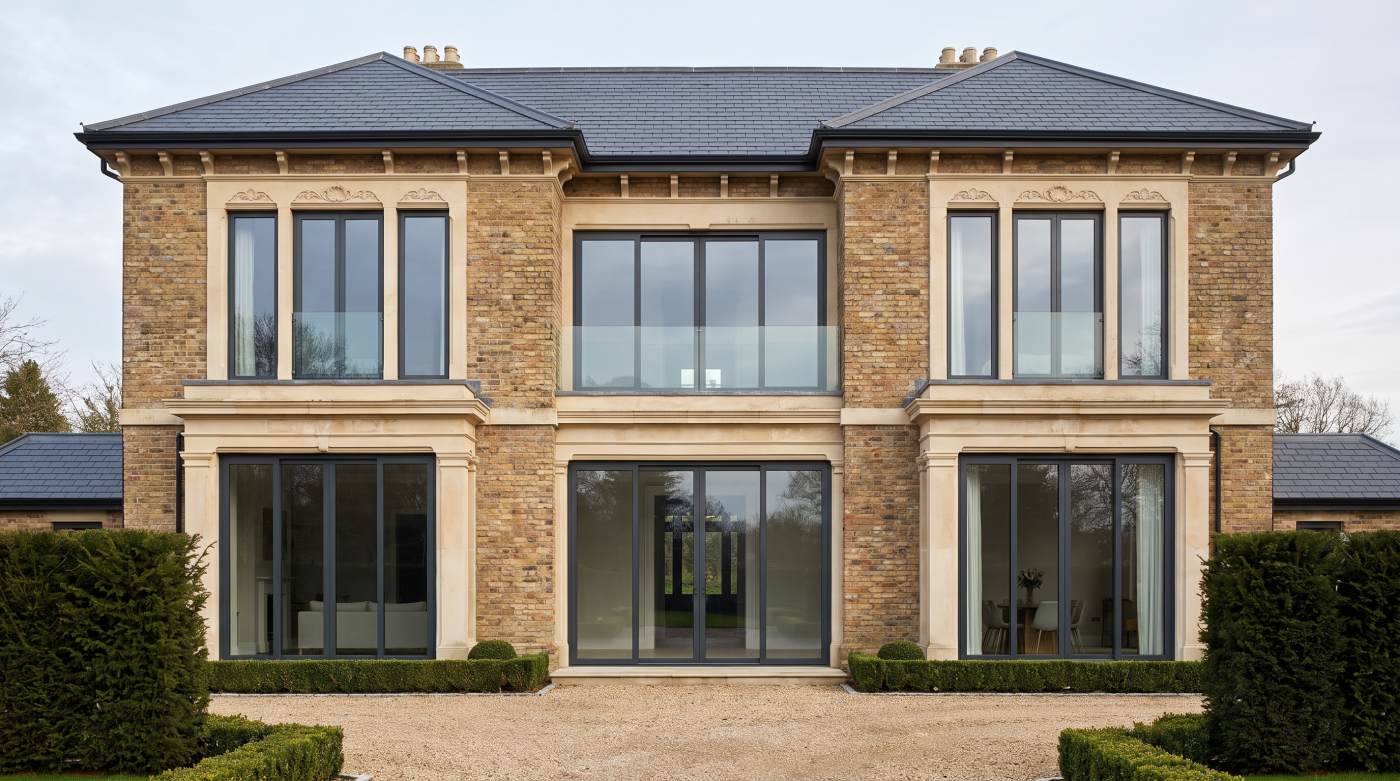
Three Panes Sounds Better Than Two — and Sometimes It Is
Triple glazing has an appealing simplicity to it. If two panes of glass provide insulation, three must surely provide more. For homeowners already investing heavily in a renovation or self-build, choosing the apparently higher specification can feel like an obvious decision: improve the glazing now and avoid regretting it later.
There is sound reasoning behind that instinct. An additional pane and cavity can form part of a glazing construction designed to reduce heat transfer, and in the right window system this can contribute to improved thermal performance and greater comfort. In buildings where energy performance has been carefully considered from the outset, triple glazing may be entirely consistent with the wider design strategy.
The difficulty begins when the number of panes becomes shorthand for the quality of the window.
A building does not experience glazing as a simple hierarchy of good, better and best. It experiences the complete window or door as part of a much larger envelope, alongside insulated walls, roofs and floors, junctions, airtightness and the way the building responds to its orientation and environment. Improving one element can be worthwhile, but its value depends on what the rest of the building is being designed to achieve.
So the case against automatically choosing triple glazing is not really a case against triple glazing at all. It is a case against specification without context. Three panes can outperform two in important respects. The more useful question is whether those improvements are the ones this particular building actually needs.
Stop Comparing Panes and Start Comparing Windows
Describing a window as double or triple glazed tells you something important about its construction, but it does not tell you everything about how the finished window will perform. The glass sits within a complete system, and that system includes the frame, spacers, seals, opening sections and the junction between the window and the building itself.
This distinction matters because homeowners are often encouraged to compare glazing by counting panes. Two windows may both be described as triple glazed while differing considerably in their wider construction and intended performance. Equally, focusing on the glass alone can distract from the frame and other elements that form a meaningful proportion of the complete opening.
Installation belongs in the same conversation. A high-performance window still has to meet the surrounding structure successfully. How that junction is designed and executed influences whether the performance intended at specification stage is carried through into the finished building. The window cannot be considered independently from the opening into which it is installed.
This is why performance discussions become more useful when they move beyond labels. Rather than asking only whether a product contains two panes or three, consider the complete window or door assembly and the role it is expected to perform within the building.
“Triple glazed” is therefore a useful description, but it is not a complete specification. Buildings do not experience individual panes of glass in isolation. They experience windows as complete architectural components, and it is the performance of that complete assembly that ultimately matters.
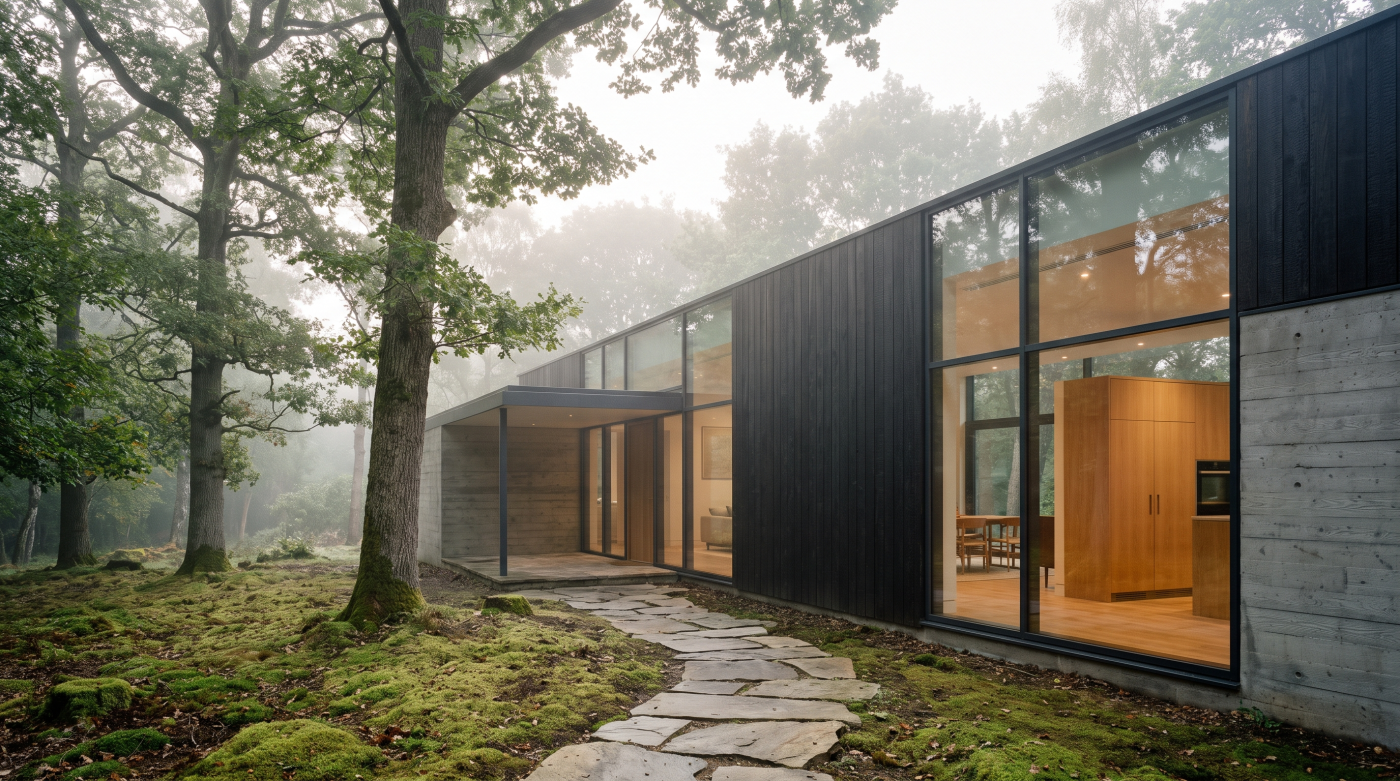
The Better the Building Fabric, the More the Detail Matters
Triple glazing makes most sense when it is considered as part of a wider building-performance strategy. A window does not sit in isolation. It interrupts a thermal envelope formed by walls, roof and floor, while meeting junctions that also need to be designed and constructed with care. Airtightness, insulation and installation all belong to the same conversation.
This becomes particularly important in high-performance new homes. When the building fabric has been deliberately designed to reduce heat loss, the performance of the glazing becomes proportionately more significant. Specifying windows that support that ambition can help create a coherent envelope in which individual components are working towards the same objective.
The reverse deserves consideration too. In an existing building with weaknesses elsewhere in its fabric, improving the glazing may still be worthwhile, but it should not automatically be assumed to transform the performance of the house as a whole. Heat does not recognise which element received the largest investment. It responds to the complete building.
This is why the question of double versus triple glazing cannot be separated entirely from the walls surrounding the windows, the roof above them or the quality of the junctions between different elements. The appropriate level of glazing performance depends partly on the performance context into which it is being introduced.
A higher specification is most convincing when the building around it has been considered with similar care. The objective is not to make one component perform exceptionally on paper, but to create a building envelope whose different parts make architectural and environmental sense together.
Heat Loss Is Only Half the Daylight Story
Windows occupy an unusual position in the building envelope. They are designed to separate inside from outside, yet their architectural purpose is also to connect the two. They influence heat loss, but they also admit daylight and can allow solar energy to enter the building. Improving one aspect of glazing performance therefore does not remove the need to consider the others.
This becomes particularly important when orientation enters the discussion. Glazing facing different directions experiences sunlight differently through the day and across the seasons. A large opening designed around a particular view may therefore have a very different environmental role from a smaller window elsewhere in the same house. Treating every opening as though it requires an identical response can overlook those differences.
The glazing construction itself also influences what passes through the window. Decisions intended to improve thermal performance can interact with solar transmission and visible light, which is why the most appropriate specification cannot always be identified from a single performance measure.
None of this means that reducing heat loss becomes less important. It means that glazing has several jobs to perform simultaneously. Architecture asks windows to provide views and daylight while the building envelope asks them to contribute to comfort and energy performance.
The objective is therefore balance rather than the pursuit of one number in isolation. Triple glazing may form part of that balance, but the additional pane does not settle the wider question. A well-considered specification asks not only how effectively the window keeps heat inside, but what useful light and solar energy the architecture needs it to allow in.
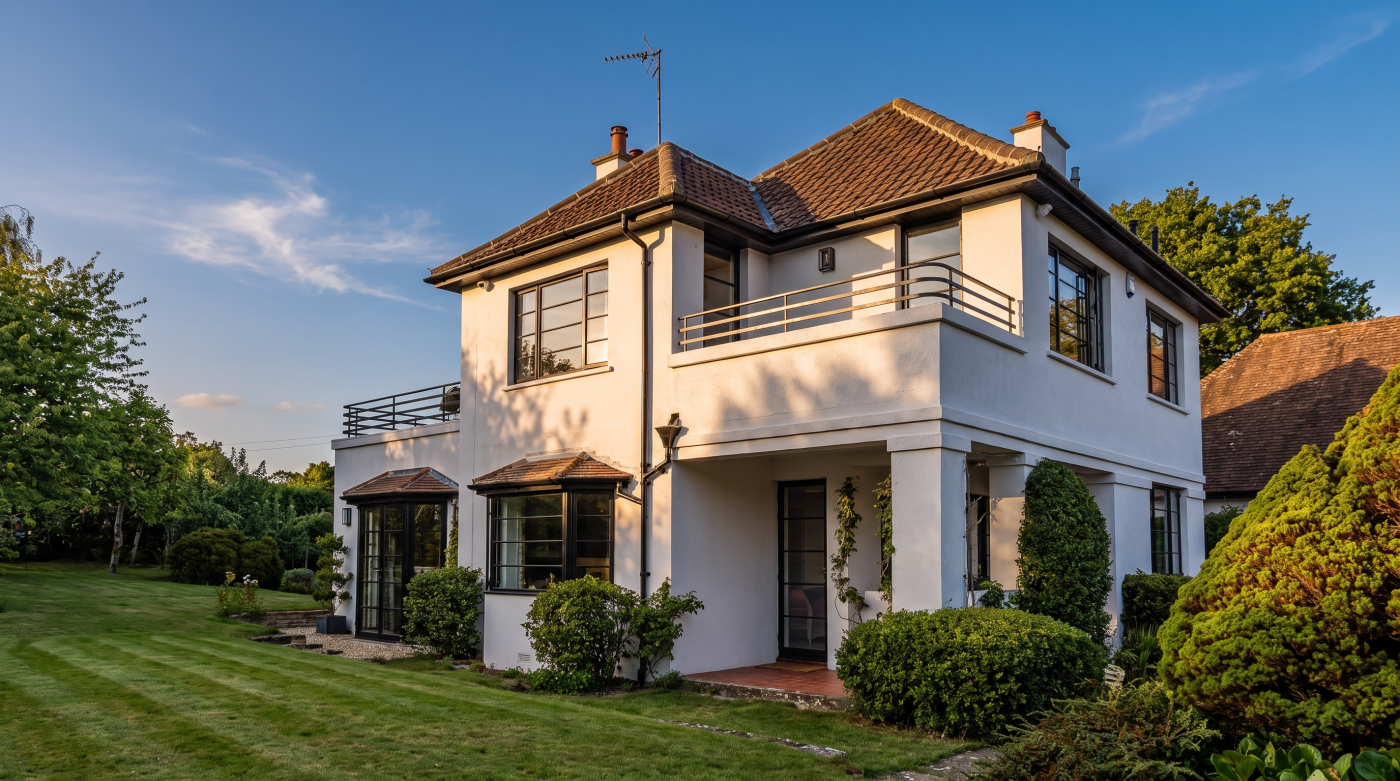
Comfort May Matter More Than the Energy-Saving Headline
Energy efficiency is often discussed through numbers: how much heat a building loses, how effectively a component insulates or what improvement might be achieved by choosing a higher specification. Those measures matter, but they do not describe the complete experience of living beside a window.
Comfort is more immediate. In a room with substantial areas of glazing, the temperature of the internal glass surface can influence how the space feels, particularly when occupants sit or spend long periods close to it. A window can therefore affect not only the theoretical performance of the building envelope, but the way furniture is positioned and how confidently the space beside the glazing is used during colder conditions.
This becomes increasingly relevant as architecture asks glazing to occupy larger areas of the elevation. A modest bedroom window and an expansive glazed living space may present very different comfort considerations, even within the same house. In the latter, improving glazing performance may have value that is not adequately expressed by a simple calculation of financial return.
That does not mean triple glazing is automatically required wherever large areas of glass are proposed. The complete system, orientation, building fabric and environmental strategy still need to be considered together. It simply broadens the reason for discussing performance in the first place.
The strongest argument for a higher-performing glazing specification may therefore be less dramatic than an energy-saving headline. It may be that the room feels more comfortable, that spaces close to the glass are more pleasant to occupy and that the architecture works as intended throughout more of the year.
More Glass Makes the Specification More Important
As glazing occupies more of an elevation, its influence on the building becomes harder to treat as a secondary consideration. A relatively modest window forms one part of the external envelope; an expansive sliding door or large fixed glazed elevation can become a defining part of both the architecture and its environmental performance.
This is where the simple question of double versus triple glazing becomes less useful. Large areas of glass need to be considered in relation to orientation, solar exposure, shading, internal comfort and the performance of the surrounding building fabric. Adding another pane may contribute to a higher-performing specification, but it does not resolve all of those considerations by itself.
The architectural ambition matters too. Contemporary homes often use generous glazing to create long views, bring daylight deep into living spaces and establish a stronger relationship with the landscape. Those benefits can be significant, but increasing the proportion of glass also increases the importance of understanding how that glazing behaves throughout the year rather than judging it only by appearance.
This does not make extensive glazing inherently inefficient, nor does it mean that every large glazed opening requires the same specification. It means that the consequences of the decision become more significant as the scale of the glazing increases.
A highly glazed house therefore needs more than a simple upgrade mentality. The glass, frames, orientation, shading strategy and wider building envelope need to work as a coherent whole. More glass makes good specification more important. It does not make the number of panes the only decision that matters.
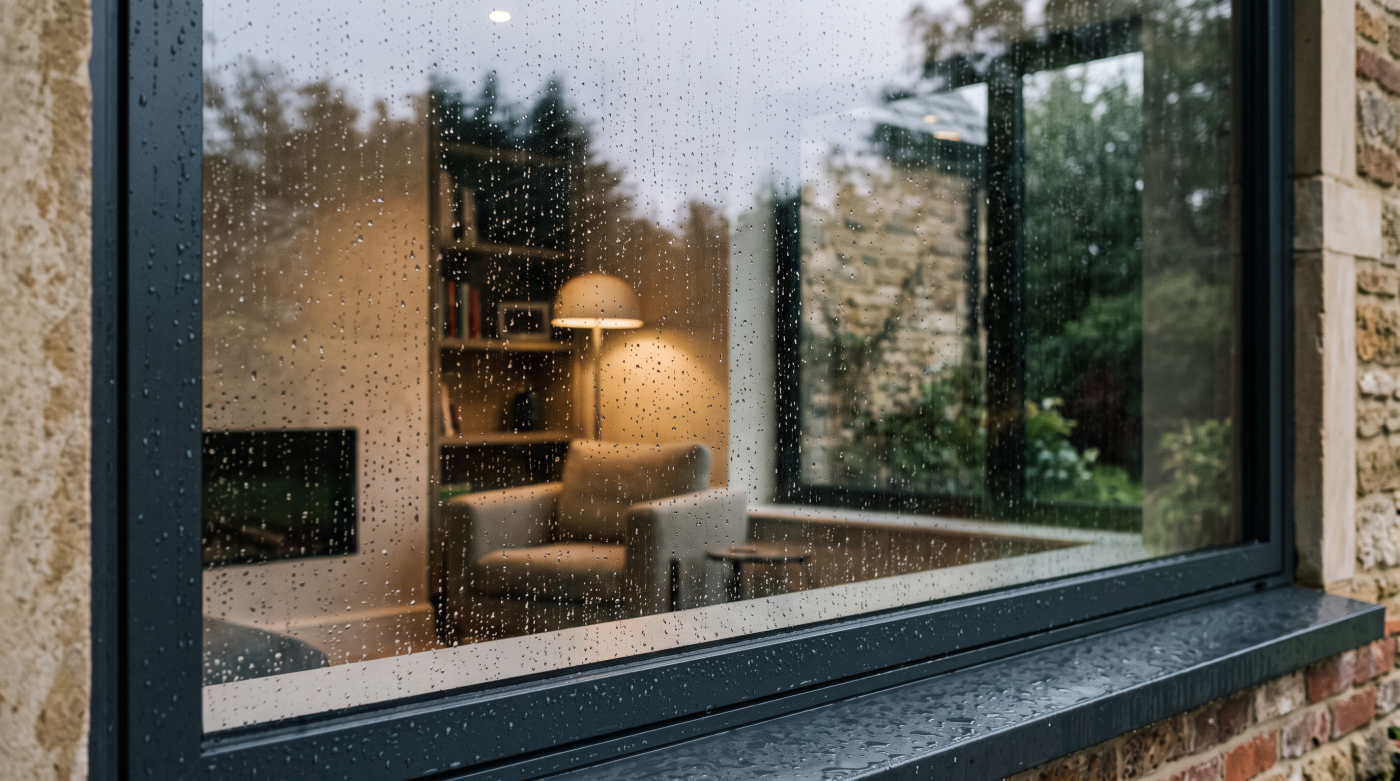
There Are Projects Where Triple Glazing Makes Complete Sense
For some buildings, triple glazing is not an optional upgrade at the edge of the specification. It is a logical consequence of what the project is trying to achieve. A high-performance new home, for example, may have been designed from the outset around demanding standards for insulation, airtightness and overall fabric performance. In that context, the glazing needs to support the same ambition.
The case can become particularly compelling where architecture incorporates extensive glazed areas and comfort close to those openings is an important consideration. Exposed locations may introduce another reason for examining performance carefully. On projects pursuing rigorous low-energy or Passive House objectives, the appropriate glazing specification may also emerge from detailed modelling and specialist advice rather than from a conventional product comparison.
What matters is the consistency of the approach. Triple glazing becomes most convincing when there is a clear relationship between the performance expected from the windows and that expected from the walls, roof, floors and junctions surrounding them. It is then part of a coherent building strategy rather than an isolated premium feature.
This is also why the decision should ideally be made early enough for architects, glazing specialists and, where appropriate, building-performance consultants to consider the openings as part of the complete envelope.
There is nothing excessive about triple glazing when the building genuinely requires what it can contribute. The mistake is assuming that every project has the same requirement. In the right architecture, with the right performance objectives, three panes are not an indulgence. They are simply an appropriate response to a clearly defined brief.
Specify the Building, Not the Upgrade
By the time the question becomes “double or triple glazing?”, it is tempting to treat the decision as a final step up a specification ladder. Yet the more useful process begins much earlier, with the performance objectives of the building itself. Once those are understood, the appropriate glazing specification can follow.
That means considering more than heat loss. The architecture may require generous daylight, carefully framed views or substantial glazed elevations. Orientation and solar exposure influence how those openings behave, while the surrounding walls, roof, floors and airtightness strategy establish the wider performance context. Comfort matters too, particularly where living spaces are designed around large areas of glass.
On straightforward projects, these considerations may lead to a relatively clear specification. On more demanding self-builds and low-energy homes, the decision may require closer coordination between the architect, glazing specialist and appropriate building-performance consultants. What matters is that the number of panes emerges from that process rather than becoming its starting point.
Triple glazing can be an excellent specification. So can an appropriately selected double-glazed system where the building’s requirements support it. Neither label, by itself, describes whether the complete window is right for the architecture around it.
The objective should therefore be consistency rather than maximum specification. A successful building is not assembled by selecting the highest-performing version of every component independently. Its elements need to work together towards a defined outcome. Instead of asking whether triple glazing is an upgrade worth adding, ask the more fundamental question: what glazing specification does this building actually need?