
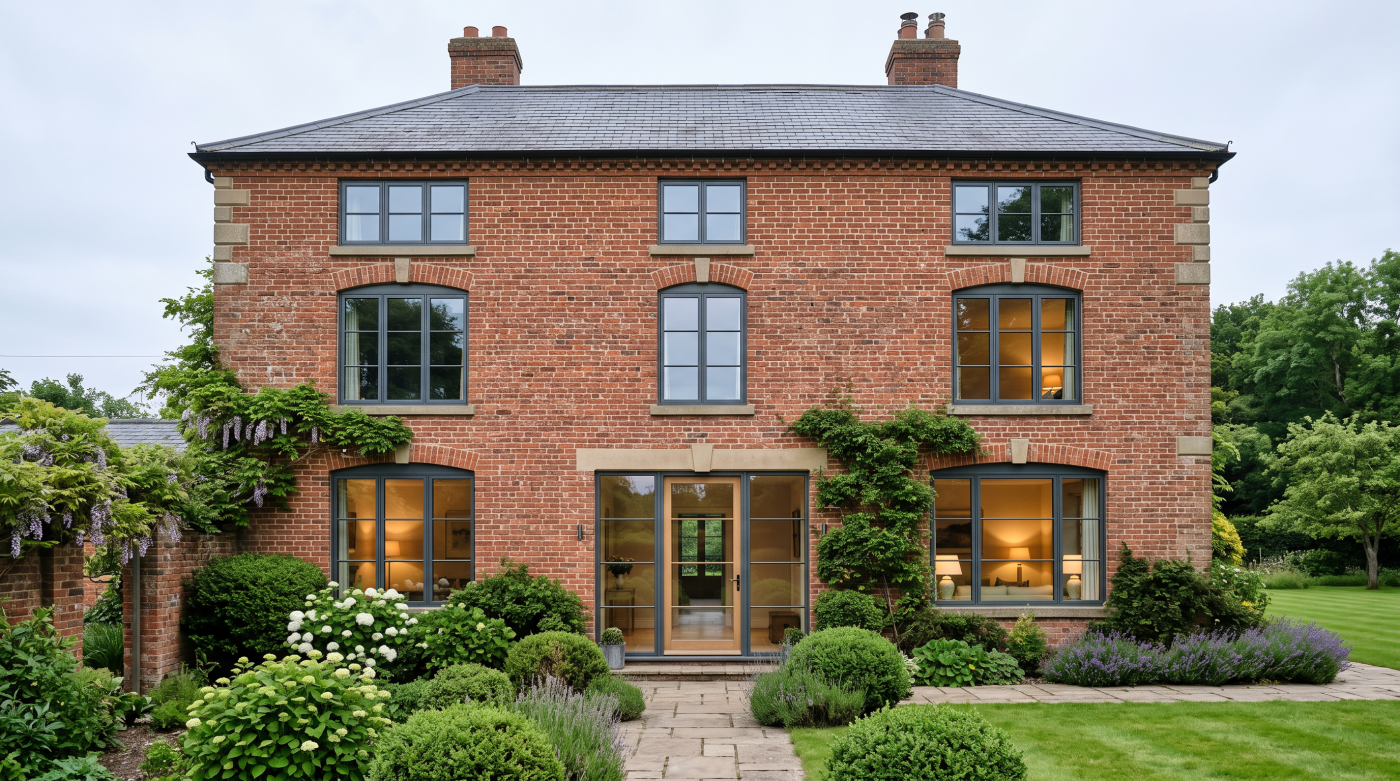
A Window Is More Than a Frame and a Piece of Glass
A window appears to be one of the simpler components in a building. There is a frame, an area of glass and, where required, a means of opening it. That visual simplicity can make substantial differences in price difficult to understand. Much of what distinguishes one window from another is concealed within the finished assembly.
The glass itself may comprise several panes, coatings and spacer components. The frame has to support that glass while resisting weather and temperature changes, and opening sections introduce hinges, locking mechanisms, seals and hardware that must continue to operate reliably. These elements also have to work together. A frame cannot be considered independently of the weight of the glass it carries, just as hardware cannot be specified without considering the size and movement of the opening section.
There are competing demands within this apparently simple object. Homeowners want generous daylight and clear views, yet the window must limit heat loss and resist wind and rain. Frames may be expected to appear slender while remaining sufficiently robust. Opening elements need to move easily when required, then close securely enough to perform as part of the building envelope.
This helps explain why two windows of similar dimensions can look remarkably alike while representing quite different specifications. The visible materials tell only part of the story. To understand where the money goes in a premium window, it is necessary to look beyond the frame and glass and consider the engineering required to make the complete assembly perform as intended.
Glass Can Account for More Than Homeowners Expect
Because glass is visually transparent, it is easy to underestimate how much of the specification can sit within it. Two windows may contain panes that look virtually identical once installed while differing in their construction, coatings, thicknesses and intended performance. Describing both simply as double or triple glazed therefore reveals only part of what is being purchased.
Thermal performance is one consideration, but glass may be asked to do considerably more. Depending on the building and the position of the opening, the specification may need to respond to solar gain, external noise or safety requirements. These characteristics should not be treated as automatic upgrades. Their value depends on whether they address a genuine requirement created by the architecture, location or performance strategy of the house.
Scale introduces another dimension. As panes become larger, their weight increases and the practical demands associated with supporting, handling and installing them become more significant. The desire for a broad, uninterrupted view may therefore require a different glazing proposition from dividing the same opening into several smaller panes. What appears architecturally simpler can be physically more demanding.
This is particularly relevant when comparing premium windows by appearance alone. The glass occupies most of what we see, yet many of its important characteristics are effectively invisible. A more expensive specification may be solving a particular performance or dimensional challenge, or it may provide capabilities that the project does not actually need. Understanding that distinction is essential. The question is not simply whether one window contains better glass, but whether its glass has been specified appropriately for the building.
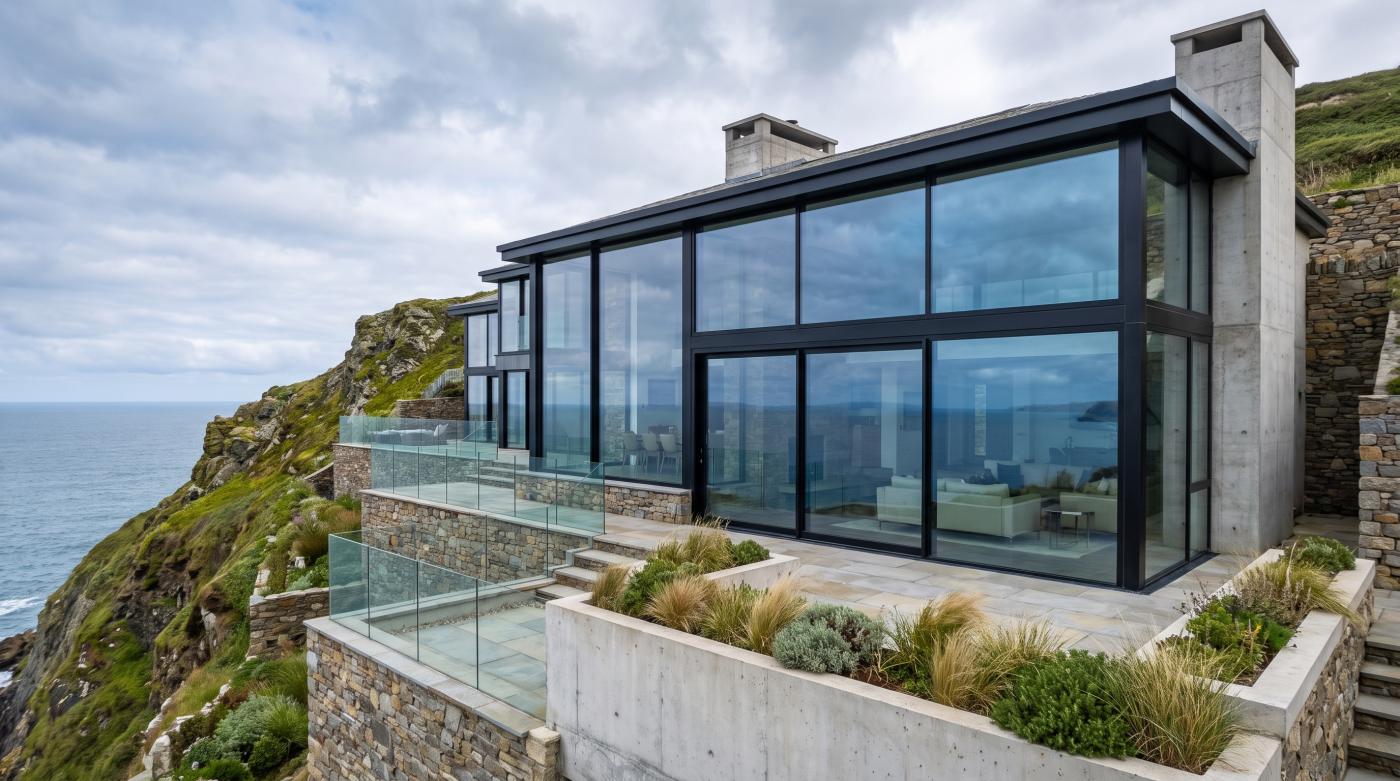
Slimmer Frames Can Require More Engineering, Not Less
There is an understandable assumption that a window with less visible frame should be simpler to make. In architectural glazing, the opposite can be true. The frame may appear lighter and less substantial, but it still has to support the glass, accommodate seals and hardware, resist the forces acting upon it and maintain the performance expected of the complete window.
This becomes increasingly significant as glazing grows larger. A broad pane places different demands on its supporting frame from a modest domestic window, yet contemporary architecture often asks for precisely the opposite visual expression: more glass and less visible structure. Achieving that balance can require greater sophistication within the profile even though the finished result appears remarkably restrained.
There is an architectural reason for pursuing this. Reducing the visual weight of frames can make glazing feel more connected to a view, allow elevations to appear calmer and reduce the prominence of mullions where several panes meet. In the right project, those qualities can materially influence the character of a room or façade. In another setting, the difference between a particularly slender frame and a more conventional one may have relatively little consequence.
Slimmer should therefore not automatically be understood as better, just as more expensive should not automatically be understood as higher quality. Its value depends on what the architecture is trying to achieve. Part of the cost of a premium window can lie in making the engineering less visually apparent. The homeowner may effectively be paying for the frame to perform its structural and practical role while occupying less of the architecture around it.
Size Changes the Engineering Faster Than It Changes the Drawing
Increasing the dimensions of a window can look remarkably inconsequential on an architectural drawing. An opening becomes slightly wider or taller, perhaps occupying a little more of the elevation. In physical terms, however, those additional dimensions can create a substantially larger and heavier glazed element, changing what the frame, hardware and surrounding construction are being asked to accommodate.
This is particularly apparent with large picture windows and full-height glazing. As individual panes become bigger, their weight increases and handling becomes more demanding. Frames must accommodate the scale of the glass while maintaining the proportions and performance required by the design. If the element opens, the challenge becomes greater again because the hardware must support that weight while allowing the window or door to operate as intended.
These relationships help explain why window costs do not always increase neatly according to area. Beyond particular dimensions, the specification may require a different approach to glass, framing, movement or installation. A relatively modest adjustment made during design can therefore have consequences that are not obvious from the elevation alone.
Architecture is drawn largely through lines and dimensions, but glazing eventually becomes a collection of substantial physical objects. This distinction matters when considering premium windows. Large areas of uninterrupted glass can create exceptional views and a strong sense of connection with the landscape, but their apparent simplicity can conceal the demands created by scale. When dimensions increase, part of the additional expenditure may not be buying more window so much as paying for the engineering required to make a larger architectural idea physically achievable.
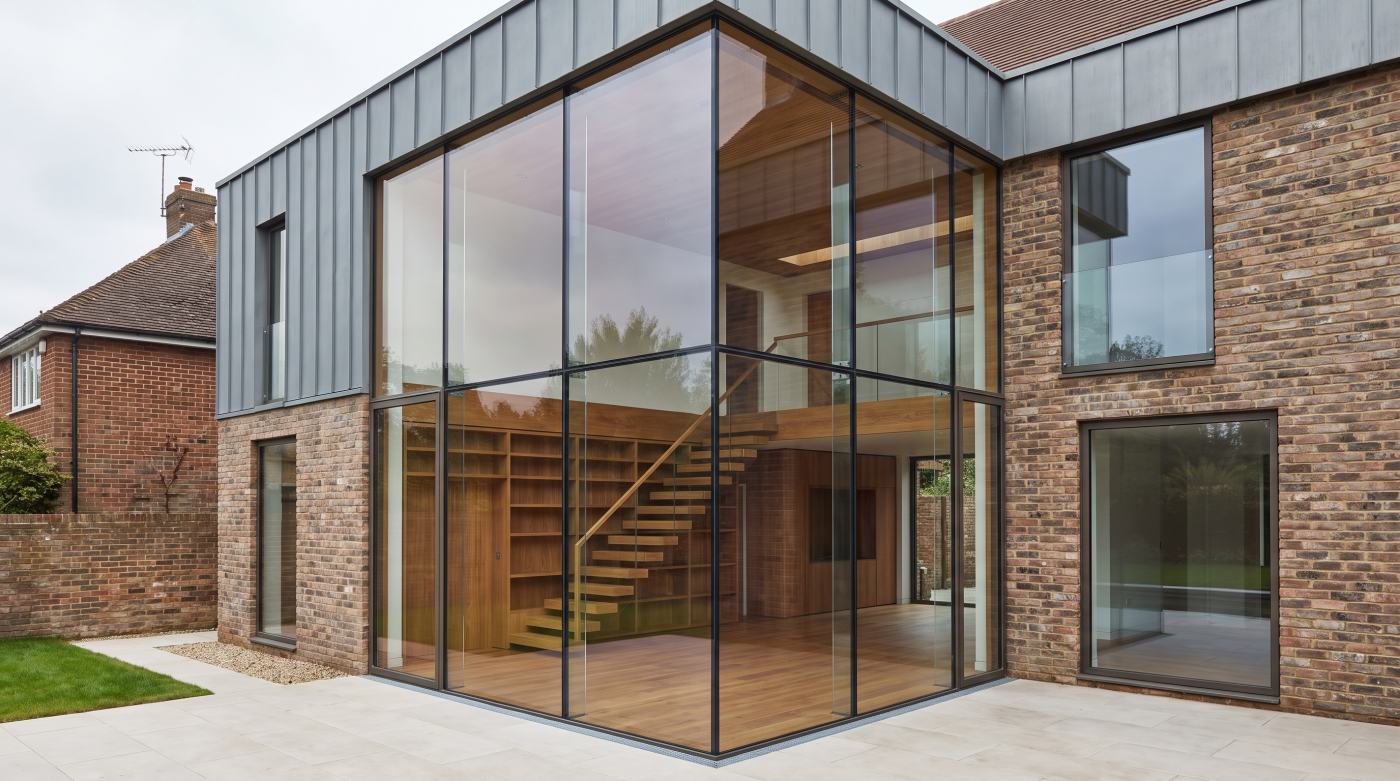
Opening Windows Cost More to Engineer Than Fixed Glass
A fixed window has a relatively straightforward task. Once installed, the glazed unit remains in position within its frame. An opening window has to achieve something more demanding: it must support the weight of the glass while moving repeatedly, then return to a closed position in which the seals, locking points and frame work together as intended.
That movement introduces components that fixed glazing does not require. Hinges or other operating mechanisms, handles, locking hardware and additional seals all become part of the assembly. Their demands can increase as opening sections become larger and heavier. A generous opening window may appear little different from the fixed pane beside it, yet mechanically the two are performing very different jobs.
This has architectural implications as well as financial ones. Opening sections are essential where ventilation, access or practical use requires them, but it does not necessarily follow that every pane needs to open. In some projects, carefully deciding which elements genuinely require movement can simplify the elevation and specification at the same time. Fixed glazing may also allow a visually quieter result where an uninterrupted view is important.
The objective is not to minimise opening windows indiscriminately. Their purpose should determine their inclusion. But when considering where the money goes in a premium specification, movement is an important part of the answer. An opening window is not simply a fixed window with a handle attached. It is an engineered moving element that must continue to support, operate, close and seal throughout repeated everyday use.
Finishes and Bespoke Choices Can Quietly Increase the Specification
Once the fundamental performance and dimensions of a window have been established, there is still considerable scope for the specification to become more individual. Colours, surface finishes, handles, internal and external combinations and non-standard configurations can all influence the final result. Individually, these choices may appear relatively minor, but across a complete house they can become a meaningful part of the overall expenditure.
That does not make them unnecessary. The finish of a window can play an important architectural role, particularly where frames need to relate carefully to stone, brick, render, timber or other façade materials. Internally, the same frame becomes part of the room, where colour and surface treatment can influence how prominently the glazing sits within the interior. On a carefully composed elevation, these decisions can contribute to the coherence of the building.
The question is whether each refinement has been chosen deliberately. Standardisation generally allows a window to follow an established manufacturing process, while unusual dimensions, particular finishes or project-specific combinations can introduce additional complexity. A house containing numerous small variations may therefore carry costs that are difficult to appreciate when each decision is considered separately.
This makes bespoke specification a useful area to examine when assessing a premium window. Customisation can be entirely worthwhile when it strengthens the architecture, but it should not accumulate simply because options are available. The most convincing premium specifications are often selective rather than elaborate: money is spent on the finishes and details that materially contribute to the building, while unnecessary variation is quietly removed.
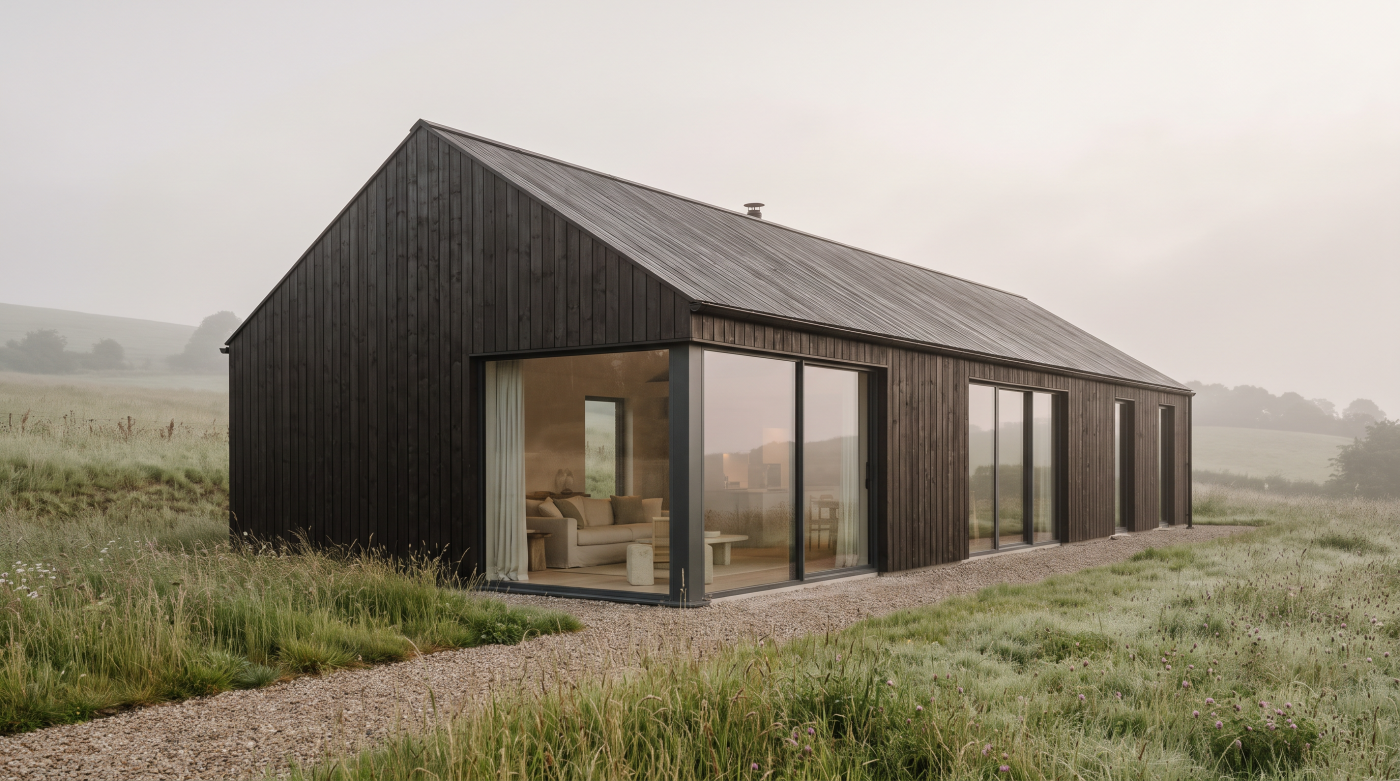
Manufacturing Quality Often Appears in What Does Not Happen
Some of the qualities associated with a well-made window are difficult to appreciate when it is new. Frames are clean, hardware operates and seals appear intact across a wide range of products at the point of installation. The differences can become more meaningful over time, when windows have been exposed to repeated opening, changing temperatures, wind, rain and the ordinary movement associated with everyday use.
Manufacturing quality is partly about consistency. Frames and opening elements need to be assembled accurately enough for seals, locking points and hardware to work together as intended. Tolerances that appear minor can matter when a moving element is expected to return repeatedly to the same position and close securely. The larger and heavier that element becomes, the more noticeable alignment and operating quality can be.
This does not mean that an expensive window will automatically be more durable, or that price provides a reliable prediction of service life. Exposure, maintenance, installation and use all influence how a window performs over time. It does mean that some expenditure may sit in aspects of construction that are difficult to identify from appearance or a showroom demonstration alone.
In this sense, good manufacturing can reveal itself through absence. The frame does not draw attention to movement or misalignment. Hardware continues to operate without becoming the defining feature of using the window. Seals perform without being noticed. These are not dramatic qualities, but that is precisely the point. Part of the value in a premium window may lie in engineering and manufacturing intended to make its everyday performance feel uneventful.
Which Parts of a Premium Window Are Actually Worth Paying For?
There is no single feature that makes a premium window worth its price. The answer depends on what the opening is being asked to achieve. A characteristic that represents sensible investment in one part of a house may offer remarkably little value somewhere else, which is why specification is more useful than simply dividing windows into premium and standard categories.
Where a window frames an important landscape or dominates a principal living space, larger panes and carefully considered frame proportions may materially improve the architecture. In a highly insulated self-build, thermal performance may deserve greater emphasis because the windows form part of a wider building-performance strategy. Beside a busy road, acoustic requirements may become more significant. A large opening element may justify investment in hardware and engineering because its ease of operation will be experienced repeatedly. The priorities change with the building.
The reverse is equally important. A secondary window with modest dimensions and no unusual performance requirement may gain little from the same refinements. Specifying every opening to the highest available level can therefore add considerable cost without producing an equivalent improvement to the finished house.
This is the most useful way to understand where the money goes in a premium window. Glass, frame engineering, dimensions, hardware, finishes and manufacturing can all contribute to the price, but expenditure only becomes valuable when those characteristics serve a purpose. The question is not whether premium windows are worth paying for in principle. It is which premium qualities the architecture genuinely needs—and where paying for them will still feel worthwhile once the building is complete.