
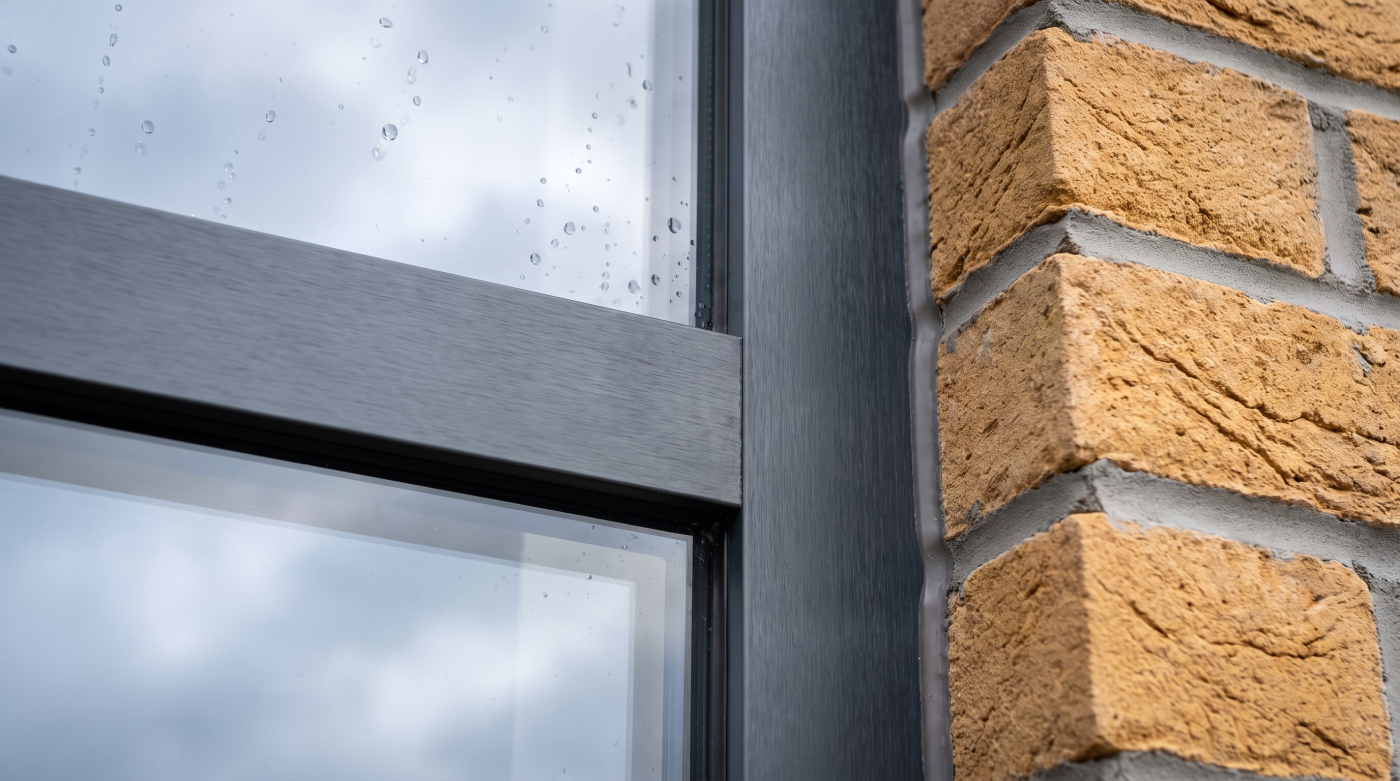
1. Begin with the building, not the frame
The first question is not whether aluminium or timber is the better material. It is what the building asks of its windows. A new extension may call for broad panes and a restrained frame that lets the garden hold attention. An older house may depend on the depth, texture and pattern of its windows for much of its character. The two projects can reasonably arrive at different answers.
Windows establish a rhythm across an elevation. Their position in the wall creates shadow; their divisions give scale to a façade; their opening method affects what is seen from inside. Change any of these, and the house can feel different even when the nominal opening size remains the same. Material matters because it helps produce those details, but it cannot be judged apart from them.
Nor does an entire property necessarily need one material. A contemporary addition and an original street-facing elevation have different architectural roles. Treating them identically may produce a less coherent result than allowing each to respond to its setting.
A useful brief therefore begins with drawings and observation. Which windows are prominent from the street? Which frame lines are visible from a principal room? Should the glazing seem quiet, or should its joinery contribute warmth and texture? Once those questions are answered, aluminium and timber can be compared as ways of realising an architectural intention, rather than as competing labels.
2. What each material allows the elevation to express
Aluminium is often associated with crisp lines and large areas of glass. Timber brings a different visual quality: its grain, painted surface and joinery can give an opening a sense of depth and craft. Those are tendencies, not rules. A substantial aluminium frame can look heavy, while a carefully designed timber window can be remarkably fine.
The important comparison is between complete window designs. Sightlines depend on the size of the opening, whether the window is fixed or operable, the glazing unit it carries and the strength required of its members. A slender sample frame may become less slender when configured as the opening window a room needs. Conversely, a frame that appears wide on paper may sit comfortably within a deep masonry reveal.
In a period house, proportions and glazing divisions deserve particular care. A replacement can retain the approximate size of an old window yet alter the elevation through thicker bars, a different meeting rail or a changed position within the wall. In a contemporary building, fewer divisions may be the more persuasive architectural choice. Neither outcome follows automatically from the material.
Before selecting a finish, ask to see the proposed elevation at scale and a section through the frame and wall. These show how much of the window will actually be visible and how light will meet it. A full-size corner or opening sample is more revealing still. Twenty years from now, the proportions will remain in view every day; they warrant more attention than a small colour swatch.
3. Exposure, water and the building fabric
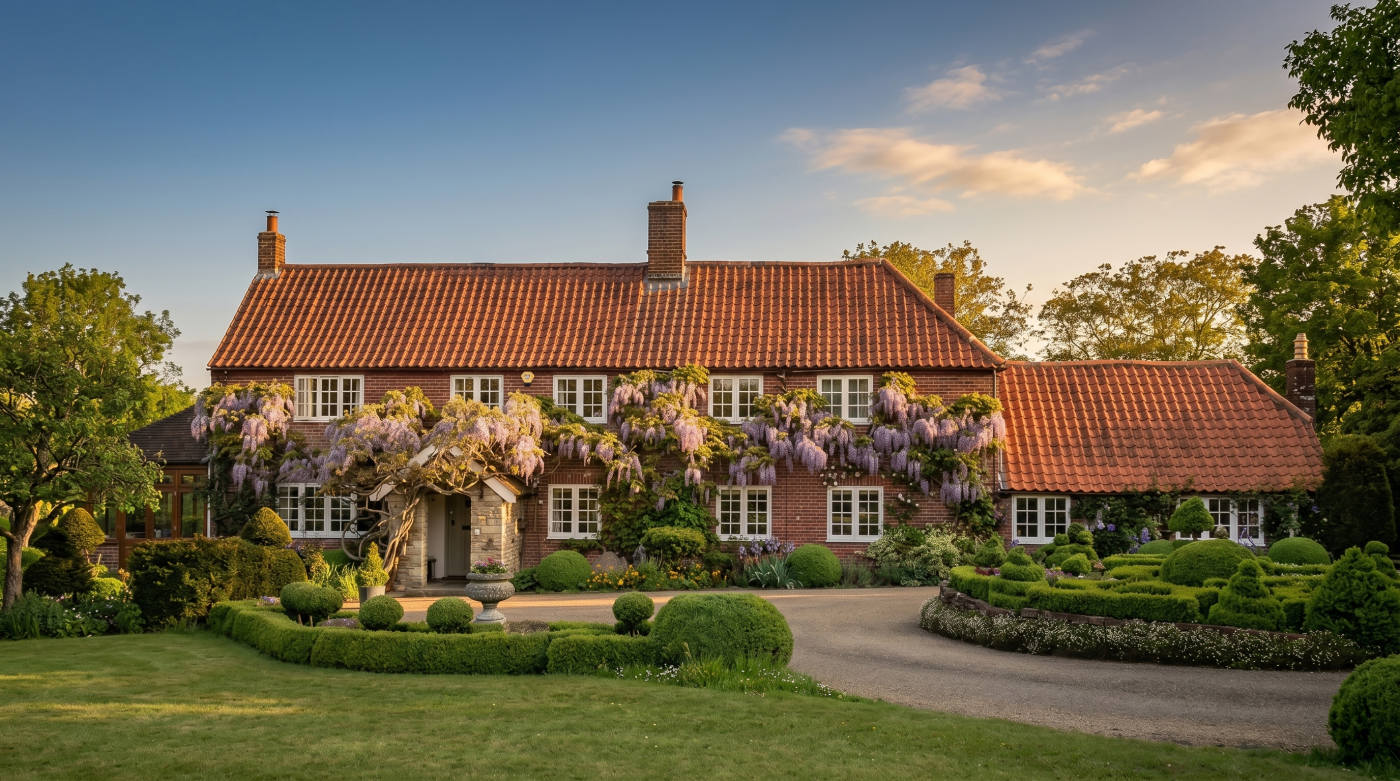
A window’s durability is shaped by its setting. An exposed elevation receives more driving rain and wind than a sheltered courtyard. Deep reveals may protect a frame, while a flush position can leave it more open to the weather. Overhangs, orientation and the condition of the surrounding wall all affect what the assembly must endure.
This is why the junction between window and building deserves close scrutiny. Water has to be shed away from vulnerable edges. Drainage paths must remain clear. The sill needs to work with the wall below it, and the installation must accommodate the tolerances of the opening. A sound frame fitted into a poorly resolved junction can become a problem irrespective of whether it is aluminium or timber.
Timber needs a protective finish and attention where moisture might be held against it. Its advantage is that local damage can often be repaired by someone with the appropriate skills. Aluminium avoids a painted timber surface, but its coating, gaskets, drainage and fixings still require care. Neither material makes the surrounding building maintenance-free.
Older walls add another consideration. Their openings may be uneven, and their behaviour may differ from that of a newly built cavity wall. The frame must be specified as part of that particular construction, not inserted as though every opening were identical. For a fair twenty-year comparison, ask how the proposed window meets the fabric, how rain is managed and which components can be inspected or renewed. Those details are less visible than the frame finish, but they often determine how gracefully the installation ages.
4. Thermal and acoustic performance beyond the label
Material alone does not tell us whether a room will feel warm, quiet or free from draughts. The relevant object is the whole installed window: frame, glazing, seals, opening mechanism and its connection to the wall. Two aluminium systems can perform differently, as can two timber systems. A comparison is useful only when the proposed configurations and dimensions are alike.
Thermal performance should be considered for the complete window rather than inferred from the glazing unit alone. A large fixed pane, a small casement and a traditional sash have different proportions of glass to frame and different ways of closing. The position of the window within the wall also affects the continuity of insulation around it. In England, replacement windows are treated as controlled fittings under building regulations, but a regulatory minimum is not a complete design brief. Approved Document L provides the applicable energy-efficiency guidance.
Sound reduction is equally dependent on the whole assembly. Glass make-up, the quality of the seals and gaps around the installation all matter. A frame material cannot, by itself, promise a quiet bedroom beside a road. If noise is a principal concern, it should be stated early so that the window can be assessed for that purpose.
Finally, comfort is not solely a winter question. The size and orientation of the glazed opening influence sunlight and summer conditions. The strongest specification considers light, heat, ventilation and sound together. Ask for performance information for the exact window being proposed, then test those figures against the way each room will be used.
5. The maintenance a twenty-year owner will actually face
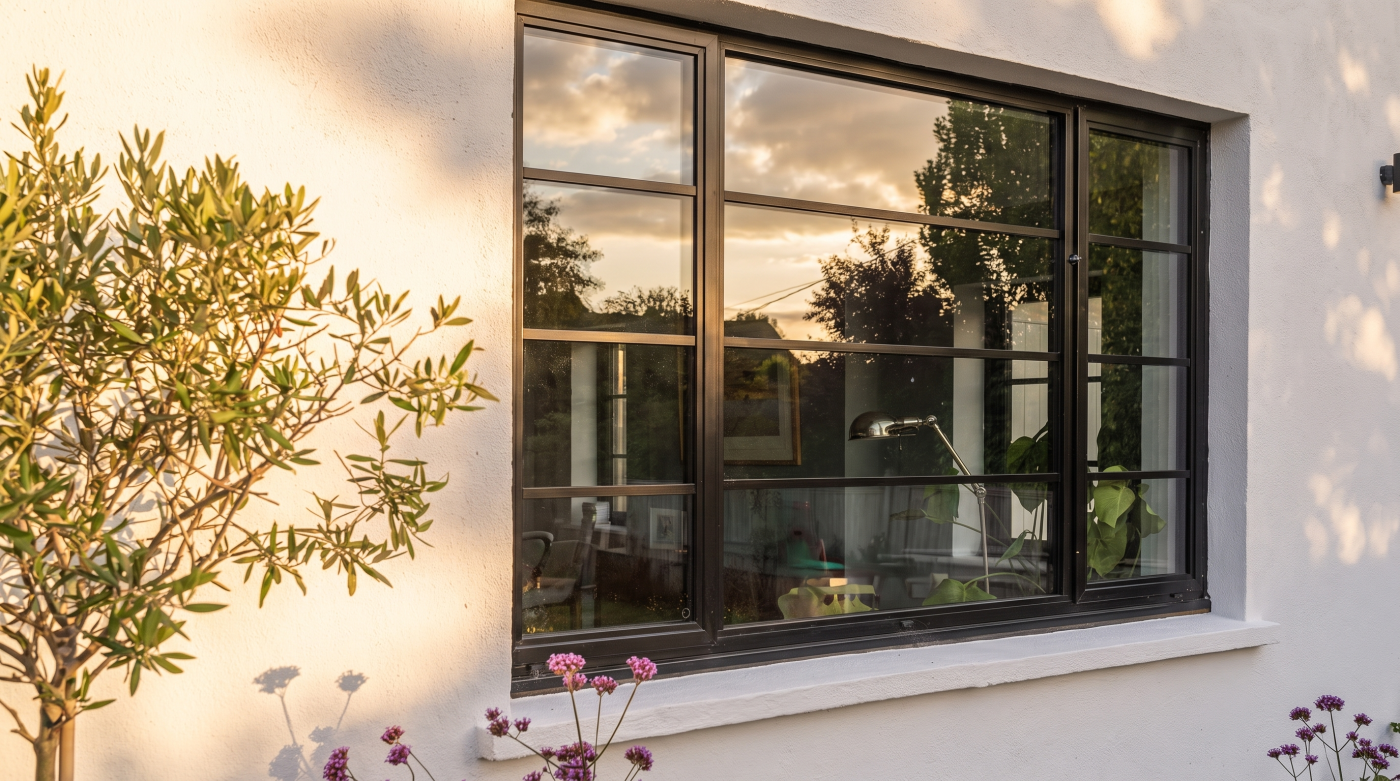
Maintenance is often described too simply. Timber is said to need it; aluminium is said not to. In practice, every window is a collection of materials and moving parts, and every collection needs attention over twenty years.
A timber frame should be inspected so that worn finishes, open joints or local damage can be dealt with before water takes hold. The frequency of refinishing depends on exposure, coating, detailing and workmanship; a universal interval would give a false sense of certainty. Its compensating strength is repairability. A damaged area may be repaired or refinished without replacing the entire window, provided the design and timber are sound.
An aluminium frame will not require repainting in the same way, but its finish should be cleaned according to the system’s guidance. Tracks and drainage paths need to remain clear. Seals, hinges, handles and locks may need adjustment or replacement over time. These components also exist in timber windows. For either material, the availability of parts and the ability to reach them are meaningful aspects of long-term ownership.
Owners should be candid about the care they can provide. A house with many exposed windows, difficult access or no appetite for periodic finish work presents a different brief from one whose owner values repairable joinery and is willing to maintain it. Neither preference is a failure of taste. The honest question is what each proposed system will ask of this particular owner, in this particular position, across an ordinary twenty years.
6. Longevity and environmental impact
A responsible environmental comparison starts with what is already there. Where a significant historic window can be repaired, replacing it creates a new manufacturing and installation burden while removing material that may still have many useful years. Historic England advises repair over replacement for historic windows and identifies secondary glazing as one possible route to improved comfort without losing the original window.
For genuinely new work, neither timber nor aluminium has a simple claim to being the environmentally superior choice. Timber’s origin, treatment and finish matter. Aluminium’s manufacture, recycled content and eventual recovery matter. The size and specification of the glazing unit may be substantial parts of either assembly’s impact. A convincing comparison needs evidence for the actual systems under consideration and a plausible account of how long their components will remain in service.
Service life is not one date stamped on the window. Frames, coatings, seals, hardware and sealed glazing units may need attention at different times. The ability to repair one element without discarding the rest is therefore valuable, as is the ability to source a replacement part years after installation. Good detailing and routine care can extend the useful life of either material.
The most sustainable decision may be to keep a sound window, to repair part of one, or to specify a new assembly designed for maintenance and eventual component replacement. It cannot be settled by the frame material in isolation. Over twenty years, durability is something the building, its owner and its specification produce together.
7. Whole-life cost rather than purchase price
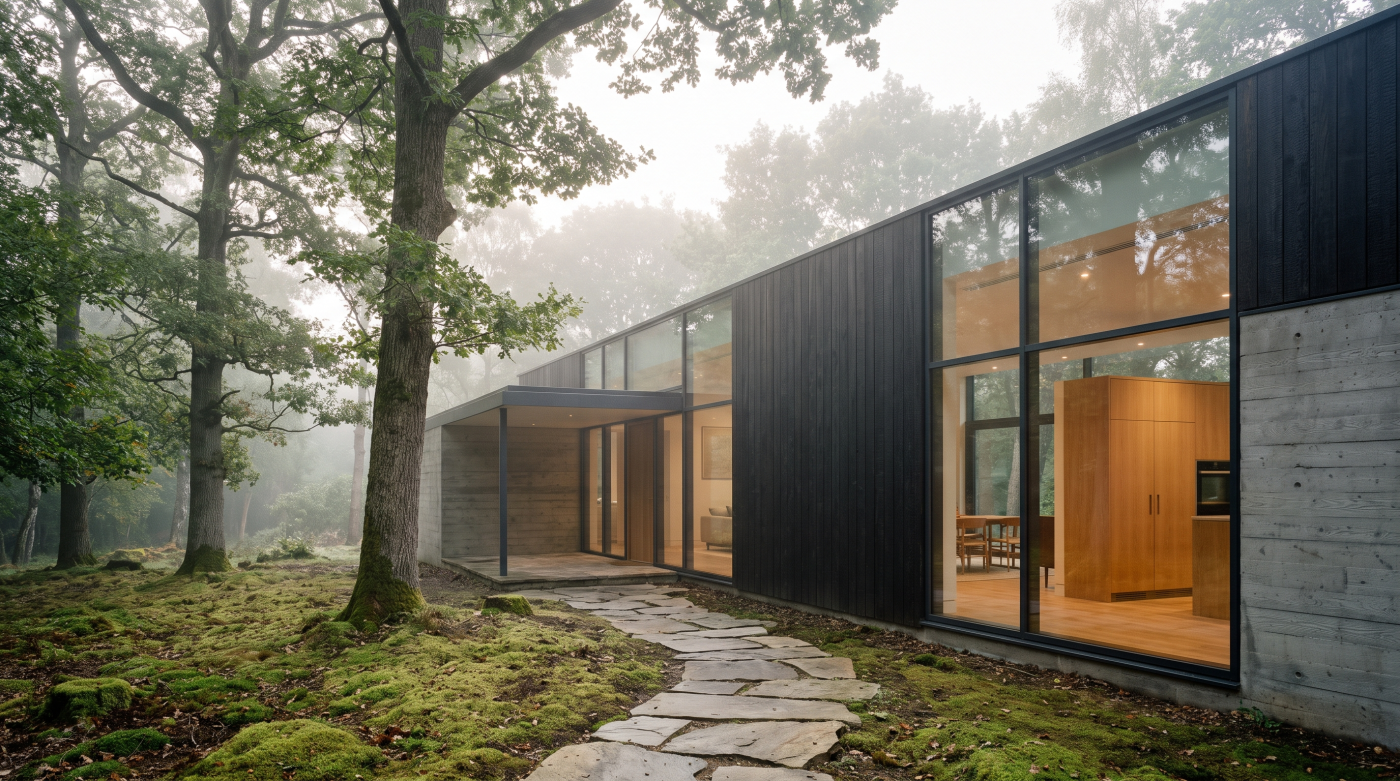
Initial quotations are necessary, but they rarely describe the whole financial choice. A window price may conceal differences in glazing, hardware, finish, installation work or the treatment of the surrounding wall. Two proposals should be brought to a comparable specification before either is called better value.
Over twenty years, there may also be inspection, cleaning, refinishing, adjustments and repairs to fund. The likely pattern differs by project. Timber in an exposed position can require more finish care; a complex opening mechanism in either material can require specialist attention. Access matters too. Maintenance that is straightforward at ground level may be expensive when it requires equipment to reach an upper storey.
Cost has an architectural dimension. If a less expensive frame changes the proportions of a carefully designed elevation, its saving may be a poor bargain. Equally, a premium material is not justified simply by its reputation if a quieter, less costly assembly serves the building just as well. The comparison should account for the result the owner will live with, not only the work carried out on installation day.
A practical whole-life exercise need not pretend to predict exact future prices. It can list the initial work, the manufacturer’s care requirements, the components likely to be serviceable and the access required to maintain them. It can also identify uncertainties. That record makes the decision clearer than an unsupported claim that one material is always cheaper in the long run.
8. A decision that fits the house
After twenty years, the more satisfying choice is likely to be the one that still belongs to the building and remains practical to care for. That may be timber where its proportions, texture and repairability support an older elevation. It may be aluminium where broad glazing, precise contemporary lines and a particular maintenance approach serve a new design. In a house that combines old rooms with a new addition, it may be both.
The decision becomes clearer when the options are tested in the same order. Begin with the architecture: what should the windows contribute to the house? Then consider the building: what exposure and wall construction must they meet? Examine the proposed assembly’s thermal, acoustic and weather performance. Finally, consider finish, hardware, repair access and the owner’s willingness to maintain them. Only then does a product comparison become meaningful.
For an existing older window, there is a prior question: does it need replacing at all? A careful condition assessment may reveal scope for repair or improvement. Where replacement is justified, its detailing deserves the same attention as any other permanent alteration to the façade.
There is no universal winner between aluminium and timber because a window does not live in a universal house. A twenty-year view rewards proportion, sound junctions, suitable performance and a credible plan for care. Material is an important part of that judgement. It is not the whole of it.