
The Window or Door System You Are Actually Buying The first line to understand in any glazing quotation is the most fundamental: what window or door system are you actually being offered? Descriptions such as “aluminium window”, “sliding door” or even the dimensions of an opening do not provide enough information to establish that two […]
Tag Archives: glass specification
21
Aug
Aug
The Two Acoustic Problems People Commonly Confuse When somebody says they want a room to be “quieter”, they may actually be describing two completely different acoustic problems. The first is sound insulation: stopping unwanted noise from travelling through the building envelope. Think of a bedroom overlooking a busy road, a home close to a railway […]
21
Aug
Aug
Why Winter Light Behaves So Differently in the UK Winter does not simply give a UK home fewer hours of summer-style light. The angle, duration and availability of sunlight all change. During winter, the sun remains much lower in the sky and the days become considerably shorter. That changes both which elevations receive direct sunlight […]
20
Aug
Aug
The Fundamental Difference: Direct Sun Versus Diffuse Daylight North- and south-facing windows can use exactly the same glass and still create very different conditions inside a home. The reason begins with the path of the sun. In the UK, the sun travels predominantly across the southern part of the sky. A south-facing elevation therefore has […]
20
Aug
Aug
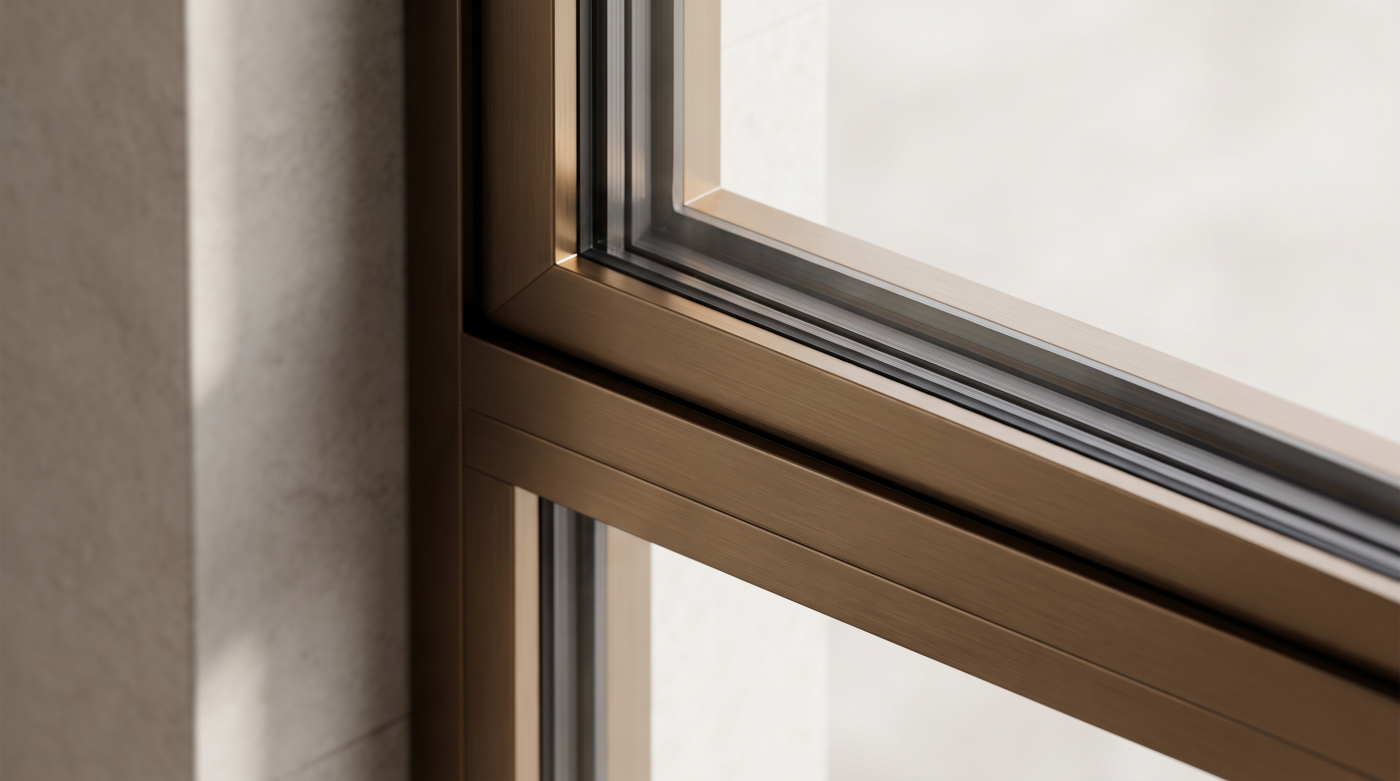
North, South, East and West: What Actually Changes? The direction a window faces changes when sunlight reaches it, the angle at which that sunlight arrives and how solar exposure varies throughout the day. That means two identical panes of glass on different elevations can create very different conditions inside the same home. South-facing glazing can […]
20
Aug
Aug
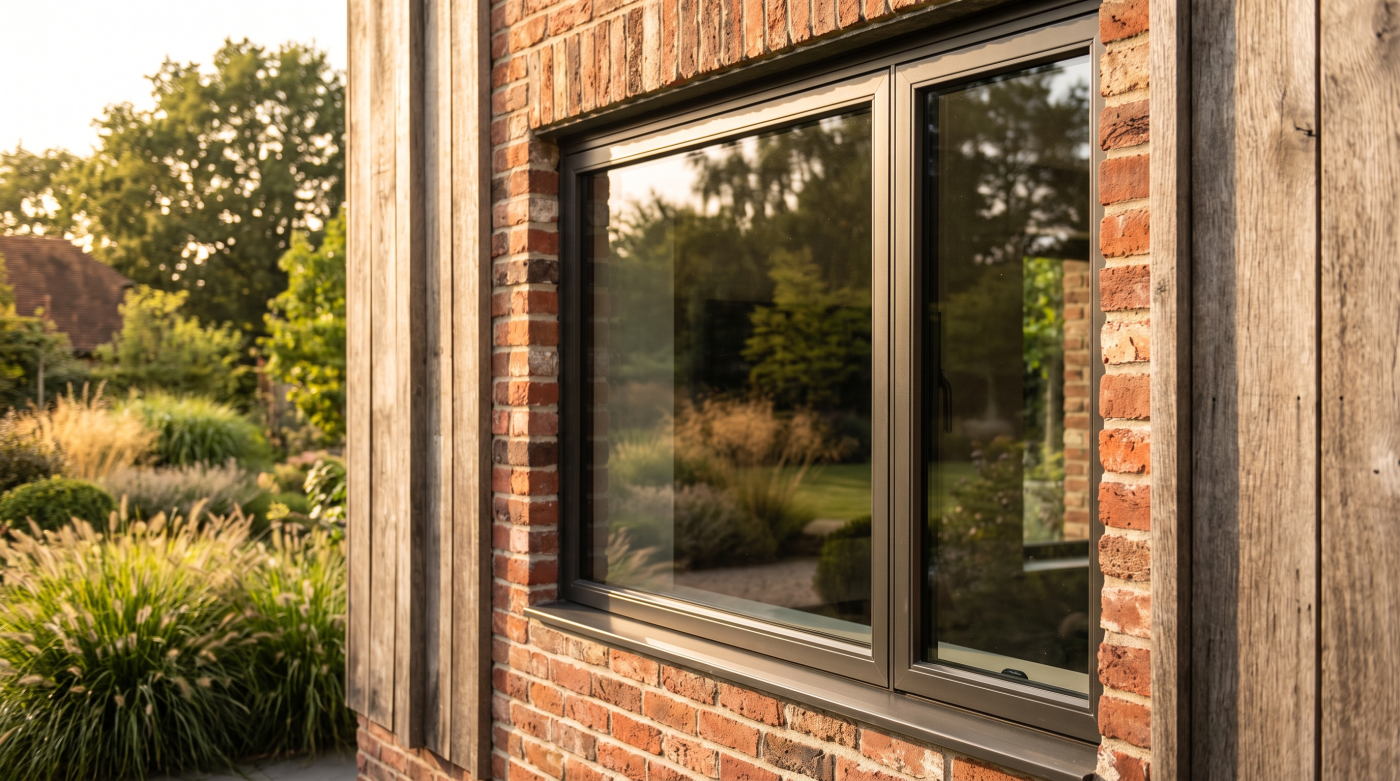
What Is Actually Between the Panes of Double and Triple Glazing? Look closely at a modern double-glazed window and the space between the panes can appear to contain nothing at all. But that apparently empty space is an important part of the glazing specification. Double glazing uses two panes of glass separated by a controlled […]
20
Aug
Aug
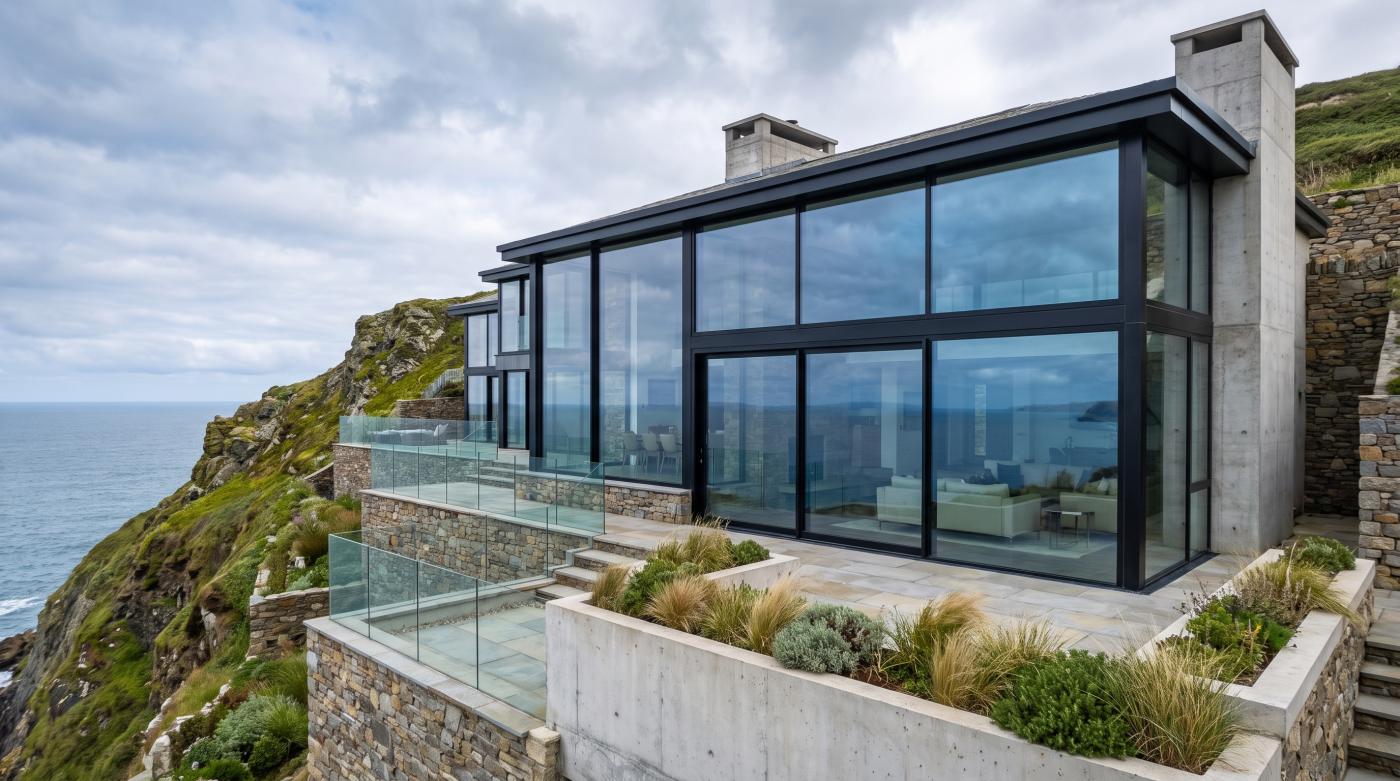
What Is the Spacer Inside Double or Triple Glazing? Look closely at the perimeter of a double-glazed unit and you will usually see a narrow strip running between the panes. That component is the spacer. Its most obvious job is contained in its name: it maintains a controlled distance between the individual panes of glass, […]
19
Aug
Aug
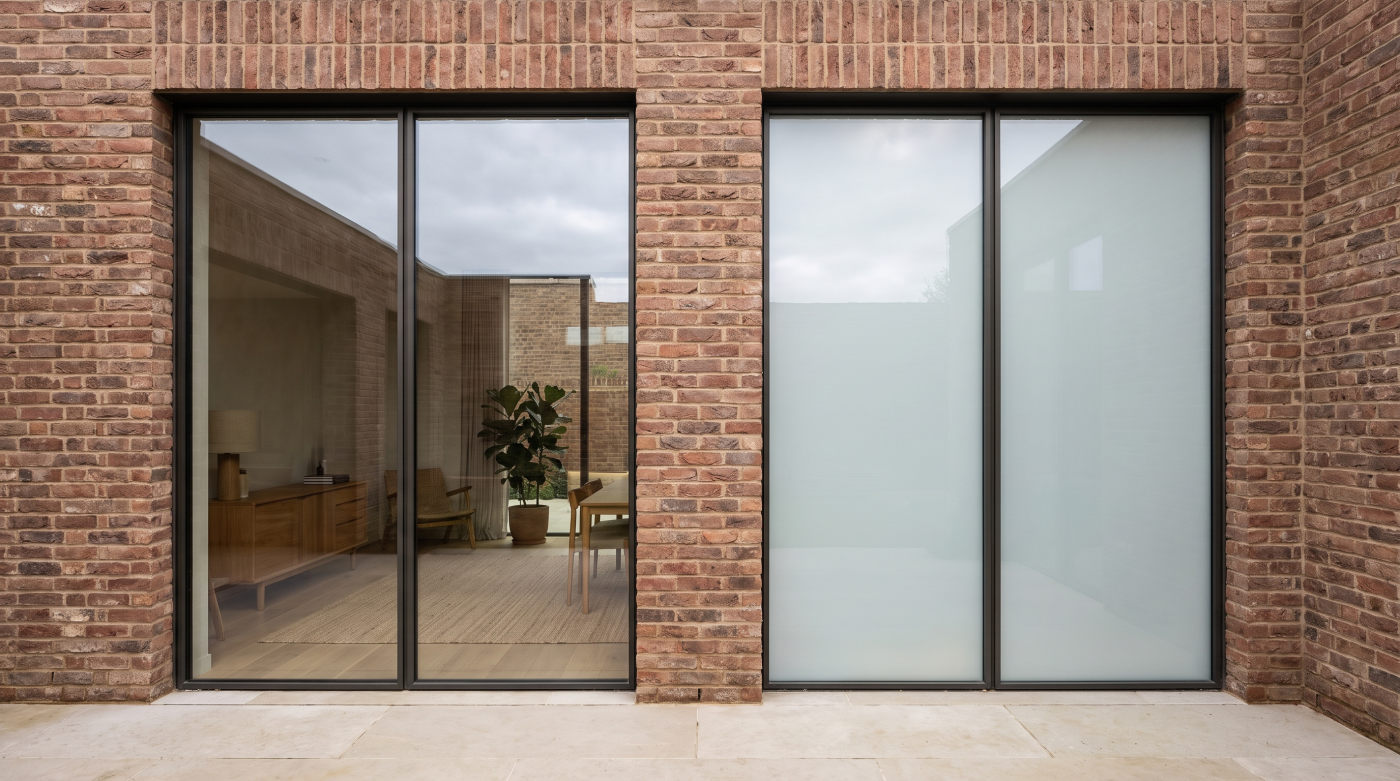
What Is Acoustic Laminated Glass? Acoustic laminated glass is designed to reduce the transmission of sound through glazing more effectively than a conventional glass construction selected without a specific acoustic objective. Like other laminated glass, it consists of two or more glass plies bonded together with an interlayer. In an acoustic laminate, a specialist interlayer […]
19
Aug
Aug
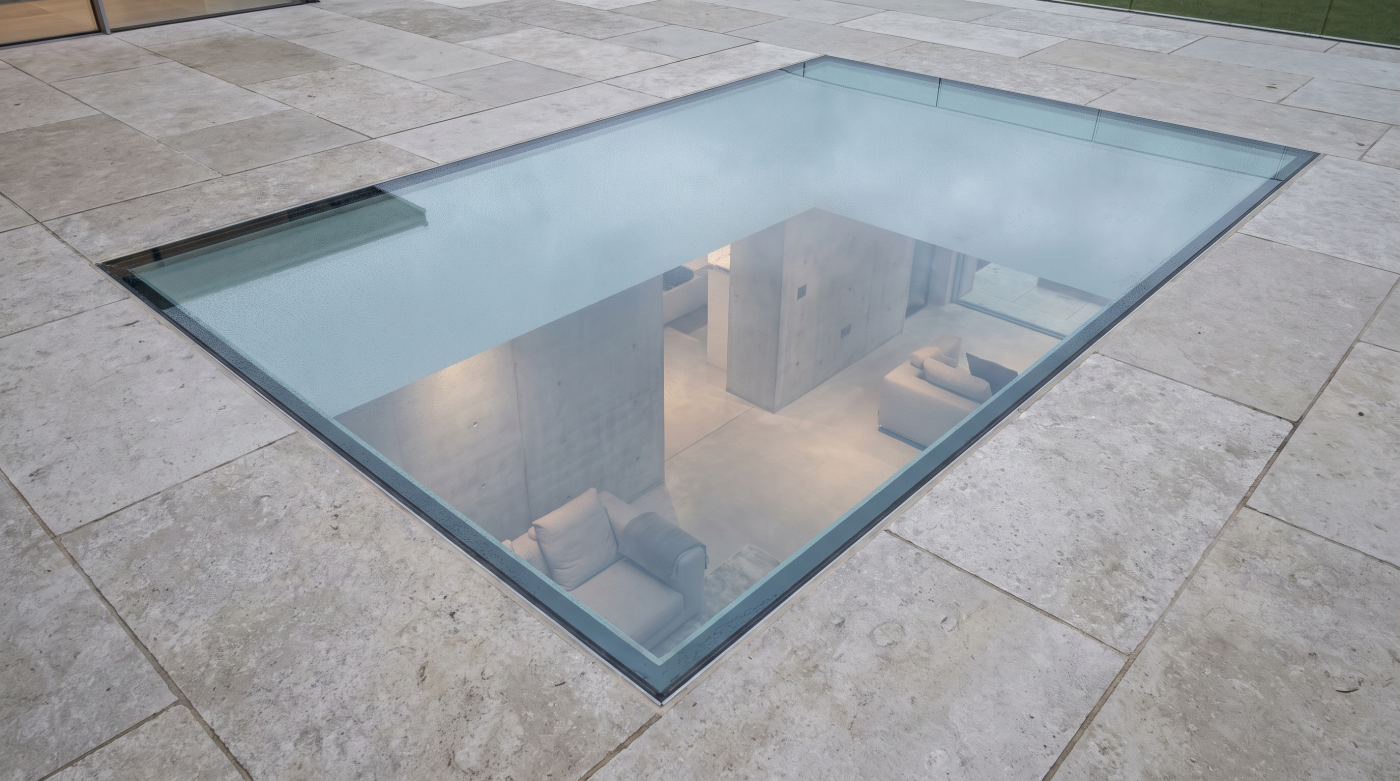
What Do We Actually Mean by Switchable Glass? “Privacy glass” can describe several very different products, so the terminology needs to be understood before deciding whether any of them are appropriate for a home. At its simplest, privacy glass can mean conventional glass that is permanently obscured. Frosted, etched or patterned glass allows light through […]
19
Aug
Aug
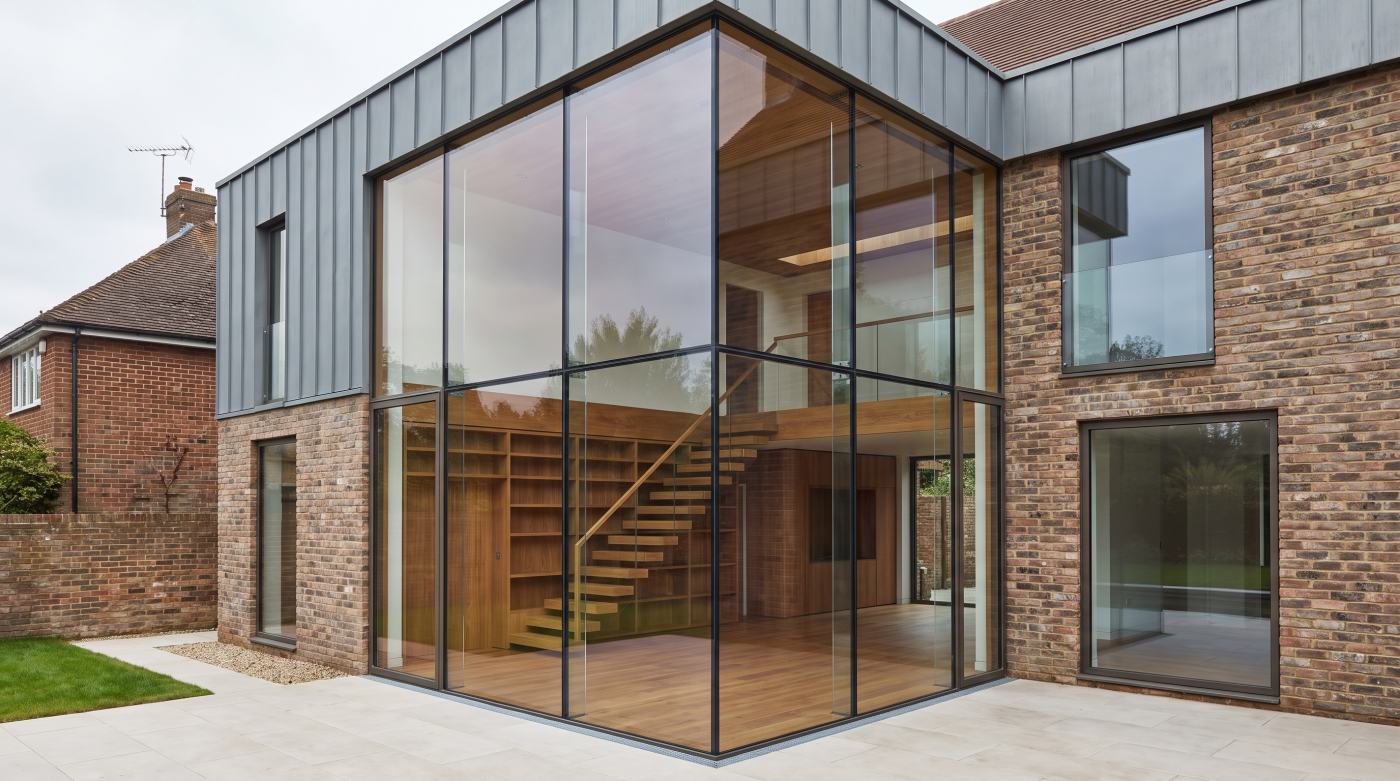
How Self-Cleaning Glass Actually Works The name “self-cleaning glass” can make the technology sound more dramatic than it really is. The glass does not actively clean itself, and there is no hidden mechanism removing dirt from the surface. Instead, a specialist coating changes the way certain deposits and water behave on the external face of […]
19
Aug
Aug
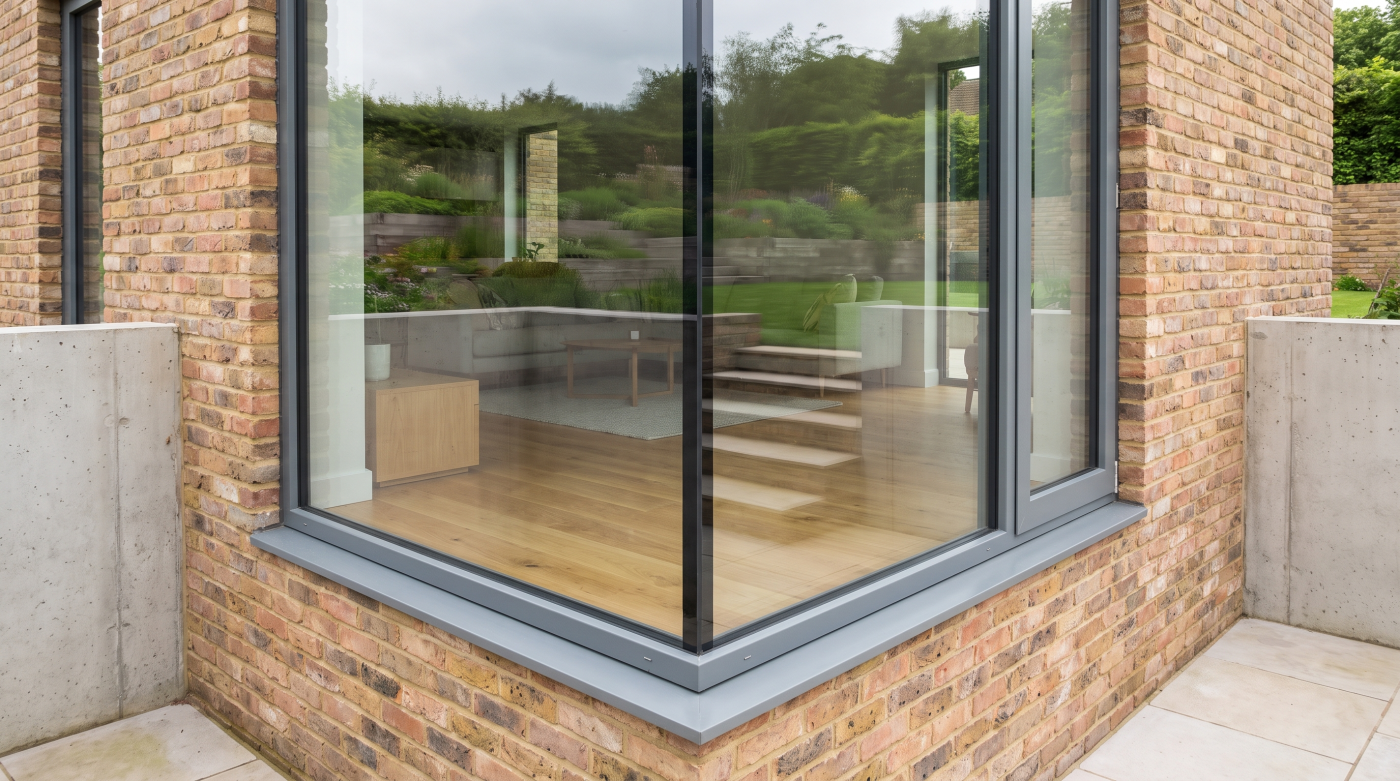
What Is Ultra-Clear Glass? Ultra-clear glass is designed to provide greater visual clarity and colour neutrality than conventional clear glass. The difference comes primarily from the raw material itself: ultra-clear glass is manufactured with a lower iron content, reducing the characteristic green cast naturally present in standard clear glass. That distinction is important because “clear” […]
18
Aug
Aug
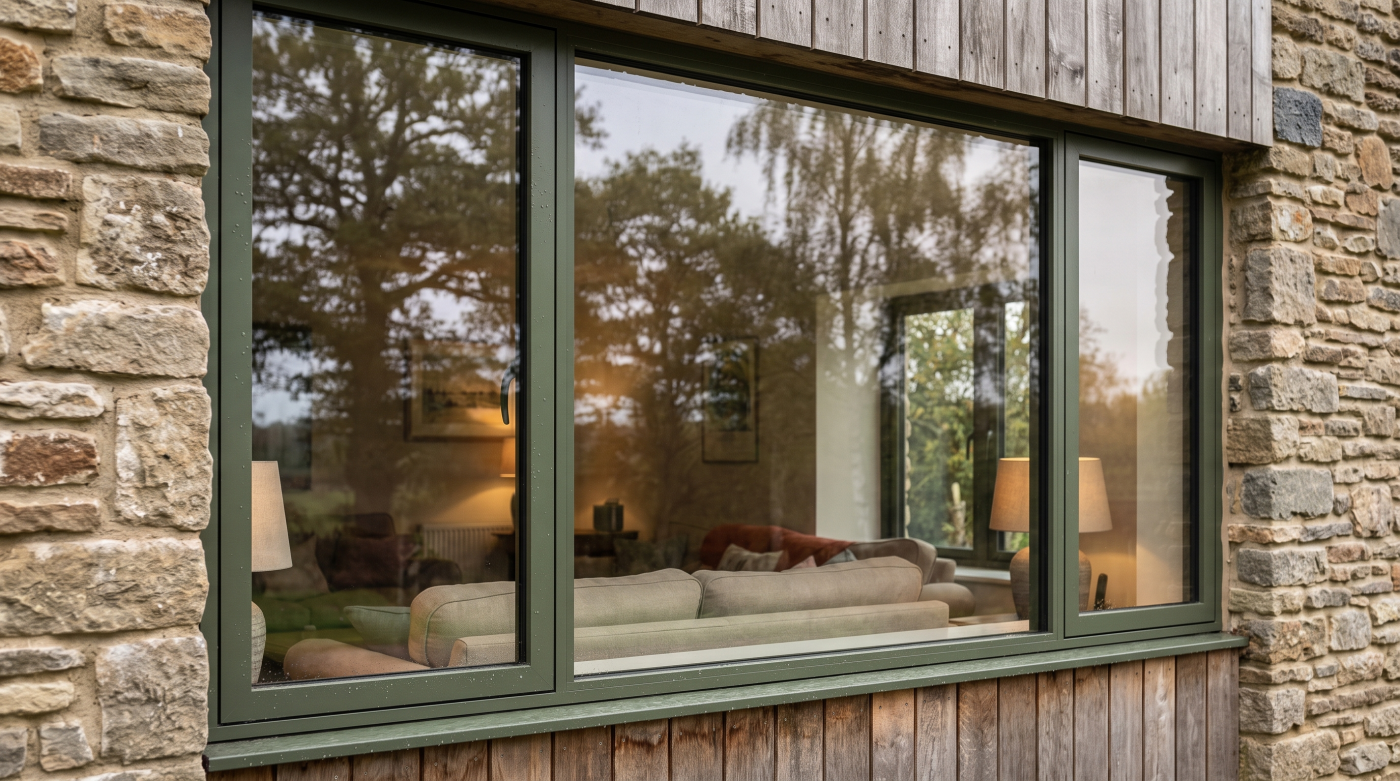
Where the Green Colour in Glass Comes From Glass is transparent, but that does not mean it is completely colourless. Standard clear architectural glass naturally has a subtle green appearance, and the main reason is the small amount of iron present within the raw materials used to manufacture it. For most conventional windows, this colour […]
18
Aug
Aug
The Fundamental Difference: What Happens When the Glass Breaks? The clearest way to understand the difference between toughened and laminated glass is not simply to ask which one is stronger. It is to ask a more useful question: what happens if the glass actually breaks? Toughened glass has undergone a controlled heat-treatment process that changes […]
11
Aug
Aug
Why Sightline Is an Aesthetic Metric, Not a Performance Rating Sightline dimensions are useful because they describe something immediately visible. When two glazed panels meet, the width of the framing between them contributes directly to the character of the elevation, and it is understandable that architects and homeowners use this measurement when comparing minimal glazing […]