
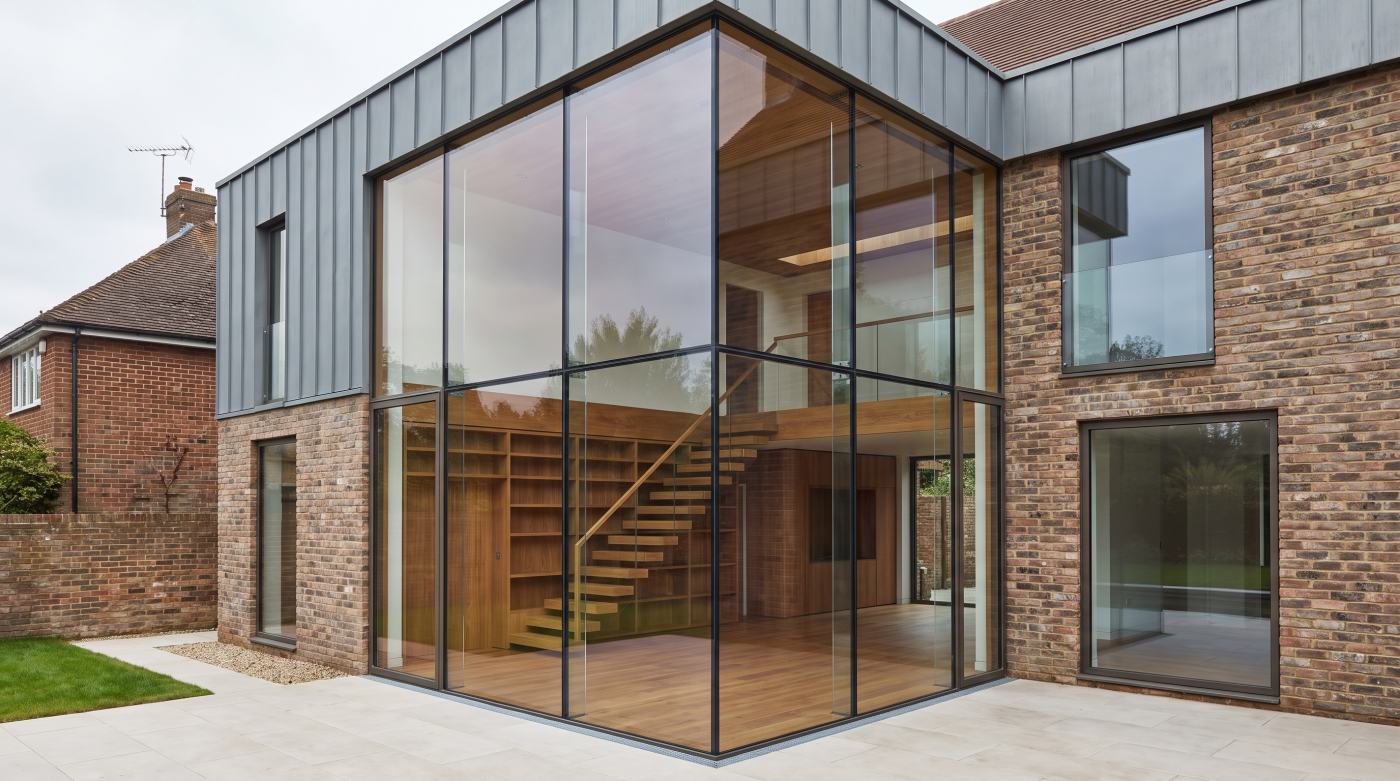
What Is Ultra-Clear Glass?
Ultra-clear glass is designed to provide greater visual clarity and colour neutrality than conventional clear glass. The difference comes primarily from the raw material itself: ultra-clear glass is manufactured with a lower iron content, reducing the characteristic green cast naturally present in standard clear glass.
That distinction is important because “clear” does not necessarily mean colourless. Conventional clear glass can be highly transparent while still introducing a subtle green tone. In many ordinary windows that colour is barely noticeable, but it becomes easier to see through thicker glass, along exposed edges and in substantial architectural glazing.
Ultra-clear glass reduces that effect. Viewed along an exposed edge, the difference can be particularly obvious, with significantly less of the familiar green appearance. Viewed through the face of a large pane, greater colour neutrality can also allow the landscape, materials and colours beyond the glazing to appear more natural.
You may also encounter terms such as low-iron glass, extra-clear glass or manufacturer-specific product names. These are often used in the same general conversation about reducing iron content and improving optical neutrality, but they should not automatically be assumed to describe identical products or performance. The actual glass being proposed should always be checked against verified manufacturer information.
It is equally important to understand what ultra-clear describes.
It is principally a choice about the base glass.
It does not automatically mean the glazing has better thermal insulation, stronger solar control, greater acoustic performance or the correct safety characteristics for a particular application. The ultra-clear base glass may still need low-E coatings, solar-control coatings, toughening, lamination or other processing as part of the complete glazing specification.
Those additional elements can also influence how the finished glass looks.
Ultra-clear glass should therefore not be thought of simply as a higher-performance version of ordinary glass. Its principal advantage is more specific: it reduces the colour introduced by the glass itself.
And when the architectural objective is to make several metres of glazing feel as visually absent as possible, that apparently small difference can become surprisingly important.
Where Can You Actually See the Difference?
The difference between standard clear and ultra-clear glass is not equally obvious in every situation. In a relatively small conventional window, viewed straight through towards an everyday external scene, many homeowners may struggle to identify a dramatic difference without having the two glass types directly beside one another.
Change the application, however, and the distinction can become much easier to see.
One of the clearest examples is an exposed glass edge. Looking through the edge means looking through a much greater thickness of material, which makes the natural green characteristic of standard clear glass considerably more apparent. Ultra-clear glass reduces that colour, so polished edges, glass-to-glass junctions and other details where the glass thickness remains visible can show a particularly noticeable difference.
The glass build-up matters as well. Architectural glazing can contain multiple panes, laminated layers and other components. As the amount of glass within the visual path increases, differences in the base material can become more relevant. This is one reason clarity deserves greater consideration on sophisticated large-format glazing than it might on a small secondary window.
Large picture windows provide another useful test. If the purpose of the glazing is to frame a landscape, the question becomes how much the glass itself changes what you see through it. Whites, pale stone, sky, water and naturally neutral colours can make subtle differences in glass colour easier to perceive.
Minimal-frame sliding doors create a similar situation. When the frames have deliberately been reduced and several metres of glass dominate the elevation, there is simply more glass to experience. The architectural intention is often to reduce the visual boundary between the interior and the landscape, making the optical character of the glass more significant.
Lighting conditions complicate any comparison. Glass changes appearance according to the sky, reflections, viewing angle, internal lighting and the colours surrounding it. A difference that seems obvious in one condition may become much less noticeable in another.
Physical samples can therefore be useful, particularly for comparing edge colour and general neutrality, but even they have limitations. A small sample cannot perfectly reproduce what a completed floor-to-ceiling elevation will look like in its final surroundings.
The practical question is not simply whether ultra-clear glass is technically clearer.
It is whether that additional clarity will remain visible from the places where the homeowner will actually experience the architecture.
Where panes are large, edges are exposed and the view is important, the answer is much more likely to be yes.
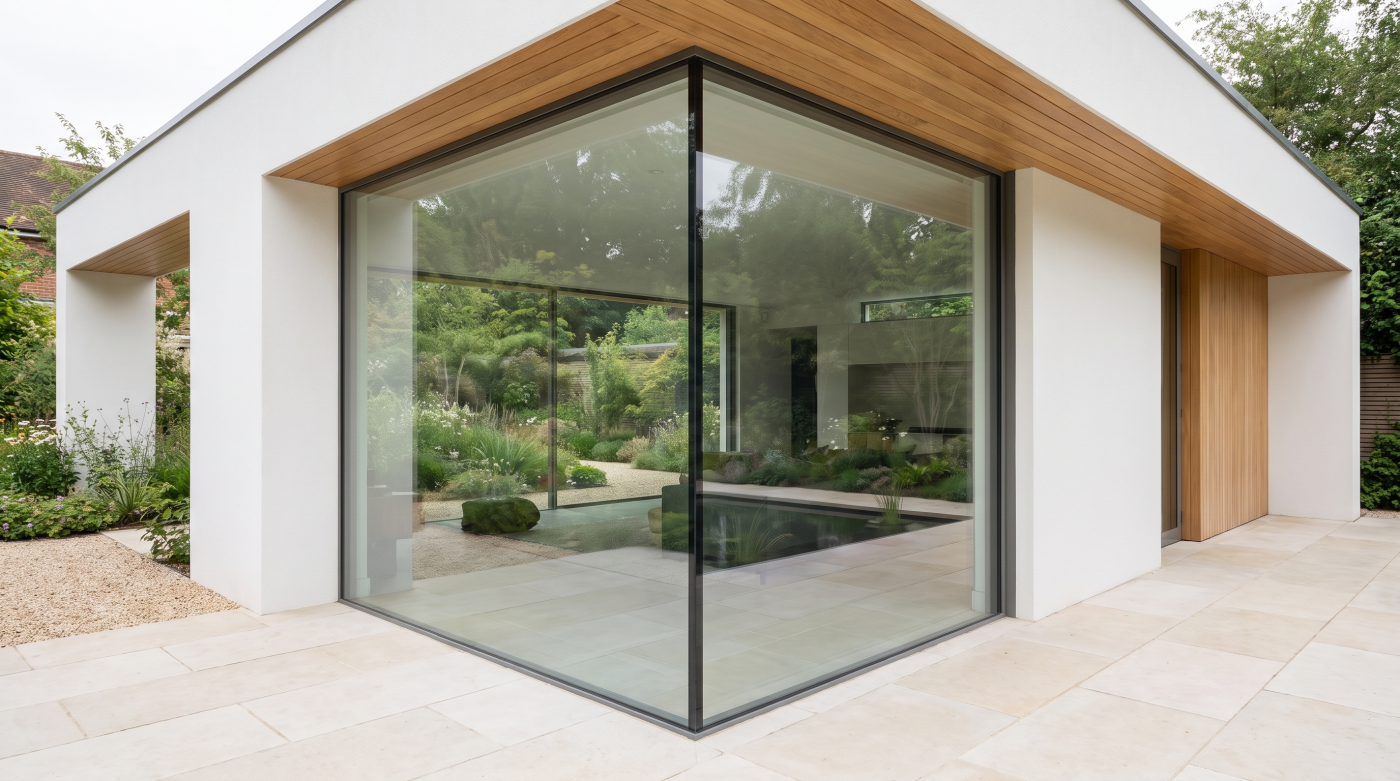
The Bigger the Glass, the Stronger the Argument Can Become
As architectural glazing gets larger, the visual character of the glass itself becomes more important. What might be a barely noticeable difference in a conventional window can become much more relevant when a single pane occupies several square metres of an elevation.
Large picture windows are a good example. If the purpose of the opening is to create an uninterrupted connection with a landscape, the glass is no longer a minor component within the wall. It becomes the surface through which the entire view is experienced. Any colour introduced by the glass therefore has more opportunity to influence that experience.
The same applies to oversized sliding doors. Minimal-frame systems deliberately reduce the amount of visible aluminium so that the glass dominates. As the frames become less noticeable, attention naturally shifts towards the panes themselves. Colour, reflectivity and clarity can consequently become more significant parts of the finished architecture.
Glazed gables and double-height elevations take this further. Here, several large units may collectively form an enormous transparent surface. Even relatively subtle optical characteristics can become architecturally relevant when repeated across that amount of glass.
Structural glass corners and glass-to-glass junctions can make the argument for ultra-clear glass stronger again. These details may expose the thickness or edge of the glass, precisely where the green characteristic of conventional clear glass is often easiest to see. If the design intention is to create an exceptionally clean, transparent junction, reducing that colour can make a noticeable difference.
Large-format glazing can also require more substantial or complex glass build-ups depending on the application. Multiple panes, laminated constructions and other performance requirements mean that the finished glazing needs to be considered as a complete assembly rather than simply as one transparent sheet.
But size alone does not automatically justify the upgrade.
A very large pane overlooking a service courtyard may derive relatively little architectural value from ultra-clear glass. A smaller picture window precisely positioned around an exceptional landscape view might derive considerably more.
The real issue is therefore the combination of scale and architectural importance.
As glazing gets larger, the potential value of greater colour neutrality increases. But the strongest argument for ultra-clear glass occurs when that scale is being used deliberately to make the boundary between the room and the view beyond it disappear.
The less architecture asks you to notice the frame, the more important it becomes to consider the glass.
When Ultra-Clear Glass Is Probably Worth Considering
Ultra-clear glass makes the strongest case when clarity is not simply a technical preference but part of the architectural intention. If a particular pane has been designed to disappear visually and reveal something beyond it, reducing the colour introduced by the glass itself can become a meaningful upgrade.
A large picture window framing an important landscape is perhaps the clearest example. If the architect has carefully positioned an opening around a garden, valley, woodland or distant view, the glass becomes the lens through which that composition is experienced. Greater colour neutrality can help preserve the natural tones beyond the building rather than subtly influencing them.
Minimal-frame sliding doors can create a similar argument. These systems deliberately reduce visible framing and maximise uninterrupted glass. When several metres of glazing separate an interior from the landscape, the visual quality of the glass becomes increasingly important because there is so little else within the opening to see.
Glass-to-glass corners are another application where ultra-clear glass deserves particular consideration. At these junctions, the glass itself becomes part of the architectural detail, and its edges or overlapping layers may be more visible. Because the green characteristic of standard clear glass is often strongest when viewed through its thickness, reducing that colour can help create a cleaner and more visually neutral junction.
The surrounding material palette matters too. Pale limestone, light render, white interiors and carefully controlled neutral finishes can make subtle colour shifts easier to notice. This can be particularly relevant in premium residential architecture where the relationship between interior materials, exterior landscape and glazing has been deliberately composed.
There can also be situations where accurate colour perception through the glass matters. Artwork, carefully selected interior finishes or an exceptional landscape may strengthen the case for minimising the colour contribution of the glazing itself.
None of this means ultra-clear glass needs to be specified throughout the entire building.
It may be possible to prioritise it on the project’s most important glazing—perhaps the principal living-space elevation, a defining picture window or a structural glass corner—while using a different specification elsewhere. Any such approach needs to consider whether adjacent panes will remain visually coherent, because placing different glass types directly beside one another can make subtle differences more apparent.
The useful test is therefore not, “Is ultra-clear glass better?”
It is, “Would greater clarity make this particular piece of architecture better?”
Where the view, transparency or exposed glass detail is fundamental to the design, ultra-clear glass can make a compelling case. Where it removes something visually distracting and allows the architecture beyond the pane to take priority, the upgrade begins to deliver genuine value.
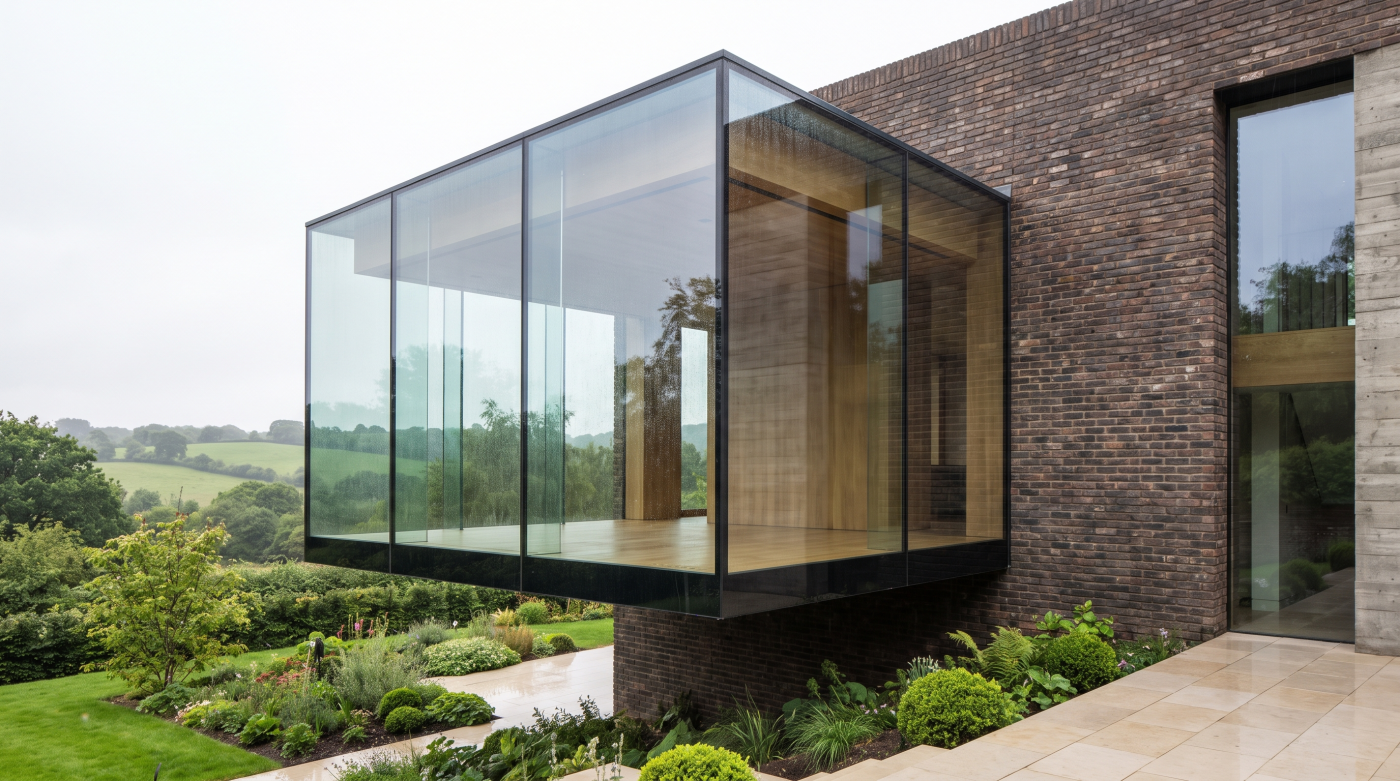
When the Upgrade May Make Very Little Difference
Ultra-clear glass can make a meaningful difference in the right application, but specifying it everywhere does not automatically produce a better building. There are plenty of situations where the visual improvement may be so subtle that the additional investment creates little architectural value.
Smaller conventional windows are an obvious example. Where the area of glass is relatively limited, the edges are concealed within the framing and there is no particularly important view beyond, the natural green characteristic of standard clear glass may be extremely difficult to notice during everyday use.
Secondary spaces can present a similar case. Utility rooms, ancillary areas, secondary bedrooms or less prominent elevations may simply not place the same architectural emphasis on transparency as a principal living space overlooking a landscape. Using the highest-clarity base glass in these locations may add specification cost without materially changing how the house is experienced.
The complete glass build-up can also affect the decision. If the glazing requires particular low-E or solar-control coatings, those coatings may contribute their own subtle colour and reflectivity to the finished unit. Upgrading the base glass to ultra-clear does not remove those characteristics. The important comparison is therefore between the complete proposed glass specifications, not simply between two pieces of uncoated base glass.
Viewing conditions matter as well. Some glazing is experienced predominantly through reflections because of orientation, lighting or the relationship between internal and external brightness. In those circumstances, the difference in base-glass colour may be less visually important than it would be in a picture window designed primarily to be looked through.
There is also an opportunity-cost question. A glazing budget is finite. On some projects, additional investment may create more meaningful value if directed towards solar performance, the glazing system itself, larger uninterrupted panes, improved detailing or another element that has a greater effect on the finished architecture.
This is why selective specification can make sense. Ultra-clear glass might be prioritised for the principal sliding elevation or defining picture window while standard clear glass is considered elsewhere, provided the different specifications do not create unwanted visual inconsistencies.
Adjacent panes require particular care. A standard clear unit positioned immediately beside an ultra-clear unit can make differences easier to perceive, so selective upgrading should be coordinated across the elevation rather than decided window by window.
Premium specification is not about choosing the most expensive version of every component.
It is about identifying where additional investment produces an outcome people can actually see, feel or experience.
If ultra-clear glass materially improves an important view or architectural detail, it can be valuable. If the difference will barely be noticed from the way a particular window is used, the glazing budget may achieve more somewhere else.
What Ultra-Clear Glass Does Not Automatically Improve
The word “ultra-clear” sounds like a higher specification, and visually that may be exactly what it represents. But it is important not to let greater clarity become confused with better performance in every other area of the glazing.
Ultra-clear glass principally describes an optical characteristic of the base glass. By reducing the iron content, the characteristic green cast of conventional clear glass can be reduced. That can create greater colour neutrality, but it does not automatically make the finished glazing more thermally efficient, safer, stronger or better at controlling solar gain.
Thermal performance is a separate consideration. If the project requires a particular U-value, that performance will depend on the complete insulated glazing construction, including factors such as coatings, cavities and the wider window or door system. Simply changing from standard clear to ultra-clear base glass does not, by itself, answer that requirement.
Solar control is different again. A large south- or west-facing elevation may require careful consideration of how much solar energy enters the building. Ultra-clear glass should not be assumed to provide that control simply because it is a premium glass product. The appropriate solar characteristics need to be deliberately specified within the complete glass build-up.
The same principle applies to safety.
Ultra-clear does not tell you whether the glass should be toughened, laminated or constructed in another way to meet the requirements of its particular location. A large sliding panel, fixed pane, rooflight and barrier-related application can all require different safety considerations regardless of whether standard clear or ultra-clear base glass is being used.
Nor does ultra-clear automatically establish structural suitability for an oversized pane. Glass dimensions, loads, support conditions and the complete glazing system still need to be considered appropriately. Acoustic performance similarly depends on the particular glass construction rather than clarity alone.
This is why architectural glass should never be specified by accumulating premium-sounding labels.
A single glazing unit might use ultra-clear base glass because visual neutrality matters, a low-E coating because thermal performance matters, solar-control characteristics because solar gain needs managing, and a particular laminated or toughened construction because of safety or other requirements. Each element is answering a different question.
Ultra-clear glass answers one of them particularly well:
How much colour do we want the glass itself to introduce into the architecture?
It does not answer every other question the glazing specification needs to resolve.
Greater clarity can be extremely valuable when the architecture demands it. But the best glass specification is the one that combines that clarity with the thermal, solar, safety and structural characteristics the project actually requires.
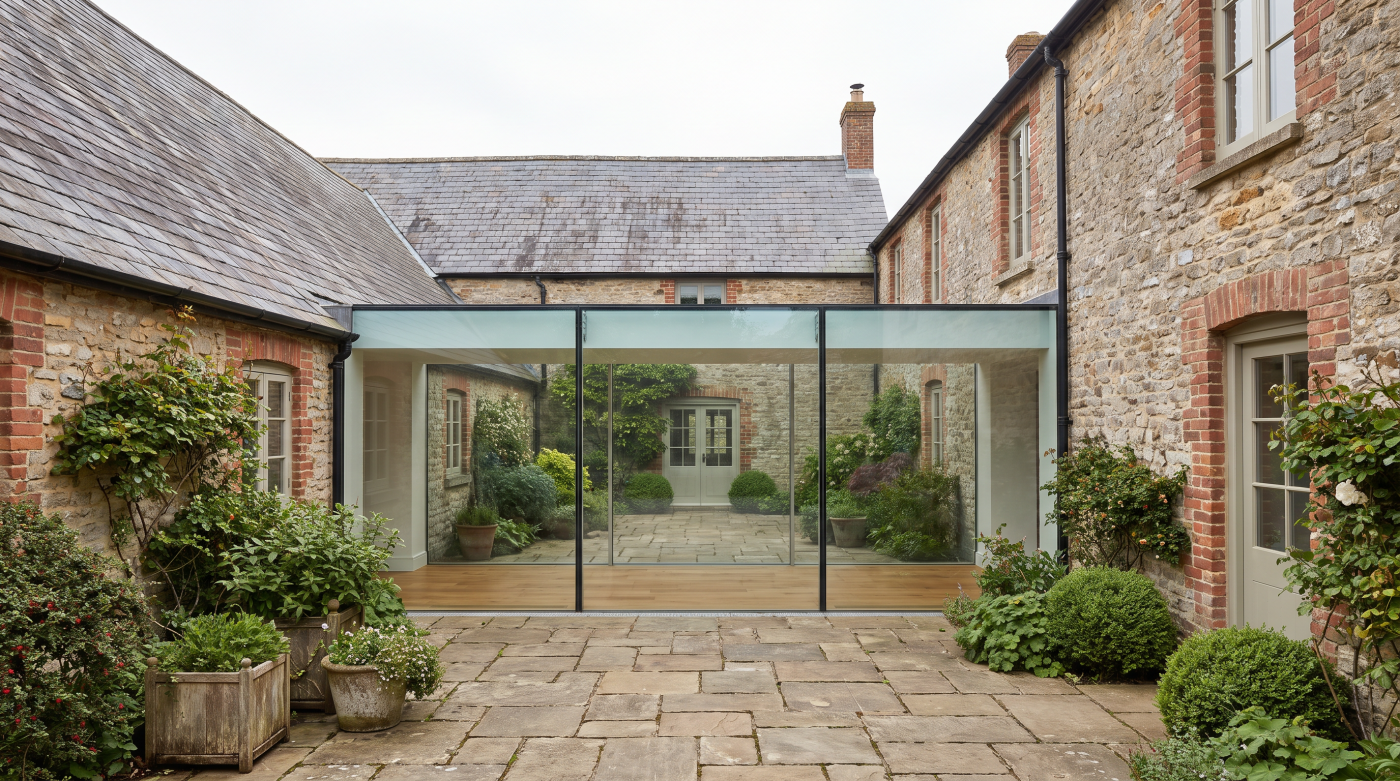
The Real Cost Question: Where Should You Spend the Upgrade?
Ultra-clear glass can increase the cost of a glazing package, but focusing only on the size of that premium misses the more useful question.
Where will spending more on clearer glass actually improve the architecture?
The answer will rarely be every window equally.
Consider a house with a large sliding elevation opening onto an exceptional landscape, a carefully positioned picture window, several bedroom windows and smaller openings in utility spaces. The architectural importance of those panes is not equal, so there is little reason to assume the glazing budget should treat them as though they are.
The principal living-space elevation may be experienced for hours every day. If its purpose is to create an uninterrupted relationship with the garden or landscape, reducing the colour introduced by several metres of glass could provide genuine visual value. The same can apply to a picture window specifically designed around a view or a glass-to-glass corner where the edges of the material form part of the architectural detail.
These are the areas where an ultra-clear upgrade deserves particular attention.
Elsewhere, the difference may be considerably less important. Spending additional budget to improve the colour neutrality of a small secondary window may deliver little noticeable benefit, particularly if the glass edge is concealed and the opening does not frame an important view.
There is also a wider question of priorities.
The money available for glazing may potentially be invested in many different ways. Depending on the project, greater value might come from improving solar performance, choosing a more appropriate glazing system, achieving a larger uninterrupted pane, resolving an important junction more elegantly or overcoming another constraint affecting the architectural result.
Ultra-clear glass therefore needs to compete for budget on the basis of the improvement it actually creates.
Selective specification can sometimes provide a sensible response. The project’s defining glazing might use ultra-clear glass while less important openings use standard clear glass. But this needs coordination. Where different glass specifications sit immediately beside one another, differences in colour or reflectivity can become more noticeable, so the elevation should be considered as a whole.
There is no useful universal percentage for what the upgrade will cost. Pane dimensions, coatings, lamination, processing and the complete insulated glass construction can all affect the price. The relevant comparison should come from project-specific specifications and verified quotations.
The most useful exercise is therefore to identify the hero glazing on the project.
Which panes frame the views that justified the architecture? Which elevations are deliberately designed to disappear? Where are glass edges exposed? Which spaces will the homeowner experience most strongly?
Those are the places where spending more on optical clarity can make sense.
A good glazing budget does not simply buy the highest specification everywhere. It concentrates investment where better glass creates a better building.
So, Is Ultra-Clear Glass Worth It?
Yes—in the right place.
Ultra-clear glass can be a worthwhile upgrade where transparency is fundamental to the architecture. If a large picture window has been designed around an exceptional view, a minimal-frame sliding elevation is intended to dissolve the boundary between inside and outside, or exposed glass edges form part of an important detail, reducing the colour introduced by the glass itself can make a meaningful difference.
But that does not make ultra-clear glass the automatic choice for every window.
In smaller or secondary openings, the visual improvement may be difficult to appreciate during normal use. If the glass edge is concealed, the view is not particularly important or other characteristics of the complete glazing build-up dominate its appearance, the additional investment may deliver relatively little architectural benefit.
The decision should therefore begin with the hierarchy of the building.
Identify the glazing that matters most. Which pane frames the view people will stop and look through? Which elevation dominates the principal living space? Where has the architect deliberately reduced framing to make the glass disappear? Where will exposed edges or glass-to-glass junctions make the material itself particularly visible?
Those are the areas where ultra-clear glass deserves serious consideration.
The complete specification still matters. Low-E coatings, solar-control requirements, lamination, toughening and other elements can influence both the performance and appearance of the finished glazing. Ultra-clear base glass should therefore be evaluated as part of that complete build-up rather than viewed as an isolated upgrade.
Consistency also needs attention. If ultra-clear and standard clear glass are being used selectively, adjacent panes and connected elevations should be considered carefully. Saving money on one unit is unlikely to feel worthwhile if it creates an obvious visual mismatch across one of the project’s defining elevations.
Where clarity is particularly important, appropriate physical samples can help make the decision more tangible. They cannot perfectly reproduce the scale, reflections and changing light conditions of the finished building, but they can provide a useful comparison alongside verified product information and project-specific pricing.
So, is ultra-clear glass worth it?
For a defining view, exposed glass detail or large minimal-frame elevation, it can be. For every pane in the house, not necessarily.
The strongest specification is not the one that automatically upgrades everything. It is the one that understands where additional clarity will actually be seen and valued.
Ultra-clear glass is worth paying for when removing the visual presence of the glass makes the architecture itself more powerful.