
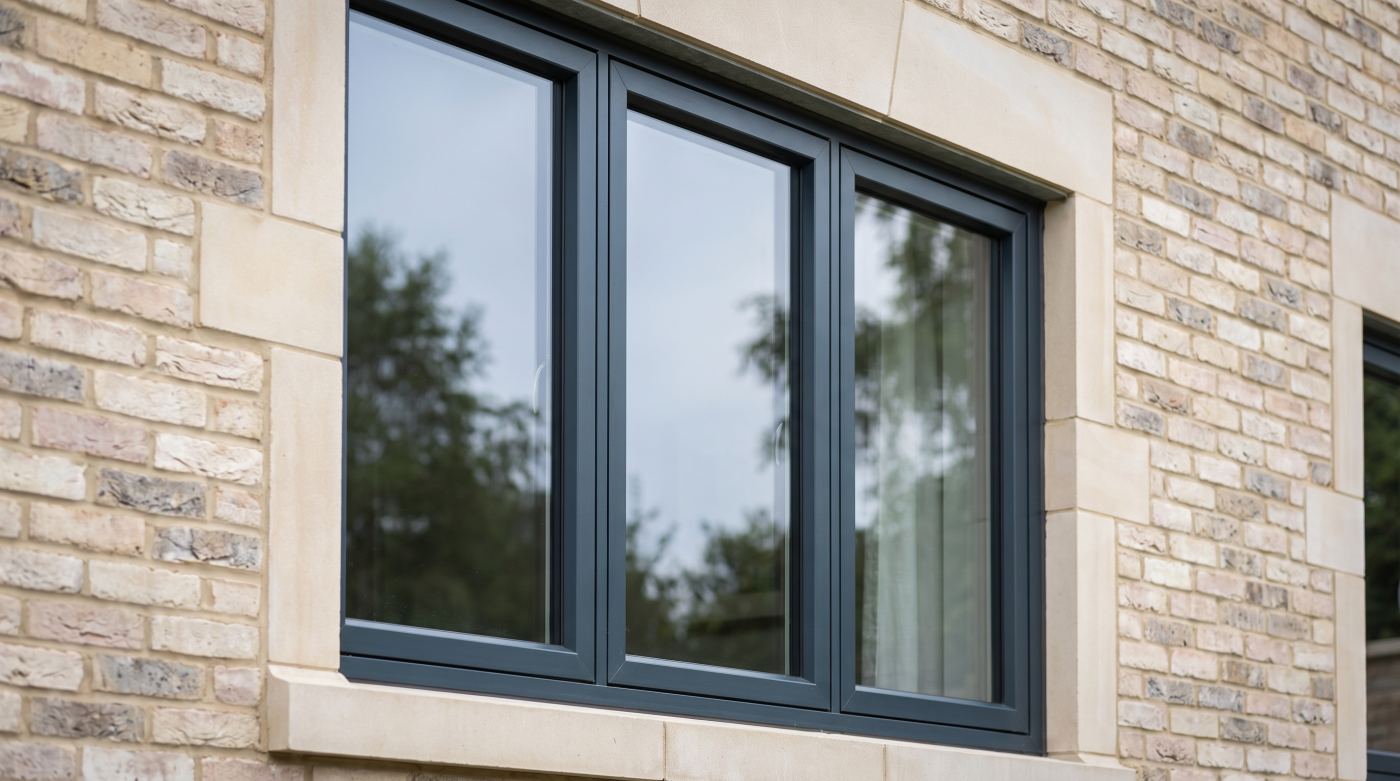
Should You Replace Windows Before Selling or Leave It to the Buyer?
Replacing windows before selling can make sense where it resolves a significant problem, suits the building and fits the sale programme. It is not an automatic way to recover the cost through a higher price. In other circumstances, maintenance, targeted repairs or leaving future improvements to the buyer may be more proportionate.
The decision starts with condition and purpose. Establish what is wrong, what work would achieve and how it relates to the property you intend to market. A well-prepared home does not need every component to be new, but the seller should understand its condition and present it accurately.
What Condition Are Your Existing Windows Actually In?
Assess the windows before deciding what the sale requires. Look at operation, weather resistance, visible deterioration and the condition of the glazing and hardware. A window that appears tired may need maintenance, while one that looks recently decorated may conceal a more substantial problem. Appearance alone is an unreliable basis for planning the whole project.
Describe symptoms precisely. Moisture between the panes of a sealed unit differs from condensation on the room-facing surface. A stiff handle is different from a distorted frame, and water around an opening may involve the surrounding construction. Those distinctions affect the investigation, the likely remedy and whether complete replacement is relevant to the problem.
Where there is doubt, obtain an assessment appropriate to the defect. A building surveyor may consider the relationship with the wider building, while a suitable glazing or joinery specialist can assess particular components. Ask what was inspected, what remains uncertain and whether further investigation is needed before a repair or replacement scope can be justified.
The result should be a clear account of condition, rather than an assumed obligation to modernise. For a seller, that account helps distinguish an unresolved defect from an optional improvement. It also provides a better starting point for discussing the property with the estate agent and deciding whether expenditure before marketing is likely to serve a useful purpose.
Could Maintenance or Targeted Repairs Be Enough?
A proportionate repair can be more useful than a complete replacement where the underlying assembly remains serviceable. Depending on the window and diagnosis, work might involve adjustment, suitable seals, hardware, a replacement glazing unit or specialist joinery repairs. Establish compatibility and condition before ordering parts; the same intervention will not suit every system or type of defect.
For historic windows, the case for retaining sound material deserves particular attention. Historic England’s guidance favours repair and appropriate adaptation of historic joinery. Original proportions, materials and workmanship can contribute to the home buyers are considering. A sale timetable alone is a poor reason to discard fabric that remains repairable.
Maintenance should address a cause rather than disguise it. Painting over unresolved deterioration, sealing an opening without understanding drainage or treating every condensation symptom as a glazing fault can leave problems for the next owner. Ask the appointed specialist to define what the proposed repair will achieve and what it will leave outside the scope.
Retain the report, agreed scope and evidence of completed work. Those records can help explain what has been addressed without suggesting the repair guarantees every aspect of the building. The objective is a sound, accurately described intervention. If a limited repair resolves the actual concern, a more extensive replacement may add cost and disruption without a clear additional benefit.
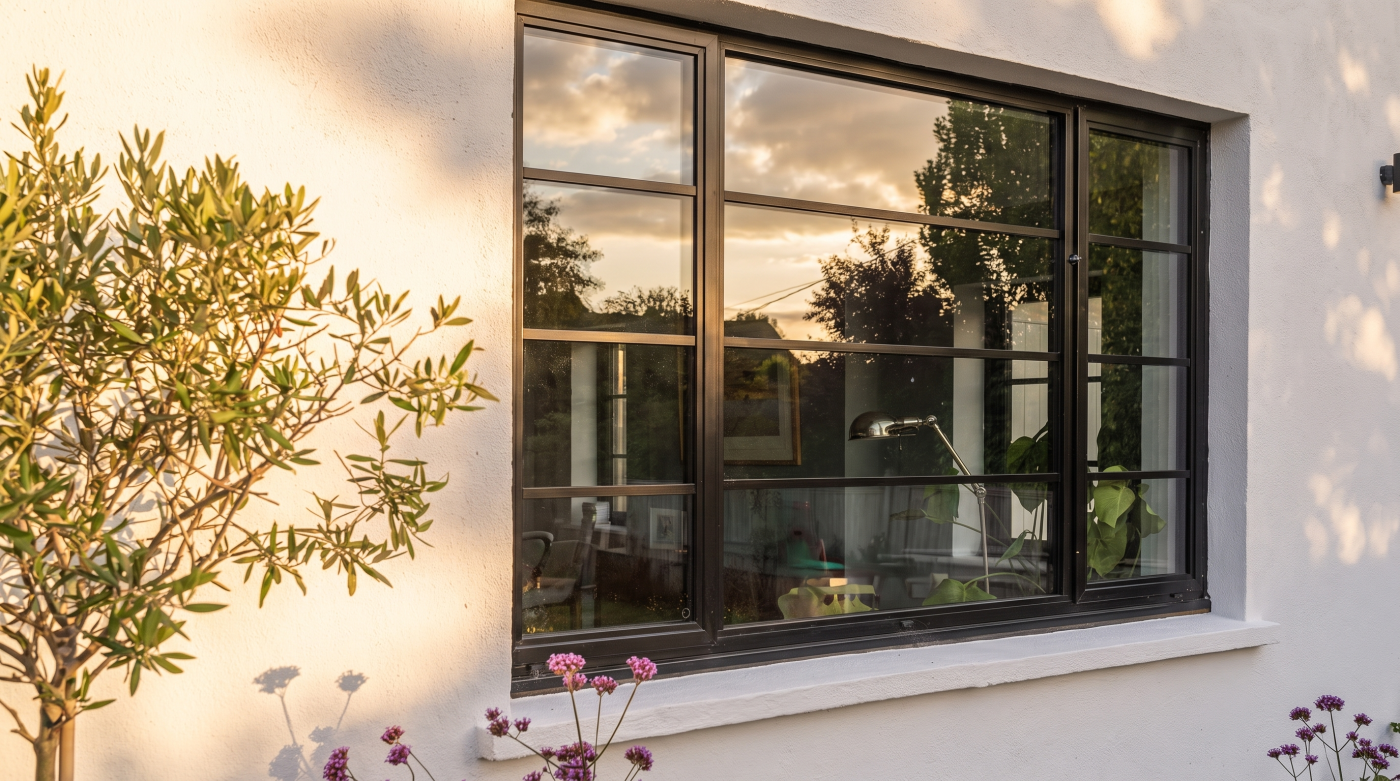
When Is Replacement More Likely to Make Sense?
Replacement deserves closer consideration where assessment identifies extensive failure, significant deterioration or an assembly that cannot be repaired effectively. The justification should follow the findings. A quotation to replace every window is not, on its own, evidence that every window needs replacing. Ask how the scope relates to the condition of the actual openings.
The wider state of the house matters too. Replacing unsuitable windows may complete an otherwise coherent refurbishment, particularly where their appearance or operation is the remaining unresolved element. In a property needing comprehensive renovation, the same expenditure might be overtaken by the buyer’s plans. Consider how the proposed work fits the home as a whole.
If replacement is justified, specification should still begin with the building. Consider proportions, materials, opening functions, ventilation, safety and the junction with the surrounding construction. Choosing solely on the basis of the earliest installation date can leave a technically or architecturally compromised result. The work should be appropriate even though the present owner intends to leave.
Discuss the evidence with the estate agent and relevant professionals before committing. Establish the complete cost, approval route and realistic programme. Where an urgent condition issue exists, address it through appropriate advice rather than treating it simply as a marketing choice. A well-founded replacement decision identifies the problem, the intended outcome and why a less extensive intervention would be insufficient.
Will New Windows Increase the Sale Price Enough to Recover the Cost?
No dependable percentage applies to every window project and house sale. A higher asking price, a higher achieved price, reduced negotiation and a shorter marketing period are different outcomes. None should be assumed from the installation invoice. Buyers respond to the property, its condition, competing homes and their own priorities, rather than reimbursing improvements item by item.
Ask local estate agents how the existing windows affect this particular property in its current market. Seek the reasoning and relevant comparisons, not simply reassurance that improvements add value. Where an independent valuation is appropriate, use a suitably qualified professional. An opinion about likely presentation benefits is different from evidence that the full project cost will be recovered.
Compare any advice with the complete payable cost. Include survey work, permissions, access, installation, making good, decoration and appropriate contingency as well as the frames. Establish VAT treatment and whether quotations cover the same scope. A low headline price that excludes essential finishing work gives an incomplete picture of the financial decision facing the seller.
It can still be reasonable to spend money without expecting an equal price increase, particularly to address a genuine defect or complete necessary work. Make that purpose explicit. The strongest decision is based on the property’s circumstances and your sale priorities, with uncertainty acknowledged, rather than a broad return-on-investment claim borrowed from an unrelated renovation or market.
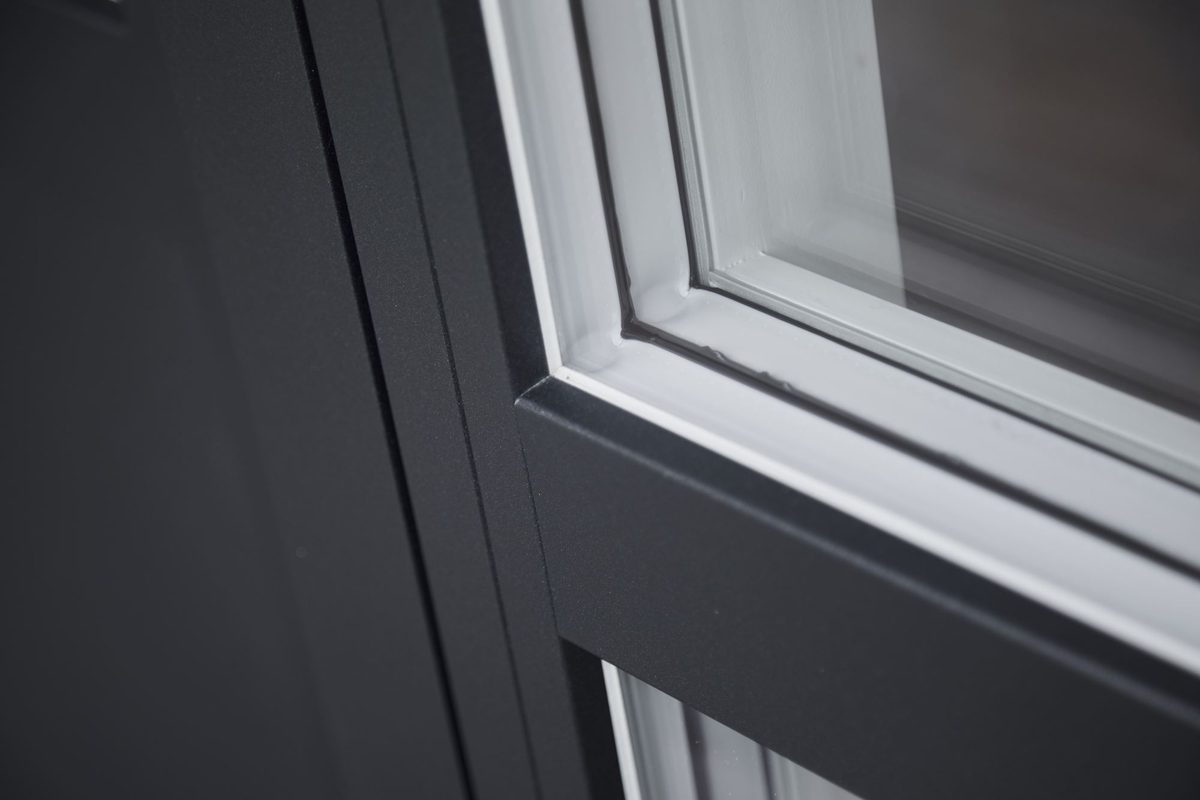
Could Replacement Damage the Character Buyers Value?
Windows help establish a building’s scale and rhythm. Frame depth, glazing bars, meeting rails, opening patterns and the position within the wall all influence the elevation. A replacement can occupy exactly the same opening yet alter that character significantly. Colour matching alone does not establish that the architectural effect will remain consistent.
In Bath’s Georgian terraces or traditional Cotswolds homes, assess the contribution of existing joinery before selecting a replacement. Similar care applies to later houses with a strong original design. The appropriate outcome depends on the building, rather than a rule that newer frames are always more desirable to prospective buyers than older ones.
Necessary permissions also belong in the decision. Alterations affecting the special interest of a listed building may need listed building consent, and other planning controls may apply. Consult the relevant professionals early enough for their advice to shape the proposal. A rushed order can leave the seller managing redesign or approval questions while trying to progress a transaction.
Ask to see the proposed window in drawings that explain its relationship with the elevation and surrounding construction. Where original material is significant and repairable, discuss retention and appropriate improvements first. Good preparation protects the qualities that make the home distinctive. It also avoids spending money on a change whose architectural compromises a knowledgeable buyer may recognise immediately.
Do Energy Performance Improvements Change the Decision?
Suitable glazing improvements can contribute to comfort and the home’s thermal performance, but the result depends on the starting point and wider building. Compare the existing and proposed assemblies accurately. A performance figure for the glass alone does not describe every aspect of the complete window or the quality of its installation within the opening.
Consider ventilation alongside changes to airtightness. A replacement may reduce uncontrolled draughts while requiring a properly coordinated approach to fresh air. RICS recommends considering retrofit measures in the context of the home. The aim is an appropriate improvement, rather than treating one product as a complete answer to condensation, comfort and energy use.
The EPC needs separate consideration. It rates the property through an assessment methodology, so new windows do not guarantee a particular band change or bill reduction. If updated energy information is material to the sale, consult an accredited assessor about the relevant evidence and assessment. GOV.UK explains EPC requirements when selling, subject to applicable exemptions.
Keep marketing claims proportionate to what has been established. Product specifications can support an accurate description of installed glazing, while a property assessment can support statements about the home. Neither establishes a universal sale premium. Energy improvements may influence the decision, but their value should be considered alongside cost, timing and architectural suitability for this particular house.
Is There Enough Time to Complete the Work Properly?
A window project starts before installation and ends after the frames arrive. The programme may include surveys, design decisions, permissions, leasehold consent, manufacture, access arrangements and surrounding repairs. Define the actual stages before fitting the work around photography, viewings or an intended moving date. An installation slot alone does not establish when the whole project will be complete.
Ask how the quotation addresses making good and decoration, and who will deal with unexpected findings when existing frames are removed. Identify dependencies that could affect the programme. Bespoke joinery, specialist glazing or work to a shared building may involve decisions outside the installer’s immediate control. Avoid promising buyers completion on a date that has not been assessed realistically.
Allow for inspection, adjustments, outstanding defects and handover records. Where the work requires building regulations compliance evidence, agree the route before it begins and retain the resulting documents. GOV.UK explains the role of competent person certification for eligible work. Other project scopes may need a different building control route established with the responsible professionals.
Compare a fully completed project with the practical consequences of marketing while work remains unresolved. Access equipment, unfinished reveals or uncertain records can complicate presentation and enquiries. If the sale timetable cannot accommodate a suitable process, discuss repair or deferral with the advisers involved. The point is to choose a realistic scope, rather than compress essential decisions simply because a sale is approaching.
When Is It Better to Leave the Choice to the Buyer?
Leaving replacement to the buyer can be reasonable where the windows remain serviceable, identified defects can be repaired or the home is likely to undergo wider renovation. A future owner may want to coordinate glazing with a different room layout, extension or energy strategy. Installing a specification they would remove shortly afterwards may be difficult to justify.
Deferral should still be based on an accurate understanding of condition. Obtain advice on unresolved problems and discuss the appropriate information with the estate agent and conveyancer. If a cost allowance is proposed during negotiation, establish its basis rather than assuming that the cheapest quotation represents the complete work the buyer will need or choose to undertake.
Keep the records available, including existing approvals, reports and evidence of repairs. A missing certificate is a separate issue from whether new windows would improve presentation, and it deserves its own investigation. Avoid describing windows as fully compliant or recently restored unless the documents and scope support those statements. Clear information gives advisers a firmer basis for the transaction.
For homeowners across Bath, Bristol, Wiltshire, Somerset and the Cotswolds, CBP’s architectural glazing and specification approach begins with the building and intended outcome. Before a sale, that may support targeted repairs, a justified replacement or a future specification left to the buyer. The appropriate choice is the intervention that resolves the actual need and fits the property, budget and available time.