
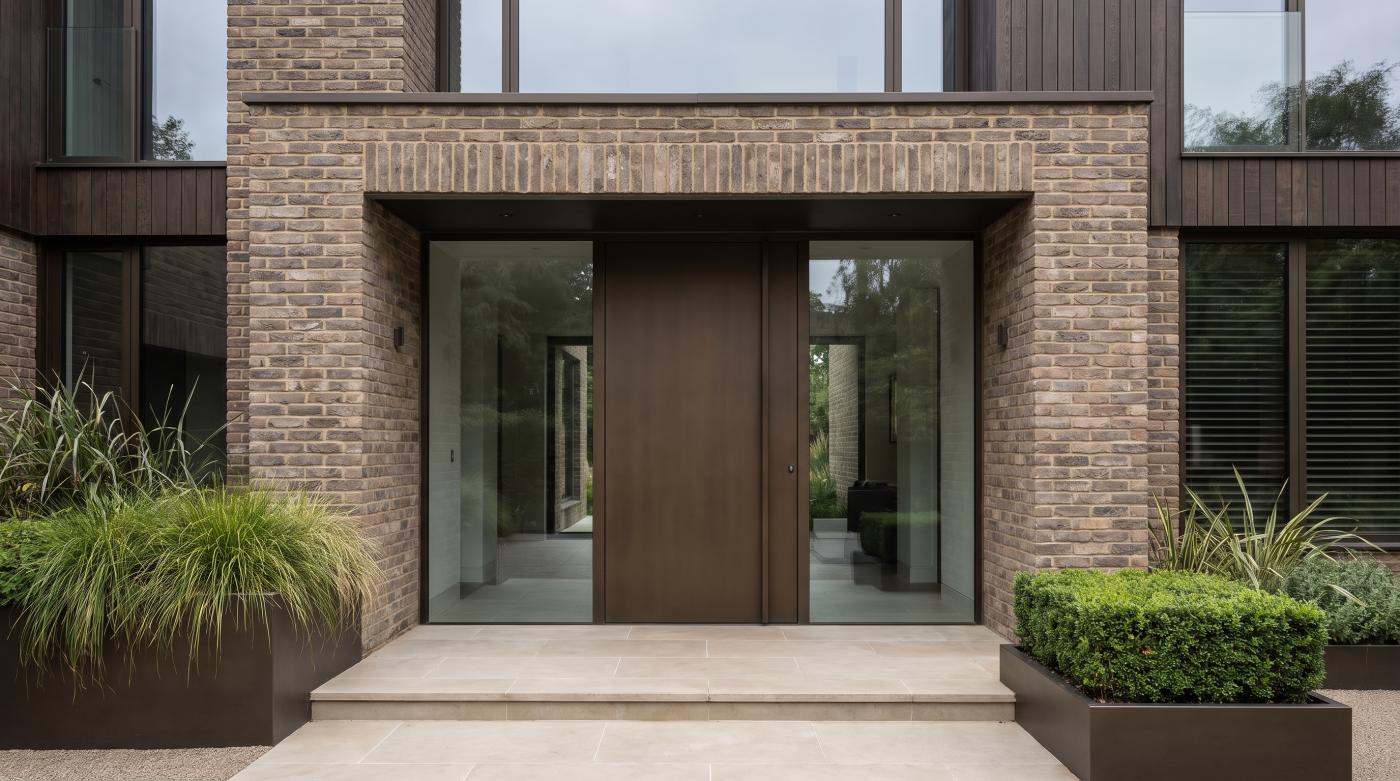
Can a New Front Door Really Help a House Sell Faster?
A well-considered front door can improve the presentation of a home, particularly where the existing entrance looks neglected or works poorly. That does not establish that replacing it will shorten the sale. Asking price, location, market conditions and the wider property remain part of the buyer’s decision.
Before committing to replacement, assess what the entrance needs. Repair, appropriate decoration or attention to the surrounding approach may be enough. The useful question is whether a particular intervention will address a real weakness, suit the architecture and fit the sale programme. This guide considers house entrances, with permissions discussed in an England-focused context.
What Does the Front Door Contribute to a Buyer’s First Impression?
The entrance is part of the first close encounter with a property. Buyers may see it in listing photographs, approach it from the street and then pause at the threshold during a viewing. Its proportions, condition and relationship with the surrounding façade all contribute to that experience, alongside the path, steps, lighting and planting.
A coherent entrance can make the building easier to understand. A panelled door beneath an existing fanlight, for example, has a relationship with the opening above and the windows alongside it. Replacing only the central leaf without considering those relationships can change the composition even when the new colour looks attractive in isolation.
Operation matters as well. A door that closes smoothly and meets its frame properly creates a different experience from one that catches or needs force. Those observations may justify an assessment, but they do not identify the remedy by themselves. Adjustment, hardware work or a more substantial repair may address the issue.
View the entrance as a complete arrival sequence before selecting a product. Photograph it from the buyer’s likely approach and consider what actually looks unresolved. The result may point towards a replacement, or towards a smaller intervention elsewhere. Either way, the decision begins with the property as it will be experienced during the sale.
Does Better Kerb Appeal Actually Mean a Faster Sale?
Presentation and sale speed are related questions, but they are not interchangeable measures. More attractive photographs might encourage interest, while a viewing may still be governed by layout, location or price. A buyer’s preference for an entrance style does not establish how much sooner the property will receive an acceptable offer or complete its transaction.
Ask what any quoted research actually measured. A preference survey, an estate agent’s opinion and a study of completed sales provide different kinds of evidence. A statement that buyers notice front doors is not enough to calculate a number of days saved. Treat specific promises about faster sales or recovered expenditure as claims requiring relevant support.
The government’s home-selling guide places preparation within a wider process involving marketing, offers and legal work. A front-door project addresses only part of that process. Even an appropriate improvement cannot control a buyer’s mortgage arrangements, the chain or the enquiries that arise after an offer has been accepted.
Use the estate agent’s knowledge of this property and its competition to establish whether the entrance is a meaningful concern. Ask for the reasoning behind the advice. The aim is to identify a sensible preparation decision, with its uncertainty understood, rather than converting a possible presentation benefit into a guaranteed timetable for selling the home.
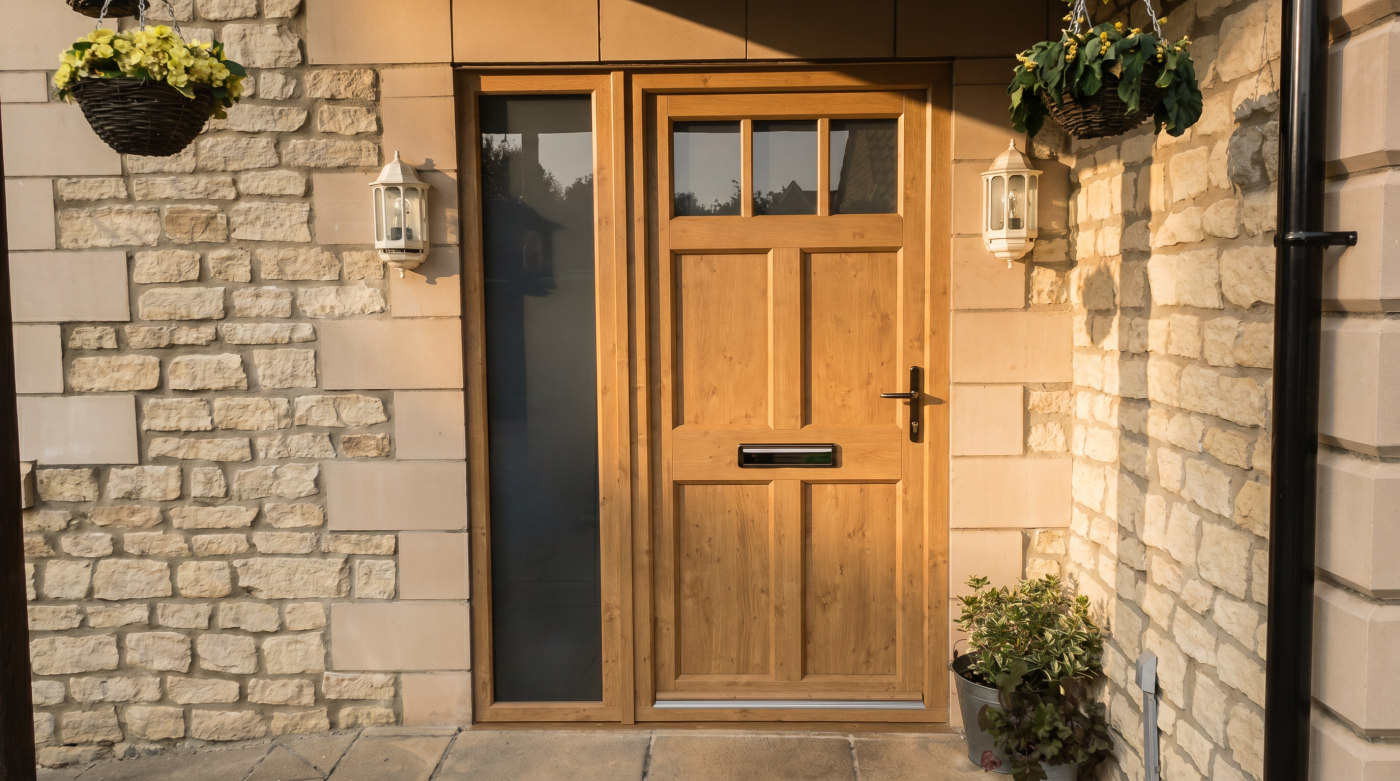
When Could the Existing Door Be Putting Buyers Off?
Visible deterioration or awkward operation can make the entrance feel like unfinished work. Peeling decoration, damaged panels, cracked glazing or a threshold showing water damage may each deserve attention. The important step is to identify what is wrong and how far it extends, rather than grouping every symptom under a general need for modernisation.
A door that sticks may need adjustment, or there may be a wider issue involving the frame or surrounding opening. Draughts can involve seals and junctions as well as the leaf. Ask an appropriate specialist to assess the cause, especially where a proposed remedy would remove sound material or alter the existing opening.
Keep observations separate from performance claims. A substantial-looking door does not establish its tested security performance, and a glazed panel does not establish its thermal behaviour. If these features matter to the replacement brief, request evidence relevant to the complete proposed assembly. Appearance alone is a weak basis for making technical claims in sales particulars.
A useful assessment explains the condition, proportionate options and any remaining uncertainty. Share relevant findings with the advisers involved in the sale and describe completed work accurately. Addressing an identified defect may improve the viewing experience and reduce an unresolved concern, but the assessment should determine whether that means repair, replacement or investigation beyond the door itself.
Could Repair or Redecoration Be Enough?
A sound door with tired decoration may need a considered maintenance project rather than removal. Depending on the construction and diagnosis, appropriate work could include preparation and refinishing, suitable hardware repairs, adjustment or specialist joinery work. Establish the condition first so the finish does not simply cover deterioration that should have been addressed underneath.
Historic entrances deserve particular care. Historic England recommends examining whether an existing historic door can be repaired. Its material, panel proportions and workmanship may contribute to the character of the house. In a Georgian Bath terrace, retaining a significant door can be an architectural advantage when the alternative would change the entrance’s established relationships.
The surrounding approach can also explain why an entrance feels neglected. Cleaning suitable surfaces, resolving an identified drainage problem or finishing an incomplete reveal may be more relevant than buying a new leaf. Consider lighting and hardware within the whole composition, with appropriate advice where historic fabric or electrical work is involved.
Ask for a defined scope and retain evidence of what has been done. Redecoration should not be described as restoration of every component, and a hardware repair does not prove a broader security standard. A proportionate intervention can give the entrance a coherent, maintained appearance while preserving the parts of the building that remain serviceable and architecturally valuable.
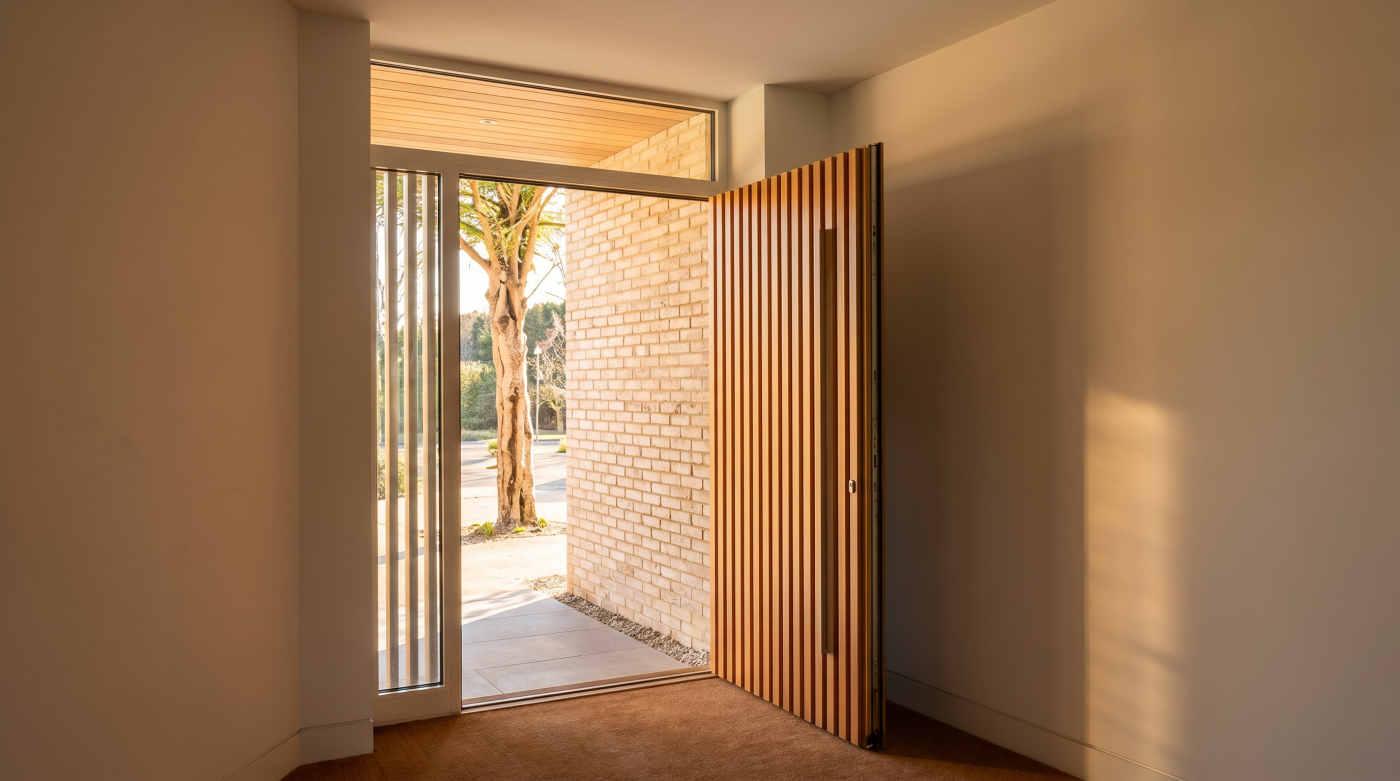
What Makes a Replacement Door Right for the House?
If replacement is justified, begin with the opening and the architecture. Consider the door’s proportions, panel arrangement, glazing, sidelights and fanlight alongside the depth and finish of the frame. These details influence the entrance as a whole. Choosing a colour before resolving them can leave the most significant design questions unanswered.
Function should be part of the same brief. Think about everyday operation, clear opening space, threshold arrangements and the way the door meets the surrounding construction. A useful specification explains those requirements rather than treating the leaf as an isolated object. Any proposed alteration to the opening also needs its appropriate technical and approval route considered.
Ask for evidence that relates to the actual assembly where thermal, security or acoustic performance is important. Similar-looking doors can have different glazing, hardware and installation requirements. The Energy Saving Trust’s windows and doors guidance provides general performance context, but the proposed product and its installation details need their own relevant information.
For a house being sold, avoid assuming that the most elaborate option is the most appropriate. A coherent entrance should make sense within the building’s scale, materials and condition. Develop the specification with the relevant professional team, then compare complete proposals against that brief. Architectural fit is a more useful criterion than an unsupported prediction about which style every buyer will prefer.
Will the Sale Benefit Justify the Complete Cost?
Begin with a complete payable price for the work being considered. The frame and leaf may be only part of the expenditure. Survey work, access, removal, threshold details, surrounding repairs, decoration and any necessary approvals can affect the total. Establish exclusions and the treatment of variations before comparing the project with a smaller maintenance option.
Then identify the outcome the expenditure is intended to achieve. Resolving a defective entrance, improving photographs and increasing the achieved sale price are different objectives. A project might be justified by one without delivering all three. Keep that distinction visible when discussing the proposal with the estate agent and deciding how much work to commission.
Seek property-specific market advice and ask what supports it. If the house needs comprehensive renovation, a new door alone may have a different role from completing an otherwise finished refurbishment. The RICS home-improvements guide explains the value of appropriate professional input when considering work. A generic uplift percentage cannot settle this property’s decision.
It may be reasonable to address a genuine problem without expecting the sale price to reimburse the full invoice. Make that purpose explicit and consider the available alternatives. The useful comparison is between justified scopes and their complete costs, with uncertainty about the sale acknowledged, rather than an assumption that a highly visible improvement automatically produces an equal financial return.
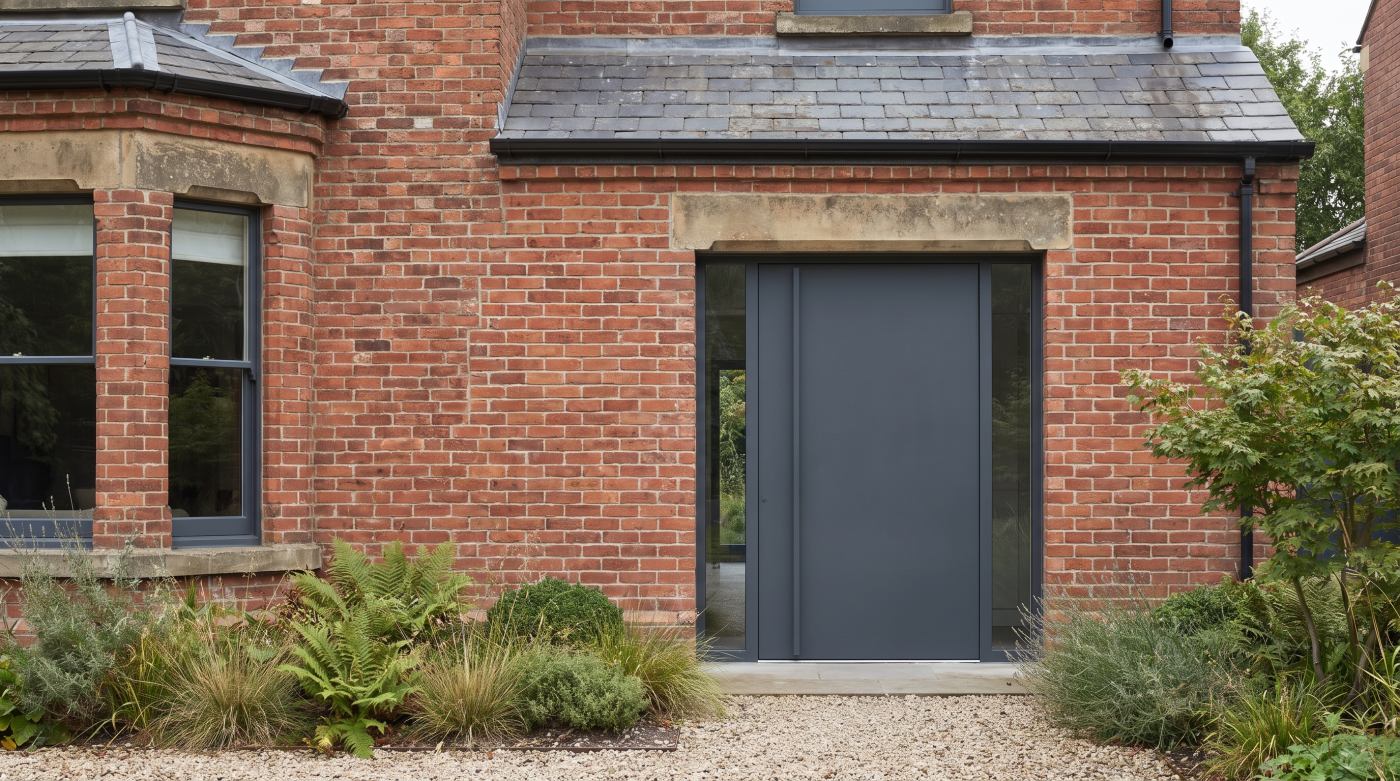
Can the Work Be Completed Before Marketing?
The programme begins with assessment and specification, not the installation appointment. Allow for decisions about the frame, glazing, hardware and finishing work, followed by the actual survey and manufacture arrangements. Establish which stages depend on other people or approvals before fitting the project around photography, viewings or an intended date for putting the house on the market.
Check permissions early where the building or proposal requires them. A historic door in a listed building needs its significance considered before alteration, and other planning controls may be relevant. Historic England’s guidance on altering doors reinforces the importance of appropriate advice and necessary permissions. The correct route should inform the specification before an order is placed.
Discuss how removal, temporary weather protection and making good will be handled. A fitted door with unfinished surrounds may still leave work to explain during viewings. Ask who will resolve adjustments, complete decoration and provide the relevant records. An installation date gives only part of the information needed to judge when the entrance will be ready.
If the sale timetable is tight, compare a realistic repair scope with a fully completed replacement project. Avoid committing to bespoke manufacture on the assumption that every other stage will fit around it. A smaller intervention can be preferable where it addresses the actual need and can be finished properly, with the condition and work described accurately to prospective buyers.
When Is It Better to Leave the Door for the Buyer?
Leaving the entrance unchanged can be reasonable where the existing door is serviceable and architecturally appropriate. The same may apply where a buyer is likely to undertake wider renovation or redesign the approach. Replacing it now could commit the seller to a specification that the next owner would choose to alter as part of another project.
Deferral should follow an informed assessment. If a problem has been identified, establish its nature and discuss the relevant information with the estate agent and conveyancer. A decision to leave an optional improvement is different from overlooking an unresolved defect. Keep reports and repair records available so advisers can explain the position on an accurate basis.
Consider the whole house and the practical sale priorities. A modest maintenance project may provide a well-presented entrance while preserving the buyer’s freedom to make later choices. Where replacement is justified, its design should still belong to the building. Neither a new door nor a retained one should be treated as a universal formula for a successful sale.
For homeowners across Bath, Bristol, Wiltshire, Somerset and the Cotswolds, CBP’s architectural glazing and specification approach starts with that relationship between building and purpose. The appropriate recommendation may be repair, replacement or retention. A credible decision explains what the entrance needs and how the proposed work addresses it, without promising a selling time that the project cannot control.