

Will New Windows Damage My Plaster and Decor?
Replacing windows can disturb adjoining plaster, paint, wallpaper or fittings, but extensive damage is not inevitable. The likely effect depends on the existing construction and condition, removal method and proposed frame detail. A useful discussion identifies what may be affected and how protection, repairs and finishing will be handled before the work begins.
Separate a planned alteration to the surround from an unexpected concern, and distinguish making good from final decoration. The phrase leave it tidy does not define all three. This guide explains how to assess the opening and agree a realistic scope, with heritage and regulatory discussion focused on England. It does not determine liability for an individual project or assume a particular installer includes plastering and decorating.
Understand What Can Be Disturbed Around an Opening
A window meets several parts of a room rather than only the external wall. Plaster reveals, paint, wallpaper, internal boards, trims and nearby fittings can all be relevant. Some finishes may run behind or meet closely against the old frame. Removing that frame can expose an edge or connection that looked complete before work, so the assessment should include the surround as well as the manufactured assembly.
The extent varies with the actual intervention. A replacement within the existing structural opening differs from enlarging the aperture or changing the surrounding construction. Even a nominally similar window may require attention at its junctions. Establish what is being removed and retained, rather than assume that every installation has the same decorative consequences or that a frame fitting the opening guarantees untouched finishes.
Look beyond the most visible surface. Earlier patches, layered wall coverings and concealed joints can influence what becomes apparent during removal. This is a reason to discuss uncertainty, not a basis for declaring every disturbance unavoidable. The installation method and care still matter. A responsible proposal explains the expected work and how unexpected conditions will be assessed before a wider repair is agreed.
Keep the concern specific. A small exposed paint edge, loose plaster and a damaged shutter are different findings with different implications. Describe where the issue is and what has changed. That gives the homeowner and relevant trades a clearer starting point than a general verdict that the installation has damaged the decor, without assuming either a trivial remedy or wholesale redecoration before the opening has been assessed.
Record the Existing Condition Before Work
Record visible condition during the survey and preparation stage. Note cracks, loose finishes, earlier repairs and particularly sensitive features around each opening. Ordinary photographs can provide useful context when they show both the overall room and relevant details. They do not establish concealed soundness or settle every later disagreement, but they help the project team understand the starting point and the areas requiring attention.
Raise concerns before removal if something already looks unstable or unusual. The relevant professional can explain what needs further assessment and what cannot be established without appropriate investigation. Avoid testing the surface yourself by pulling trims or opening cracks. The aim is to make condition visible in the brief while leaving examination and any necessary disturbance to those responsible for the actual work.
Explain the existing decoration as well. A recently papered wall, a textured finish or paint whose product reference is unknown can affect later matching. Keep available samples and records, while recognising that the installed finish may have changed through age and use. The condition record should describe these practical limitations without promising that a stored paint tin or wallpaper offcut guarantees an invisible repair.
Ask for uncertainty to remain explicit. A survey may identify visible concerns while some connections remain hidden until the old frame is removed. Agree how a finding will be documented and discussed if it changes the work. That creates a workable process rather than a false choice between assuming everything is sound and accepting an undefined allowance for whatever damage might subsequently appear around the opening.
Check How the New Frame Changes the Surround
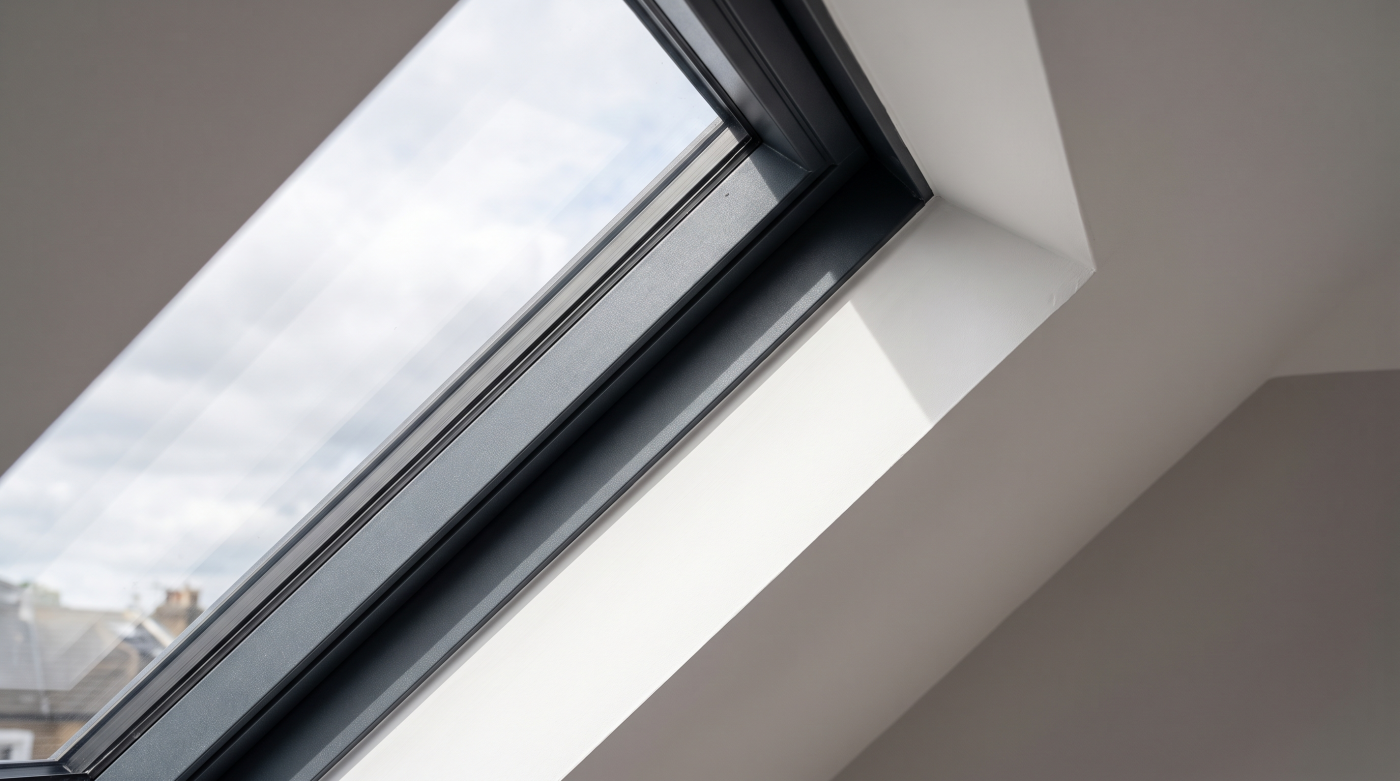
Review the new window in section as well as elevation. Frame depth, internal position and visible dimensions can alter how it meets the reveal, sill or lining. A replacement described as the same size may still have different junctions. Ask the designer or installer to show the proposed relationship so necessary finishing work is identified before manufacture rather than treated as a surprise at fitting.
VELFAC’s replacement guidance identifies frame depth and opening preparation among the matters needing assessment. This is a useful example of why actual systems and building details matter. It should not be turned into a claim that all modern frames are thicker, every opening needs identical preparation or a particular manufacturer’s installation arrangements apply to every replacement project.
Include existing fittings in the drawing review. Internal boards, shutters, blinds or fitted furniture may meet the old frame closely. A changed frame position can affect both appearance and operation. Confirm what will be retained, altered or replaced, and who handles that work. Matching the external appearance alone does not establish that the interior can be completed without a change to its surrounding details.
Separate planned adaptation from accidental damage. If the agreed design requires a reveal or board to be altered, that belongs in the defined scope and programme. An unexpected break or newly exposed defect needs its own assessment. Clear drawings and descriptions make this distinction easier to discuss, avoiding a situation where necessary work is omitted from the quotation or every later concern is dismissed as part of fitting.
Agree Protection, Removal and Making Good
Discuss the removal and protection arrangements with the responsible team. Identify the surfaces and retained features that need particular care, along with the access required for the work. Protection should suit the actual materials and method. A general promise to use dust sheets cannot describe how a fragile finish or closely fitted joinery will be treated when the frame is removed from beside it.
Define which adjoining tasks are included. VELFAC’s preparation checklist encourages clarification of opening preparation, surrounding repairs and waste arrangements. Use those questions to review your own package. They do not establish an industry-wide promise that plastering, decorating, accessory work or every concealed repair forms part of every window-installation price.
Describe the expected finish after making good. Local plaster repair, reinstated trims and a surface ready for a decorator are different outcomes. Ask who performs each task and what exclusions remain. This is especially useful where the glazing installer and builder have separate scopes, because an undefined boundary can leave the homeowner with a completed frame but no agreed responsibility for the surrounding work.
Agree the procedure for additional work as well as the known scope. A newly exposed condition may require advice, a different material or another trade. The homeowner needs an explanation of the proposed remedy and its implications before accepting a variation. Protection and careful planning reduce avoidable problems, while a clear change process keeps uncertainty manageable without offering an unrealistic guarantee that no disturbance can occur.
Give Historic Plaster and Joinery Their Own Assessment
Older interiors can contain finishes and fittings whose significance extends beyond their appearance. Plaster, panelling, shutters, boards and mouldings may contribute to the character of the opening and room. Identify these before settling the intervention. A new window proposal should not treat every surrounding feature as ordinary making good simply because it can be covered or replicated in a different material after removal.
Historic England’s window-care guidance explains why removing built-in frames can affect surrounding fabric and why proportionate repair deserves consideration. Use that principle within an assessment of the actual building. It does not mean every historic window or finish has identical significance, nor that one intervention can be assumed acceptable because it has been used on another property.
Confirm suitable advice and relevant permissions before work affecting significant fabric begins. Listed building consent, planning and other project responsibilities are separate questions where applicable. The effect on the interior should be included in the proposal rather than assessed only after an external window design is chosen. A less visible location or apparently reversible treatment does not independently settle the permission or conservation decision.
Compatible repair materials and methods need appropriate judgment. Do not apply a generic modern plaster or finishing recipe to every traditional wall. The relevant adviser should explain what can be retained, what needs repair and how the new connection is resolved. This allows the homeowner to compare feasible options while protecting important fabric, instead of accepting avoidable removal because a standard decorative finish appears simpler to specify.
Distinguish Repairs From Final Decoration
Making good needs a description. It may involve repairing the substrate or restoring an agreed edge, while final decoration can require preparation, paint or wallpaper work afterwards. These tasks need not be completed by the same trade or on the fitting day. Clarify the intended milestone so the homeowner knows whether the room is finished or ready for another stage.
Discuss the extent of decoration separately from the extent of physical repair. A local repair may need a wider painted area to achieve an acceptable visual result, while another opening may require very little decorative attention. Colour, sheen and texture can affect the decision. Do not assume that repairing a small patch guarantees a perfect touch-up, or that any disturbance necessarily means repainting the whole room.
Timing follows the actual materials and conditions. The decorator or responsible trade should confirm when repaired surfaces are suitable for the intended finish, using the relevant product instructions. A fixed waiting period borrowed from another job cannot establish readiness here. Coordinate the programme so a planned follow-up visit reflects the work actually completed rather than an assumption that every material is ready as soon as the frame is installed.
Record who completes the agreed surfaces and what remains outside the package. If the homeowner appoints a separate decorator, provide the relevant information about repairs and window care. This keeps the finished appearance coordinated without implying a universal contractual entitlement or determining responsibility for a particular incident. The practical aim is an understood scope and sequence, with any unresolved concern addressed before it is concealed by decoration.
Respond Clearly When Unexpected Disturbance Appears
Raise a concern promptly with the named contact and describe the location and change. Useful photographs can show its relationship with the opening and surrounding finish. Keep the account factual rather than assign a cause before assessment. A new crack, detached patch or damaged fitting deserves an explanation of what has happened and which next step the responsible parties propose.
Agree how the area will be protected while the concern is reviewed. Avoid speculative removal or covering over a problem simply to complete decoration on the original date. The appropriate inspection should be proportionate, with necessary access and making good discussed. The homeowner should understand what information is still needed and how that affects use of the room or the next scheduled trade.
Ask for a clear proposed remedy. It should identify the relevant repair, material, finishing extent and responsible party, including any reason another specialist is needed. A broad assurance that someone will sort it out leaves too much unresolved. Equally, the observation alone cannot determine that whole-window replacement or complete room refurbishment is the correct response without considering the actual cause and feasible scope.
Keep agreed changes and follow-up dates with the original records. Where responsibility is disputed, the contract and circumstances need appropriate consideration; this general guide cannot decide that outcome. Clear documentation remains useful because it distinguishes observations, investigation and agreed work. It helps the project move towards a reviewable result rather than leaving a visual concern to be passed indefinitely between the installer, builder and decorator.
Review the Finished Opening Against the Agreed Scope
Review the opening and its surrounds against the drawings, condition record and written scope. Identify which tasks were included in installation, making good and decoration. A completed frame can still have outstanding finishing work, while an attractive painted reveal does not independently establish every concealed installation detail. Keep the visual review and relevant operating or technical checks connected without treating either as proof of everything else.
Look at the agreed surfaces in their room context. Discuss any remaining concerns about edges, texture, matching or retained fittings with the responsible trade. A defined finish is easier to assess than a vague expectation of looking new. Where more work is agreed, record its extent and any preparation or timing needed rather than assume an unspecified future touch-up will resolve all outstanding items.
Retain repair and finish information alongside window care instructions. Later changes in moisture, movement or room use may need investigation rather than repeated cosmetic treatment. Ask who to contact if a concern develops and what records they need. Written warranty and support arrangements can vary, so a general installation assurance should not be read as identical cover for every decorative material and adjoining repair.
CBP’s architectural glazing and specification role can support early coordination with homeowners, architects and builders across Bath, Wiltshire, Somerset, Bristol and the Cotswolds. The best preparation for plaster and decor is an understood opening, a careful method and a complete finishing brief. Local disturbance can be managed more clearly when expectations, significant features and responsibilities are discussed before removal rather than after the room is expected to be complete.