
What Happens If It Rains During a Window Install?
Rain during window installation can lead to a changed sequence, a pause or a postponed visit. It does not produce one automatic answer for every house. The contractor needs to consider the actual conditions, the exposure of the opening, safe access, available protection and the requirements of the materials being used.
For a homeowner, the most useful preparation is to understand how those decisions will be made. A window still awaiting removal presents a different situation from an exposed opening or a fitted frame awaiting permanent weathering. Agreeing protection, communication and end-of-day arrangements beforehand makes a change in the forecast easier to manage, whether the project is a Somerset renovation or a replacement programme in Bath.
Assess the Conditions Before Removing a Window
Before removal begins, the contractor should assess whether the planned work can be undertaken appropriately in the conditions expected on site. A forecast provides useful context, but actual exposure matters too. Wind direction, shelter, the height of an opening and the work proposed can change the decision. A general description such as light rain does not settle every installation question.
Ask when the team will review the forecast and who will contact you if the programme changes. Some decisions can be made ahead of arrival; others require a site assessment. It helps to know whether the appointment is confirmed, subject to a morning review or already being rearranged. That clarity lets the household plan around the work without guessing.
The same property may contain openings with quite different exposure. A sheltered ground-floor window and an upper-floor window facing the weather may need different decisions. The contractor might alter the sequence where the project allows, or postpone the relevant stage. That possibility should be discussed as a contingency rather than treated as a promise that some work can always continue.
Keep the decision with those responsible for organising and carrying out the work. Homeowners can explain access restrictions, room needs and availability, but should not have to judge whether the proposed installation method is suitable. The useful question is what the team has decided, why it affects the day’s programme and when the next update will be provided.
Understand What Changes When an Opening Is Exposed
An existing window still in place provides a different starting point from one that has already been removed. Once removal is underway, the team has to manage the condition reached, including any temporary measures needed. Asking what happens if weather changes during that stage is sensible preparation. It should be part of the working plan rather than a last-minute household responsibility.
A newly positioned frame is another intermediate stage. It may still require parts of its perimeter connection, external weathering or adjoining construction to be completed. From inside the room, the window can look substantially finished while some relevant work remains outside or behind later finishes. Ask the installer to explain the stage reached in terms you can relate to the opening.
Permanent rain resistance includes the connection to the wall. In England, Approved Document C provides moisture-resistance guidance relevant to window junctions. That is a reason to distinguish completed weathering from the simple presence of glass and a frame. It does not provide a universal temporary-protection arrangement for every opening during construction.
For the household, focus on the practical implications of the current stage. Establish which rooms remain usable, what areas need to stay clear and whether access arrangements have changed. Avoid moving protection or reinstating curtains because the main frame appears to be in position. Let the team confirm when the area can return to its agreed use.

Agree Who Provides Temporary Weather Protection
Temporary protection should be discussed before the old windows are removed. Ask what is planned for exposed openings, nearby furnishings, floors and materials, and who supplies and manages it. The appropriate measures depend on the work and conditions. A general promise to bring covers is less useful than an explanation of what the team expects those covers to protect.
Protection of delivered windows is a related but separate question. The VELFAC delivery and installation checklist prompts customers to clarify weather protection while products remain on pallets and responsibility between delivery and fitting. It illustrates why storage arrangements belong in the conversation, particularly if a weather delay extends the period before installation can take place.
Inside the house, agree what the homeowner should move and what the contractor will cover. Think about the actual route to the opening as well as the immediate work area. A sofa moved away from the window may still obstruct a handling route. Where an item cannot reasonably be moved, raise that early so the team can explain the proposed arrangement.
Temporary measures have limits and need appropriate supervision. Do not assume that a protective sheet makes an exposed room suitable for normal occupation or that it offers the same security as a completed window. Homeowners should not improvise external coverings, work from ladders or adjust the team’s temporary arrangements. Ask the responsible contact to deal with any concern about their condition.
Check Whether Sealing Materials Can Be Applied
Materials used around a window have application requirements as well as performance characteristics once installed. A product described as weather-resistant is not automatically suitable for application to any wet surface. The contractor needs to follow the instructions for the actual sealant, tape, membrane or adhesive, including substrate condition and compatibility. There is no single rule covering every installation system.
A narrow example is Soudal’s Silirub 2S technical data sheet, which requires a rigid, clean, dry surface and identifies compatibility limitations. The same document says the product is unsuitable for natural stone. This illustrates the importance of reading the relevant instructions; it is not a recommendation to use that product around a particular window or stone surround.
Different stages may therefore need separate decisions. The contractor might explain that one part can proceed while another must wait for suitable conditions, provided the opening can be appropriately protected in between. Ask what remains incomplete and how it will be finished. An unfinished permanent seal should be understood and recorded rather than lost in a broad statement that fitting is done.
Drying, skin formation and curing also mean different things, with conditions and product instructions affecting the process. Avoid relying on a universal number of hours after rain or assuming that a surface is ready because it looks dry from the room. The homeowner’s role is to obtain a clear explanation of readiness and completion, leaving material assessment and application to the responsible team.
Allow for Wind, Access and Safe Handling
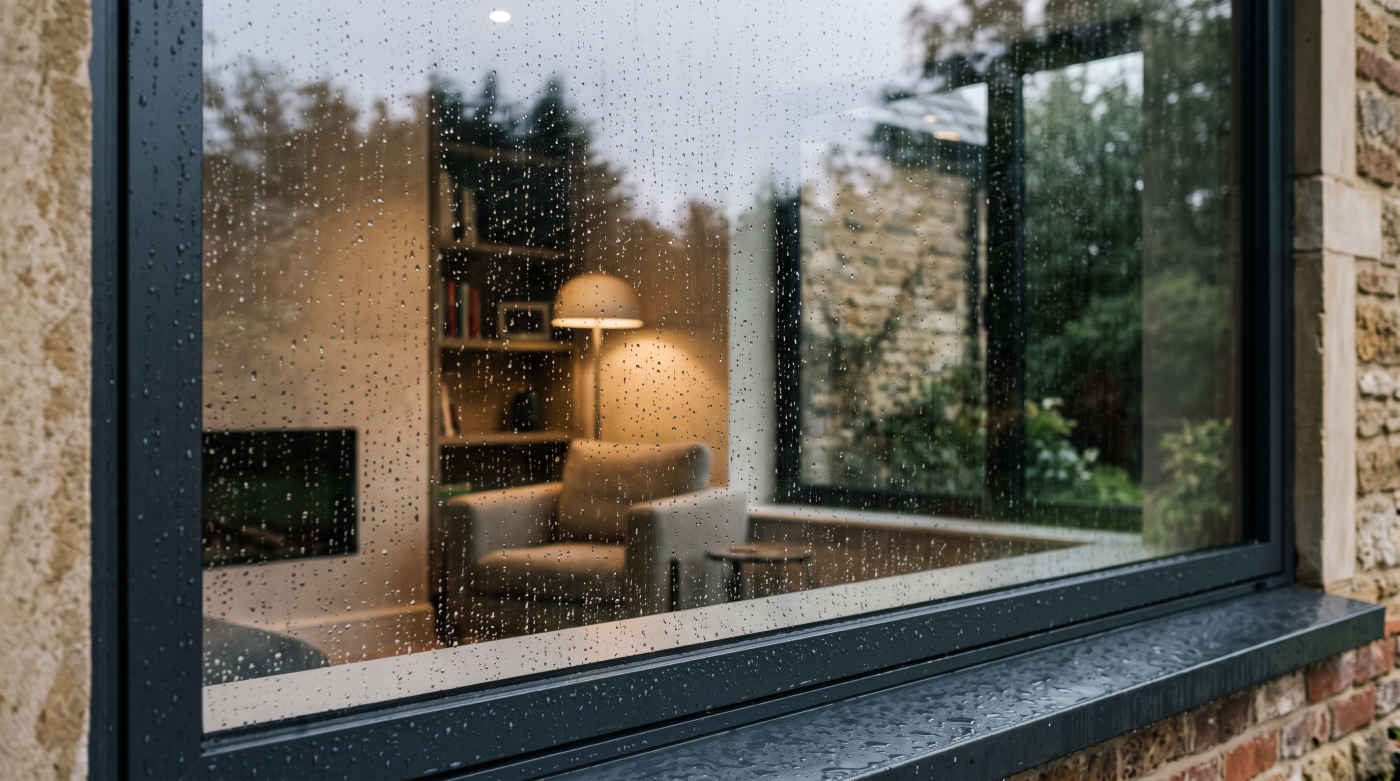
Rain is only one part of the weather assessment. The team also has to consider access, working surfaces, equipment and the handling of glazing. Conditions that appear manageable from inside the house may create difficulties at the actual working position. The decision should reflect the task and site rather than a general belief that window fitting can continue in any season.
HSE’s guidance on working at height explains that those responsible must plan the work and select suitable equipment, taking account of working conditions such as weather. It does not give homeowners a universal wind or rainfall threshold for window installation. The people controlling the work need to apply the appropriate assessment to the proposed activity.
This can affect the programme even where protection for the opening is available. Safe access to an external junction or safe handling of a large unit may remain unresolved. A homeowner should not feel required to help lift glazing, hold an improvised cover or make an access arrangement work. If the team changes its method or sequence, ask how that affects the household.
On a Bristol terrace, for example, access constraints may be central to the day’s decision; at an exposed Wiltshire property, the working position may raise different questions. Neither location supplies the answer by itself. Clear communication should explain the actual constraint, the revised plan and any arrangements needed before work resumes, without asking the homeowner to direct the contractor’s safety decisions.
Confirm What Happens If Work Pauses or Runs Overnight
If work needs to stop, ask what condition the affected openings and rooms will be left in. The answer should address weather protection, security, access and any functions that need to remain available. Do not assume that every window will be fully finished by evening or that temporary boarding is automatically suitable for every overnight situation. Confirm the actual arrangements.
A pause may affect only one task, or it may change the wider installation programme. Establish which rooms are available, which areas remain out of use and whether the household’s essential routes or facilities are affected. A family staying at home needs that information before the team leaves. It is more useful than a general reassurance that everything will be fine.
Ask who can be contacted if temporary protection changes condition or a concern arises after the normal working day. Record the agreed contact route and what response arrangements have actually been offered. A contact number alone is not evidence of a continuous emergency service. Clarify any limitations while the responsible team is still available to explain the plan and the next steps.
Where the proposed arrangement does not meet the household’s needs, raise that promptly so alternatives can be considered. Selected time away or temporary accommodation may be appropriate for a particular stage, but suitability and cost responsibilities need actual agreement. The aim is to make an informed decision about the circumstances reached, rather than applying one stay-at-home rule to every replacement project.
Record Water Ingress and Arrange the Right Assessment
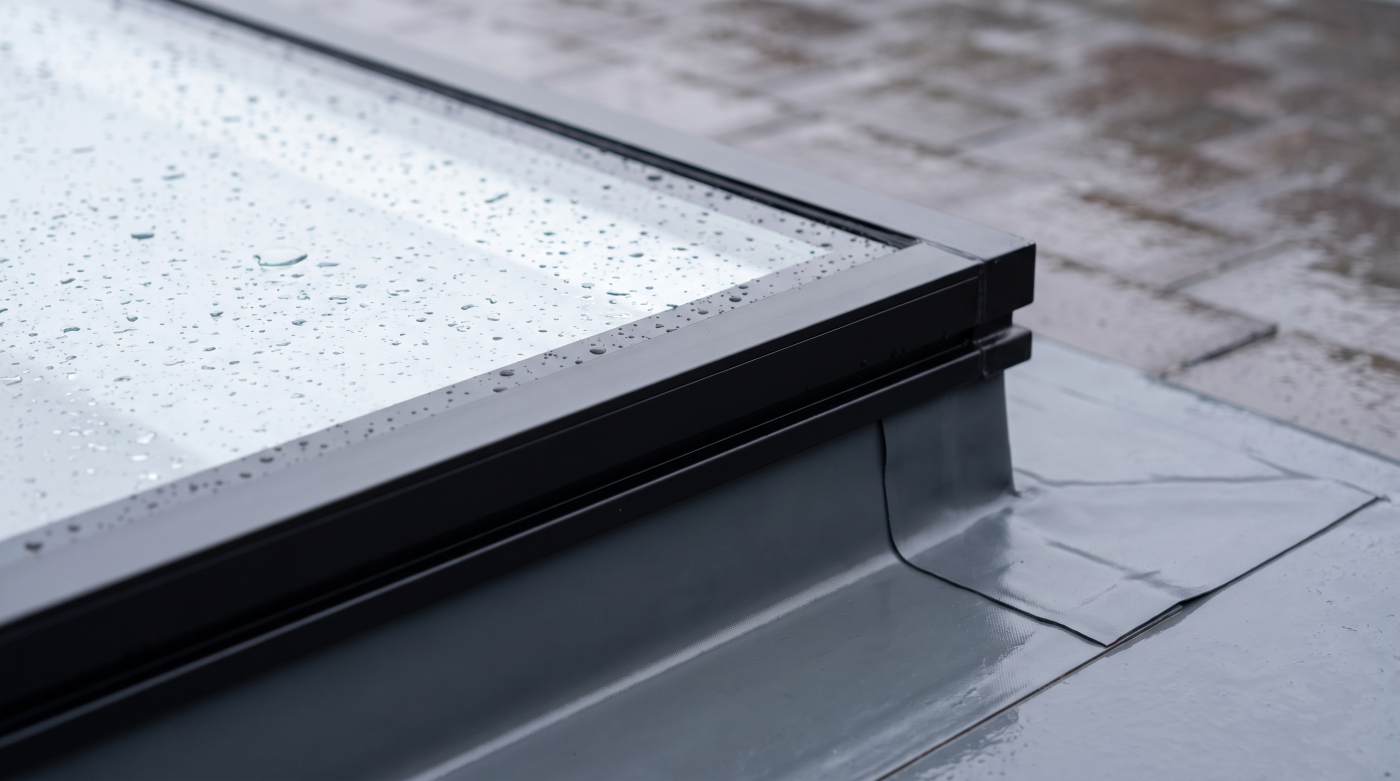
If water enters during the work, tell the responsible contractor promptly and describe what you can observe from a safe position. Useful information includes the room, opening, approximate time and whether the water appeared during removal, temporary protection or later rainfall. Photographs can help record the visible condition. Keep clear of active work and avoid disturbing materials to investigate the cause.
The place where water becomes visible does not necessarily identify its entry point. A wet reveal, board or floor could need assessment of the window, its unfinished junction or adjoining construction. Avoid deciding that the glass unit has failed or that one particular trade is responsible before the relevant investigation. An accurate record is more useful than an early diagnosis.
Ask who will assess the affected area, what immediate action is proposed and whether any finishes should remain accessible. If a wall or material has become wet, readiness for covering or decoration needs appropriate confirmation. Do not conceal the concern with a new board or paint simply to restore the room’s appearance. Agree what evidence and inspection are needed first.
Keep the response and follow-up in the project record, including any findings and agreed remedial work. Recording an event does not determine contractual liability, reimbursement or insurance cover. Those questions depend on the circumstances and relevant arrangements. For the homeowner, the practical priority is a clear route to assessment, appropriate protection and confirmation that affected work has been properly addressed.
Review Completion, Aftercare and Programme Changes
After a weather interruption, review the remaining work with the team rather than assuming the original sequence still applies. Confirm which installation stages are complete, which junctions need attention and whether another trade’s visit must move. A clear revised programme helps prevent decoration or reinstatement from starting while relevant window or wall work remains outstanding. Keep later appointments aligned with the actual progress.
Where costs or additional work are proposed, ask for their basis and the approval process before those changes proceed. Weather does not establish one universal entitlement to extra payment, compensation or cancellation. The article’s practical advice is to clarify the actual agreement and record decisions. A conversation about an altered date should not leave uncertainty about what has also changed in scope.
At final handover, ask about any follow-up checks arising from the interruption and how to report later concerns. Operation, visible finishes and outstanding items can be reviewed in the normal way, with the weather event included where relevant. Avoid conducting an improvised hose test or applying additional sealant yourself. Any investigation should use an appropriate method agreed with the responsible professional.
CBP, as an architectural glazing and specification partner, can be part of a better-informed conversation about the window and its installation requirements. The useful preparation for homeowners across Bath, Wiltshire, Somerset, Bristol and the Cotswolds is a clear brief: who makes weather decisions, who protects the opening and how completion will be confirmed. That clarity makes a disrupted day easier to manage.