
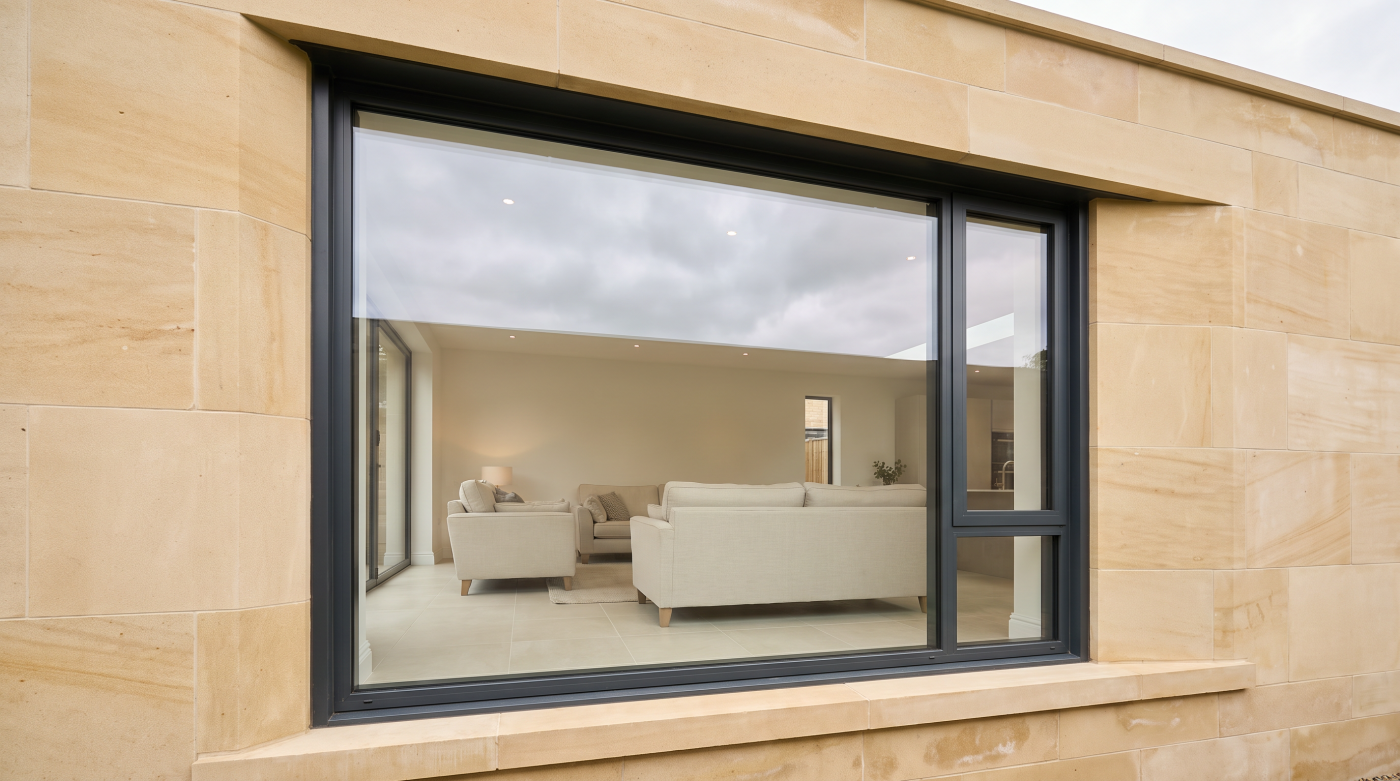
Is uPVC Finished? Where Window Materials Are Heading
There is no sound reason to treat uPVC as universally obsolete. Aluminium, timber, uPVC and combinations of materials remain different ways of making a window, with suitability depending on the building and the actual system. A preference for slimmer frames or a different finish does not establish that one material has reached the end of its useful role.
What deserves closer attention is the quality of the specification: proportions, whole-window performance, environmental evidence, repair and long-term care. For a Wiltshire self-build or a Bath renovation, the useful question is how a proposed window meets the project brief. Looking at where materials are heading should help that decision, rather than replace it with a prediction about which category will win.
Separate Fashion Claims From Evidence
When someone says uPVC is finished, establish what they mean. They may dislike a particular profile, see more aluminium in architectural photographs or want a natural material indoors. Those are useful starting points for design discussion, but they are different from evidence that a material is disappearing from the market or cannot meet a project’s requirements. Keep the claim and its evidence connected.
Manufacturer activity can provide specific examples without answering every market question. Deceuninck’s 2025 announcement brought its PVC-U and aluminium operations into a shared service arrangement. That demonstrates one business offering both materials. It does not establish national market shares, predict how every manufacturer will develop or prove that either system is the appropriate choice for an individual home.
Design taste also varies by building and by the person commissioning it. A window selected for a contemporary garden extension may be unsuitable for a significant historic frontage, regardless of how frequently it appears in magazines. Looking at completed projects is helpful when the relevant proportions and setting are understood. A photograph alone rarely explains the specification decisions or constraints behind the result.
The practical response is to translate broad opinions into requirements. If the concern is bulky framing, compare the proposed sections. If it is appearance, review samples and assembled details. If it is sustainability, request appropriate evidence. This creates a brief that can be tested, while leaving room for a different product or material where it offers a better fit.
Judge the Whole Window Rather Than Its Material Label
A material name describes only part of a window. Frame design, glass, spacers, seals, opening configuration and hardware contribute to the finished product, while the installation connects it to the building. Comparing raw timber with raw aluminium does not establish the performance of two complete windows. Equally, a figure describing the centre of the glass does not describe the entire installed opening.
Energy Saving Trust’s window guidance recognises high-performing products across the main frame materials and explains that both frame design and material affect heat loss. Use that as a reason to compare relevant product information. A suitable assessment needs a consistent basis, including the opening’s actual size and arrangement where those affect the quoted result.
Thermal insulation is only one requirement. A bedroom facing traffic raises different questions from a large south-facing living room, while an exposed elevation needs appropriate weather performance. Ventilation, solar gain, safe operation and security also deserve their own consideration. Selecting a frame category does not automatically resolve those issues, and a strong result in one area does not establish every other characteristic.
Start by agreeing what each room and opening needs, then ask how the proposed system meets that brief. This may support uPVC in one project and another construction elsewhere. The important comparison is between defined windows with relevant evidence. A broad material ranking becomes less useful when it obscures the glazing, dimensions and installation assumptions that would make the comparison meaningful.
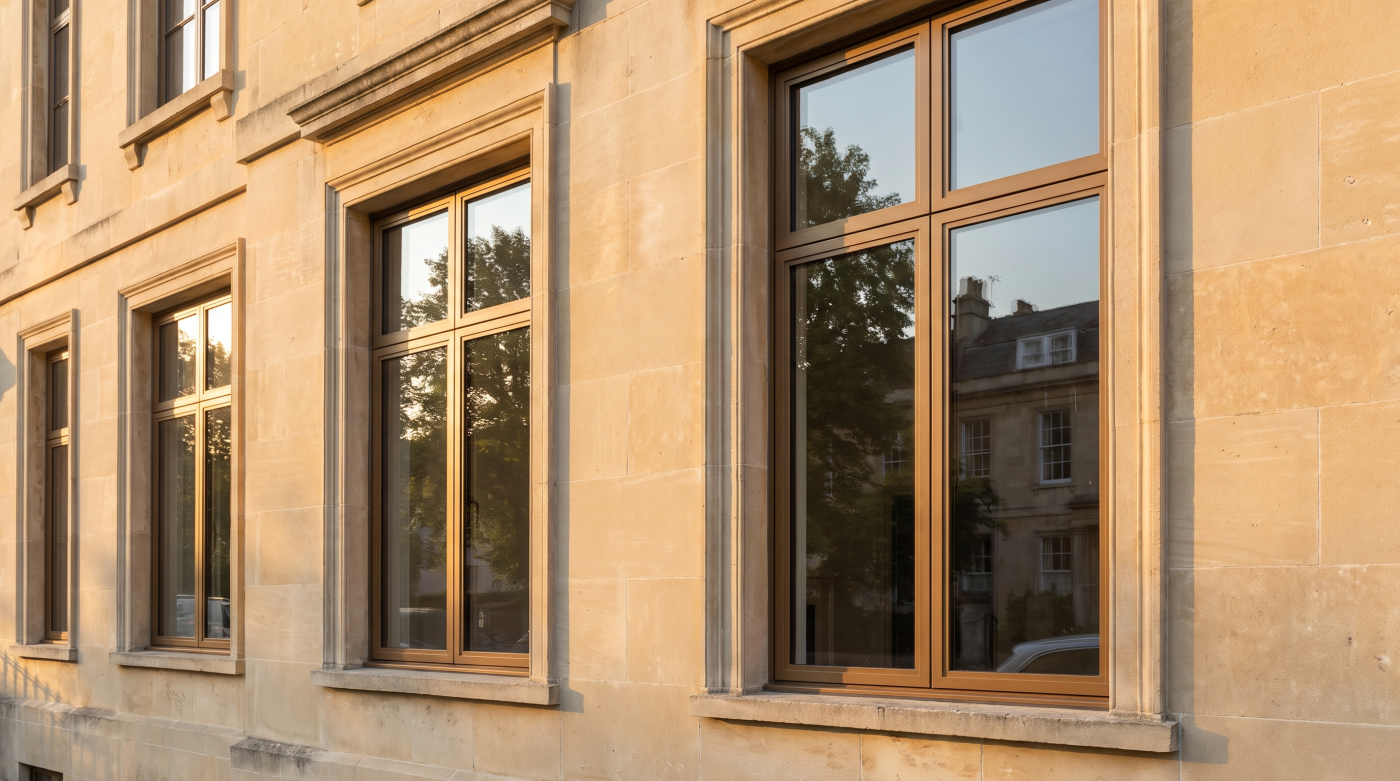
Look at Profile Design, Finishes and Recycled Content
Assess the product being proposed rather than assuming it will resemble an older installation. Profile shape, the relationship between frame and sash, corner details and the available finishes can change its appearance substantially. A homeowner who dislikes one existing uPVC window may be responding to those particular features. Identifying them makes a new comparison more precise and helps avoid an unnecessarily narrow shortlist.
Ask for drawings or a representative assembled example showing the configurations you need. Fixed lights and opening windows may have different visible proportions, and a small sample cannot explain a bay or a divided elevation. Compare the glazing bars, meeting points and handles too. The finish should be judged as part of the complete design, with realistic expectations about the result.
Recycled content is another product question requiring a specific answer. Establish what the claim refers to: the profile, a particular component or the complete window. The existence of a recycling process does not show that the proposed product contains a stated proportion of recovered material. Ask for current information from the relevant manufacturer rather than transferring a claim from another range or an industry headline.
These checks provide a useful way to examine development without declaring every new feature an improvement. A different profile or finish should serve the architectural brief, while an environmental claim needs evidence and context. In a Bristol refurbishment, for example, the priorities might combine compatible proportions with clear product information. That is a more useful direction than simply asking whether the material looks modern.
Compare Aluminium, Timber and Composite Options by Project
Begin the material comparison with the desired building and room experience. The view from inside, the rhythm of the elevation, the way windows open and the relationship with surrounding materials all matter. A narrow-looking frame may be an important aim in one opening, while the character of painted joinery is central elsewhere. Neither preference establishes a universal best material for every house.
Timber, aluminium and uPVC products should each be examined in the configurations available for the project. Check the actual sections, finishes, performance evidence and operating options rather than assuming that every product in a category behaves identically. A substantial opening or an unusual arrangement may narrow the practical choice. The relevant manufacturer and designer should confirm what the selected system can appropriately achieve.
Composite and aluminium-clad timber windows add another possibility, but those descriptions need clarification. They refer to designed combinations of materials within a product, with construction varying between systems. They are different from using separate aluminium and timber windows on different parts of a house. Ask for the actual build-up and relevant evidence instead of treating the composite label as a complete specification.
A Somerset extension could therefore have a different brief from the retained rooms beside it. The design might justify one coordinated system throughout or a considered combination of materials. Compare the implications for appearance, installation, care and cost before deciding. The useful outcome is a clear reason for the selection, rather than an assumption that consistency always requires the same material everywhere.
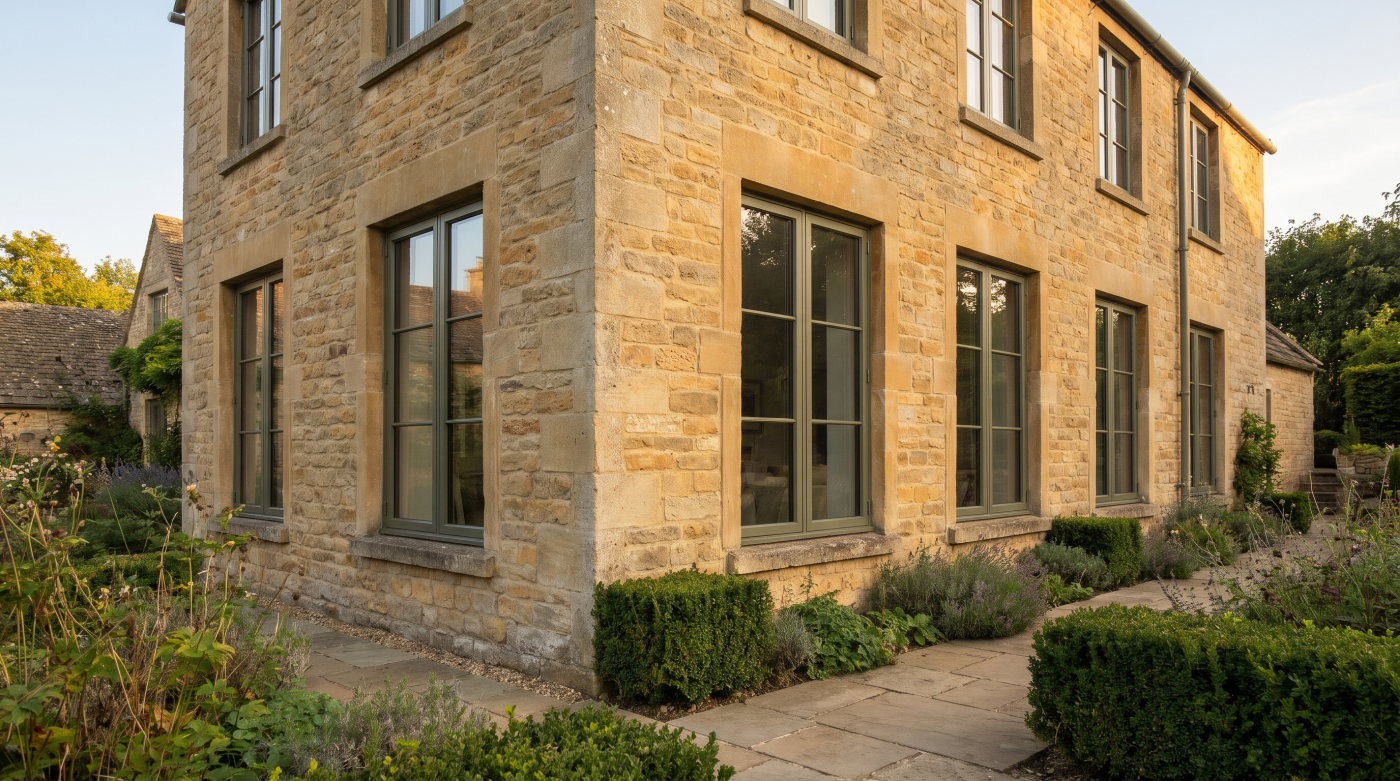
Ask for Comparable Environmental Evidence
Environmental comparisons need a clear question. Recycled content, manufacturing impacts, material sourcing, service life and end-of-life treatment describe different parts of a product’s history. A window can have a positive attribute without that attribute settling the whole comparison. Begin with evidence relevant to the actual proposed product and avoid reducing a complex decision to a single recyclable or natural-material label.
An environmental product declaration, often called an EPD, provides structured information within a stated scope. When comparing documents, establish what product and quantity they describe, which life-cycle stages are included and what assumptions have been used. Ask a suitably experienced adviser to help where necessary. A lower figure is not a useful comparison if the products or assessment boundaries are materially different.
EPPA’s sustainable-development information discusses PVC recycling and environmental declarations from the perspective of the European profile industry. It is useful context, with that interest made clear. Historical targets on an industry webpage should not be presented as verified current achievements, and European activity does not prove that the same collection or processing arrangement exists for your installation.
For the project, ask what evidence can be supplied and what will actually happen to removed materials. Distinguish theoretical recyclability from collection, sorting and a confirmed destination. Retaining a suitable existing window also belongs in the assessment. The aim is an informed choice with its assumptions visible, without declaring one frame material automatically the greenest in every building or circumstance.
Include Care, Repair and End-of-Life Arrangements
A purchasing decision should include how the window will be cared for after installation. Obtain guidance for the actual frame finish, glass, seals and hardware. Some surfaces need different attention from others, and access can affect how easily routine work is completed. A broad low-maintenance description is less useful than knowing what the household will need to do and how often the manufacturer advises it.
Repairability deserves a separate conversation. Ask about the identification of components, the availability of suitable service support and how faults would be assessed. A guarantee period does not establish the expected service life, and a replaceable component does not mean every form of damage can be repaired economically. Keep the answer specific to the selected system and its actual support arrangements.
Consider future work around the window as well. Redecoration, cladding changes or the addition of blinds can affect access and the surrounding detail. Retain relevant information so later trades understand which parts need to remain functional and which finishes require care. A good ownership record is particularly useful where a property contains several products or different generations of replacement windows.
At eventual replacement, the available local collection and processing route matters more than a general statement that a material can be recycled. Ask about removal and waste responsibilities before the work begins. There may be different destinations for frames, glazing and other components. Clear questions at specification stage help connect environmental intentions with practical arrangements, while recognising that future facilities and services can change.
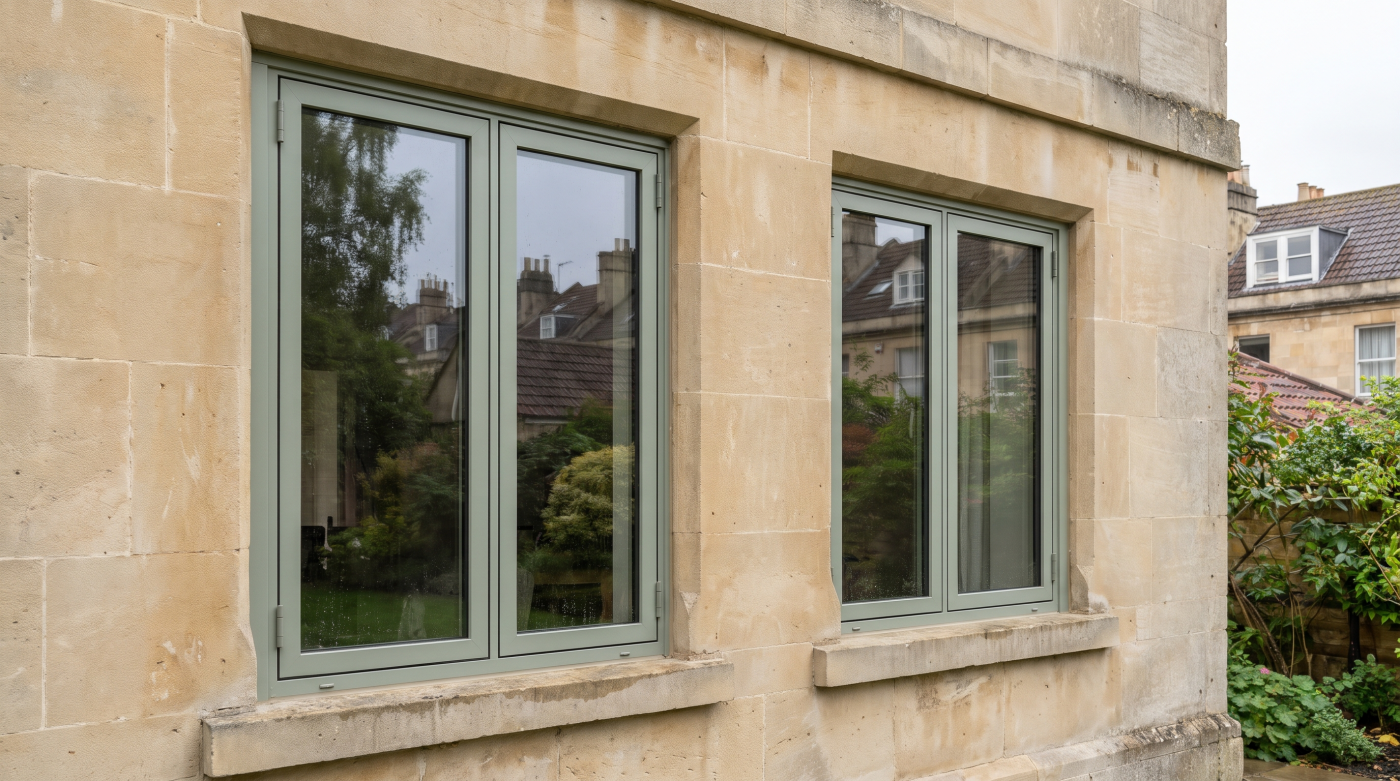
Respect Existing Windows and the Building’s Character
Before choosing a replacement material, assess the windows already in place. Their condition, significance and contribution to the elevation may justify retention, repair or a selective upgrade. An unfashionable appearance alone is not a technical reason to discard a serviceable installation. Equally, an older material does not make every window historically significant; the actual building and components need consideration.
Historic England’s advice on older windows supports careful repair and limiting disturbance to significant fabric. For a period home in Bath or a Wiltshire cottage, that is a useful starting principle. Obtain appropriate advice about the existing windows and relevant permissions before assuming a new material or a superficially similar profile is acceptable.
Character involves more than colour. Frame depth, glazing patterns, opening arrangements and the relationship with the reveal can change how an elevation reads. A replacement described as heritage-style should still be assessed against the actual building. Neither the marketing description nor a photograph of another property establishes permission, suitability or a close match to the details you intend to preserve.
The same care benefits less sensitive buildings. Keeping satisfactory windows in some rooms while addressing a particular problem elsewhere may be a proportionate option. A phased brief should explain how retained and new work relate visually and practically. This allows material selection to support the building’s future while respecting what already works, rather than turning a general trend into a whole-house replacement requirement.
Choose for the Project Rather Than a Prediction
The useful direction for window specification is towards clearer evidence and better coordination. That means understanding what is being offered, what it needs to achieve and how it will connect with the house. It does not require a prediction that aluminium, timber, uPVC or a composite system will displace every other option. Different projects can reasonably lead to different material choices.
Bring the priorities together in a short brief before comparing quotations. Describe the building, room requirements, preferred appearance, retained features and relevant care expectations. Record any environmental information you want assessed. An architect or other appropriate professional can help resolve conflicts, such as a desired profile that does not fit the opening’s functional requirements or an assumption about an unavailable finish.
Compare proposals against that same brief and ask for explanations where they differ. A more expensive material does not automatically establish a better result, just as a lower initial price does not describe the complete ownership cost. Keep installation, surrounding work and actual product evidence in the comparison. Where information is missing, identify it before committing rather than filling the gap with a material stereotype.
CBP’s role as an architectural glazing and specification partner is to support a more informed conversation about those choices. Across Bath, Wiltshire, Somerset, Bristol and the Cotswolds, the starting point is the home and the intended outcome. uPVC is not universally finished; the more useful question is whether a particular window offers a well-supported response to this project’s needs.