
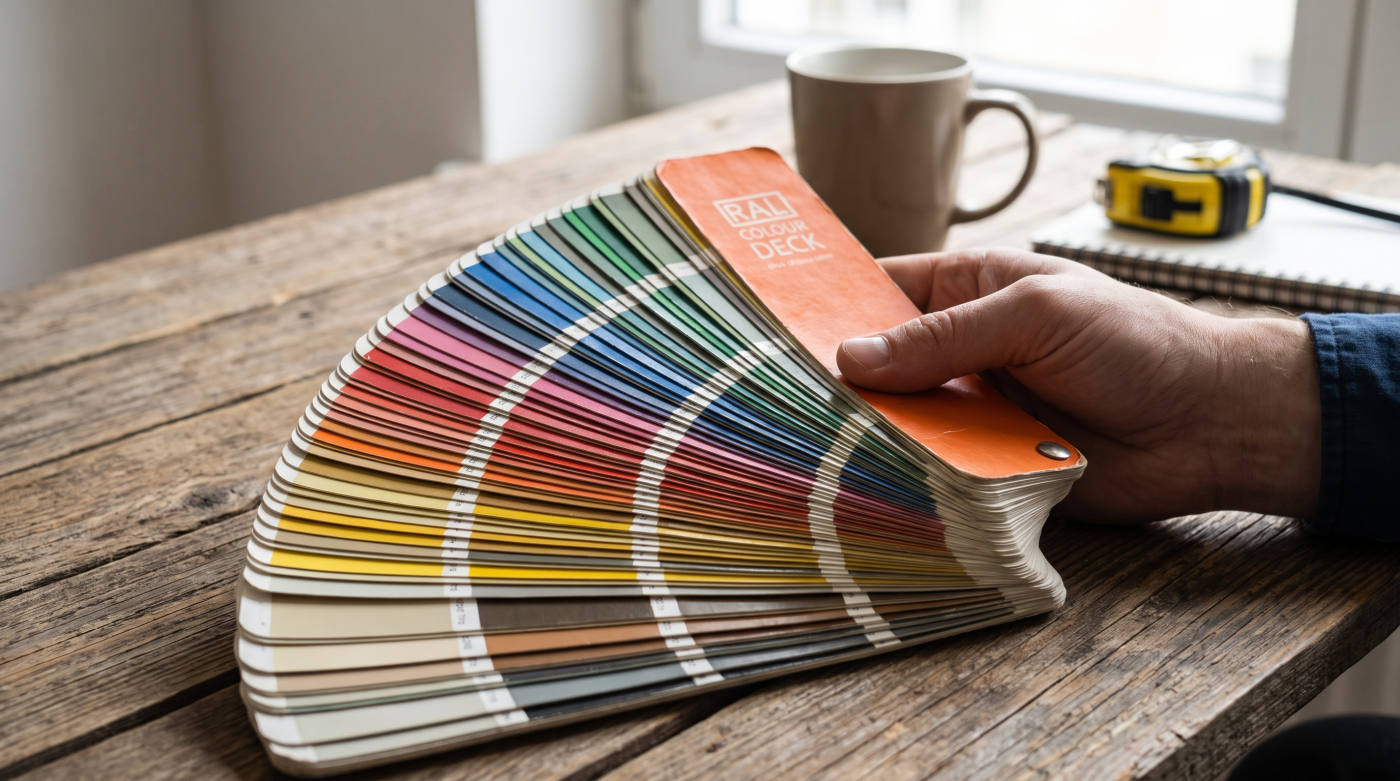
Can You Change the Colour of Existing Windows Without Replacing Them?
Changing the colour of existing windows is sometimes possible without replacing the frames or glazing. Where a window remains structurally sound, operates correctly and has a surface suitable for refinishing, a new colour may offer a way to alter its appearance while retaining the existing assembly. The appropriate approach, however, depends on the frame material, its original finish and the condition of any coatings already applied.
Timber windows with painted finishes may be suitable for repainting, while some other frame materials may require specialist refinishing processes. These methods are not interchangeable, and a finish that can be applied successfully to one window should not automatically be assumed appropriate for another. The suitability of the existing surface needs to be established before selecting a treatment or committing to a particular colour.
It is also important to distinguish between changing a window’s appearance and improving its underlying performance. A new finish will not alter the insulating properties of the glazing, correct a distorted frame or resolve air leakage around an installation. If the existing windows are otherwise satisfactory, a colour change may address the homeowner’s principal concern. If they are deteriorating or no longer meet the requirements of the renovation, appearance is only one part of a wider decision.
The architectural effect should be considered across the property rather than on an individual frame alone. Changing the colour can alter how prominently the windows appear against the surrounding walls and how their proportions contribute to the elevation. A successful result therefore depends on both the technical suitability of refinishing and the relationship between the proposed colour and the building as a whole.
Does the Window Frame Material Determine Whether Its Colour Can Be Changed?
The material of an existing window frame is one of the most important considerations when assessing whether its colour can be changed. Although timber, uPVC and aluminium frames may appear similarly smooth once finished, their surfaces have different characteristics. A treatment suitable for one material may not adhere reliably to another, and the original finish can be as important as the frame beneath it.
Timber windows have traditionally been painted, making the renewal of an existing painted finish a familiar part of their maintenance. The condition of the timber and previous coatings must nevertheless be considered before repainting. A new layer of paint will not resolve decay or provide a sound foundation where the existing finish is loose or deteriorating. The preparation required will depend on the condition and construction of the individual window.
uPVC frames present different considerations because their original surfaces are not equivalent to painted timber. Some may be suitable for specialist coatings, but compatibility cannot be assumed across all formulations and finishes. Aluminium windows may have factory-applied powder-coated or other specialist finishes, and refinishing an installed frame is not the same process as selecting a factory finish for a new window. Composite and timber-aluminium windows introduce further complexity because their internal and external faces may be made from different materials.
The suitability of any proposed colour change therefore depends on the complete surface being treated, including previous coatings, exposure to weather and the window’s operating components. Before choosing a finish, it is important to establish what the existing frame is made from and whether an appropriate refinishing method is available. A consistent appearance across the property should not come at the expense of using an unsuitable treatment on individual windows.
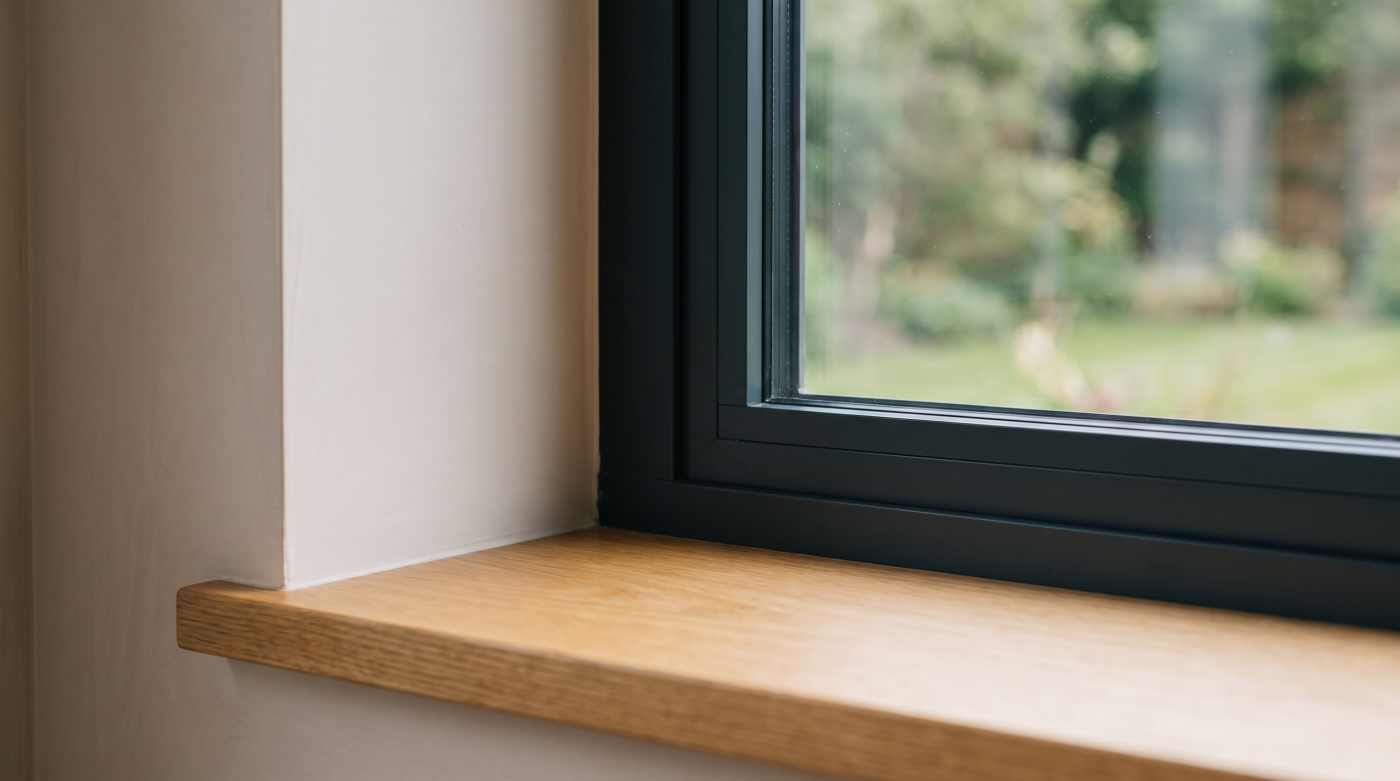
Is Painting or Specialist Window Spraying a Suitable Long-Term Solution?
Painting or specialist spraying may provide a lasting colour change for some existing windows, but the appearance of a newly finished frame does not, by itself, establish how well the treatment will perform over time. Window surfaces are exposed to sunlight, moisture and repeated temperature changes, while opening elements, handles and frame edges also experience regular contact and movement. Any proposed finish needs to be suitable for these conditions as well as compatible with the material beneath it.
The condition of the existing surface is particularly important. A new coating applied over an unstable previous finish may be affected by deterioration that remains beneath it. Similarly, a treatment developed for one frame material should not be assumed to adhere or weather in the same way on another. The suitability of preparation and application methods must therefore be considered in relation to the individual window, rather than judged solely by the colour or smoothness of the completed surface.
Refinishing must also respect the way the window functions. Coatings should not obstruct drainage paths, interfere with seals or affect the movement of opening elements. A finish applied to an installed frame is also distinct from a factory-applied finish produced during manufacture, and the two should not be assumed to have equivalent characteristics. Where the window remains under a manufacturer’s warranty, the implications of altering its original finish should be established from the relevant documentation.
For an otherwise sound window, a carefully considered colour change may be appropriate. Its long-term suitability, however, depends on material compatibility, surface condition, exposure and maintenance requirements. These factors deserve as much attention as the immediate visual result, particularly when the intention is to create a consistent finish across an entire property.
How Will Changing Window Colour Affect the Architectural Appearance of Your Home?
Changing the colour of a window can alter the appearance of a building more significantly than the size of the frame might suggest. Windows establish a rhythm across an elevation, and their colour influences how clearly their outlines, glazing divisions and opening arrangements are perceived against the surrounding walls. A darker frame against pale masonry may draw greater attention to the openings, while a finish closer in tone to the façade may make them appear less prominent. Neither effect is inherently more appropriate; the choice depends on the building’s architectural composition.
The proportions of the existing frames deserve particular attention. Recolouring does not change their dimensions, but it can make broad sections of frame or individual glazing bars more visually apparent. A colour selected from a small sample may therefore produce a different impression when applied to every window on an elevation. The effect can also change with daylight, surrounding materials and the distance from which the building is viewed.
Window colour should be considered alongside doors, roof materials, rainwater goods and other architectural details. In a traditional façade, a new finish may alter the relationship between the windows and the building’s established character. In a contemporary extension, a different colour may help distinguish the new work from the original structure. Using one finish throughout the property is not always necessary, but any variation should form part of a deliberate architectural approach.
Before changing individual frames, it is useful to consider the intended appearance of the complete building. A colour that works well within one room may not create the same effect externally, where the windows are read together as part of the wider elevation.
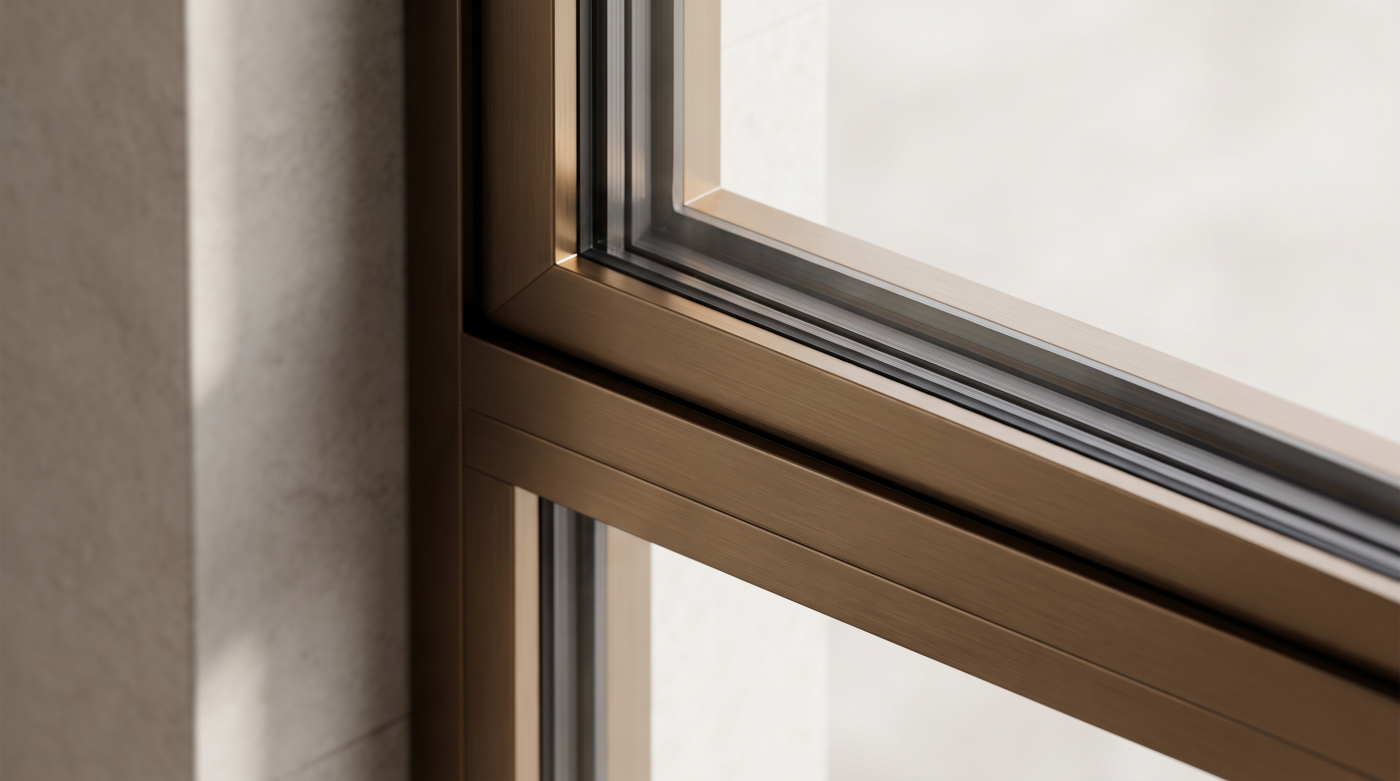
Can You Change the Inside and Outside of Your Windows to Different Colours?
The internal and external faces of a window contribute to two different architectural settings. Outside, the frame colour forms part of the building’s elevation and its relationship with masonry, cladding, doors and other details. Inside, the same frame is seen alongside wall finishes, flooring, fitted joinery and furniture. A colour that works well on the façade may not create the intended effect within the room, making different finishes on each face an appealing possibility.
Some new window systems can be specified with different internal and external colours, but this does not mean that an existing window can necessarily be refinished in the same way. The feasibility depends on the frame material, its original finish and how the visible surfaces meet around opening elements and edges. On an installed window, achieving a clean transition between colours may be more complicated than changing the finish of the entire frame. Any treatment must also preserve the operation of the window and avoid interfering with seals, hardware or drainage paths.
The architectural effect deserves consideration before a finish is selected. A dark internal frame may make a large glazed opening more visually prominent, while a colour closer to the surrounding walls may give the frame a quieter presence. Externally, a different finish might better suit the proportions and materials of the building. These decisions should be considered together, particularly where the frame remains visible from both sides when the window is open.
Where the existing assembly is unsuitable for dual-colour refinishing, changes to surrounding interior finishes may offer another way to achieve the desired relationship between the window and the room. The aim is to create a coherent result on both sides without compromising the existing window’s function.
Should You Recolour Your Windows or Replace Them as Part of a Renovation?
The decision to recolour or replace existing windows should begin with the wider objectives of the renovation. If the frames remain sound, operate correctly and provide an appropriate level of comfort, changing their finish may be a reasonable way to bring them into a new architectural scheme. Where the windows are deteriorating or no longer meet the needs of the property, however, a colour change will address only their appearance.
Replacement involves a different level of intervention. It may provide an opportunity to reconsider frame proportions, opening arrangements, glazing performance and the relationship between the window and its surrounding construction. These changes may be relevant where a renovation includes alterations to the façade or the way rooms are used. Equally, an older window should not be replaced solely because its existing colour no longer suits the homeowner’s preferences. Its condition and suitability deserve separate consideration.
The timing of other building work can also influence the decision. Planned rendering, external insulation, repairs to the façade or alterations to window openings may affect whether refinishing the existing frames is practical. Internally, both recolouring and replacement can disturb adjacent finishes, particularly where rooms have already been decorated or fitted joinery has been installed. Considering the windows before these works begin may help avoid repeating tasks or compromising completed surfaces.
The most useful comparison is therefore not simply between the immediate cost of refinishing and the cost of new windows. It is between the intended long-term outcomes of each approach. Where appearance is the principal concern and the existing assembly remains suitable, recolouring may be sufficient. Where the renovation also calls for changes to performance, operation or architectural design, replacement warrants consideration within the wider building strategy.
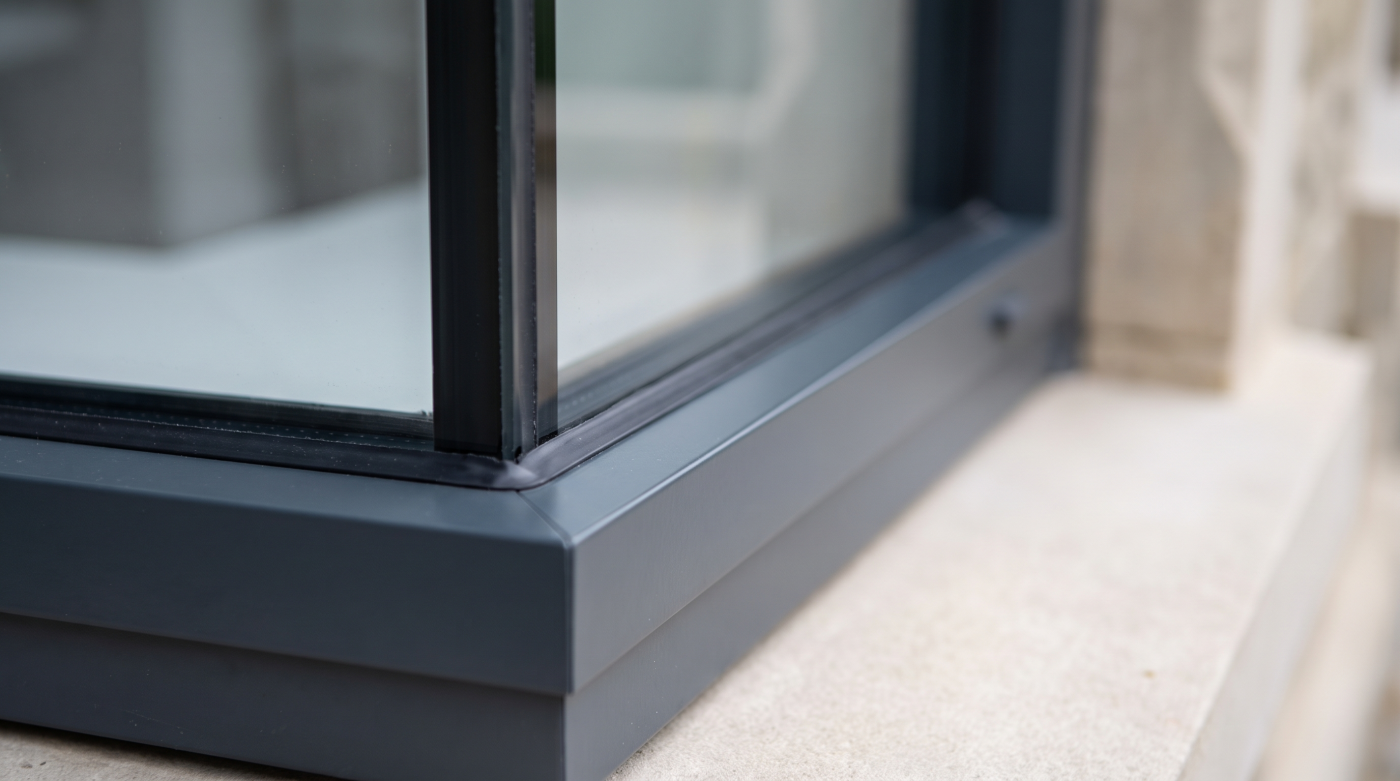
What Should You Consider Before Changing Window Colour on a Period or Listed Property?
In a period property, the colour of a window can contribute to the architectural character of the building as much as its material, proportions and detailing. The relationship between painted joinery, masonry and other elements of the façade may have developed over many years. Changing the finish of an existing frame can therefore alter the appearance of the building even when the window itself remains in place.
Before selecting a new colour, it is useful to understand the significance of the existing windows and their finishes. An apparently traditional colour is not necessarily original to the property, while a later finish may form part of its subsequent architectural history. The suitability of a proposed change should be considered in relation to the building’s overall composition rather than assumptions about which colours belong to a particular period. This is especially relevant to Georgian façades in Bath and older houses in Wiltshire and the Cotswolds, where window detailing can play an important role in the appearance of an elevation.
Where a building is listed, alterations affecting its special architectural or historic interest may require listed building consent. Retaining the existing frames does not automatically mean that a change to their appearance is insignificant or that consent will be unnecessary. The requirements depend on the particular building and the proposed work, and should be established before refinishing begins. Other applicable controls may also need consideration.
A carefully chosen finish may allow serviceable historic windows to remain in use while supporting the wider architectural character of the property. The starting point should be an understanding of what the existing windows contribute to the building, followed by an assessment of whether the proposed colour change respects that significance.
How Do You Decide Whether Changing Your Window Colour Is Worthwhile?
Changing the colour of existing windows can be worthwhile when their appearance no longer suits the property but the frames, glazing and opening mechanisms remain appropriate for its needs. The decision should begin with an assessment of the windows as complete assemblies. A new finish may alter how they relate to the surrounding architecture, but it will not resolve deterioration, improve the insulating performance of the glass or correct problems with their operation.
If the windows remain sound, the next consideration is whether their material and existing finish can accept a suitable treatment. Timber, uPVC, aluminium and composite frames have different surface characteristics, and the feasibility of refinishing should be established before a colour is chosen. The likely maintenance requirements and any implications for existing manufacturer warranties also deserve attention. A finish that looks convincing immediately after application is not necessarily appropriate for the long-term conditions in which the window operates.
The proposed colour should then be considered in the context of the complete building. Its effect on frame proportions, the rhythm of the elevation and the relationship between external and internal finishes may be more significant than its appearance on an individual sample. Planned façade repairs, insulation improvements or alterations to window openings should also inform the timing of the work.
Ultimately, the choice is between retaining and refinishing an existing architectural element or making a more substantial change through replacement. Where appearance is the principal concern and the existing windows remain suitable, recolouring may achieve the intended result. Where condition, comfort or design requirements extend beyond the finish, the windows should be assessed as part of the wider renovation. The most worthwhile approach is the one that supports the building’s long-term architectural quality and use.