
Do You Need to Redecorate After New Windows Are Fitted?
Not every window replacement requires a room to be redecorated. Some openings need little decorative attention, while others involve repaired reveals, exposed edges or altered fittings. The appropriate scope depends on the actual installation and the finish you want, with local touching-up, a wider wall finish and whole-room decoration representing different decisions.
Plan those decisions alongside the window work rather than assume fitting includes the final appearance of every surrounding surface. Installation, making good and decoration can be separate stages with different responsibilities and timing. This guide explains how to coordinate them, with heritage and regulatory references scoped to England. It does not prescribe one drying period, paint system or finishing package for every home.
Separate Installation, Making Good and Decoration
Start by identifying what the window appointment delivers. Installing the assembly and resolving its connections are different tasks from repairing adjacent surfaces and applying the final decorative finish. They may sit within one package or involve several trades. A room that has a functioning new window can still be awaiting plaster preparation, painting or reinstatement of accessories before the wider refurbishment is complete.
Making good needs an explicit description. It might concern an agreed repair to the reveal, a replacement trim or another defined finish. The phrase alone does not tell the homeowner whether painting or wallpapering is included. Ask what the surface will be like at handover and which further work, if any, is expected before it reaches the intended appearance in the occupied room.
VELFAC’s installation-preparation checklist encourages clarification of package scope and adjoining repairs. It illustrates the value of asking these questions early, rather than establish an identical service from every installer. Review the actual quotation and responsibilities for your project, especially where a builder, glazing specialist and decorator each assume a different point at which their work begins or ends.
Use the programme to connect those milestones. A fitting date does not automatically establish when repairs will be ready for decoration or when a room can be fully reinstated. Identify what each stage depends on and who confirms readiness. This allows the homeowner to plan realistically without treating the last window fitted as proof that every finish, accessory and follow-up task has also been completed.
Assess What Actually Needs Attention
Review each opening and its surroundings before deciding the decorative scope. Identify repaired plaster, exposed paint edges, disturbed wallpaper and altered trims or boards. These findings may differ between rooms even within one replacement programme. A sound, largely untouched surround can need a different response from an opening whose frame position or adjoining construction has changed as part of the agreed design.
Separate a decorative decision from an unresolved condition. A stain, loose patch or developing crack may need assessment before it is covered. Likewise, a concern about the installation should be raised with the responsible team rather than disappear under fresh paint. The aim is to complete a sound, understood surface, not use decoration as a substitute for investigating something that remains uncertain.
Decide the extent in relation to the room. A local touch-up can be acceptable in one setting, while a complete reveal or wall finish may provide a more coherent result elsewhere. Whole-room redecoration can be a chosen improvement rather than a necessary consequence of the installation. Ask the decorator to explain the feasible options and their visual implications before committing to a broader scope.
Record the surfaces included rather than rely on a general room label. Painting the reveal, adjacent wall and ceiling are different tasks, as are wallpaper repairs or finishing a new board. A clear description makes quotations more comparable and avoids discovering later that one trade priced only the repaired patch while the homeowner expected a continuous finish across the entire visible wall.
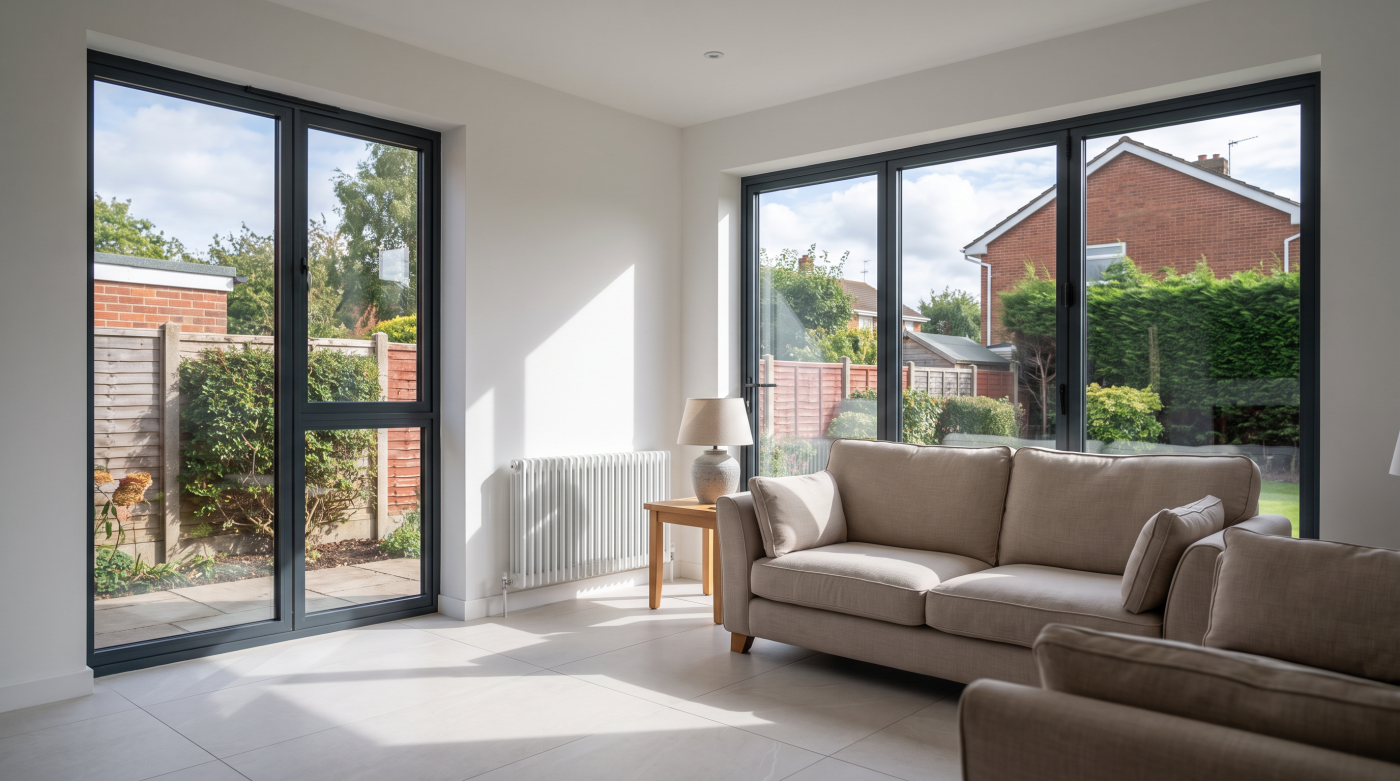
Consider Whether a Local Finish Will Blend
A matching colour name is a useful starting point, not a guarantee that a repair will disappear. The existing finish may have changed through age, light, cleaning or use. New material can also meet the light differently. Review the actual surface and desired result with the decorator rather than assume a small patch always needs only one quick application from a previously opened tin.
Sheen and texture matter alongside colour. A repaired area may have a different surface character from its surroundings, and directional daylight can make that difference visible. The installer may have completed an agreed substrate repair while further decorative preparation is still needed. Keep those scopes clear so an appearance concern is assessed through the relevant finish rather than immediately attributed to the window or glass.
Wallpaper creates its own constraints. Pattern, available material and the position of a disturbance can affect what is practical. Retained offcuts and product records may help, but they cannot establish an exact match or feasible local repair in every case. Discuss the actual options with a suitable decorator before assuming that either a small insert or complete room replacement is the only possible outcome.
Agree an acceptable finish and its extent before the work proceeds. A wider wall area may offer a more consistent result where touching-up remains conspicuous, but that is a project decision with its own scope and cost. The useful conversation explains what can reasonably be achieved and which limitations remain, rather than promising an invisible repair or expanding the decoration without the homeowner understanding why.
Allow the Repaired Surface to Become Ready
Readiness depends on the repair material, substrate, conditions and intended finish. Setting, drying and preparation are not interchangeable milestones. A surface that feels firm is not automatically ready for every coating or wall covering. Ask the responsible trade to confirm the appropriate sequence using the actual product information, rather than book final decoration solely by counting a fixed number of days after window fitting.
British Gypsum’s Thistle Finishing Plaster data sheet, dated September 2022, calls for appropriate drying before decoration and following finish manufacturers’ recommendations, with a particular interim permeable-coating provision. It illustrates why instructions and conditions matter. It is not a universal specification for every patch repair, historic plaster, paint or wallpaper used around a replacement window.
Give the decorator information about what has been used. A repaired reveal can contain different materials from the adjoining wall, and preparation may need to reflect that relationship. Avoid a generic primer, dilution ratio or accelerated-drying recipe applied without checking compatibility. The relevant professional should explain the chosen system and any conditions required before the permanent finish is applied to the actual surface.
Allow the programme to respond if readiness differs from the initial expectation. Waiting for the appropriate stage can be more useful than completing a decorative appointment simply because it was booked. Confirm who checks the condition and communicates a revised date. That keeps the sequence understandable and avoids treating painting as the last automatic action on installation day regardless of the repair and finish selected.
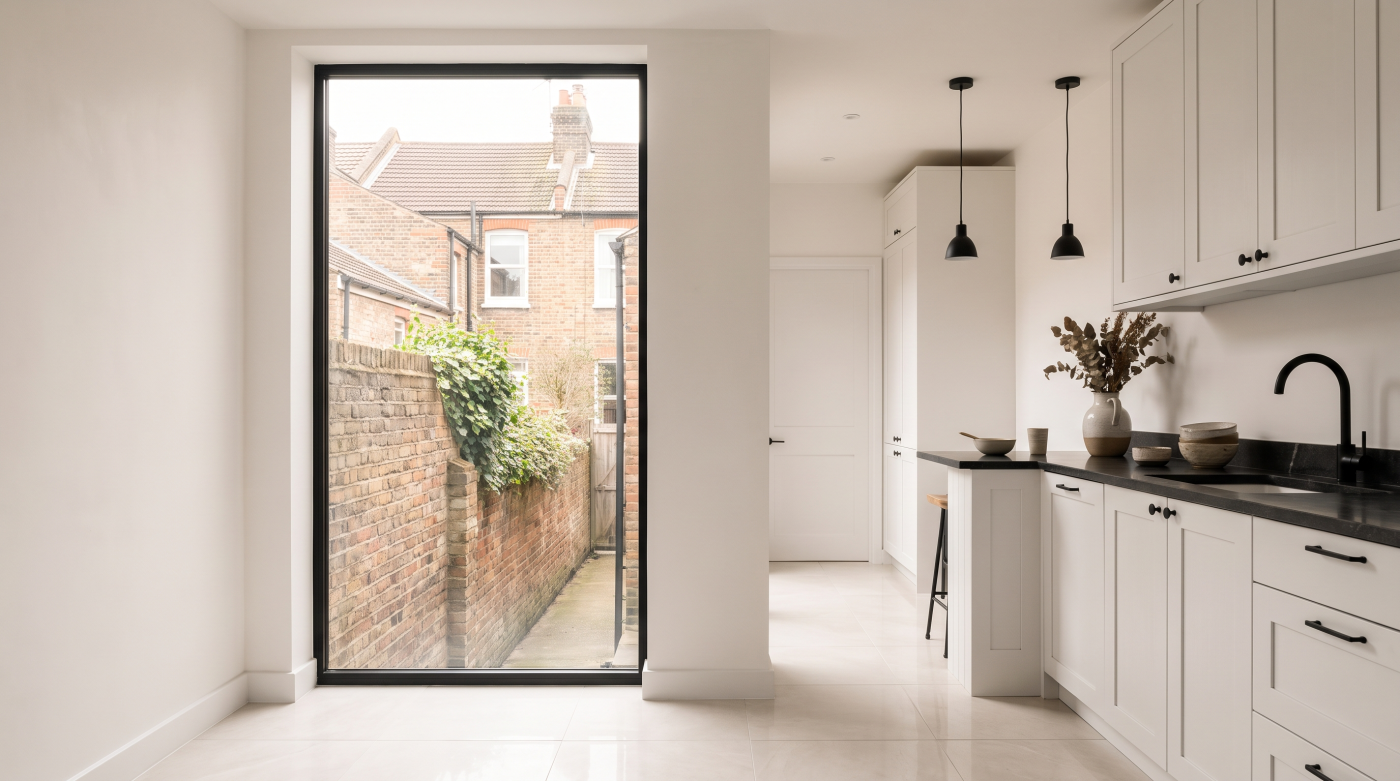
Choose Finishes That Suit the Actual Construction
Identify the wall and repair materials before choosing a finishing approach. Modern boards, gypsum repairs and traditional plaster can present different requirements. A product suitable for one combination is not automatically appropriate for another. The decorator or relevant specialist should understand the actual background and existing finish, particularly where earlier alterations have left several materials meeting around an opening.
Significant interiors deserve assessment before surfaces are stripped, repaired or covered. Historic England’s older-window guidance highlights the relationship between windows and surrounding fabric. Consider important plaster, shutters, panelling or mouldings within the actual project, with appropriate conservation advice and permissions where relevant. A fresh decorative scheme should not quietly require removal of features that the wider brief intended to retain.
Colour choice also belongs to the whole room and building. The new frame, retained joinery, wall finish and daylight can affect how a palette is perceived. Physical samples and an understood finish can help with that decision. This is separate from establishing technical compatibility: an attractive colour combination does not prove that the coating or repair system suits the actual material beneath it.
Keep the specification practical for future care. Record the chosen product and finish, with any relevant preparation information retained. If a compatible alternative is proposed later, review it against the same requirements rather than accept similarity of appearance alone. That gives the homeowner a better basis for repair and maintenance than a generic instruction to repaint all new reveals with whichever finish was used elsewhere in the house.
Protect the New Window and Preserve Its Functions
Discuss protection with the decorator and window team before finishing begins. Glass, coated frames, timber surfaces and hardware can have different care requirements. Use appropriate materials and methods for the actual assembly. Adhesives or coverings that suit one surface should not be assumed harmless to every finish, and the timing for removing any factory protection should follow the relevant product instructions.
Identify the boundaries of the decorative work. Operating seals, hardware, ventilation components and intended drainage paths need to remain functional. A neat appearance is not a reason to paint or fill every visible line. Ask the responsible parties to explain which junctions and components must be preserved, rather than rely on a generic finishing detail that could obstruct movement or compromise the intended arrangement around the frame.
Maintain access while the work continues. A window may need to open for its intended functions or for checking operation, with relevant constraints managed by the project team. Do not assume temporary protection or decorating equipment can remain wherever convenient. The room and opening should be usable in the way agreed for that stage, including any required access or escape arrangements that remain relevant during the wider project.
Keep cleaning and remedial work within the actual care guidance. Avoid improvised scraping, solvents or abrasive treatment if decoration reaches a sensitive surface. Raise the concern with the responsible trade and confirm an appropriate method. This helps protect the finished assembly without promising that any product can be cleaned in the same way or that every decorating-related concern falls within identical warranty cover.
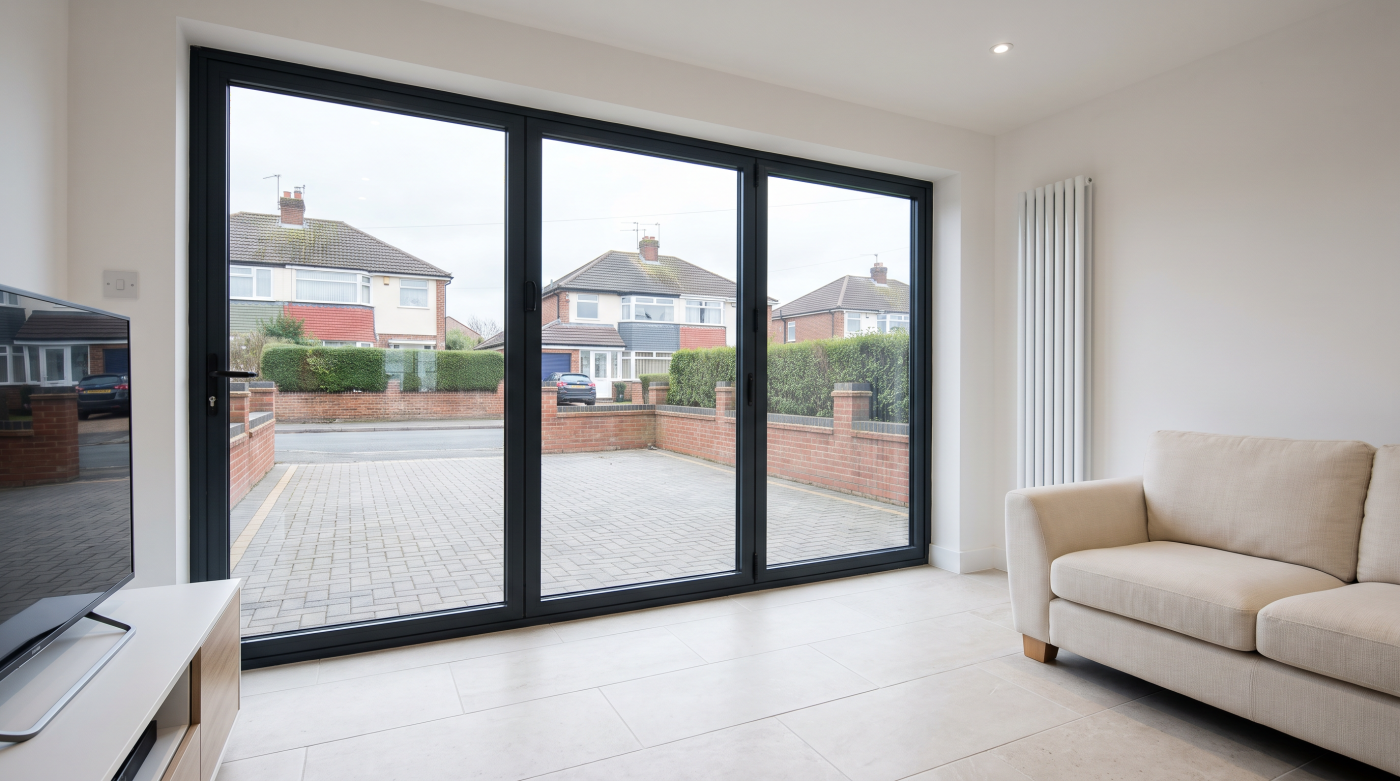
Coordinate Blinds, Curtains, Shutters and Other Fittings
Review accessories against the completed opening before reinstatement. A different frame depth, reveal or handle position may affect an existing blind, curtain or shutter. Check the actual dimensions and movement rather than assume every item removed for installation will return unchanged. This is easier when the original fittings and intended outcome were recorded before the window work began.
Agree suitable fixing positions and responsibilities with the relevant specialists. A decorative surface does not independently establish adequate support for a heavy fitting, and drilling close to the frame can affect more than appearance. The fixing proposal should respect the actual construction and installation detail. Homeowner preparation should not become speculative drilling through an uncertain reveal simply to restore a familiar accessory quickly.
Sequence the work around the finish and system requirements. Some items may need the surface and decoration to reach an appropriate stage before fitting, while powered or alarm-related accessories require their own coordination. Identify who completes and checks each task. A decorator, installer and controls specialist may have different scopes, so one completed appointment should not be assumed to include all reinstatement automatically.
Test the room arrangement through normal use with the appropriate parties. Check that accessories allow the intended opening, control access and ventilation, with any necessary functions preserved. The aim is a complete usable room rather than a photograph of a dressed window. If an original item no longer fits, compare appropriate adaptation or replacement options before treating a compromised arrangement as the inevitable result of new glazing.
Agree the Finish, Budget and Final Review
Bring the agreed decorative scope into a clear written brief. Identify surfaces, preparation, finish and reinstatement, with responsibilities and exclusions visible. A quotation for touching-up differs from one covering a complete reveal or wall. Compare like scopes and allow for any adjoining tasks, rather than assume a lower figure includes the same work or that a larger scheme is necessary without an explained reason.
Confirm the sequence with the trades using the actual repair and product information. If a condition or scope changes, review its effect before the next stage proceeds. Keep any unresolved installation or moisture concern visible rather than conceal it to preserve a decorative date. The final programme should reflect the work needed, with an understandable route for agreeing variations and further attendance.
Review the result in the occupied room against the agreed finish. Record any outstanding items and who will address them. Retain colour references, finish information, repair details and window care instructions for future use. These records support maintenance and later decisions, without promising that a later touch-up will match perfectly or that every subsequent crack, mark or moisture symptom is only a decorative issue.
CBP can contribute as an architectural glazing and specification partner with homeowners, architects and relevant trades across Bath, Wiltshire, Somerset, Bristol and the Cotswolds. Redecoration should follow the actual opening, suitable materials and intended room finish. A clear brief allows local work or a wider scheme to be chosen proportionately, with the window installation and surrounding interior completed through a coordinated and realistic sequence.