
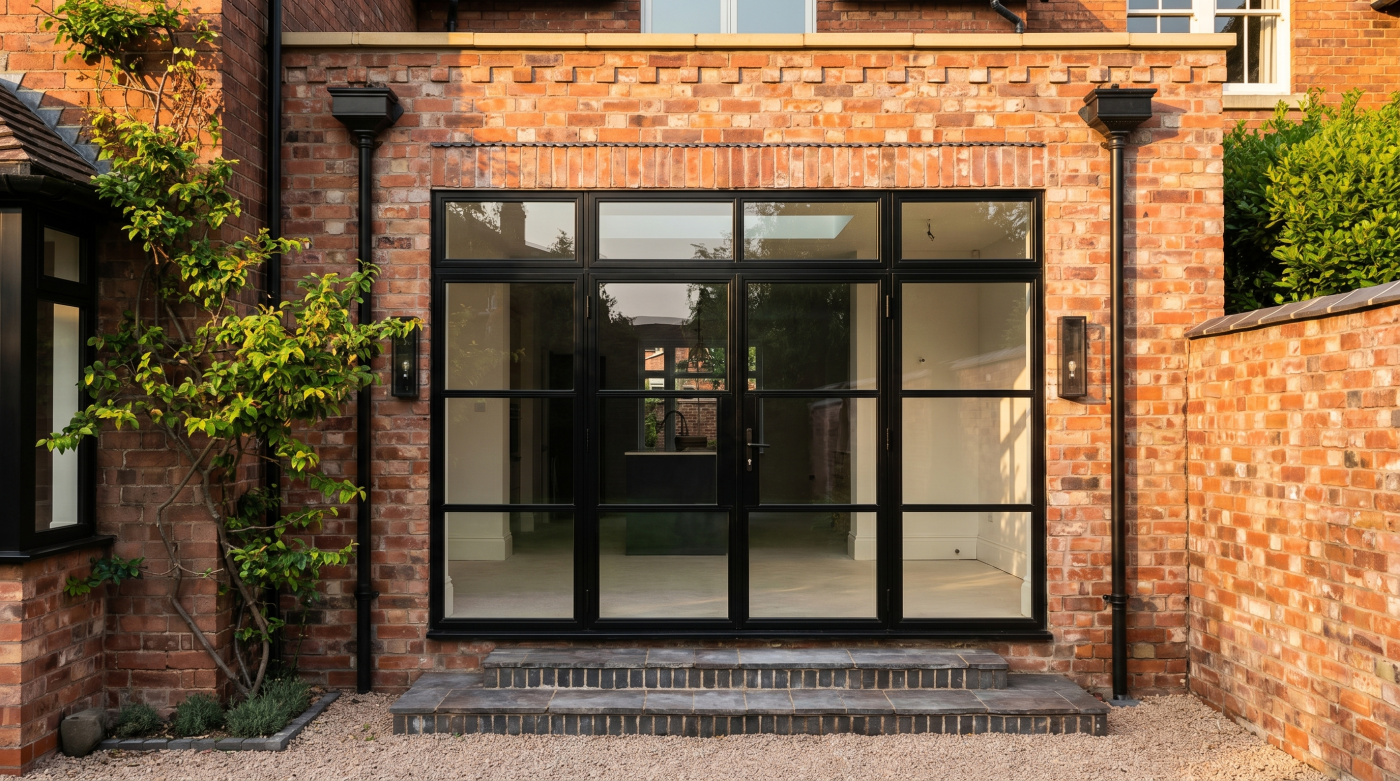
Lead Times Start Before Manufacturing Begins
When homeowners ask how long aluminium windows and doors will take to arrive, the assumption is often that the lead time begins the moment an order is placed. In reality, architects and experienced project teams view lead time very differently. The manufacturing process is only one stage within a much broader sequence of planning, specification and coordination that begins well before production can commence. Understanding this wider process helps explain why successful projects are built on preparation rather than speed alone.
The earliest stages of a glazing project involve far more than selecting window styles or choosing frame colours. Initial discussions establish the architectural objectives of the project, while technical information, design development and construction planning all contribute to creating a specification that is ready for manufacture. During this period, project teams work closely to ensure that the proposed glazing integrates with the wider building design and aligns with the overall construction programme. These decisions create the foundation upon which realistic lead times are built.
Equally important is determining whether the project itself is ready to progress. Site conditions, structural progress and the availability of accurate technical information all influence when surveys can be completed and manufacturing approvals can be given. Beginning production before these milestones have been reached introduces unnecessary risk, whereas careful planning provides confidence that the glazing has been specified correctly and can be manufactured without avoidable changes later in the programme.
For homeowners, this means that lead time should not be viewed simply as the period spent making windows and doors. Instead, it represents the journey from early planning through to a fully coordinated project that is ready for manufacture and, ultimately, installation. Architects recognise that thoughtful preparation is one of the most effective ways to achieve a predictable programme, because the decisions made at the beginning of a project often determine how smoothly every subsequent stage will unfold.
Final Measurements Are a Critical Milestone
One of the most important milestones in any glazing project occurs before manufacturing begins: the confirmation of final measurements. While architectural drawings establish the design intent, they are not normally sufficient to commence production. Architects understand that aluminium windows and doors are manufactured to precise dimensions, making accurate site verification an essential step in ensuring that the finished products integrate correctly with the building. Manufacturing before these measurements have been confirmed introduces unnecessary risk and can compromise both programme and performance.
Final measurements are typically taken only once the structural openings have reached the appropriate stage of construction. This allows surveyors to verify that the building reflects the approved design and to identify any variations that may influence the glazing specification. Even small discrepancies can affect alignment, installation tolerances and the relationship between glazing systems and surrounding construction. Confirming dimensions at the correct stage therefore protects the integrity of both the manufactured products and the wider architectural design.
This verification process also provides an opportunity to review technical details before production is authorised. Interfaces with adjacent materials, installation clearances and project-specific requirements can all be checked to ensure that the specification remains appropriate for the completed structure. Once these details have been confirmed, manufacturing can proceed with greater confidence that the products will arrive ready to integrate with the building as intended, reducing the likelihood of avoidable alterations later in the programme.
For homeowners, the interval between design approval and manufacturing can sometimes appear to be a delay when, in reality, it is one of the most valuable stages of the project. Architects recognise that careful verification before production protects quality, minimises risk and supports a smoother installation process. By ensuring that final measurements are accurate before manufacturing begins, the project gains a stronger foundation for every stage that follows, from production and delivery through to successful installation.
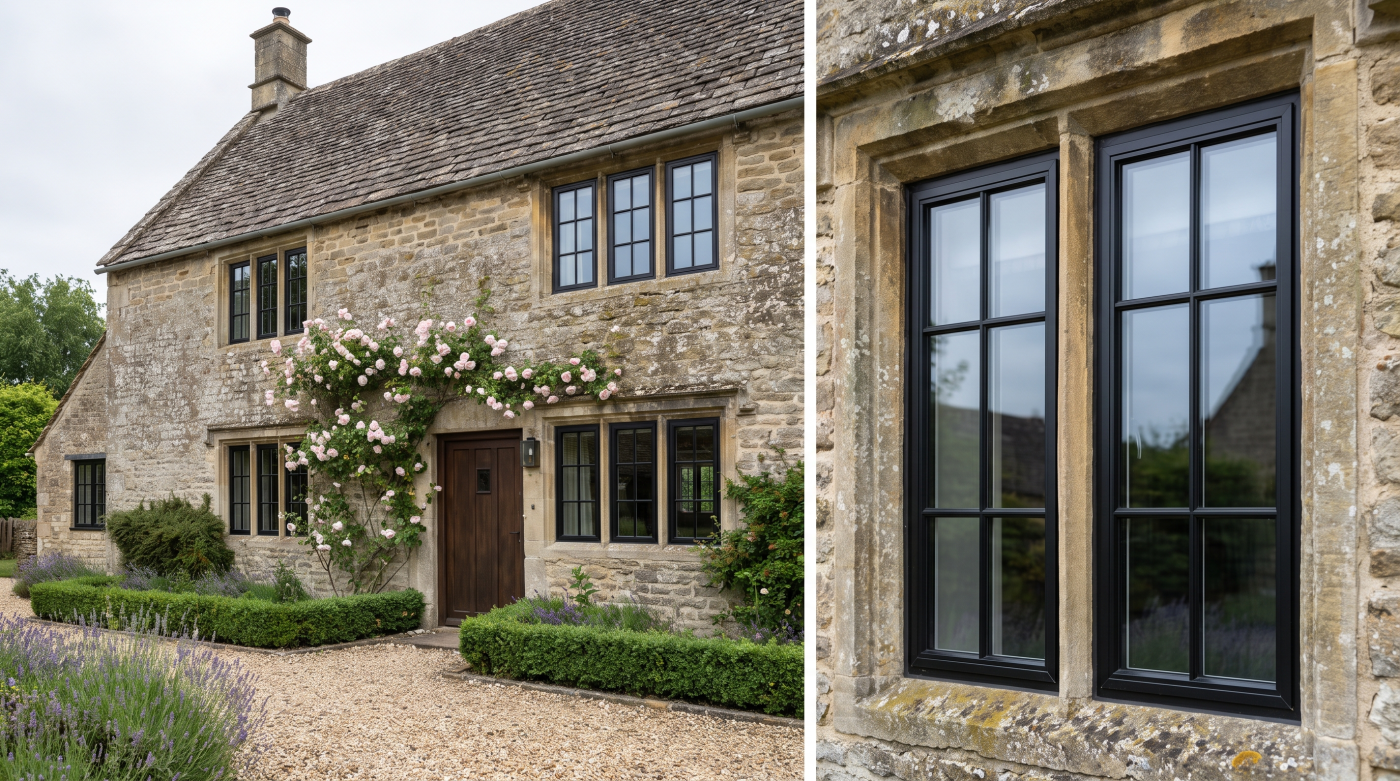
Every Specification Decision Influences the Programme
Lead times are often discussed as though they are determined solely by manufacturing capacity, yet architects recognise that the programme is shaped long before production begins. Every specification decision influences the sequence of work that follows, and changes made during the design process can affect technical approvals, manufacturing schedules and overall project coordination. The earlier these decisions are made and confirmed, the more predictable the programme becomes.
Selecting aluminium windows and doors involves a series of interconnected choices rather than a single product decision. Frame finishes, glazing specifications, hardware selections, opening configurations and bespoke design requirements all contribute to the final manufacturing information. While many of these choices are driven by architectural ambition and project performance, they must also be coordinated into a complete and approved specification before production can commence. Until that specification is finalised, manufacturing cannot proceed with confidence because every alteration has the potential to influence the finished product.
This is particularly relevant on architect-designed homes and bespoke renovation projects, where glazing is often tailored to suit the character and performance requirements of the building. Larger panes, specialist glass, custom colours or unique configurations may require additional technical review or coordination before manufacturing schedules can be confirmed. These are not unnecessary delays but part of the careful process that ensures the glazing is produced accurately and performs as intended once installed.
For homeowners, understanding the relationship between specification and programme helps establish realistic expectations. Decisions made promptly and communicated clearly allow project teams to progress efficiently from design to manufacture, while late changes can have consequences that extend beyond a single component. Architects therefore encourage clients to view specification as an integral part of project planning rather than a series of isolated product choices. A well-considered specification not only supports the architectural vision but also creates the certainty needed for a smoother and more predictable construction programme.
Manufacturing Is Only One Part of the Timeline
When discussing lead times, manufacturing often receives the greatest attention because it is the most visible stage of the process. In reality, however, production represents just one phase within a carefully coordinated programme that extends from verified specification through to final delivery. Architects understand that successful glazing projects rely not simply on efficient manufacturing but on the seamless integration of every stage that surrounds it.
Once final measurements have been confirmed and the specification has been approved, the manufacturing process can begin with confidence. Aluminium profiles are prepared, glazing units are matched to the approved design and individual components are assembled to create the finished windows and doors. Throughout production, quality control procedures help ensure that each element reflects the agreed specification before it progresses to the next stage. This systematic approach prioritises accuracy and consistency, recognising that precision during manufacture contributes directly to long-term performance once the products are installed.
Completion of production does not immediately signal that the glazing is ready for installation. Finished products require careful inspection, preparation for transport and coordinated delivery that aligns with the wider construction programme. Delivering glazing before the site is ready can create unnecessary handling risks or storage challenges, while late deliveries may affect other trades working to the same schedule. Manufacturing therefore sits within a broader logistical process designed to ensure that products arrive at the appropriate time and in the appropriate sequence.
For homeowners, it is helpful to view manufacturing as one important milestone rather than the entirety of the lead time. Architects recognise that the value of production lies not only in how efficiently windows and doors are made but in how effectively manufacturing connects with surveying, specification, logistics and installation. When each stage is coordinated within the overall programme, the result is a smoother project with fewer avoidable interruptions and glazing that is delivered ready to support the next phase of construction.
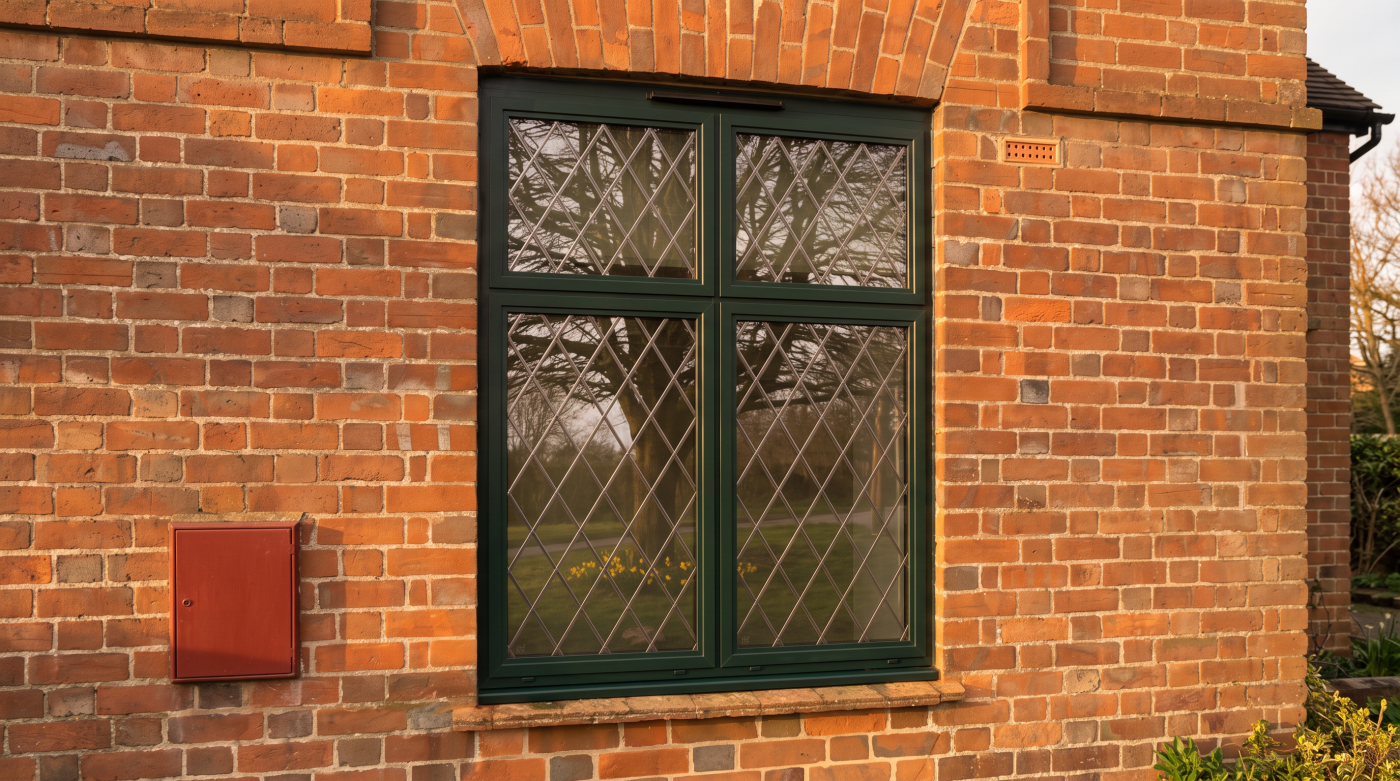
Installation Depends on Site Readiness
Manufacturing may determine when aluminium windows and doors are available, but it does not determine when they should be installed. Architects understand that successful installation depends on the building reaching the appropriate stage of construction before the glazing arrives on site. Even perfectly manufactured products cannot be installed effectively if the structure is unprepared, access is restricted or other critical elements of the construction programme remain incomplete. Site readiness is therefore one of the most important factors influencing the overall project timeline.
Before installation begins, the building must be capable of receiving the glazing safely and accurately. Structural openings should be complete and verified, supporting construction should be sufficiently advanced and the programme coordinated so that installation teams can work efficiently alongside other trades. Delivering glazing before these conditions have been achieved can introduce unnecessary handling, increase the risk of damage and disrupt the wider construction sequence. Careful timing helps ensure that installation contributes positively to the project’s progress rather than creating additional complications.
Coordination between builders, architects, project managers and installation teams is equally important. Construction programmes rarely progress in complete isolation, with each stage influencing those that follow. Changes to masonry, roofing, external finishes or structural works can all affect when glazing should be installed. Professional project teams continually review these dependencies, adjusting delivery and installation schedules where necessary to maintain the quality of the finished building while supporting efficient progress across the site.
For homeowners, this means that installation dates are influenced by more than manufacturing completion alone. A realistic programme considers both the readiness of the glazing and the readiness of the building itself. Architects recognise that aligning these two elements is essential to achieving a smooth installation process, protecting the quality of the products and allowing the glazing to perform as intended from the moment it becomes part of the completed architectural envelope.
Why Programmes Sometimes Change
Even the most carefully planned glazing projects can experience changes to their programme. Homeowners often associate revised timelines with manufacturing delays, but architects recognise that a construction programme is influenced by a wide range of interconnected factors, many of which occur before or after production. A well-managed project is not defined by the absence of change but by the ability of the project team to respond to changing circumstances while maintaining quality and protecting the overall outcome.
Design development is one of the most common reasons a programme evolves. As construction progresses, homeowners may refine architectural details, adjust internal layouts or reconsider aspects of the glazing specification. While these decisions can improve the finished building, they may also require revised drawings, updated technical approvals or amendments before manufacturing can proceed. Similarly, progress elsewhere on site can influence the glazing programme, particularly if structural work, external envelopes or supporting construction are completed later than originally anticipated.
External factors can also affect project sequencing. Construction is a collaborative process involving multiple trades, suppliers and specialists, all working within the same overall programme. Variations in site progress, access arrangements or logistical planning can occasionally require installation dates to be adjusted to ensure that glazing is delivered when the building is genuinely ready to receive it. Professional project teams monitor these dependencies continuously, recognising that flexibility often contributes to a better long-term result than adhering rigidly to an outdated schedule.
For homeowners, changes to a programme should not automatically be viewed as signs of poor planning. Architects understand that successful project management involves balancing certainty with adaptability. The objective is not simply to meet an original timeline at any cost but to ensure that each stage of the glazing process is completed at the appropriate time and to the required standard. When changes are managed transparently and communicated clearly, they help protect the quality, performance and architectural integrity of the finished project.
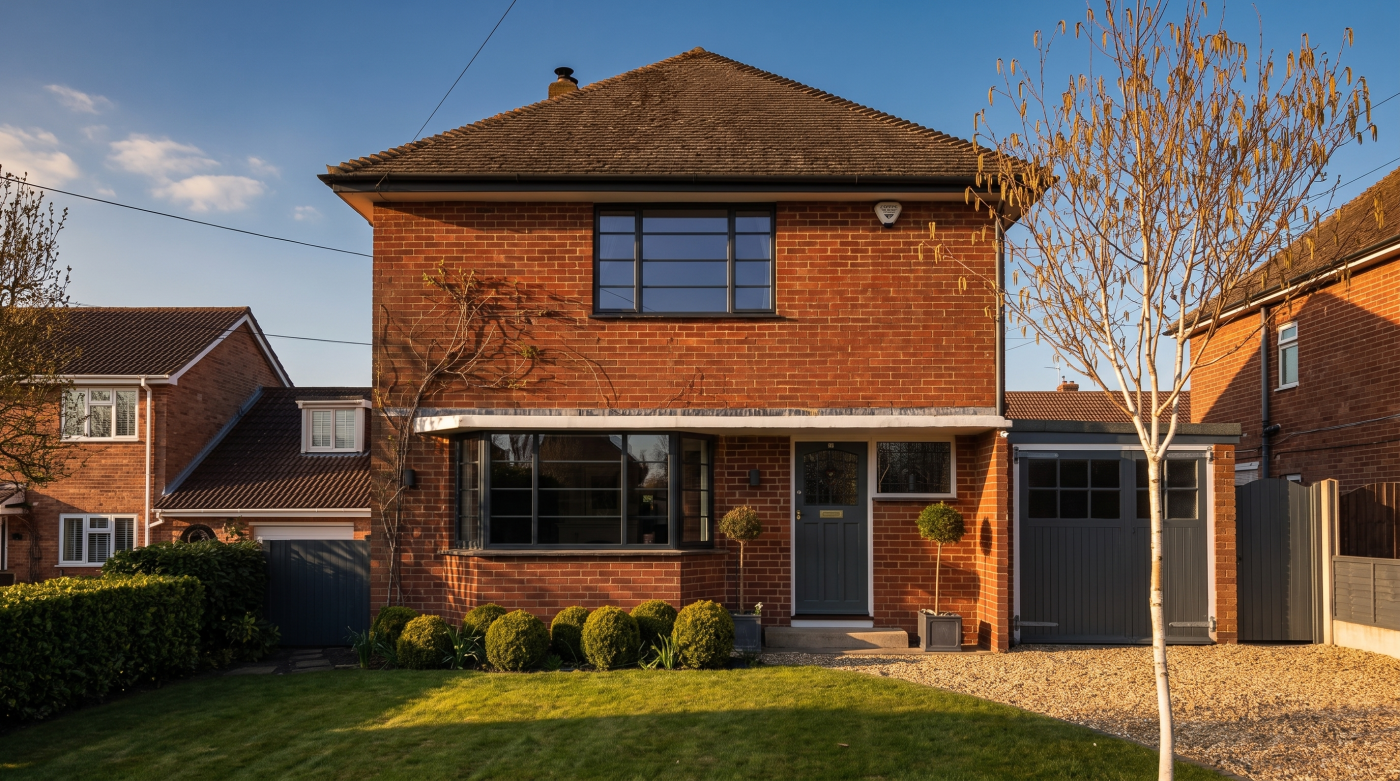
How Homeowners Can Help Keep a Project on Schedule
Although many factors influencing lead times are managed by architects, builders and glazing specialists, homeowners also play an important role in maintaining the momentum of a project. The most successful construction programmes are collaborative, with each decision made at the appropriate time and communicated clearly to everyone involved. Architects understand that informed clients contribute significantly to efficient project delivery because timely decisions help the wider team progress with confidence.
One of the most valuable contributions a homeowner can make is finalising key specification decisions as early as possible. Agreeing glazing configurations, finishes, hardware and performance requirements before technical approvals are required reduces the likelihood of revisions later in the programme. Once manufacturing information has been confirmed, avoiding unnecessary changes allows production, delivery and installation to proceed without introducing avoidable disruption to the wider construction schedule.
Maintaining clear communication with the project team is equally important. Responding promptly to requests for information, ensuring access for site surveys and coordinating decisions with builders and architects all help keep the programme moving forward. Homeowners who understand the sequence of the construction process are often better placed to appreciate why certain decisions must be made before others, allowing each stage to progress in a logical and well-managed order. This collaborative approach reduces uncertainty and supports more effective planning across the project.
Perhaps most importantly, successful projects are built on realistic expectations rather than accelerated timelines. Architects recognise that careful preparation, verified measurements and coordinated installation are essential to achieving high-quality results. Attempting to compress these stages rarely improves the overall outcome and can instead introduce unnecessary risk. By making timely decisions, maintaining open communication and allowing the project team to follow a well-planned programme, homeowners help create the conditions for a smoother construction process and glazing that performs as intended for many years after completion.
Lead Times Are About Planning, Not Just Production
When people think about lead times for aluminium windows and doors, it is easy to imagine a single period of manufacturing followed by delivery. In reality, architects understand that lead time is the result of a much broader process in which planning, specification, coordination and construction all contribute to the final programme. Manufacturing is undoubtedly an important milestone, but it achieves its greatest value when it is supported by careful preparation at every stage that comes before and after it.
Successful glazing projects begin with clear architectural objectives, develop through accurate surveying and informed specification, and progress into manufacturing only when the necessary technical information has been confirmed. From there, production, quality assurance, logistics and installation become interconnected parts of a coordinated delivery strategy rather than isolated activities. Each stage relies on the successful completion of the previous one, demonstrating that predictable lead times are created through organisation and collaboration rather than speed alone.
For homeowners, this wider perspective provides a more realistic understanding of how projects are delivered. Delays are not always the result of manufacturing capacity, just as shorter production periods do not automatically guarantee earlier completion. Site readiness, timely decisions, communication between project teams and thoughtful programme management all influence when glazing can be installed successfully. Appreciating these relationships helps establish realistic expectations and allows decisions to be made with greater confidence throughout the construction process.
Ultimately, lead times should be viewed as a reflection of good project planning rather than simply the time taken to make windows and doors. Architects recognise that the most successful projects are those in which every stage has been carefully considered, responsibilities are clearly understood and the construction programme is allowed to progress in a logical sequence. When planning, specification and coordination work together, manufacturing becomes one part of a well-managed architectural process, resulting in glazing that is delivered, installed and performs exactly as the design intended for years to come.