
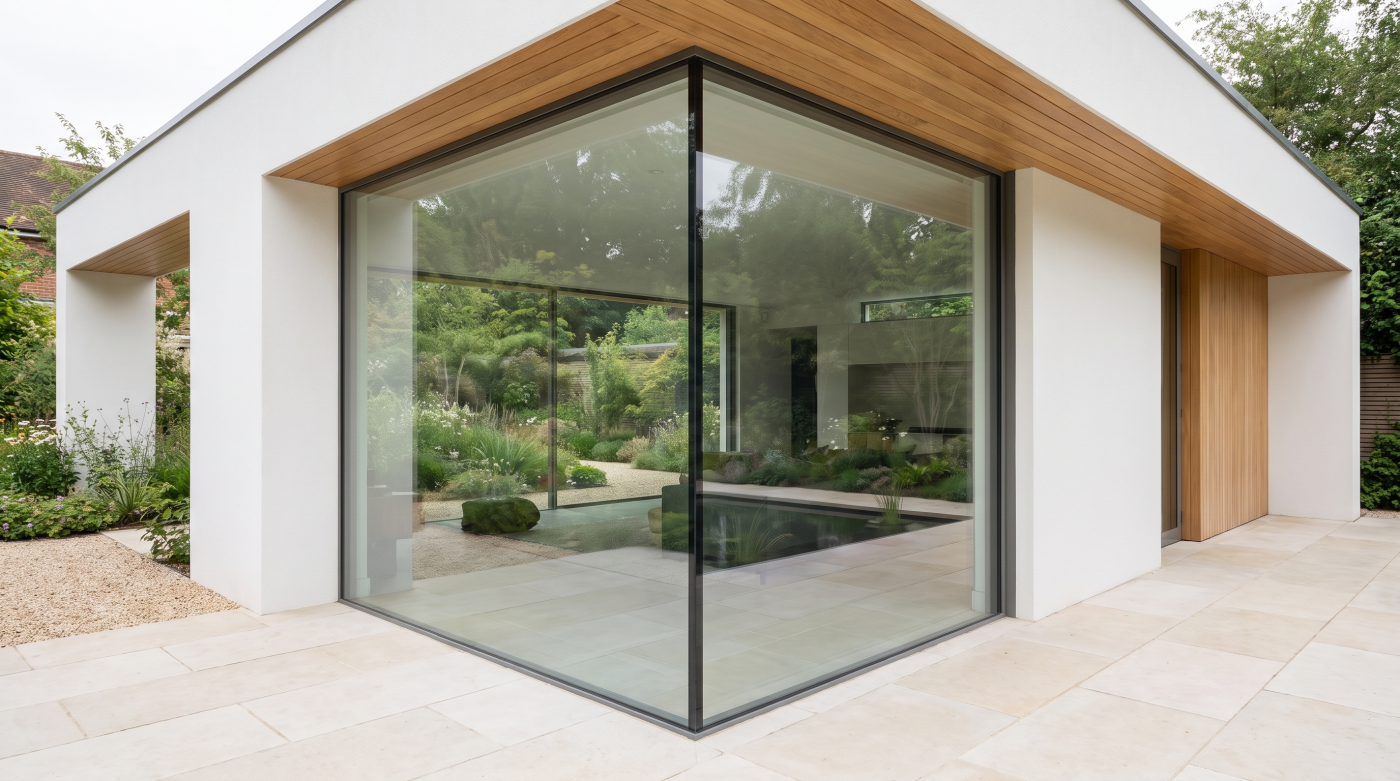
Glazing Lives at the Most Exposed Part of the Building
Windows and glazed doors occupy a demanding position within the architecture of a home. They form part of the boundary between a relatively controlled interior and an external environment that changes continuously. Across the seasons, frames, seals and surrounding components encounter variations in temperature, moisture, sunlight and wind, often while continuing to open, close and protect the interior as intended.
That exposure is rarely uniform across a building. A window positioned beneath a generous overhang may experience very different conditions from an otherwise identical window on an exposed elevation. Orientation matters too. One façade may receive prolonged sunlight while another remains predominantly shaded, and wind-driven rain can reach elevations that appear relatively protected during calmer weather. Landscaping, neighbouring buildings and the geometry of the house can alter these conditions further.
This is why weathering should not automatically be understood as evidence of failure. External building materials are selected and systems designed with environmental exposure in mind. What matters over time is how the complete assembly responds to those conditions and whether there are significant changes in appearance, operation or weather performance.
The architectural context is therefore as important as the glazing itself. Two identical windows installed on the same property can spend their lives experiencing quite different environments simply because of where they are positioned.
Understanding that variation provides a useful starting point for long-term maintenance. Before asking how weather might affect a particular frame or seal, it is worth considering the conditions it actually encounters. Climate establishes the broader environment, but orientation, shelter and architectural design determine much of the weather each glazed opening ultimately experiences.
Heat, Cold and Repeated Temperature Change
Temperature is rarely static across the exterior of a building. Frames and surrounding components experience daily and seasonal cycles of warming and cooling, sometimes with different parts of the same elevation responding at different rates. A surface exposed to prolonged sunlight may experience very different conditions from one that remains shaded, even when both belong to the same glazing system.
Materials respond physically to changes in temperature. They expand and contract to different degrees, and within a window or door those materials form part of a larger assembly containing glass, frames, seals, fixings and other components. Successful glazing design therefore does not depend on preventing movement altogether, but on accommodating the behaviour expected from the materials and system concerned.
Repeated temperature change is particularly relevant because weathering is cumulative rather than defined only by exceptional events. The transition from a cold night to a sunlit morning, followed by cooling again later in the day, forms part of the normal environmental cycle experienced by an external façade. Seasonal changes extend that pattern over a much longer period.
None of this means that visible movement or a change in operation should automatically be attributed to temperature. Glazing systems are designed for external conditions, and unusual behaviour can have several possible causes. Where a window or door becomes difficult to operate, no longer closes normally or develops another significant change, the particular installation should be considered rather than relying on a general explanation.
The underlying architectural principle is one of accommodation. External materials do not remain untouched by their environment. Good specification and installation anticipate environmental change and allow the glazing assembly to respond to it while continuing to perform as intended.
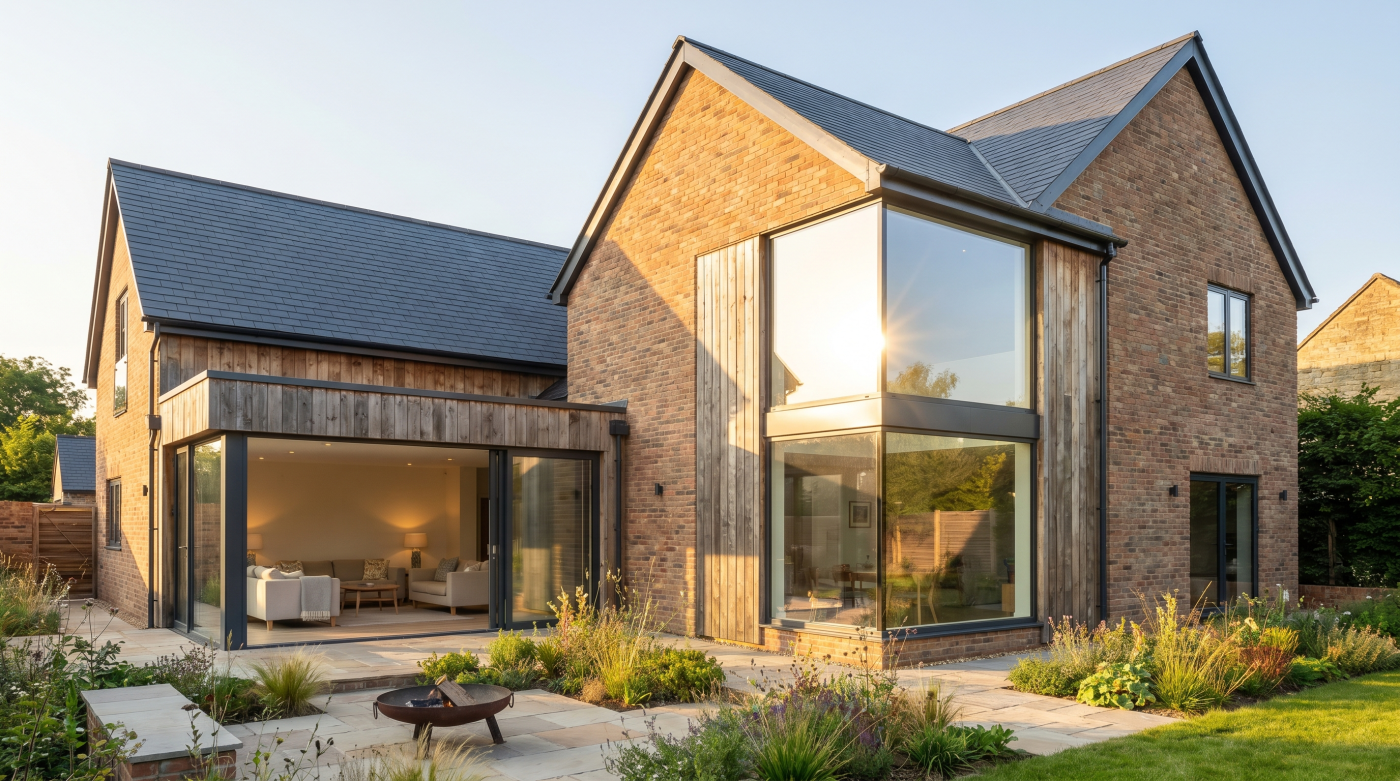
Rain, Moisture and Repeated Wetting
Rain is an expected part of the environment in which external glazing operates, but not every part of a building experiences it in the same way. A sheltered window beneath an overhang may receive relatively little direct rainfall, while another elevation can be exposed repeatedly to wind-driven rain. The orientation and form of the building therefore influence not only how much water reaches the glazing, but where that water is concentrated.
Frames, seals, thresholds and surrounding junctions form part of the way an opening responds to these conditions. Glazing systems may also incorporate drainage arrangements designed to manage incidental water and direct it appropriately. The precise configuration varies between systems, which is why visible channels or openings should not be assumed to have the same function on every window or door.
Repeated cycles of wetting and drying form part of normal external exposure. What matters is distinguishing that expected weathering from water appearing where it should not. Persistent moisture on the interior, recurring water ingress during particular weather conditions or an obvious change in weather performance deserves closer investigation rather than being accepted simply as a consequence of heavy rain.
Accessible areas around exposed thresholds and frames can also accumulate leaves, grit and other debris, particularly during autumn and winter. Keeping appropriate surfaces reasonably clear can make it easier to observe how the system is behaving, although concealed drainage components should not be dismantled or modified without manufacturer-specific guidance.
Good weather protection is therefore not based on the assumption that rain never reaches a window. Architecture must manage exposure intelligently. The important distinction is between water encountering the exterior as expected and water repeatedly reaching parts of the building where it was not intended to be.
Sunlight and Long-Term Surface Exposure
Sunlight influences a glazed elevation in ways that extend beyond daylight and solar gain inside the home. Frames, seals and external finishes can also spend long periods exposed directly to the sun, making orientation an important part of understanding how different parts of a building weather over time. A south- or west-facing elevation, for example, may experience a very different pattern of exposure from glazing that remains shaded for much of the day.
Ultraviolet radiation forms part of that environment. Exterior materials and finishes are selected with outdoor exposure in mind, but this does not mean that every material will remain visually unchanged indefinitely. Colour, surface appearance and the condition of exposed components can develop over time, with the extent and character of those changes depending on the material, finish, system and conditions it experiences.
Solar exposure also works alongside temperature. Surfaces receiving direct sunlight can warm and subsequently cool as conditions change, adding to the repeated environmental cycles experienced by the complete glazing assembly. The architectural orientation of a façade therefore affects not only the light entering a room but the conditions experienced by the exterior itself.
This makes comparison across elevations useful. A difference between a highly exposed frame and one in a sheltered position does not automatically establish a defect; it may reflect the different environments in which those components have spent their lives. Significant or unexpected deterioration, however, deserves appropriate assessment.
Maintenance should remain specific to the installed system. Where cleaning, treatment or care of a particular frame finish or seal is required, the manufacturer’s guidance should determine the appropriate method. Understanding solar exposure provides the context; preserving the material correctly requires knowing what has actually been specified.
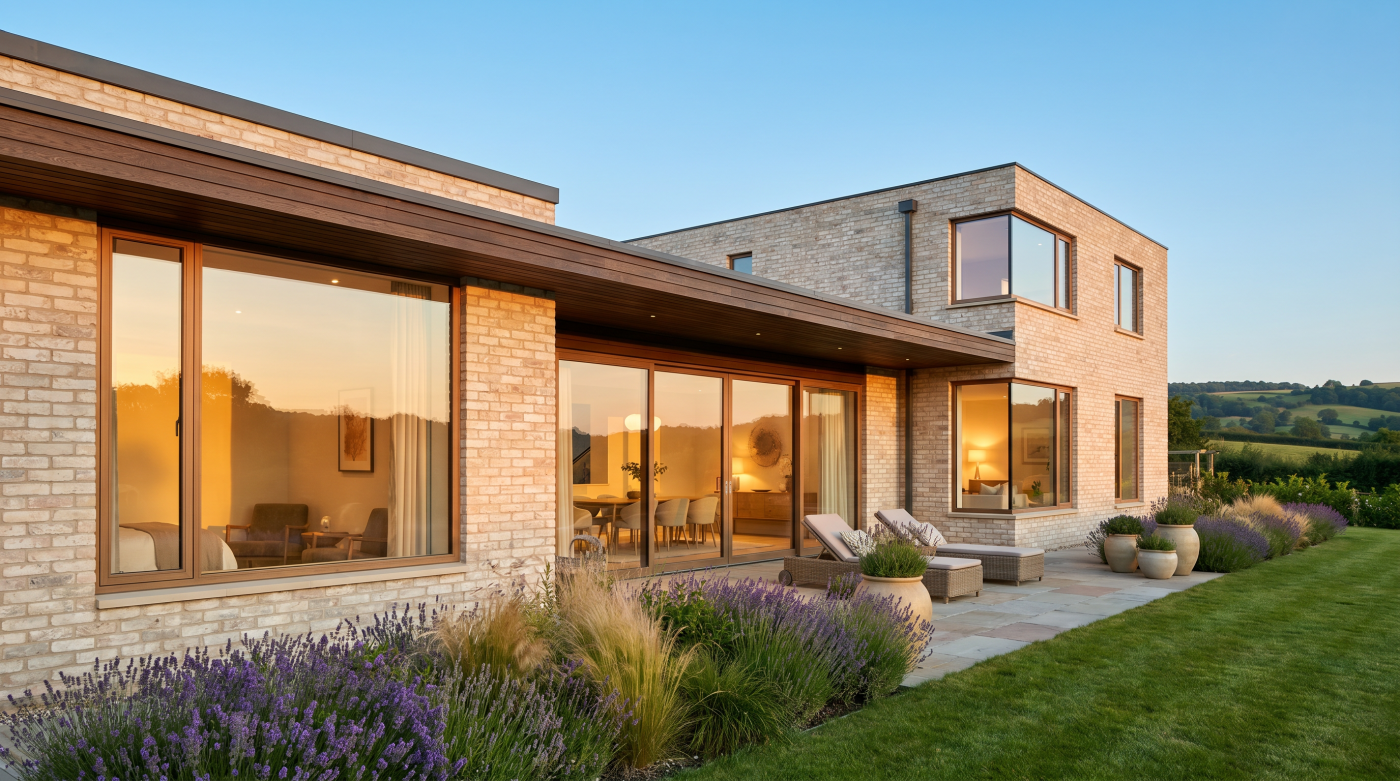
Wind, Pressure and Exposed Locations
Wind changes the way weather interacts with a glazed elevation. Rain that falls relatively vertically in calm conditions can be driven against frames, seals and junctions when accompanied by stronger winds, while exposed parts of a building may experience very different conditions from openings positioned within sheltered courtyards or beneath greater architectural protection. Location and orientation therefore matter as much as the weather forecast itself.
This becomes particularly relevant on open countryside sites, elevated properties and buildings with elevations facing prevailing weather. Large areas of glazing and substantial sliding doors form part of the external envelope in these locations and need to be specified for the conditions they are expected to encounter. A system performing in a protected part of one building should not automatically be assumed to experience the same demands when placed on a much more exposed façade.
Severe weather can also make changes easier to notice. An unfamiliar noise, unexpected movement or water appearing during periods of wind-driven rain may provide useful information about how an opening is behaving. Such observations should not be treated as a homeowner diagnosis of structural or weather performance, but recurring patterns can help an appropriate professional understand the circumstances in which a problem occurs.
The wider principle begins long before maintenance. Exposure is a specification consideration. Site conditions, building orientation and the position of individual openings all contribute to the demands placed on frames, seals and complete glazing systems.
Good architectural glazing therefore responds not simply to the dimensions of an opening or the desired view, but to its particular position within the building. Weather is experienced locally, elevation by elevation, and successful specification recognises those differences from the outset.
What Happens to Seals Over Time
Seals are among the least visually prominent components of a window or door, yet they contribute to some of its most important functions. Around opening elements, they help create the interface between moving and fixed parts of the system, supporting the way the window or door closes and responds to external conditions. Their performance therefore deserves consideration alongside the more visible glass and frames.
Like other external components, seals spend their lives experiencing environmental change. Depending on their position within the system, they may be exposed to variations in temperature, moisture and sunlight while also undergoing repeated compression as windows and doors are opened and closed. Over time, materials can age, although the nature and rate of any change depend on the particular seal, system and conditions of exposure.
For homeowners, observation is more useful than attempting to predict lifespan. An accessible seal that appears displaced, damaged or substantially different from its previous condition is worth noting, particularly if the change coincides with different closing behaviour, increased draughts or altered weather performance. None of these symptoms alone identifies the cause, but together they can provide useful context for further assessment.
Generic treatments or automatic replacement should be approached cautiously. Seal materials and profiles vary between glazing systems, and products intended to clean, condition or treat one material should not be assumed appropriate for another. Manufacturer-specific guidance should determine any maintenance or replacement requirements.
Small components can have disproportionate importance within an architectural assembly. Paying attention to seals is therefore not about expecting deterioration, but recognising their role in the complete glazing system and noticing when their condition or behaviour appears to have changed.
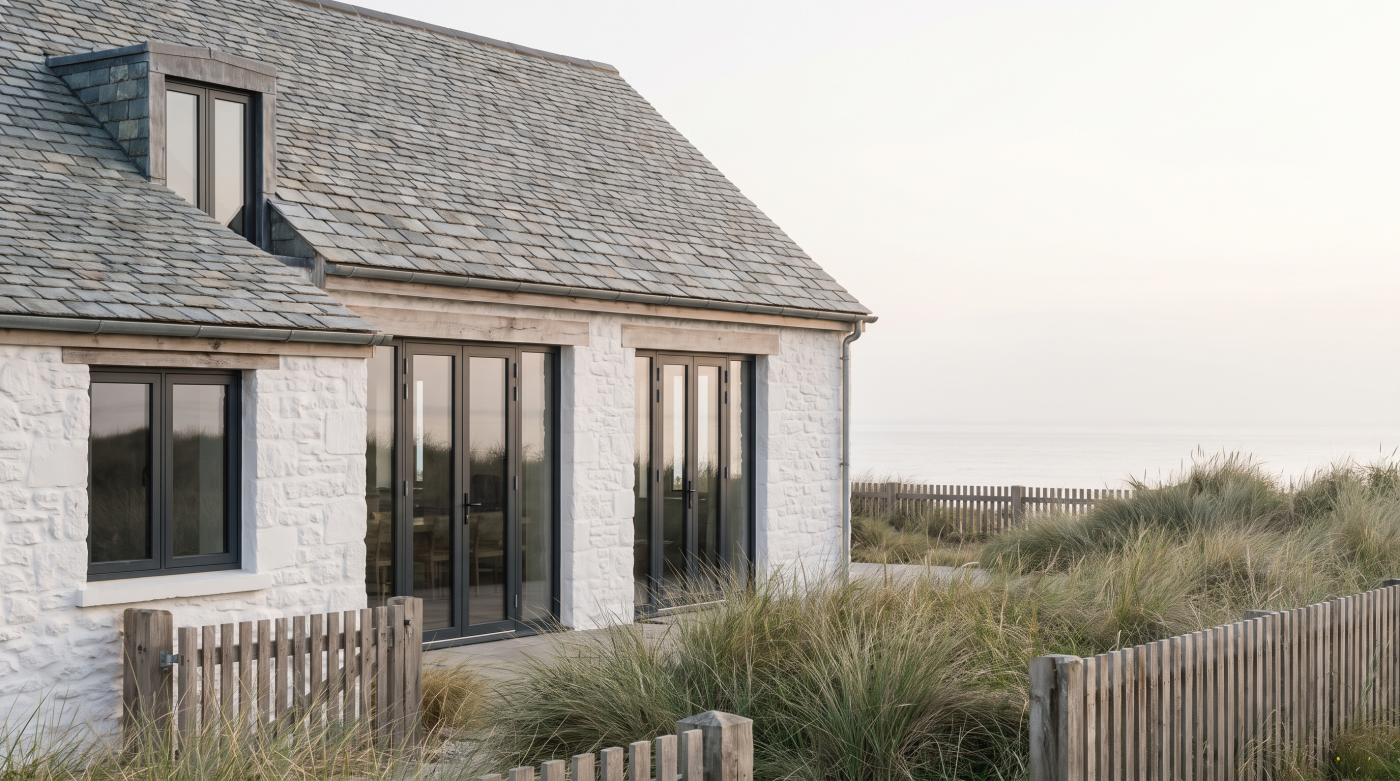
How to Distinguish Weathering From a Problem Worth Investigating
Not every visible change in a window or door indicates a significant problem. External materials naturally experience weather and use, and some gradual change in appearance may simply reflect years of exposure. More useful than expecting glazing to remain visually unchanged is understanding how it normally looks and operates, then recognising when something begins to behave differently.
The pattern of that change can provide important context. A slight alteration in surface appearance is different from recurring water ingress, a seal becoming visibly damaged or displaced, or an opening element becoming progressively more difficult to close or lock. Similarly, a draught noticed only during unusually strong winds presents a different set of circumstances from unwanted air movement that has developed gradually and persists in ordinary conditions.
It can help to consider when and where the issue occurs. Is it confined to one elevation? Does it appear only during wind-driven rain? Has the operating behaviour changed over several months? Are neighbouring windows exposed to similar conditions behaving differently? These observations do not provide a diagnosis, but they can make subsequent investigation considerably more informed.
Where a problem is intermittent, photographs and simple records of the conditions in which it appears can also be useful. Water penetration that disappears before an inspection, for example, may be easier to understand if its location and the surrounding weather conditions have been documented.
The objective is not for homeowners to diagnose technical failures themselves. It is to distinguish gradual weathering from meaningful changes in performance. Persistent water ingress, increasing draughts, damaged components or significant changes in operation deserve appropriate investigation rather than being dismissed as the inevitable consequence of age or weather.
Designing Glazing for Decades of Weather Exposure
Long-term weather performance begins well before a window or door encounters its first winter. At specification stage, the position of the building, orientation of individual elevations and degree of exposure can all be considered alongside appearance, thermal performance and the desired relationship between inside and outside. Durability is therefore not simply a maintenance question; it is part of architectural design.
A sheltered courtyard opening may experience very different conditions from glazing facing open countryside, while one elevation can receive substantially more sunlight, wind or wind-driven rain than another. These differences can inform conversations around framing systems, finishes, opening configurations and threshold design. They can also influence practical questions about maintenance access and how easily exposed components can be inspected over time.
The objective is not to find a glazing system that is somehow unaffected by its environment. External materials exist within changing conditions. Good specification recognises those conditions and selects systems appropriate to the project, supported by installation details and maintenance requirements that consider how the building will actually be used.
This whole-life perspective is particularly valuable for homes intended to be occupied for decades. Asking how frames and seals should be maintained, what manufacturer guidance applies and what future support is available can be as relevant as considering their appearance on completion.
Weathering cannot be removed from architecture, but it can be anticipated. The most resilient glazing decisions begin with an understanding of place: the orientation of the building, the exposure of each elevation and the conditions its materials will repeatedly encounter. Designing with those realities in mind gives glazing the strongest foundation for performing as intended throughout its life.