
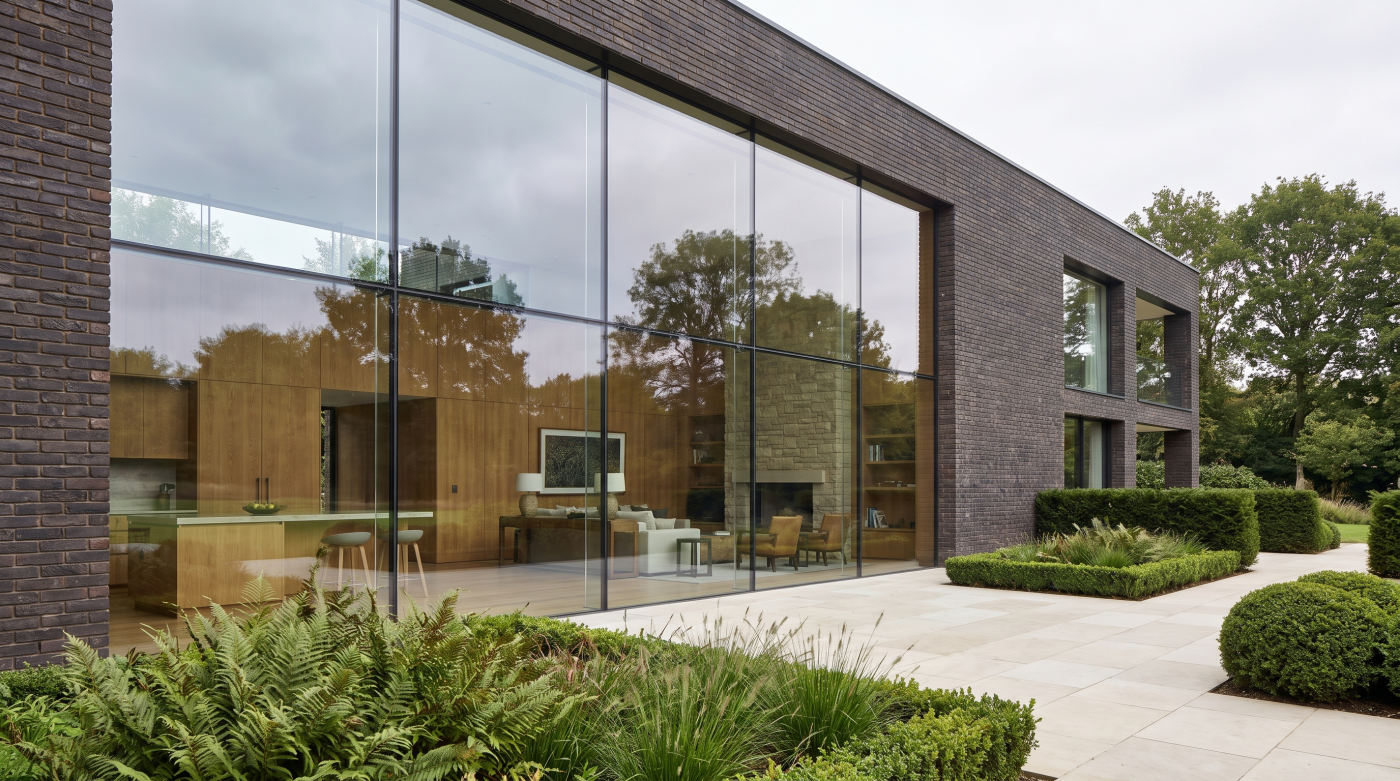
The First Confession: The Window Is Rarely the Whole Problem
When a window disappoints, it is natural to assume that the answer begins with the window.
Sometimes it does. But after enough projects, a broader pattern becomes difficult to ignore: the glazing is only one part of an architectural relationship.
A window sits within an opening, which sits within an elevation, which belongs to a room and ultimately to a building with its own proportions, orientation, history and character. Change one component without understanding the others and even an excellent product can struggle to deliver the outcome imagined for it.
This is particularly apparent when the problem being described is not really about the window at all. A room may feel dark despite having substantial glazing. A large opening may fail to create the connection with the garden that was expected. A replacement window may perform perfectly well as a component yet feel visually uncomfortable within the architecture around it.
None of this means the glazing is irrelevant. It means its success depends partly on the problem it has been asked to solve.
That distinction becomes more important as projects become more ambitious. Larger panes, slimmer frames or more sophisticated systems can expand the architectural possibilities, but they cannot independently correct an unresolved design decision.
The first lesson from years of installations is therefore deceptively simple.
Before deciding what should replace a window, understand what you are actually trying to change about the building.
The Decisions That Hurt Most on Site Were Usually Made Months Earlier
Installation day can make a problem look surprisingly new.
A question appears around a configuration, a finish does not relate to the surrounding architecture as expected, or an important detail suddenly demands attention. Because the issue becomes visible while people are standing on site, it is easy to think that this is where the problem began.
Often, it began much earlier.
By the time windows arrive at a property, a long sequence of decisions has already taken place. Openings have been designed, configurations considered, dimensions established, finishes selected and information translated into components that can actually be manufactured.
As the project moves forward, those decisions become progressively more physical.
Something that might have been straightforward to reconsider while the project existed largely as drawings can become considerably more consequential once construction has progressed and the glazing itself has entered manufacture.
This is why the calmest installations often owe much of their success to work that happened months before anybody arrived with a window.
It is not about predicting every possible circumstance. Existing buildings in particular have a habit of revealing information gradually, and even carefully considered projects can encounter the unexpected.
The distinction is between the genuinely unforeseen and the uncertainty that was simply carried forward.
Installation has an unforgiving way of making earlier decisions visible. By the time a question reaches the opening itself, the easiest opportunity to answer it may already have passed.
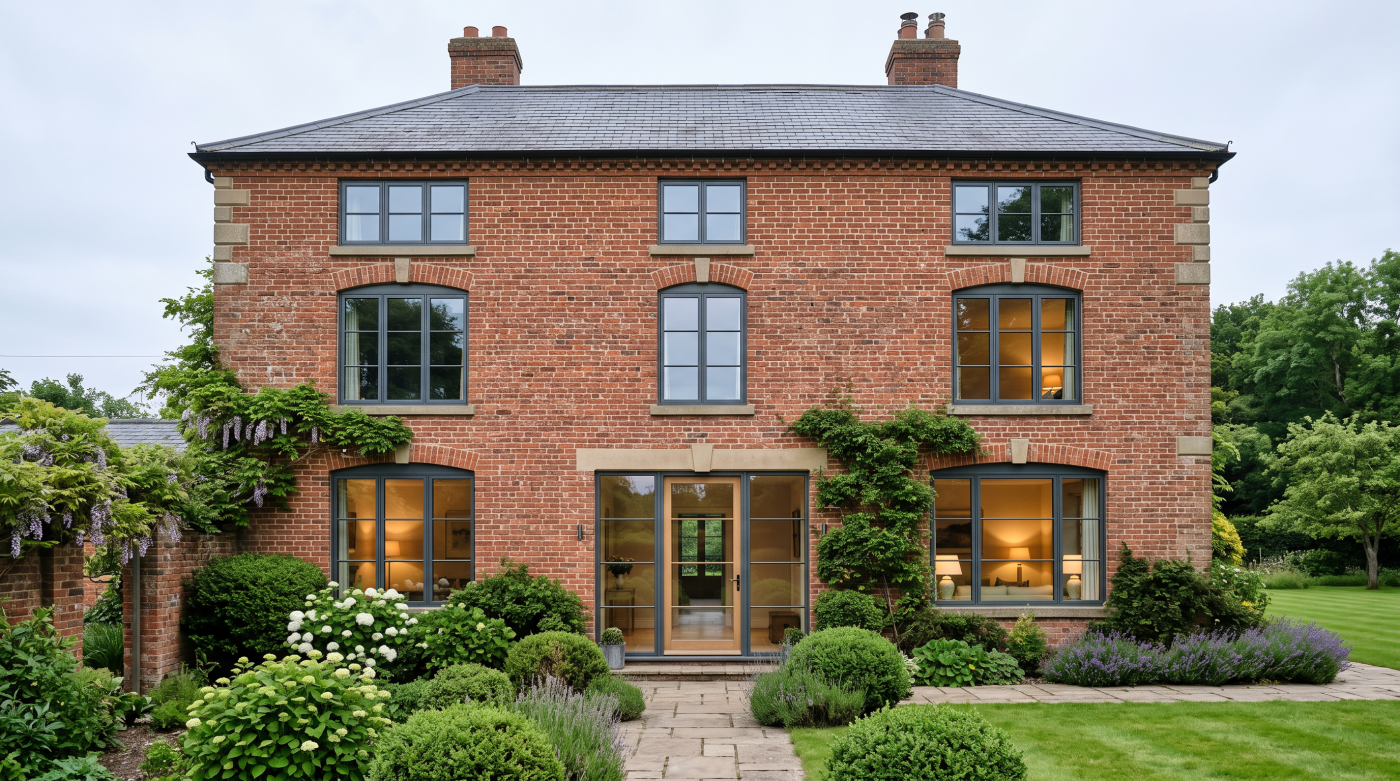
No Premium Window Can Rescue the Wrong Design Decision
There is an understandable temptation to believe that moving further up the product hierarchy will automatically produce better architecture.
It does not always work that way.
A beautifully engineered window can deliver exceptional qualities as a product, but it cannot decide whether an opening is correctly proportioned for the elevation. A sophisticated glazing system cannot determine whether a wall should have contained that much glass in the first place. Nor can a particularly slim frame guarantee that the resulting room will feel more considered.
These are architectural questions before they are product questions.
The distinction becomes important because premium glazing expands what is possible. Larger openings, refined frame profiles and increasingly restrained visual details can give architects and homeowners greater freedom. But possibility should not be confused with necessity.
Sometimes the stronger decision is a smaller opening. Sometimes a visible frame contributes positively to the composition. Sometimes the additional performance, complexity or visual minimalism available from a particular specification does not meaningfully improve the architecture being created.
Experience makes this increasingly apparent because finished projects expose the difference between technical ambition and design judgement.
The most expensive component in the building can still be the wrong component for that building.
Good glazing specification therefore begins before the product is chosen. First establish what the architecture needs the opening to achieve. Only then can the qualities of different glazing systems be judged in a meaningful context.
A better product can expand the answer. It cannot rescue the wrong question.
Existing Houses Always Know Something the Drawings Don’t
Drawings have to simplify buildings. That is part of what makes them useful.
They establish dimensions, relationships and design intent in a form that allows different people to understand the project. But an existing house contains another layer of information: the accumulated reality of everything that has happened to it before the current renovation began.
Extensions have been added. Openings may have changed. Materials meet one another in ways that are not immediately obvious. Floors, finishes and surrounding construction carry the consequences of decisions made years or sometimes generations earlier.
This does not make the drawings wrong. It means the building has a history that cannot always be reduced to lines on a page.
That distinction becomes particularly important when new glazing meets existing architecture.
An opening that appears straightforward in principle still belongs to a physical building, and understanding that context can influence how the project develops. Period properties make the lesson especially visible, but repeatedly altered modern houses can contain just as many layers.
Experience teaches you to respect that uncertainty rather than pretend it does not exist.
The existing building should therefore be treated as evidence. It can reveal where previous alterations have occurred, where assumptions deserve further investigation and where apparently simple interventions may need more thought.
A drawing describes what the project intends to become.
The house tells you what you are actually starting with.
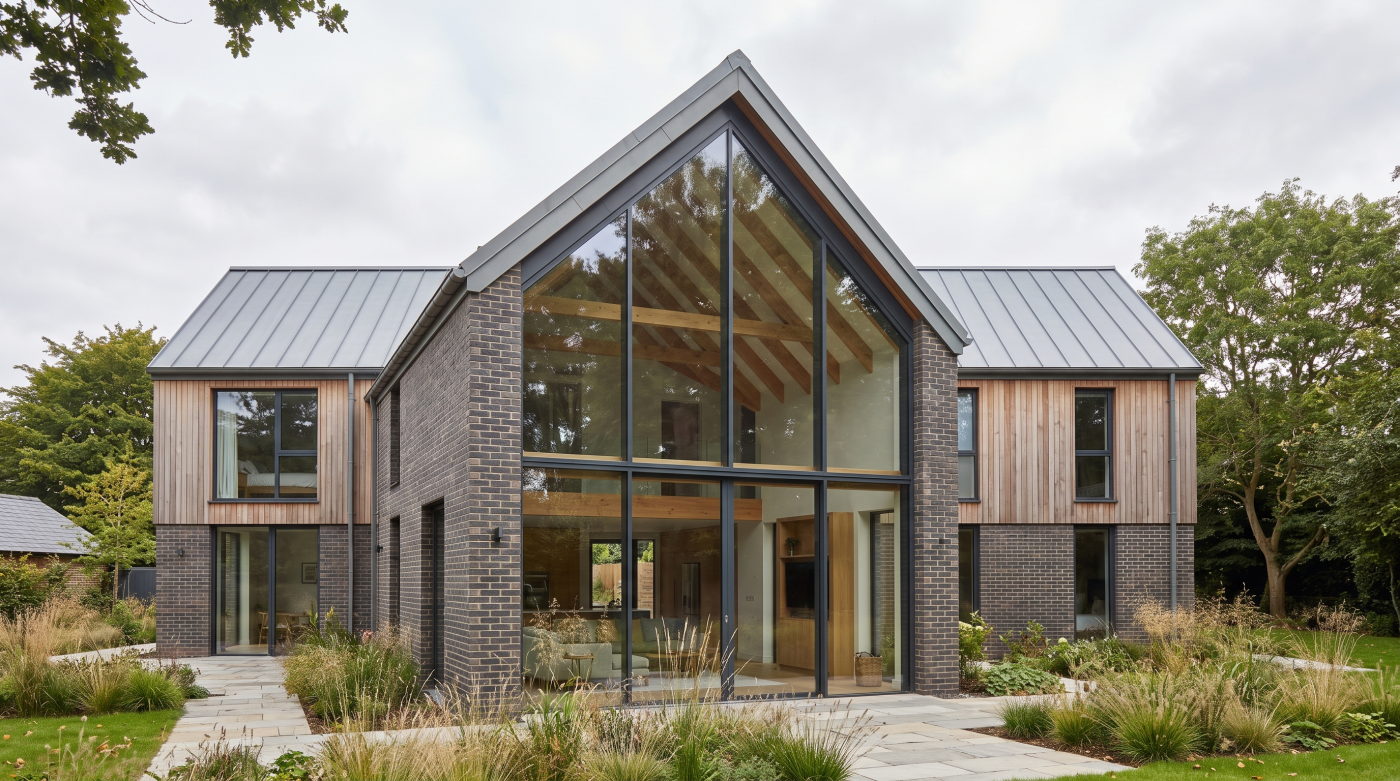
The Details Homeowners Barely Notice Are Often the Ones They Live With Every Day
The decisions that attract the most attention during a glazing project are usually the largest ones.
Frame material. Colour. The width of a sliding door. The size of a picture window. These choices are easy to discuss because their effect on the finished architecture feels immediate.
Yet once the project is complete, daily experience often settles around much quieter details.
It is the position of a handle you use every morning. The sightline between two adjacent windows. The way an opening element interrupts a view when closed. The relationship between a threshold and the floor around it. The alignment of frames that are seen together from across a room.
Individually, these can appear secondary. Collectively, they influence whether the glazing feels resolved.
Years of completed projects make this distinction increasingly apparent. The dramatic elements create the photographs, but the smaller relationships determine how comfortably the architecture is lived with after the novelty has disappeared.
This is also why consistency should not be pursued without thought. Matching every window may produce visual order, but different rooms and elevations can ask different things of their glazing. The important consideration is not whether every detail is identical, but whether each decision belongs to a coherent architectural idea.
Good design often becomes quieter with familiarity.
You may eventually stop noticing a particularly well-resolved detail altogether. That does not make it insignificant. It may be evidence that it is doing exactly what it should.
The Smoothest Installations Usually Look Almost Boring
Renovation stories tend to celebrate drama.
Something unexpected is discovered, a difficult problem appears and somebody finds an ingenious way to solve it. These moments make good stories because the problem is visible and the solution feels immediate.
A well-prepared installation can look considerably less impressive.
The glazing arrives when the project is ready for it. Access has been considered. The relevant information is understood. Other trades know how the installation relates to their work. The significant questions have already been discussed rather than waiting to reveal themselves beside an open aperture.
From the outside, very little appears to happen.
That apparent simplicity can disguise how much work preceded it.
No project can eliminate uncertainty completely. Existing buildings in particular can reveal circumstances that were difficult to establish beforehand, and large or unusual glazing can introduce its own practical considerations.
But there is an important difference between responding intelligently to something genuinely unforeseen and repeatedly solving problems that could have been anticipated earlier.
Experience gradually changes what looks impressive.
The heroic last-minute solution becomes less desirable than the project that never needed one. Coordination becomes more valuable than improvisation. Preparation becomes part of the quality of the finished work, even though the homeowner may never see most of it.
The best installation day can therefore feel almost uneventful.
Nothing dramatic happens because nothing dramatic needed to happen. The windows arrive, the project is ready for them, and decisions made weeks or months earlier quietly prove their value.
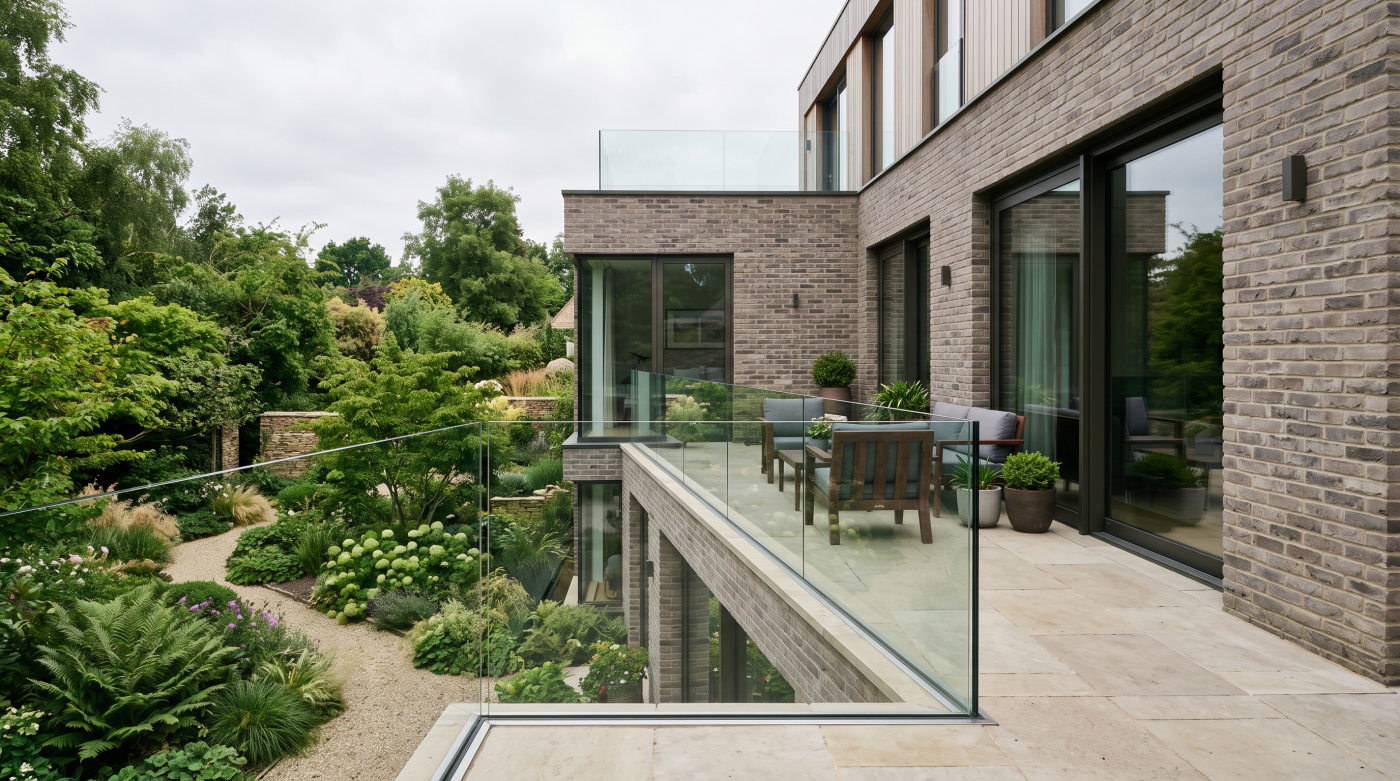
The Best Projects Are the Ones Where Nobody Is Trying to Win the Room
Complex building projects bring together people who understand different parts of the same problem.
An architect may be protecting the architectural intent. A builder understands how that intent must meet the realities of construction. A glazing specialist brings detailed knowledge of the windows and doors being considered. Surveyors, heritage consultants and other specialists may contribute perspectives that become important at different stages.
Experience teaches you that these roles become less useful when expertise turns territorial.
The glazing specialist does not need to become the architect. The architect does not need to know everything the glazing specialist knows. Nor should the builder be treated simply as the person who receives decisions after everybody else has finished making them.
The strongest projects tend to allow these different perspectives to meet.
That does not mean everyone agrees immediately. Good collaboration can involve questions, challenges and changes of direction. What matters is that the discussion remains focused on improving the project rather than demonstrating who understands it best.
This is particularly important with architectural glazing because windows sit at the intersection of several conversations. They influence elevations, interiors, construction, performance and the everyday experience of the building.
No single perspective owns all of those relationships.
The most valuable expertise therefore knows both what it contributes and where its knowledge ends.
After enough projects, collaboration stops looking like a courtesy between professionals. It starts looking like one of the mechanisms through which better buildings are actually made.
Twenty Years Changes What You Think a Good Installation Looks Like
At first, the impressive parts of architectural glazing are easy to identify.
The enormous pane of glass. The exceptionally slim frame. The difficult opening successfully negotiated. The moment the protective covering comes away and a room suddenly feels connected to everything beyond it.
Experience does not make those moments less satisfying. It simply changes what you notice around them.
Over time, a successful installation begins to look less like an isolated achievement and more like the final visible stage of a much longer sequence. The architecture had to make sense. Important decisions had to be resolved. The existing building had to be understood. Details needed consideration, information needed coordination and the project had to be sufficiently prepared for the glazing to become part of it.
By installation day, much of the work that determines the outcome is already invisible.
That may be the most important lesson accumulated through years of projects. Good glazing is not created by the window alone, and installation cannot be separated completely from everything that preceded it.
The finished frame is simply where all those earlier decisions finally become tangible.
After enough installations, you stop judging a project only by how the windows look when the protective film comes off.
You start noticing everything that had to go right before they arrived.