
Do Leaseholders Need Permission to Change Their Windows?
Leaseholders may need permission to replace their windows, even where they are responsible for maintaining them. The lease determines the starting position: which parts of the building are included, who must repair them and what restrictions apply to alterations.
Those questions are separate from planning permission and building regulations. They also remain relevant in a building described as share of freehold. This guide considers leasehold homes in England and Wales, with planning examples focused on England. Before ordering, establish the contractual position, the correct consenting party and the specification that can be accepted for the shared building.
Who Owns the Windows, and Who Must Maintain Them?
Begin with the lease’s description of the property, often called the demise, and its repairing obligations. These provisions may allocate different responsibilities for glass, frames and the surrounding external structure. A window seen from inside one flat is not necessarily treated as one indivisible item under the lease. The wording needs checking against the actual building.
The Leasehold Advisory Service explains that responsibility varies with the lease. Do not assume that paying for a previous repair establishes ownership or a right to replace. Likewise, a landlord’s responsibility for external walls does not, by itself, settle every question about the windows within those walls. Read the relevant clauses together.
Maintenance and authority to alter should then be considered separately. A leaseholder may have an obligation to keep a component in good repair while still needing consent for a proposed replacement. Conversely, if the landlord must undertake the relevant work, commissioning it independently can create difficulties even where the intention is to improve the flat.
If the wording is unclear, obtain lease-specific legal advice before selecting the project route. A surveyor can help identify the components and work required, while the legal adviser interprets the obligations. That division of expertise is useful: the building assessment defines what needs doing, and the lease establishes who may arrange it and on what basis.
Does Replacing a Window Count as a Repair or an Alteration?
The scope of work matters more than the label used on a quotation. Renewing a failed handle, replacing a glazing unit and removing the complete frame are different operations. Whether a proposal engages an alteration restriction depends on the lease and the work, so calling every replacement a repair does not resolve the contractual question.
Changes to material, colour, frame dimensions or opening pattern deserve particular attention. Two windows can occupy the same masonry opening yet differ visibly in their sections, glazing bars and reflections. A description of like-for-like replacement needs enough supporting detail to show what matches, what changes and how the finished elevation will look.
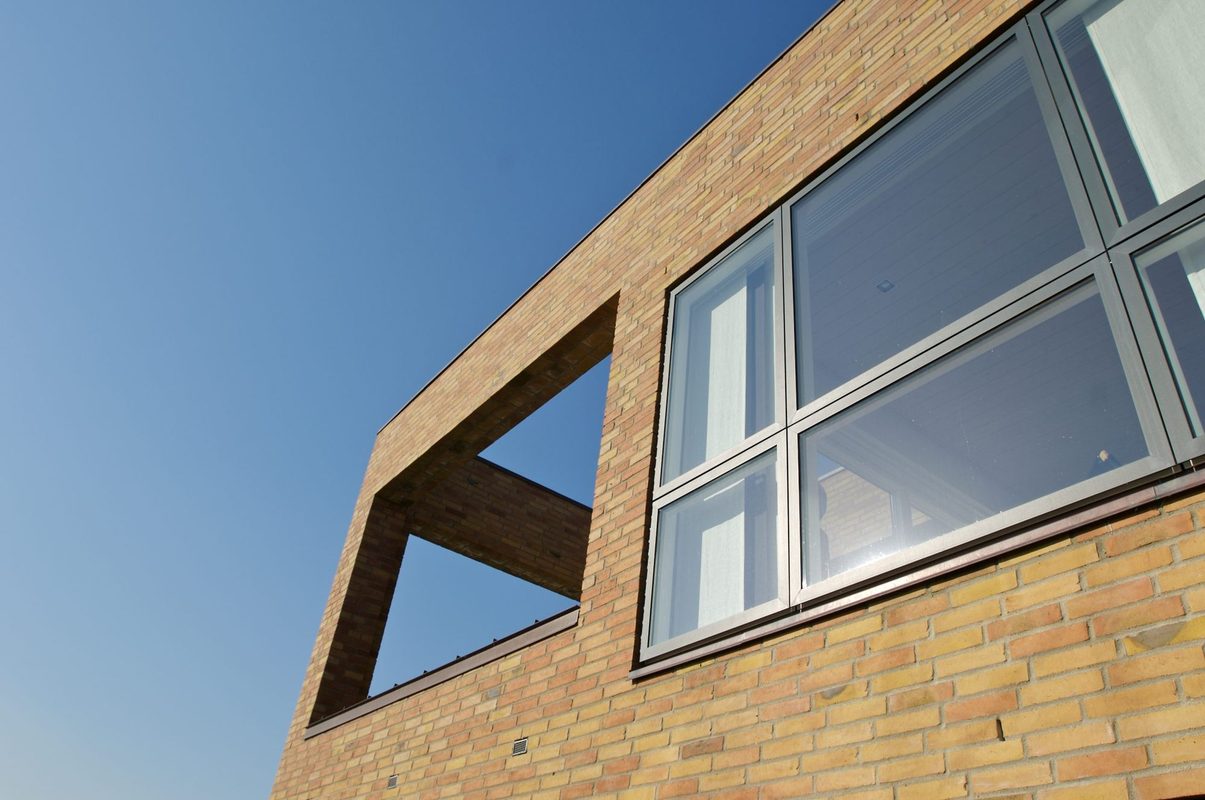
In a converted Georgian building in Bath, the meeting rails and proportions of adjoining sash windows may form a coherent façade. In a Bristol apartment building, repeated frame widths and finishes may serve a similar role. The design should be assessed at that building scale, rather than only through the view from the individual room.
Prepare an accurate existing-and-proposed description before asking whether consent is required. Include any work to reveals, sills, external finishes and ventilation openings. Where the lease distinction between repair and alteration is uncertain, have it interpreted professionally. A clear technical scope makes that advice more useful and reduces the risk of an approval covering less than the installer intends to do.

Who Can Give Consent to the Work?
The party collecting the service charge is not automatically the only party whose approval matters. Depending on the arrangements, authority may sit with the landlord, an authorised managing agent, a management company or a right to manage company. Establish who can issue the required consent and whether another party must be notified or involved before it is granted.
LEASE’s guidance on right to manage approvals explains the company’s role and the process involving the landlord. Those arrangements should not be reduced to an informal assurance from whoever answers an email. Ask what document will record the decision and whether a licence or deed is required for the proposal.
Share of freehold also needs care. Owning an interest in the freehold does not erase the flat’s lease or make an individual owner the sole decision-maker for the building. Where a company holds the freehold, the company’s authority and decision-making process remain relevant. Agreement between neighbours should be recorded through the appropriate formal arrangements.
Give the consenting party a stable proposal and retain the response with its attachments. If the installer later suggests a different frame or opening arrangement, establish whether the existing approval still covers it. The useful result is permission for the work actually carried out, issued by the party entitled to give it, with any conditions understood before the order is placed.
What Should a Window Consent Application Include?
A good application explains the existing condition, proposed appearance and installation method. Begin with photographs that show both the individual openings and their place in the elevation. A close view of decay may explain why intervention is needed, while a wider view helps the reviewer assess consistency with neighbouring windows and the building’s overall character.
Add drawings and relevant frame sections showing proportions, materials, finishes, glazing bars and opening arrangements. Identify any visible ventilation provision and changes to sills or surrounding finishes. For a period conversion, an elevation alone may not reveal the differences between two frame systems; appropriate section details can make the intended result much clearer.
Explain the practical work as well. Include the proposed contractor, access arrangements, programme, protection of communal areas and how the building will be made weather-tight. LEASE recommends a written request supported by information about the work and contractor. Confirm what additional legal or technical documents the consenting party requires.
Where an architect or surveyor is coordinating the proposal, use one consistent specification across the application and quotation. Clearly identify any unresolved choices rather than submitting several incompatible versions as if they were equivalent. Once approved, the documents should be useful to the installer as well as the reviewer, reducing uncertainty about what the finished work must match.
Can the Freeholder Refuse, Impose Conditions or Charge Fees?
The answer depends on the lease, the nature of the proposal and whether it affects parts of the building outside the flat’s demise. A restriction that prohibits particular alterations differs from a provision allowing them with consent. Do not assume that every clause gives the same right to challenge a refusal or require a response within a fixed period.
Conditions may address matters such as the approved design, installation method, access and protection of the building. Assess them against the actual proposal and obtain legal advice where their basis or effect is unclear. Technical concerns are easier to discuss when drawings show exactly what is proposed, rather than relying on broad descriptions such as better double glazing.
Charges also need distinguishing. Legal or surveyor expenses associated with consent are different from a premium for rights or changes involving retained parts of the building. Ask for the basis and breakdown of any amount requested. LEASE’s administration-charge guidance explains the framework for relevant charges and challenges; the applicable position needs checking for the actual demand.
If there is disagreement, separate the legal issue from the design issue. An architect may resolve a concern about façade proportions, while a solicitor assesses whether consent is required or a charge is justified. Starting work before resolving those questions can make the situation more difficult. Agree the route forward before committing to manufacture or site activity.
What Happens If the Building Has a Collective Replacement Programme?
Before arranging individual work, ask about the building’s maintenance plan and any proposed window programme. A collective project may affect access, timing, specification and future charges. Replacing your own windows does not automatically remove obligations under the lease to contribute to other relevant building costs. Establish the position in writing rather than assuming your expenditure creates an exemption.
For landlord-led qualifying works charged through the service charge, Section 20 consultation may be required. LEASE explains the current £250 threshold where qualifying works cost any one leaseholder more than that amount, including VAT. Consultation gives leaseholders information and an opportunity to comment; it is different from approving an individual’s proposed alteration.
Consultation questions and cost recovery can be legally complex, including applications for dispensation. Do not assume that an apparent procedural problem removes every payment obligation. Take advice on the actual notices and lease. From a project perspective, use the information available to understand why the work is proposed and whether the specification addresses the building’s condition appropriately.
A coordinated approach can help maintain consistent elevations and make access planning more coherent, but its merits still depend on the proposal. Ask how existing variations, repairable windows and individual constraints will be treated. The aim is to understand the shared project before spending separately, so technical choices and contractual obligations are considered together.
Do You Also Need Planning Permission or Building Control Approval?
Lease consent, planning permission and building regulations address different requirements. Approval under one does not settle the others. A landlord can approve a design that still needs a planning application, while planning permission does not authorise a breach of the lease. Establish the applicable routes alongside one another before treating the project as ready to order.
For flats in England, avoid transferring householder permitted development assumptions directly to the proposal. The Planning Portal’s guidance on changing flat windows explains that planning permission may be needed. Some genuinely matching replacements may not constitute development; the appearance, building and local controls matter. Confirm the position rather than assuming every replacement is either automatically permitted or always requires an application.
Listed buildings introduce a separate consideration where alterations affect their special interest. Conservation area controls and any relevant planning conditions also need checking. For a Georgian conversion or a traditional building, suitable details should be developed early enough to inform both the consent application and quotation. Funding the work privately does not change those requirements.
Replacement glazing can also engage building regulations covering matters beyond appearance. Agree the appropriate compliance route, including any building-specific procedures, with the responsible professionals. GOV.UK distinguishes building control arrangements, including higher-risk buildings. A complete project needs the relevant contractual consents, public approvals and technical coordination, each supported by the correct records.
What Records Should You Keep After Installation?
Retain the written consent or licence together with the drawings and specification it approves. Keep any conditions and evidence that required inspections or sign-offs were completed. A short approval email without its referenced attachments can leave uncertainty later, particularly if the installed frames differ from an early quotation or the building has changed management.
Add the relevant planning decisions, building regulations records, installation information, guarantees and maintenance instructions. Each document has a different purpose. A guarantee does not establish lease consent, and a landlord’s approval does not replace technical certification. Organise the file so a future adviser can connect the finished work to the permission and completion evidence that actually relate to it.
Where windows were altered by a previous owner without clear records, seek advice before assuming the issue has disappeared with time. The appropriate response may involve investigating existing consents or addressing an unresolved lease requirement. Be accurate about what is known and provide the documents for legal interpretation rather than describing the work as approved without supporting evidence.
CBP’s contribution as an architectural glazing and specification partner is to help develop a coherent proposal with the homeowner and professional team. In shared buildings, successful glazing work depends on more than an attractive frame. Defined responsibilities, appropriate permissions, coordinated installation and a usable handover file make the decision easier to understand throughout ownership and when the flat is eventually sold.