
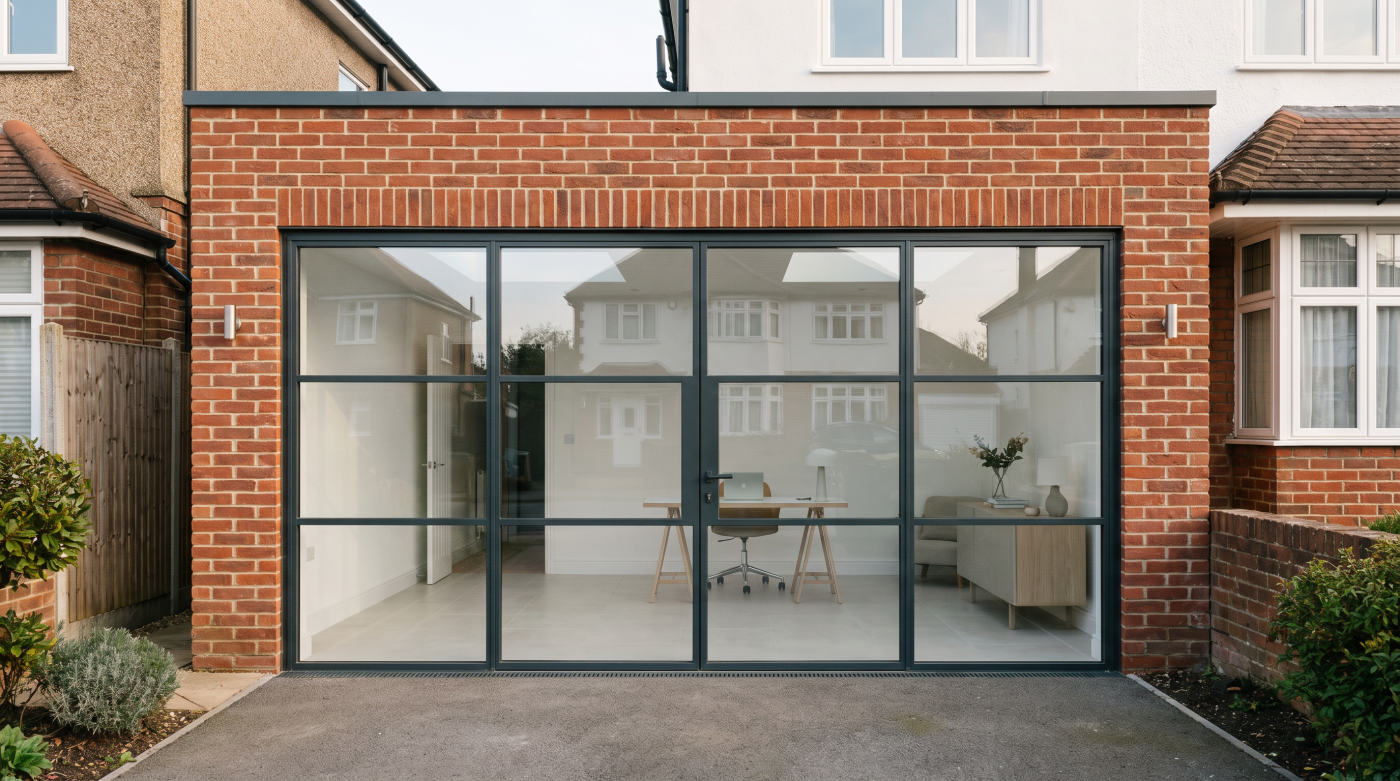
Are Glass Doors a Good Idea If You Have Dogs?
Glass doors can work well in a home with dogs when the arrangement suits the animal, household and route outside. The choice needs more thought than selecting a product described as tough or pet-friendly. Appropriate glazing, controlled panel movement, comfortable access and the dog’s response to outside views all deserve attention.
Begin with the way the entrance is actually used. A quiet connection to an enclosed garden presents different questions from a door overlooking a busy pavement. The most useful specification brings those everyday conditions together, without expecting one glass type or opening mechanism to suit every dog.
What Makes a Glass Door Suitable for Your Dog?
Start with the individual dog and the household’s routines. Size, activity, familiarity with the home and response to movement outside can affect how an entrance is used. A dog that rests quietly beside a garden view presents a different brief from one that repeatedly rushes towards it. Those observations are more useful than assuming every pet benefits from unrestricted visibility through glass.
Map the ordinary route between indoors and outdoors. Consider who opens the door, where the dog waits and whether people regularly carry shopping or laundry through the same space. The mechanism should work with those activities rather than depend on a narrow area always remaining empty. Include other household users, visitors and anyone who cares for the dog in the discussion.
Establish what needs improving before comparing products. It may be a difficult threshold, awkward panel movement, an unsettling outlook or simply an ageing entrance needing assessment. Different concerns call for different responses. A change to the room layout or a supported repair may address the issue without replacing a suitable door or adding accessories whose effect on the assembly is uncertain.
For a new project, explain the dog’s needs to the architect alongside the rest of the household brief. The aim is a comfortable garden connection that remains practical for everyone. A scaled plan, clear operating sequence and appropriate specification make that discussion more concrete than choosing from photographs labelled dog-friendly without understanding how the completed opening will work.
What Should You Check About the Glass and Surrounding Materials?
Confirm the actual glass specification rather than judging the pane by its appearance or thickness. Appropriate impact glazing needs to suit its location within the door and adjoining panels. England’s Approved Document K provides relevant guidance, but a human-impact classification is not a guarantee that the complete entrance is dog-proof under every interaction.
Toughened and laminated describe different characteristics and build-ups. Ask the glazing professional to explain what is proposed and why it suits the actual application. For an existing pane of uncertain type, arrange identification and assessment. Avoid assuming a double-glazed unit automatically provides every safety property or that an unclear visible marking alone proves the whole installation needs replacing.
Look at frames, handles, seals and adjacent finishes as well. Cleaning requirements and the manufacturer’s care instructions should be practical for the household. A claim about impact performance does not establish resistance to scratching, abrasive dirt or every cleaning product. Ask about the actual finish and appropriate methods before selecting an arrangement partly on the promise of easy maintenance.
Keep the scope proportionate. A well-maintained existing assembly may remain suitable, while damaged glazing or hardware needs competent attention. Retain the product information and any relevant installation records so later repairs can preserve the intended specification. The useful objective is a complete, appropriately assessed entrance whose materials and care needs are understood, rather than a single supposedly indestructible component.
How Do You Manage Collisions and Moving Panels?
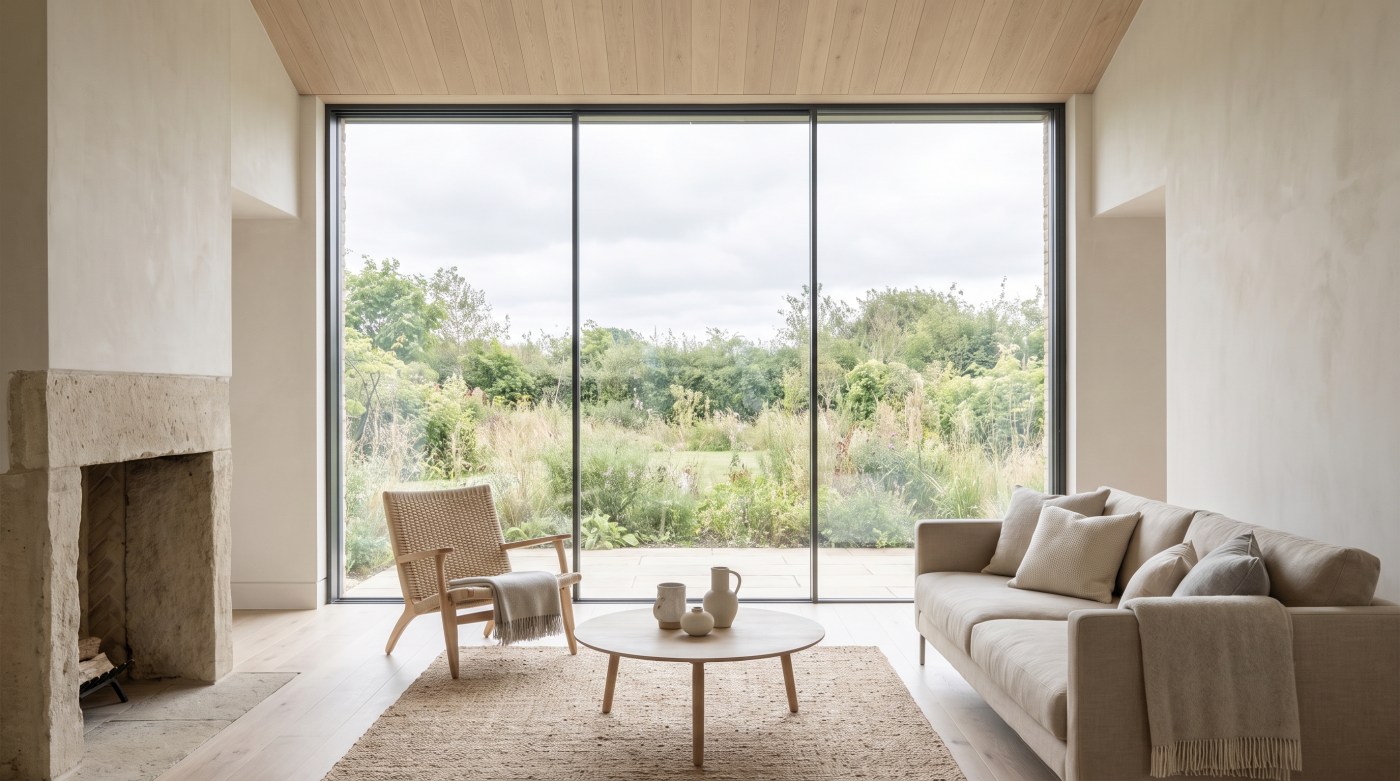
Assess the closed glass from the dog’s usual approach. Clear panes can be less obvious in some lighting conditions, especially where the garden appears to continue the room. Suitable visual cues may help make the boundary clearer, but they are not a guarantee against collision. The household should understand which panels open and which remain fixed, with movement around the entrance managed accordingly.
Different mechanisms create different changing gaps. Sliding leaves pass other panels, folding leaves create joints and hinged doors move through an arc. Ask the manufacturer or installer to identify the relevant locations and supported safeguards for the actual configuration. The shape of the opening should be assessed throughout its movement, including where panels park, rather than only when the doors are closed.
Keep the dog clear while operating the system. A smooth-running panel can still move into an occupied space, and soft closing does not establish protection at every point. Use only the supported restraints, stops or controls. An improvised wedge or accessory can interfere with the mechanism or create another problem, so uncertainty about control or unexpected movement deserves appropriate assessment.
Review the surrounding layout before choosing a different door type. A resting place or route positioned beside a moving stack may be the more useful thing to change. For a new opening, compare configurations on a furnished plan with the dog’s ordinary position included. The strongest choice is one that permits controlled operation within the actual room, rather than a universal ranking of mechanisms.
Will the Door and Threshold Work for Everyday Garden Access?
The usable route involves more than the overall frame width. Check the clear passage through the opening normally used and the space available on either side. A broad glazed arrangement may still have a relatively modest everyday access leaf. Understand whether using a wider route requires several panels to be moved and whether that is convenient for ordinary household routines.
Review the threshold, tracks and finished levels together. A low-looking detail does not establish that the complete route is straightforward, particularly where paving, mats or steps create additional changes. Wet surfaces and muddy paws belong in the practical brief. Any mat or floor treatment should suit the setting without obstructing panel movement, drainage or the intended operation of the opening.
Control of access also matters. An open door does not establish that the garden is securely contained or that a particular lower panel will restrain every dog. Check boundaries, gates and the route beyond the entrance independently. A stable-door arrangement or small opening should not be treated as reliable containment merely because it appears to provide a visible obstacle.
Coordinate the exterior early. A later planter, step or altered terrace level can change a well-planned route and affect maintenance. In a Somerset garden renovation or a Wiltshire utility-room project, use the actual layout and users as the reference. The aim is a complete connection that works in normal weather and daily routines, with the door and surroundings designed together.
Could the View Outside Encourage Barking or Distress?
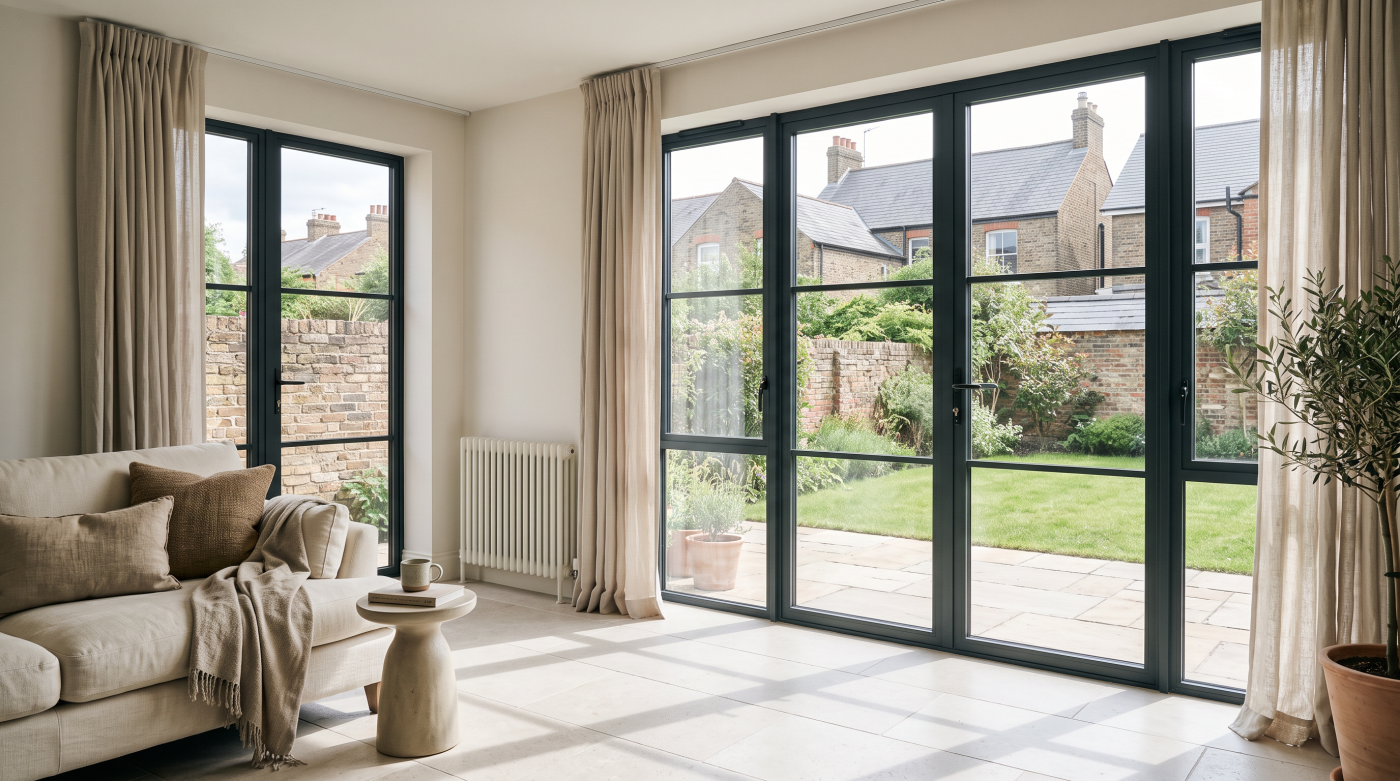
A clear view is not automatically relaxing for every dog. People, animals or activity outside may prompt repeated attention, excitement or barking. Observe the individual response rather than assuming a larger outlook is always an improvement. The location of a resting place and how much of the outside scene remains visible can be useful parts of the room-planning discussion.
Dogs Trust’s barking guidance describes managing window-related triggers through measures such as coverings, adjusted furniture and appropriate activities. These are examples of managing the setting, not a promise that a particular glazing product resolves a behavioural problem. The right response depends on why the dog is reacting and what the household observes.
Consider whether a less exposed resting area or suitable adjustable covering would help before replacing the door. If obscured film is proposed, check glazing compatibility and its effect on daylight and the view from the rest of the room. A product should not be applied solely because it offers privacy without confirming that it suits the actual pane, coatings and intended use.
Seek appropriate professional help where behaviour is persistent, distressing or changing unexpectedly. A vet can be a useful starting point, with qualified behaviour support where needed. The glazing decision should support that advice rather than become a substitute for it. A considered layout can reduce unnecessary exposure while retaining the household’s useful garden connection, without promising an identical response from every animal.
How Can the Room Remain Comfortable in Sunny Weather?
Consider conditions throughout the room rather than just beside the glass. A sunny patch can move across the floor as the day progresses, changing the places available for resting. Plan appropriate shade and a comfortable alternative location. The household should not assume that a favourite spot remains suitable all day because it felt pleasant during an early morning visit.
Glazing, shading and ventilation influence different parts of the environment. A solar-control specification may help manage heat gain, but does not guarantee a comfortable room in every condition. The size and orientation of the opening, external shade and the wider building strategy matter too. Assess the complete design rather than treating one glass description as a complete response to summer use.
Do not rely on leaving an external door partly open as the only plan. Security, containment, weather and safe operation can limit whether that is appropriate. Suitable ventilation should be coordinated with the actual household and building. Any screen or restriction needs supported fixing and operation rather than an assumption that a generic accessory will manage airflow and reliably contain the dog.
For an extension, discuss these needs before the opening and interior layout are fixed. For an existing room, observe the difficult periods and investigate proportionate improvements such as shading or a better resting location. Follow appropriate animal-welfare advice for the dog’s individual needs. The architectural aim is a usable room with suitable choices of location, rather than a glazed boundary expected to manage comfort by itself.
Can You Add a Dog Flap or Privacy Film?
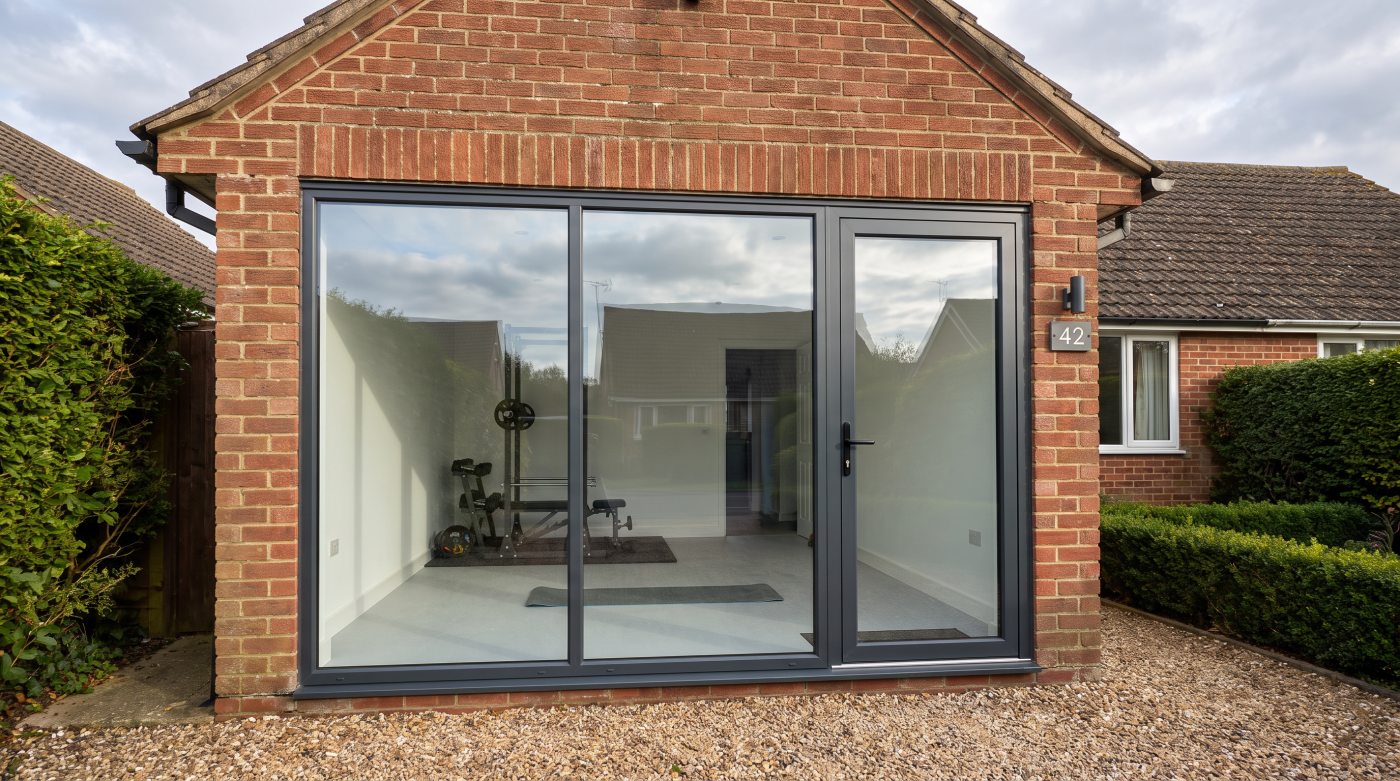
A dog flap needs assessment as an alteration to the complete door or glazing assembly. Confirm the pet’s requirements and product suitability, then ask the door manufacturer and competent glazing professional what can be supported. Glass type, panel dimensions, hardware, clearances and the proposed opening all matter. A suitable flap does not automatically establish that every door can accommodate it.
Sure Petcare’s glass-installation guidance, for example, calls for professional glazing input and a new prepared pane for its relevant double- or triple-glazing installation. That illustrates why a pet door is not necessarily a simple modification to an existing unit. Its model-specific details should not be transferred to every product or entrance.
Check security, thermal performance, warranty and any other relevant doorset function before proceeding. The proposal should explain the complete work and evidence, including replacement glass where appropriate. A microchip or other access feature addresses a particular operating function; it should not be assumed to preserve every property of the altered assembly or provide a universal answer to containment and security.
Privacy film needs its own compatibility check. The glass construction, coatings, condition and thermal behaviour can affect suitability, as film manufacturers’ guidance explains. Keep its intended benefit clear and obtain supported advice before application. Whether adding a flap or film, the useful outcome is an appropriate alteration with documented installation and care requirements, rather than an accessory chosen in isolation.
What Would a Practical Dog-Friendly Door Brief Include?
Describe the household’s actual needs before choosing a system. Include the dog, ordinary route, outside space and who operates the entrance. Identify any concern about visibility, excitement, threshold access or maintenance. That turns a broad request for pet-friendly glazing into a usable brief that the architect, manufacturer and project team can assess against particular configurations and supported details.
Compare the complete options, including the normal clear opening, panel movement, glazing, threshold and any approved accessories. A single hinged door may suit one plan, while another benefits from a different arrangement. Retaining or repairing a suitable existing installation can also be appropriate. The comparison should explain the practical outcome for this home rather than treat the most extensive glazed opening as automatically preferable.
Agree handover and care alongside the specification. Regular users should understand the controls and supported positions, while cleaning products and methods should follow the relevant instructions. Arrange competent attention for damaged glazing or altered movement rather than repeatedly forcing a panel. Review the layout and routines as the dog or household changes, including the location of resting places and garden access arrangements.
CBP approaches these choices as an architectural glazing and specification partner, considering the whole room and its occupants. Glass doors can be a practical part of a home with dogs when the specification and daily use are coordinated. The useful result is a supported arrangement that suits the individual animal and household, with clear expectations about comfort, control, maintenance and the space beyond the glass.