
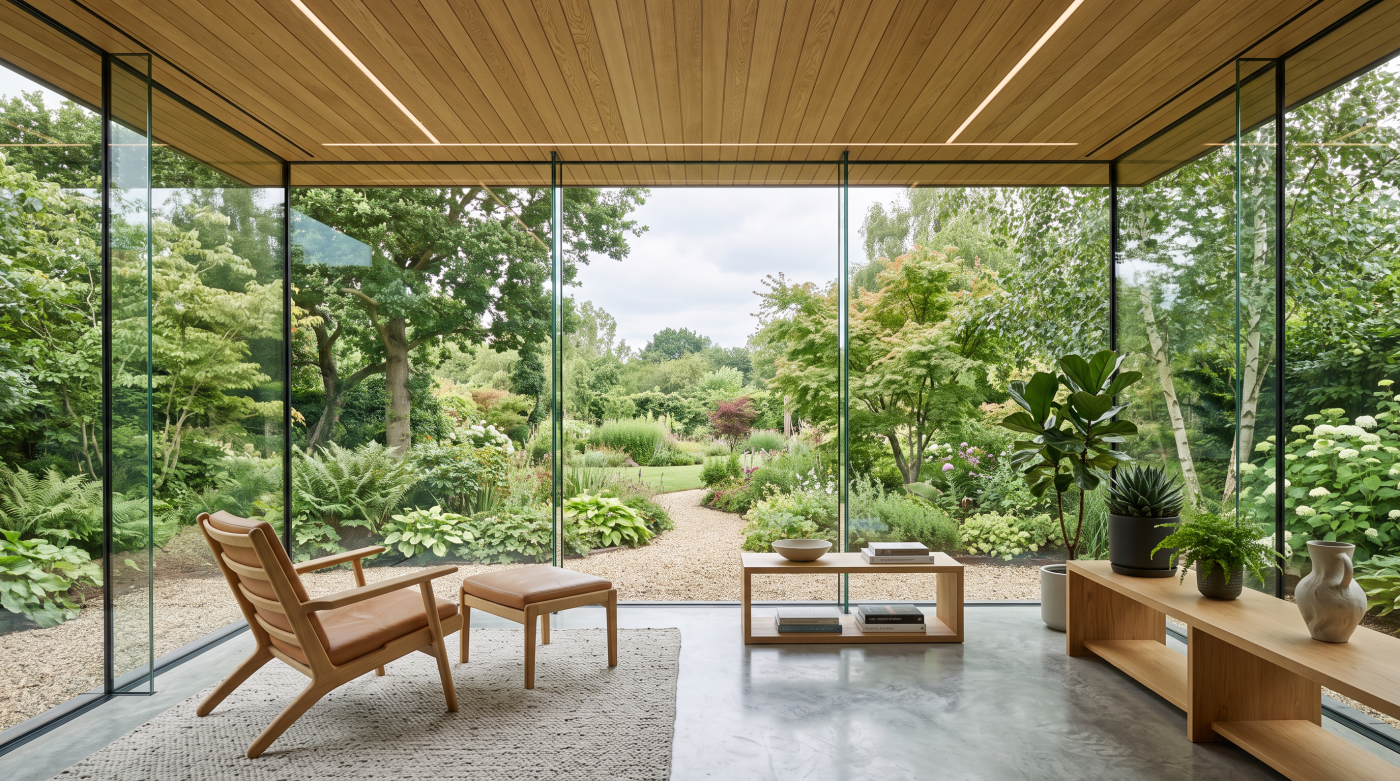
Why Is My Furniture Fading Near the Window?
Furniture near a window can change colour because of repeated exposure to daylight and associated ultraviolet radiation, with heat and material sensitivity influencing other deterioration too. It is not automatically evidence of defective glazing. Different fabrics, finishes and timbers respond differently, so the same room can contain both noticeably altered and apparently unchanged pieces.
The useful response begins with understanding the material and its exposure. UV filtering can help reduce certain damage, but visible light can also fade sensitive colours. Managing the room, shading and glazing together offers a more realistic approach than expecting one coating or film to preserve every furnishing indefinitely.
What Causes Furniture to Fade Near a Window?
Fading describes a change in colour, but several processes can affect a piece of furniture near glazing. Visible light can alter sensitive colourants, ultraviolet radiation can contribute to deterioration, and absorbed radiation can warm surfaces. Those influences may occur together. A pale, yellowed or altered finish therefore deserves investigation rather than an assumption that every visible change has exactly the same cause.
The Canadian Conservation Institute’s explanation of light, UV and infrared distinguishes colour fading from effects such as yellowing, weakening and heating. Its principles help explain the household problem, although museum exposure limits are not domestic rules. The important distinction is that filtering UV alone does not remove the effects of visible light on sensitive materials.
Look at the pattern of change. A surface receiving regular direct sun may differ from a protected area, but wear, cleaning or another environmental influence can complicate the picture. Avoid diagnosing the finish from a single photograph. The furniture manufacturer’s care information or an appropriate specialist can help identify what has changed and which conditions are relevant to that particular object.
This assessment separates the existing damage from its future management. Changing the glazing cannot itself restore colour already lost, but the room’s exposure may be reduced where appropriate. Begin with the material and conditions, then identify proportionate measures. That provides a clearer brief than asking for a window product to stop all forms of deterioration without understanding what needs protecting.
Why Do Some Fabrics and Finishes Change Faster Than Others?
Materials differ in their sensitivity to light. Upholstery dyes, pigments, timber and coatings can respond differently even when they share the same room. The apparent stability of one object does not establish that another will remain unchanged. Ask about the actual material and finish rather than assuming quality, colour depth or purchase price alone determines how it behaves beside a window.
The Institute of Conservation’s furniture guidance describes cumulative light damage and suggests comparing exposed and protected surfaces where appropriate. Such a comparison can be informative without becoming a complete diagnosis. Valuable or uncertain finishes deserve suitable professional assessment before cleaning, refinishing or another treatment is chosen in response to a change in appearance.
For a new interior scheme, ask manufacturers about lightfastness and the limits of their care advice. A fabric intended for one setting may not be appropriate in a strongly exposed position. Product information should help compare the actual choices, but should not be turned into a universal promise about how many years every item will retain its original colour in every home.
Coordinate those choices with the room rather than treating furnishings as the final layer after glazing is ordered. An interior designer can help locate sensitive pieces and select appropriate materials for brighter areas. The aim is a practical balance between appearance, use and preservation, recognising that individual objects and finishes may need different levels of protection within the same architectural space.
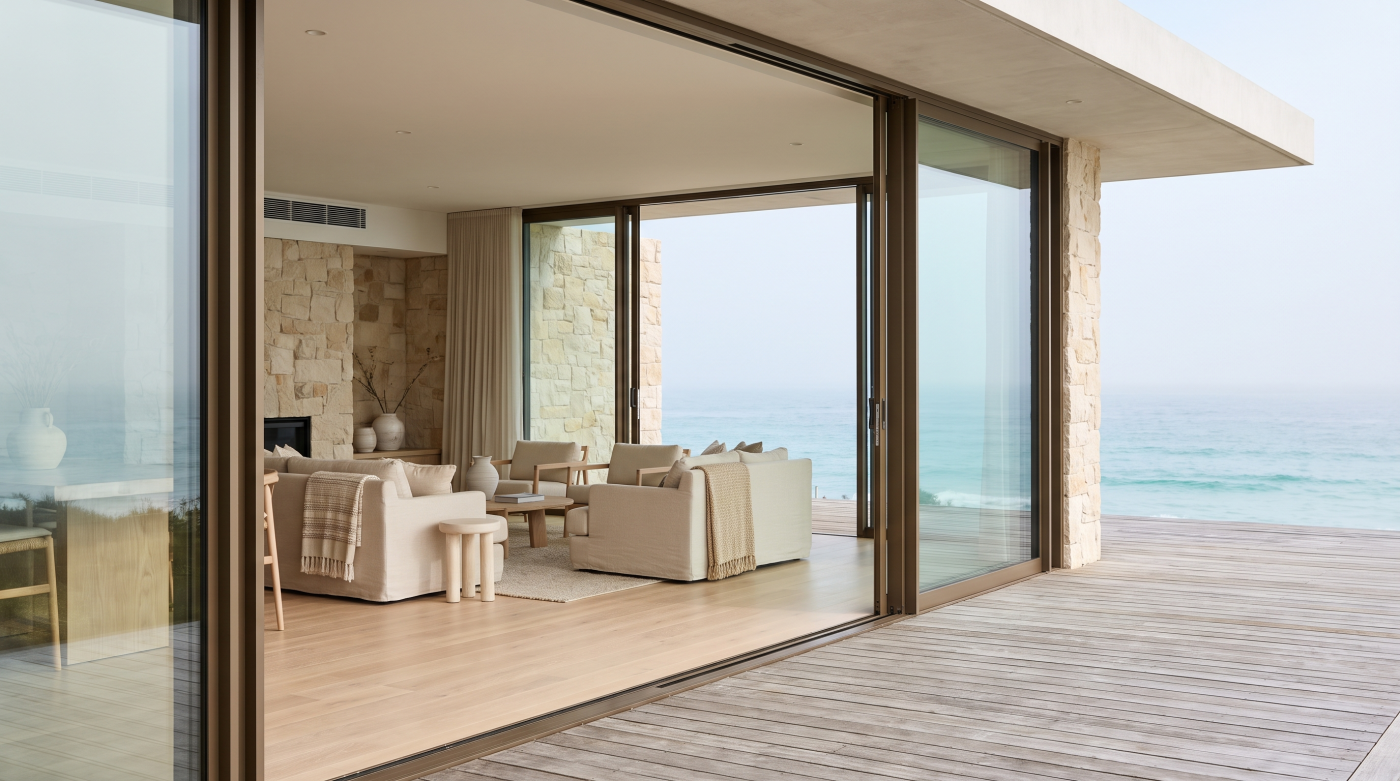
Why Can Furniture Still Fade Behind Modern Glazing?
Modern glazing can deliver valuable performance without stopping every form of light-related change. Double or triple glazing describes a unit arrangement, while low-emissivity coatings and thermal figures address particular heat-transfer properties. Those descriptions do not establish complete UV filtration or protection from visible-light fading. Ask what the actual build-up transmits rather than interpreting a general energy-efficiency label as an interior-protection guarantee.
Visible light remains essential to enjoying the room, but it can also affect sensitive colours. A clear unit that substantially reduces UV may still admit the light responsible for another part of the change. This explains why fading can continue behind a product marketed for UV reduction without proving that the product has failed to achieve its stated, more limited performance.
Check the evidence and language used for a proposed remedy. A UV-transmission figure should state the relevant measurement basis, while visible-light transmission and solar performance describe different properties. The values need interpretation within the complete unit and its application. Avoid comparing percentages from unrelated product claims without establishing that they refer to the same characteristic and a comparable specification.
Keep expectations realistic for the finished home. Glazing can form part of a protective strategy, but exposure duration and material sensitivity remain relevant. A useful proposal explains what improvement it is intended to provide and what other measures may be needed. That is a firmer basis for deciding whether to retain the existing windows, add suitable shading or assess a different glazing build-up.
Which Parts of the Room Receive the Most Damaging Exposure?
Observe where sunlight falls during the hours the room is normally occupied and when it is unused. The patch moves as the day progresses, so distance from the window alone does not describe exposure. An object further into the room may receive repeated direct sun while something closer is shaded by a reveal, adjoining structure or the furniture arrangement.
Orientation and seasonal changes influence that pattern. A summer visit cannot establish every winter condition, and a photograph of a bright room cannot show the accumulated exposure across a year. Keep a simple record of the affected locations and difficult periods. It need not become a laboratory study to help identify where a change in layout or adjustable shading could be useful.
Look at the objects as well as the light. Note which surfaces change, which remain protected and whether there are other possible causes. Do not move or dismantle fragile furniture simply to investigate. The existing arrangement and care records may provide useful clues, with a conservator or other appropriate specialist advising where a valuable object or uncertain finish requires more detailed attention.
Use the observations to target the response. One sensitive chair, rug or artwork may need a different location rather than a permanent reduction in daylight throughout the home. Where several areas receive substantial exposure, a wider shading and glazing assessment may be worthwhile. The practical objective is to understand the actual pattern before committing to a product or extensive building work.
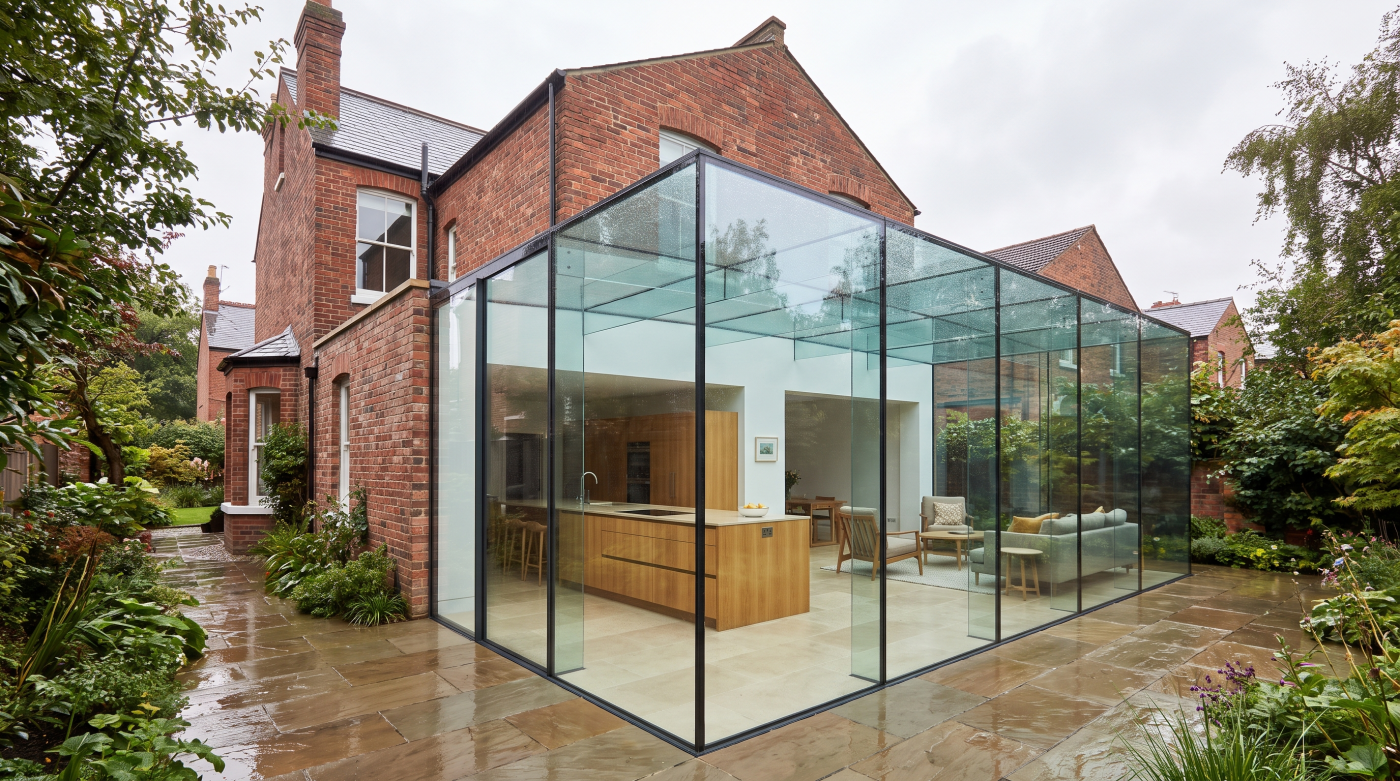
What Can Layout, Curtains and Shading Achieve?
Reducing unnecessary exposure can be a proportionate first step. Consider whether a sensitive piece can move out of the strongest direct sunlight or whether an adjustable covering could be used during particular periods. The arrangement should remain practical for the household. A protective measure that is awkward enough to be abandoned is unlikely to provide the intended benefit over time.
Choose coverings by what they do in the actual setting. A light-filtering fabric can soften conditions without producing the same reduction as a more opaque covering, and gaps can leave areas exposed. External shading works according to its geometry and the sun’s position. Compare suitable samples and drawings rather than expecting one blind or overhang to manage every direction and season equally.
Preserve the room’s other needs while making changes. Daylight, outlook, ventilation and normal use all belong in the brief. A tightly fitted covering or a new product applied to the glass may need compatibility advice for the glazing and its thermal conditions. Obtain that assessment where appropriate rather than improvising a dark cover directly against a pane without understanding its effects.
The National Trust’s explanation of controlled light levels illustrates why blinds and sun-curtains are used to protect sensitive contents. A home need not reproduce museum conditions to apply the basic principle of managing exposure. The useful balance allows the room to remain enjoyable while directing protection towards the materials and periods that need it most.
Can UV-Filtering Glass or Film Stop Fading?
UV reduction can be useful where ultraviolet exposure contributes to damage, but it is not complete fade prevention. The Canadian Conservation Institute’s UV-filter guidance explains that both UV and visible energy can contribute, with their relative importance depending on the material. Keep that qualification when discussing a product described as protective.
A high UV-rejection percentage describes a particular measured property. It does not state that an equivalent percentage of all furniture deterioration will be prevented. Ask what the claim covers and what remains transmitted through the proposed unit or film. The product information should be specific enough to distinguish UV reduction, visible-light transmission and solar heat gain rather than combine them into one reassuring number.
Consider how the intervention affects the rest of the room. Colour, brightness, reflections and appearance from outside may change depending on the product. A proposed reduction in one risk needs weighing alongside daylight and the intended view. Samples and appropriate technical information can help the household understand those trade-offs before a large area of glazing is altered or replaced.
Combine the selected glazing measure with a plan for exposure and materials where appropriate. It may complement shading, a revised layout or suitable care advice rather than replace them. Avoid expecting an indefinite protection period from a single product claim. The useful outcome is a supported reduction in the relevant exposure, with the remaining limitations understood and the furnishings managed accordingly.
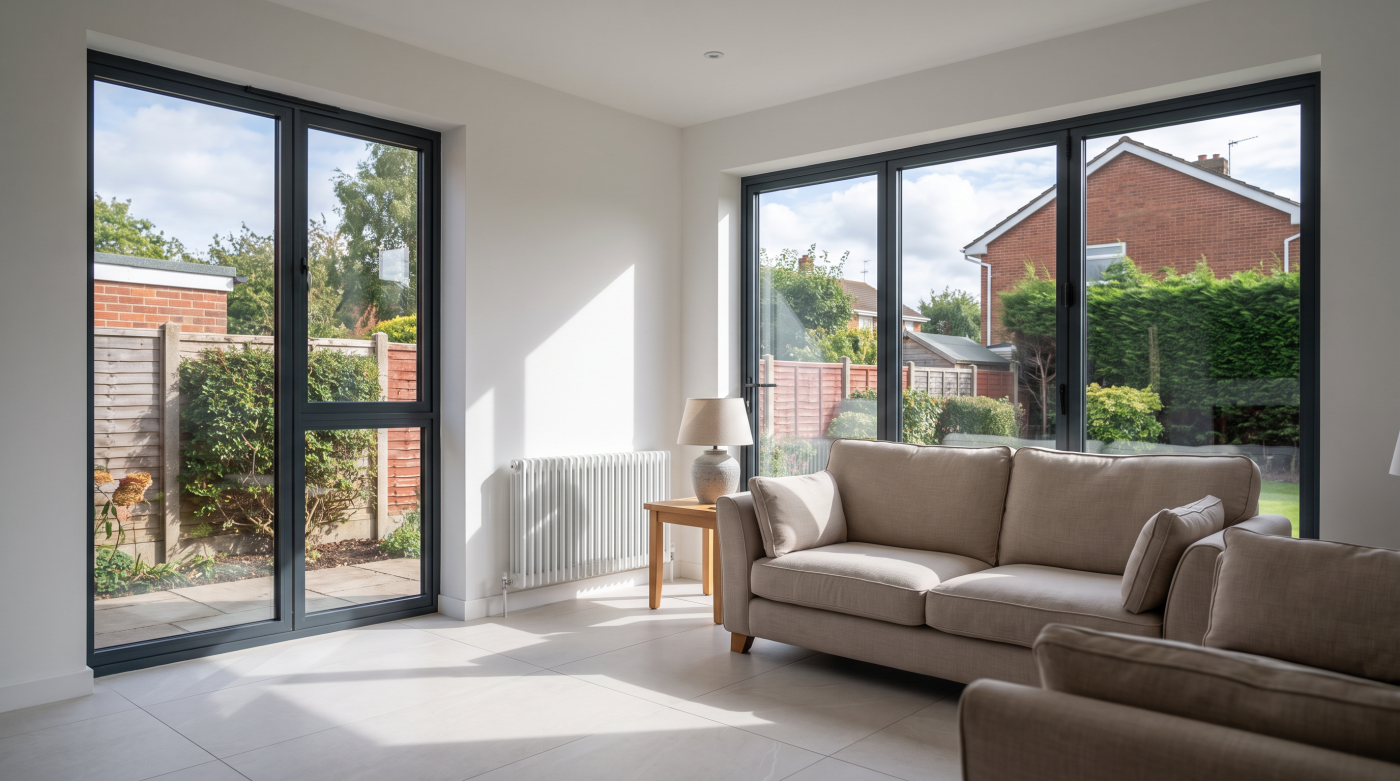
What Should You Check Before Applying Film or Changing Glass?
Identify the existing glazing before selecting an intervention. Glass type, unit construction, coatings, condition and surrounding details can affect what is appropriate. A film suitable for one pane is not automatically suitable for another. Ask for a compatible proposal based on the actual assembly rather than choosing solely from a general description such as UV protection or solar control.
The Window Film Company’s compatibility guidance highlights the need to assess the glass and potential thermal-stress factors. Use that as a reason for product-specific assessment, not a universal warning that every film causes breakage. The manufacturer and competent installer should explain suitability, installation conditions, warranty arrangements and care for the proposed application.
Replacement glass also needs a complete brief. Impact safety, security, thermal behaviour, appearance and any specialist function should remain appropriate for the opening. A choice made to reduce one part of the exposure should not inadvertently change another required property. Establish the supported build-up and the relevant evidence before ordering, with the door or window manufacturer involved where configuration limits matter.
Compare the whole scope of work, including access, fitting, making good and future maintenance. Where existing windows are significant, seek the relevant heritage advice and establish applicable controls before alteration. Retaining appropriate glazing with a considered interior or shading response may be a legitimate outcome. The decision should follow the expected benefit for the actual furnishings rather than an assumption that replacement is always necessary.
Can Existing Fading Be Reversed, and What Is the Best Next Step?
Changing the window cannot itself restore colour that has already been lost. A professional may be able to advise on treatment or restoration options for a particular object, but that is a separate question from preventing further exposure. Avoid applying a general cleaning or refinishing remedy to an uncertain surface simply because the change appeared beside the glazing.
Begin with the item’s manufacturer or an appropriately qualified specialist. An upholsterer, furniture conservator or other professional may help establish what is possible and what should be preserved. Valuable or historic surfaces need particular care. The appropriate response can range from accepting a change and improving protection to a considered treatment, with the object’s materials and significance informing the decision.
Develop the future plan from the room observations. Identify the sensitive pieces, periods of exposure and practical measures the household will use consistently. If a glazing or film proposal is considered, request compatibility confirmation and relevant performance information. Review the result over time without expecting a short trial to establish a guaranteed protection period for every fabric, finish and season.
CBP approaches these questions as an architectural glazing and specification partner, connecting the opening with the room and its contents. Fading near a window is best addressed through a coordinated understanding of materials, light and use. That can lead to appropriate shading, layout changes or a supported glazing intervention, with clear expectations about reducing future risk rather than promising that one product will stop every change.