
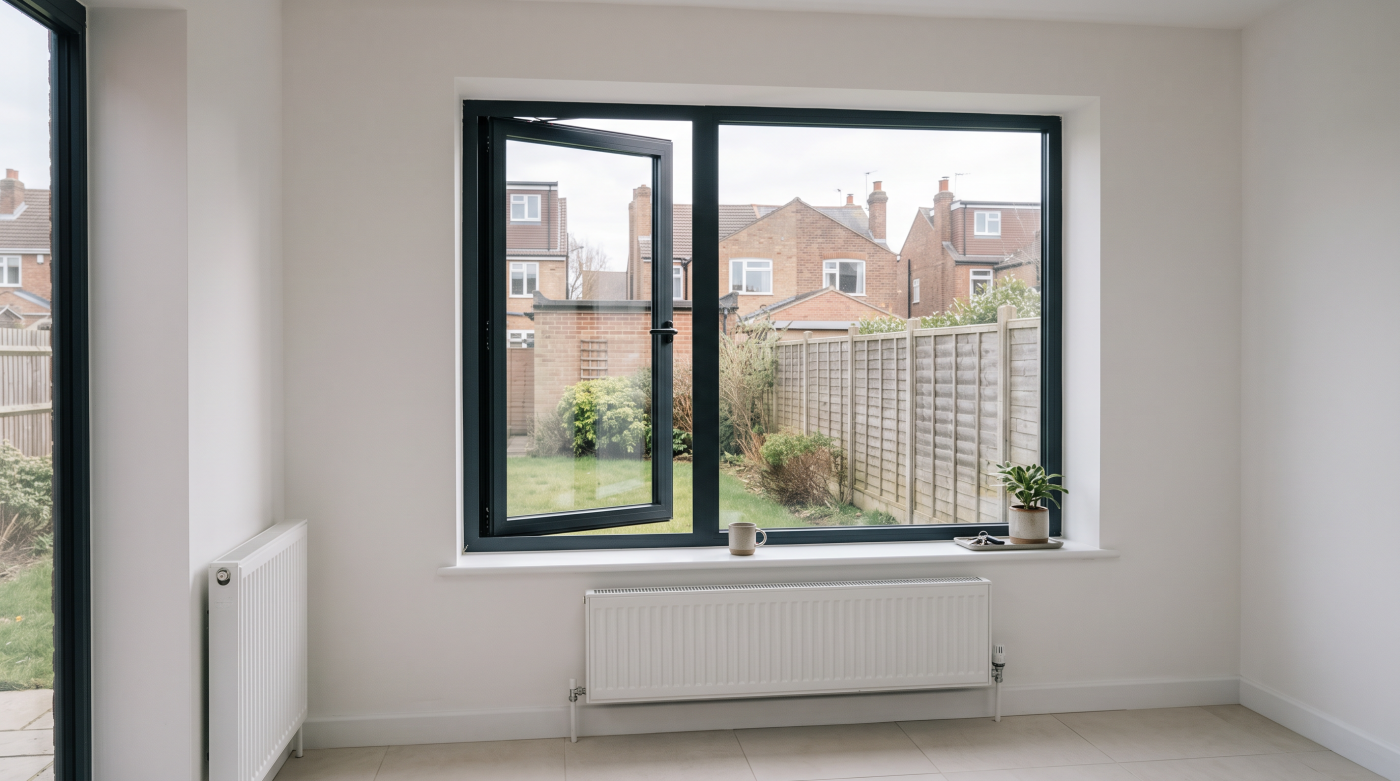
Can Windows Open Automatically With a Smart Home System?
Yes, suitable powered windows can open automatically through compatible controls. Depending on the system, they may respond to a schedule, room sensor or supported smart-home command. The window, drive, controls and installation need to be assessed together; a familiar app logo does not make every manual window suitable for motorisation.
Start with what you want each opening to do and how the household will use it. A high roof window, a bedroom casement and a window within a specialist safety system have different requirements. This guide explains the decisions before specification, with regulatory discussion scoped to England. Manufacturer examples illustrate supported functions rather than establish universal compatibility or a CBP automation-integration service.
Decide What You Want the Windows to Do
Begin with the room and the task. Perhaps a roof window is difficult to reach, or you want an agreed airing routine in a new extension. These are useful objectives, but they do not yet identify the necessary equipment. Describe when opening would help, who needs to control it and what should happen when conditions or household plans change.
Separate convenience from environmental performance. Moving an inaccessible sash at the touch of a button can be valuable even without a complex automatic routine. A proposal intended to improve ventilation needs a wider account of the room and building. Do not assume that adding sensors automatically establishes sufficient fresh air, removes moisture problems or guarantees comfortable temperatures throughout the year.
Consider the occupied positions and surrounding fittings. An opening may move close to a worktop, blind, screen or area where people stand. Furniture and later room changes can affect access and operation. Draw those relationships early so the control idea belongs to a usable room rather than a demonstration involving an unobstructed window that will not reflect the completed home.
Put the agreed behaviour into a short opening schedule. Identify which windows need powered movement, what triggers are proposed and who can override them. Different rooms can have different arrangements within one coherent project. This gives the architect and relevant specialists a clear brief and helps avoid paying for functions that sound attractive but do not address an actual household need.
Check the Window and Powered Hardware Together
A powered opening requires more than a device attached to an available frame. The opening type, dimensions, weight, hinges and proposed drive need to work as an assembly. Ask the appropriate manufacturer or specialist to confirm the supported arrangement. A motor capable of moving one window should not be assumed suitable for another merely because the frames look similar.
Existing windows need particular assessment. Condition, installation and available mounting positions may affect whether a supported retrofit is feasible. A published upgrade kit normally has a defined scope rather than universal application to every old window. Confirm the actual product identification and required work before deciding that automation can be added without changing joinery, glass, fittings or the surrounding finishes.
Opening and locking also need coordination. A drive that moves the sash does not necessarily operate every required locking point or prove that the assembly is secured afterwards. Establish how the proposed window closes, seals and locks in normal use. Where the control interface reports a position, ask what that information genuinely confirms rather than infer security from a closed icon.
Keep responsibility for the complete arrangement visible. The window provider, installer, electrical contractor and controls specialist may each handle different elements. Agree who checks compatibility and accepts any change before manufacture. That makes the proposal easier to assess and avoids an apparently simple retrofit becoming an unresolved combination of components whose individual descriptions never established that they could operate together appropriately.
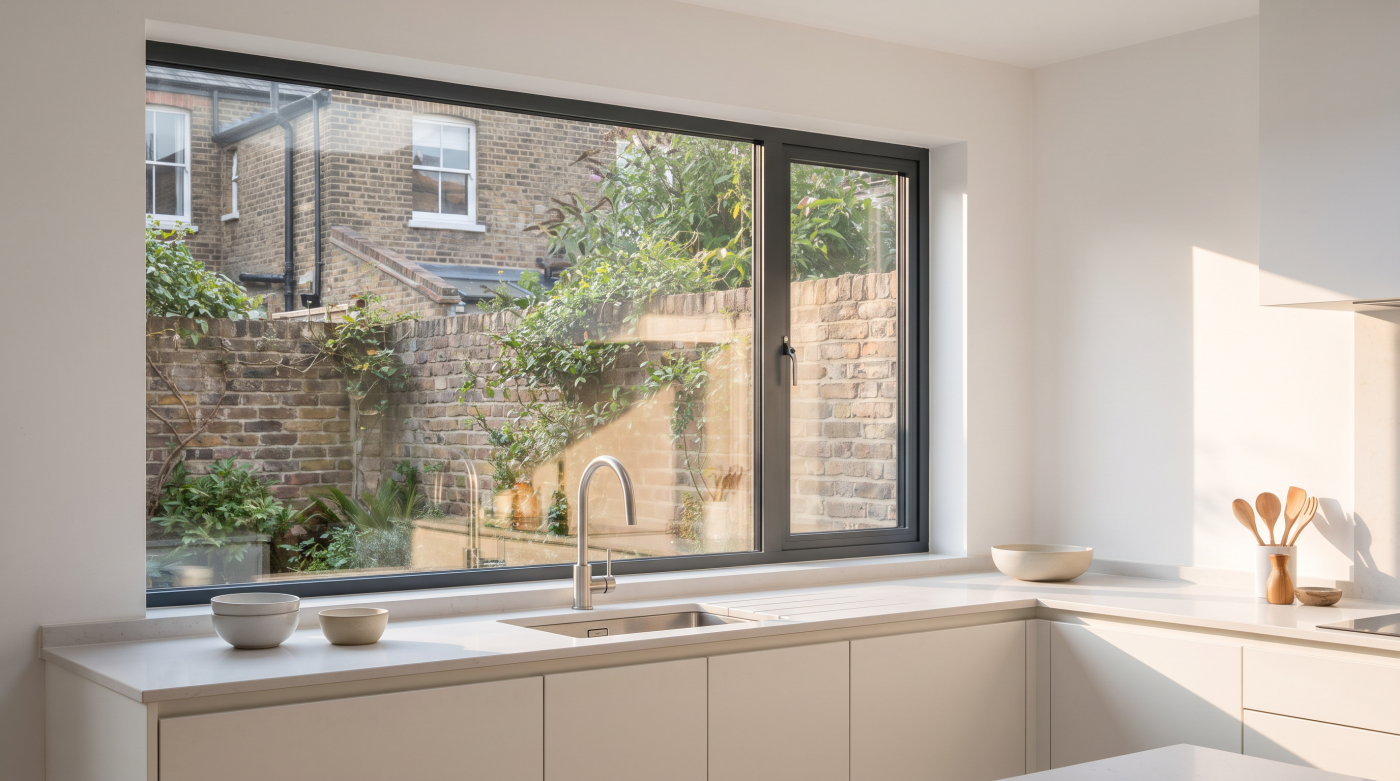
Separate App Control, Schedules and Sensor Automation
App control can mean sending a command yourself, much like using a remote switch. Scheduled control runs at agreed times. Sensor-driven control responds to measured conditions under the system’s settings. These are distinct capabilities, so the phrase smart window does not establish which are included or whether further sensors, interfaces or configuration are needed for the behaviour you want.
VELUX’s comparison of App Control and ACTIVE provides a product-specific example. It distinguishes app operation and schedules from additional indoor-climate sensing. That helps explain the questions to ask without implying that every roof window or third-party system offers the same functions. Confirm the current package and supported devices rather than rely on the general description of a product family.
Check the actual commands and feedback supported by an integration. Opening, closing, setting a position and reporting status need not all be available through every interface. Voice operation can also have different restrictions from the manufacturer’s own app. Ask the relevant specialist to demonstrate the intended functions with the proposed hardware and current software before they become assumptions in the specification.
Keep routines understandable. A household should know why an opening moves, how to stop a routine and what an override changes. Several overlapping schedules can make behaviour difficult to interpret. Agree a manageable control arrangement with the responsible specialist, including how future changes will be reviewed, rather than treat the number of possible automations as a measure of how well the completed room will work.
Design the Ventilation Strategy Around the Room
An automatically opened window can form part of a ventilation strategy, but movement alone does not establish the airflow achieved. The useful opening, room layout and pressure or temperature conditions matter. Ask the responsible designer how the proposal serves the occupied space. A short opening period in one location should not be assumed equivalent to the complete air-supply and extract arrangements needed elsewhere.
Consider when opening is practical. Traffic noise, outdoor conditions, security and rain can limit the periods available. Opening for summer comfort is also different from providing necessary fresh air during everyday occupation. The room needs an account of these constraints, rather than a control routine based on the assumption that the largest opening can always remain available whenever a sensor requests it.
Approved Document F supplies England guidance, with the applicable edition and provisions established for the actual work. Coordinate automatic openings with the intended ventilation system and its controls. A consumer climate sensor does not independently demonstrate compliance, and a control proposal should not remove or obstruct ventilation components because the window is expected to open occasionally.
Review the whole comfort brief. Shading, solar-control properties, internal heat sources and room use can remain relevant even with automated airing. No generic temperature reduction or energy saving follows from adding a motor. Where the balance is uncertain, obtain appropriate assessment and explain how the proposed routine contributes, with realistic expectations about the conditions in which it can help the room.
Coordinate Weather Response, Security and Everyday Use
Weather response needs an actual system description. Ask whether rain or wind is detected locally, inferred from forecast information or managed through another interface. Those arrangements can behave differently. A feature described as automatic closing should not become an unconditional promise that no water can enter, or that every type of opening can be left unattended in all weather without further consideration.
VELUX’s rain-sensor guidance distinguishes its motor-connected response from information shown in the app. This illustrates why status reporting and local behaviour need separate checks. Other products may work differently. Confirm the proposed arrangement, relevant operating limits and any maintenance requirements rather than transfer one manufacturer’s description to every powered window or connected-home routine.
Agree what happens when the house is empty. Away settings, permitted opening and security requirements should be discussed with the responsible parties. Do not equate a small opening, a restrictor or an app status with verified intrusion resistance. The household needs a clear operating arrangement and an understanding of what the installed hardware and controls actually provide in each intended mode.
Include accessories and ordinary interruptions. Blinds, curtains, screens and objects near the moving sash can affect use, while visitors may not know a routine is active. Explain how people take control and how conflicting requests are handled. A practical system fits the household’s activities and required functions, with the priority of relevant commands agreed rather than left to assumptions about what smart control will decide.
Plan Local Controls, Power and Connectivity
Confirm how the window operates without the phone normally used to control it. A physical switch can be useful for visitors and routine household access, but its location and supported functions still need design. Local electrical control is not necessarily a mechanical manual release. Ask how normal use, loss of connectivity and loss of power are each addressed by the actual assembly.
VELUX’s ACTIVE terms explain that internet interruption affects app operation while physical local controls remain available for the described system. Power interruption is a separate dependency. Use that distinction to question the proposal rather than assume every solar-powered, mains-powered or networked product behaves identically. Any backup or alternative operation must be confirmed for the equipment actually being installed.
Power supplies, cable routes and interfaces belong in the project drawings before finishes are fixed. Establish access for maintenance and who completes the electrical and controls work. Avoid improvised wiring or unsupported third-party connections. Compatibility should include the intended platform and current configuration, with a clear support route if a later software or equipment change affects the functions on which the household relies.
Account access also needs a handover plan. Confirm who holds the administrator role, how household permissions are managed and how control is transferred when ownership or occupation changes. Follow the actual manufacturer’s instructions rather than assume removing an app from one phone completes the process. Keep records accessible to the homeowner so the system remains understandable beyond the installer who first configured it.
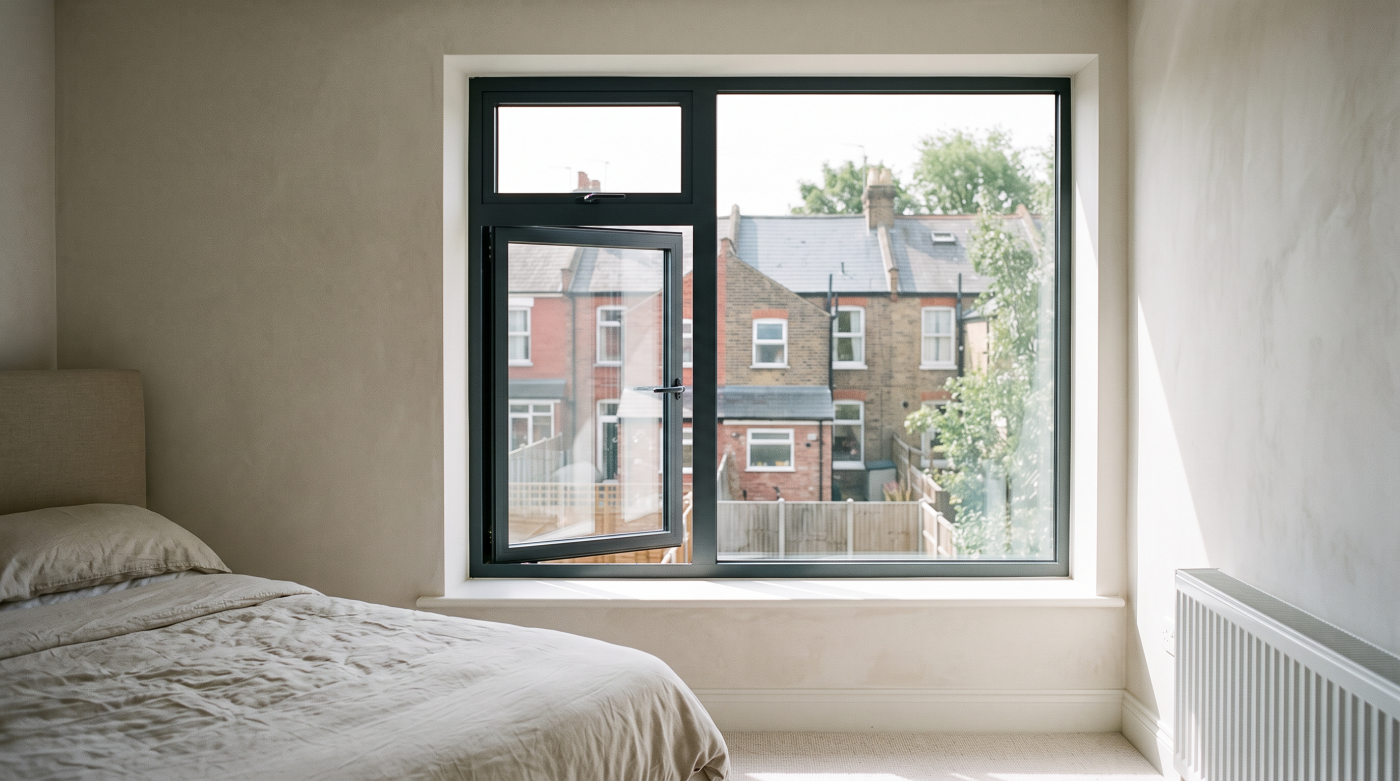
Assess Movement Safety and Preserve Required Functions
Powered movement introduces questions about contact with the sash and closing edges. Occupants may be close to the opening without knowing it is about to move. Children, visitors and people with different access needs deserve consideration within the actual assessment. The responsible specialists should establish suitable safeguards for the installation, rather than assume a consumer automation setting proves that every movement is safe.
GEZE’s window-safety discussion identifies hazards such as trapping, impact and component failure. It provides technical context for considering the assembly and its use. Its European legal commentary and example protection arrangements should not be copied as a universal UK rule or a numerical safe-height shortcut. The project needs advice applicable to its actual location, equipment and operating conditions.
Confirm required opening, escape, guarding and access functions separately. An obstruction sensor does not establish fall protection, and a powered opening is not automatically suitable as part of an escape arrangement. Likewise, comfort ventilation and a specialist smoke-control system have different duties. Do not modify, bypass or repurpose a safety-related system through a general smart-home routine without the appropriate design and authorisation.
Review conflicts before commissioning. A weather request, occupant command and any safety-related requirement may need a defined priority within the supported design. The household should understand what can be overridden and what must remain under specialist control. This is a coordination task for the relevant professionals, producing a clear operating account rather than expecting an app, sensor or generic motor setting to resolve every requirement independently.
Commission, Maintain and Hand Over the Complete System
Agree commissioning responsibilities before installation. The window, drive, controls and connected interfaces need to be checked against the intended brief by the appropriate parties. Demonstrate the required routines, local commands, relevant safeguards and reporting. A successful connection to the app is only one part of this process; it does not establish that the complete opening has been assessed and handed over for all intended functions.
Give the household clear instructions and current product information. Explain normal use, relevant limitations, care requirements and the route for reporting a fault. Identify which organisation supports the window, powered hardware, electrical installation and control integration. Written warranty terms may differ between these elements, so a general guarantee should not be assumed to cover every future software issue, component or access cost.
Maintain the actual system according to its instructions, with safe access and appropriate specialist involvement. Revisit routines when furniture, room use or household needs change. Software and platform changes may also justify checking supported functions. Keep the agreed configuration and any subsequent changes recorded, so an unfamiliar behaviour can be investigated rather than answered with speculative adjustment or the removal of a protective feature.
CBP can contribute as an architectural glazing and specification partner with homeowners, architects and relevant specialists across Bath, Wiltshire, Somerset, Bristol and the Cotswolds. Automatic opening can be useful where its purpose and practical arrangements are clear. The strongest proposal starts with the room, confirms the supported assembly and assigns responsibilities, giving the household understandable control without asking connectivity alone to establish performance or safety.