
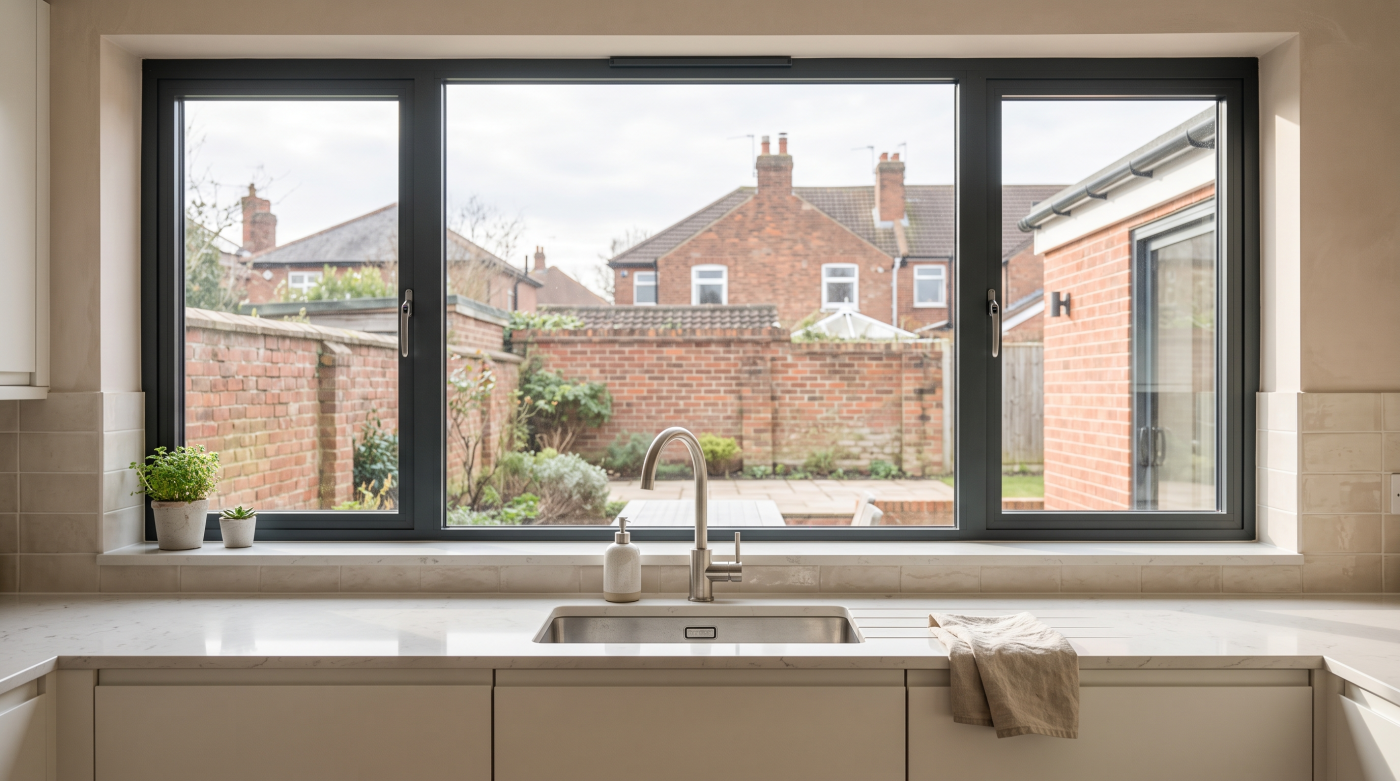
Can You Live in the House While Every Window Is Replaced?
Staying at home can be feasible during whole-house window replacement, but it depends on the actual programme, property and household needs. Replacing every window does not automatically mean removing every opening at once. Equally, a proposed sequence is not a guarantee that normal routines, quiet rooms and essential access will remain unchanged throughout the work.
Make the decision from an agreed account of usable spaces, working areas, daily arrangements and contingencies. Some households may remain for much of the project while spending particular periods elsewhere; others may need a different plan. This guide explains the practical questions, with regulatory and heritage discussion scoped to England. It does not provide a universal installation duration or determine an individual’s medical suitability to remain in the property.
Establish What Whole-House Replacement Involves
Begin with the complete scope rather than the number of windows alone. Small opening units, large assemblies, roof glazing and difficult access can create different tasks. Surrounding repairs or alterations may extend the work beyond fitting frames. Ask for the actual activities and responsibilities to be explained, so the household is assessing the project it will experience rather than a generic description of replacement.
Separate window work from a wider renovation. If walls, services or finishes are also being altered, those tasks can affect occupation independently of the glazing. A house that could accommodate straightforward replacement may need different arrangements during more substantial building work. The programme should show how the trades relate, rather than use the expected window-fitting period as a forecast for every part of the refurbishment.
Confirm the relevant delivery, access and storage arrangements. VELFAC’s preparation checklist illustrates useful questions about these stages and adjoining work. Its example does not establish a standard package or timing for every installer. Storage or handling space can affect rooms and routes before fitting begins, so include those activities when discussing how the property will function.
Identify the person coordinating the plan and how updates will reach the household. The homeowner needs a realistic account of the intended stages and the assumptions behind them. Avoid relying on a universal windows-per-day rate or crew size. A supported programme gives a useful starting point while leaving responsibility for the actual method and sequence with those carrying out and coordinating the work.
Agree the Sequence and Identify Usable Rooms
Ask which openings the team intends to work on at each stage and what that means for room access. A room-by-room approach may be possible, but it needs confirmation for the actual method, assemblies and site. Do not assume that every opening is removed simultaneously, or that each room will always be fully completed before work begins anywhere else in the house.
Review the proposed sequence on a simple plan. Identify a suitable occupied area away from active work and how people will reach it. A quiet bedroom might look available until the delivery route passes through the adjoining landing. Looking at the whole layout helps reveal those relationships before the household commits to staying on the basis of an isolated room that cannot be accessed conveniently.
Clarify what usable means at each stage. A window may be fitted while the reveal still needs repair, a finish is awaiting attention or furniture remains displaced. The room’s availability for sitting, sleeping or working can therefore differ. Ask the responsible team to explain the actual condition expected, rather than treat a frame being in place as proof that the room has returned to normal use.
Allow for revisions when the work reveals a different condition or another trade is needed. Agree how the occupied area and access route will be updated if the sequence changes. This gives the household a practical arrangement rather than an inflexible promise. If the revised plan cannot support an essential need, the decision about staying should be reviewed alongside the change instead of postponed until the day ends.
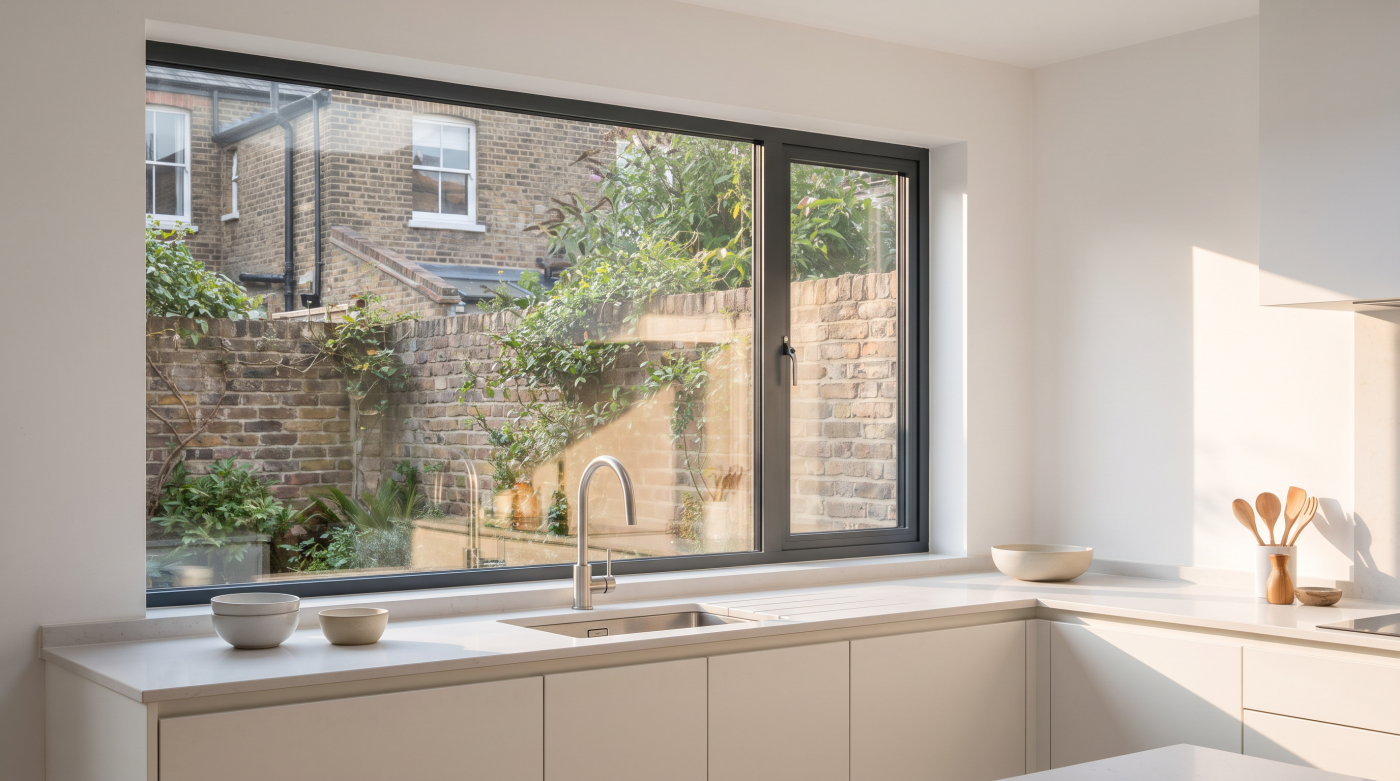
Keep Access and Essential Facilities in the Plan
Consider the routes as carefully as the rooms. Entrances, stairs, landings and corridors connect the household’s essential activities, and a work area can affect more than the room containing the opening. Ask how people will move through the property during each stage. Required access and escape arrangements need appropriate coordination by the responsible team, rather than an informal assumption that occupants can find another way around.
Discuss access to bathrooms, food preparation and sleeping space. The plan should reflect what the household genuinely needs and which facilities are available. A promise that work is limited to one area is incomplete if that area controls the only practical route to an essential room. Raise particular constraints early enough for the programme or occupancy arrangement to respond appropriately.
Services may need coordination where the project includes powered accessories, alarms or related electrical work. Ask the relevant professionals what interruption, if any, is expected and how normal operation is reinstated. Do not assume window replacement always interrupts utilities, or that every service remains unaffected regardless of scope. The useful account describes the actual work rather than attach a standard reassurance or disruption warning to every installation.
Agree the alternative where an important activity cannot be supported at a particular time. That may mean using another available room or spending part of the day elsewhere. The choice needs to be practical for the people involved and consistent with site arrangements. It should not rely on crossing an active working area or changing the contractor’s method informally to preserve a household routine that was never discussed.
Separate Occupied Areas From Active Work
Continued occupation needs clear boundaries between the work and household activity. Identify where tools, removed materials and new assemblies will be handled, and how people outside the team are kept away from those areas. The arrangement should suit the property and stage of work. A verbal request to be careful is not a complete plan for a route used repeatedly by occupants, visitors and installers.
HSE’s public-protection guidance explains the importance of managing access and excluding unauthorised people from construction activity. Use those principles through suitable contractor arrangements for the actual project. The homeowner can provide information about occupation and practical needs, while the professional work and its controls remain with the responsible parties rather than being improvised by the household.
Children, pets and visitors need to be included in the communication. A door left open for moving a frame may change the usual household boundaries, while somebody arriving later may not know the day’s work area. Agree suitable arrangements before starting and update them as the sequence changes. Do not assume that an occupied home can function safely through the same habits and routes as an ordinary day.
HSE’s domestic-client guidance distinguishes the homeowner’s role within construction responsibilities. Explain needs and appoint appropriate people without treating the homeowner as the installation safety manager. If continued occupation cannot be supported through suitable arrangements at a stage, discuss a different plan. Remaining in the property should follow the actual work conditions, not simply the convenience of being present.
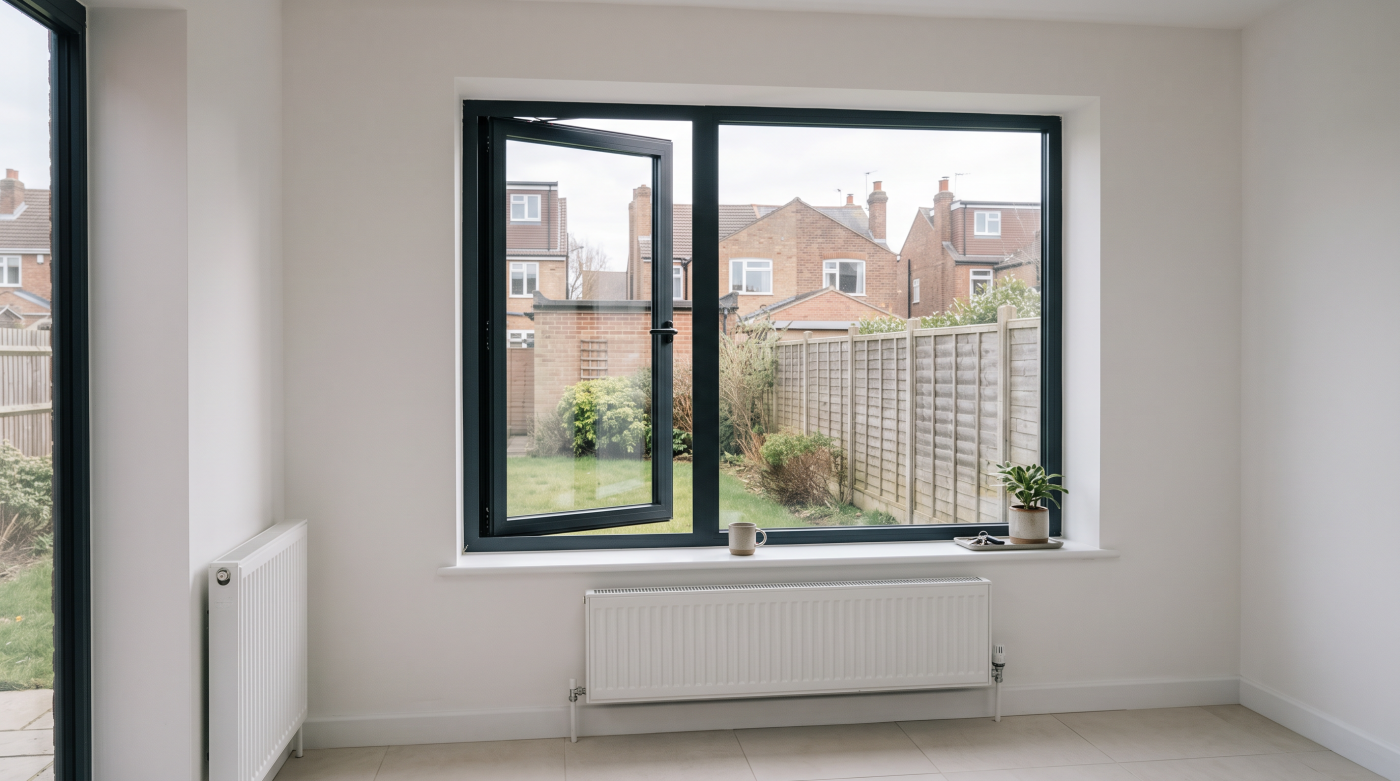
Consider Noise, Dust, Privacy and Working From Home
A room remaining accessible does not make it a reliable office or resting space. Removal, preparation and deliveries can create noise and interruptions beyond the immediate opening. Ask what activities are expected and plan important calls or quiet commitments accordingly. Another room may be useful, but the programme cannot automatically guarantee silence or uninterrupted concentration throughout a whole-house replacement.
Discuss dust control, protection and cleaning expectations with the team. The measures should reflect the actual task and materials, without a dust-free promise. Keep sensitive belongings outside agreed work routes where practical and confirm which spaces are intended for occupation. A household with particular requirements should raise them early so the arrangement can be considered properly rather than assume standard protection answers every concern.
Privacy can change while window coverings are removed or an opening is being worked on. Plan how rooms will be used and which temporary arrangements, if any, are appropriate. Do not improvise coverings that interfere with the work, ventilation or necessary access. Ask the responsible team how the intended programme and protection relate to the household’s ordinary activities, especially if bedrooms or bathrooms are affected.
Being contactable and staying physically inside are different arrangements. Some homeowners may work elsewhere during active stages while remaining available for agreed decisions. Others may stay in a suitable part of the property. Confirm access, attendance and communication requirements with the contractor, rather than assume every installation requires the homeowner at home continuously or permits the property to be left without an agreed responsible contact.
Confirm the End-of-Day Arrangements
Ask how the team intends to leave the property at the end of each stage. Secure closure, suitable weather protection, usable routes and any unfinished areas need an actual account. This is especially important where fitting extends across visits or adjoining repairs remain incomplete. The household should know what condition to expect before deciding which rooms can be occupied that evening or overnight.
Distinguish a completed installation from temporary measures. An opening with a provisional treatment does not automatically provide the same functions as a finished window. Ask the responsible professionals to explain the arrangement, its limitations and what still needs doing. Do not assume that every form of boarding or covering is suitable for overnight occupation, required access or the particular exposure simply because it appears to close the opening.
Review keys, locking, necessary operating functions and any service changes through the responsible parties. If an area is excluded from use, the route around it should remain understood and appropriate. Agree who confirms the position before leaving and how a concern is raised afterwards. A reassuring daily update is most useful when it identifies the actual condition rather than just states that work will resume tomorrow.
Keep final decoration separate from the decision about occupation. A room may be suitable to use before cosmetic work is finished, while another situation needs a different arrangement for practical reasons. The assessment should follow the actual stage and household needs. Confirm any change in writing where useful, particularly if the expected availability of a sleeping room, entrance or essential facility differs from the plan originally discussed.
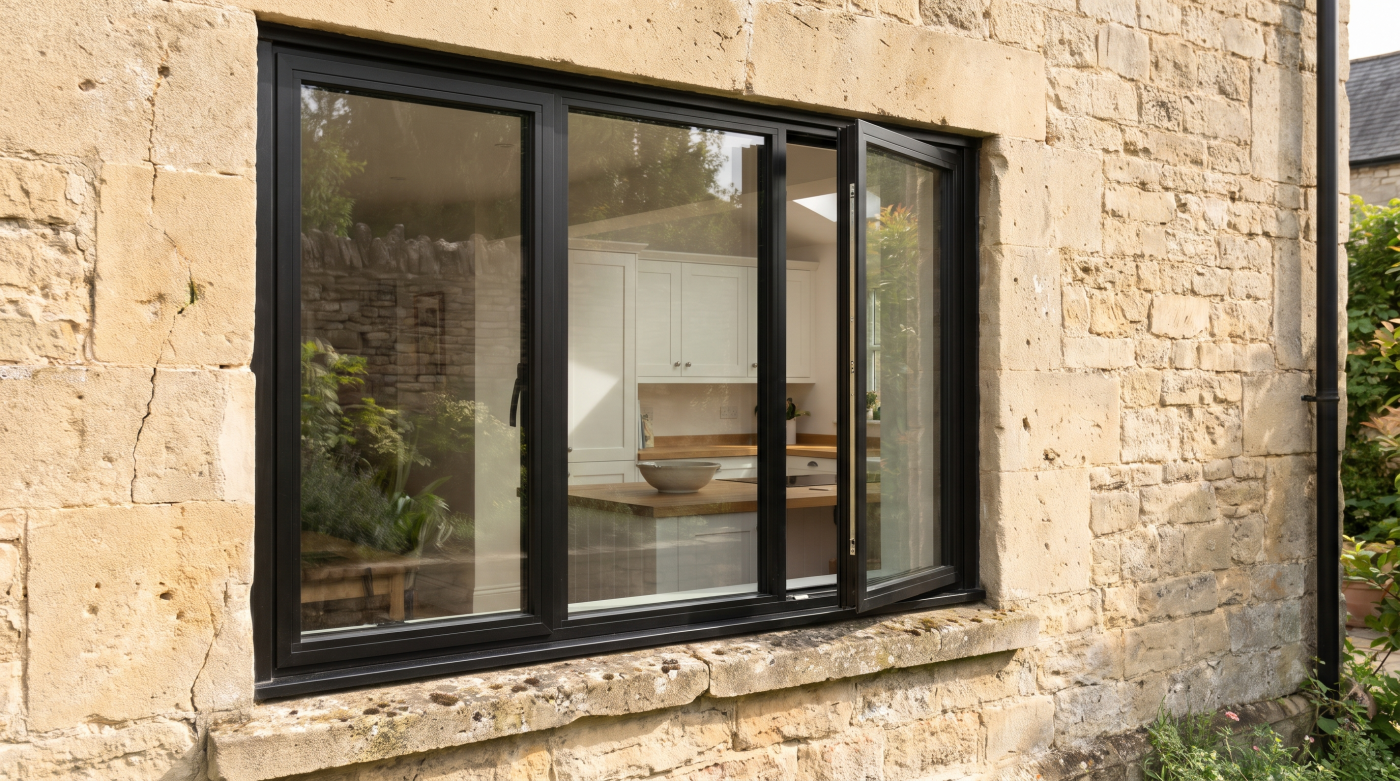
Plan for Weather, Discoveries and Programme Changes
Leave room for the programme to change. Weather, access or a concealed condition can affect the intended sequence, even where the initial survey and preparation were appropriate. Ask how revised arrangements will be communicated and which decisions need approval. A useful occupancy plan includes a response to change rather than depend on every opening proving straightforward and every appointment happening exactly as first proposed.
FENSA’s weather discussion recognises that conditions can affect installation and require contractor judgment. That supports asking about the actual method and contingency, not a universal temperature limit or assurance that work can proceed in every situation. The relevant team should use requirements appropriate to the materials, equipment and site, with the household told when its arrangements need to change.
Newly exposed conditions may require further advice or another trade. In a significant building, retained fabric and appropriate repairs also need consideration rather than rushed alteration to preserve a convenient daily target. Ask what the finding changes, what is proposed and how it affects occupied areas. Do not assume every additional task can be absorbed without changing scope, timing or the condition in which the property is left.
Identify a practical alternative before it is urgently needed. This may concern a work location, a period away or accommodation for a particular stage, depending on the household. Discuss any implications for bookings, attendance and project responsibilities with the relevant parties. The objective is a proportionate contingency, not a prediction that every project will encounter the same delay or that one temporary arrangement suits every home.
Decide When Time Away or Temporary Accommodation Makes Sense
Compare the actual programme with the household’s essential needs. Staying may work where suitable areas, routes and facilities remain available through agreed arrangements. Time elsewhere can be more practical for stages involving several rooms or activities that conflict with occupation. The decision should follow those conditions rather than a general rule that homeowners should always remain or always leave during window replacement.
Consider different periods separately. Working elsewhere for a noisy appointment, being away while a particular room is affected and vacating for the entire project are different choices. Confirm what the contractor needs in terms of access and decisions under each arrangement. A plan to leave should still provide a clear contact and agreed process for changes rather than assume absence removes the need for coordination.
Understand any additional arrangements and costs before committing to them. The actual contract and circumstances determine responsibilities; this guide cannot establish an entitlement to accommodation or reimbursement. Keep the agreed programme, relevant changes and outstanding work recorded. If particular personal requirements affect the decision, explain them early and obtain appropriate advice where needed rather than rely on a general article to assess individual suitability.
CBP can support early coordination as an architectural glazing and specification partner across Bath, Wiltshire, Somerset, Bristol and the Cotswolds. Living through whole-house replacement is a question about how the property functions at each stage. A clear scope, suitable occupied areas and realistic contingency arrangements give the household a sounder basis for deciding than an assumed fitting duration or a promise that daily life will continue unchanged.