
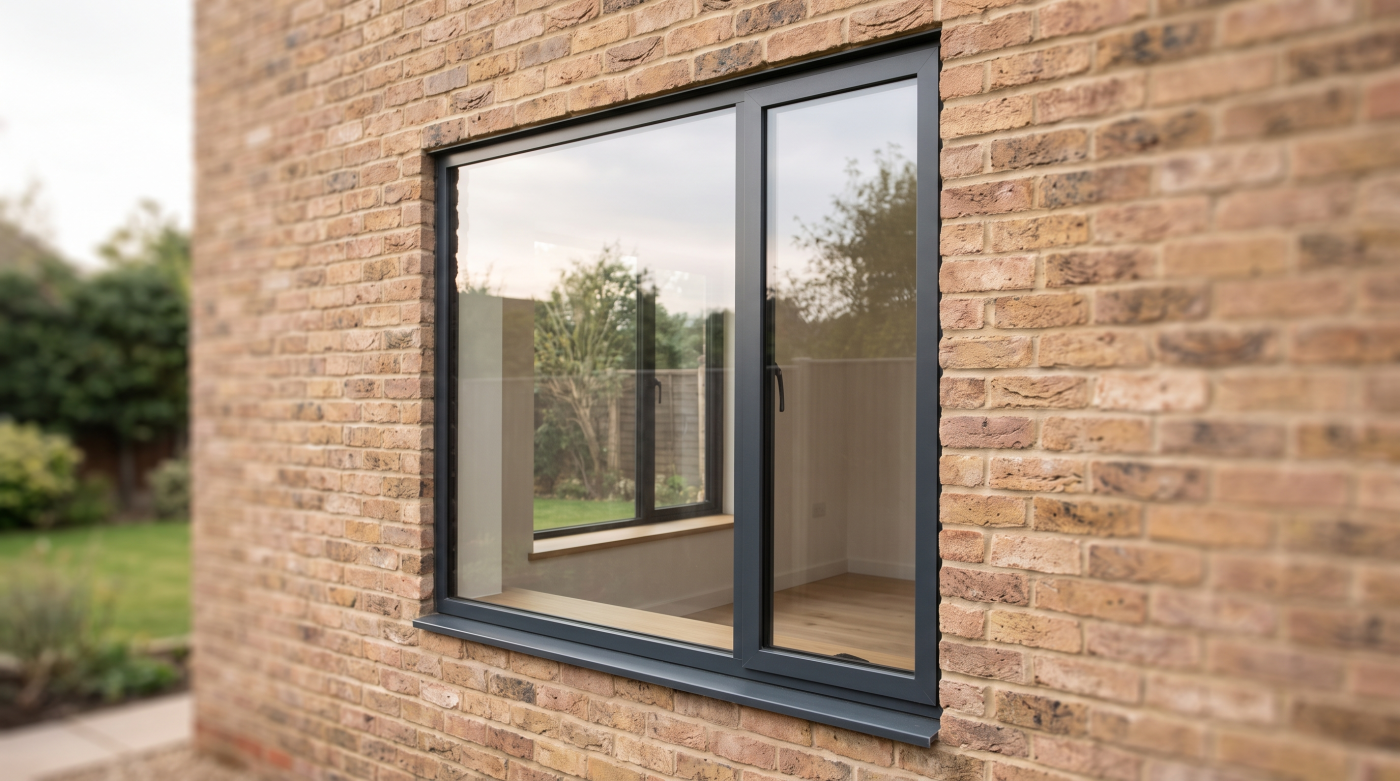
Before Asking Where an Old Window Goes, Ask Why It Is Coming Out
When discussing the environmental impact of replacement windows, the conversation often begins too late. We ask whether the glass can be recycled, what happens to the aluminium or timber frames, and whether the old units will avoid landfill. These are worthwhile questions, but there is a more fundamental one to ask first: does the existing window actually need to become waste?
There are many legitimate reasons for replacing windows. Existing units may have deteriorated, components may have failed, comfort may be poor or the windows may no longer suit the way the building is being renovated. A substantial architectural alteration can change openings entirely, while performance objectives may lead the project team to investigate whether existing glazing remains appropriate. Replacement is therefore not inherently wasteful. But neither should it automatically be the starting assumption.
A more considered sequence is:
Retain → Repair or upgrade → Replace
That sequence is not a rule that every existing window must be preserved. It is a way of making sure the value already contained within the building is considered before new materials are introduced. Retaining a suitable existing window avoids creating an immediate waste product and avoids the material demand associated with manufacturing its replacement. Repair or targeted improvement may sometimes extend useful service. Where neither provides an appropriate outcome, replacement can then be considered with a clearer understanding of why it is necessary.
For period and historic buildings, the question can carry another dimension. Existing windows may contribute to the architectural character or significance of the property, meaning decisions about alteration or replacement cannot be reduced to energy performance or embodied carbon alone. Where heritage considerations or permissions apply, advice should come from the appropriately appointed professionals and relevant authorities.
This is why the end-of-life conversation should begin before anything is removed. Recycling matters, but it sits downstream of a more important design decision.
Before asking whether an old window can be recycled, establish whether it has genuinely reached the end of its useful role in the building.
An Old Window Is Not One Waste Material
Once a window is removed from a building, it is tempting to think of it as a single item destined either for recycling or disposal. In reality, a window is an assembly of different materials, and that makes its end-of-life journey considerably more complicated than statements such as “glass is recyclable” or “aluminium can be recycled” might suggest.
Depending on the system, a removed window may contain glass, frame material, hinges, handles, locking mechanisms, seals, gaskets, spacers, fixings, coatings, adhesives and other components. Some of those materials may have established recovery routes; others may be more difficult to separate or process. Different window types also create different combinations. A timber casement, aluminium window, PVC frame and insulated glazing unit cannot simply be assumed to follow the same route once removed.
This creates an important distinction:
Recyclable material ≠ automatically recycled window
A frame material may be technically recyclable, but that does not tell us what happens to the complete assembly. Materials may first need to be separated, and the practical outcome depends on how the window has been removed, how the waste is handled and what suitable recycling or recovery infrastructure is available. A theoretical ability to recycle something is therefore different from demonstrating that it actually enters an appropriate recycling stream.
This is particularly relevant when assessing environmental claims made about new windows. Describing a frame as recyclable can be useful information, but it should not be interpreted as evidence that the entire window is circular. The glass, hardware, seals and other materials remain part of the end-of-life question.
For homeowners and project teams, the more useful question is therefore not simply, “Is this window recyclable?” It is:
“Which parts can realistically be recovered, and what will actually happen to them when the window is removed?”
That moves the conversation from material potential to real-world outcomes—and provides a much more credible basis for judging what happens to old windows.
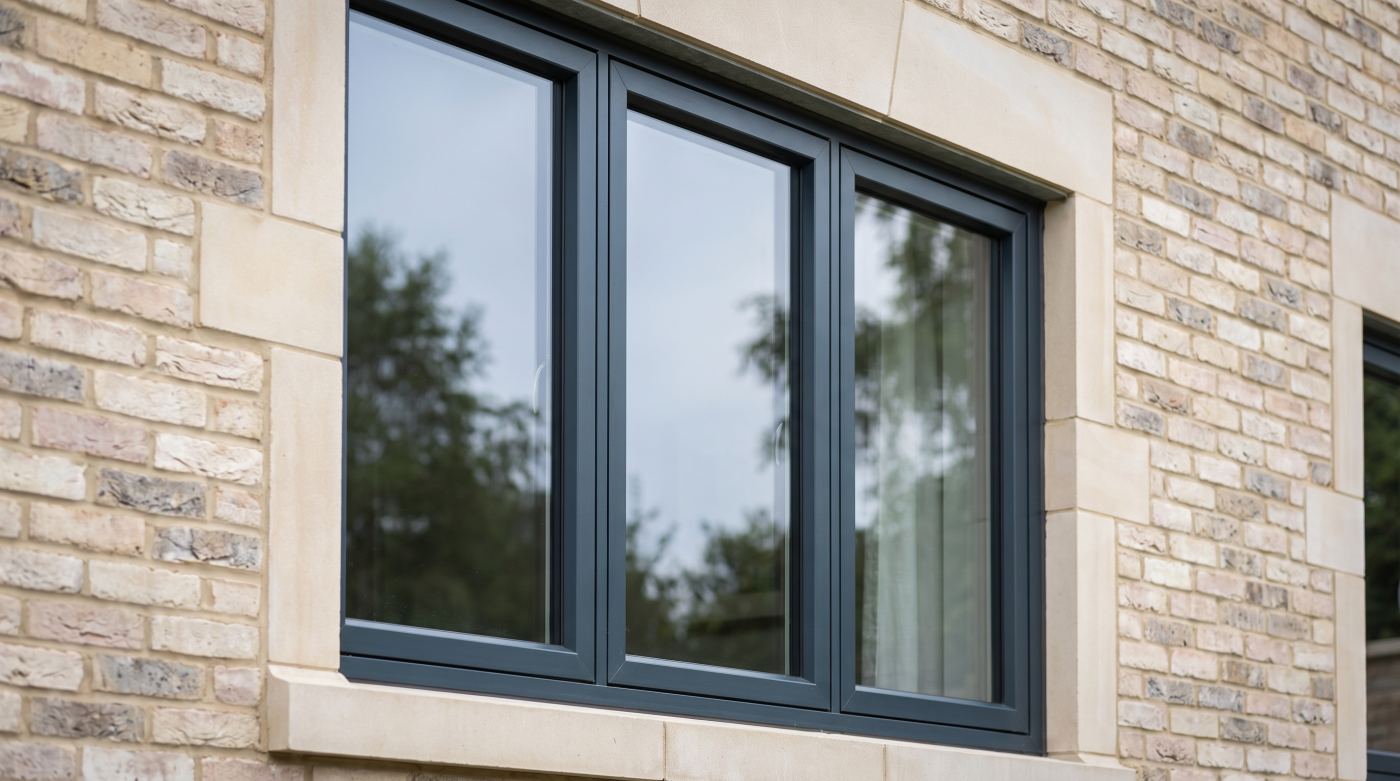
Reuse Can Be Better Than Recycling — When It Is Realistically Possible
Recycling is often presented as the desirable end point for a product that has been removed from a building. But from a circularity perspective, there can be a more valuable outcome: keeping the product, or useful parts of it, in service without first reducing them back to raw material. This is the distinction between reuse and recycling.
Reuse preserves more of what has already been manufactured. An existing window, frame, piece of glass or component that can genuinely serve another useful purpose does not immediately require the additional processing involved in material recycling. Architectural salvage can sometimes provide a route for suitable items, while particular components may have value beyond the building from which they were removed. In principle, extending useful service can therefore make better use of the materials and energy already invested in the product.
In practice, however, reuse is not always straightforward. Windows are generally made for particular openings, dimensions and configurations. Their condition may have deteriorated, performance may be unsuitable for another application, or removal may damage them. Finding an appropriate second use can also be difficult, particularly when dimensions or specifications are unusual. The fact that something could theoretically be reused does not mean there is necessarily a realistic destination waiting for it.
This is why reuse should not be romanticised. Retaining an unsuitable product simply to avoid recycling is not automatically the responsible decision. Its condition, intended application and relevant project requirements still need to be considered, with suitability assessed by the appropriately responsible people where necessary.
The principle nevertheless changes the order in which end-of-life options should be considered. Rather than assuming that successful recycling represents the best possible outcome, first ask whether useful value can be preserved at a higher level.
Can the window remain where it is? Can it be repaired? Can the complete product or suitable components be reused? Only then does recycling become the next question.
Circularity is strongest when useful things remain useful. Recycling matters, but ideally it begins after the realistic opportunities to preserve existing value have been considered.
What Actually Happens to the Glass?
Glass seems like it should be the straightforward part of an old window. We are familiar with glass being collected and recycled in everyday life, so it is easy to assume that the glazing removed from a building simply enters a similar process and eventually becomes new glass. Architectural glazing is more complicated than that.
A window may contain an insulating glass unit made from two or more panes rather than a single sheet. Depending on its specification, those panes may be coated, toughened, laminated or otherwise processed. The complete unit can also contain spacers, sealants and other materials designed to make the glazing perform as a system. Before the glass can enter an appropriate recycling route, some of those materials may need to be separated or dealt with through different processes.
This creates another important distinction between technical recyclability and real-world recovery. Glass may be capable of being recycled, but that does not mean every pane removed from every project will automatically return to a manufacturing process that turns it into another architectural glazing product. The actual destination depends on factors including the type and condition of the glass, how it has been removed and separated, and the processing routes available to the contractor or waste-management provider.
Some recovered glass may be suitable for particular recycling applications, while other material may follow different routes. It is therefore risky to make a blanket statement that old double glazing simply “becomes new windows”. Demonstrating a genuinely circular route requires evidence about what happens to the material after it leaves the project.
For architects, homeowners and builders, this suggests a more useful question than “Can window glass be recycled?”
Ask:
“What recycling or recovery route is actually available for this particular glazing once it is removed?”
That distinction matters. The environmental benefit does not come from glass being theoretically recyclable. It comes when the material is successfully recovered and put to productive use rather than becoming waste.
What glass could become and what removed architectural glass actually becomes are not necessarily the same thing.
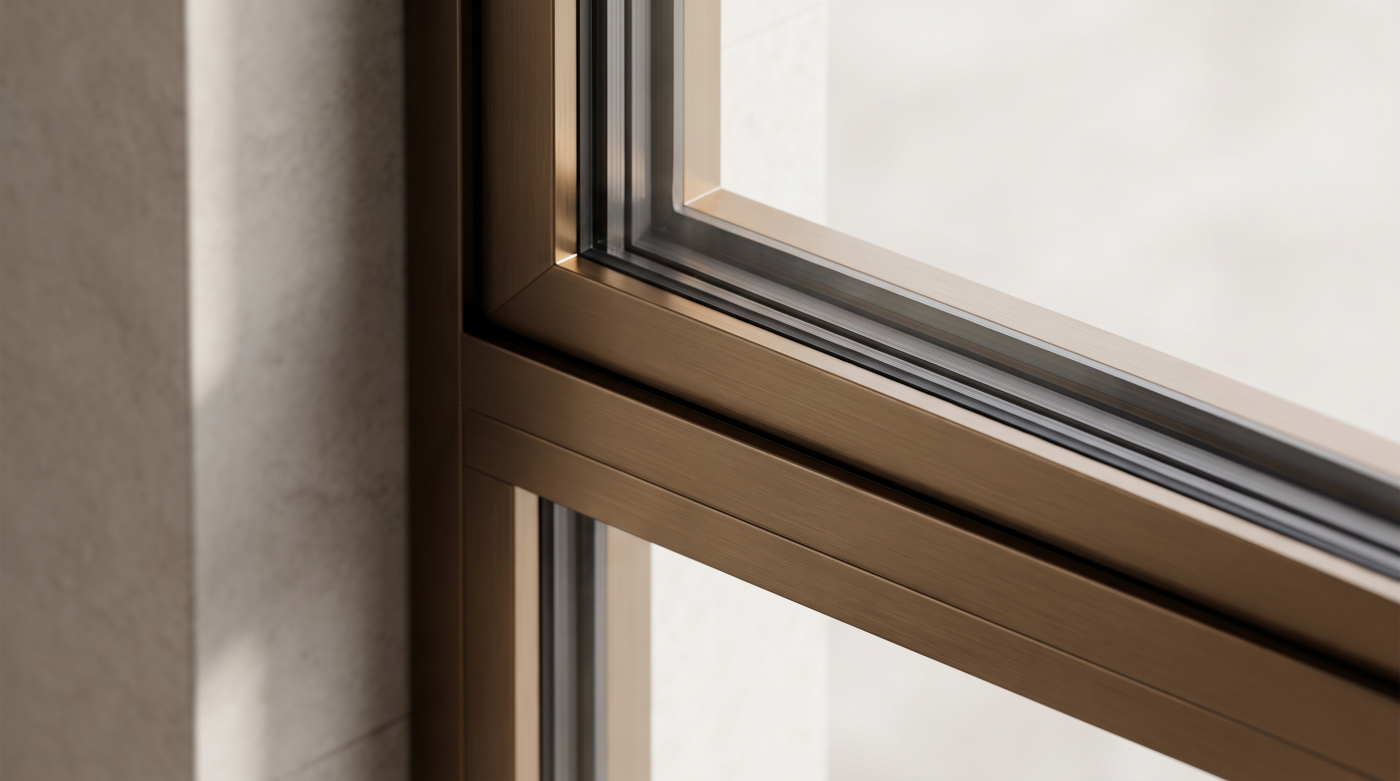
What Happens to Aluminium, Timber and Other Frame Materials?
Once the glass has been considered, the frame introduces another set of end-of-life questions. Different frame materials have different potential recovery routes, but the fact that a material can be recovered does not guarantee that a particular window will follow that route. Condition, construction, separation and the waste infrastructure available to the project all influence what happens next.
Aluminium has significant potential for material recovery when profiles are successfully separated from the rest of the window and directed into an appropriate recycling stream. This is one reason recyclability features prominently in sustainability claims around aluminium windows. But the distinction made earlier still applies: recyclable describes a material property or potential route; it does not prove that the aluminium from a particular removed window will actually be recovered and recycled. That depends on what happens after removal.
Timber presents different considerations. An old timber frame may contain coatings, treatments, fixings, hardware and other materials, while its condition can vary considerably. Some suitable timber elements may potentially be reused or recovered, but other material may require a different waste route. It would therefore be misleading to assume that timber automatically has a particular end-of-life advantage simply because it is a natural material.
PVC, composite and other frame systems bring their own questions. A system constructed from several materials may require separation before individual materials can be recovered, and practical recycling options depend on the product and infrastructure available. Again, theoretical recyclability and actual recovery should not be confused.
For project teams, this means moving beyond broad claims about which frame material is “most recyclable”. The more useful questions are specific: Can the materials in this window be separated? Who will handle them? Which recovery streams are actually available? And is there evidence of where those materials will go?
Material choice can influence the possibilities at the end of a window’s life, but it does not determine the outcome on its own.
A recyclable frame is a useful characteristic. A genuinely circular window requires the materials to be recovered in practice.
Removal Determines Whether Materials Can Have a Useful Second Life
What happens to an old window is influenced not only by what it is made from, but by how it leaves the building. A window or component that might have potential for reuse can quickly lose that potential if it is damaged during removal. Likewise, materials that could potentially enter separate recovery streams may become more difficult to deal with if they are mixed together without consideration for what happens next.
This creates a useful distinction between a demolition mindset and a deconstruction mindset. Demolition treats the existing window primarily as something that needs to disappear from the opening. Deconstruction asks whether any value within the existing assembly can realistically be preserved before it becomes waste.
That does not mean every old window should be painstakingly dismantled. On many projects, condition, safety, programme, cost or the construction of the existing units may make reuse impractical. The objective is simply to consider the intended outcome before removal begins rather than trying to establish a recycling strategy once everything has already entered a mixed waste stream.
For architects, builders and homeowners, several questions can therefore be useful before work starts. Is the complete window potentially suitable for reuse? Are there components with realistic salvage value? Which materials are intended for separate recovery streams? Who is responsible for removing and disposing of them? And, importantly, what is actually known about where those materials will go?
The builder and waste-management providers can have considerable influence at this point. A specification may describe materials as recyclable, but the environmental outcome ultimately depends on the practical route available once those materials leave the building. Where recycling or recovery is an important project objective, that route needs to be established with the relevant contractor or waste provider rather than assumed.
This is why circularity cannot exist solely on a product datasheet. It has to survive contact with the construction site.
If reuse, separation or recovery matters, planning for it before removal gives those outcomes a realistic opportunity to happen. Once potentially valuable materials have been damaged, contaminated or mixed indiscriminately with other waste, some of those opportunities may already have been lost.
The end-of-life plan for a window should therefore begin before anyone takes it out of the opening.
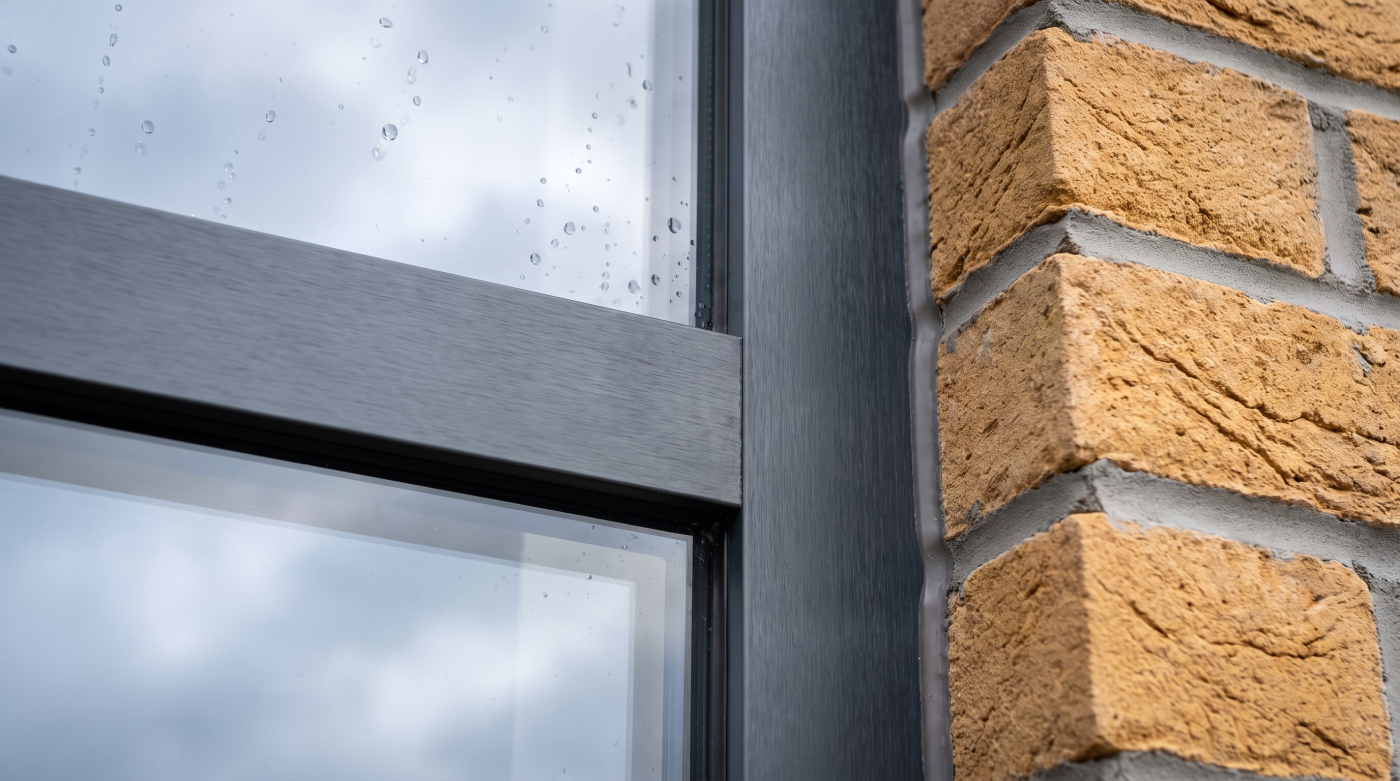
Replacement Has an Embodied Carbon Consequence in Both Directions
When an existing window is replaced, the environmental conversation can easily focus on the performance of the new product. Better thermal performance, improved comfort or other project objectives may provide legitimate reasons for replacement, but the complete decision has two sides: a product is leaving the building at the same time as another product is being created to replace it.
On one side is the existing window:
Existing product → Removal → Reuse, recovery, recycling or disposal
On the other is the replacement:
Raw materials → Manufacturing → Transport → Installation → Future maintenance and eventual end of life
This matters because a new high-performance window still carries an upfront embodied impact. Glass, frames, hardware and other components have to be manufactured before the replacement can begin delivering any benefit to the building. If the existing window still has useful service remaining, replacing it prematurely may therefore discard material value while simultaneously creating demand for new material.
But the opposite conclusion can be equally simplistic. Keeping every existing window indefinitely is not automatically the lowest-carbon strategy. A poorly performing, deteriorated or unsuitable window may affect comfort and building performance, while repair may not always provide an appropriate solution. Where the balance between retention, improvement and replacement materially affects whole-life carbon, it should be assessed using suitable project-specific evidence by the appropriately appointed professional.
This is why generic claims about the “carbon payback” of replacement windows should be treated carefully. The outcome depends on the existing window, the replacement specification, building performance, energy assumptions, service life and the boundaries of the assessment. There is no single payback period that can responsibly be applied to every renovation.
A more useful question comes before the calculation:
Are we replacing this window because it has reached the end of its useful role, or because replacement has become the default renovation response?
If replacement is justified, the environmental discussion should then consider both directions—the fate of the materials leaving the building and the impact of creating what comes next.
Replacement is not simply a product upgrade. It is a whole-life decision involving both the window being removed and the window taking its place.
The Most Sustainable Window May Sometimes Be the One Already in the Building
After considering recycling, material recovery and the environmental impact of manufacturing a replacement, the discussion eventually returns to the window that is already there. If an existing window remains appropriate, functional and capable of providing useful service, retaining it deserves consideration before replacement becomes the default response.
That does not mean the old window should always stay. There are legitimate reasons for replacement. Its condition may have deteriorated beyond reasonable repair, the building may require a different level of performance or functionality, or an architectural alteration may fundamentally change the opening. On other projects, repair or targeted improvement may offer a credible alternative. The appropriate answer depends on the building and the objectives of the renovation.
A useful decision sequence is:
Condition → Significance → Performance → Repair potential → Remaining service → Replacement benefit → End-of-life route → New specification
For period and historic buildings, significance can be particularly important. Existing windows may contribute to the character and fabric of the property, so decisions about alteration or replacement can involve considerations beyond energy performance and embodied carbon. Where heritage controls or permissions apply, the appropriate professional advice and approvals should form part of that decision.
For architects, the question is whether retention can realistically contribute to the design strategy before replacement is specified. For builders, it is useful to establish what should happen to removed units before work begins. For homeowners, it means understanding why each window is being replaced rather than assuming that a major renovation necessarily requires every existing unit to disappear.
And for a glazing specialist, there is an important credibility test. A responsible conversation should not measure success by how many existing windows can be replaced. It should help establish where new glazing genuinely contributes something the existing building cannot reasonably provide.
When replacement is justified, the next responsibility is to understand the intended route for the old materials and specify the new glazing with its own future service life in mind. Today’s replacement window will eventually become tomorrow’s existing window.
The circular economy therefore does not begin when an old frame reaches a recycling facility. It begins when somebody decides whether that window needs to leave the building at all.
And when it does need to leave, the question should not simply be whether its materials could theoretically be recycled.
It should be:
“What is actually going to happen to them?”