
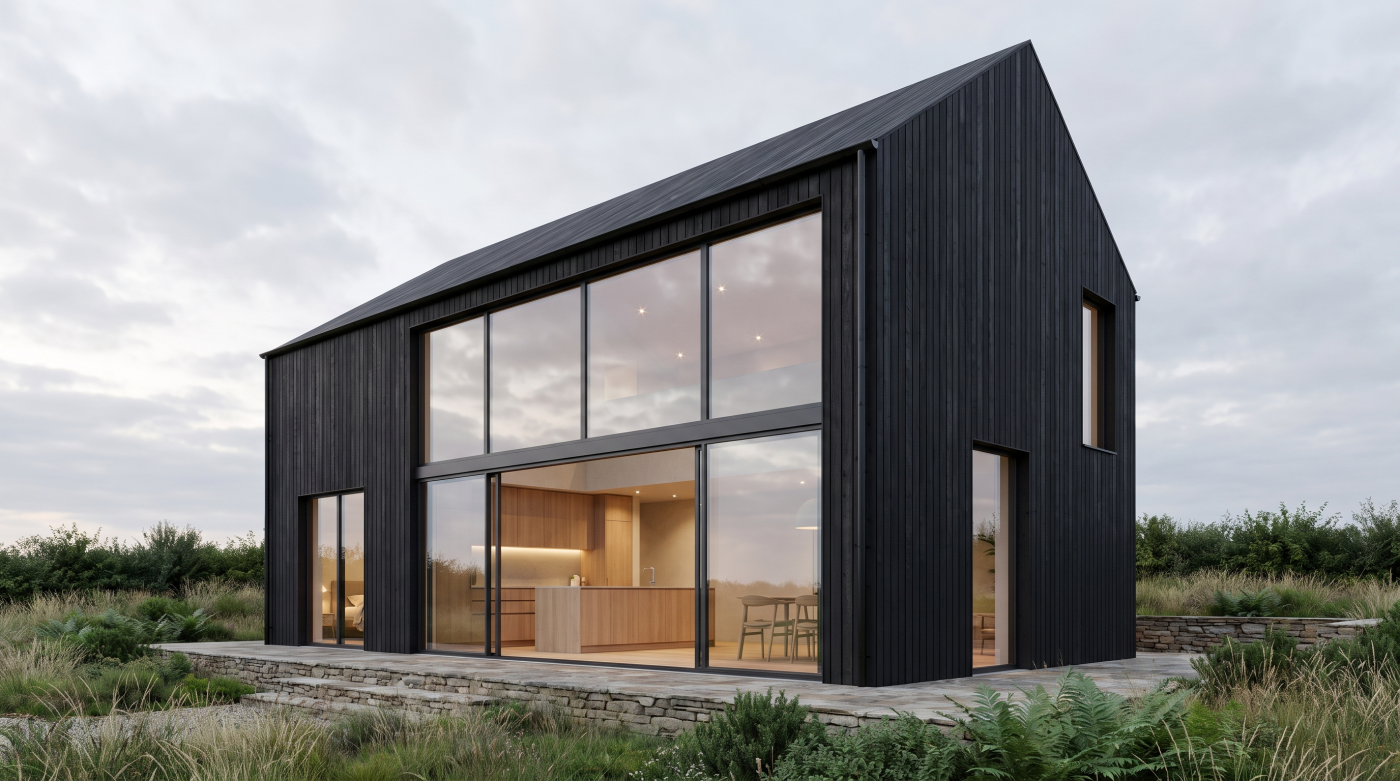
Your House Is Already Giving You Clues
Most homeowners begin a renovation by noticing what they dislike. A room feels colder than the rest of the house. Condensation appears somewhere it did not before. A window seems draughty, an opening feels awkward, or an extension never quite delivers the comfort that was expected of it.
These observations matter. But they are not necessarily explanations.
A building surveyor approaches the same house from a different perspective. Rather than looking immediately for something to replace, the more useful exercise is often to understand the relationships between what can be seen. Where does a particular condition occur? Is it confined to one part of the building? What has changed over time? How does that area differ from the spaces around it?
The distinction is important because houses operate as connected buildings, not collections of independent products.
This becomes particularly relevant in older properties, where different periods of construction, repair and alteration may coexist within the same elevation or room. What appears to be one simple problem can sit within a much longer architectural story.
None of those clues should be treated as a diagnosis in themselves. That is precisely why appropriate professional investigation can be valuable.
The useful starting point is more modest: observe before assuming.
Before deciding that a window, wall or opening is the problem, pay attention to what the building is actually showing you. Good renovation begins not with a product category, but with a better understanding of the condition you are trying to improve.
The Question Is Not “What Should I Replace?”
Renovation often begins with replacement. The windows are old, so new windows seem the obvious answer. A room is uncomfortable, so attention turns to whichever component appears most likely to be responsible. The problem is identified and the search for its replacement begins almost simultaneously.
That sequence can be too quick.
Before deciding what should disappear, it is worth defining what actually needs to improve. A homeowner considering new windows may be trying to achieve greater comfort, reduce maintenance, improve appearance, address noise or change the relationship between a room and the landscape beyond it. Those ambitions may overlap, but they are not the same brief.
The distinction matters because specification should follow the desired outcome rather than determine it.
This is particularly important in older houses, where an existing window is part of a wider architectural composition. Its proportions, position and relationship with the surrounding elevation may contribute something quite separate from its age or condition. Replacing it is therefore not simply an exchange of one component for another. It is an intervention in the building.
A more considered renovation begins by separating dissatisfaction from solution.
Instead of asking immediately what should replace an existing element, ask what you are hoping the project will make better. That question creates room for the building, the architecture and appropriate professional advice to influence what happens next.
Define the improvement first. Only then decide whether replacement is actually the right response.
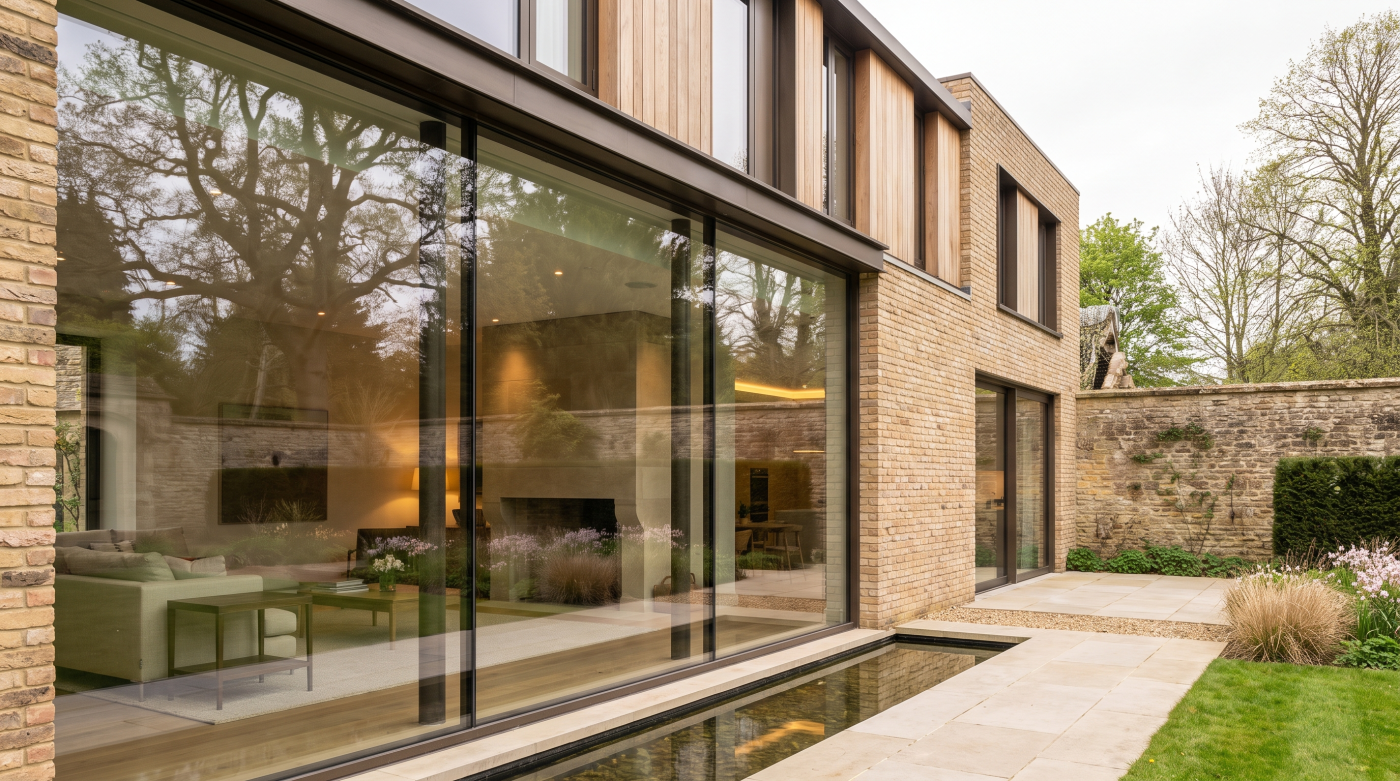
Old Houses Carry the Evidence of Previous Decisions
An old house is rarely a building from a single moment in time.
Even when its architecture appears remarkably coherent, it may contain generations of alteration. Windows may have been replaced at different periods, openings changed, extensions added, rooms reorganised and materials repaired according to the knowledge and priorities of their time.
Those layers are part of the evidence a building presents.
This is why age alone tells us surprisingly little about what deserves to remain. An old window is not necessarily an original window. Equally, an element that appears imperfect by contemporary expectations may still contribute significantly to the proportions, character or architectural coherence of the house.
Understanding that history changes the nature of renovation.
Instead of treating the existing building as something to be corrected until it resembles a new one, the project becomes a process of deciding which parts of its accumulated history remain valuable and where intervention can genuinely improve the way the house works.
This is especially important with period properties because previous alterations can easily be mistaken for original architectural intent. What exists today may already represent several generations of decisions about appearance, comfort and use.
The task is not automatically to preserve every layer, nor to remove everything that appears outdated.
It is to understand what you are looking at before deciding what should happen next.
Renovating an older house means entering a story already in progress. The better you understand the chapters that came before, the more intelligently you can write the next one.
A Symptom and Its Cause Are Not Always the Same Thing
When something feels wrong with a house, attention naturally settles on the most visible explanation. A room feels cold and the windows become the obvious suspect. Condensation appears on the glass and the glazing seems responsible. A draught is noticeable near an opening, so the opening itself appears to provide the answer.
But observation and diagnosis are different things.
What a homeowner experiences is important evidence, yet it does not necessarily explain why that condition exists. Buildings are interconnected, and the behaviour of one room or element can sit within a wider pattern that is difficult to understand simply by looking at the place where the symptom appears.
This is where professional investigation becomes valuable. A surveyor can consider the condition within the context of the wider building rather than beginning with the assumption that the nearest visible component must also be the underlying cause.
For renovation projects, that distinction can fundamentally change the brief.
If replacement begins before the problem has been properly understood, there is a risk that the project answers an assumption rather than the building itself. New glazing may be desirable for many legitimate reasons, but the decision should follow an informed understanding of what the homeowner is trying to improve.
Good renovation therefore requires a degree of curiosity before certainty.
Notice where the problem appears, but resist allowing its location to become an automatic diagnosis. The more useful question is not simply, “What can I replace here?”
It is, “What is actually causing the condition I want to change?”
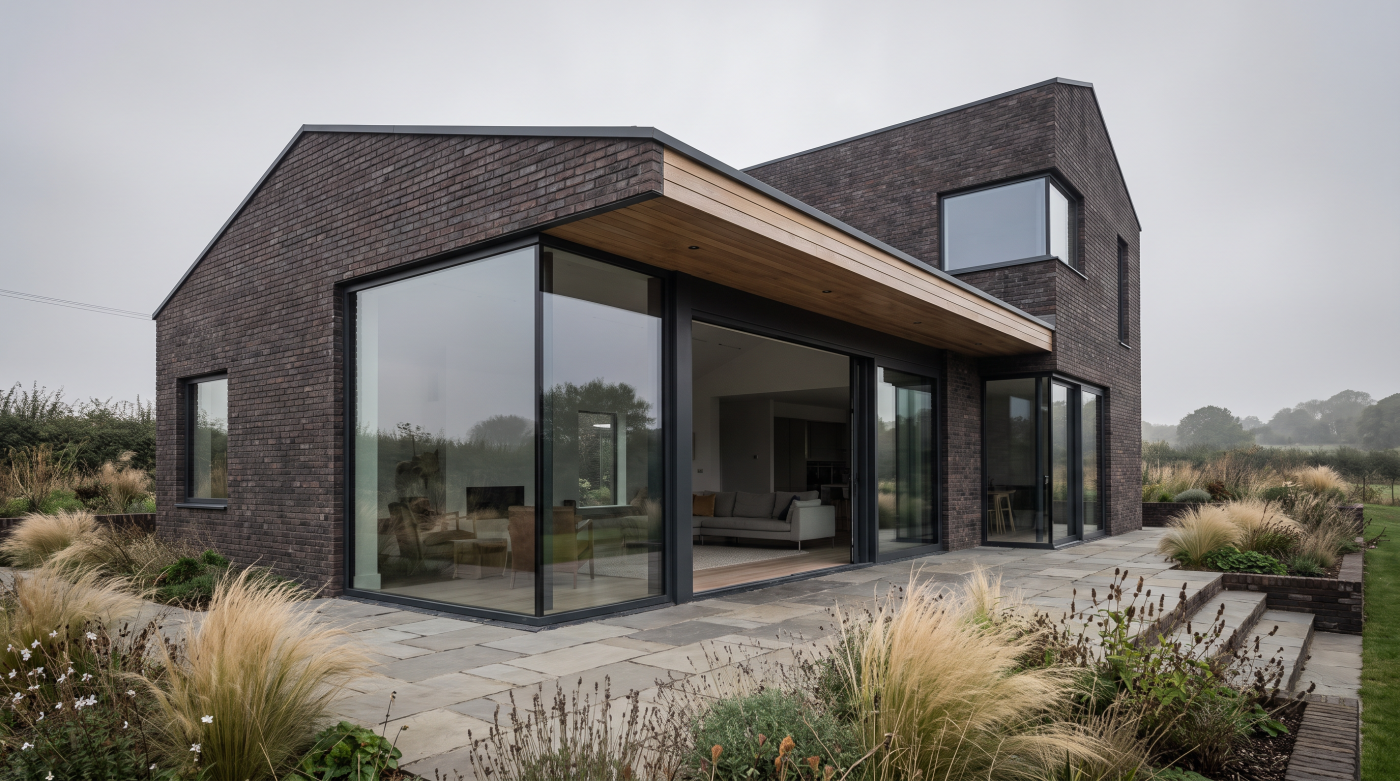
The Best Survey Question Changes the Design Brief
A good survey does more than identify the condition of a building. It can change the questions the renovation is trying to answer.
A homeowner may begin with a seemingly clear instruction: replace the windows. But once the building and the reasons behind that decision are examined more carefully, the brief can become considerably more nuanced. Perhaps the real priority is improving comfort in particular rooms, preserving the proportions of an important elevation or creating a stronger connection between an extension and the garden.
The original request has not necessarily been wrong. It was simply describing a solution before fully defining the desired outcome.
This distinction becomes particularly valuable in substantial renovations. Decisions about glazing are rarely only about glazing. They influence daylight, views, ventilation, appearance and the way rooms relate to one another and to the architecture outside them.
The same principle applies when homeowners believe they need more glass. What they may actually want is a brighter kitchen, a better view from a particular position or a room that feels more connected to the landscape. Once that ambition is understood, increasing the quantity of glazing is no longer automatically the answer.
Professional questioning can therefore improve a project before specification begins.
The quality of the eventual solution depends partly on the quality of the question that created the brief. A useful survey should not simply confirm a list of intended changes. Sometimes its greatest value is helping you decide whether you started with the right list at all.
Sometimes the Most Valuable Advice Is to Leave Something Alone
Renovation creates an understandable appetite for change. Once a project begins, there can be a tendency to assume that anything old, imperfect or inconsistent should be replaced while the opportunity exists.
But intervention is not automatically improvement.
Some elements of an older house contribute more to its character than their condition might initially suggest. The proportions of an opening, the rhythm of windows across an elevation or the relationship between original and later parts of the building can give a property much of its architectural identity.
Once altered, those relationships can be difficult to recover.
This does not mean that everything old should be preserved simply because it has survived. Buildings need to remain useful, comfortable and appropriate for the people who inhabit them. There will be occasions when alteration is entirely justified and others where a more restrained approach produces the better architectural result.
The skill lies in distinguishing between the two.
That distinction becomes particularly important in period properties, where seemingly modest changes can affect the way an entire elevation is read. A replacement considered individually may appear perfectly reasonable while still changing something valuable about the composition of the building as a whole.
Before asking how an element could be improved, there is therefore another question worth considering: does it actually need to change?
Good renovation is not measured by the quantity of new material introduced into a house. Sometimes the most confident design decision is recognising that an existing part of the architecture is already doing exactly what it should.
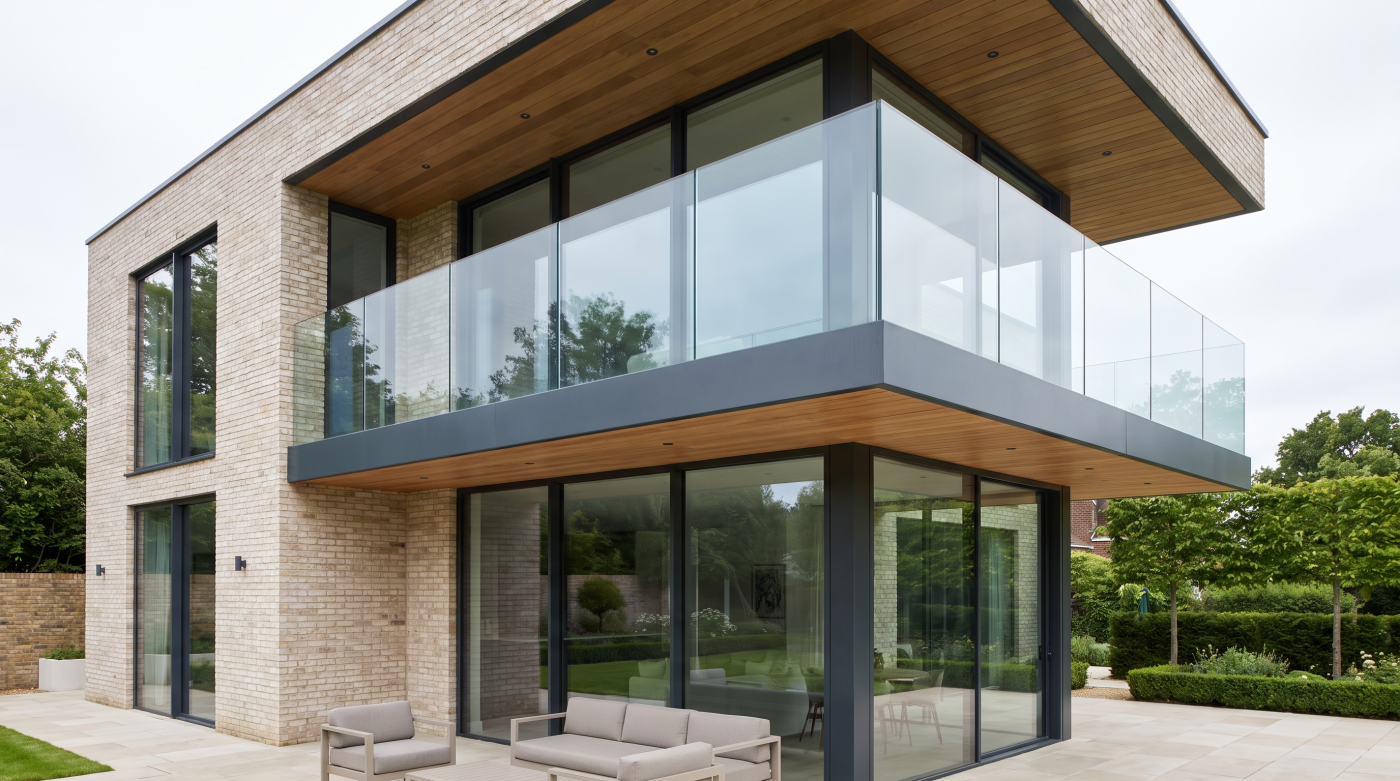
Your Surveyor, Architect and Glazing Specialist Should Not Be Solving Different Houses
A substantial renovation is rarely understood completely by one person. Different professionals encounter the same building through different disciplines, and each may notice something the others do not.
A surveyor can help establish a clearer understanding of the existing property. An architect can develop the design response and consider how proposed changes relate to the building as a whole. A builder brings the realities of construction into that conversation, while a glazing specialist contributes knowledge relevant to the windows, doors and glazed elements being considered.
The value lies not simply in having access to those different perspectives, but in allowing important information to travel between them.
Problems can emerge when each professional is effectively given a different version of the house. The surveyor understands an existing condition that never reaches the design conversation. The architect develops an ambition without relevant context from elsewhere in the project. A glazing decision is then considered separately from the architectural reasoning that produced the opening.
Each conversation may make sense individually while the project between them becomes fragmented.
Better projects create connections at the points where different areas of expertise overlap.
That does not require every professional to perform the role of another. Quite the opposite. It allows each discipline to contribute more intelligently because the wider context is understood.
The objective is not to collect as many professional opinions as possible. It is to create a shared understanding of the same building, so that investigation, design, construction and specification are responding to one coherent architectural problem.
Ask This Before You Decide What Your House Needs
Renovation often begins with a list. Replace these windows. Improve that room. Enlarge this opening. Remove something old and introduce something new.
There is nothing inherently wrong with having ambitions for a house. But before those ambitions become specifications, there is a more useful question to ask:
What should I understand about this building before I decide what to change?
It is a simple question, but it creates space for a different kind of conversation. Instead of asking a surveyor merely to confirm what appears wrong, it invites investigation into the condition, history and relationships within the building. It allows assumptions to be challenged before they become expensive decisions.
That understanding can then inform everything that follows.
An architect can develop a brief with greater context. A builder can approach the existing structure with a clearer picture of what is being retained and altered. Specialists can consider individual elements, including glazing, as part of an architectural response rather than isolated replacements.
The result may still involve significant change. Windows may be replaced, openings reconsidered and new interventions introduced. Understanding a building does not mean becoming afraid to alter it.
It simply means earning the confidence to know why you are doing so.
The most valuable professional conversation in a renovation may therefore happen before anyone discusses products, materials or finishes.
Understand the building first. Then decide what deserves to change.