
What Causes Mould Around Window Reveals?
Mould around a window can be easy to notice and difficult to explain. The reveal, meaning the return of the wall around the opening, may be colder than neighbouring surfaces. Moisture can also arrive through a leak or another building defect. The visible location is a starting point for investigation, rather than proof that the window itself needs replacing.
A useful response considers the room, the construction and the history of the problem together. Address the mould promptly while establishing why conditions allow it to develop. Cleaning and redecoration may form part of the work, but they should not replace investigation of a recurring moisture problem or its effect on the people living there.
What Is a Window Reveal, and Why Can It Be Vulnerable?
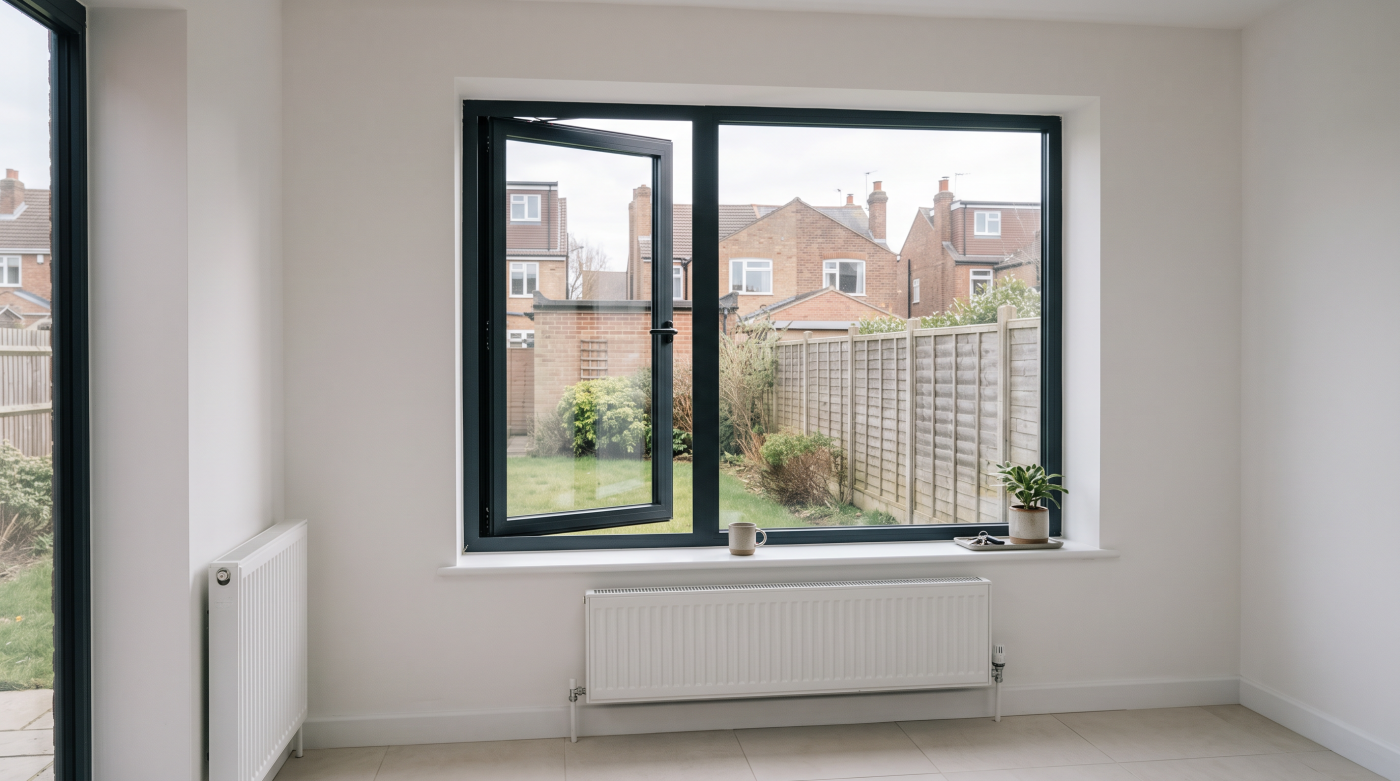
The reveal is the wall surface returning towards the window frame at the sides and head of an opening. Its construction may differ from the main wall, and the sill creates another junction below. These edges deserve attention because the frame, masonry, insulation and internal finishes meet within a relatively small area that can be difficult to inspect fully.
A window’s published thermal performance does not describe every part of that junction. A well-specified glazed unit can sit beside a colder section of wall or an unresolved installation detail. Assessing the glass alone therefore leaves important questions unanswered. The frame position, surrounding construction and continuity of the intended insulation all belong within a proper review of the opening.
Room arrangements matter to the investigation too. A deep recess, closely fitted covering or furniture beside the window can influence the conditions around the reveal. Record those features without assuming they explain the problem. The same visible arrangement may sit within buildings with very different wall constructions, ventilation provision, exposure and histories of repair or alteration.
Begin by showing the full opening and its surrounding room to the person investigating. A close photograph of one dark patch cannot establish the complete cause. Include the other side of the wall where safely accessible and any relevant building records. This helps shift the discussion from treating a mark on the paint to understanding the actual construction and conditions.
How Do Moisture and Cold Surfaces Encourage Mould?
Air in an occupied home contains water vapour. Near a colder surface, local relative humidity can be higher than in the warmer room air. If conditions reach the dew point, moisture condenses into liquid water. Persistent surface dampness or high local humidity can support mould, so the investigation should consider both moisture availability and the temperature of the affected area.
Visible droplets are not a prerequisite for noticing a problem. A reveal may look dry during a daytime visit even though conditions differ overnight or during colder weather. Conversely, a wet patch does not prove condensation is the only cause. The useful question is what conditions occur over time, rather than whether water is visible at one particular moment.
A room monitor can provide supporting information about temperature and humidity, but its reading does not directly measure every surface condition. Position, timing and interpretation matter. Avoid treating one number as a complete diagnosis or a universal declaration that the home is safe from mould. Where monitoring is appropriate, agree what it is intended to establish and how results will inform action.
Think of the opening as part of a moisture balance that needs assessment. Reducing an established source, improving suitable ventilation or resolving a cold junction may help in different circumstances. None should be prescribed automatically from appearance alone. The objective is to identify why this particular surface remains vulnerable and choose measures that address the relevant conditions without introducing new problems.
Could a Thermal Bridge Be Making the Reveal Colder?
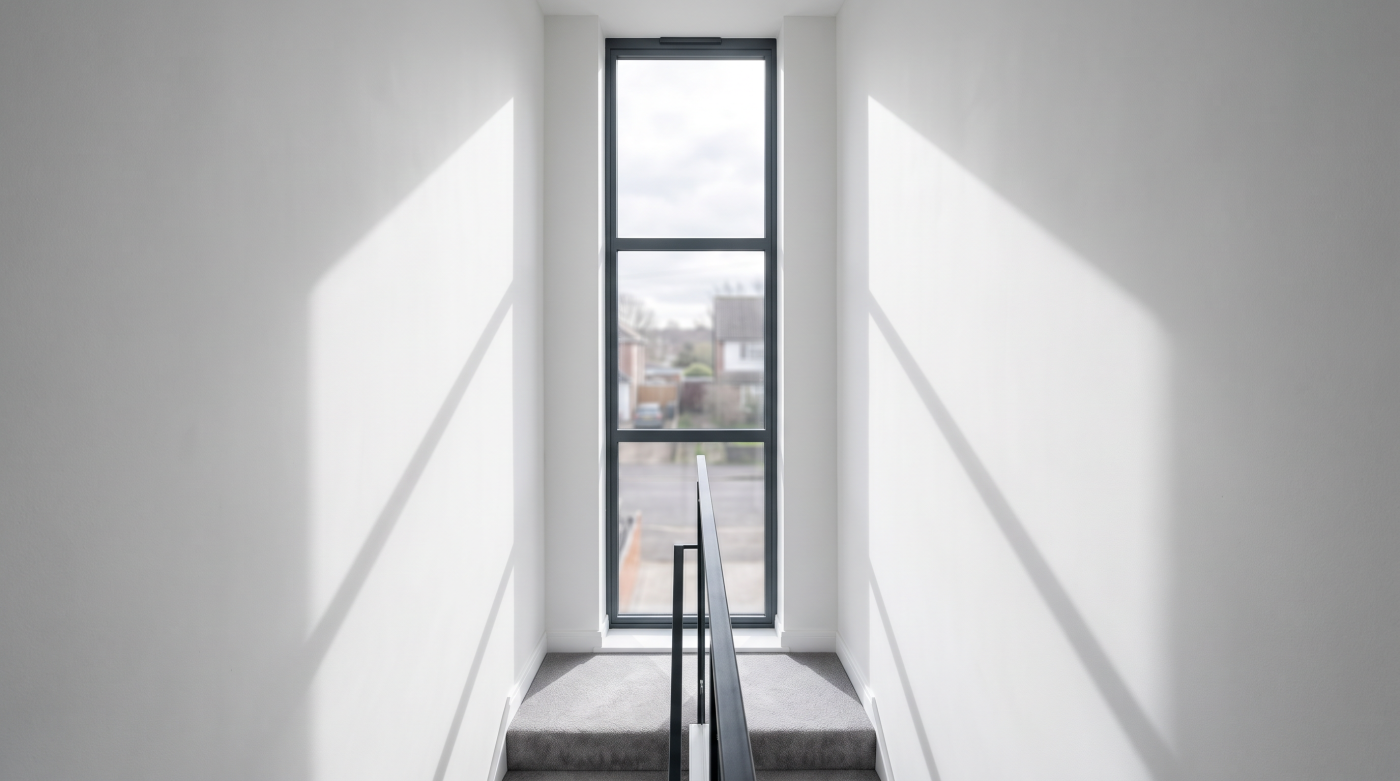
A thermal bridge is a part of the construction through which heat passes more readily than through neighbouring areas. At a window opening, changes in materials and geometry can create a locally colder internal surface. That can increase the likelihood of moisture-related problems under suitable conditions, even where the main wall or centre of the glazing performs differently.
The relevant detail depends on the building. A traditional solid wall, an insulated cavity wall and an internally insulated renovation do not present identical junctions. Ask how the intended thermal layer continues around the frame and across the head and sill. The answer needs to relate to actual construction, rather than a standard detail assumed to fit every property.
An assessment may include inspection, relevant drawings and appropriately interpreted measurements. Thermal imaging can assist in suitable conditions, but a colourful image does not establish the cause of dampness by itself. Ask what the evidence shows, what remains uncertain and whether additional investigation is needed. Avoid paying for a particular remedial product before the diagnosis and proposed detail have been explained.
Adding insulation to a reveal also requires thought about space, moisture and surrounding fabric. There is no universal board thickness or lining that can be recommended safely for every opening. In an older Bath or Cotswolds property, compatible materials and significant features deserve consideration alongside thermal improvement. A lasting repair should work with the building rather than conceal an unresolved junction.
How Can You Distinguish Condensation From Rainwater or Plumbing Leaks?
Record when the problem becomes noticeable and how it changes. A pattern associated with rainfall may warrant investigation of external water entry, while cold-weather recurrence may raise questions about surface conditions. These are clues, not definitive tests. More than one source can be present, and the place where water appears may be some distance from its original entry point.
Include nearby gutters, external finishes and adjoining construction in the professional assessment where relevant. Internal plumbing or a defect elsewhere may also need attention. Avoid assuming that applying sealant around the visible window perimeter will resolve every wet reveal. An intervention made without understanding the water route can obscure evidence or leave the original source operating behind a repaired-looking surface.
SPAB’s Control of Dampness guidance stresses the importance of diagnosis in older buildings and distinguishes moisture sources requiring different responses. That principle is particularly useful where traditional construction and later alterations overlap. An age-related assumption about rising damp, for example, should not replace investigation of a localised problem around an upper window.
Take photographs and retain a brief history, but use them to support an appropriate inspection. Note recent repairs, changes to coverings and any work to windows or walls. If the cause remains uncertain, request an investigation that explains the evidence and its limits. A clear diagnosis is more valuable than a confident label attached to a stain without examining the building.
What Role Do Ventilation, Heating and Room Layout Play?
Moisture from ordinary activities needs a suitable route out of the home. Review whether the intended extraction and ventilation systems are present, working and maintained. A bathroom or kitchen arrangement should be assessed for its actual function, rather than its appearance alone. Equipment that moves air within a room is not automatically removing moisture to outside.
Heating provision and the ability to keep rooms suitably warm also belong in the assessment. Advice should reflect the household’s circumstances rather than assume unlimited heating is practical. A dehumidifier may help manage moisture in some situations, but it does not establish that leaks, inadequate ventilation or deficient construction have been resolved. Its role needs to be understood within the wider response.
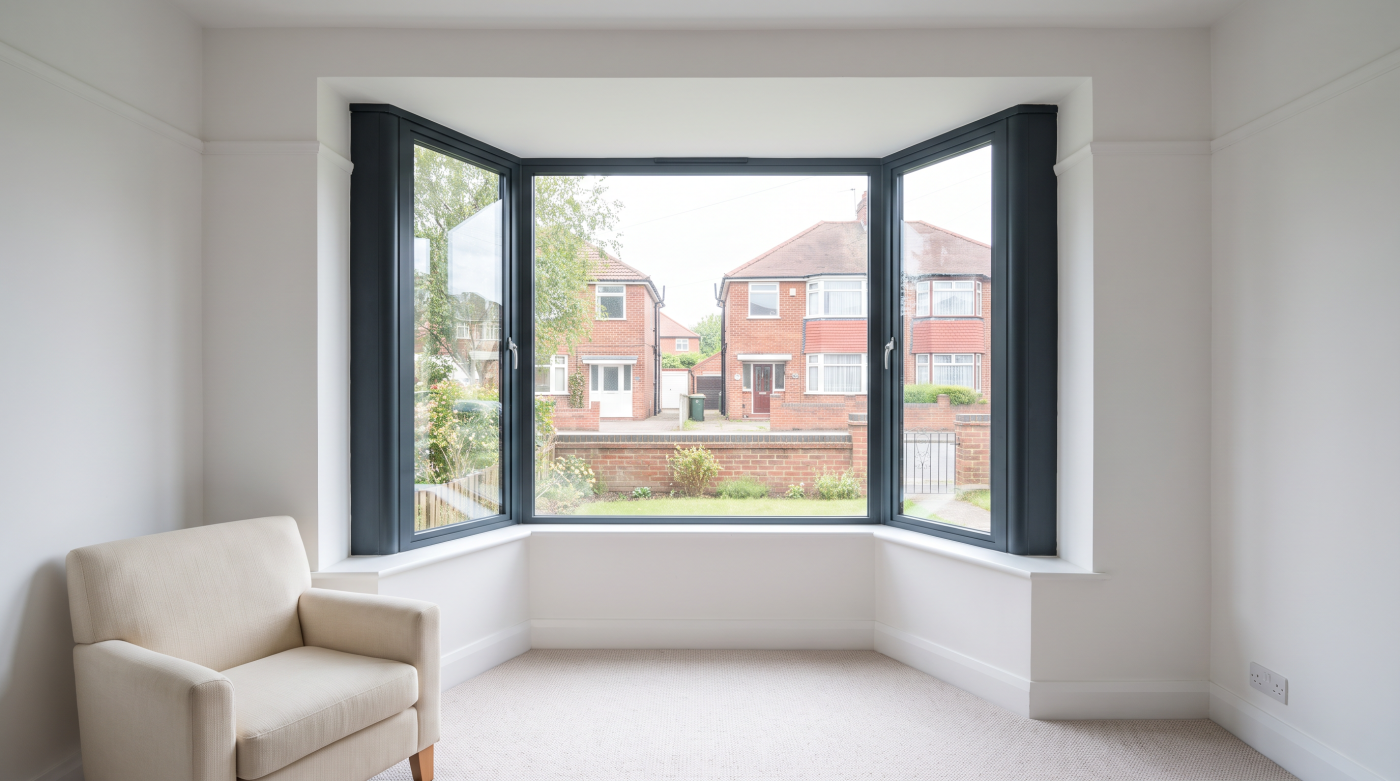
Check whether coverings or furnishings restrict air movement around the affected opening and whether a practical change is possible. This is one consideration, not a reason to blame the occupant. The government’s England guidance on damp and mould rejects attributing the problem to tenants’ normal domestic activities and calls for underlying deficiencies to be addressed.
For a renovation, bring room use, ventilation and fabric improvements into the same design conversation. A new window cannot carry the whole responsibility for managing moisture. Agree how the room will function throughout the year, who will maintain its systems and how controls will be understood. Practical support and suitable building provision are more useful than a generic instruction to open windows more often.
Why Can Mould Appear After New Windows or Insulation?
Changes to a building can alter the balance between heat loss, air movement and moisture. Replacing a draughty opening may change uncontrolled air leakage, while the existing ventilation arrangement remains unchanged. Insulation can also change the relationship between warmer wall areas and unresolved junctions. These possibilities justify coordinated investigation rather than an automatic conclusion that the new product has failed.
Timing is useful evidence, but it is not proof of causation. Establish what work occurred, how the room was used before and afterwards, and whether dampness had previously been concealed by finishes or furniture. Recent wet building processes may be relevant too. The professional should consider the complete sequence rather than attributing every later symptom to the most visible alteration.
In an insulated renovation, ask how the window perimeter was detailed. The main wall improvement should not be treated as evidence that every reveal, head and sill has received an appropriate solution. Where traditional fabric is retained, moisture behaviour and compatible finishes need attention. A generic instruction to add an impermeable lining could create further difficulties if the actual construction is not understood.
Review the handover information and involve the appropriate designer or installer where the issue follows recent work. Ask what the intended ventilation and junction details were, what was built and what investigation is proposed. Retaining clear records supports a constructive discussion. The objective is to identify and correct the relevant condition, while preserving any successful improvements elsewhere in the home.
Is Cleaning or Anti-Mould Paint Enough?
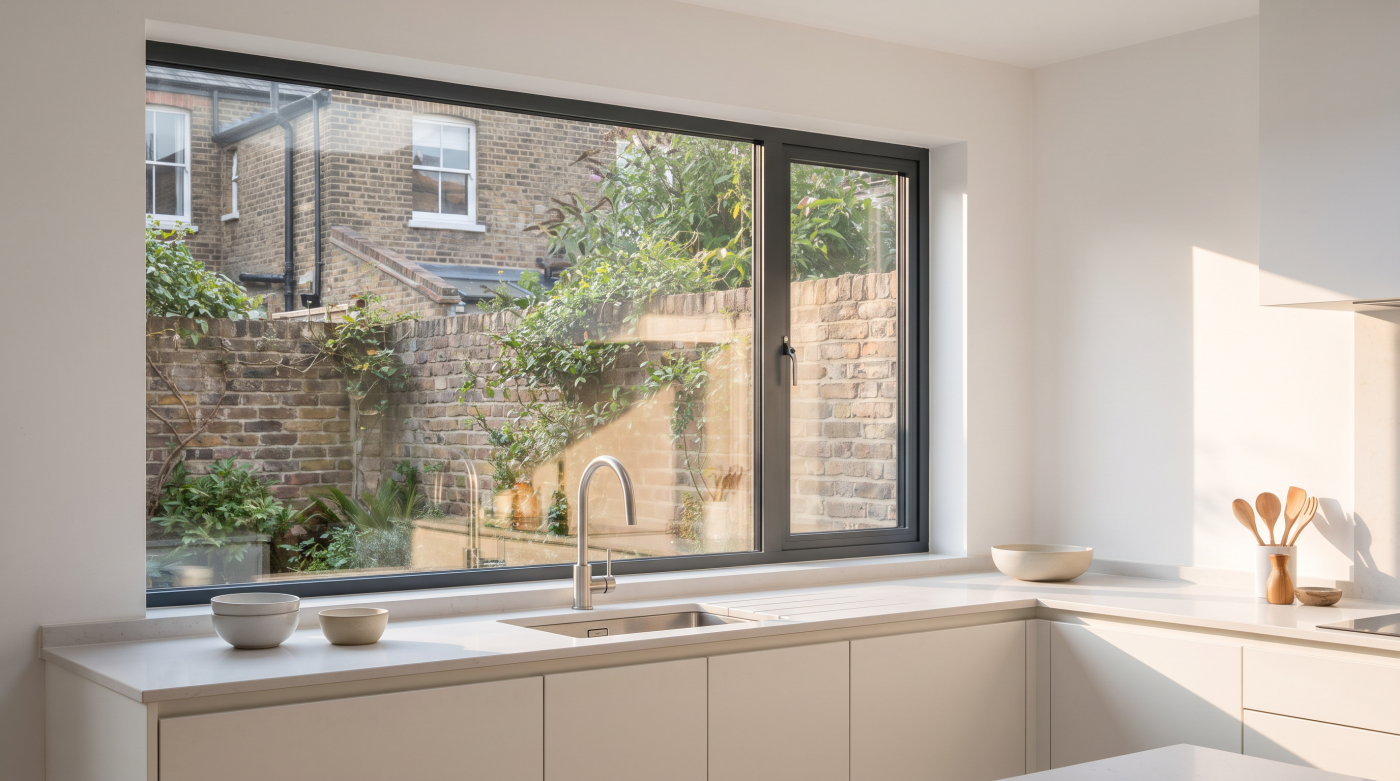
Removing visible mould may form part of the response, but it does not establish that the conditions supporting it have gone. A coating can improve appearance while an unresolved leak or cold junction continues to operate. Recurrence after repeated cleaning is a reason to investigate the underlying problem, rather than simply choose another finish and repeat the same cycle.
The government guidance identifies health risks and advises addressing underlying causes alongside appropriate mould removal. It is principally written for rented-housing providers in England, with information useful to other occupants too. Its legal context should not be transferred indiscriminately to every owner-occupied home. The practical message remains to respond promptly and obtain appropriate help rather than dismiss the problem as cosmetic.
Choose remediation advice suited to the extent, materials and household circumstances. Do not mix cleaning chemicals or improvise a treatment from unrelated internet instructions. Where mould is extensive, recurrent, concealed or difficult to address appropriately, seek competent assistance. If anyone has symptoms or health concerns, contact a healthcare professional while the building problem is addressed, rather than waiting for a cosmetic improvement.
Redecoration should follow a suitable assessment of the surface and moisture problem. Ask what needs repair, drying or replacement and what evidence supports proceeding with the finish. Keep a record of the affected area and the work undertaken. A clean-looking reveal is useful, but lasting success depends on resolving the relevant conditions and checking that the problem does not return.
What Should a Proper Investigation and Lasting Repair Include?
A useful investigation starts with the history and considers the whole opening, room and relevant external fabric. It should identify the likely moisture sources, explain any uncertainties and connect the proposed work to the evidence. Monitoring can help where appropriate, but it should have a defined purpose and should not become a reason to delay necessary action on an evident problem.
Ask who will coordinate the response if more than one trade is involved. A ventilation adjustment, fabric repair and window-perimeter detail may require different expertise. In a rented home, report the issue promptly to the landlord or managing agent and retain the correspondence. Responsibilities and applicable legal requirements need consideration within that property’s circumstances, rather than assumptions drawn from general homeowner advice.
Agree how the result will be reviewed. A repaired rainwater defect may need checking under relevant weather conditions, while a condensation-related intervention needs assessment of its intended effect over time. The appropriate approach depends on the diagnosis. A follow-up should consider the household’s experience as well as the appearance of the repaired surface, especially where the original problem was intermittent.
CBP, as an architectural glazing and specification partner, can be relevant when window decisions form part of a wider renovation brief. The starting point should be the established building issue, not an assumption that new glass will cure it. Retention, compatible junction work, improved ventilation or appropriate replacement may each play a part when supported by a properly coordinated assessment.