
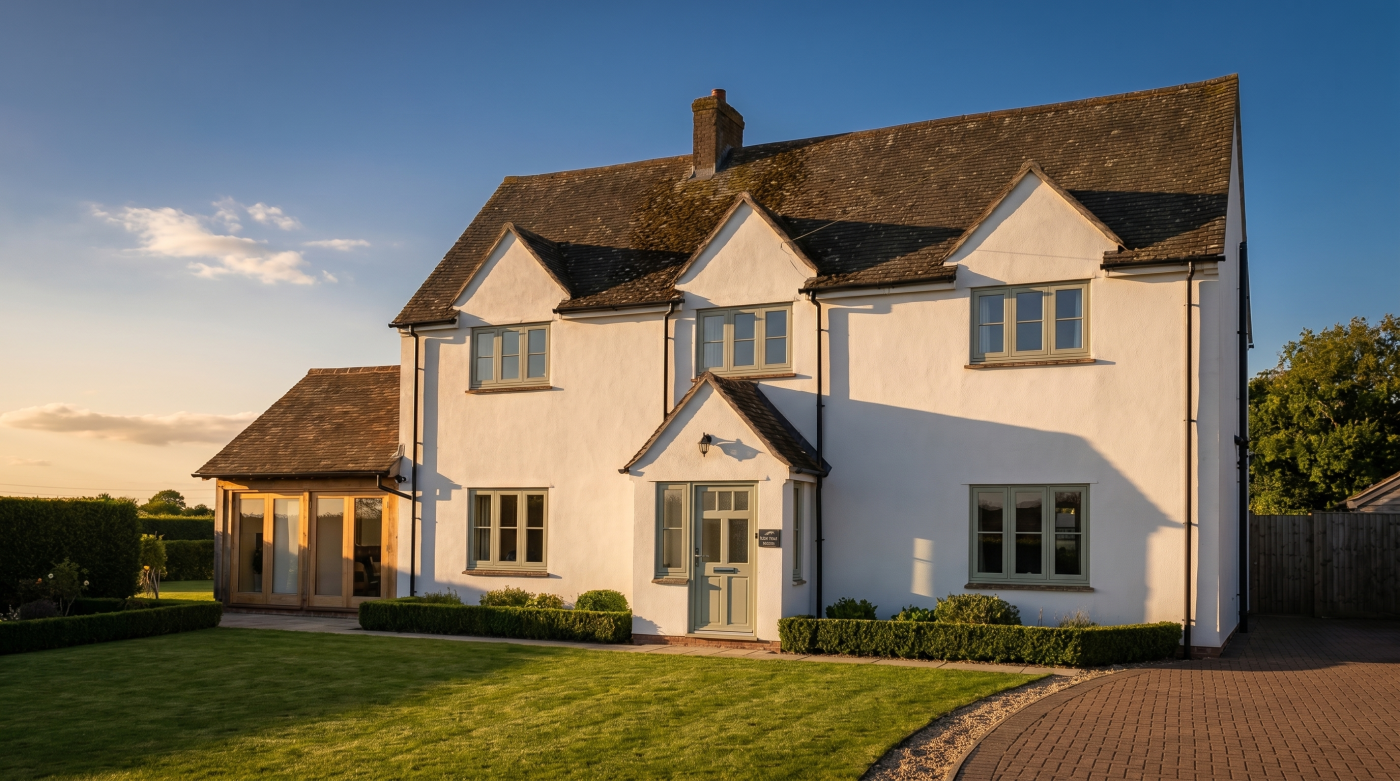
Treating Listed Status as a Restriction Instead of a Responsibility
For many homeowners, the words listed building immediately suggest limitations. Concerns about permissions, regulations and what cannot be changed often dominate the early stages of a renovation, creating the impression that the building is defined more by restriction than opportunity. Architects tend to adopt a different perspective. They see listed status not as an obstacle to thoughtful design, but as a recognition that a building possesses architectural and historic significance worthy of careful stewardship.
This shift in mindset is important because it influences every decision that follows. Rather than asking how much can be altered without causing problems, architects begin by understanding what makes the building special. They study its proportions, craftsmanship, materials and history, considering how each contributes to its overall character. This process establishes the qualities that deserve protection while identifying where sensitive change may enhance the building’s continued use.
Listing does not mean a property must remain frozen in time. Historic buildings have often evolved over generations, adapting to changing lifestyles while retaining the characteristics that define their identity. Thoughtful conservation acknowledges this continuing evolution. The objective is not to prevent change but to ensure that any intervention respects the architectural language of the building and strengthens its long-term future.
Approaching a listed building as a responsibility rather than a restriction also encourages more informed conversations with architects, heritage consultants and conservation officers. Decisions become grounded in an understanding of significance instead of assumptions about what may or may not be permitted. This collaborative approach generally leads to more sympathetic design solutions and a smoother path through the renovation process.
Ultimately, the most successful listed building projects begin with respect rather than apprehension. When owners see themselves as custodians of an important piece of architectural heritage, glazing decisions become part of a wider commitment to preserving the character, integrity and longevity of the building for future generations.
Assuming Every Original Window Must Be Replaced or Preserved
One of the most common misconceptions surrounding listed buildings is that every original window must either be preserved indefinitely or replaced as soon as it begins to show signs of age. In reality, architects rarely approach heritage buildings in such absolute terms. Instead, they assess each window individually, considering its condition, craftsmanship, historical significance and contribution to the wider architecture before deciding on the most appropriate course of action.
Original fabric is often one of a listed building’s greatest assets. Historic joinery can embody techniques, materials and proportions that are difficult to replicate today, making repair the preferred solution wherever it remains practical. Careful maintenance not only preserves these qualities but also retains the tangible connection between the building and its history. However, age alone does not guarantee significance, nor does every original element contribute equally to the character of the property.
Equally, replacement is not automatically inappropriate. Some windows may have deteriorated beyond economical repair, while others may be the result of unsympathetic alterations carried out decades earlier. In these cases, sensitive replacement can strengthen the architectural integrity of the building, particularly when it reinstates lost proportions or improves the relationship between the glazing and the overall façade. The decision is informed by architectural understanding rather than sentiment alone.
Architects therefore avoid broad assumptions. They look at how each window contributes to the composition of the building, how it has evolved over time and whether intervention will preserve or enhance its character. This measured approach acknowledges that listed buildings are complex structures with individual histories rather than collections of untouchable components.
The most successful heritage projects strike a careful balance between conservation and renewal. By assessing each window on its own merits within the context of the whole building, architects ensure that every decision supports the long-term character, authenticity and continued life of the property.
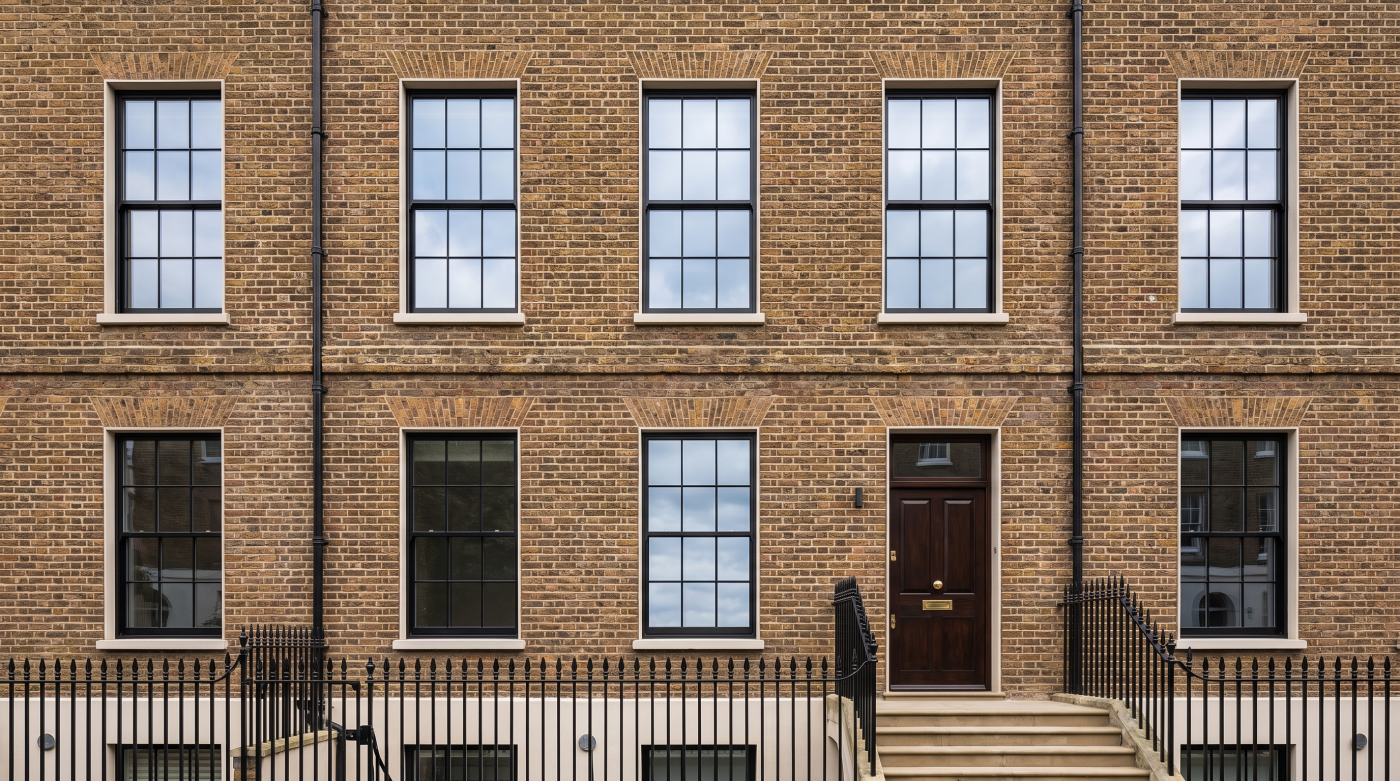
Focusing on Products Instead of Architectural Character
When owners begin researching glazing for a listed building, it is understandable that their attention is drawn to products. Questions about timber, glazing bars, slimline double glazing, frame profiles and performance often dominate the conversation. While these considerations are important, architects rarely start there. They understand that successful heritage projects are shaped by the character of the building as a whole rather than by the specification of individual components.
Architectural character is created through relationships. The proportions of windows, the rhythm of openings across an elevation, the depth of reveals, the balance between solid wall and glazing and the quality of craftsmanship all work together to define how a building is experienced. These qualities cannot be replicated simply by selecting a product with traditional styling or historically inspired details. A window may appear authentic when viewed in isolation, yet still feel out of place if it disrupts the wider architectural composition.
For this reason, architects first seek to understand the building itself. They consider what gives it significance, how its windows contribute to its identity and which characteristics should guide any future intervention. Only once these principles are established does the conversation move towards materials, glazing systems and construction methods. Products become tools for supporting the architecture rather than objectives in their own right.
This distinction often transforms the outcome of a project. Instead of searching for a window that claims to be suitable for listed buildings, owners begin evaluating whether a particular solution respects the scale, proportions and architectural language of their own property. The emphasis shifts from catalogue descriptions to thoughtful design.
Ultimately, listed buildings are remembered for their architecture, not the products installed within them. By placing architectural character ahead of specification, homeowners make decisions that preserve the integrity of the building while allowing carefully considered improvements to support its continued life for generations to come.
Waiting Too Long to Involve Heritage Professionals
Many listed building projects become more complicated than they need to be because specialist advice is sought too late in the process. Homeowners often begin by researching products, collecting quotations or developing design ideas before speaking with an architect or heritage consultant. While this approach may seem efficient, it can result in decisions that are difficult to adapt once the architectural significance of the building has been properly understood.
Architects generally approach listed buildings in the opposite direction. Before discussing specific glazing systems or replacement windows, they seek to understand the building itself. They examine its history, identify the elements that contribute most to its significance and consider how any proposed changes will affect the overall architectural character. This early stage of analysis provides a framework for every subsequent design decision, reducing uncertainty and helping avoid costly revisions later in the project.
Early collaboration also creates more constructive dialogue with heritage consultants and conservation officers. Rather than presenting a fully formed proposal for approval, architects engage in conversations that explore the building’s significance and the principles guiding the design. This collaborative process often leads to more balanced solutions because everyone involved is working towards the same objective: protecting the architectural integrity of the property while supporting its continued use.
Importantly, these discussions are not simply about securing permissions. They help shape better architecture. Questions of proportion, materiality, craftsmanship and historical context can all be explored before design decisions become fixed, allowing sensitive interventions to emerge naturally from an understanding of the building rather than from product availability.
The most successful listed building renovations are rarely the result of isolated decisions. They are the outcome of thoughtful collaboration between homeowners, architects, heritage specialists and skilled craftspeople from the earliest stages of the project. By involving the right expertise at the beginning, owners create the conditions for glazing solutions that feel considered, appropriate and entirely at home within the architecture.
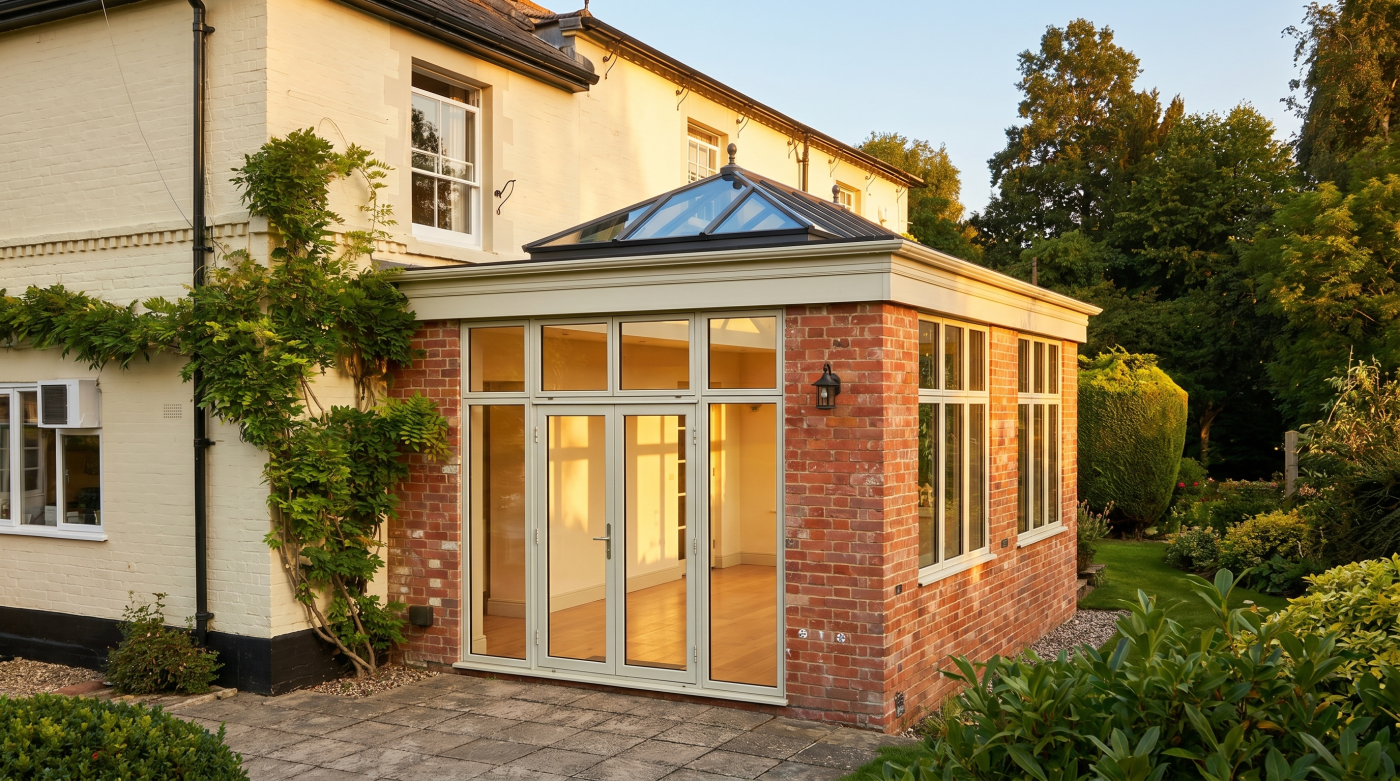
Forgetting That Every Listed Building Is Different
It is natural to look for clear rules when planning work to a listed building. Homeowners often hope there will be a straightforward answer to questions about replacement glazing, suitable materials or acceptable window designs. Yet one of the defining principles of heritage conservation is that no two listed buildings are exactly alike. Architects therefore resist applying generic solutions, recognising that every property possesses its own architectural significance, history and relationship to its surroundings.
Even buildings constructed during the same period can require entirely different approaches. A Georgian townhouse in Bath, a Victorian villa in Bristol and a rural farmhouse in the Cotswolds may all be listed, but each has evolved in different ways. Alterations made over centuries, previous repairs, changing uses and regional building traditions all contribute to a unique architectural identity. Understanding these individual characteristics is far more valuable than relying on broad assumptions about age or style.
The level of listing also forms only part of the picture. While the statutory designation reflects a building’s recognised importance, architects look beyond the listing itself to understand which elements contribute most significantly to its character. In some properties, original joinery may be central to that significance. In others, the relationship between the windows, masonry and wider streetscape may carry greater architectural weight. These distinctions influence every subsequent design decision.
This is why experienced heritage professionals begin with careful observation rather than predetermined solutions. They study the building, its setting and its history before considering how glazing can support its continued life. The specification emerges from this understanding instead of being imposed upon it.
By recognising that every listed building deserves an individual response, homeowners move away from searching for universal answers and towards making informed architectural decisions. The result is a renovation that respects the unique qualities of the property while preserving the character that earned its listed status in the first place.
Thinking Performance and Heritage Cannot Coexist
One of the most persistent misconceptions surrounding listed buildings is that improving comfort inevitably comes at the expense of historic character. Faced with draughts, condensation or poor thermal performance, many owners assume they must choose between preserving the building’s significance and creating a home that functions well for modern living. Architects rarely see these objectives as being in conflict. Instead, they recognise that thoughtful performance improvements can play an important role in the long-term conservation of historic buildings.
Heritage architecture has always evolved in response to changing needs. Buildings that remain occupied and well cared for are far more likely to survive than those that become increasingly difficult to live in. Sensitive improvements to comfort, when guided by a clear understanding of the building’s architectural significance, can therefore support conservation rather than undermine it. The objective is not to transform a listed building into something it was never intended to be, but to help it continue serving contemporary life while retaining its defining character.
This philosophy encourages architects to think holistically. Rather than viewing glazing performance in isolation, they consider how windows, ventilation, insulation and the wider building fabric interact. In some cases, careful repair may provide the most appropriate solution. In others, discreet secondary glazing or sensitively specified replacement elements may offer meaningful improvements while preserving the appearance and proportions that define the architecture. The most successful interventions are those that balance performance with respect for the building’s historic fabric.
Importantly, comfort itself should not be regarded as incompatible with conservation. A building that is pleasant to occupy is more likely to be maintained, appreciated and passed on to future generations. Supporting continued use is one of the quiet foundations of successful heritage stewardship.
By moving beyond the false choice between performance and preservation, homeowners can approach glazing decisions with greater confidence. The best heritage projects demonstrate that modern comfort and architectural integrity are not opposing ambitions but complementary goals when guided by careful design and informed judgement.
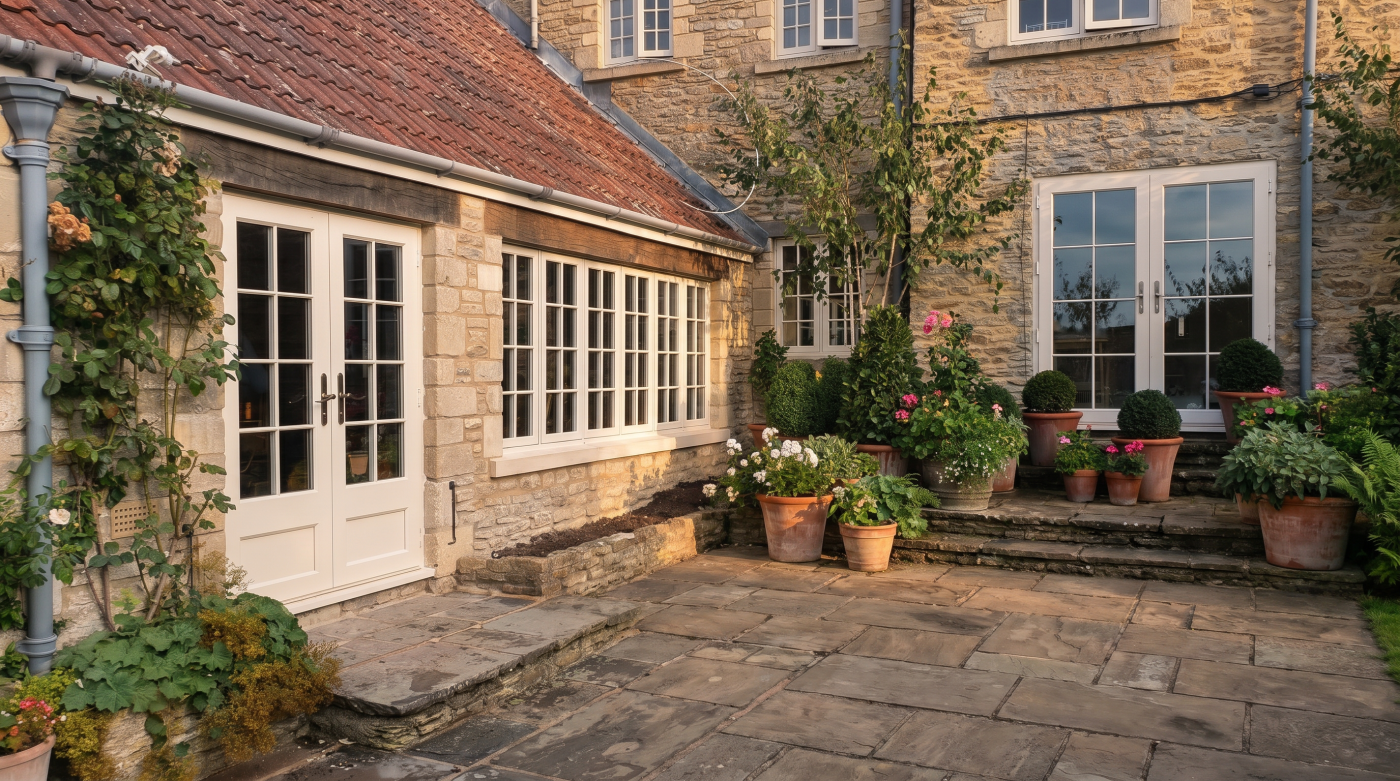
Looking at Windows Instead of the Whole Building
It is easy to think of glazing as a collection of individual windows that can be assessed one by one. A damaged sash, a deteriorating casement or a poorly performing pane naturally draws attention to itself, encouraging owners to focus on solving isolated problems. Architects, however, take a much broader view. They understand that every window contributes to a larger architectural composition, and that decisions about glazing should always be made in the context of the building as a whole.
The character of a listed building is rarely defined by a single feature. Instead, it emerges from the relationship between many carefully balanced elements. The rhythm of openings across the façade, the proportions of windows in relation to masonry, the depth of reveals and the consistency of detailing all combine to create an architectural language that gives the building its identity. Altering one component without considering these wider relationships can subtly weaken the composition, even when the replacement itself is thoughtfully designed.
This holistic perspective extends beyond the principal elevation. Architects consider how different façades relate to one another, how the building sits within its landscape or streetscape and how successive phases of construction have shaped its evolution. Glazing decisions are therefore influenced not only by the individual opening but also by the wider architectural story the building tells. Every intervention is evaluated according to whether it reinforces or disrupts that narrative.
Approaching listed buildings in this way also encourages greater consistency. Rather than responding to maintenance issues as they arise, homeowners develop a considered strategy that respects the architecture over the long term. Individual repairs and replacements become part of a coherent vision instead of a series of disconnected decisions.
The most successful glazing projects are those in which the windows quietly support the architecture rather than compete for attention. By looking beyond individual components and considering the building as a complete work of architecture, owners make decisions that preserve both its beauty and its significance for generations to come.
The Best Listed Building Projects Feel Effortless
The finest work carried out on listed buildings rarely announces itself. There is no obvious contrast between old and new, no single feature demanding attention and no sense that the architecture has been forced to accommodate modern interventions. Instead, the building retains its natural coherence, as though every decision has emerged quietly from its own history. This apparent simplicity is not accidental. It is the result of careful observation, thoughtful design and a deep respect for the qualities that make the building significant.
Architects often measure the success of a heritage project by what remains unchanged in the experience of the building. The proportions still feel balanced, the craftsmanship still appears authentic and the architectural rhythm remains intact. New glazing, repairs or carefully considered replacements do not seek recognition for themselves; they support the character of the building with restraint, allowing the architecture to continue telling its story without interruption.
This philosophy reflects a broader understanding of conservation. Heritage is not preserved by preventing change altogether, but by ensuring that change strengthens rather than diminishes the qualities that give a building its identity. Every intervention should feel considered, appropriate and proportionate, contributing to the long-term life of the property instead of drawing attention to the moment in which it was made.
For homeowners, this approach offers reassurance. The objective is not to recreate a perfect version of the past or to introduce contemporary features for their own sake. It is to make decisions that respect the architectural significance of the building while allowing it to remain comfortable, functional and relevant for future generations.
Ultimately, the best listed building projects succeed because they place the architecture above individual products or design statements. When glazing is specified with sensitivity, craftsmanship and an understanding of the whole building, the intervention becomes almost invisible. What remains is exactly what should endure: the quiet beauty, authenticity and lasting character of the listed building itself.