
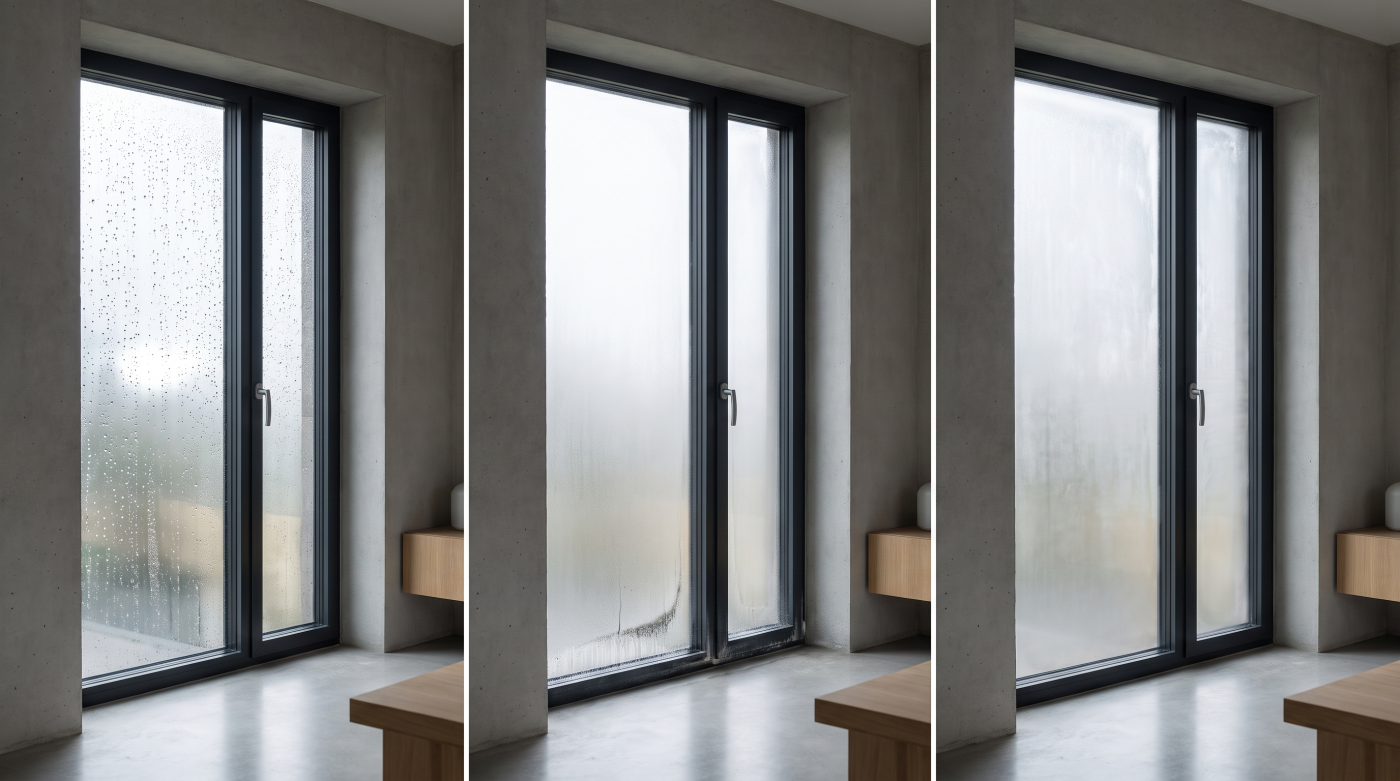
Condensation Is About Moisture, Not Just Windows
Condensation is often one of the first things homeowners notice after installing new windows, and it can understandably cause concern. It is easy to assume that moisture appearing on the glass indicates a fault with the window itself. In most cases, however, condensation is not caused by the glazing alone. It is the result of a simple physical process that occurs whenever warm, moisture-laden air meets a surface that is cool enough for water vapour to turn back into liquid. Understanding this principle is the key to interpreting condensation correctly.
Every home continuously generates moisture through normal daily activities. Cooking, showering, drying clothes indoors and even breathing all release water vapour into the air. The amount of moisture present changes throughout the day, influenced by the number of occupants, the weather, heating patterns and ventilation. As this warm air moves around the home, it naturally seeks out cooler surfaces where condensation is most likely to form if conditions allow.
Windows are often the most visible place where this happens because glass provides a clear surface on which moisture can easily be seen. Yet the same process can occur on mirrors, tiles, cold walls or other areas of the building when temperatures and humidity reach the right balance. Architects therefore view condensation as part of the wider behaviour of the building rather than as a problem belonging exclusively to the windows.
The point at which moisture changes from vapour to liquid is determined by the relationship between air temperature, humidity and surface temperature. This is a fundamental aspect of building physics that affects every home, regardless of its age or construction. Modern windows do not change these principles; they simply interact with them differently because they are designed to perform more efficiently than many older glazing systems.
Ultimately, condensation is a story about moisture moving through a building rather than about the windows themselves. By understanding how temperature and humidity work together, homeowners are better equipped to recognise when condensation is an expected part of everyday living and when it may indicate that the wider indoor environment deserves closer attention.
Why New Windows Often Change What You Notice
Many homeowners are surprised to notice condensation after replacing older windows, particularly if they had never experienced it before. This can lead to the understandable assumption that the new glazing has introduced a problem. In reality, modern windows often reveal changes that were previously hidden. Their improved thermal performance and greater airtightness alter the way heat and moisture behave within the home, making existing humidity levels more noticeable rather than creating additional moisture.
Older windows typically allowed more heat to escape and often permitted a greater degree of uncontrolled air leakage around frames and opening lights. While this reduced energy efficiency and comfort, it also meant that moisture could disperse more readily, albeit at the expense of higher heating costs. Modern replacement windows significantly reduce unwanted heat loss and uncontrolled draughts, creating a warmer, more stable indoor environment. As a result, moisture generated by everyday living is retained within the home until it is removed through appropriate ventilation.
This change is often most noticeable during the first heating season after installation. The home may now hold warmth more effectively than before, while daily activities such as cooking, showering and drying clothes continue to produce the same amount of water vapour. The windows have not created additional humidity; they have simply become part of a building that behaves differently because it is performing more efficiently.
Architects recognise this as a natural consequence of improving the building envelope. Better insulation and improved airtightness are intended to reduce energy consumption and increase comfort, but they also place greater importance on balanced ventilation. As homes become more thermally efficient, managing indoor moisture becomes an increasingly important aspect of overall building performance.
Ultimately, new windows often change what homeowners notice rather than what is actually happening. By reducing heat loss and improving the thermal efficiency of the home, they reveal the interaction between warmth, humidity and ventilation more clearly than older glazing ever could. Understanding this relationship helps explain why condensation may appear after an upgrade, even though the windows themselves are performing exactly as they were designed to do.

Internal Condensation Usually Reflects Indoor Conditions
When condensation forms on the room-facing side of a window, it is usually telling a story about the environment inside the home rather than about the performance of the glazing itself. This type of condensation develops when warm, moisture-rich indoor air comes into contact with a surface that is cool enough for water vapour to condense into liquid. In most cases, the window is simply the place where this natural process becomes visible, not the cause of it.
Everyday life produces a surprising amount of moisture. Cooking meals, showering, bathing, drying laundry indoors and even breathing continuously add water vapour to the air. In a busy household, these activities can generate several litres of moisture each day. If this humidity is not removed through adequate ventilation, it gradually accumulates within the home, increasing the likelihood that condensation will appear on cooler surfaces during colder weather.
Modern windows often make this relationship easier to observe because they create a more thermally efficient and airtight building envelope. While they reduce unwanted heat loss, they also reduce the uncontrolled airflow that older windows frequently allowed. This means the moisture produced indoors remains within the home until it is managed through purposeful ventilation rather than escaping through gaps around ageing frames.
Architects therefore view internal condensation as an indicator of the balance between humidity, temperature and ventilation. Rather than asking whether the windows are faulty, they are more likely to consider how the home is being heated, ventilated and occupied. Improving air circulation, using extractor fans where appropriate and allowing moisture to leave the building in a controlled way are often more effective responses than focusing on the glazing itself.
Ultimately, condensation on the inside of new windows usually reflects the conditions within the home rather than a problem with the windows. By understanding how everyday activities influence indoor humidity, homeowners can see condensation as a useful indicator of building performance, helping them create a healthier, more comfortable indoor environment while allowing modern glazing to perform as intended.
External Condensation Can Be a Sign of High Performance
Condensation on the outside of a window often causes even greater confusion than condensation inside the home. Many homeowners assume that moisture on the external surface must indicate that the glazing has failed or that water is somehow passing through the glass. In reality, the opposite is frequently true. External condensation is often a sign that a modern window is performing exceptionally well, demonstrating its ability to reduce heat loss from the home.
This type of condensation usually occurs during cool, still mornings following a clear night. As the outer pane of glass loses heat to the night sky, its surface temperature can fall below the dew point of the surrounding air. Moisture naturally condenses onto the outside of the glass in exactly the same way that dew forms on grass or the roof of a parked car. Because the glazing is highly insulated, very little warmth escapes from inside the home to warm the external pane, allowing condensation to develop under the right atmospheric conditions.
Older windows were less likely to exhibit this behaviour because they allowed more heat to pass through the glass. The escaping warmth kept the external surface slightly warmer, reducing the likelihood of condensation forming outside. While this may have appeared advantageous, it was actually evidence of greater energy loss. Modern glazing reverses this relationship by retaining more heat within the building, improving comfort and reducing heating demand.
Architects recognise external condensation as one of the visible effects of improved thermal performance. It is generally temporary, appearing only under particular weather conditions before disappearing naturally as daylight, rising temperatures or gentle air movement warm the outer surface. Far from being a cause for concern, it often reflects the efficiency of the glazing system rather than a defect.
Ultimately, condensation on the outside of new windows is usually a reassuring sign that the glazing is doing exactly what it was designed to do. By keeping heat inside the home instead of allowing it to escape through the glass, modern windows create the conditions in which external condensation can occasionally occur. Understanding this distinction helps homeowners recognise that where condensation forms is often far more important than the simple fact that it appears.
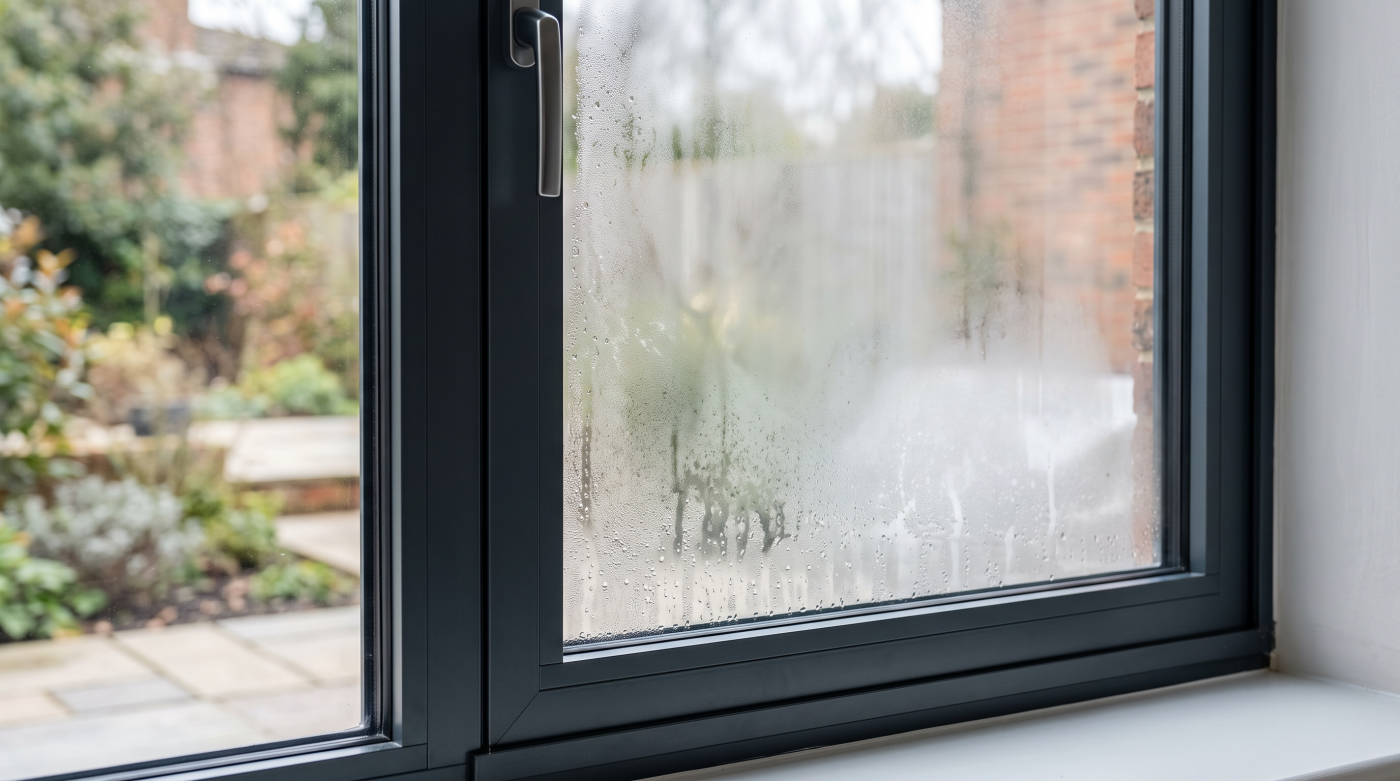
Condensation Between the Glass Is Different
While condensation on the inside or outside of a window is often a normal consequence of temperature and humidity, condensation trapped between the panes of double or triple glazing is a very different situation. Unlike external or internal moisture, which forms on exposed glass surfaces, condensation within the sealed unit cannot be influenced by everyday ventilation or household humidity. Instead, it usually indicates that the insulating glass unit itself requires professional assessment.
Modern insulated glazing consists of two or more panes of glass separated by a sealed cavity containing carefully controlled air or inert gas. This sealed space is designed to remain dry throughout the life of the glazing, helping to improve thermal efficiency while maintaining clear visibility. When the perimeter seal remains intact, moisture from the surrounding environment cannot enter the cavity between the panes.
If that seal deteriorates over time, however, moisture can gradually find its way into the space between the glass. Under changing temperatures, this trapped moisture may appear as misting, haziness or droplets that cannot be wiped away from either the inside or outside surface of the window. Because the condensation is sealed within the glazing unit, it remains visible regardless of how the room is ventilated or heated.
Architects and glazing specialists therefore distinguish carefully between condensation on exposed surfaces and condensation within the glazing itself. The location of the moisture is the critical factor. Surface condensation is usually explained by the interaction of temperature, humidity and ventilation, whereas condensation between the panes may indicate that the insulating glass unit is no longer performing exactly as intended.
Ultimately, understanding where condensation appears allows homeowners to respond appropriately. Moisture on the room-facing or external surface often reflects normal building physics, while persistent condensation trapped inside the sealed glazing unit deserves professional evaluation. Recognising this distinction prevents unnecessary concern when condensation is entirely normal and helps identify the relatively uncommon situations where the glazing itself may require attention.
Ventilation Plays an Essential Role
As modern homes become better insulated and more airtight, ventilation becomes an increasingly important part of maintaining a comfortable indoor environment. Architects understand that energy efficiency and fresh air are not competing priorities but complementary aspects of good building design. While high-performance windows help retain warmth by reducing unwanted heat loss, they also make it more important to manage the moisture produced through everyday living in a controlled and consistent way.
Every occupied home generates water vapour throughout the day. Cooking, showering, bathing and drying clothes indoors all increase indoor humidity, while normal breathing adds moisture continuously. In older properties, much of this moisture often escaped through gaps and air leakage within the building envelope. Modern windows reduce these uncontrolled draughts, improving comfort and energy efficiency, but they also mean that moisture should be removed through purposeful ventilation rather than accidental air leakage.
Effective ventilation is therefore about maintaining balance. Extract fans in kitchens and bathrooms remove moisture at its source, while background ventilation and regular air movement help maintain healthy humidity levels throughout the home. Opening windows when appropriate can also support natural ventilation, allowing fresh air to circulate without compromising the long-term benefits of improved thermal performance. The objective is not to lose heat unnecessarily but to manage moisture intelligently.
Architects increasingly view ventilation as part of a wider environmental strategy rather than as a response to condensation alone. Good ventilation supports indoor air quality, protects building materials from excessive moisture and contributes to a healthier living environment alongside insulation and efficient glazing. These elements work together, creating homes that are warm, comfortable and resilient throughout the changing seasons.
Ultimately, condensation is often best addressed by considering how the home breathes rather than by focusing solely on the windows. Modern glazing performs most effectively when combined with well-planned ventilation that manages indoor humidity without sacrificing comfort or energy efficiency. By treating insulation, airtightness and ventilation as parts of the same architectural system, homeowners can enjoy the full benefits of contemporary windows while creating a healthier and more balanced indoor environment.
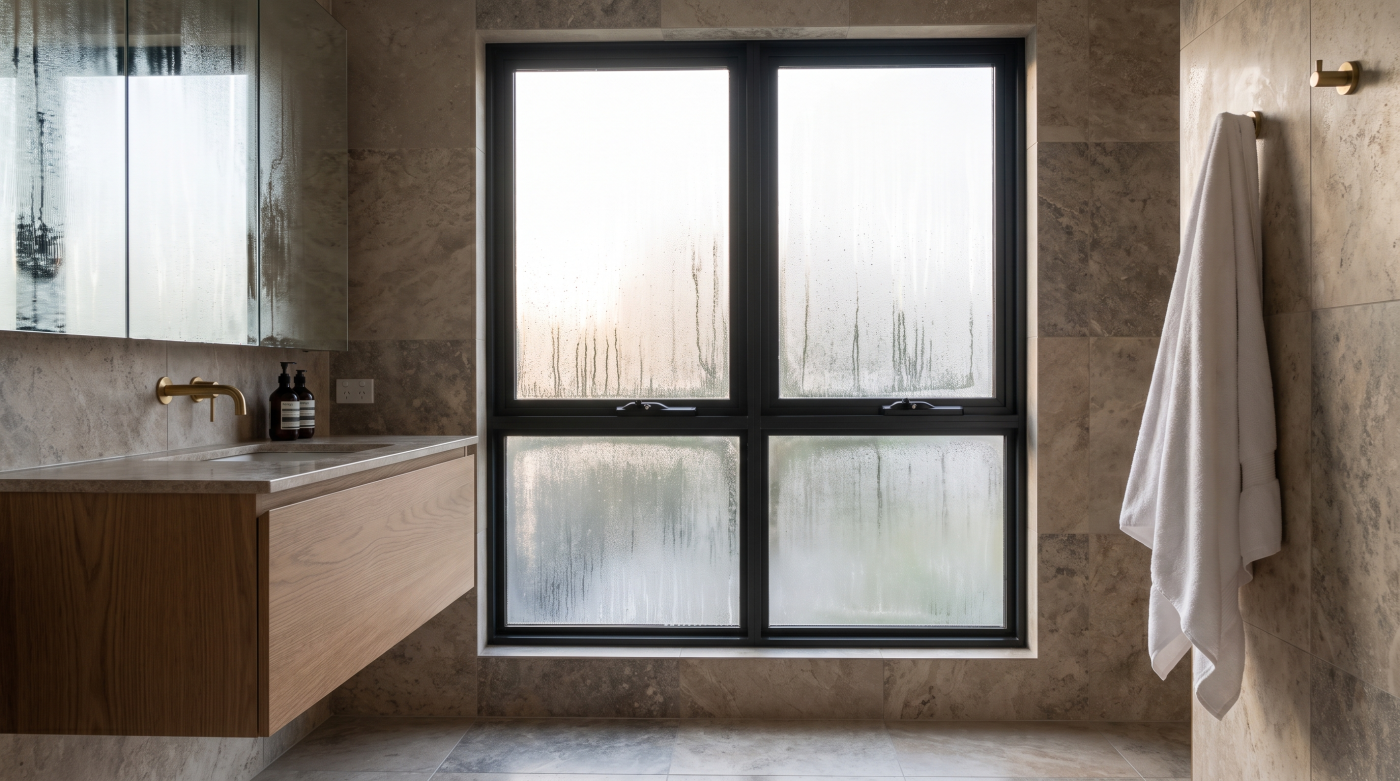
Good Homes Balance Warmth, Ventilation and Comfort
Condensation is often discussed as though it were an isolated problem to be solved, yet architects view it as one indicator of how a home is performing as a whole. Modern buildings are expected to achieve several objectives simultaneously. They should retain warmth efficiently, provide healthy indoor air, minimise energy consumption and create comfortable living environments throughout the year. These outcomes depend on achieving the right balance between insulation, airtightness and ventilation rather than maximising any one characteristic in isolation.
High-performance windows contribute significantly to this balance. By reducing heat loss, they help maintain more stable indoor temperatures and improve overall energy efficiency. At the same time, they become part of a wider building envelope that relies on controlled ventilation to manage humidity effectively. This relationship explains why modern glazing should always be considered alongside the broader environmental performance of the home rather than as a standalone product.
Successful renovations and new-build projects increasingly adopt this whole-house perspective. Architects coordinate glazing, insulation, heating and ventilation as interconnected systems, recognising that each influences the others. Improvements to one element often change the way the building behaves overall, making integrated design essential for achieving lasting comfort and performance. The result is a home that feels consistently warm, enjoys good indoor air quality and manages moisture without unnecessary energy loss.
Occupants also play an important role in this balance. Everyday habits influence the amount of moisture generated indoors, while simple practices such as using extract ventilation, allowing air to circulate and maintaining consistent heating patterns help support the way the building has been designed to perform. Modern homes achieve their best results when thoughtful design and everyday living work together.
Ultimately, condensation should be understood within the wider context of building performance rather than as an isolated issue with the windows. A comfortable home is created through the careful interaction of warmth, ventilation and moisture management, with modern glazing playing an important supporting role. When these elements are balanced successfully, homeowners benefit from healthier indoor environments, improved energy efficiency and windows that perform exactly as intended throughout the changing seasons.
Understanding Condensation Leads to Better Decisions
Condensation is one of the most visible ways in which a home’s internal environment reveals itself, yet it is also one of the most frequently misunderstood. Moisture appearing on glass can understandably cause concern, particularly after investing in new windows, but the presence of condensation alone rarely tells the whole story. Architects know that its location, timing and behaviour provide far more meaningful information than the simple fact that it exists. Interpreting these signs correctly allows homeowners to distinguish between normal building performance and situations that may require further investigation.
Throughout this guide, one principle has remained consistent: modern windows do not create moisture. Instead, they interact with the temperature, humidity and ventilation conditions that already exist within the home. Internal condensation often reflects everyday household activities and the need for effective moisture management, while external condensation can demonstrate that high-performance glazing is successfully retaining heat where it belongs. Only condensation trapped between the panes of a sealed glazing unit generally suggests that professional assessment may be appropriate.
This broader understanding encourages better decision-making when planning renovations or evaluating replacement windows. Rather than viewing glazing as an isolated product, homeowners can appreciate how it contributes to the overall performance of the building alongside insulation, ventilation and heating. The most successful projects are those in which these elements are considered together, creating homes that are comfortable, energy efficient and healthy to live in throughout the year.
Architects increasingly adopt this whole-house perspective because it delivers more reliable long-term outcomes. High-quality glazing performs best when it forms part of a carefully balanced building envelope, allowing warmth, fresh air and moisture to remain in equilibrium. This integrated approach reduces unnecessary concern, supports better building performance and helps homeowners understand what their windows are actually telling them.
Ultimately, the truth about condensation is that it is rarely just about the windows. It is a visible expression of how the home functions as a complete environmental system. By understanding the principles behind condensation, homeowners can interpret what they see with greater confidence, make more informed decisions about their property and appreciate the role that modern glazing plays in creating homes that are efficient, comfortable and designed to perform well for many years to come.