
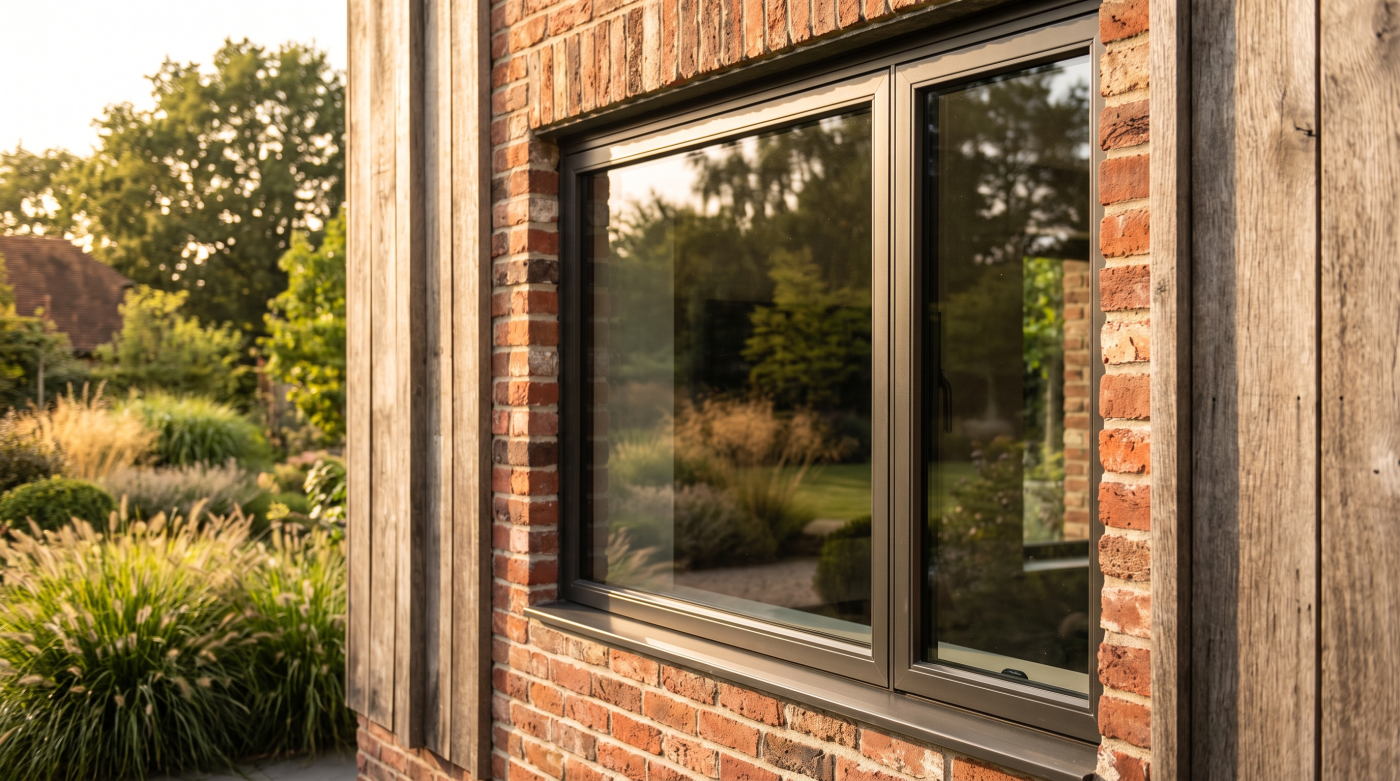
Security Starts With the Whole Window
When homeowners think about window security, attention often focuses on a single feature. Some assume stronger locks provide the greatest protection, while others believe laminated glass or reinforced frames alone will prevent a break-in. Architects and glazing specialists take a much broader view. Modern window security is not created by one component but by the way every part of the window has been designed to work together. The frame, glazing, hardware, locking system and installation all contribute to the overall level of resistance.
This whole-system approach reflects the way contemporary windows are engineered. Rather than relying on one particularly strong element, each component supports the others. The frame provides structural stability, the hardware distributes locking forces around the opening, the glazing is securely retained within the frame and the installation connects the entire assembly to the surrounding building. If one part is significantly weaker than the rest, the overall performance of the window is reduced regardless of how advanced the other components may be.
Architects therefore think about security as one aspect of overall building performance rather than as an isolated feature. A secure window should also deliver excellent thermal efficiency, weather resistance, durability and ease of operation without compromising the architectural quality of the home. This balanced approach allows modern glazing to provide reassurance while continuing to support natural light, views and the relationship between inside and outside that define good residential design.
It is also important to recognise that modern security is based on resistance rather than invulnerability. Well-designed windows are intended to make forced entry significantly more difficult and time-consuming, discouraging opportunistic intrusion through a combination of carefully engineered components working together. The objective is to create a robust, integrated system rather than relying on any single security feature to provide complete protection.
Ultimately, modern windows resist break-ins because they function as complete architectural systems. Security is designed into every stage of the window—from engineering and specification through to professional installation—allowing each component to reinforce the others. By understanding this integrated approach, homeowners can move beyond marketing claims about individual features and appreciate why the strongest protection comes from a well-designed window working as a carefully coordinated whole.
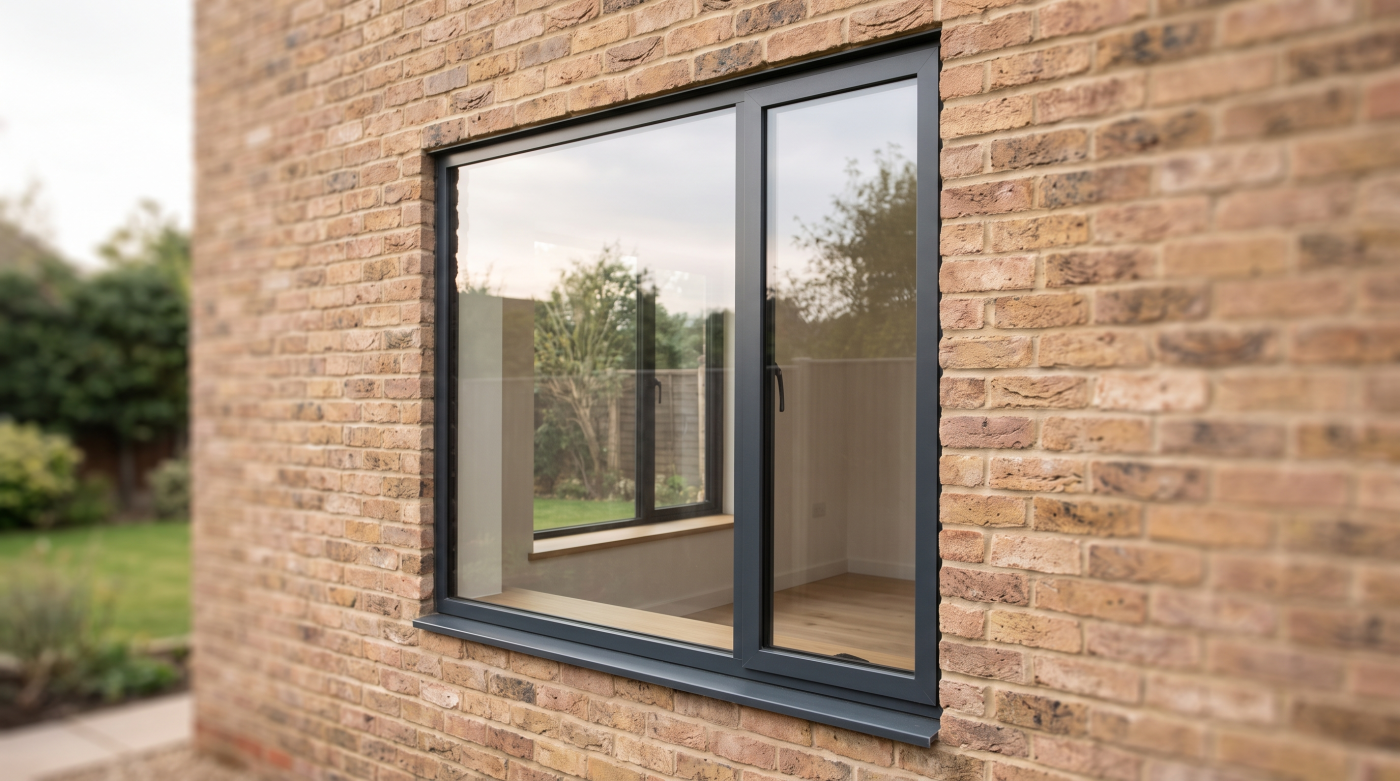
Strong Frames Help Resist Forced Entry
The strength of a modern window begins with its frame. While glazing and locking systems often receive the most attention, the frame provides the structural foundation that allows every other security feature to function effectively. Architects understand that a window is only as strong as the structure that supports it, which is why frame design plays such an important role in resisting forced entry. A well-engineered frame maintains its shape under pressure, allowing locks, glazing and hardware to continue working together as intended.
Modern window frames are designed to withstand a wide range of loads throughout their lifetime, from wind pressure and repeated daily use to the concentrated forces that may be applied during an attempted break-in. Their internal construction is carefully engineered to provide rigidity without unnecessary bulk, enabling slim sightlines while maintaining structural integrity. This balance between strength and appearance is one of the defining characteristics of contemporary architectural glazing.
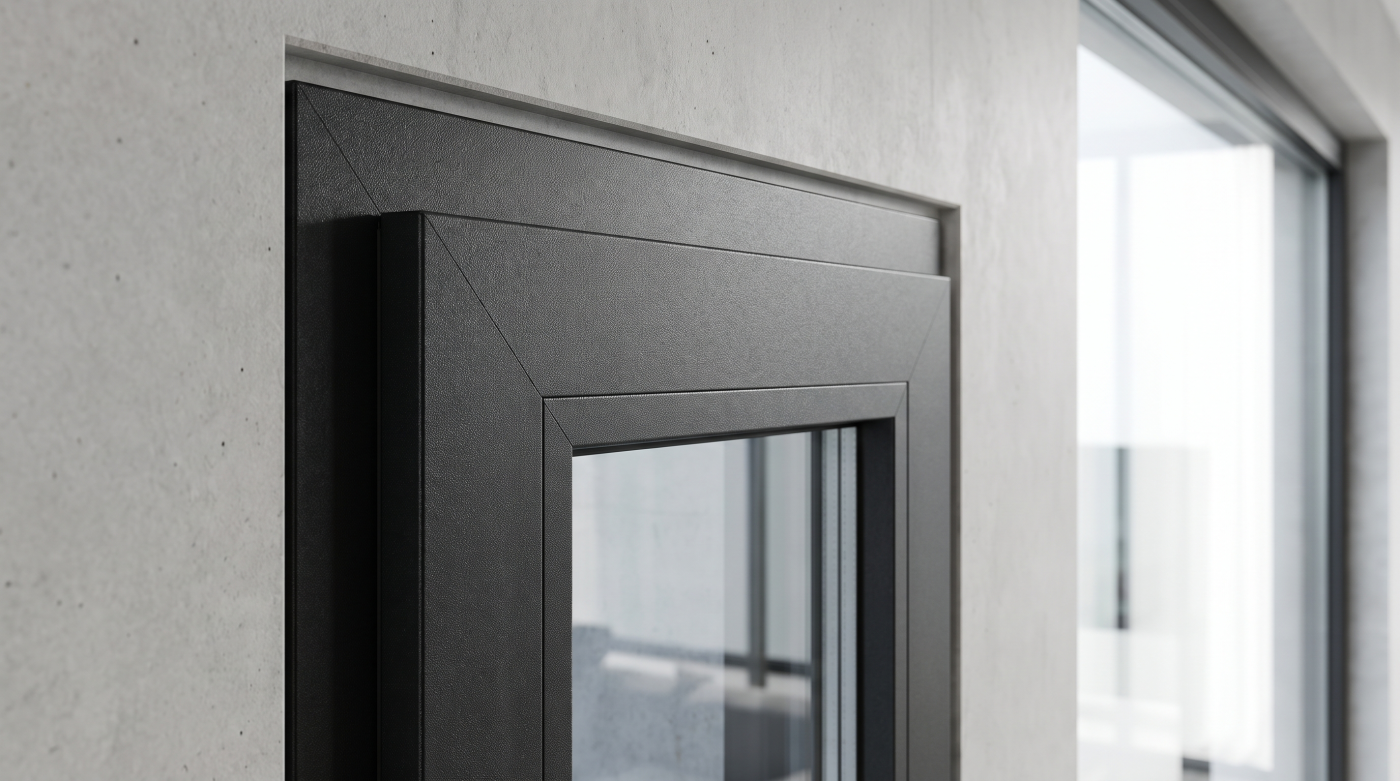
Corners are particularly important because they transfer forces around the entire window. Precision manufacturing ensures that these junctions remain stable over years of operation, preventing unnecessary movement that could weaken the overall assembly. When the frame remains dimensionally accurate, locking points continue to engage correctly, seals maintain consistent compression and the glazing stays securely supported within its surrounding structure.
The relationship between the frame and the surrounding building is equally significant. A strong frame must be securely connected to the structure so that any force applied to the window is distributed safely into the fabric of the building rather than concentrated at isolated fixing points. This integrated approach allows the complete assembly to perform as a single engineered system rather than as a collection of individual components.
Ultimately, a secure window relies on more than visible hardware or specialist glazing. The frame quietly provides the stability that allows every other element to perform effectively, often without attracting attention itself. By creating a rigid, accurately manufactured foundation for the entire window, modern frame design forms one of the most important layers in a comprehensive approach to residential security, supporting long-term performance while preserving the clean architectural appearance expected in contemporary and traditional homes alike.
Modern Locking Systems Do Much More Than Lock
The locking system is often the most visible security feature of a modern window, yet its role extends far beyond simply keeping the sash closed. Contemporary hardware is carefully engineered to distribute resistance across the entire opening rather than relying on a single locking point. Architects and glazing specialists recognise that this coordinated approach creates a stronger and more stable assembly, allowing the window to resist force while continuing to operate smoothly throughout its lifespan.
Unlike older windows that often secured the sash at just one location, many modern systems use multiple locking points positioned around the perimeter of the frame. As the handle is operated, these mechanisms engage simultaneously, drawing the sash tightly against the frame and creating consistent compression around the seals. This improves not only security but also weather resistance, thermal performance and everyday usability, demonstrating how different aspects of window design often support one another.
The hardware itself is designed with precision and durability in mind. Locking components, keeps and operating mechanisms are manufactured to maintain accurate engagement over thousands of opening and closing cycles. This reliability is important because security depends on the hardware continuing to perform consistently year after year rather than only when the window is new. Smooth operation encourages regular use and proper engagement, ensuring that the window functions as its designers intended.
Just as importantly, modern locking systems work in partnership with the frame. Their effectiveness relies on the rigidity of the surrounding structure, allowing forces to be distributed evenly rather than concentrated at individual points. If the frame remains stable and accurately aligned, the locking hardware can maintain secure engagement across the entire perimeter of the window, making forced entry considerably more difficult than overcoming a single central lock.
Ultimately, the strength of a modern locking system lies in its ability to function as part of a wider engineered assembly. Rather than acting as an isolated security device, it contributes to a carefully balanced system in which hardware, frame and glazing reinforce one another. This integrated approach reflects the broader philosophy behind contemporary architectural glazing, where security is achieved through intelligent engineering and coordinated design rather than reliance on any single component.
Security Glass Is Designed to Stay Together
Glass is often seen as the most vulnerable part of a window, leading many homeowners to assume that stronger security simply means thicker panes. In reality, modern glazing is engineered with far greater sophistication. Architects consider not only the strength of the glass itself but also how it behaves under impact, how it is retained within the frame and how it contributes to the overall performance of the window. Security is achieved through carefully designed systems rather than the use of heavy glass alone.
Different types of glazing are selected for different purposes, but modern security-focused designs often prioritise controlled performance under load. Rather than breaking in a way that immediately creates a clear opening, specialist glazing is engineered to remain intact for longer, making forced entry considerably more difficult. This does not mean the glass is impossible to break, but it does mean that significant effort, time and noise are typically required before an opening large enough for entry can be created. In many situations, this delay is itself an important part of the window’s security performance.
The way the glazing is secured within the frame is equally important. Modern systems are designed so that the glass, frame and glazing beads work together as a single assembly, helping the window resist attempts to remove or dislodge the pane. Accurate manufacturing tolerances and carefully engineered retention systems ensure that the glazing remains firmly integrated with the surrounding structure, reinforcing the strength of the complete window rather than acting as an independent component.
Architects also recognise that security glazing delivers benefits beyond resistance to forced entry. Depending on its specification, it can contribute to occupant safety, reduce noise transmission and improve overall comfort without compromising the clean appearance expected in contemporary or heritage architecture. This ability to combine multiple forms of performance within a single glazing system reflects the broader philosophy of modern architectural design, where every component is expected to fulfil several roles simultaneously.
Ultimately, security glass is designed not simply to resist impact but to support the integrity of the entire window. Working alongside the frame, hardware and locking system, it forms part of a coordinated architectural solution that makes forced entry significantly more challenging while continuing to provide the daylight, clarity and elegance that define high-quality residential glazing.
Installation Is Part of the Security System
Even the most carefully engineered window can only perform as intended when it is installed correctly. Architects understand that security does not end when a window leaves the factory. The connection between the frame and the surrounding structure is a fundamental part of the overall security strategy, ensuring that the strength of the window is fully transferred into the building itself. Installation is therefore not simply a fitting exercise but the final stage in creating a complete architectural system.
A modern window is designed to work as a single integrated assembly, and that assembly depends upon accurate positioning, secure fixings and precise alignment. Frames must be installed within correctly prepared openings so that loads are distributed evenly and locking mechanisms continue to engage exactly as intended. Small inaccuracies in alignment can affect the relationship between the sash, hardware and frame, reducing the effectiveness of components that have been engineered to work together with very fine tolerances.
The quality of the surrounding structure also plays an important role. Secure fixings must anchor the frame to sound building fabric, allowing any force applied to the window to be transferred safely into the walls rather than concentrated at isolated points. This creates a stable connection between the glazing system and the building, reinforcing the overall resistance of the installation while supporting long-term durability and reliable day-to-day operation.
Professional installation also protects the wider performance of the window. Correct sealing, weatherproofing and careful finishing ensure that thermal efficiency, weather resistance and acoustic performance are maintained alongside security. These characteristics are closely linked, reflecting the broader philosophy of modern architectural glazing where multiple aspects of performance are considered together rather than in isolation.
Ultimately, installation is not the final step after security has been achieved—it is one of the elements that creates it. A well-manufactured window reaches its full potential only when it is installed with the same precision that went into its design and manufacture. By treating installation as an integral part of the security system, architects ensure that every component works together to deliver lasting confidence, reliable performance and a window that continues to protect the home throughout its lifetime.
Security Works Best Alongside Good Home Design
Windows are an important part of a home’s security, but they are only one element within a much broader architectural strategy. Architects rarely consider glazing in isolation because the way a house is planned, occupied and experienced has a significant influence on how secure it feels and performs. Modern residential design seeks to combine openness, natural light and strong connections to the landscape with thoughtful measures that encourage safety without creating an environment that feels defensive.
Visibility plays an important role in this balance. Well-planned glazing allows occupants to maintain clear views of entrances, gardens and surrounding spaces, increasing awareness of activity around the property. Equally, carefully considered external lighting, unobstructed sightlines and thoughtful landscaping contribute to a home that feels welcoming while discouraging unwanted intrusion. These architectural decisions complement the performance of the windows themselves, creating multiple layers of reassurance rather than relying on a single security feature.
The relationship between windows, doors and the wider building envelope is equally significant. A secure home depends upon all openings being considered together so that no individual element becomes a weak point within the overall design. Architects therefore coordinate glazing, entrance doors and external access routes as part of a coherent strategy, ensuring that every component contributes to the resilience of the building while maintaining a consistent architectural language.
Good design also recognises that comfort and security are closely connected. Homes that are well lit, easy to navigate and naturally overlooked by their occupants tend to feel more reassuring in everyday life. Modern glazing supports this by introducing generous daylight, strengthening visual connections between interior and exterior spaces and creating environments that remain both practical and enjoyable to live in throughout the year.
Ultimately, the most effective home security is achieved through careful architectural planning rather than isolated products. Modern windows make an important contribution, but they perform best when integrated into a wider design that considers the building as a whole. By combining intelligent glazing with thoughtful site planning, clear visibility and well-resolved architectural details, homeowners benefit from a home that feels secure through good design as much as through engineered resistance.
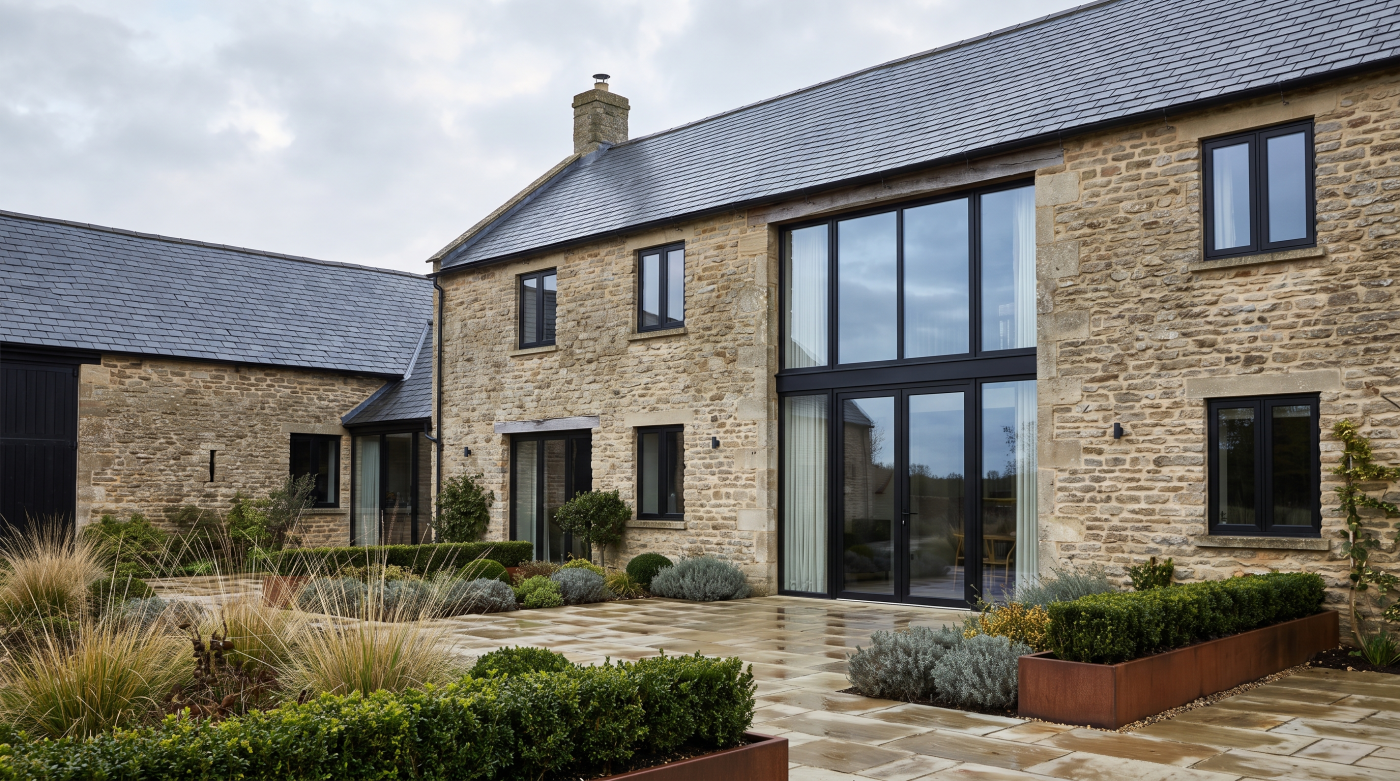
Security Should Never Compromise Architecture
For many homeowners, improving security raises an understandable concern that a home may begin to feel more defensive than welcoming. Heavy-looking frames, visible security features or overly robust detailing are often associated with stronger protection. Contemporary architectural glazing demonstrates that this no longer needs to be the case. Advances in engineering allow modern windows to provide impressive levels of security while preserving the clean proportions, generous daylight and refined detailing that define high-quality residential architecture.
Architects approach security as one of many design requirements that must exist in balance. A window should resist forced entry, but it should also frame views, admit natural light, support energy efficiency and complement the character of the building. These objectives are not treated as competing priorities. Instead, they are resolved together through careful specification, allowing security to become an integrated part of the overall architectural solution rather than a visible addition.
This is particularly important in homes where design quality is central to the project. Contemporary extensions often rely on large expanses of glazing with exceptionally slim sightlines, while period properties demand windows that respect established proportions and historic character. In both situations, security must work quietly in the background, preserving the architectural intent without introducing unnecessary visual compromise. Modern glazing systems are engineered to achieve this balance, combining structural strength and advanced hardware within elegant, carefully proportioned designs.
The result is a home that feels open rather than fortified. Occupants continue to enjoy uninterrupted views, abundant daylight and strong connections between interior and exterior spaces, while benefiting from the reassurance that the glazing has been designed to perform to a high standard. Good architecture has always sought to make buildings feel both comfortable and secure, and modern windows support this ambition without asking homeowners to sacrifice one quality for the other.
Ultimately, the most successful security is often the least conspicuous. Rather than dominating the appearance of a home, it is thoughtfully integrated into the engineering of the window itself. This allows architecture to remain the defining feature, with security quietly reinforcing the confidence, durability and long-term quality that homeowners expect from premium glazing.
Good Security Is Quietly Designed In
The most effective window security is rarely the result of a single feature. It is the outcome of careful architectural thinking, thoughtful engineering and precise specification, all working together to create a window that performs reliably throughout the life of the building. While individual elements such as frames, locking systems and glazing each play an important role, their greatest strength lies in the way they function as one integrated system rather than as separate components.
This approach reflects a wider principle found throughout good residential architecture. Buildings perform best when every element contributes to multiple objectives at the same time. A modern window should provide security, but it should also enhance comfort, admit generous daylight, support thermal efficiency and complement the character of the home. Achieving this balance requires design decisions that consider performance as a whole rather than prioritising one characteristic at the expense of another.
For homeowners, this means looking beyond individual security claims when evaluating replacement windows or planning a renovation. Questions about glazing, frame construction, hardware, installation quality and overall specification are often more valuable than focusing on any single advertised feature. A well-designed window derives its resilience from the relationship between these components, creating a level of performance that is greater than the sum of its parts.
Architects and glazing specialists understand that genuine confidence comes from this integrated approach. Security is considered from the earliest stages of design, refined through engineering and realised through professional installation. By the time the window becomes part of the finished home, its protective qualities are largely invisible, allowing the architecture itself to remain the defining feature while the engineering quietly supports everyday life.
Ultimately, the best security is the kind that simply becomes part of how a home is designed. Modern windows resist forced entry not because they rely on one exceptional component, but because every element has been developed to work in harmony with the others. When architecture, engineering and installation are brought together with equal care, homeowners gain something more valuable than visible security features: lasting confidence that their home has been thoughtfully designed to protect both the people who live there and the quality of the architecture itself.