

Understanding How Modern Glazing Is Constructed
To understand why moisture can appear between the panes of a window, it is helpful to first understand how modern glazing is constructed. Although double and triple glazing may appear to be simple assemblies of glass, they are in fact carefully engineered insulated glazing units designed to improve thermal performance, reduce heat loss and enhance comfort throughout the home. Each unit functions as a sealed system, with every component contributing to its long-term performance.
A typical double-glazed unit consists of two panes of glass separated by a precisely manufactured spacer bar, while triple glazing incorporates three panes and two insulating cavities. These cavities are not simply empty spaces. They are carefully sealed during manufacture and are often filled with an inert gas, such as argon, which transfers heat less readily than air. Around the perimeter of the unit, high-performance edge seals prevent moisture from entering while helping to retain the insulating gas over many years of service. Within the spacer bar itself is a desiccant material, designed to absorb any minute traces of moisture present during manufacture and keep the cavity dry throughout the life of the sealed unit.
This construction allows the glazing to act as an effective thermal barrier while maintaining clear visibility between the panes. When the seals remain intact, the internal cavity is isolated from the external environment, protecting it from humidity, rain and changing weather conditions. The result is a stable insulating layer that contributes significantly to the overall energy performance and comfort of the building.
Seen in this context, a modern insulated glazing unit is far more than two or three pieces of glass held together. It is a precisely engineered component of the building envelope, designed to perform reliably for decades under continual exposure to temperature changes, wind, sunlight and moisture. Understanding this sealed construction makes it much easier to appreciate why fogging between the panes is not simply condensation in the ordinary sense, but a sign that something within the insulated glazing unit itself has changed.
Why Moisture Appears Between the Panes
When moisture appears between the panes of a double or triple-glazed window, it is usually a sign that the insulated glazing unit has lost the airtight seal that originally protected the cavity. Unlike condensation on the room-facing side of the glass, which is influenced by humidity within the home, or condensation on the external surface, which can occur under certain weather conditions, moisture trapped between the panes indicates that the sealed unit itself has been compromised.
The edge seal performs a demanding role throughout the life of the window. It must accommodate continual expansion and contraction as temperatures rise and fall, resist prolonged exposure to sunlight and moisture, and maintain the integrity of the insulating cavity despite years of environmental stress. Although modern glazing is designed to withstand these conditions for many years, no sealed system is entirely immune to ageing. Over time, the seal may gradually deteriorate, allowing tiny amounts of moisture-laden air to enter the cavity while permitting some of the insulating gas to escape.
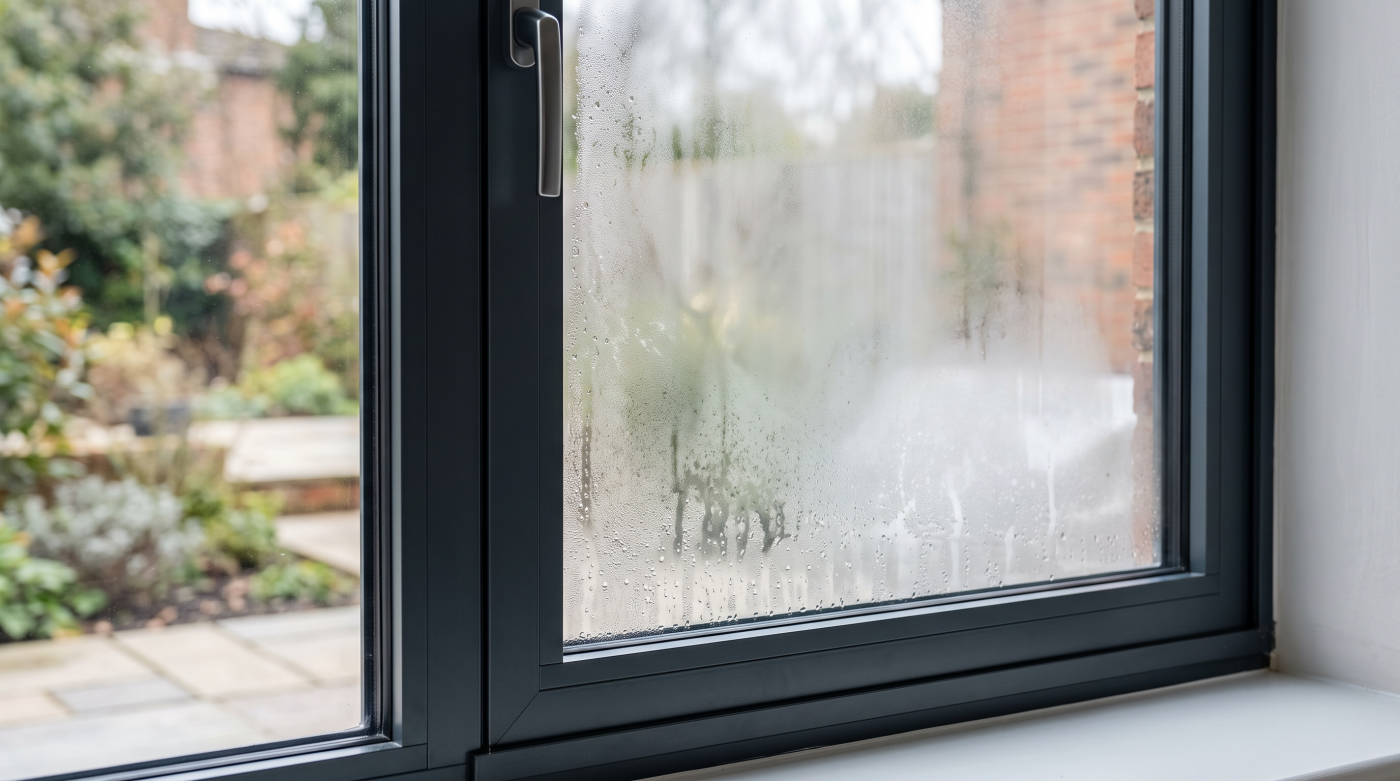
As moisture enters the sealed space, the desiccant within the spacer bar initially absorbs it, delaying any visible signs of a problem. Eventually, however, the desiccant reaches its capacity. At that point, changes in temperature cause moisture within the cavity to condense on the internal faces of the glass, producing the familiar misted or cloudy appearance that cannot be wiped away from either side of the window. In some cases, the fogging appears intermittently as temperatures fluctuate; in others, it becomes a permanent feature of the glazing.
It is important to recognise that this process is rarely the result of a single event. More often, it reflects the gradual ageing of the insulated glazing unit or, less commonly, issues relating to manufacturing quality, installation or prolonged environmental exposure. Understanding this distinction helps explain why fogging between the panes is not simply an aesthetic concern. It is evidence that the glazing unit is no longer functioning exactly as it was originally designed, making careful assessment the appropriate next step before deciding on the most suitable course of action.

Why This Is Different From Ordinary Condensation
One of the most common misconceptions surrounding windows is that all condensation has the same cause. In reality, where moisture appears on the glass is often the most important clue in understanding what is happening. Condensation on the inside surface of a window, condensation on the outside, and moisture trapped between the panes each result from entirely different conditions. Distinguishing between them allows homeowners to identify genuine faults while avoiding unnecessary concern about normal seasonal behaviour.
Condensation on the room-facing side of the glass is usually linked to the environment inside the home. Everyday activities such as cooking, showering and drying clothes release moisture into the air, and when this warm, humid air comes into contact with a cooler glass surface, water droplets can form. This is often influenced by ventilation, humidity levels and internal temperatures rather than by the quality of the glazing itself.
By contrast, condensation on the exterior face of the window is frequently a sign that the glazing is performing efficiently. Well-insulated glazing reduces the amount of heat escaping from the home, allowing the outer pane to remain cooler under certain atmospheric conditions. When warm morning air meets this cooler surface, condensation may briefly develop before disappearing as temperatures rise. Although it can be unexpected, external condensation is generally considered a normal characteristic of high-performing glazing.
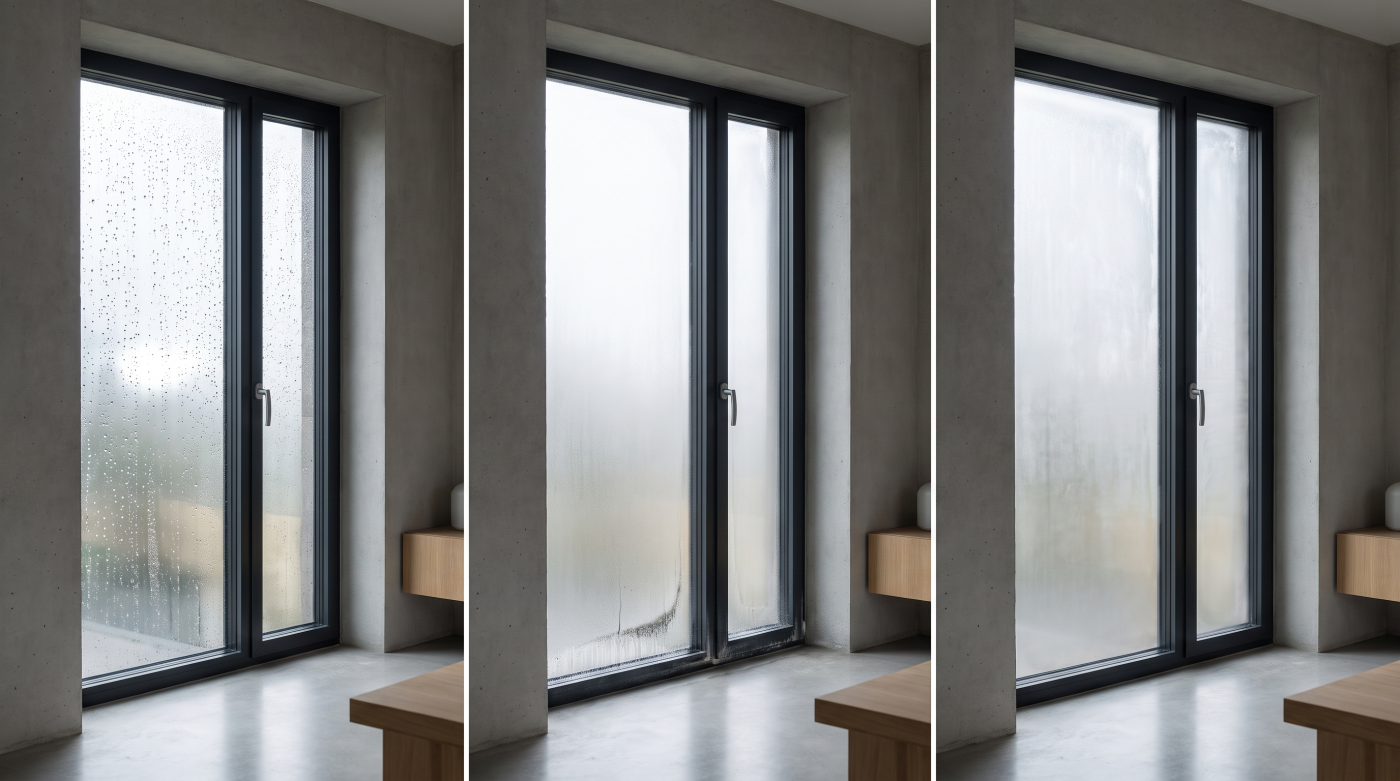
Moisture trapped between the panes is fundamentally different. Because the cavity inside an insulated glazing unit is sealed during manufacture, condensation should never form within it while the seals remain intact. When mist develops inside this space, it indicates that moisture has entered an area specifically designed to remain dry throughout the life of the unit. Unlike condensation on either external surface, it cannot be wiped away because it exists within the glazing itself. Recognising this distinction is essential, as it shifts the focus from managing humidity or weather conditions to assessing the condition of the sealed glazing unit and its long-term performance.
What Happens When a Sealed Unit Fails
When the seal of an insulated glazing unit fails, the effects extend beyond the appearance of the glass. The first visible indication is often a misted or cloudy area between the panes that cannot be cleaned away, but this is simply the outward sign of a change within the glazing system itself. Once the cavity is no longer fully sealed, the carefully controlled environment that allowed the unit to perform efficiently begins to deteriorate.
One of the most significant changes is the gradual loss of the insulating gas originally contained within the cavity. Gases such as argon are commonly used because they reduce heat transfer more effectively than air, contributing to improved thermal performance. As the seal deteriorates, some of this gas may escape while moisture-laden air enters in its place. Although this process is typically gradual, it means the glazing no longer performs exactly as it did when first manufactured.
The visual impact can also become more pronounced over time. Moisture trapped within the cavity may repeatedly condense and evaporate as temperatures change throughout the day and across the seasons. This continual cycle often results in persistent fogging, streaking or haziness that reduces clarity and affects the quality of views through the window. In some cases, mineral deposits or staining may develop on the internal surfaces of the glass, leaving permanent marks that cannot be removed because they lie within the sealed unit itself.
While a failed sealed unit does not necessarily mean the entire window has reached the end of its service life, it does indicate that one of its most important performance components is no longer functioning as intended. The frame, hardware and installation may remain in excellent condition, yet the insulating glazing unit has lost part of its ability to provide the thermal efficiency, clarity and comfort for which it was originally designed. Recognising this distinction allows homeowners to approach the issue with a clearer understanding of what has failed and what options may be available for restoring the window’s performance.
Can a Fogged Window Be Repaired?
Discovering moisture trapped between the panes often leads homeowners to assume that the entire window must be replaced. In many cases, however, this is not necessary. Because a modern window is made up of several individual components, it is important to identify precisely which part has failed before deciding on the most appropriate solution. A careful assessment can often distinguish between a failed insulated glazing unit and a window that has reached the end of its overall service life.
Where the frames remain structurally sound, operate smoothly and continue to perform well, it is frequently possible to replace only the sealed glazing unit. This involves removing the failed insulated glass assembly while retaining the existing frame and installing a newly manufactured unit designed to the same dimensions and specification. For many properties, this restores clarity, thermal performance and appearance without the disruption associated with replacing the complete window.
There are circumstances, however, where replacing the entire window may be the more appropriate course of action. Older frames that have deteriorated, windows with outdated thermal performance, or installations that no longer meet the requirements of the building may benefit from a more comprehensive upgrade. Likewise, if the original window has suffered from poor installation, drainage problems or significant structural movement, simply replacing the glass may not address the underlying cause of the issue.
For this reason, experienced professionals begin with diagnosis rather than recommendation. They consider the condition of the glazing unit, the performance of the frame, the quality of the installation and the wider context of the building before advising on the most suitable solution. This specification-led approach avoids unnecessary replacement while ensuring that any intervention addresses the true source of the problem. The objective is not simply to eliminate the visible fogging, but to restore the long-term performance, comfort and durability expected from a well-engineered glazing system.
How Long Should Quality Glazing Last?
A common question among homeowners is how long double or triple glazing should be expected to last before problems begin to appear. There is no single answer, as longevity depends on a combination of design, manufacturing quality, installation and the conditions in which the glazing operates. Rather than having a fixed lifespan, insulated glazing units gradually age over time, with their durability influenced by how well they were specified and how effectively they have been protected throughout their service life.
High-quality glazing is designed to withstand decades of continual exposure to changing weather conditions. Every day, the sealed unit experiences cycles of heating and cooling, expansion and contraction, wind loading, rainfall and ultraviolet radiation. These environmental forces place continual demands on the edge seals, spacer bars and insulating cavity. Well-engineered glazing is developed to accommodate these movements while maintaining its thermal performance and clarity for many years, but like any building component, it will eventually experience natural ageing.
The surrounding window system also plays an important role in determining longevity. Correct installation, effective drainage and appropriate ventilation around the frame help protect the insulated glazing unit from unnecessary stress and prolonged exposure to moisture. Conversely, poor installation, inadequate detailing or persistent water ingress can accelerate deterioration, reducing the service life of even a well-manufactured sealed unit. This is why professionals often view window performance as the result of the complete specification rather than the glass alone.
It is therefore more useful to think of quality glazing in terms of long-term performance rather than a predetermined number of years. A well-specified and properly installed insulated glazing unit should continue to provide clear views, reliable thermal performance and everyday comfort over an extended period of use. When problems such as fogging between the panes eventually occur, they are often the result of gradual ageing rather than sudden failure. Understanding this helps homeowners view glazing as a durable architectural component that benefits from careful specification, thoughtful installation and informed maintenance throughout the life of the building.
Preventing Premature Glazing Failure
Although no insulated glazing unit is designed to last indefinitely, many of the factors that influence its longevity can be considered long before the window is installed. Architects and experienced glazing specialists understand that durability is rarely determined by a single product characteristic. Instead, it is the result of thoughtful specification, careful installation and an appreciation of how the window will perform as part of the wider building over many years.
The specification process begins by considering the demands that the glazing will face throughout its service life. A coastal property exposed to driving rain and strong winds presents different challenges from a sheltered urban home, while large areas of south-facing glazing experience different patterns of solar gain and thermal movement than shaded elevations. Selecting an appropriate glazing system for these conditions helps reduce unnecessary stress on the sealed unit and supports consistent long-term performance.
Installation is equally important. Even a well-engineered insulated glazing unit depends on accurate surveying, precise fitting and effective detailing to perform as intended. Correct drainage around the frame, appropriate ventilation where required and careful integration with the surrounding building fabric all help prevent prolonged moisture exposure and reduce the likelihood of premature deterioration. These considerations may be largely invisible once the project is complete, yet they play a significant role in protecting the glazing over time.
Routine care also contributes to longevity, although it should not be confused with preventing natural ageing. Keeping drainage paths clear, ensuring hardware continues to operate smoothly and addressing any developing issues promptly can all help maintain the overall condition of the window system. Ultimately, however, the greatest protection against premature glazing failure is a specification-led approach that considers the building, its environment and its long-term performance from the very beginning. By treating glazing as an integrated architectural component rather than an isolated product, homeowners are more likely to enjoy reliable comfort, clarity and efficiency for many years to come.
Looking Beyond the Fogged Glass
A misted window is easy to regard as a simple defect, particularly when the clouding between the panes becomes increasingly noticeable. Yet from an architectural perspective, it is more useful to see it as an opportunity to understand how the building is performing as a whole. A failed insulated glazing unit is rarely an isolated consideration. It forms part of a much broader conversation about durability, energy efficiency, maintenance and the long-term quality of the home.
Modern glazing performs multiple roles simultaneously. It admits natural light, frames views, contributes to thermal comfort, reduces unwanted heat loss and supports the overall environmental performance of the building. When one component of that system begins to deteriorate, the objective should not simply be to restore clear glass, but to ensure that the window continues to fulfil all of these functions as effectively as possible. This is why experienced professionals begin by assessing the condition of the entire window assembly rather than focusing solely on the visible symptom.
Equally important is recognising that the appearance of fogging between the panes does not necessarily reflect poor design or inferior materials. In many instances, it is simply the result of a sealed glazing unit reaching the latter stages of a long service life after years of continual exposure to changing weather conditions. Understanding this distinction allows homeowners to make balanced, informed decisions based on evidence rather than assumption.
Ultimately, successful glazing specification has always been about more than selecting attractive windows. It is about creating building envelopes that remain comfortable, efficient and durable for decades. When viewed through this wider architectural lens, a fogged sealed unit is not merely a maintenance issue but a reminder that every component of a building has a lifecycle. By understanding how insulated glazing works and why failures occur, homeowners are better equipped to maintain their properties thoughtfully and to make future glazing decisions with greater confidence and clarity.