
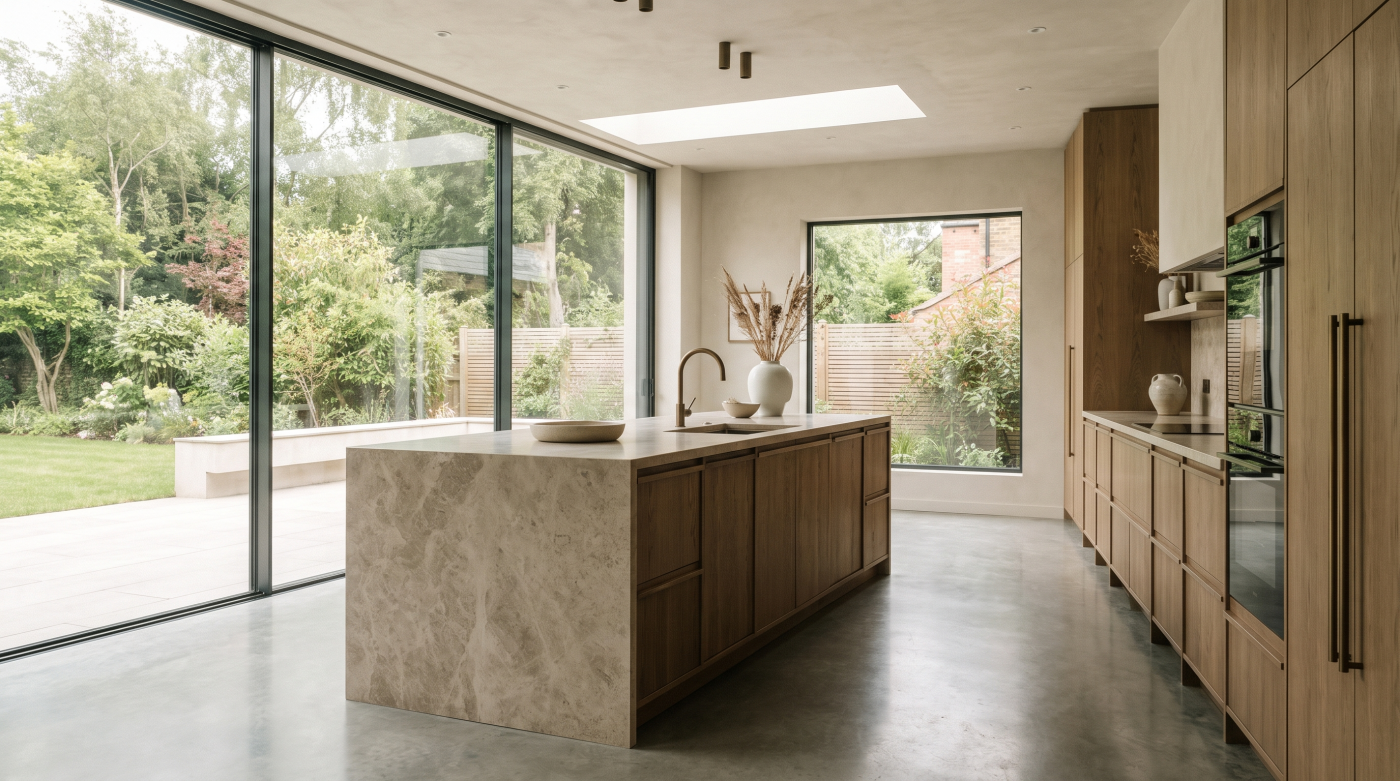
Why Security Standards Exist
Choosing windows and doors for a home involves balancing many considerations, from architectural design and thermal performance to durability and everyday usability. Security is equally important, yet it can often feel more difficult to assess. While appearance and build quality may be immediately visible, it is far less obvious how a glazing system will perform if subjected to an attempted forced entry. This is one of the reasons why independent security standards were developed: to provide objective benchmarks that help architects, specifiers and homeowners evaluate products using measurable performance rather than marketing claims alone.
Without recognised standards, comparing one glazing system with another would rely heavily on manufacturer descriptions and individual interpretations of what constitutes a secure product. Independent testing introduces consistency into this process by establishing defined assessment methods and performance criteria. Rather than asking consumers to judge technical engineering for themselves, security standards create a common language that allows products to be evaluated against the same requirements.
Architects value this approach because it supports informed specification. Security is rarely considered in isolation; it forms part of a broader assessment that also includes structural performance, weather resistance, energy efficiency and the architectural ambitions of the project. Objective standards allow security to be incorporated into this balanced decision-making process without relying on assumptions or unverified claims.
For homeowners, the existence of recognised security standards provides reassurance that products have undergone independent evaluation before reaching the market. While no certification can guarantee absolute protection against every circumstance, it does demonstrate that a window or door has been assessed against established performance criteria under controlled conditions. Understanding why these standards exist is the first step towards interpreting technical terms such as PAS 24 with confidence, allowing security ratings to become meaningful indicators of quality rather than unfamiliar labels encountered during the specification process.
What PAS 24 Actually Tests
Although PAS 24 is frequently referenced in discussions about secure windows and doors, many homeowners are surprised to learn that it is not simply a test of locks or individual hardware components. Instead, PAS 24 assesses the performance of the complete glazing system when subjected to a series of standardised tests designed to simulate methods of opportunistic forced entry. The emphasis is on how the assembled product performs as a whole rather than how any single component performs in isolation.
The testing process evaluates a combination of mechanical strength and manual attack resistance. Windows and doors are subjected to controlled loading, repeated operation and carefully defined attempts to overcome the locking mechanisms using a range of commonly available hand tools. The objective is not to recreate every possible burglary scenario but to establish whether the complete system can resist the types of attacks it has been specifically designed to withstand under consistent laboratory conditions.
Importantly, PAS 24 considers far more than the lock itself. The assessment encompasses the interaction between the frame, glazing, hardware, hinges, handles, locking points and fixing methods, recognising that the security of any window or door depends upon the way these elements function together. A strong locking system alone cannot compensate for weaknesses elsewhere in the assembly, just as robust frames require equally well-engineered hardware to deliver consistent performance.
For architects and specifiers, this whole-system approach reflects the way buildings are designed. Security is achieved through the integration of multiple components rather than reliance on a single feature or marketing claim. Understanding what PAS 24 actually tests helps homeowners interpret the certification more accurately. Rather than viewing it as a guarantee of absolute security, it should be recognised as evidence that a complete window or door system has successfully met independently assessed performance criteria under rigorous, repeatable testing conditions.
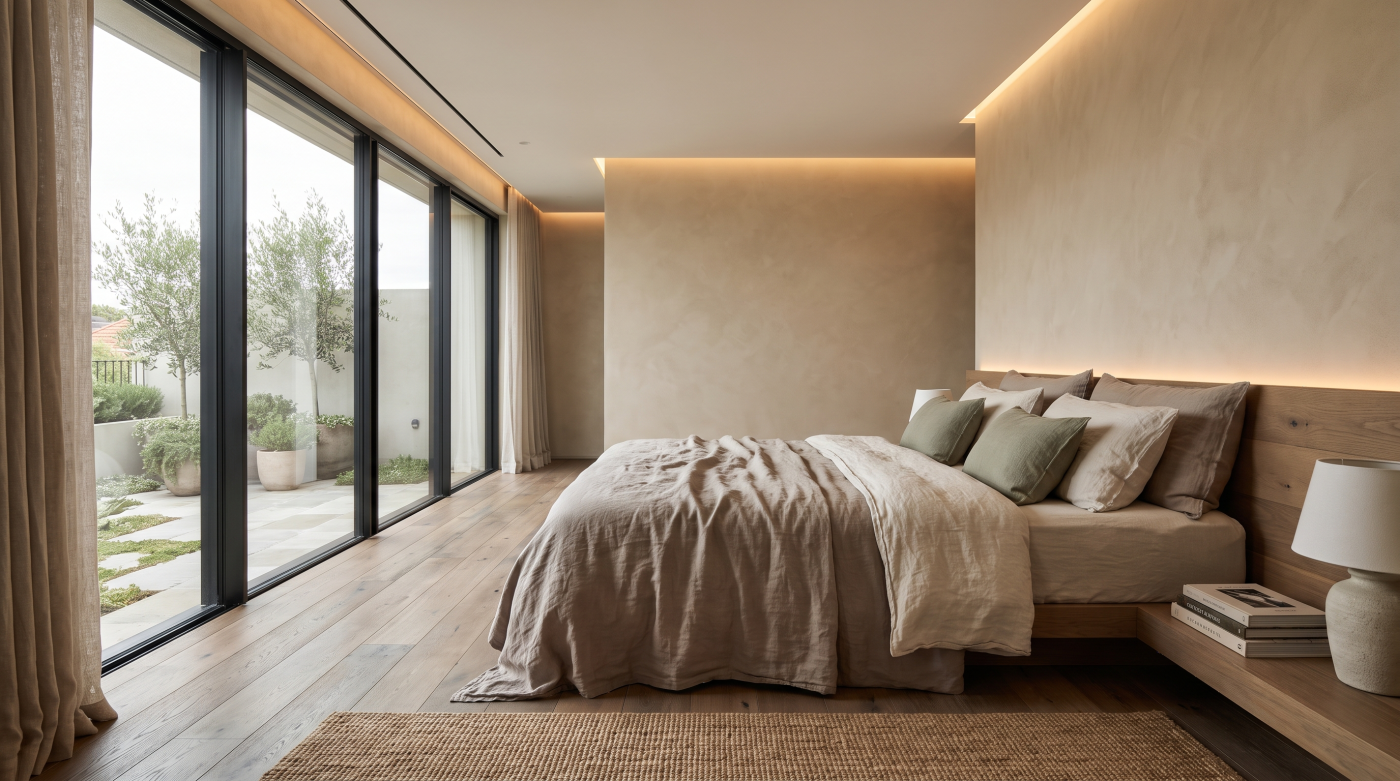
Why Certification Is About the Whole System
It is easy to assume that the security of a window or door is determined by its most obvious components, such as the lock, the handle or the thickness of the glass. In reality, architects and product engineers take a far more holistic view. The security of any glazing system depends upon the way numerous individual elements work together as an integrated assembly. This is why certifications such as PAS 24 assess the complete system rather than awarding approval to isolated components.
Every part of the window or door contributes to its overall performance. The frame must possess sufficient structural strength to resist applied forces without excessive deformation. The glazing must be securely retained within the frame, while hinges, locking mechanisms and hardware must continue to operate together under load. Even the way these components are manufactured and assembled influences how effectively the finished product performs when subjected to security testing. A weakness in any one element has the potential to compromise the effectiveness of the entire system.
This systems-based approach reflects a fundamental principle of architectural specification. Buildings themselves are not simply collections of individual materials but carefully coordinated assemblies whose performance depends upon the interaction of multiple components. Glazing follows exactly the same principle. Strong glass alone cannot compensate for poorly engineered hardware, just as an advanced locking system cannot overcome deficiencies in frame design or construction. True security emerges from the quality of the complete engineered solution.
For homeowners, understanding this concept provides valuable perspective when comparing products. Marketing often highlights individual security features, but architects are typically more interested in how the entire window or door performs as a unified system. PAS 24 reinforces this philosophy by evaluating the finished assembly under controlled testing conditions rather than focusing on individual parts. Ultimately, the certification demonstrates that security is achieved through thoughtful engineering and coordinated design, where every component contributes to the resilience and reliability of the whole.
Security Starts With Good Specification
While certifications such as PAS 24 provide valuable reassurance about the tested performance of a glazing system, they represent only one part of the broader security picture. Architects understand that effective residential security begins much earlier in the design process. Rather than selecting a certified product and assuming the task is complete, they consider how the building itself influences security, ensuring that glazing is specified as part of a coordinated architectural strategy.
Every home presents its own opportunities and challenges. The layout of the site, the positioning of entrances, the relationship to neighbouring properties and the way occupants use the building all influence security requirements. A contemporary rural home with extensive glazing may require different design considerations from a townhouse in a busy urban environment, even if both ultimately specify products that achieve the same certification. Good specification responds to these individual circumstances rather than relying on a universal solution.
Architects also balance security alongside many other performance requirements. Natural daylight, uninterrupted views, ventilation, accessibility, energy efficiency and architectural character all remain important design priorities. The objective is not to maximise one aspect of performance at the expense of the others, but to create a building in which security is carefully integrated into the overall design. This holistic approach allows glazing to contribute positively to both the experience of the home and its long-term resilience.
For homeowners, this illustrates why security should be viewed as a specification decision rather than simply a product feature. A well-designed home benefits from carefully considered glazing, appropriate hardware, thoughtful building layout and professional installation working together as a complete system. PAS 24 certification provides confidence that a product has met recognised testing standards, but it is the quality of the overall specification that determines how effectively those products contribute to the security of the finished building.
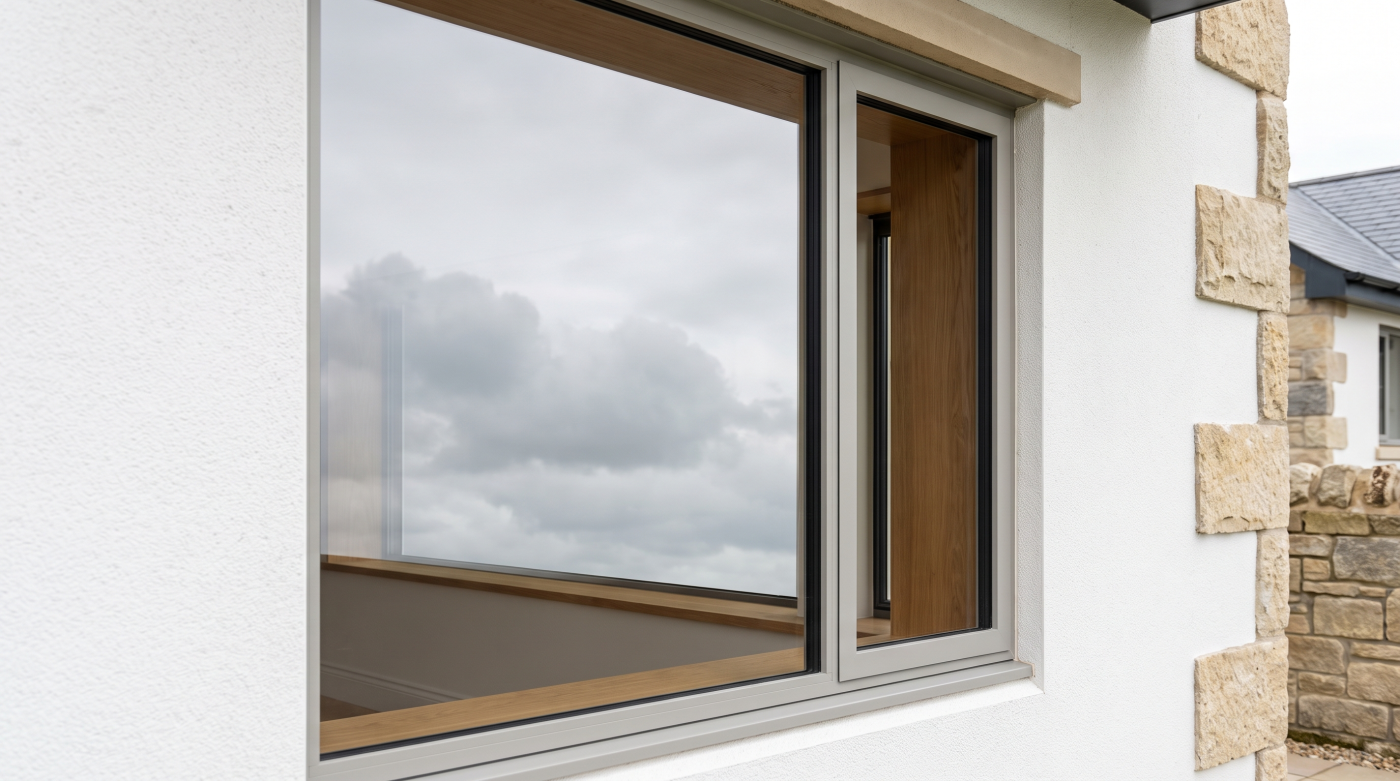
Installation Plays a Critical Role
A window or door may achieve excellent results during independent security testing, but those results are only meaningful if the product is installed correctly. Architects understand that the performance of any glazing system depends not only on its design and manufacture but also on the quality of its installation. Even the most carefully engineered product cannot perform as intended if it is not integrated properly into the structure of the building.
Installation is about far more than fitting a frame into an opening. It requires precise positioning, appropriate fixings, correct tolerances and careful alignment to ensure the glazing operates exactly as its designers intended. The interface between the window, the surrounding structure and the fixing system must all work together to preserve the structural integrity and security demonstrated during testing. Small inaccuracies during installation can affect operation, weather performance and, ultimately, the effectiveness of the complete security system.
Professional installers follow the manufacturer’s installation guidance because certified performance is based on products being fitted in accordance with those recommendations. The quality of the fixing methods, the suitability of the surrounding construction and the accuracy of the installation all contribute to the finished result. This reflects a broader principle within architecture: building performance depends upon the successful execution of every stage of the construction process, not simply the quality of the individual components.
For homeowners, this highlights why security certification and professional installation should be viewed as complementary rather than separate considerations. A certified glazing system provides confidence that the product has been independently assessed, while careful installation helps ensure that this engineered performance is carried through into the completed building. Together, they form part of a coordinated specification strategy that allows windows and doors to deliver the levels of security, reliability and long-term performance for which they were originally designed.
Security Without Compromising Design
Security has long been associated with visible physical measures such as heavy frames, prominent locks and defensive detailing. While these approaches may once have been common, contemporary architectural design demonstrates that high levels of security can be achieved without compromising visual refinement. Advances in engineering allow modern glazing systems to integrate robust security features within elegant, carefully proportioned designs that support rather than detract from the overall architecture.
This is particularly important in contemporary homes, where large expanses of glazing, slim sightlines and uninterrupted connections between inside and outside are often central to the architectural concept. These design ambitions need not conflict with security objectives. Instead, architects seek glazing systems in which structural strength, sophisticated locking mechanisms and carefully engineered hardware are integrated discreetly within the overall design. The result is a building that feels open and welcoming while still benefiting from independently assessed security performance.
Achieving this balance requires thoughtful specification rather than compromise. Security is considered alongside daylight, thermal efficiency, weather resistance, durability and architectural character, ensuring that no single performance requirement dominates the design. By evaluating the complete glazing system as part of the wider building, architects create solutions that satisfy practical requirements without sacrificing the qualities that make contemporary architecture so distinctive.
For homeowners, this approach offers valuable reassurance. Choosing secure glazing does not mean accepting bulky frames or visibly defensive features that alter the appearance of the home. Modern engineering enables security to remain largely invisible, embedded within the design rather than imposed upon it. This reflects one of the defining principles of good architecture: the most successful technical solutions are often those that quietly support the experience of the building without drawing attention to themselves. In this way, refined aesthetics and robust security become complementary objectives, contributing equally to the long-term quality and enjoyment of the home.
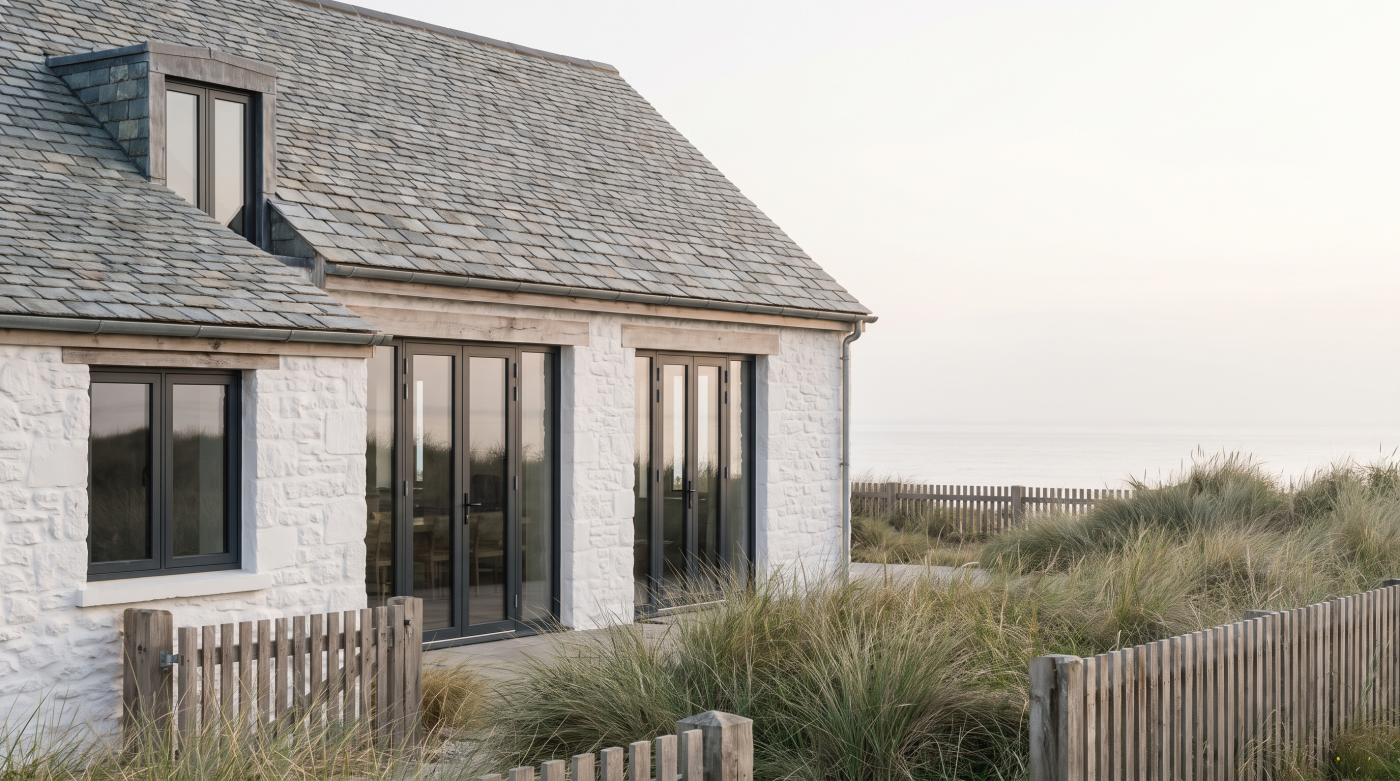
Understanding PAS 24 in the Wider Context
PAS 24 is an important benchmark within the residential glazing industry, but it is most valuable when understood as part of a broader approach to building security rather than as a standalone measure. Architects rarely make specification decisions based on a single certification alone. Instead, they consider how independently tested products contribute to the overall performance of the building, balancing security alongside structural integrity, energy efficiency, durability and architectural design. This wider perspective ensures that security supports the quality of the home without becoming its sole defining characteristic.
A secure home is the result of many interconnected decisions. The layout of the building, the location of entrances, external lighting, landscaping and the relationship between windows, doors and other access points all influence how secure a property feels and performs. PAS 24 contributes to this wider strategy by providing confidence that the glazing has achieved recognised levels of resistance under controlled testing conditions, but it does not replace the importance of thoughtful design or professional specification.
Homeowners may also encounter references to Building Regulations, insurance requirements or initiatives such as Secure by Design during the planning and specification process. While these considerations can overlap with product certification, they each serve different purposes within the wider framework of residential security. Understanding this distinction helps place PAS 24 in its proper context, recognising it as one element within a coordinated approach to designing safe, resilient homes rather than the only measure of security.
Ultimately, architects view certification as a valuable source of evidence rather than the final answer. PAS 24 supports informed decision-making by demonstrating that a glazing system has met recognised testing standards, but its greatest value lies in complementing good architectural design, careful specification and quality installation. When these elements work together, security becomes an integrated characteristic of the building itself, quietly supporting long-term confidence without compromising the architecture or the experience of living within it.
Choosing Glazing With Confidence
For many homeowners, technical certifications such as PAS 24 can initially seem daunting. Product literature often includes a variety of standards, ratings and performance claims that are unfamiliar to anyone who is not involved in the construction industry. Yet the purpose of understanding these certifications is not to become a security expert. Rather, it is to gain enough knowledge to ask informed questions and appreciate how thoughtful specification contributes to the long-term quality of a home.
Architects approach this process by considering security as one part of a much broader design conversation. They evaluate how glazing will respond to the building’s location, architectural intent, patterns of occupation and overall performance requirements before selecting systems that meet the appropriate standards. Certifications such as PAS 24 provide valuable independent evidence that a product has achieved recognised security performance, but they are considered alongside factors such as durability, thermal efficiency, weather resistance, aesthetics and ease of use. This balanced approach helps ensure that no single requirement is pursued at the expense of the others.
For homeowners embarking on a renovation or self-build project, this perspective offers reassurance. Rather than comparing products solely on the basis of individual features or technical labels, it becomes possible to focus on the quality of the overall specification. Understanding what PAS 24 represents allows conversations with architects and glazing specialists to move beyond marketing terminology towards the wider principles of building performance and long-term value.
Ultimately, choosing glazing with confidence is not about finding the product with the longest list of certifications. It is about selecting a well-engineered, professionally specified and carefully installed glazing system that responds appropriately to the needs of the building. When independent testing, considered architectural design and quality installation are brought together, the result is a home that delivers security alongside comfort, durability and refined design. In this context, PAS 24 becomes more than a technical standard; it becomes one element of a carefully considered architectural solution designed to perform reliably for many years to come.