
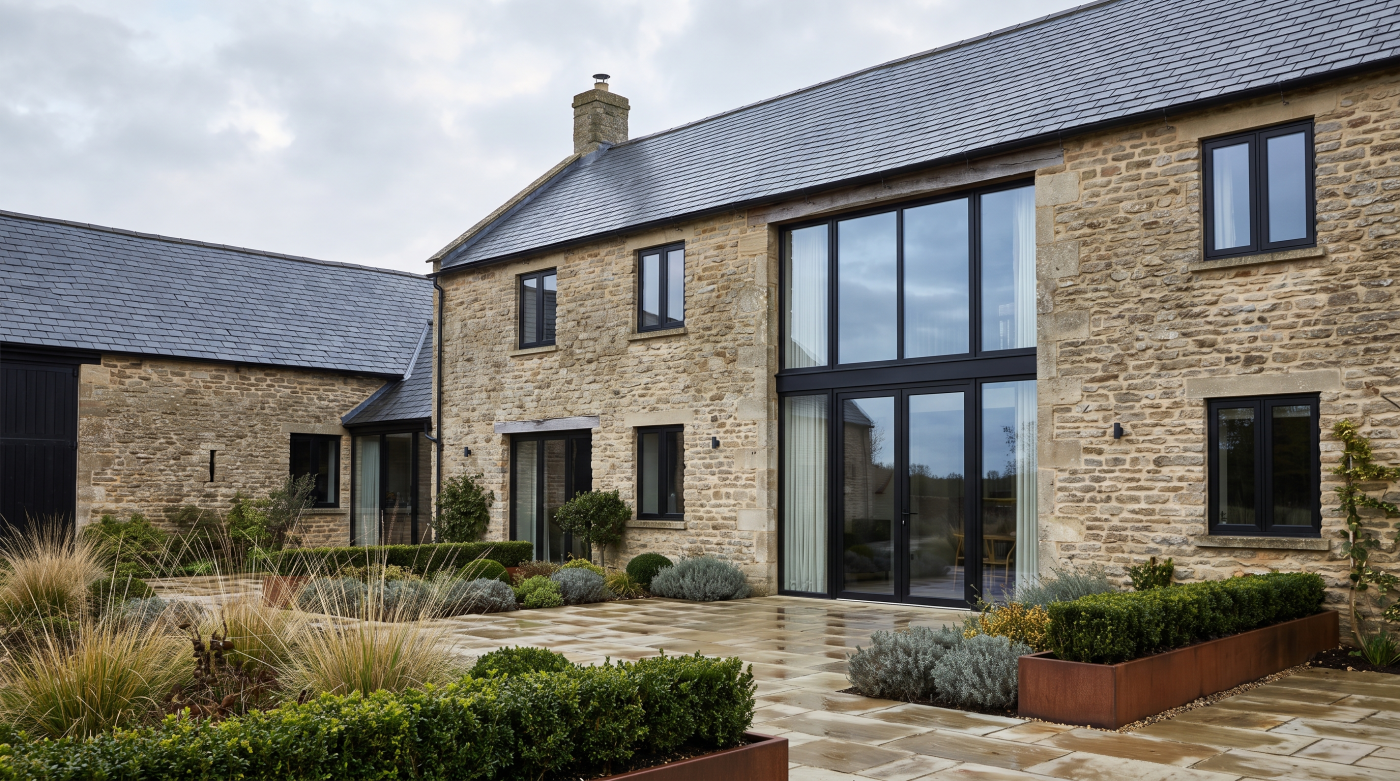
Why “Maintenance Free” Is a Misleading Phrase
Aluminium windows are frequently described as maintenance free, a phrase that has become commonplace within the construction industry. While well intentioned, it can create unrealistic expectations about the long-term care of any external building component. Architects and building professionals generally take a more measured view. Rather than expecting glazing to require no attention whatsoever, they recognise that premium aluminium systems are designed to minimise maintenance while still benefiting from occasional care throughout their service life.
This distinction is important because every element of a building is exposed to the effects of weather, pollution and daily use. Rain, airborne contaminants, organic matter and changing temperatures all interact with external materials over many years. Likewise, opening windows and doors naturally places small demands on hinges, handles, locks and seals. None of this indicates poor quality or premature deterioration; it is simply the reality of how buildings perform over time.
The objective of routine maintenance is not to prevent inevitable ageing but to ensure that glazing continues to operate as its designers intended. Regular cleaning, visual inspections and simple preventative care help preserve smooth operation, maintain the appearance of finished surfaces and support the long-term performance of weather seals and moving components. These straightforward tasks are typically modest in scope and can often be incorporated into the normal upkeep of a home.
Viewed through an architectural lens, maintenance should be understood as part of responsible building stewardship rather than an inconvenience. High-quality aluminium windows are engineered to provide decades of reliable service, but like roofing, rainwater goods or external cladding, they perform best when supported by sensible, periodic care. Understanding this distinction allows homeowners to approach maintenance with realistic expectations, recognising that low maintenance is one of aluminium’s greatest strengths, even if maintenance-free is not entirely accurate.
Routine Cleaning Protects More Than Appearance
When homeowners think about cleaning their windows, the focus is often on achieving clear glass and an attractive appearance. While these visual benefits are certainly worthwhile, routine cleaning plays a more important role in preserving the long-term performance of aluminium glazing systems. Architects view cleaning not simply as cosmetic maintenance, but as part of the ongoing care of the building envelope, helping external materials continue to perform as intended throughout their service life.
Over time, external surfaces naturally accumulate airborne dust, traffic pollution, pollen, bird deposits and organic matter. In coastal environments, salt-laden air can leave deposits on frames and hardware, while rural properties may experience a build-up of moss, algae or windblown debris. Although modern powder-coated aluminium finishes are engineered to withstand these conditions, allowing contaminants to remain on the surface for extended periods can unnecessarily increase wear and make cleaning more difficult in the future.
Routine washing with clean water and a mild, non-abrasive detergent is generally sufficient to remove everyday dirt without affecting the protective finish. Soft cloths or sponges are typically recommended, avoiding harsh chemicals or abrasive cleaning materials that could damage the surface coating. The frequency of cleaning should reflect the building’s environment, with properties exposed to coastal conditions, heavy traffic or industrial pollution usually benefiting from more regular attention than homes in sheltered residential settings.
Beyond preserving appearance, cleaning also provides an opportunity to observe the condition of the glazing. Homeowners may notice blocked drainage channels, damaged seals or debris collecting around moving components before these minor issues develop into more significant maintenance concerns. In this way, routine cleaning becomes more than simple housekeeping. It is a practical form of preventative care that supports both the aesthetic quality and the long-term durability of premium aluminium windows, helping them continue to complement the architecture for many years to come.
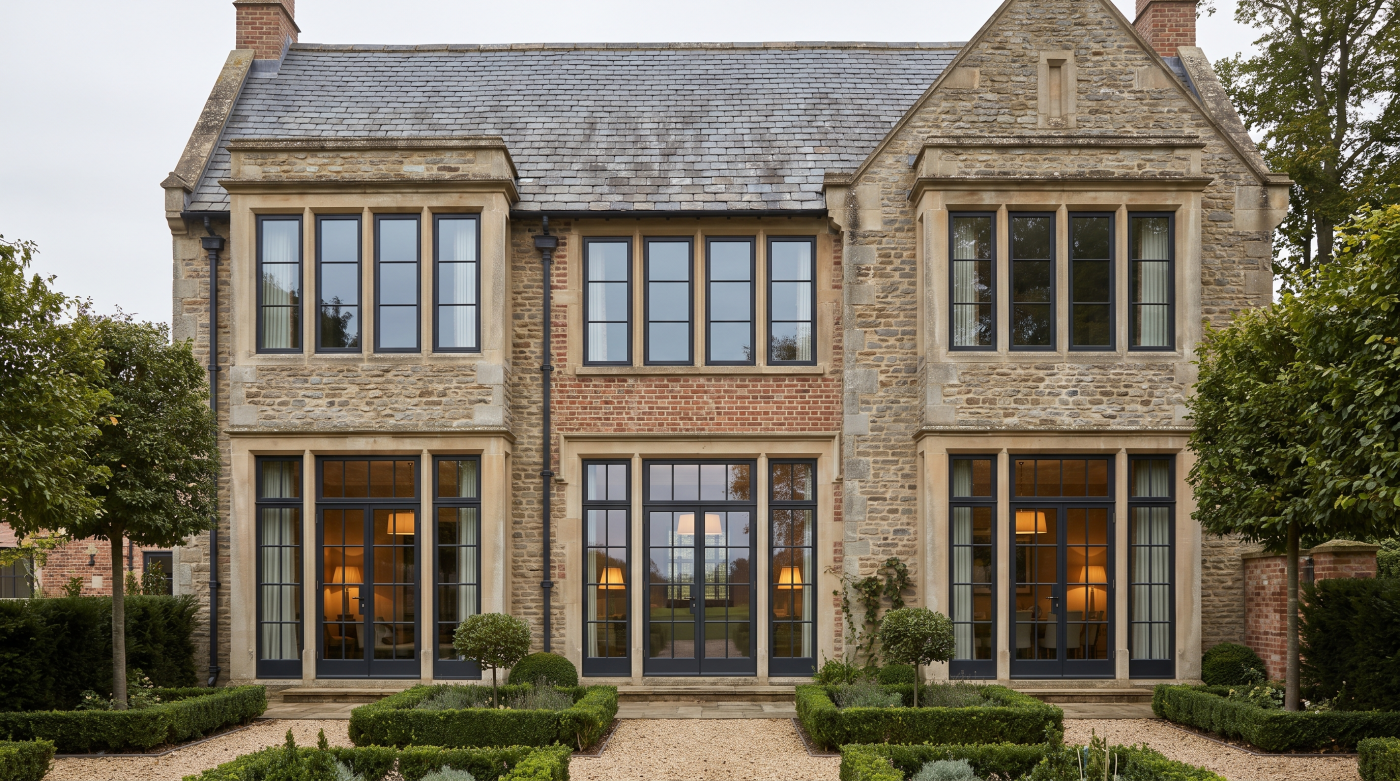
Looking After Moving Parts
One of the greatest strengths of a well-engineered aluminium window is the precision with which it operates. Whether opening a casement window, sliding a large glazed door or engaging a multi-point locking system, the experience should feel smooth, controlled and reassuring. Maintaining this level of performance over many years depends not only on the quality of the original specification but also on the condition of the moving components that make daily operation possible.
Unlike the aluminium frame itself, mechanical hardware is designed to move thousands of times throughout its lifetime. Hinges, rollers, handles, locks and sliding mechanisms experience regular use and are naturally subject to gradual wear. This should not be viewed as a weakness but as a normal characteristic of any mechanical system. Periodic inspection helps ensure these components continue to function as intended, allowing small adjustments or routine servicing to be carried out before minor issues begin to affect operation.
Keeping moving parts clean is equally important. Dust, leaves, grit and other debris can accumulate in sliding tracks, drainage areas and around hinges, particularly in exposed or heavily landscaped environments. Removing this build-up helps maintain smooth movement while reducing unnecessary friction on components designed to operate with precision. During routine cleaning, homeowners can also observe whether handles feel secure, locks engage correctly and opening mechanisms continue to operate without resistance.
From an architectural perspective, reliable operation forms part of the overall quality of the building. Windows and doors are among the most frequently used elements of a home, influencing everyday comfort, ventilation and the connection between inside and outside. Looking after these moving parts is therefore less about responding to faults and more about preserving the experience the glazing was designed to provide. Small, preventative checks carried out as part of normal building maintenance help ensure premium aluminium windows continue to perform with the same confidence and refinement many years after installation.
Why Drainage Matters More Than Most Homeowners Realise
One of the least visible yet most important aspects of modern aluminium window design is the way it manages water. Many homeowners assume that windows are intended to create a completely watertight barrier, preventing any moisture from entering the frame under all conditions. In reality, high-performance glazing systems are engineered to control and direct water safely back to the exterior. This principle of managed drainage forms a fundamental part of contemporary window design and contributes significantly to long-term weather performance.
During periods of heavy rain, particularly when accompanied by strong winds, small amounts of moisture may enter carefully designed chambers within the frame. Rather than indicating a fault, this is an anticipated part of the system’s operation. Internal drainage channels and discreet weep holes allow this water to escape efficiently, preventing it from accumulating within the frame or affecting the building envelope. When these pathways remain clear, the window continues to perform exactly as its engineers intended.
Over time, however, leaves, dust, insects and other debris can collect around drainage outlets, especially in properties surrounded by trees or exposed to windblown material. Routine cleaning provides an opportunity to ensure these channels remain unobstructed, allowing rainwater to drain freely during periods of severe weather. This simple preventative measure requires very little effort but helps maintain the effectiveness of one of the window’s most important hidden performance features.
Architects often describe good building design as the intelligent management of natural forces rather than an attempt to eliminate them entirely. Water, like air, is expected to interact with the building, and successful detailing ensures it is controlled safely and predictably. Understanding this principle helps homeowners appreciate that drainage is not an afterthought but an integral part of high-quality glazing design. By keeping drainage paths clear as part of routine maintenance, aluminium windows are better able to deliver the reliable weather performance and durability for which they were originally specified.
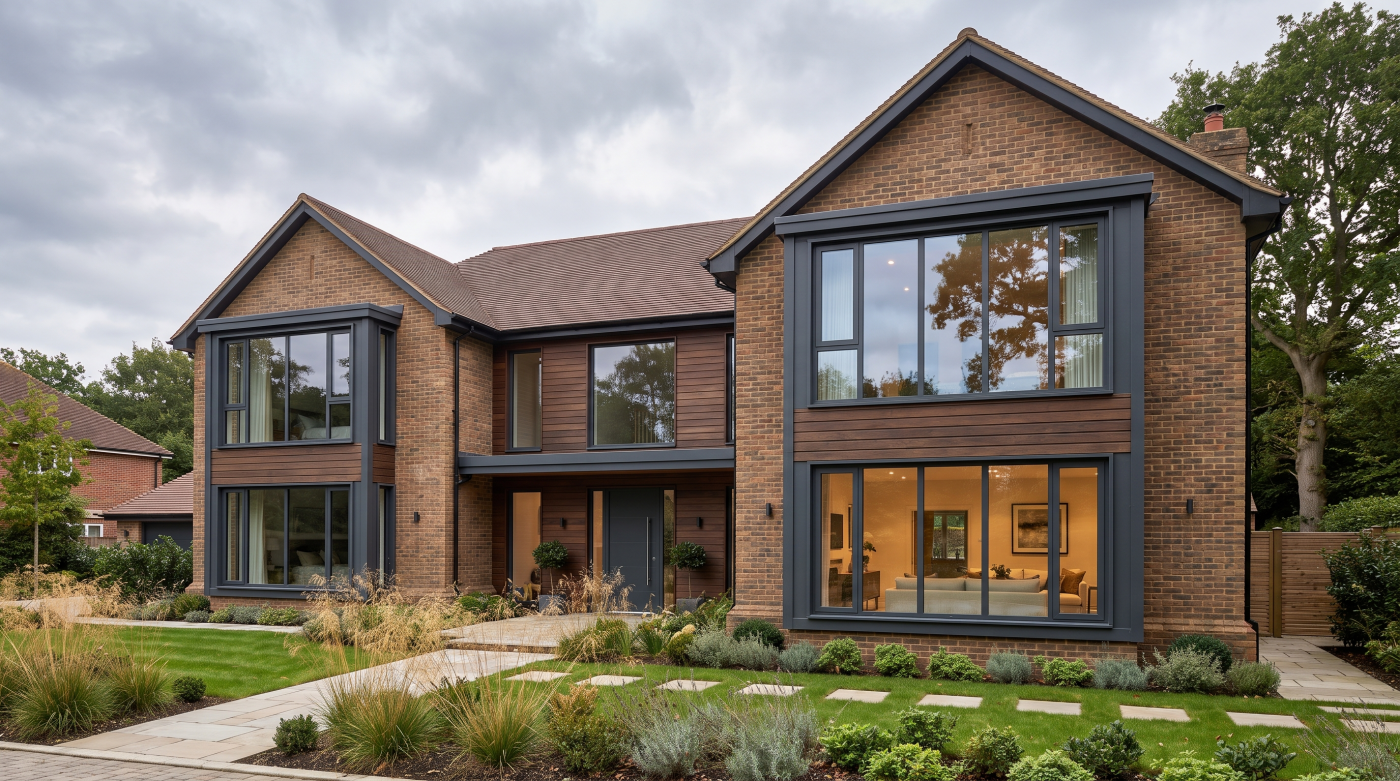
Inspecting Seals and Gaskets
Although aluminium frames provide the visible structure of a window, much of its weather performance depends on components that often go unnoticed. Flexible weather seals and gaskets play a vital role in controlling air infiltration, managing water, reducing draughts and allowing the various elements of the glazing system to move slightly as temperatures change throughout the year. These carefully engineered components contribute significantly to the overall performance of the window and deserve occasional attention as part of routine building maintenance.
Unlike structural aluminium sections, seals are manufactured from specialist materials designed to remain flexible over long periods of exposure to sunlight, moisture and fluctuating temperatures. Modern products are highly durable and engineered for many years of reliable service, but they are still subject to the natural ageing processes that affect all external building materials. Periodic visual inspections help confirm that seals remain clean, correctly positioned and free from obvious signs of damage, distortion or excessive wear.
Routine cleaning provides an ideal opportunity to observe these components without the need for specialist knowledge. Homeowners may notice if leaves, dirt or other debris have collected around sealing surfaces, or if a gasket has become displaced following years of regular operation. Identifying these small issues early allows them to be addressed before they have any meaningful impact on the window’s performance or day-to-day usability.
From an architectural perspective, preventative maintenance is rarely about expecting problems; it is about preserving the integrity of the building as a whole. The weather resistance of a glazing system depends on many individual components working together, and seals form an important part of that collective performance. Taking a few moments to inspect them during routine cleaning supports the long-term durability of the window while providing reassurance that the glazing continues to perform as its designers intended. It is a simple habit that reflects thoughtful stewardship of the building rather than reactive maintenance after issues arise.
How the Environment Influences Maintenance
Although aluminium windows are designed to perform reliably in a wide range of conditions, no two buildings experience exactly the same environment. The maintenance requirements of a home overlooking the coast will inevitably differ from those of a sheltered townhouse or a contemporary property surrounded by mature woodland. Architects recognise that long-term performance is influenced not only by the quality of the glazing itself but also by the conditions in which it operates. For this reason, maintenance schedules should respond to the building’s location rather than follow a single universal routine.
Coastal properties provide one of the clearest examples. Salt-laden air can settle on frames, hardware and external surfaces, making more frequent cleaning advisable to prevent the accumulation of deposits over time. In urban environments, traffic pollution and airborne contaminants may have a similar effect, while rural homes often contend with pollen, agricultural dust, moss and organic debris carried by the wind. Buildings surrounded by trees may also require more regular attention to remove leaves and ensure drainage channels remain unobstructed throughout the year.
Exposure to the weather is another important consideration. Homes situated on elevated or open sites experience stronger winds and heavier driving rain than those protected by neighbouring buildings or landscape features. While high-quality aluminium glazing is engineered to withstand these conditions, increased exposure naturally places greater emphasis on regular inspections and routine cleaning as part of responsible building care.
Rather than viewing these differences as additional maintenance, it is more helpful to see them as sensible adjustments that reflect the building’s surroundings. Just as architects tailor glazing specifications to the specific characteristics of a site, homeowners can adapt maintenance routines to match the environment in which their home exists. This location-led approach helps preserve appearance, supports long-term performance and ensures aluminium windows continue to function as intended regardless of whether the property is in a busy city, a rural landscape or an exposed coastal setting.
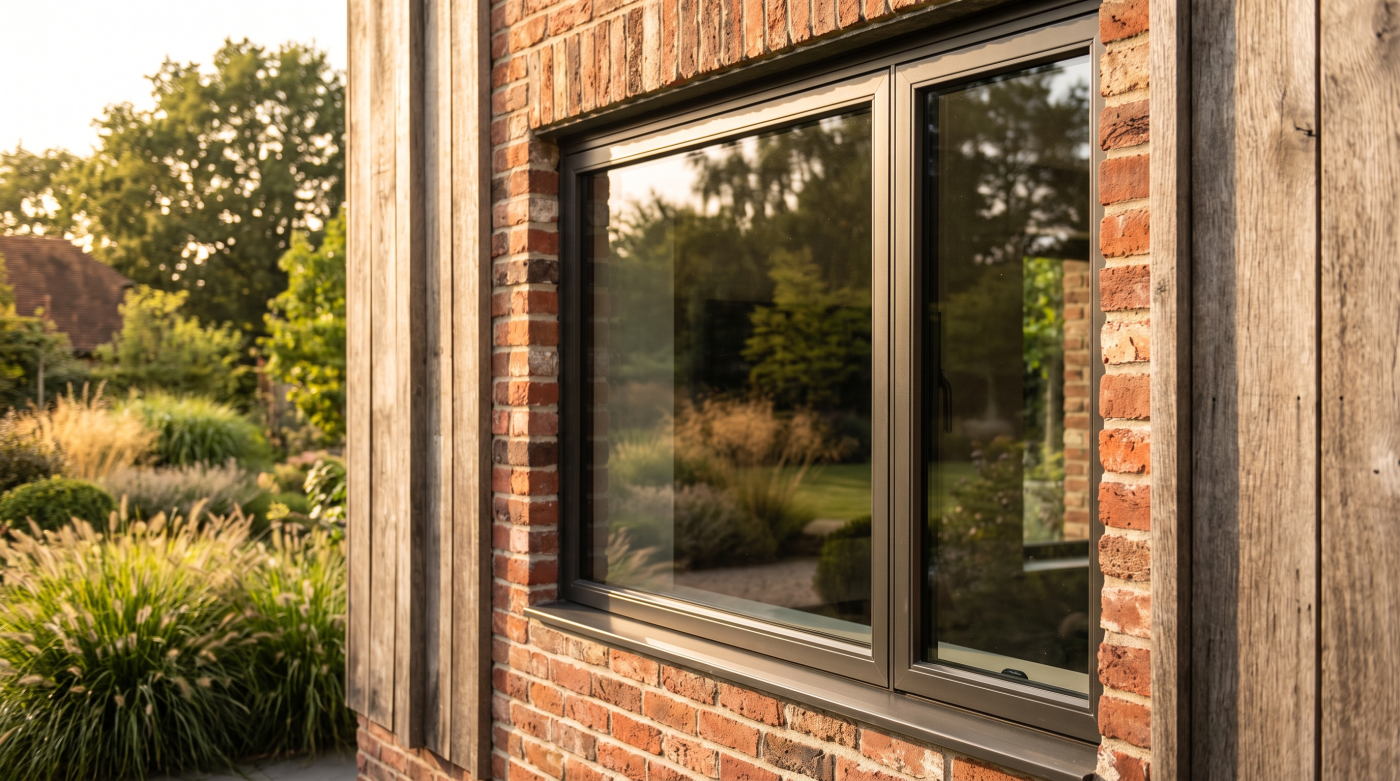
Maintenance as Part of Building Stewardship
The long-term performance of any well-designed building depends on more than the quality of its original construction. Even the finest materials benefit from thoughtful care throughout their service life, and aluminium glazing is no exception. Architects often describe this approach as building stewardship—a philosophy that views maintenance not as a response to failure, but as an ongoing commitment to preserving the quality, performance and longevity of the home. Within this context, routine glazing maintenance becomes one small part of caring for the building as a whole.
This perspective encourages homeowners to think beyond individual windows or doors. The building envelope functions as an integrated system, with roofing, cladding, insulation, drainage and glazing all working together to protect the interior environment. Looking after aluminium windows through periodic cleaning and simple inspections complements the care given to other external elements, helping ensure that each continues to perform its intended role without unnecessary deterioration.
Preventative maintenance also supports long-term value. Minor issues identified during routine inspections are often easier to address than problems that develop unnoticed over many years. Keeping moving parts clean, ensuring drainage routes remain unobstructed and observing the condition of seals all contribute to maintaining reliable operation while reducing the likelihood of avoidable wear. Rather than representing additional work, these activities become part of the normal rhythm of responsible home ownership.
Perhaps most importantly, building stewardship reflects an appreciation that architecture is designed to endure. Premium aluminium glazing is specified not simply to perform well when first installed, but to continue enhancing comfort, energy efficiency and architectural character for decades. Routine maintenance helps preserve these qualities, allowing the glazing to support the building exactly as intended throughout its lifetime. In this sense, caring for aluminium windows is less about maintaining a product and more about protecting the long-term integrity and enjoyment of the home itself.
Looking After Performance for Decades
One of the defining advantages of premium aluminium windows is their ability to provide reliable service over an exceptionally long lifespan. Their strength, dimensional stability and resistance to weathering make them well suited to contemporary architecture, where large glazed openings and refined detailing demand materials capable of maintaining both structural performance and visual quality over many decades. Achieving this longevity, however, is not simply a consequence of material choice. It is the result of thoughtful specification, quality manufacturing, professional installation and sensible long-term care working together.
Architects approach glazing with this whole-life perspective from the outset of a project. Rather than focusing solely on initial appearance or short-term performance, they consider how the glazing will continue to function as the building matures. Durability, thermal efficiency, weather resistance and ease of maintenance all contribute to the long-term success of the design. Routine cleaning, occasional inspections and simple preventative maintenance support these original design intentions, helping the glazing continue to perform as expected throughout its service life.
Importantly, maintaining aluminium windows should not be viewed as an ongoing burden. Compared with many external building materials, the level of routine care required is modest, particularly when incorporated into the normal maintenance of the home. Small, consistent actions carried out periodically are generally far more effective than infrequent reactive repairs after problems have developed. This preventative approach protects both the appearance and operational quality of the glazing while helping homeowners identify minor issues before they become more significant.
Ultimately, the longevity of aluminium windows reflects the broader principles of good architecture. Buildings perform best when they are understood as long-term investments rather than finished products. By combining intelligent specification with straightforward, routine maintenance, homeowners can expect premium aluminium glazing to continue delivering comfort, durability and architectural quality for many years. The goal is not simply for the windows to last, but for them to remain an integral part of a building that continues to perform beautifully throughout its lifetime.