
What Is a Low-E Coating?
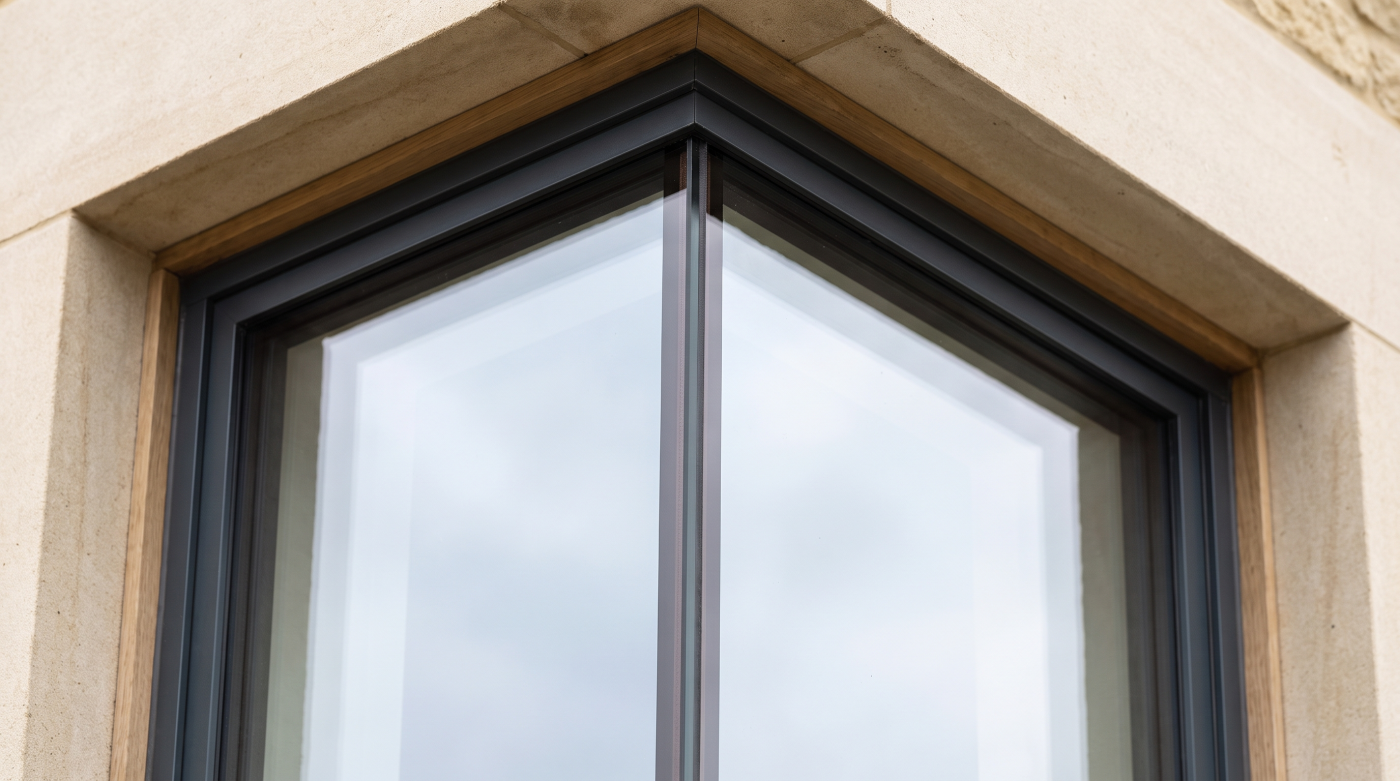
Low-E stands for low emissivity. In practical terms, a low-E coating is an extremely thin engineered layer incorporated into the glazing to help reduce the transfer of radiant heat through the glass. It can have a significant influence on thermal performance while remaining visually subtle within the finished window or door.
The easiest way to understand it is to think about what modern glazing is being asked to achieve. We want glass to remain transparent and allow useful daylight into a building, but we do not necessarily want heat to move through it as readily. A low-E coating helps change the way the glazing interacts with radiant heat without turning the window into an opaque barrier.
The coating forms part of the insulated glazing unit rather than being something applied to the finished window by the homeowner. Its precise position and characteristics depend on the particular glass build-up and specification, which is why the term “low-E glass” alone does not tell you everything about how a glazing unit will perform.
It is also only one component of that performance. The number of panes, cavities between them, spacer system, gas fill where applicable, frame and overall window or door construction can all contribute to the thermal behaviour of the complete assembly. A sophisticated coating cannot therefore be considered independently from everything surrounding it.
This is what makes modern architectural glass more complex than it appears. A large pane can look almost completely transparent while containing carefully engineered layers designed to influence how energy moves through it.
Low-E is one of those layers. Its fundamental job is straightforward: reduce radiant heat transfer and help the glazing provide better thermal performance without giving up the transparency that makes glass architecturally valuable.
What Low-E Glass Actually Does to Heat
To understand why low-E coatings matter, it helps to separate transparency from thermal performance. Glass is valuable architecturally because it allows visible light to pass through it, but heat can also transfer through a glazed element in several ways. Modern insulated glazing is designed to control those heat-transfer pathways while preserving the transparency we want from the material.
A low-E coating specifically helps reduce the radiant component of that heat transfer. In simple terms, it makes the glazing less effective at radiating heat across the insulated glass unit. Combined with the other elements of the glazing build-up, this helps improve its overall insulating performance and contributes to a lower U-value.
For a homeowner, the most intuitive benefit is during colder conditions. When the inside of the house is warmer than outside, the glazing specification is working to reduce the rate at which heat is transferred through the building envelope. Low-E coatings form an important part of that strategy in modern windows and doors.
They can also contribute to the internal glass surface remaining warmer than it otherwise might under the same conditions, which can influence how comfortable the area immediately beside substantial glazing feels. The actual temperatures and performance involved, however, depend on the complete glazing and window or door system rather than the coating alone.
This is an important distinction. Low-E glass does not make a window “heatproof”, and the coating should not be considered in isolation. The insulated glass unit, cavities, spacer system, frame and overall construction all contribute to the performance of the finished element.
The coating is therefore doing something quite specific: helping control radiant heat transfer while allowing the glass to continue performing its architectural role.
That is why something almost impossible to see can make a meaningful contribution to how several metres of glazing perform once they become part of the building envelope.
Low-E and Solar Control Are Not the Same Thing
Low-E glass and solar control glass are often discussed together because both can use sophisticated coatings to influence the way glazing interacts with energy. But they should not be treated as interchangeable terms. They are addressing different aspects of glazing performance.
Low-E is primarily concerned with emissivity and thermal insulation. Its role is to help reduce radiant heat transfer through the glazing and contribute to improved thermal performance. Solar control addresses a different question: how much solar energy entering from outside is allowed to pass through the glazing and contribute to heat inside the building.
The distinction becomes clearer when we think about winter heat loss and summer solar gain. Reducing heat transfer through a window when the house is warm and the outside temperature is low is not the same challenge as managing strong sunlight entering through a large glazed elevation. Both matter, but they are different performance objectives.
This is also why a U-value does not tell you everything you need to know about solar performance. A glazing specification can provide strong thermal insulation while still allowing a meaningful amount of solar energy into the room. On a large south- or west-facing glazed elevation, for example, understanding the insulating performance alone does not answer the complete question of how the glass will interact with the sun.
Modern glass specifications can combine several performance characteristics, so the distinction is not necessarily about choosing either low-E or solar control. The important point is to understand what the particular coating and complete glass build-up have actually been designed to achieve, using verified performance information rather than assuming that all coated glass behaves in the same way.
This is why the phrase “high-performance coated glass” is not a specification in itself.
Keeping heat from transferring through the glazing and controlling solar energy entering through it are different design questions. The right glass specification needs to understand both.
The First Cost: Light Transmission
Low-E coatings improve an important aspect of glazing performance, but they do not exist without interaction with the light and energy passing through the glass. One of the characteristics that therefore needs to be considered alongside thermal performance is visible light transmission: broadly, how much daylight passes through the glazing into the room.
This does not mean low-E glass automatically makes an interior dark. Modern coatings can be highly transparent, and different specifications are designed to achieve different balances between thermal performance and visible light. The important point is that those balances are not identical across every coating or glass build-up.
The complete glazing specification matters too. A double-glazed unit and a triple-glazed unit contain different numbers of glass surfaces, while coatings and other elements of the build-up can further influence the amount of visible light transmitted through the finished unit. Looking only at the U-value therefore provides an incomplete picture of how the glass may affect the experience of the room.
This becomes particularly relevant with architectural glazing because the areas involved can be substantial. When several metres of glass form a major elevation, relatively small differences in the characteristics of each square metre can contribute to the overall daylight quality of the space.
The objective should not be to maximise light transmission at the expense of every other requirement, just as it should not automatically be to pursue the lowest possible U-value. The appropriate balance depends on the architecture, glazing area, orientation and performance objectives of the building.
Verified data for the proposed glass specification allows those characteristics to be compared properly rather than inferred from labels such as “low-E” or “high performance”.
Low-E coatings can make a valuable contribution to thermal performance. The first trade-off to understand is that the glass still needs to be considered as a daylight material too—and in highly glazed architecture, both characteristics matter.
The Second Cost: Solar Gain
Low-E coatings are primarily associated with improving thermal insulation, but the complete glass specification can also influence how much solar energy passes through the glazing. This introduces another important trade-off: solar gain is not something that should automatically be maximised or minimised on every part of a building.
Solar gain occurs when energy from the sun passes through the glazing and contributes heat to the interior. In some circumstances, that contribution can be useful. In others—particularly where large areas of glass receive significant direct sunlight—it can increase the amount of heat that the building needs to manage.
This is why a low U-value does not provide the complete answer. A glazing specification might retain heat effectively while also allowing a meaningful amount of solar energy to enter. Whether that is desirable depends on the orientation, amount of glazing, shading, room use and wider environmental strategy of the building.
A large exposed south- or west-facing elevation, for example, may create a very different solar-gain consideration from glazing that is more sheltered or differently oriented. Seasonal conditions matter too. Solar energy that may contribute positively at one time of year can become less desirable when internal temperatures are already elevated.
Different coatings and complete glass build-ups can provide different combinations of thermal insulation, solar gain and visible light transmission. This is why selecting glass purely by looking for the lowest U-value can miss an important part of the performance picture. The relevant solar-performance data should also be considered using verified information for the proposed specification.
Reducing solar gain as far as technically possible is not automatically the objective either. Doing so may introduce other consequences for daylight, appearance or the wider design strategy.
The right question is not whether solar gain is good or bad. It is how much solar energy this particular part of the building should reasonably allow in.
Low-E performance therefore needs to sit within the wider glazing strategy: insulation, solar behaviour, daylight and architecture considered together rather than as competing numbers on a datasheet.
The Third Cost: Appearance
Low-E coatings are designed to allow glass to remain transparent, but that does not mean every coated glass specification looks identical. Different coatings and complete glass build-ups can introduce subtle differences in colour, reflectivity and overall neutrality, which become increasingly relevant as glass occupies more of the architecture.
On a conventional window, a slight visual characteristic may be relatively difficult to notice. Across a floor-to-ceiling glazed elevation or several large sliding panels, the glass becomes a significant architectural surface. Subtle differences can therefore have a much greater influence on how the finished building appears.
The effect is not necessarily constant either. Glass can look different from inside and outside, and its appearance can change according to the sky, surrounding landscape, viewing angle and lighting conditions. A coating that appears highly neutral under one set of conditions may reveal more reflectivity or colour under another.
This becomes particularly important where different glass specifications are positioned alongside one another. If one elevation requires a different performance build-up, the visual relationship between adjacent panes should be considered rather than assuming they will appear identical simply because both are described as clear glass.
Triple glazing can introduce further considerations because the complete unit contains additional glass surfaces and potentially different coating arrangements. Again, the important point is not that one build-up is inherently better or worse visually, but that performance decisions can have architectural consequences.
Where glass appearance is critical, appropriate physical samples can provide useful context. Photographs and computer screens are imperfect references because they introduce their own colour and lighting characteristics. The exact appearance of the proposed glass should therefore be considered using verified product information and suitable samples where available.
This matters particularly in minimal architecture. When frames recede and several metres of glass become the dominant material, the glass itself is no longer visually neutral simply because it is transparent.
The coating may be almost impossible to see, but its influence on the complete glass specification can still become part of the elevation. Thermal performance and appearance should therefore be selected together rather than treated as entirely separate decisions.
The Financial Cost: Is Better Low-E Always Worth Paying For?
Higher-performance glass specifications can carry a higher initial cost, but that does not mean the most expensive low-E option is automatically the right specification for every project. The useful question is whether the additional performance contributes meaningfully to what the building is actually trying to achieve.
The answer depends partly on scale. In a highly glazed home, the glass forms a substantial part of the building envelope, so decisions about thermal performance can become increasingly significant. The required performance of the project, the amount of glazing, whether double or triple glazing is being considered and the wider building design can all influence where investment in the glass delivers genuine value.
There can also be a temptation to pursue the lowest possible U-value simply because it appears to represent the highest specification. But glazing does not perform through one number alone. Additional thermal performance needs to be considered alongside solar gain, visible light transmission, appearance and the characteristics of the complete window or door system. Improving one measure beyond what the project meaningfully requires may not always produce an equally valuable improvement in the finished architecture.
The opposite approach can be equally short-sighted. Reducing the glass specification purely to lower the initial cost can undermine the thermal-performance strategy the architect and wider design team are trying to achieve. On a project containing substantial areas of glazing, that decision deserves to be considered in the context of the whole building rather than as a small saving on an individual component.
There is no credible universal payback calculation for upgrading a low-E coating. Energy use depends on the building, occupancy, heating strategy, climate, glazing area and many other variables. Likewise, actual price differences should come from verified project quotations rather than generic figures.
Value therefore sits between the extremes.
The cheapest glass is not automatically the best value, and the specification with the strongest headline performance is not automatically the best investment. The right low-E specification is the one that delivers the level of thermal performance the project genuinely needs while maintaining an appropriate balance with daylight, solar behaviour, appearance and overall cost.
Choose the Coating as Part of the Whole Glass Specification
A low-E coating should not be selected in isolation. By the time the glazing reaches specification, it is already being asked to perform several jobs at once: provide thermal insulation, admit useful daylight, respond appropriately to solar gain and maintain the visual character expected from the architecture.
The starting point should therefore be the building and the room behind the glass. What thermal performance is the project trying to achieve? How much glazing is proposed? Which elevations receive significant solar exposure? Is overheating a consideration within the wider building design? How important are daylight, colour neutrality and external reflectivity? These questions establish what the glass actually needs to do before a particular coating is selected.
The wider glazing build-up matters as well. Whether the project uses double or triple glazing, the number and arrangement of panes, coatings and other components all contribute to the performance of the finished unit. A coating with an impressive individual characteristic does not automatically produce the most appropriate overall glass specification.
Different elevations may also deserve different consideration. A substantial exposed glazed wall can experience very different conditions from a smaller, sheltered window elsewhere on the same building. Where different glass specifications are proposed, however, their visual relationship should also be considered so that solving a performance requirement does not unintentionally compromise the architectural appearance.
This is where verified information becomes essential. U-values, solar-performance data, visible light transmission and relevant visual characteristics should be taken from the proposed glass and system documentation rather than assumed from general descriptions such as “low-E”, “high performance” or “solar control”.
The wider performance objectives belong with the architect and relevant building-performance professionals. The glazing specialist can then help translate those requirements into appropriate glass and system options without reducing the decision to a single headline number.
Ultimately, a glazing specification is a balance between what you want to keep in, what you need to control coming in and what you still want to see through.
The right low-E coating is therefore not simply the coating with the strongest thermal figure. It is the one that contributes appropriately to the complete glass specification—and to the architecture the glass is there to create.