
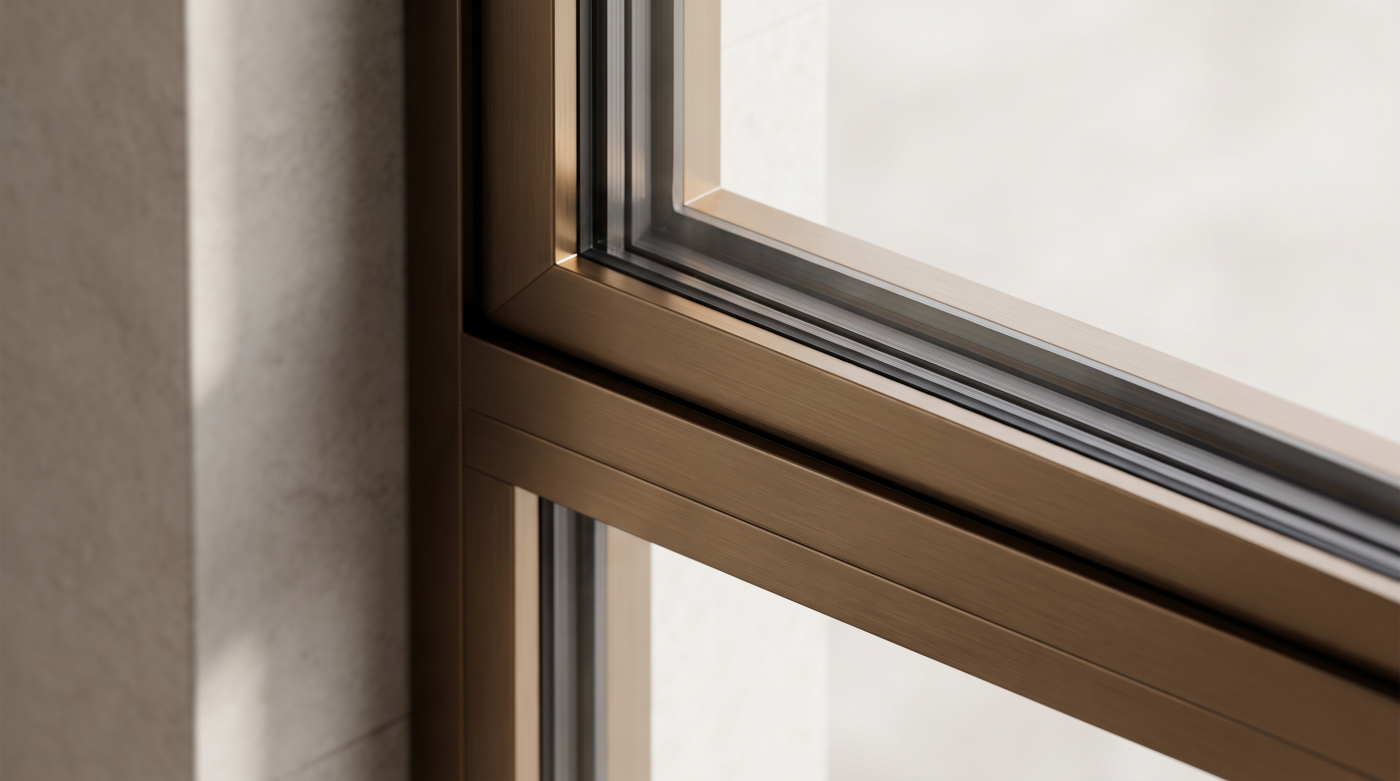
What Is Actually Between the Panes of Double and Triple Glazing?
Look closely at a modern double-glazed window and the space between the panes can appear to contain nothing at all.
But that apparently empty space is an important part of the glazing specification.
Double glazing uses two panes of glass separated by a controlled cavity. Triple glazing adds a third pane, creating two cavities. Around the perimeter, spacer systems maintain the required separation between the panes and form part of the sealed edge construction of the insulated glass unit.
Depending on the specification, those cavities may contain air or an insulating gas such as argon. More specialist glazing constructions can use other gases, including krypton.
The reason for controlling what sits between the panes is thermal performance.
The cavity helps reduce heat transfer through the glazing, and its performance can be influenced by both its width and the gas it contains. That means the gap is not simply leftover space between two pieces of glass. Its dimensions and contents can be deliberately engineered as part of the insulated glass construction.
It also works alongside other components.
Low-E coatings influence heat transfer through the glass surfaces. Warm edge spacers address thermal behaviour around the perimeter. The cavity and its gas contribute another part of the overall thermal strategy.
This is why the description “double glazed” tells you surprisingly little about what you are actually buying.
Two units can both contain two panes while using different coatings, cavity dimensions, spacer technologies and gas specifications—and therefore deliver different performance.
The same applies to triple glazing.
Nor should it be assumed that every modern sealed unit contains the same gas, concentration or cavity configuration. Those details need to come from the verified specification for the proposed glazing.
The useful way to think about it is simple:
The space between the panes isn’t wasted space. It is part of the insulation system.
And what manufacturers put into that apparently invisible cavity can help determine how effectively the glazing controls heat transfer through your home.
Why Put Argon Inside a Window?
Argon is used inside insulated glazing for a straightforward reason: it can help reduce heat transfer through the cavity between the panes.
In a conventional air-filled cavity, heat can move through the space between the warmer and colder panes. Replacing that air with an appropriate insulating gas can improve the thermal behaviour of the glazing unit.
Argon is particularly useful because its thermal characteristics make it well suited to insulated glass construction. It is also colourless and invisible, so filling a cavity with argon does not create an obvious visual change to the glazing.
There is no pump running inside the window and the gas is not circulating through a mechanical system. It is introduced into the cavity as part of the manufacture of the sealed insulated glass unit and remains contained within that construction.
But argon does not work alone.
It performs a different job from a low-E coating, for example. The coating is designed to influence radiant heat transfer through the glazing, while the gas helps address heat transfer through the cavity. Combine those elements with appropriate pane spacing, spacer technology and glass construction, and they can collectively improve the thermal performance of the insulated unit.
This is why “argon filled” should not be treated as a guarantee that a window is exceptionally energy efficient.
A poor overall window does not become high performance simply because argon has been placed between its panes. Frame performance, glass coatings, cavity dimensions, edge construction and the complete window design still matter.
Nor does argon somehow create heat inside the glazing. Its role is much less dramatic—and more useful:
It helps slow the transfer of heat through one particular part of the window.
For homeowners comparing glazing, therefore, the important question is not simply:
“Does it contain argon?”
It is:
“What thermal performance does the complete glazing and window construction achieve?”
Argon is one of the invisible ingredients that can help produce that result. It is the performance of the finished system, rather than the presence of the gas alone, that ultimately matters.
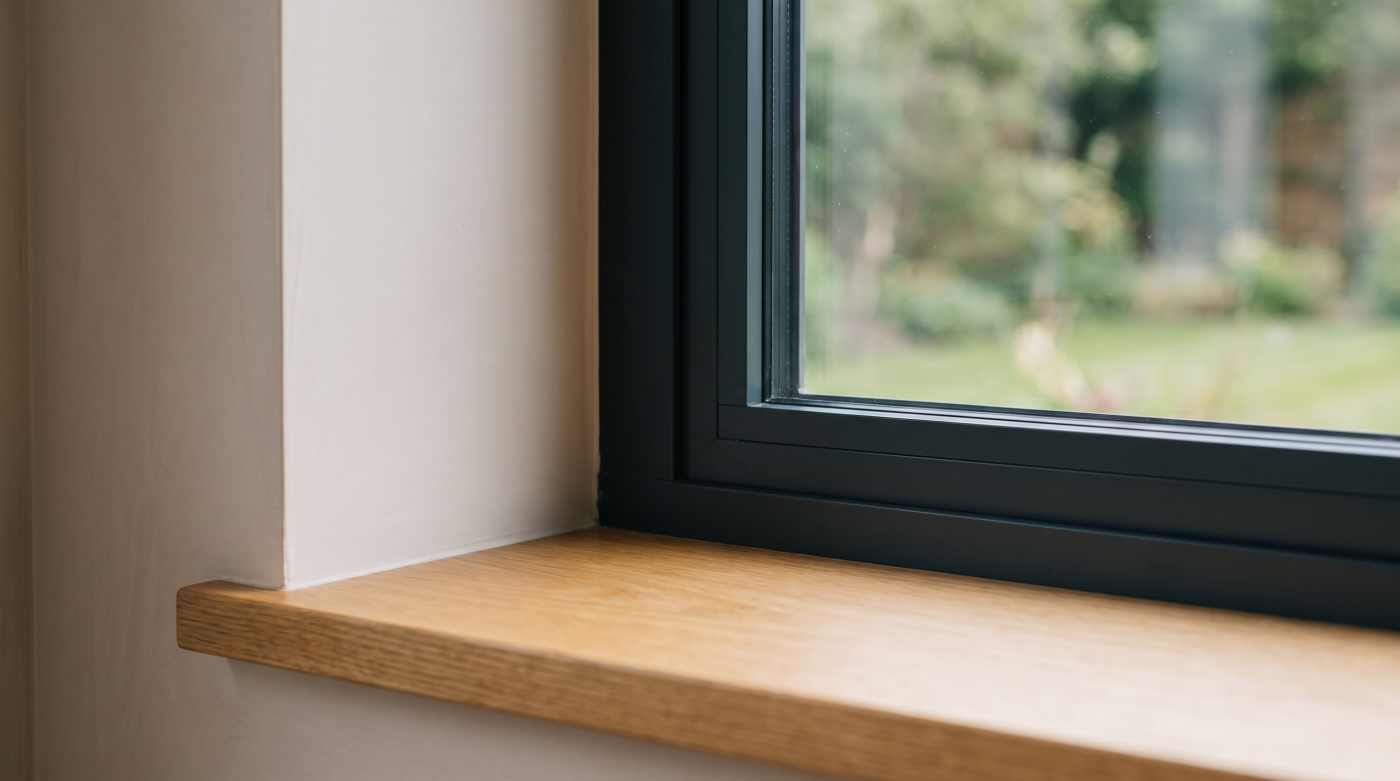
Krypton: Better Gas, or Just More Expensive?
If argon improves the thermal performance of an insulated glass cavity, it is tempting to assume that krypton is simply the premium version—and therefore automatically better.
The reality is more nuanced.
Krypton is another insulating gas that can be used between the panes of an insulated glass unit. Its thermal characteristics can make it particularly useful in certain high-performance glazing constructions, including situations where the cavity dimensions differ from those typically associated with argon-filled units.
That can make krypton valuable where a glazing specification is trying to achieve demanding thermal performance within a particular overall glass build-up.
But there is a significant consideration: cost.
Krypton is generally a more expensive gas than argon. That means the relevant question is not whether krypton can offer strong thermal performance, but whether using it produces a worthwhile improvement within the particular glazing construction being proposed.
This is where specification matters.
The performance of an insulating gas is connected to the width of the cavity containing it. Changing from argon to krypton without considering pane spacing, coatings and the rest of the insulated glass unit misses the point.
In many conventional high-performance windows, argon may already be an entirely appropriate solution. In other, more specialist constructions, krypton may help achieve a particular thermal objective or enable a different cavity configuration.
So the hierarchy should not be:
Air → argon → krypton → therefore progressively better windows.
A window containing krypton can still have to be judged by the performance of its complete glass and frame construction.
For homeowners, this provides a useful defence against specification-by-premium-sounding-ingredient.
If krypton is being proposed, ask what measurable benefit it creates in that particular glazing system. Does it enable a better thermal result? Is that improvement meaningful to the project? And what does the complete window achieve as a consequence?
Krypton can be an excellent technical tool.
But the smartest specification is not automatically the one containing the most expensive gas.
It is the one that achieves the required performance most intelligently.
Why Cavity Width Matters as Much as the Gas
If insulating gas improves the thermal performance of glazing, it seems logical that giving that gas a larger cavity would improve things even further.
But insulated glazing does not work on a simple bigger gap equals better insulation principle.
The width of the cavity influences how heat moves between the panes. If the gap is too narrow for the particular construction, the insulating benefit can be limited. But making the cavity progressively wider does not continue improving performance indefinitely either.
As the space changes, the way the gas moves within the cavity can change too. At a certain point, increased convection can begin to work against the thermal benefit that the larger gap was intended to provide.
This is why gas type and cavity width need to be designed together.
Argon performs effectively within appropriate cavity configurations, which is one reason it is widely used in modern insulated glazing. Krypton has different thermal characteristics and can become useful in more specialist constructions, including applications where narrower cavities are desirable.
Triple glazing makes the relationship even more interesting because there are two cavities to consider. Their dimensions, gas specification, glass panes and coatings all form part of one complete insulated glass construction.
There are practical limits as well.
Increasing cavity dimensions increases the overall thickness of the insulated unit. That glass build-up then has to be compatible with the proposed window or door system, its glazing capacity and the other requirements of the project.
This is why quoting one universal “perfect” cavity width is unhelpful. The appropriate dimension depends on the gas, glass construction and system being specified and should be established through verified performance information.
For homeowners, the important lesson is not to become preoccupied with millimetres.
It is to recognise that the gas cannot be judged independently from the space containing it.
Argon in a poorly considered cavity does not become high-performance glazing simply because argon is present. Equally, the widest possible cavity is not automatically the best one.
The real objective is the right gas, in the right cavity, within the right complete glazing construction.
Does the Gas Leak Out Over Time?
One of the most obvious questions about gas-filled glazing is what happens after ten, twenty or more years.
If argon or krypton is trapped between the panes, does it eventually leak out?
The gas is contained within the sealed insulated glass unit, and the construction around the perimeter is fundamental to keeping that internal environment stable. The spacer and edge-seal system do more than hold the panes apart—they form part of the barrier separating the cavity from the outside atmosphere.
That does not mean an insulated glass unit should be imagined as perfectly impermeable forever.
A small degree of gas diffusion can occur over a long period, with acceptable gas-retention performance depending on the particular product, manufacturing process and applicable testing requirements. This is very different from the gas suddenly disappearing from an otherwise functioning window.
A genuine failure of the sealed unit is another matter.
If the edge seal loses its integrity, moisture can enter the cavity. One of the more obvious symptoms can be persistent condensation or misting between the panes—somewhere that cannot simply be wiped away from inside or outside.
That should not automatically be described as “the argon running out”. The underlying issue may be failure of the sealed insulated glass construction itself.
You generally cannot look through a clear window and determine how much argon remains inside it. The gas is invisible, and homeowners should be cautious about supposed DIY methods claiming to prove its presence or absence.
This is another reason manufacturing quality matters.
The thermal properties of argon or krypton are only useful if the insulated glass unit is constructed to retain the intended cavity conditions over its service life. Edge seals, manufacturing processes and the complete unit therefore matter alongside the choice of gas.
For specific longevity, gas-retention or warranty claims, the relevant manufacturer’s verified documentation should be used.
The important question is not:
“Can a gas molecule ever escape?”
It is:
“Has the insulated glass unit been designed and manufactured to maintain the performance required of it over time?”
Argon, Triple Glazing and High-Performance Homes
Triple glazing takes the same basic principle as double glazing and adds another pane, creating two cavities instead of one.
Those additional layers provide more opportunities to control heat transfer, but they also demonstrate why high-performance glazing should be thought of as a complete construction rather than a collection of premium components.
A triple-glazed unit might combine insulating gas within its cavities, low-E coatings on appropriate glass surfaces and warm edge spacer technology around the perimeter. Each component performs a different role, and their combined effect determines the thermal behaviour of the insulated glass unit.
Argon can therefore remain highly relevant in triple glazing. The fact that a specification contains three panes does not automatically mean it needs a more exotic gas.
But once again, the glass is only part of the window.
This is where the distinction between Ug and Uw becomes important. Ug relates to the thermal performance of the glazing, while Uw considers the complete window, including the influence of the frame and glass-edge region.
A highly efficient gas-filled triple-glazed unit installed within a poorly performing frame would therefore tell only part of the story.
Installation matters too.
The junction between the window and surrounding building fabric can introduce separate thermal bridges, while airtightness and installation quality influence the performance of the finished building. Premium glazing cannot compensate indefinitely for poorly resolved interfaces around it.
This becomes particularly important on low-energy self-builds and other high-performance homes. As the building envelope improves, performance depends increasingly on numerous details being resolved together.
Solar behaviour also needs consideration. Reducing heat loss is important, but glazing can simultaneously influence useful solar gains, overheating and daylight. The lowest possible Ug-value is not automatically the only design objective.
The principle is straightforward:
High-performance glazing is not created by adding one high-performance ingredient.
It comes from making the panes, coatings, gas-filled cavities, spacers, frame and installation work together.
Argon may be invisible inside that system.
But when correctly specified, it is one of several invisible details contributing to the performance of the whole.
Can You Tell What Gas Is Inside Your Windows?
Once argon or krypton has been sealed inside an insulated glass unit, there is usually nothing obvious to tell a homeowner which gas is actually there.
Both are colourless gases. They do not tint the glass, create visible bubbles or produce a distinctive appearance that can be recognised simply by looking through the window.
That creates an interesting problem when comparing premium glazing:
Some important differences in specification are completely invisible once the windows are installed.
This is why documentation matters.
A glazing quotation or specification should provide enough information to establish the proposed glass construction and its performance. Depending on the project, that might include whether the unit is double or triple glazed, cavity configuration, insulating gas, low-E coatings and relevant thermal-performance data.
But the presence of argon alone tells you relatively little.
Imagine two windows both described as “argon-filled double glazing”. They could potentially use different cavity dimensions, coatings, spacer technologies, glass constructions and frames. Their finished thermal performance therefore does not have to be identical simply because the same gas appears in both descriptions.
The same principle applies to krypton.
Knowing what gas is inside the cavity can help you understand the construction, but verified performance data tells you much more about what that construction actually achieves.
Specialist equipment can be used in professional contexts to assess characteristics of insulated glazing, but homeowners should be cautious about supposed DIY techniques claiming to identify gas content from condensation patterns, flames or other visual tests.
Looking at the pane is not a reliable substitute for knowing what was specified.
This becomes particularly important when glazing is ordered for a high-performance home. Keep the relevant glass schedules, quotations and manufacturer or system documentation so there is a record of what was actually supplied.
Because two windows can look virtually identical while containing very different technology.
You may never see the gas inside your glazing.
What matters is being able to verify what was specified—and what performance the complete construction was designed to deliver.
What Should You Actually Ask Before Ordering Your Glazing?
By the time you understand argon, krypton, cavity widths, low-E coatings and warm edge spacers, it is tempting to start comparing windows component by component.
But that is not really the objective.
You should not need to design the insulated glass unit yourself. What you need is enough understanding to ask whether the complete specification delivers the performance your project requires.
So instead of beginning with:
“Does this window contain argon?”
Start with the complete glazing construction.
Is it double or triple glazed? What low-E coating strategy is being used? How are the cavities configured? What insulating gas is specified, and why is it appropriate for that construction? What spacer technology forms the glass edge?
Then look at performance.
The Ug-value tells you about the thermal performance of the glazing, but do not stop there. Ask for the relevant Uw-value of the complete window or door configuration where available, because the frame and glass-edge effects also contribute to the finished result.
And thermal insulation is only one requirement.
Large areas of architectural glazing may also need appropriate solar performance, safety glass, structural consideration and other project-specific characteristics. A glazing unit should not be optimised for heat retention while ignoring the possibility of excessive solar gain.
Most importantly, compare proposals on a like-for-like basis.
One quotation mentioning krypton is not automatically superior to another using argon. Equally, “argon filled” is not evidence by itself that a window is high performance. The meaningful comparison is what each complete construction actually achieves.
For high-performance projects, those claims should be supported by appropriate verified manufacturer or system documentation rather than premium-sounding terminology.
The principle extends far beyond insulating gas:
Good glazing specification is not ingredient collecting.
Argon, krypton, low-E coatings, warm edge spacers and multiple panes are tools. Their value comes from how intelligently they are combined.
So before ordering, do not simply ask what is inside the glass.
Ask what the complete window is designed to achieve—and what verified performance information demonstrates that it does.