
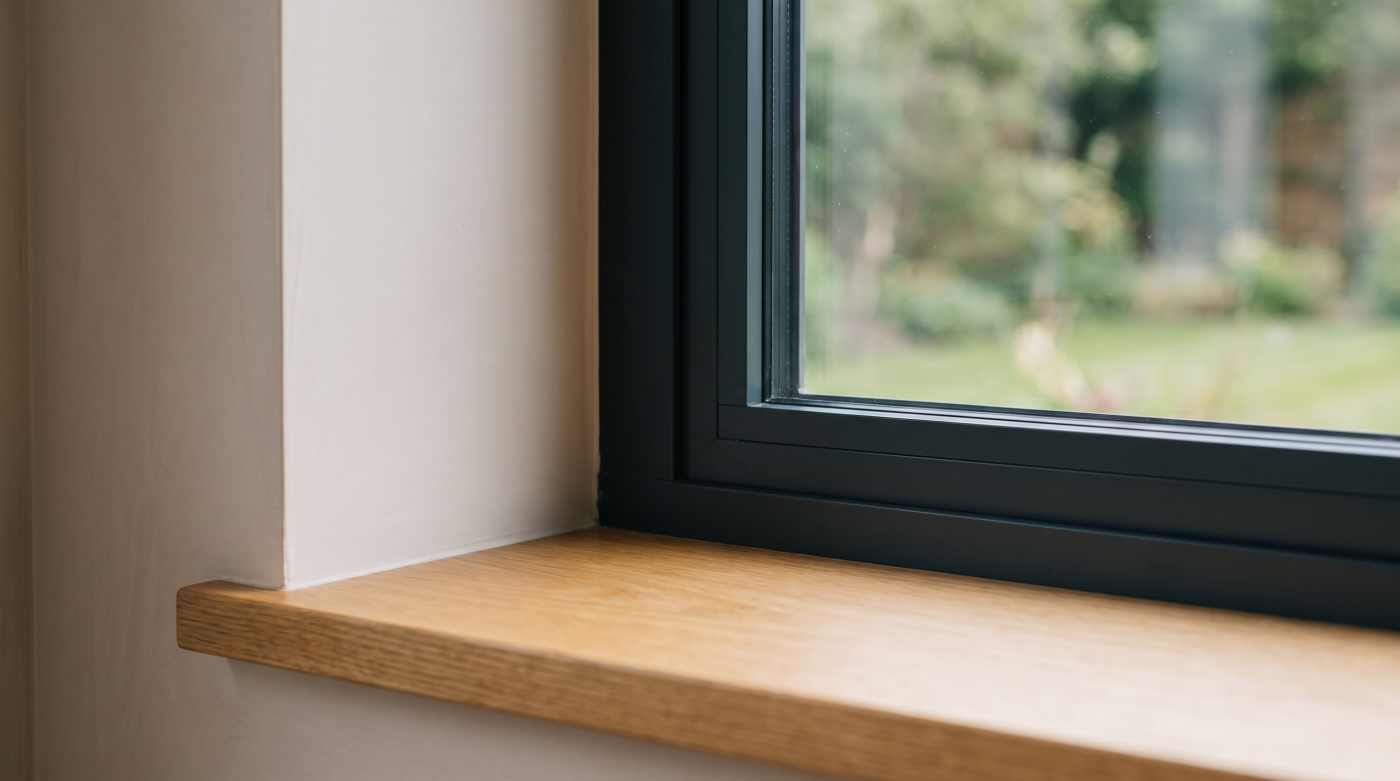
Your Quote Starts With the Information You Give Them
Before a supplier can put a price against your windows, they first have to understand what they are being asked to price.
Sometimes that information is relatively developed. There may be architectural drawings, dimensions, configurations and a clear sense of what the finished glazing is intended to achieve. On other projects, the starting point might be photographs, approximate measurements or a request for new windows throughout the house.
Both can begin a conversation, but they do not describe a project with the same degree of certainty.
This matters because quotation begins with interpretation before it begins with arithmetic. A supplier looking at an opening has to understand what kind of window or door is being considered, how it relates to the architectural intent and which characteristics form part of the proposed specification.
The less resolved the information, the more room there can be for assumptions.
That does not make an early quotation meaningless. Budget discussions often happen while projects are still developing, and greater detail can emerge as the architecture becomes clearer. What matters is recognising the difference between an early indication based on limited information and a price attached to a more developed brief.
A quotation is therefore not created independently from the information behind it.
Before questioning why several suppliers have returned different numbers, look first at what each was given to interpret. The clearer the project becomes, the clearer the basis on which its price can be understood.
Two Suppliers Can Read the Same Project Differently
Sending the same drawings to several suppliers can create the impression that everyone is pricing precisely the same thing.
That is not always the case.
Architectural information still has to be interpreted. Where aspects of the glazing brief remain open, different suppliers may make different assumptions about what an opening requires, how it should operate or which system best responds to the intended design.
Those differences can begin before anyone considers price.
One supplier may propose a particular configuration while another interprets the same opening differently. Products that appear broadly comparable on an elevation may also represent different approaches to frame design, operation or architectural intent.
Neither response is automatically right or wrong simply because it differs.
The important question is whether the homeowner understands where those differences exist. Without that clarity, two totals can appear to represent competing prices for an identical solution when they are actually prices for two slightly different interpretations of the project.
Ambiguity therefore travels surprisingly well. If it exists in the original brief, it can pass through the quotation process and eventually appear as an unexplained difference between suppliers.
This is why the headline total should never be the only point of comparison.
Before deciding that one company is simply more expensive than another, establish whether both have actually described the same architectural solution.
Different quotations do not necessarily mean different prices for the same thing. Sometimes they mean the suppliers were never pricing quite the same thing in the first place.
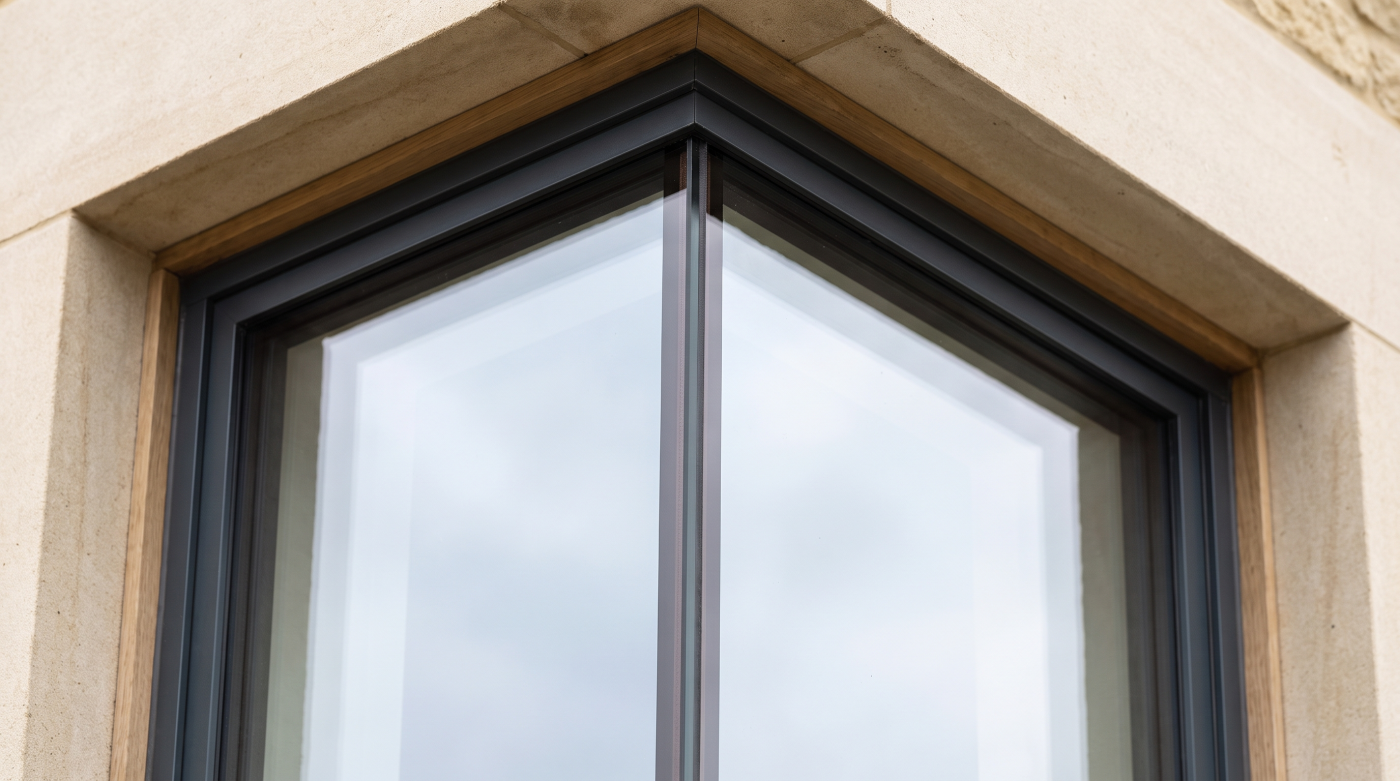
Size Matters, but It Is Rarely the Whole Story
It seems reasonable to assume that window pricing is largely a question of size. A larger window contains more material than a smaller one, so dimensions naturally feel like the obvious place to begin comparing costs.
They are only part of the description.
Two openings of similar dimensions can represent quite different architectural components. One might be fixed while another opens. Their proportions may differ, as might the frame system, finish, glass specification or way individual elements relate to one another.
Conversely, a relatively small window can still involve a particular combination of requirements that makes it difficult to compare meaningfully with a larger but simpler opening.
This is why reducing architectural glazing to a price per square metre can create a misleading sense of precision. Area describes how much space an opening occupies. It does not explain everything the window within that opening has been specified to do.
The distinction becomes more important across an entire house. A glazing package is rarely composed of identical rectangles repeated at different sizes. It may contain fixed panes, opening windows, doors, larger glazed elements and different configurations responding to different rooms and elevations.
Each forms part of the same architectural project, but not necessarily the same commercial proposition.
Size therefore matters, but it should not be mistaken for the specification itself.
A quotation is pricing a collection of defined architectural components, not simply calculating the total area of transparent material required to fill the building.
The Details That Change a Quote Are Often the Ones You Barely Notice
Some of the most consequential differences between window quotations can be surprisingly difficult to see at first glance.
Two proposals may describe openings of similar dimensions and appear almost identical on a drawing. Look more closely, however, and the specifications behind them may contain different decisions about which elements open, how the frames appear, the finishes selected, the glass required or the way individual units relate to one another.
These details matter because architectural glazing is rarely specified through size alone.
A fixed pane and an opening window may occupy the same position in an elevation while representing different components. A particular finish might appear to be a purely aesthetic decision, yet it still forms part of what is being supplied. Thresholds, hardware and relationships between adjacent glazed elements can similarly sit quietly within the overall specification while helping define what has actually been priced.
This becomes particularly important with premium architecture, where the desired effect is often visual restraint. Minimal frames, carefully aligned openings and understated finishes are intended to disappear into the building rather than advertise their complexity.
The quieter the detail looks when finished, the easier it can be to overlook when comparing quotations.
That is why headline descriptions such as “aluminium windows” or “sliding doors” rarely tell the whole commercial story.
Before comparing the totals, look beneath the broad product description. Two windows can appear remarkably similar while the specifications being priced are meaningfully different.
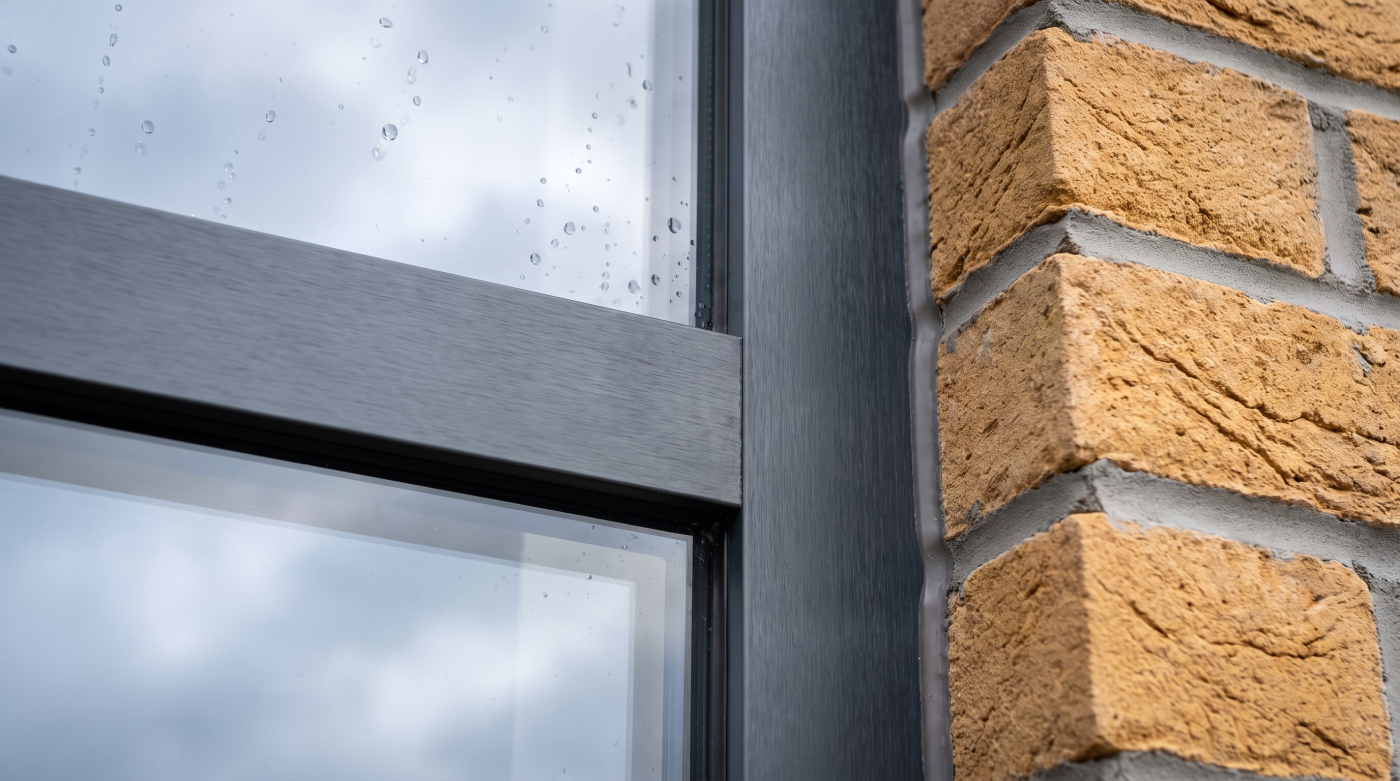
Installation Can Be a Different Project Hidden Inside the Same Quote
A window can be described perfectly as a manufactured object and still tell you surprisingly little about the project required to incorporate it into a building.
Supply and installation are connected, but they are not the same thing.
Consider the difference between glazing intended for prepared openings in a new building and windows being introduced into an existing house. Then consider a large sliding element within an extension, glazing that must reach a restricted part of a property, or replacement work surrounded by finishes the homeowner intends to retain.
The windows may be central to each project, but the context around them is very different.
That context matters when quotations are compared. One proposal may describe a particular scope around the glazing while another has been prepared on a different basis. Without understanding those boundaries, a homeowner can easily compare the headline totals while overlooking differences in what those totals actually represent.
This does not mean that one approach is inherently more complete or preferable. Different projects, suppliers and procurement arrangements can legitimately divide the work in different ways.
The important thing is clarity.
Installation is the point where a manufactured component has to become part of an actual building, with all the existing construction, access and sequencing that surrounds it.
When comparing quotations, therefore, do not look only at the windows being priced. Understand the project around them too. Two apparently similar glazing quotes may be describing quite different journeys from manufactured product to finished architecture.
The Cheapest Quote May Simply Contain the Fewest Assumptions You Have Not Yet Noticed
A lower quotation is not evidence of a poorer product, just as a higher quotation is not evidence of greater quality.
Sometimes one supplier is simply more competitive.
The difficulty arises when the numbers are compared before the assumptions behind them have been understood. If parts of the project remain unresolved, different suppliers may have priced those uncertainties in different ways, interpreted the intended specification differently or responded to a different understanding of the scope.
The resulting totals can look directly comparable even when the projects behind them are not.
This is where exclusions, assumptions and unresolved decisions become commercially important. They may appear less interesting than the final figure, but they help explain what that figure actually represents.
A lower quotation can therefore be extremely useful. The objective is not to become suspicious of it, but to understand why it is lower.
Perhaps the specification is genuinely equivalent and the supplier is simply offering a more competitive price. Perhaps the proposed solution differs in ways that are entirely acceptable. Or perhaps something the homeowner assumed was included has been interpreted differently.
None of those possibilities can be established from the headline total alone.
Price deserves serious consideration. Architectural glazing represents a significant investment, and competitive quotations are valuable.
But meaningful competition depends on knowing what is competing.
The question is not whether the cheapest quotation should be trusted. It is whether you understand it well enough to know what you are comparing.
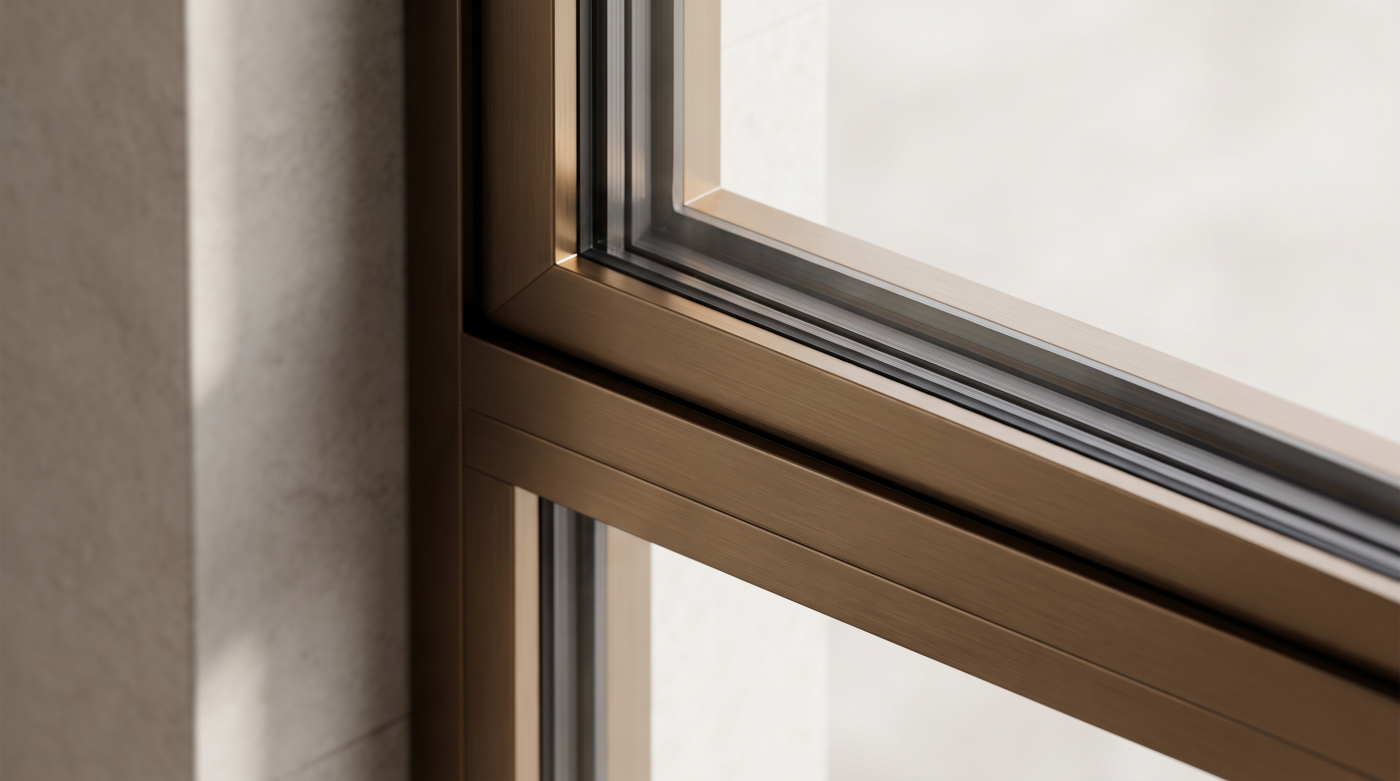
Your Architect Can Make Your Quotes More Comparable
One of the difficulties with comparing glazing quotations is that suppliers can only respond to the information available to them.
This is where a well-developed architectural brief can become particularly valuable.
Clear drawings, considered opening configurations and a coherent understanding of the design intent can reduce the amount of interpretation required when different glazing specialists look at the project. Instead of each supplier beginning with a slightly different idea of what the building needs, there is a stronger common basis from which their proposals can develop.
An architect can play an important role in establishing that clarity, particularly where glazing forms a significant part of the architecture. Builders, project managers and other professionals may also contribute relevant information as the project becomes more resolved.
The objective is not to make every quotation identical.
Different suppliers may still propose different systems, approaches and commercial terms. Those differences are part of a useful competitive process. What better project information can do is make the reasons for those differences easier to understand.
That distinction matters.
A homeowner does not necessarily need three suppliers to arrive at the same number. They need enough clarity to establish whether those three numbers are responding to the same architectural question.
Better information therefore does not remove competition between suppliers. It improves the quality of that competition.
When the underlying brief is coherent, differences between quotations become more informative. You can spend less time trying to discover what each supplier assumed and more time understanding what each is actually proposing.
Before You Compare the Numbers, Compare What They Describe
Three quotations arrive for the same project. The instinctive response is to look at the totals, identify the cheapest and work upwards from there.
There is a more useful comparison to make first.
Look at the project each number describes. Are the window configurations genuinely equivalent? Do the proposals respond to the same architectural intent? Are the broad specifications aligned? Does each quotation represent a comparable scope, and are the important assumptions sufficiently understood?
Only then does the difference between the numbers begin to become meaningful.
This is not an argument against price comparison. Cost matters, particularly when glazing represents a substantial part of a renovation or self-build budget. Competitive pricing is valuable precisely because it allows homeowners to understand what different suppliers can offer for their investment.
But competition becomes less informative when the underlying propositions are different.
A quotation for a simpler specification may quite reasonably cost less. Another supplier may have interpreted an opening differently or proposed an alternative approach. Neither should automatically be regarded as better because of where its total sits in the comparison.
The purpose of examining the detail is to establish equivalence before making that judgement.
Good quotation comparison therefore begins with architecture rather than arithmetic.
Understand the windows, understand the specification and understand the scope surrounding them. Then compare what those decisions cost.
The most useful quotation is not necessarily the cheapest or the most expensive. It is the one you understand well enough to compare properly.