
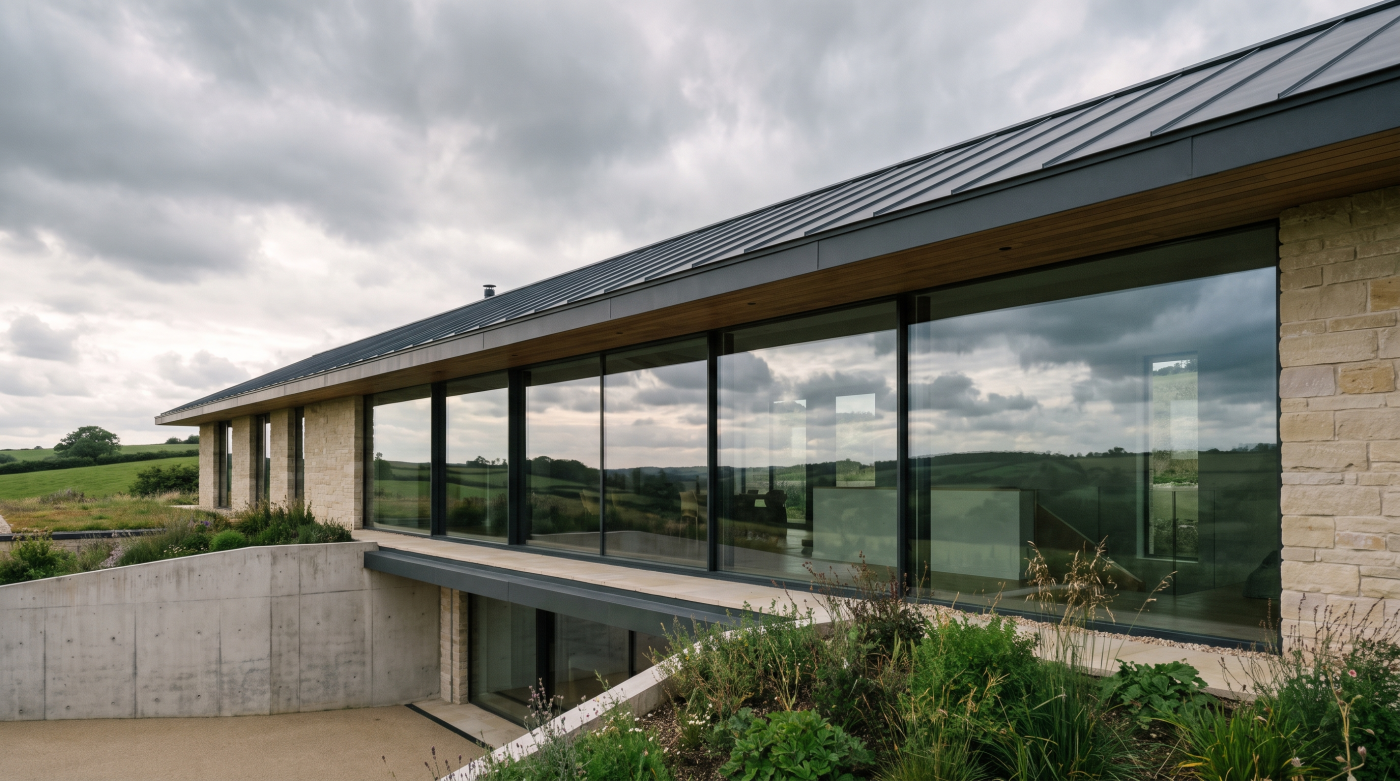
There Is No Useful “Windows Per Day” Rule
It is tempting to measure a window installation by asking how many openings should be completed each day.
The problem is that openings are not interchangeable units.
Installing a series of relatively modest windows with straightforward access is a different proposition from working with large glazed elements, complex configurations or openings that are difficult to reach. Even within the same house, two windows of apparently similar size may present very different conditions once the surrounding building is considered.
This is why a simple productivity figure can create the wrong expectation.
A whole-house project containing twenty openings cannot necessarily be understood by taking an assumed installation time for one window and multiplying it by twenty. The character of the glazing package matters, but so does the architecture receiving it.
One opening might sit conveniently at ground level. Another may form a significant part of an extension, involve substantial areas of glass or require considerably more thought about how the component reaches its final position.
None of this means that longer automatically means better.
Efficiency matters, particularly when other trades and parts of the building programme depend on progress. But meaningful efficiency comes from understanding what the installation actually involves.
A window is not simply another item waiting to be fitted.
It is a manufactured component meeting a particular opening in a particular building under particular site conditions.
Until those differences are understood, “windows per day” tells you remarkably little.
Replacing a Window and Installing One Into a Building Site Are Different Jobs
Not every window installation begins in the same kind of building.
A replacement project starts with something already there. The existing window has formed part of the house for years, perhaps decades, and the surrounding walls, finishes and external materials have developed around it.
Installing glazing into a new build or substantial renovation begins from a different position.
The openings may have been created specifically for the new windows, but they also exist within an active construction project. Other work may still be progressing, access conditions can change and the glazing installation has to find its place within a much larger programme.
Neither situation is automatically simpler.
Existing buildings can contain conditions that were difficult to understand fully before the original windows were removed. New construction can create its own dependencies, particularly where progress relies on different parts of the building reaching the right stage at the right time.
This distinction matters when homeowners compare installation times.
A neighbour having several replacement windows fitted does not necessarily provide a useful benchmark for a whole-house glazing package on a major renovation. The number of openings might even be similar while the nature of the work is entirely different.
Installation time therefore needs context.
Before deciding whether a proposed programme sounds unusually long or impressively short, establish what kind of project that timeframe actually describes.
The building surrounding the window is part of the installation too.
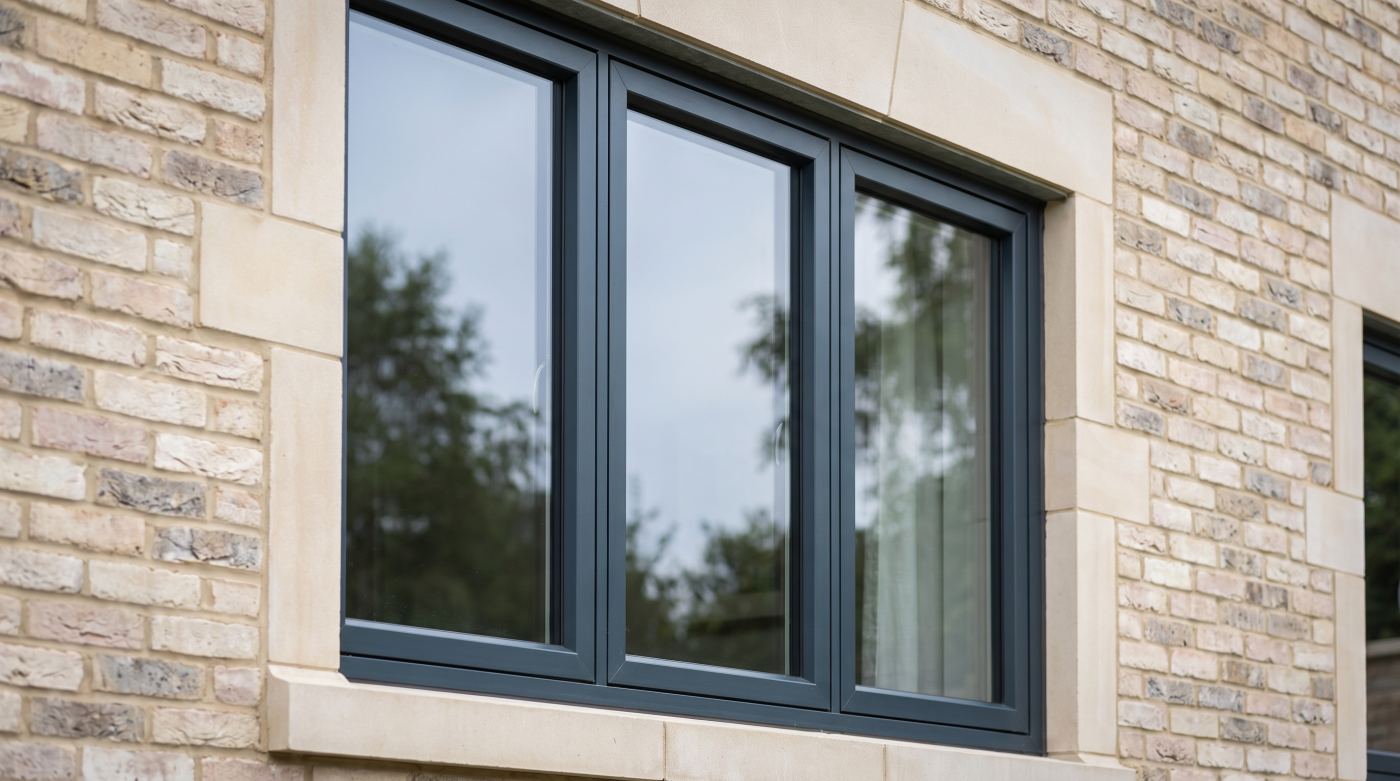
The Installation Clock Really Starts With the Building
Windows can be manufactured, delivered and ready for installation while the building itself is not.
That distinction is easy to overlook.
A confirmed installation date can feel like a fixed point in the project programme, but glazing does not arrive in isolation. It has to meet openings, access conditions and surrounding construction that have reached an appropriate stage for the work to proceed.
This is particularly important on self-builds and major renovations.
Manufacturing follows one programme. The building follows another. Progress becomes dependent on those two timelines meeting successfully rather than simply on the windows being available.
That is why lead time and installation time should not be treated as the same question.
Lead time describes the journey towards having the glazing ready for the project. Installation duration describes only part of what happens once the building can receive it. A delay elsewhere in the construction programme can therefore affect glazing without anything having changed in the manufacture of the windows themselves.
The principle also applies to replacement projects, although the circumstances may be different. Existing buildings bring their own conditions, and what surrounds an opening can influence how straightforward the work becomes.
Good programme planning therefore looks beyond the delivery date.
It asks whether the house and the windows are genuinely moving towards the same moment.
Because the installation clock does not really begin when a window leaves the factory.
It begins when the building is ready for it.
Large Glass Changes the Logistics Before It Changes the View
Large areas of glass can appear remarkably simple once they are installed.
A wide sliding door might read as little more than an uninterrupted view of the garden. A substantial fixed pane can almost disappear from the architecture, leaving the landscape rather than the window as the dominant feature.
Before installation, however, that glass is a physical object.
Its size and weight matter. So does the route between wherever it arrives and the opening it is intended to occupy. Access that seems perfectly adequate for people and ordinary building materials may become more significant when substantial glazed components have to move through the site.
This is why two visually similar projects can require very different installation programmes.
A large opening with straightforward access presents a different logistical situation from one at the rear of a constrained property, beyond completed landscaping or within a building where movement around the site is limited.
Not every large piece of glazing creates the same challenge, and size alone does not determine how long installation will take.
But architectural ambition has physical consequences.
The cleaner and more effortless a glazed opening is intended to feel when finished, the easier it can be to overlook what was required to place it there.
Large glazing should therefore be considered as a logistics question as well as a design decision.
The view may be the reason you choose the glass.
The route to that view is part of the project too.
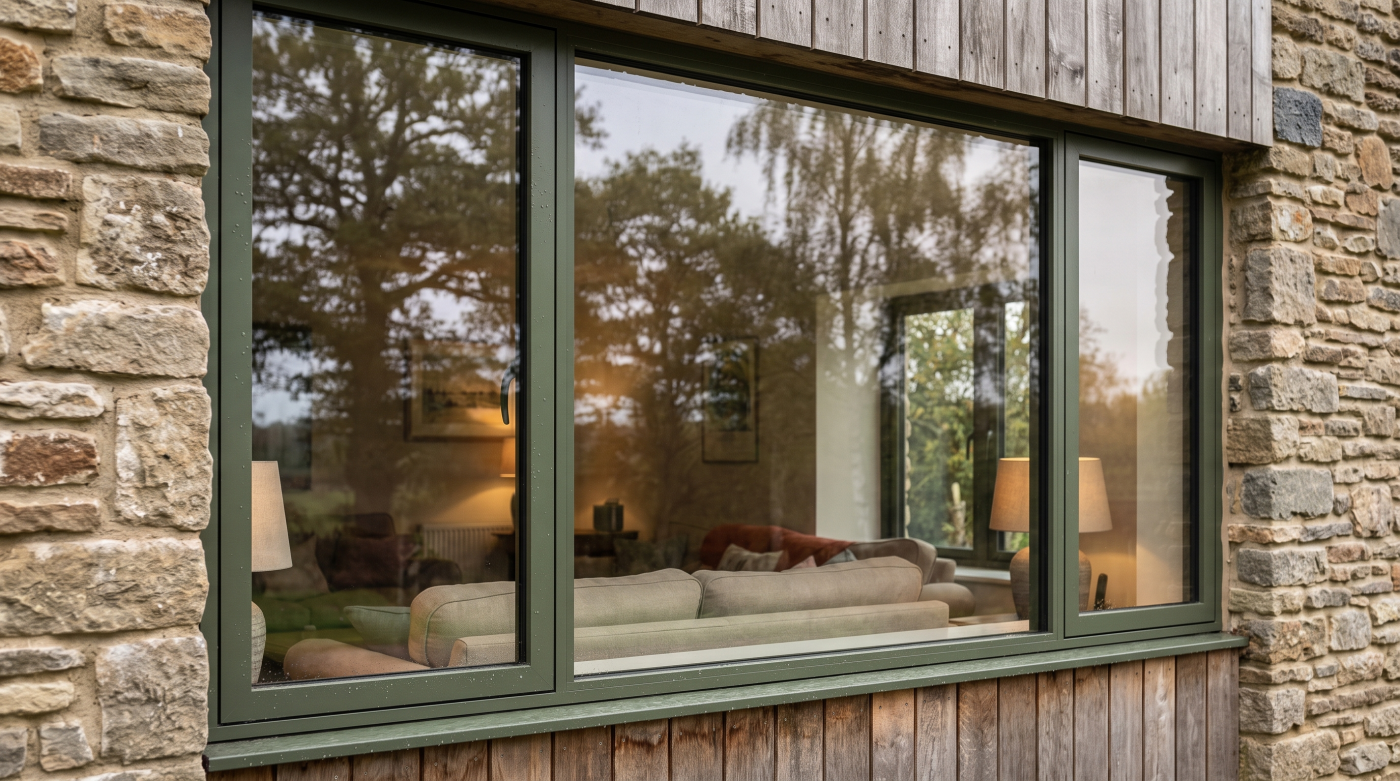
Sometimes the Window Is Waiting for the Rest of the House
A glazing installation rarely exists as an isolated event within a major building project.
Around it, other work is moving.
Builders may be progressing different parts of the structure. External and internal finishes are developing. Access conditions can change as the site advances. Decisions elsewhere in the project may influence when particular areas are genuinely ready for glazing.
This creates dependencies.
A window can be manufactured correctly, delivered according to plan and available to install, yet still be affected by progress elsewhere in the building. Equally, other trades may be waiting for glazing before their own work can continue.
Neither situation necessarily indicates that somebody has made a mistake.
It reflects the interconnected nature of construction.
This is why an installation programme becomes more useful when it is considered alongside the wider project rather than treated as a standalone appointment. On complex renovations and self-builds especially, architects, builders and glazing specialists may all be working within different parts of the same sequence.
The objective is not simply to make every trade move faster.
It is to make those movements make sense together.
When homeowners hear that a window installation will take a certain number of days, they should therefore understand where those days sit within the wider construction programme.
Because sometimes the question is not whether the installers are ready for the window.
It is whether the rest of the house is ready for the installers.
The Day the Window Goes In Is Not Necessarily the Day the Opening Is Finished
It is easy to imagine window installation as a single, self-contained event.
The old window comes out, or the new opening is prepared. The glazing goes in. The work is finished.
On straightforward projects, the sequence may feel relatively close to that. On more complex renovations and self-builds, the distinction between an installed window and a finished opening can be much greater.
A window is one component within an architectural junction.
Around it are internal and external finishes, surrounding materials and other elements of the building that collectively determine how the completed opening looks and feels. Depending on the project, some of that work may happen at different stages or involve different trades.
This becomes particularly visible around large doors and carefully designed thresholds.
The glazing may be physically installed while surrounding construction continues to develop towards the final architectural result. To the homeowner, the opening can therefore appear unfinished even though an important phase of the glazing work has been completed.
Neither description is necessarily wrong.
They are simply describing different stages.
This is why the phrase “installation complete” deserves context when programmes are being discussed. Does it describe the point at which the glazing itself has been installed, or the point at which everything surrounding the opening has reached its finished state?
Understanding that distinction can prevent very different expectations from developing around the same date.
The window going in is an important moment.
But the architecture around it may still have further to go.
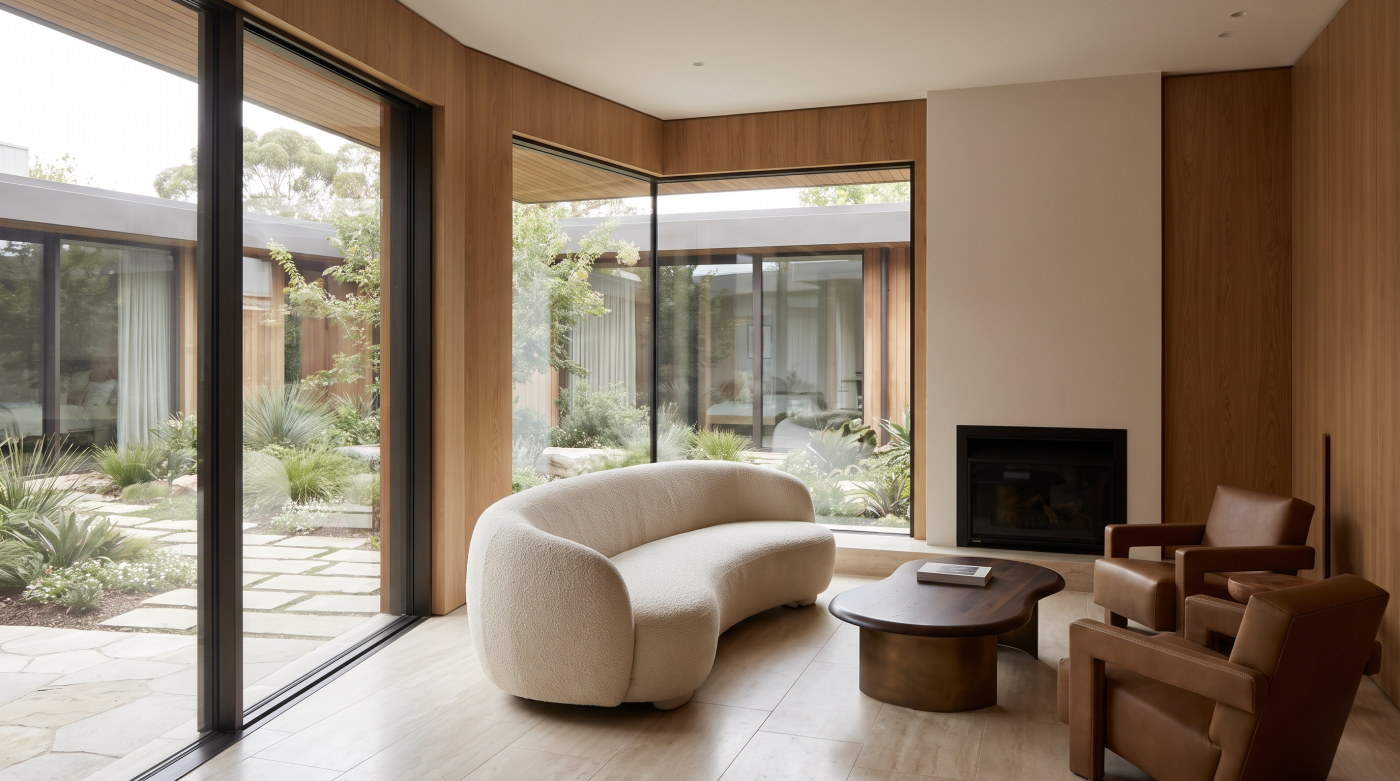
A Fast Installation Is Only Impressive If Nothing Important Was Sacrificed
Speed is understandably attractive during a building project.
Homeowners want disruption kept under control. Builders have programmes to maintain. Other trades may be waiting to continue, and every additional day on site can feel significant.
But speed on its own is a poor measure of installation quality.
Finishing quickly tells you how long something took. It does not tell you whether that timeframe was appropriate for the glazing, the building or the conditions surrounding the work.
The opposite assumption is equally unhelpful.
A longer installation is not automatically more careful, more technically accomplished or better managed. Unnecessary delays remain unnecessary delays.
The useful distinction is between efficiency and haste.
An efficient programme removes avoidable time while still allowing the work required by the project to take place. Haste begins when the target duration becomes more important than understanding what the installation actually involves.
This is why exceptionally attractive programme promises deserve context rather than automatic admiration.
If one proposed timeframe is substantially shorter than another, the important question is not immediately which installer is faster. It is whether both programmes describe the same scope, assumptions and site conditions.
Architectural glazing is ultimately judged by the result left in the building, not by how impressive the installation timetable sounded beforehand.
The best programme therefore does not need to be the shortest.
It needs to make sense for the work being asked of it.
Ask for a Programme You Can Understand, Not a Number You Can Repeat
So, how long should a window installation take?
There is no single number that answers the question responsibly.
The timeframe depends on the nature of the project, the extent of the glazing package, the openings involved and the building receiving them. Large or unusual glazed elements can introduce different logistical considerations, while the readiness of the site and its relationship with other construction work can influence how the programme unfolds.
This is why an installation duration becomes useful only when you understand what it describes.
Two homeowners might both be told that their glazing will take several days to install while having projects of entirely different complexity. Equally, two apparently similar houses may require different programmes because access, existing conditions or the surrounding construction are not the same.
Rather than searching for a universal benchmark, ask what assumptions sit behind the proposed timeframe.
Understand whether it describes only the physical installation of the glazing or a wider stage of work. Consider how the programme interacts with the builder, other trades and the parts of the house that still need to be completed.
A credible timeframe should become easier to understand as the project becomes clearer.
That is more valuable than an impressively small number offered without context.
The most useful installation timeframe is not the shortest number somebody is willing to promise. It is a programme that makes sense when you understand the windows, the building and the work required to bring the two together.