
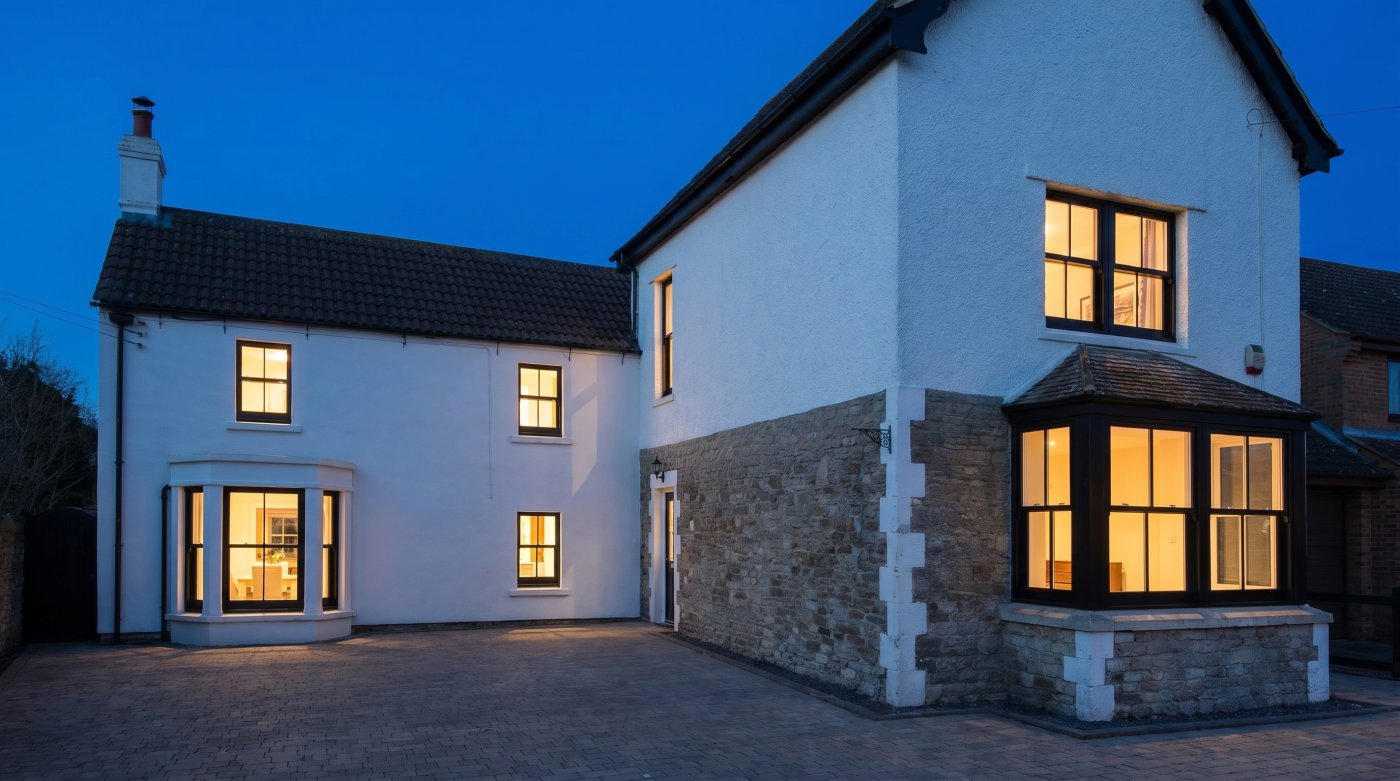
Winter Is a Season, Not an Installation Condition
Winter sounds like a single condition.
In reality, it describes several months in which the weather can vary considerably from one day to the next. A settled winter morning and a period of severe wind or persistent rain belong to the same season, but they do not necessarily present the same circumstances for work on a building.
The same is true in summer.
A date in July does not guarantee ideal installation conditions any more than a date in January automatically makes window replacement inappropriate.
This distinction matters because homeowners often organise their thinking around the calendar. Spring and summer become the accepted window-replacement seasons, while autumn and winter are treated as periods when the work should simply stop.
Buildings are more complicated than that.
Whether an installation is appropriate depends on the actual conditions, the nature of the openings, the glazing being installed and the circumstances of the particular project. On some days, proceeding may be entirely reasonable. On others, changing conditions may require the programme to be reconsidered.
That is not unusual. It is part of working on buildings in the real world.
So the useful question is not whether windows can be replaced in December, January or February.
It is whether the conditions are appropriate for the work that needs to happen.
The calendar tells you the season.
The site tells you considerably more.
Your House Is Not Left With Every Window Missing at Once
One of the most understandable concerns about winter replacement is what happens to the house while the work is taking place.
It is easy to imagine whole-house replacement as a single dramatic event: the existing windows disappear, the building is opened to the weather and the occupants spend the day trying to keep warm.
That is not a particularly useful way to think about an installation.
Window replacement is better understood as a sequence of interventions around the building. Different openings form different parts of the programme, and the experience of replacing them depends on the scale of the project, the house and how the work has been organised.
This matters more in winter because temporary exposure feels more significant.
The relevant question is therefore not simply how many windows are being replaced. It is how the installation will progress through the property and what that means for the rooms being affected at each stage.
A small replacement project and a substantial whole-house installation may create very different levels of disruption. The same is true of an occupied home compared with a property already undergoing major renovation.
This is another reason installation duration needs context.
Knowing that a project will take several days tells you relatively little about what those days will actually feel like inside the house.
For a homeowner considering winter replacement, understanding the sequence is often more reassuring — and more useful — than knowing the total number of windows involved.

The Size of the Opening Changes the Winter Question
Not every window exposes the same amount of building while it is being replaced.
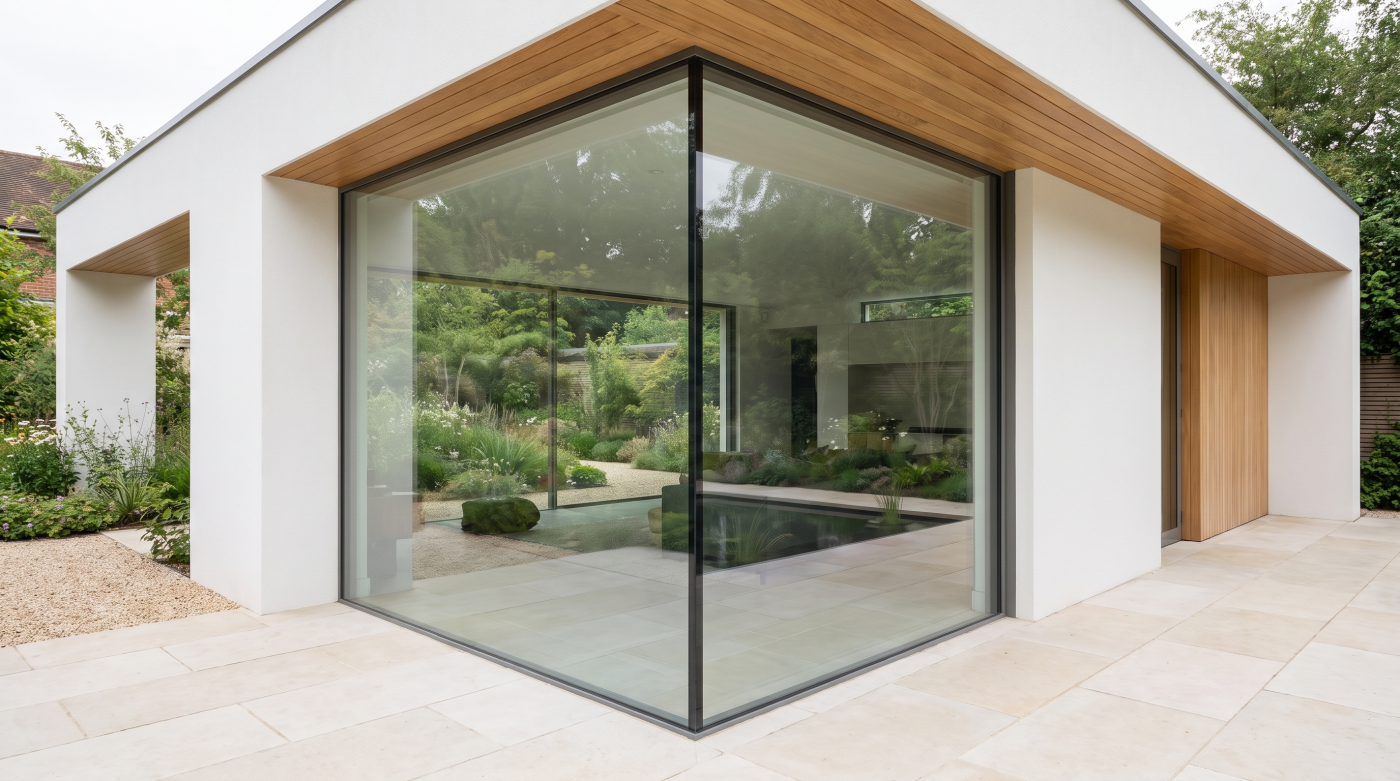
A relatively modest bedroom window and a substantial glazed opening connecting a living space to the garden may both appear on the same installation schedule, but they represent very different interventions in the fabric of the house.
That difference becomes more noticeable in winter.
Larger openings can change the significance of temporary exposure, while the physical size of the glazing can introduce additional considerations around access, handling and the time required to move components into position.
The surrounding architecture matters too.
A large sliding door with straightforward access is not necessarily comparable with glazing intended for the rear of a constrained property. Equally, a modest opening within an older or more complicated part of the building may deserve more consideration than its dimensions initially suggest.
This is why asking whether winter is suitable for “window installation” can be too broad.
The project needs to be understood opening by opening.
As glazing becomes larger and more architecturally significant, installation becomes increasingly connected to the logistics and conditions surrounding the building rather than simply the season in which the work happens.
Winter does not change that principle.
It simply makes some of those considerations harder to ignore.
The amount of building temporarily affected can matter considerably more than the month printed on the calendar.
Existing Buildings Can Make Timing More Complicated
Replacing a window means working with more than the new window.
It also means working with the building that has surrounded the existing one, sometimes for many decades.
That distinction becomes particularly important in older properties. An opening may have been repaired, altered or adapted at different points in the building’s history, and not everything about those changes will necessarily be obvious before replacement work begins.
This does not mean older houses inevitably contain problems.
It means they deserve to be approached as existing buildings rather than perfectly predictable openings waiting for new components.
Period properties make the principle especially clear. The window may form part of an elevation with established proportions, materials and architectural character. Replacing it therefore involves understanding what is already there as well as what is intended to take its place.
Winter adds another consideration, but it does not replace those underlying questions.
A homeowner might understandably focus on temperature or rain while the more significant variable is actually the condition and complexity of the existing opening. Sensible project planning needs to accommodate both.
This is why installation programmes benefit from enough flexibility to respond to the building as it is encountered rather than assuming every opening will behave identically.
The weather outside matters.
But when an existing window is removed, the building itself can have something to say about the programme too.
Weather Matters Most When It Interacts With the Work
Rain, wind and cold clearly matter when part of a building is being opened up.
But weather is not a simple switch between suitable and unsuitable.
The significance of the conditions depends on the work taking place. A particular day may present few difficulties for one installation while creating entirely different considerations for another because the openings, glazing, access or surrounding building are different.
Materials can matter too.
Products used within an installation may have their own requirements, and those requirements need to be understood in relation to the conditions in which the work is taking place. There is therefore little value in inventing a universal temperature or weather rule that supposedly applies to every window project.
Professional judgement is more useful.
Sometimes that judgement may mean proceeding because the conditions are appropriate for the work planned. At other times, changing weather may justify altering the programme or postponing a particular part of the installation.
That should not automatically be interpreted as poor planning.
A credible programme acknowledges that buildings are worked on outdoors, in real weather, rather than assuming every scheduled day will behave exactly as expected.
Winter therefore deserves respect without becoming an automatic barrier.
Weather matters most when it interacts with the particular materials, openings, people and building involved.
The question is not whether the forecast looks like winter.
It is what that forecast means for the work that needs to happen.
Waiting for Summer Has a Cost Too
If existing windows are causing a genuine problem, automatically postponing the project until summer may not be the only sensible option.
That does not mean replacement should be rushed simply because winter has arrived.
It means the decision-making process and the installation date are two different things.
A glazing project begins well before anybody removes a window. The existing building needs to be understood, decisions have to be made and the required information must become sufficiently clear for the project to progress. Bespoke windows may then move through manufacturing before they are ready for installation.
All of that takes time.
A homeowner who begins investigating a problem in January is therefore not necessarily choosing between installing immediately and doing nothing until spring. There may be a considerable period of assessment, specification and preparation between those two points.
This makes waiting for an assumed “window season” less useful than understanding the actual project programme.
If the existing glazing is performing satisfactorily, there may be no particular reason for urgency. If it is creating a meaningful problem, however, the calendar alone is a weak reason to avoid beginning the conversation.
Winter can still be used to understand what needs replacing, what should remain and what the wider project requires.
Installation is only one moment in that process.
The best time to start thinking properly about a window project may arrive months before the best time to physically install it.
The Best Time to Replace Windows Depends on the Project, Not the Property Calendar
There is a reason homeowners search for the best time of year to replace windows.
Choosing a particular season feels like something that can be controlled.
But the most convenient month on the calendar may not be the most useful moment in the project.
On a substantial renovation, glazing has to find its place within a much wider sequence of work. The building needs to be sufficiently ready, the windows need to be available and other parts of the programme may depend on what happens before or after installation.
For an occupied house, different considerations emerge.
Holidays, access, family routines and the practical disruption of work moving through the property may influence timing just as much as the season outside.
The condition of the existing windows matters too.
A project addressing an immediate problem deserves a different conversation from an upgrade that could comfortably take place at several points during the year.
This is why there is no universally perfect month for replacement.
Spring may suit one project. Winter may make complete sense for another. On a self-build or major renovation, coordinating glazing successfully with the architect, builder and wider construction programme can be considerably more important than waiting for an assumed ideal season.
The best installation date is therefore not simply the warmest one.
It is the point at which the glazing, the building, the programme and appropriate conditions are ready to meet.
Don’t Ask Whether Winter Is Possible. Ask Whether Your Project Is Ready
So, can you replace windows in winter?
In many circumstances, the season itself does not provide a reason to rule the project out. But that is different from saying that every window installation should proceed in every winter condition.
The building still has to make sense of the decision.
A straightforward replacement project in appropriate conditions presents a different question from creating a substantial glazed opening during difficult weather. An occupied period property creates different considerations from an extension already forming part of an active construction site.
What matters is the combination.
The size and nature of the openings, the condition of the existing building, the glazing being installed, the disruption to occupied rooms and the wider project programme all influence whether a particular moment is appropriate.
Sometimes the sensible decision will be to proceed.
Sometimes conditions will justify changing the programme.
And sometimes the most useful thing a homeowner can do during winter is simply begin the process: understand the existing windows, establish what the project requires and allow specification and planning to develop without artificial urgency.
That is a more useful approach than waiting automatically for the first warm week of spring.
Good installation timing is not determined by a season in isolation. It emerges when the glazing, the building and the conditions are sufficiently aligned.
The question is not whether windows can be replaced in winter.
It is whether these windows, in this building, under these conditions, should be replaced now.