
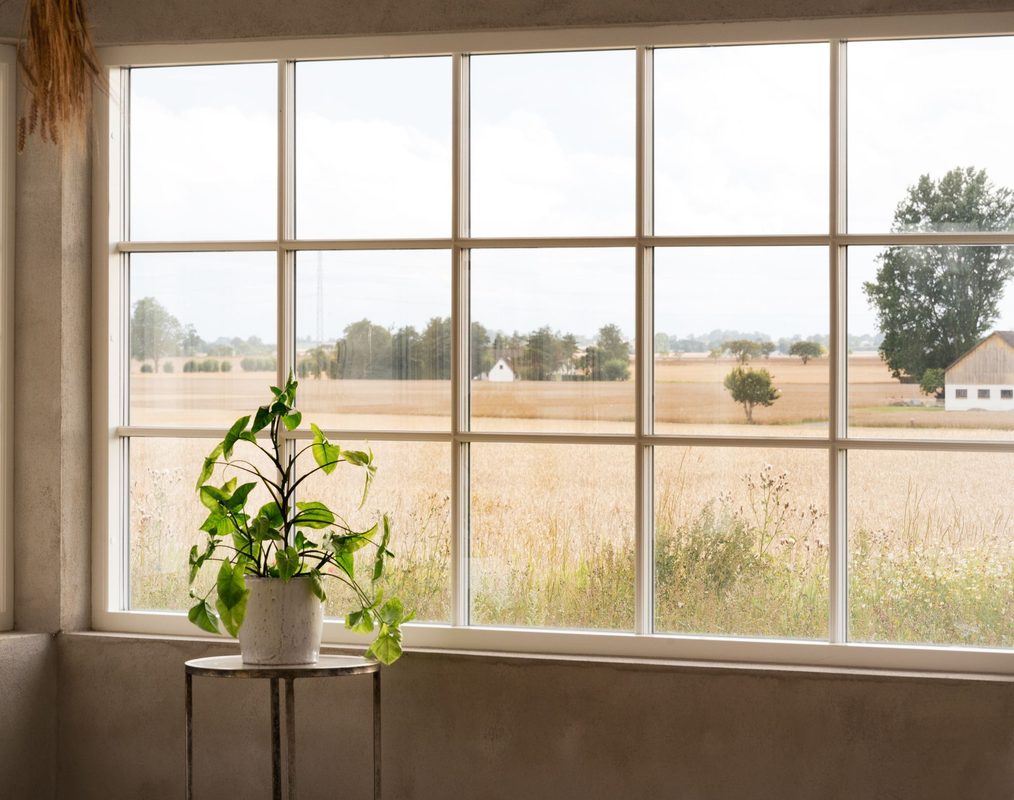
That value is not limited to listed buildings. A well-designed later addition can also be worth retaining. Equally, a poor replacement from an earlier renovation may be doing little for the architecture. The question is what this particular opening contributes, not simply how old it is.
Consider the view from both sides. A broad garden door may be central to the way a room is used. A window may align with others across the façade even though its individual detail appears unremarkable. Replacing one element can change the composition around it, especially if the new frame has different sightlines or sits at another depth within the wall.
Record what matters before seeking a remedy. Photographs, dimensions and notes on surviving glass, fittings and finishes provide a useful starting point. Where historic fabric may be involved, obtain an informed assessment. This first step does not predetermine repair. It ensures that the consequences of replacement are understood before an apparently simple fault becomes the reason to remove an entire assembly.
2. Identify the symptom and its cause
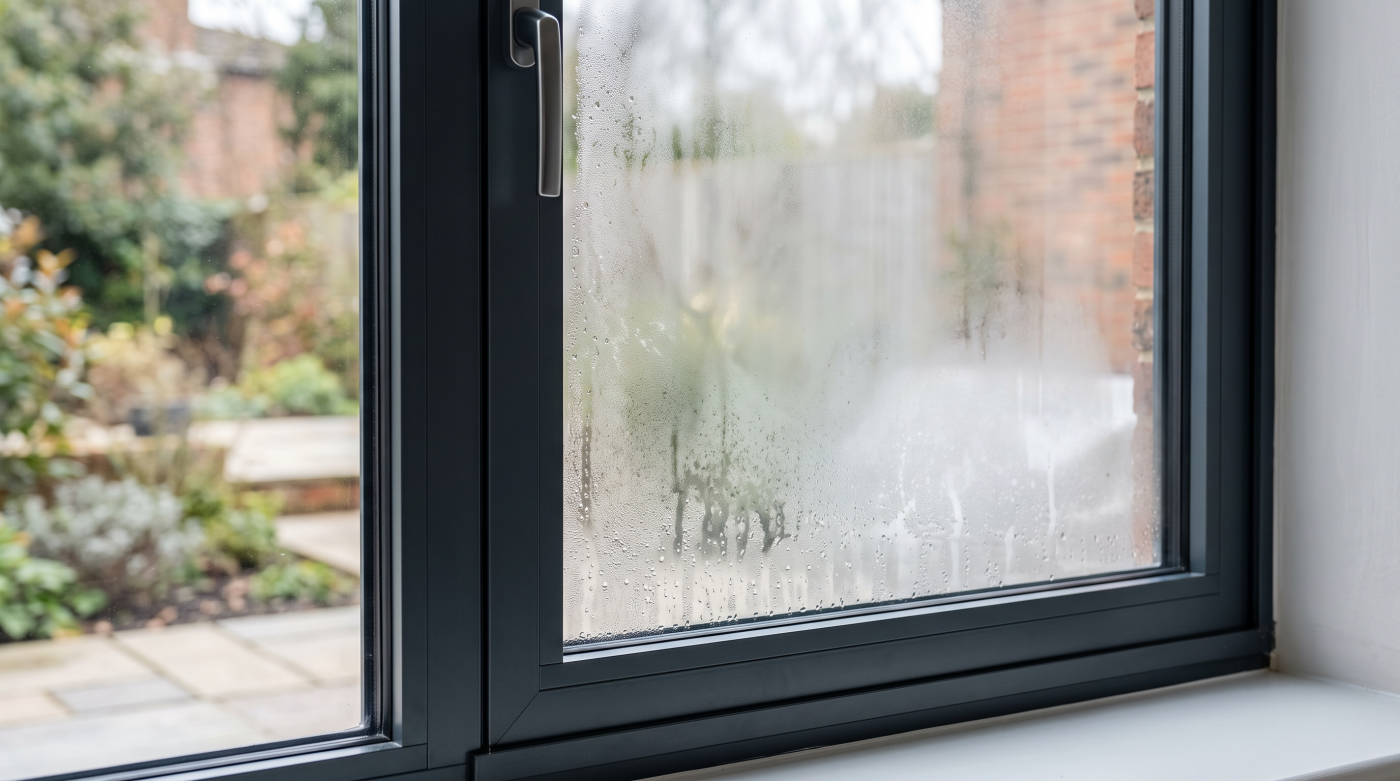
“The window has failed” is rarely a complete diagnosis. A draught may come from a worn seal, a frame that has moved or a gap where the window meets the wall. A glazed door that sticks may need adjustment, or it may be responding to movement in the opening around it. A misted sealed unit identifies a problem with the glass assembly, not necessarily with the frame that holds it.
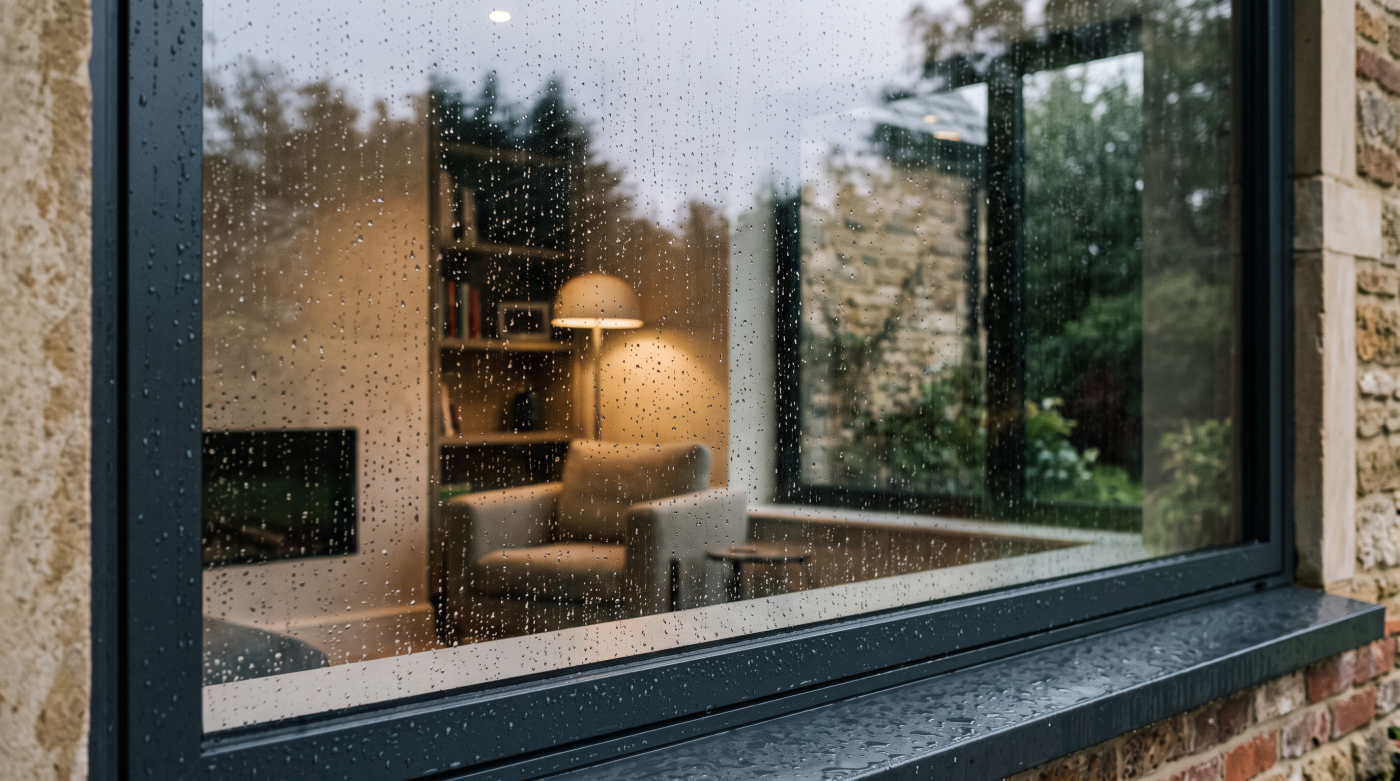
Water is particularly important to trace. Moisture on the room side of a pane, water entering during wind-driven rain and dampness in the surrounding plaster have different causes. Replacing a window without understanding which is occurring can leave the original problem untouched. The same is true of noise: poor fit, thin glass and gaps elsewhere in a room require different responses.
A condition assessment should name the affected parts and explain why they failed. It should examine operation, frame condition, glazing, hardware, drainage and the junction with the building. Where several windows show a similar fault, look for a common cause rather than treating each as an isolated accident.
The aim is not to turn a homeowner into a surveyor. It is to ask for a diagnosis specific enough to support a decision. Until the cause is known, “repair” and “replace” are proposals without a reliable brief.
3. Establish what can be repaired
A glazed assembly contains parts with different service lives. Handles, hinges, rollers, seals, coatings and glazing may need attention while the principal frame remains sound. Replacing one of these components can restore useful performance without removing the whole window or door.
Repair is broader than a quick adjustment. Timber can sometimes be repaired locally and refinished. Traditional metal windows may be cleaned, treated and repaired by specialists. Modern systems may allow damaged hardware or a failed sealed glazing unit to be replaced. The available options depend on how the original assembly was made and whether appropriate parts and skills can be found.
An alarming appearance is not always evidence of total failure. Historic England notes that many traditional timber and metal windows can be repaired, including metal frames whose corrosion may initially appear worse than the underlying damage. That does not mean every repair is sensible. It means “beyond repair” should be a conclusion supported by assessment, not a phrase used in place of one.
Ask for a repair proposal that describes the work, the likely result and any remaining limitations. If a component is no longer available, ask whether a suitable alternative exists and whether its use would change the window’s operation or appearance. A credible repair option gives the owner something real to compare with replacement.
4. Test whether repair meets the actual brief
A technically possible repair is worthwhile only if it addresses what the owner needs. Start by defining the problem in ordinary terms. Is the room uncomfortable in winter? Does traffic noise interrupt sleep? Does a garden door need to open more easily? Is rain entering, or has the appearance of a principal elevation deteriorated?
Then ask what the proposed repair will change. Adjustment and seals may improve a draughty opening. Replacing a failed glazing unit may restore a clear view. Repairing decayed timber can preserve a frame, but it may not by itself deliver the acoustic improvement sought for a bedroom. Different aims can require a sequence of measures rather than one dramatic intervention.
The rest of the building belongs in this assessment. A cold room may have heat loss through several surfaces. Moisture may be influenced by ventilation or the condition of adjacent walls. A repaired window should not be judged a failure because it could not solve a problem outside its reach; nor should its limitations be concealed.
Write down the expected outcome before work begins. For a door, that might be reliable operation and a weather-resistant threshold. For a historic window, it might be sound repair followed by a considered comfort measure. This turns the decision from a debate over the merits of old and new into a practical test: will the proposed work make the building function as needed while preserving what matters?
5. Recognise the case for replacement
Repair is not always the right answer. A frame may have extensive damage, repeated repairs may no longer provide dependable service or a critical component may be impossible to obtain. An earlier replacement may be so poorly proportioned or fitted that improving it would preserve the wrong result. A renovation may also reveal that an opening needs to perform a different architectural role.
Replacement should be justified in terms of those specific conditions. If the existing assembly cannot be made weather-resistant, safe or practical to operate, a new one may provide a more durable solution. If the opening is being redesigned as part of an extension, the decision may concern the whole wall rather than one failing product.
Even then, the new assembly needs careful specification. A replacement window may alter sightlines, ventilation and the way the frame meets the wall. A new glazed door affects the threshold, drainage and circulation. Product performance figures are useful, but they do not resolve these architectural and construction questions by themselves.
For an older building, replacement also asks what will happen to the character of the elevation and any surviving fabric. For a contemporary system, ask whether future components will be serviceable so that the same decision does not recur unnecessarily. Replacement is strongest when it addresses a demonstrated failure and leaves a coherent, maintainable result.
6. Compare whole-life cost and impact
A repair quotation and a replacement quotation rarely cover identical work. Repair may include specialist labour and continued maintenance. Replacement may include removal, making good, new finishes and alterations to the surrounding opening. Compare the complete work required to achieve the intended result.
Time matters as well as cost. A repair that gives a sound frame many further years of service may be valuable even if its initial price is not negligible. Conversely, repeating a short-lived fix without addressing the underlying cause can become expensive and disruptive. Ask what is likely to need attention next and whether parts can be replaced independently.
Retaining a working assembly also retains the material and effort already embodied in it. Replacement requires new manufacture and removal of what exists. That does not make repair environmentally preferable in every case; a failing assembly that cannot be maintained may justify new work. The comparison should consider expected service life, future maintenance and whether the proposed replacement itself can be repaired.
It is unnecessary to pretend that a precise twenty-year cost can be known. A sensible comparison can still set out initial work, probable upkeep, important uncertainties and the architectural value retained or gained. The best-value option is the one that solves the problem for a credible period without imposing disproportionate cost, waste or loss of character.
7. Check permissions and project dependencies
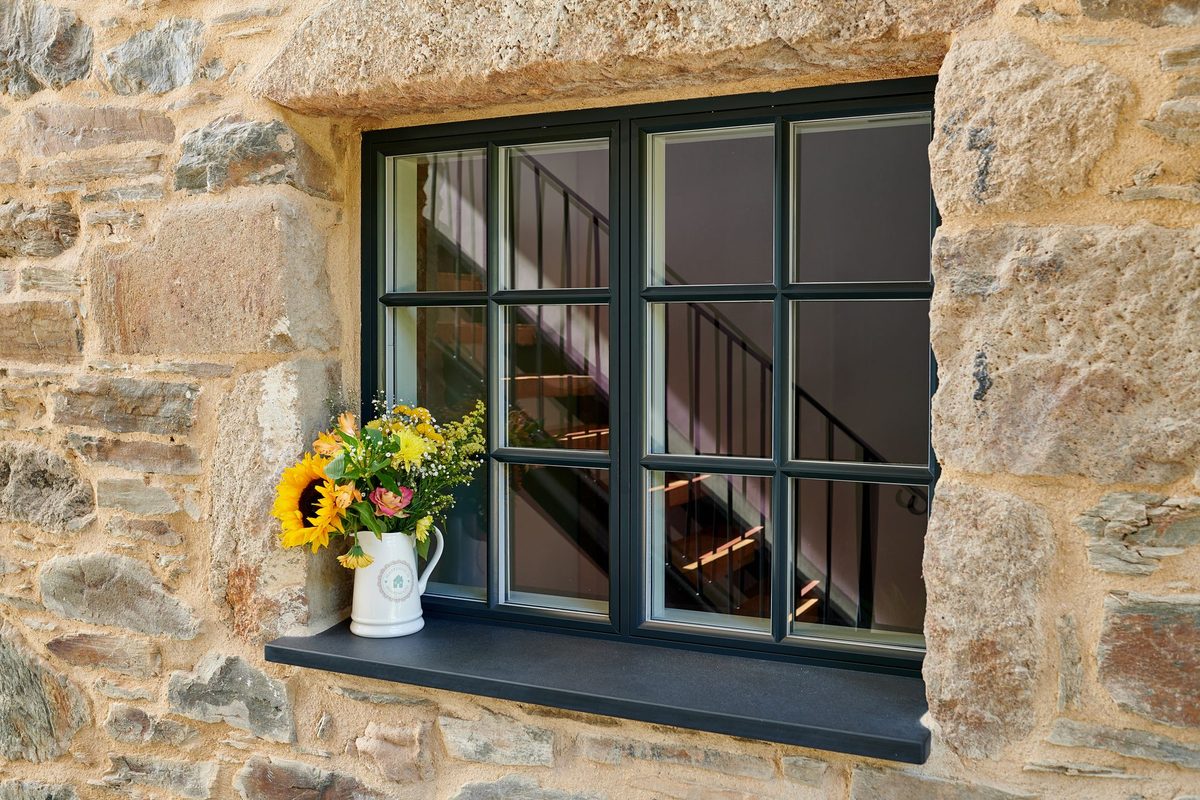
A window or glazed door does not stand apart from the building’s other requirements. Replacement may affect ventilation, safety, escape arrangements and energy performance. It may also change the appearance of a house subject to heritage or planning controls. These questions should be resolved before ordering an assembly.
In England, replacing windows and doors can require building-regulations approval, although the route to demonstrating compliance depends on the work and how it is carried out. GOV.UK advises checking the approval position before work begins. Building-regulations approval and planning or listed-building consent are separate matters, so one should not be taken as a substitute for the other.
The surrounding construction also deserves attention. Replacing a frame may expose damaged masonry or timber. A proposed low threshold may require changes to external paving and drainage. A different window opening arrangement may alter how a room is ventilated. These dependencies can affect cost and programme more than the new unit itself.
For significant historic windows, specialist advice should come early enough to influence the proposal. For any project, ask the team preparing the work to identify applicable approvals and the details that must be coordinated with other trades. A sound decision considers the opening as part of the house rather than an isolated object to remove and replace.
8. A simple decision sequence
The framework can be kept simple. First, record what the existing window or door contributes to the building. Second, diagnose the cause and extent of the problem. Third, obtain a specific repair option and test whether it meets the owner’s real needs. If it cannot, establish why replacement is justified and how the proposed new assembly will serve the architecture and construction.
Then compare the whole work. Include making good, likely maintenance, future access and the ability to replace individual components. Check permissions and the effect on ventilation, safety and adjoining fabric before the design is fixed. These steps can be followed without assuming that every opening in a house will reach the same answer.
One sash may need adjustment. A sealed glazing unit elsewhere may need replacement while its frame remains. A door with widespread damage may warrant a new assembly. A historically significant window may call for specialist repair even where a standard replacement would be quicker. The right scope is particular to the opening.
Repair where it can produce a durable, appropriate result. Replace where there is a clear reason and a better-designed future for the building. The decision is neither a reflex to keep everything nor a reflex to start again. It is a measured response to condition, character and use.