
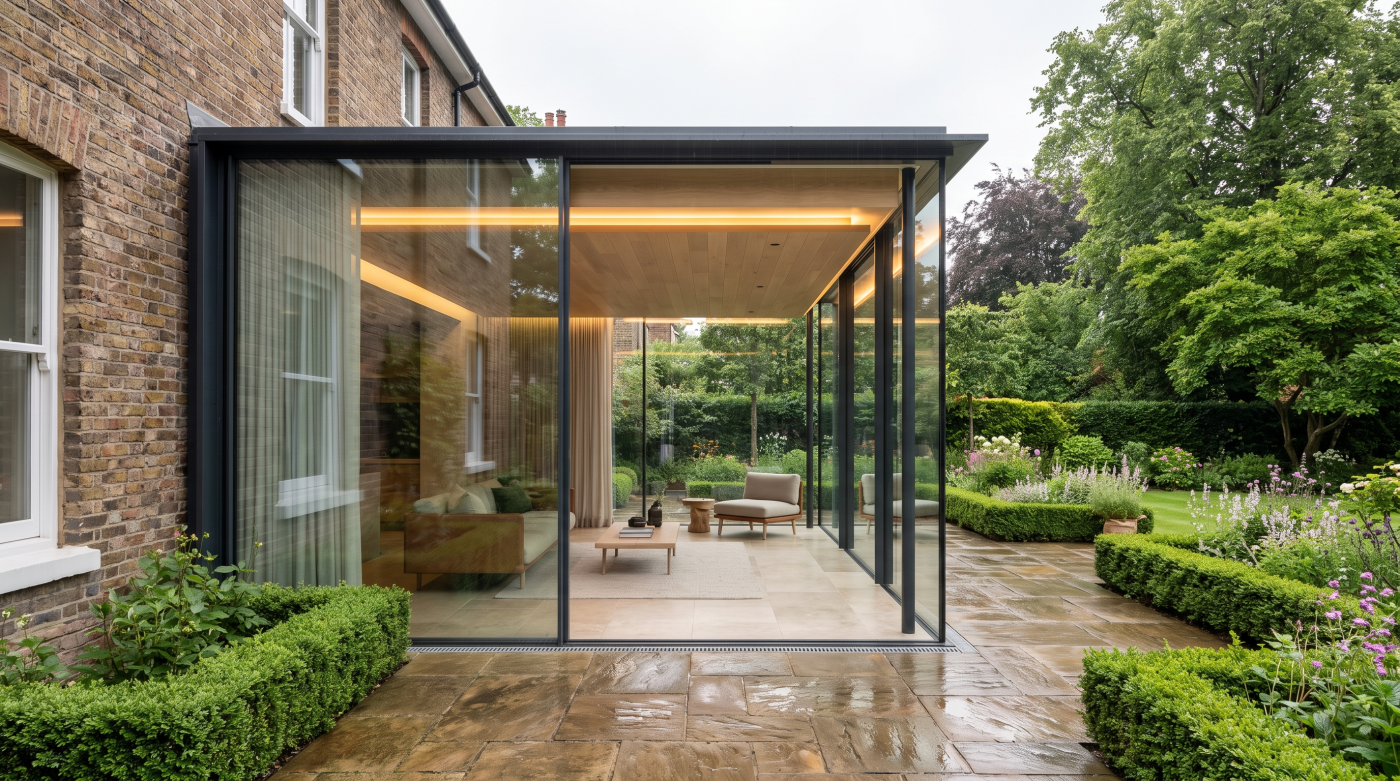
Future-Proofing Starts With People, Not Technology
Ask a group of homeowners what it means to future-proof a renovation and many will mention smart home systems, electric vehicle charging, solar panels or the latest connected technology. While these features may have their place, architects rarely begin the conversation there. They understand that technology evolves rapidly, often becoming outdated within a few years, whereas a well-designed home can continue serving its occupants for generations. True future-proofing is therefore rooted in people rather than products.
The starting point is understanding how life changes over time. Families grow, children leave home, careers evolve, hobbies develop and patterns of living shift in ways that are impossible to predict precisely. Architects recognise that buildings should be capable of adapting to these changes without requiring fundamental alterations to their structure or character. Rather than designing around today’s lifestyle alone, they create homes with the flexibility to support tomorrow’s needs as naturally as today’s.
This philosophy encourages a broader view of design. Generous proportions, well-connected spaces, abundant natural light and thoughtful relationships between inside and outside all contribute to a home that remains enjoyable regardless of how daily routines evolve. Carefully positioned glazing, adaptable layouts and timeless architectural principles provide a foundation that can accommodate changing ways of living without becoming obsolete as fashions or technologies change.
By contrast, technology is inherently temporary. Heating systems, automation platforms and digital devices will almost certainly be replaced many times during the life of a house. Good architecture, however, continues to provide value long after these systems have been upgraded. The quality of the spaces, the comfort of the interiors and the relationship between the home and its surroundings remain just as relevant decades later because they respond to fundamental human needs rather than temporary innovations.
Ultimately, future-proofing is less about predicting the future than preparing for it. Homes that endure are those designed around people—their comfort, adaptability and quality of life—rather than around technologies that will inevitably evolve. By placing human experience at the centre of the design process, architects create buildings that continue to feel relevant, resilient and rewarding long after the latest innovations have come and gone.
The Most Flexible Homes Rarely Look Flexible
When people think about flexible homes, they often imagine movable walls, multifunctional furniture or rooms designed for a specific future purpose. Architects usually take a quieter approach. The most adaptable homes rarely advertise their flexibility because it has been designed into the architecture itself rather than added as a visible feature. Their ability to evolve comes from thoughtful planning, balanced proportions and spaces that can accommodate changing patterns of living without requiring significant alteration.
This begins with the arrangement of rooms. Rather than assigning rigid functions to every space, architects create layouts that allow rooms to serve different purposes as household needs change. A study may later become a nursery, a snug could evolve into a home office and a guest bedroom might eventually provide accessible accommodation for future generations. These transitions are possible because the spaces have been designed with generous proportions, natural light and practical relationships to the rest of the house rather than around a single fixed use.
Flexibility also extends to the way the home connects internally and externally. Carefully positioned glazing allows living spaces to adapt naturally throughout the day, strengthening the relationship between interior rooms and gardens while accommodating changing lifestyles over the years. As families grow, entertain differently or spend more time working from home, these visual and physical connections continue to support everyday life without requiring architectural compromise.
Importantly, this adaptability is almost invisible. Visitors are unlikely to recognise why a home feels so comfortable or resilient because the qualities that make it flexible are woven quietly into its structure. Balanced circulation, logical room proportions and carefully considered sightlines create an environment capable of supporting changing needs without constantly drawing attention to its design.
Ultimately, the most future-proof homes are those that never feel constrained by the assumptions of the moment in which they were built. Their flexibility comes not from novelty or complexity but from architecture that anticipates change through thoughtful planning and enduring design principles. It is this quiet resilience that allows a home to remain relevant for decades while appearing effortlessly timeless.
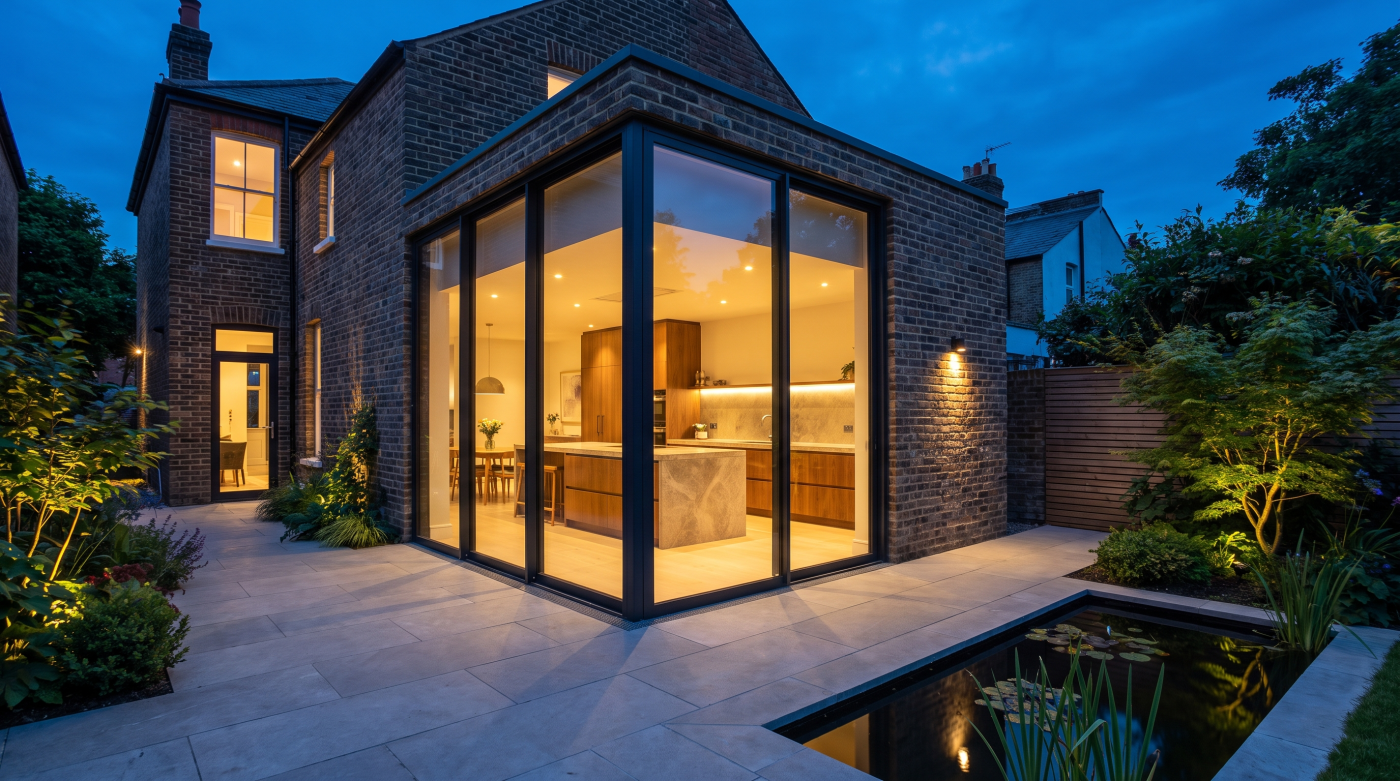
Timeless Design Is the Best Form of Future-Proofing
When homeowners talk about future-proofing, the conversation often turns to what might be added to a house in the years ahead. Yet architects tend to ask a different question: will the building itself still feel right in twenty or thirty years’ time? Technology can be upgraded, services can be replaced and interiors can be redecorated, but the architecture will remain. For this reason, timeless design is often regarded as the most valuable form of future-proofing a home can achieve.
Timeless architecture is not the absence of contemporary design, nor is it an attempt to recreate the past. Instead, it is rooted in principles that remain relevant regardless of changing tastes. Careful proportion, balanced composition, honest materials and thoughtful craftsmanship create buildings that continue to feel appropriate because they are based on enduring qualities rather than temporary fashions. These principles have shaped successful architecture for centuries, allowing buildings from different eras to retain their appeal long after the trends of their own time have disappeared.
This long-term perspective influences every design decision. Architects avoid relying on fashionable features simply because they are currently popular, recognising that today’s innovations can quickly become tomorrow’s visual reminders of a particular decade. Instead, they focus on creating calm, coherent spaces where natural light, generous proportions and carefully framed views provide lasting enjoyment. The architecture remains flexible because it is grounded in qualities that do not depend on changing styles.
Glazing plays an important role within this philosophy. Rather than being specified to create dramatic visual impact alone, it is used to strengthen the relationship between the home and its surroundings, admit generous daylight and enhance everyday comfort. These are benefits that remain valuable regardless of how technology or interior design evolves. Well-considered glazing therefore contributes to architectural longevity rather than simply reflecting current design preferences.
Ultimately, future-proofing is not about anticipating every possible change. It is about creating a home whose architectural quality remains constant as life evolves around it. By prioritising timeless design over temporary fashion, architects produce buildings that continue to feel relevant, comfortable and beautiful for generations, making them genuinely prepared for a future that no one can predict.
Glazing Should Adapt With the Way You Live
Windows and glazed doors are often discussed in terms of style or performance, yet their greatest influence is usually much more personal. They shape the way people experience a home every day. They determine how natural light enters a room, how living spaces connect with gardens, how the seasons are experienced from indoors and how comfortable a home feels throughout changing stages of life. Architects therefore see glazing as a long-term investment in the quality of living rather than simply a building component.
Future-proofing begins by recognising that lifestyles evolve. A young family may use their garden differently from an older couple, working patterns may change over time and rooms that once served one purpose may gradually take on another. Well-designed glazing supports these changes by creating flexible relationships between spaces instead of prescribing a single way of living. Large glazed openings can encourage seamless connections with outdoor areas, while carefully positioned windows allow rooms to remain bright, adaptable and welcoming regardless of how they are used in the future.
This flexibility is achieved through thoughtful architectural planning rather than the pursuit of larger areas of glass alone. Architects consider how daylight moves through the home during the course of the day, how views can enrich everyday life and how different rooms might evolve over the coming decades. Glazing is positioned to strengthen these relationships, ensuring that spaces continue to feel comfortable and relevant even as the lives of their occupants change.
Performance also plays a quiet but important role. Comfortable internal temperatures, reduced draughts and good acoustic control all contribute to a home that remains enjoyable over many years. These qualities support changing lifestyles without drawing attention to themselves, allowing glazing to improve everyday living while remaining visually integrated with the architecture.
Ultimately, future-proof glazing is not defined by the latest technology or the largest panes of glass. It is defined by its ability to support the way people live, both now and in the future. When windows are specified with adaptability, comfort and architectural balance in mind, they continue to enrich daily life long after fashions and technologies have evolved, making them one of the most enduring investments in a thoughtfully designed home.
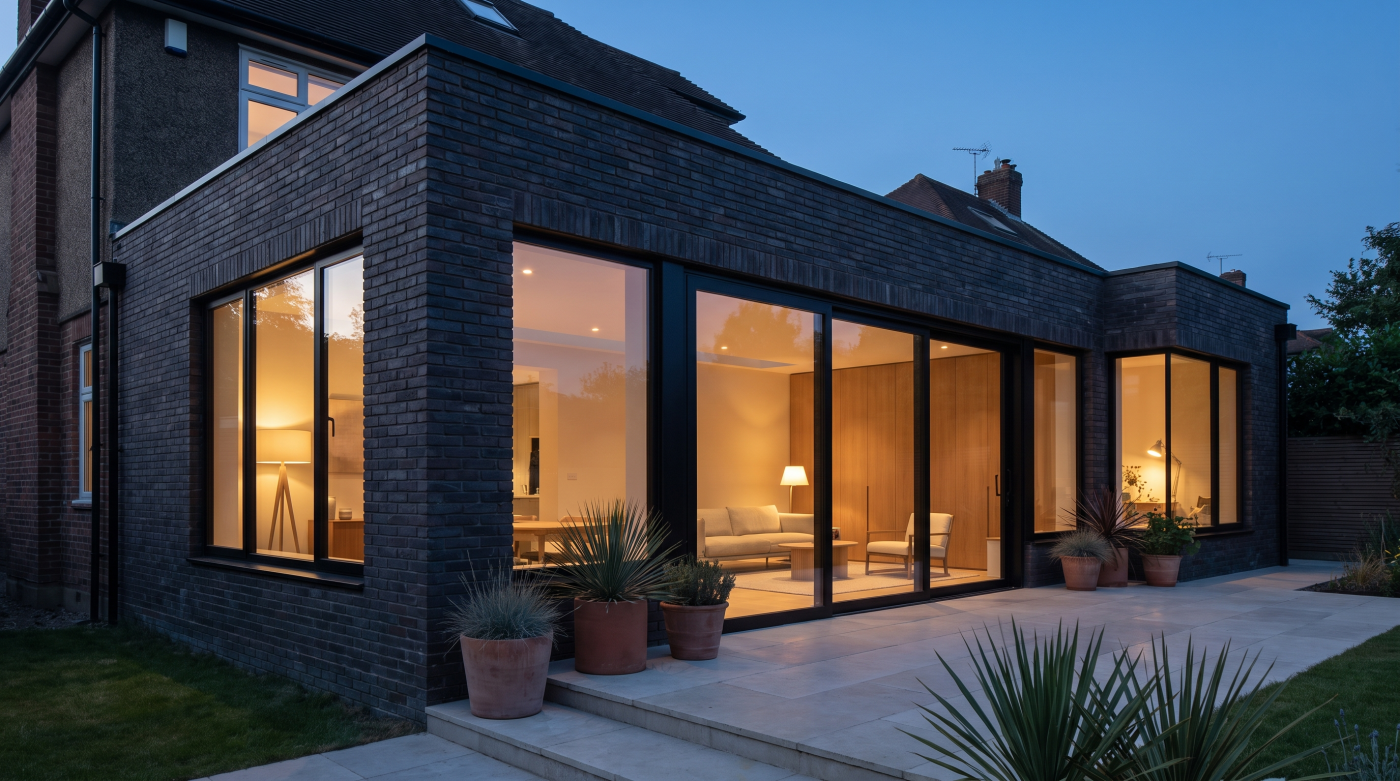
Performance Matters More Than Gadgets
Much of the conversation around future-proofing has become closely associated with technology. Smart lighting, automated blinds, voice-controlled heating systems and connected appliances are frequently promoted as essential investments for the future. While these innovations can undoubtedly improve convenience, architects rarely regard them as the foundation of a future-proof home. Technology changes rapidly. Buildings endure for decades. For this reason, lasting performance is considered far more valuable than any individual gadget or digital system.
Architects focus first on qualities that continue to benefit occupants regardless of technological change. Comfortable internal temperatures, generous natural daylight, effective ventilation, good acoustic performance and carefully considered glazing all contribute to a home that remains enjoyable to live in year after year. These are passive qualities embedded within the architecture itself rather than features dependent on software updates or changing digital standards.
This distinction becomes increasingly important over time. Smart home technologies that appear advanced today may be replaced several times during the lifespan of a building, while well-designed spaces continue to perform with quiet reliability. A room filled with balanced natural light, free from uncomfortable draughts and connected thoughtfully to the surrounding landscape will remain valuable long after today’s control systems have become obsolete. Good architecture continues working regardless of the technology installed within it.
Glazing plays a significant role in achieving this enduring performance. Carefully specified windows help regulate thermal comfort, improve acoustic quality, maximise daylight and strengthen the relationship between interior spaces and the outdoors. These benefits are experienced every day without requiring interaction or maintenance beyond the building itself. Rather than relying on complex systems to compensate for poor design, architects use glazing as part of a holistic strategy that supports comfort through the architecture.
Ultimately, future-proofing is not about filling a home with technology that may soon be outdated. It is about creating a building that performs exceptionally well even as technology evolves around it. By prioritising passive comfort, thoughtful design and enduring architectural quality, homeowners invest in improvements that will continue enhancing everyday life for decades rather than simply keeping pace with the latest innovations.
Future-Proofing Includes Emotional Longevity
Future-proofing is often measured through practical considerations such as flexibility, energy performance or adaptability, yet one of the most important qualities of a successful home is far less tangible. Architects recognise that buildings should not only continue functioning well over time but should also continue to be loved. This enduring connection between people and place is sometimes described as emotional longevity, and it is one of the strongest indicators that a renovation has genuinely stood the test of time.
Homes that remain satisfying for decades rarely achieve this through novelty. Instead, they offer qualities that enrich everyday life in subtle and consistent ways. Rooms filled with natural light, carefully framed views, balanced proportions and a calm relationship with the surrounding landscape create environments that continue to feel welcoming regardless of changing fashions or lifestyles. These experiences become part of daily life, quietly reinforcing the reasons people chose the home in the first place.
Architects understand that emotional attachment is created through thoughtful design rather than visual spectacle. A renovation that prioritises comfort, craftsmanship and architectural harmony is more likely to retain its appeal than one that depends on dramatic features designed to impress at first glance. As years pass, it is often the quieter qualities—the warmth of materials, the ease of moving through the house, the changing patterns of daylight—that become the most valued aspects of the home.
Glazing plays an important role in shaping this emotional connection. Windows that frame seasonal views, strengthen the relationship between living spaces and gardens, and fill interiors with natural light continue to enrich everyday experience long after the excitement of completion has faded. These qualities cannot easily be measured, yet they contribute profoundly to how people feel about their homes over many years.
Ultimately, future-proofing is not only about ensuring a house can adapt to practical change. It is also about creating a place that people continue to enjoy living in through every stage of life. When architecture supports both functional flexibility and emotional wellbeing, a renovation achieves something far more enduring than technological relevance—it becomes a home that grows more meaningful with time rather than less.
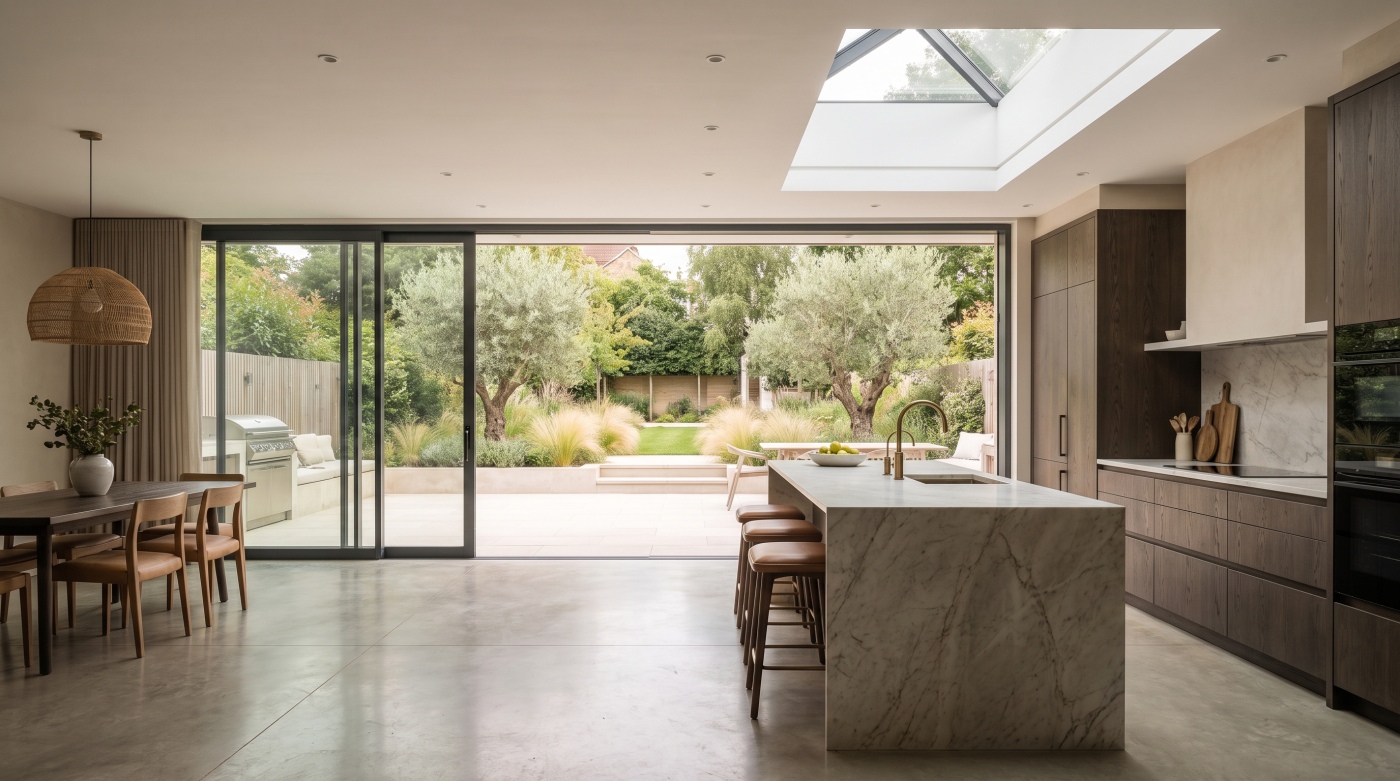
Architects Think in Decades, Not Product Cycles
One of the defining differences between architects and product manufacturers is the timescale on which they think. Products are often developed around innovation cycles measured in years, with new models, finishes and technologies appearing regularly. Buildings, by contrast, are expected to endure for generations. Architects therefore make design decisions based not on what is currently new, but on what will continue to perform, function and feel appropriate many decades into the future.
This long-term perspective shapes every aspect of a renovation. Rather than asking whether a particular product is the latest available, architects consider how it contributes to the life of the building over time. They evaluate durability, adaptability, ease of maintenance and the way materials will mature through years of use. A successful home is not one that constantly demands replacement but one whose architecture remains fundamentally sound while individual components can evolve as technologies improve.
This philosophy also influences the specification of glazing. Windows are selected not simply for their immediate appearance or technical performance but for the role they will continue to play throughout the life of the building. Carefully proportioned glazing, durable materials and thoughtful detailing ensure that the architecture remains visually coherent even as internal layouts, heating systems or environmental technologies change around it. The building retains its identity because its defining qualities are rooted in design rather than short-term innovation.
Architects also understand that buildings become more valuable when they are capable of adapting gracefully. Spaces designed with flexibility, generous daylight and balanced proportions are less likely to require major structural alterations as family life changes. This adaptability extends the useful life of the home while reducing the environmental and financial cost of repeated renovation, making long-term thinking both a practical and sustainable approach.
Ultimately, future-proofing is about recognising that buildings outlast products. Technologies will evolve, fashions will come and go, but well-considered architecture continues to provide value because it is designed around enduring human needs rather than temporary market cycles. By thinking in decades instead of product launches, architects create homes that remain resilient, relevant and rewarding long after individual components have been updated or replaced.
The Best Future-Proofed Homes Feel Timeless
The most future-proof homes rarely advertise themselves as such. They do not rely on visible technology, fashionable design features or bold architectural statements to suggest they are prepared for the years ahead. Instead, they possess a quiet confidence that allows them to remain relevant as lifestyles, technologies and tastes continue to evolve. Architects understand that timelessness is not simply an aesthetic quality—it is one of the clearest expressions of genuine future-proofing.
Timeless architecture is built upon principles that do not become obsolete. Balanced proportions, generous natural light, carefully framed views, honest materials and thoughtful relationships between spaces create homes that continue to feel comfortable and appropriate regardless of changing trends. These qualities support everyday life in ways that remain meaningful over decades because they are rooted in fundamental human experience rather than temporary fashions.
This approach also acknowledges that the future cannot be predicted with certainty. New technologies will emerge, patterns of working will continue to change and family life will evolve in unexpected ways. Rather than attempting to anticipate every possibility through specialised features, architects create buildings that are inherently adaptable. Flexible layouts, carefully positioned glazing and robust architectural planning provide a foundation capable of accommodating change without requiring the character of the home to be continually reinvented.
The enduring success of these homes comes from their ability to balance permanence with adaptability. Their architecture remains constant while individual components, technologies and interior arrangements can evolve naturally over time. The building retains its identity because it was never dependent upon a particular trend or innovation in the first place. Instead, it was designed around qualities that continue to matter regardless of the era in which it is lived.
Ultimately, the best future-proofed homes are those that feel timeless rather than futuristic. They allow architecture to serve people through every stage of life, providing comfort, flexibility and lasting beauty without constantly reminding occupants of the technologies or trends of the day. When a renovation is guided by enduring design principles instead of predictions, it becomes capable of adapting gracefully to whatever the future may bring. That quiet resilience is the true meaning of future-proofing.