
Bigger Glass Is Not Automatically Better Architecture
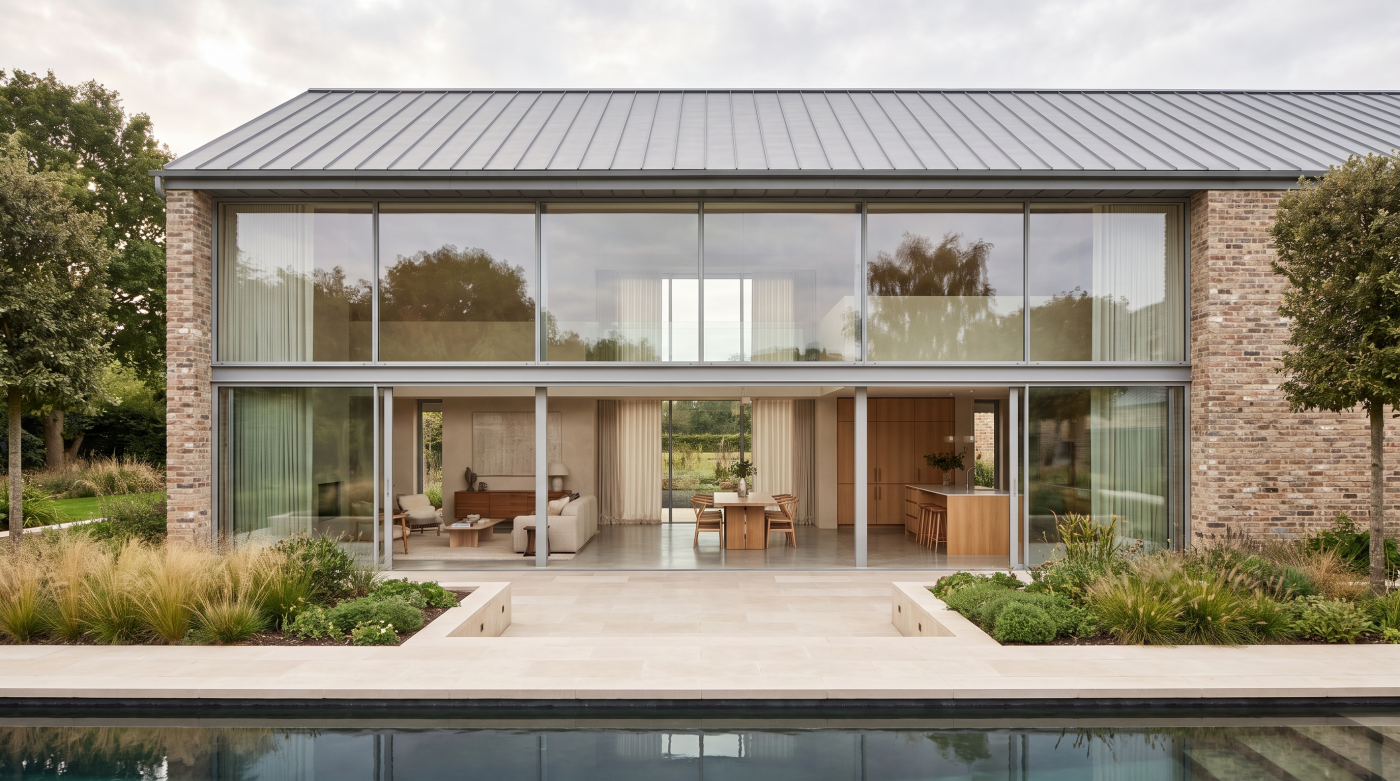
Walk through the pages of an architectural magazine or scroll through social media and it is easy to conclude that bigger glazing is always better. Entire walls of glass, dramatic sliding doors and uninterrupted floor-to-ceiling elevations have become visual symbols of luxury home design. While these projects can be striking, architects rarely judge glazing by its size alone. They understand that great architecture is measured by the quality of the spaces it creates rather than the quantity of glass it contains.
This distinction is important because glass is a means, not an objective. Its purpose is to improve the experience of living within a home by introducing natural light, framing carefully considered views and strengthening the relationship between interior spaces and the surrounding landscape. When glazing is specified simply because larger panels appear more impressive, it can begin to dominate the architecture instead of supporting it. The result may be visually dramatic at first glance, yet less comfortable and less satisfying over time.
Architects therefore begin by asking different questions. How should this room feel throughout the day? Which views deserve emphasis? How will sunlight change with the seasons? What balance should exist between openness, privacy and comfort? Only after these architectural questions have been explored does the size of the glazing become part of the conversation. In many cases, the most successful solution is not the largest possible opening but the one that responds most thoughtfully to the building and its setting.
This approach also recognises that architecture depends upon balance. Walls provide enclosure, structure and a sense of permanence, while glazing introduces light, outlook and connection. Neither element is inherently superior to the other. The quality of the building emerges from the relationship between them, creating spaces that feel composed rather than dominated by a single material.
Ultimately, bigger glass is not a shortcut to better architecture. The finest homes use glazing with intention, ensuring that every window and glazed opening has a clear purpose within the wider design. When glass is specified to enrich everyday life rather than simply maximise visual impact, it becomes part of an architecture that feels calm, balanced and enduring long after first impressions have faded.
Views Need Framing, Not Unlimited Exposure
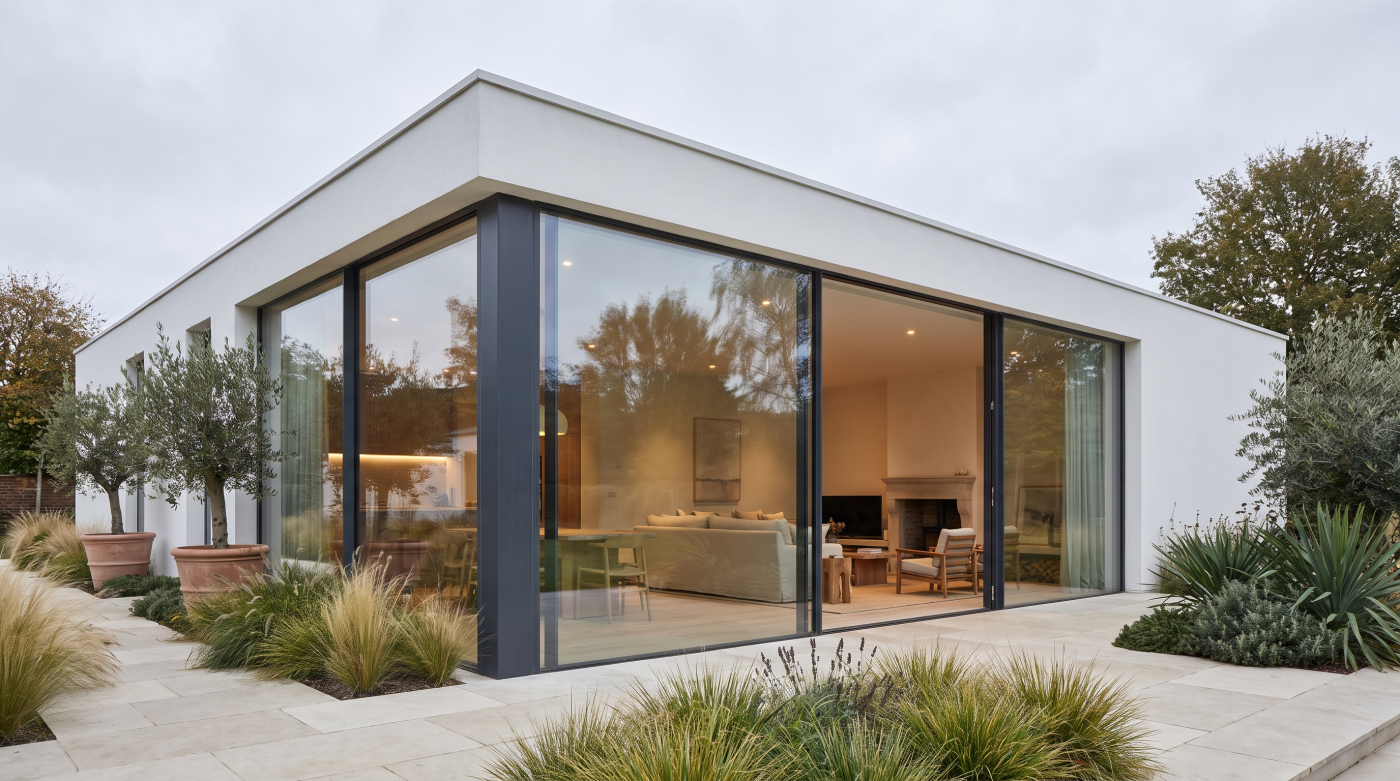
One of the greatest strengths of architectural glazing is its ability to connect a home with its surroundings. Whether overlooking a mature garden, open countryside or an urban landscape, a carefully positioned window can transform the experience of a room by bringing the outside in. Yet architects understand that this relationship is rarely improved simply by making the glass larger. The quality of a view depends as much on how it is framed as on how much of it is visible.
This principle is familiar in photography and painting, where composition determines what captures attention and how a scene is experienced. Architecture works in much the same way. A thoughtfully proportioned window guides the eye towards a particular landscape, mature tree or changing horizon, creating a deliberate visual connection that enriches everyday life. By contrast, an uninterrupted wall of glass can sometimes overwhelm the senses, making every part of the landscape equally prominent and reducing the clarity of the view itself.
Framing also creates a stronger sense of place. Windows define the relationship between the comfort of the interior and the world beyond, allowing occupants to experience changing weather, shifting light and seasonal landscapes while still feeling sheltered within the home. This balance between openness and enclosure is fundamental to architectural comfort. When glazing removes too much sense of enclosure, the interior can begin to feel exposed rather than connected.
Architects therefore consider views with the same care they apply to proportion and materiality. They study where people naturally sit, stand and move through a room, ensuring that important outlooks are experienced from the places where daily life actually happens. Every opening is positioned to support the way the space will be lived in rather than simply to maximise the amount of visible landscape.
Ultimately, the most memorable views are often those that are carefully composed rather than completely unrestricted. A well-framed window encourages the eye to appreciate the landscape with greater clarity and purpose, strengthening the relationship between architecture and nature. In this way, glazing becomes more than a transparent opening—it becomes an architectural frame that quietly enriches the experience of home.
Daylight Is Different From Direct Sunlight
One of the most common assumptions in residential design is that more glass automatically creates brighter, better living spaces. While larger glazed areas can certainly increase the amount of light entering a home, architects recognise that daylight and direct sunlight are not the same thing. Designing with light is far more sophisticated than simply maximising glazing. The objective is to create comfortable, balanced interiors that respond well throughout the changing seasons rather than spaces that are flooded with sunlight at every opportunity.
Daylight is one of architecture’s most valuable materials. It reveals texture, enhances proportions and changes subtly from morning to evening, giving rooms a sense of life and connection to the outside world. Well-designed glazing introduces this natural light in a controlled and considered way, ensuring that spaces feel welcoming without becoming visually uncomfortable or environmentally challenging.
Direct sunlight, however, requires careful management. Depending on the orientation of the building, large areas of south- or west-facing glass can introduce significant solar gain during warmer months, leading to overheating, glare and uncomfortable living conditions. A room that appears spectacular in photographs on a bright spring afternoon may become difficult to occupy during the height of summer if sunlight has not been carefully considered as part of the architectural design.
Architects therefore think about light in relation to time as well as space. They study how the sun moves across the site, how different rooms are used throughout the day and how seasonal changes affect internal comfort. Glazing is then positioned and proportioned to balance natural illumination with thermal performance, ensuring that homes remain comfortable throughout the year rather than excelling only under ideal conditions.
Ultimately, successful glazing is not about capturing the greatest possible amount of sunlight. It is about shaping daylight so that it enhances everyday living while maintaining comfort in every season. By understanding the distinction between daylight and direct solar exposure, architects create homes that feel calm, bright and enjoyable to inhabit long after the initial visual impact of expansive glazing has faded.
Comfort Depends on Balance
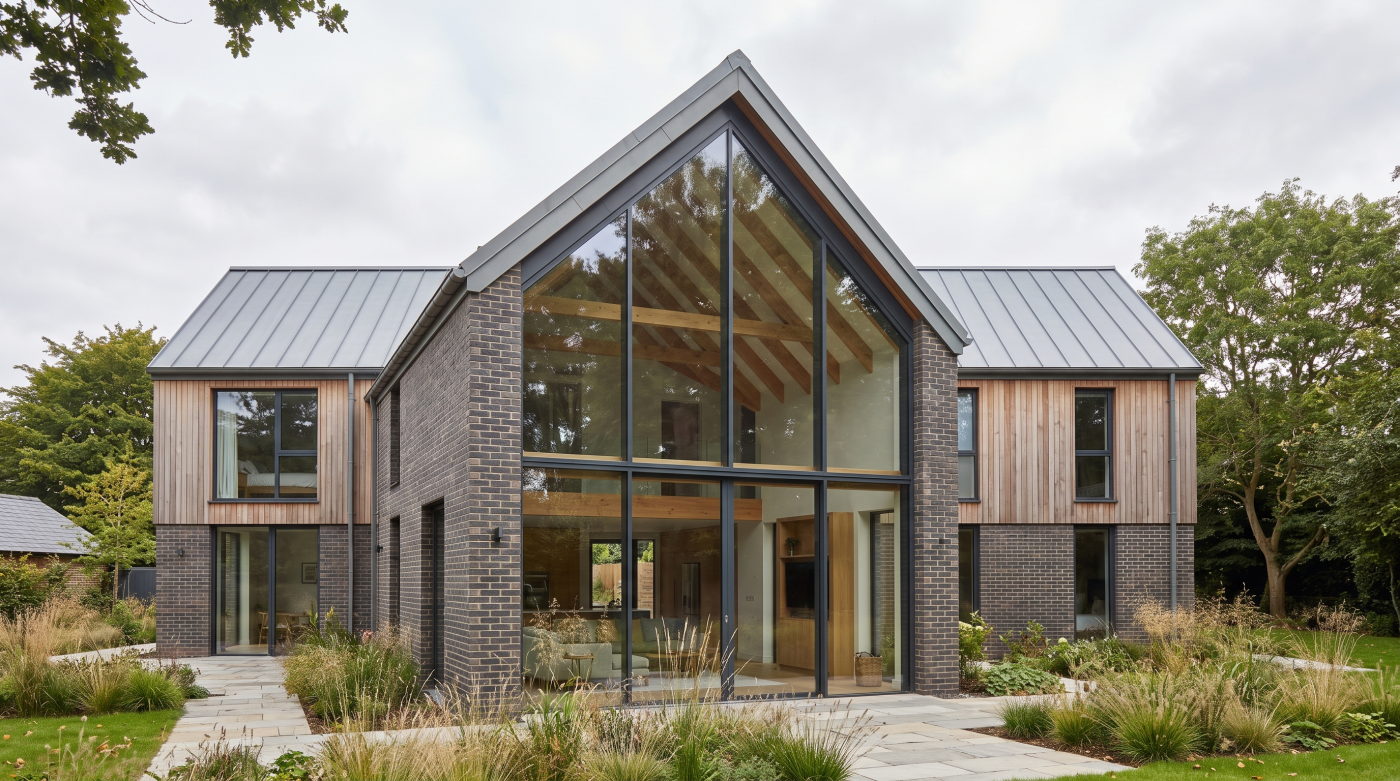
It is easy to judge a home by the impact it makes on first viewing. Expansive glazing, dramatic double-height spaces and uninterrupted views can create an immediate sense of openness that feels impressive for a short visit. Yet architects know that homes are experienced over thousands of ordinary days rather than a handful of memorable moments. Lasting comfort depends not on visual spectacle but on achieving balance between light, temperature, privacy, acoustics and a sense of enclosure.
Human beings instinctively respond to spaces that feel protected as well as connected. While glazing opens a home to daylight and landscape, walls provide shelter, definition and intimacy. Together they create environments that feel calm and comfortable throughout the day. When the balance shifts too far towards transparency, rooms can begin to feel exposed rather than welcoming. Even beautiful views lose some of their value if occupants feel constantly on display or unable to find quieter, more private corners within their own home.
Thermal comfort is another important consideration. Large glazed elevations can influence how a room feels throughout the seasons, affecting radiant temperatures, solar gain and the perception of warmth even when the air temperature remains relatively stable. Architects therefore think beyond technical performance figures, considering how people actually experience different spaces during winter mornings, summer afternoons and everything in between. Comfort is measured through lived experience rather than calculations alone.
Acoustics also contribute to this wider sense of wellbeing. Homes should provide places for conversation, concentration and relaxation, with carefully designed glazing supporting a peaceful internal environment despite the activity beyond. Combined with balanced daylight and thoughtful proportions, these qualities help create rooms that continue to feel comfortable throughout changing patterns of daily life.
Ultimately, successful architecture is judged by how it supports the people who live within it. The most satisfying homes are not those with the greatest amount of glass but those where openness and enclosure exist in careful harmony. By balancing light, privacy, comfort and performance, architects create interiors that feel reassuringly liveable as well as visually beautiful, ensuring that everyday experience remains the true measure of good design.
Glass Should Strengthen the Architecture
Glazing is often one of the defining features of a contemporary extension, but architects rarely regard it as the starting point for the design. Instead, they see glass as one element within a much larger architectural composition. Its role is to support proportion, light and the relationship between spaces rather than becoming the architecture itself. When glazing is specified in this way, it strengthens the building. When it becomes the dominant design feature, the architecture can begin to lose its clarity.
Every successful home relies on balance between solid and transparent elements. Walls provide structure, rhythm and permanence, while glazing introduces daylight, outlook and a connection with the surrounding landscape. These elements are not in competition. They depend upon one another. A carefully proportioned façade uses both to create a composition that feels calm and coherent, allowing the building to retain a strong architectural identity regardless of changing fashions.
Architects therefore study how glazing relates to the wider structure. They consider the spacing of openings, the proportions between masonry and glass, the rhythm established across the elevation and the way structural elements contribute to the overall composition. Even very large glazed openings are carefully integrated so that the architecture remains legible, with the building expressing a clear sense of order rather than appearing to dissolve into uninterrupted transparency.
This approach also improves the experience of living within the home. Windows become purposeful architectural elements that frame particular views, organise interior spaces and guide the movement of natural light throughout the day. Rather than existing simply because large panes of glass are available, each opening contributes meaningfully to how the building functions and feels. The result is architecture that is both visually composed and deeply enjoyable to inhabit.
Ultimately, glass is at its most successful when it quietly reinforces the architecture instead of replacing it. The finest homes are remembered for the quality of their spaces, the balance of their proportions and the calm confidence of their design—not for the sheer quantity of glazing they contain. When glass supports the architecture rather than dominating it, both the building and the experience of living within it become richer, more enduring and more satisfying.
Architects Design Around Daily Life, Not Photographs
Some of the most striking contemporary homes are experienced first through carefully composed photographs rather than in person. Wide-angle images of uninterrupted glazing, dramatic views and beautifully furnished interiors can create a powerful impression, encouraging homeowners to believe that the same architectural gestures will automatically produce a better home. Architects, however, design for a very different audience. They design for the people who will wake up there every morning, prepare meals, work, relax and experience the building through thousands of ordinary moments rather than a single carefully framed image.
This difference changes the way glazing is specified. Instead of asking how dramatic a room will appear in photographs, architects consider how it will function throughout the day. They think about where furniture will be placed, how sunlight will move across the floor, where privacy is needed and how the relationship between the interior and the garden will support everyday routines. These practical considerations rarely diminish architectural quality; in fact, they often strengthen it by ensuring that beauty and usability develop together.
Large areas of glass can certainly create memorable spaces, but they also influence how comfortably a room can be lived in. Excessive transparency may limit furniture layouts, reduce opportunities for displaying artwork, increase feelings of exposure or make everyday activities less comfortable than they initially appear. Architects therefore balance openness with enclosure, creating interiors that feel both connected to the landscape and supportive of daily life. The result is architecture that continues to delight long after the excitement of the first viewing has passed.
This human-centred approach also shapes the experience of changing seasons. Morning light, afternoon shade, winter warmth and summer comfort are all considered alongside circulation, family life and evolving patterns of living. Glazing becomes part of a carefully orchestrated environment that responds to how people actually occupy their homes rather than how the building appears in promotional imagery.
Ultimately, the success of a home is measured by how it feels to live in, not by how it looks in a single photograph. Architects understand that the most enduring buildings are those that quietly support everyday life with comfort, flexibility and architectural balance. When glazing is designed around lived experience rather than visual spectacle, it contributes to homes that remain rewarding every day for decades rather than simply making a memorable first impression.
The Best Glazing Often Goes Unnoticed
The finest architectural glazing rarely becomes the centre of attention. While it may contribute significantly to the character, comfort and performance of a home, its success is measured by how naturally it supports the architecture rather than by how prominently it presents itself. Architects often regard this quiet integration as one of the clearest signs of thoughtful design. When glazing feels inevitable rather than impressive, it has usually been specified with great care.
This sense of restraint begins with purpose. Every glazed opening should contribute to the experience of living within the building, whether by introducing natural daylight, framing a particular view or strengthening the relationship between interior spaces and the surrounding landscape. When each window has a clear architectural role, the home feels balanced and coherent because the glazing serves the design instead of competing with it.
The same philosophy extends to comfort. Well-specified glazing quietly improves everyday life by reducing unwanted draughts, supporting comfortable internal temperatures, moderating external noise and creating a closer connection with changing seasons. These qualities are experienced rather than noticed. Occupants simply enjoy rooms that feel brighter, calmer and more comfortable without constantly thinking about the technical decisions that made those improvements possible.
Architects also understand that buildings should retain a strong architectural identity independent of the glazing they contain. Walls continue to provide structure, proportion and a sense of permanence, while glazing introduces light and openness with measured confidence. Together they create compositions that feel timeless because no single element dominates the whole. The architecture remains the focus, with glazing acting as a carefully judged supporting component.
Ultimately, the highest achievement of architectural glazing is not to attract admiration for itself but to make a home feel effortlessly enjoyable to live in. When windows and glazed doors become such a natural part of the architecture that they almost disappear from conscious attention, they have fulfilled their purpose. The result is a home remembered not for the size of its glass but for the quality of its spaces, the comfort of its interiors and the quiet confidence of its design.