
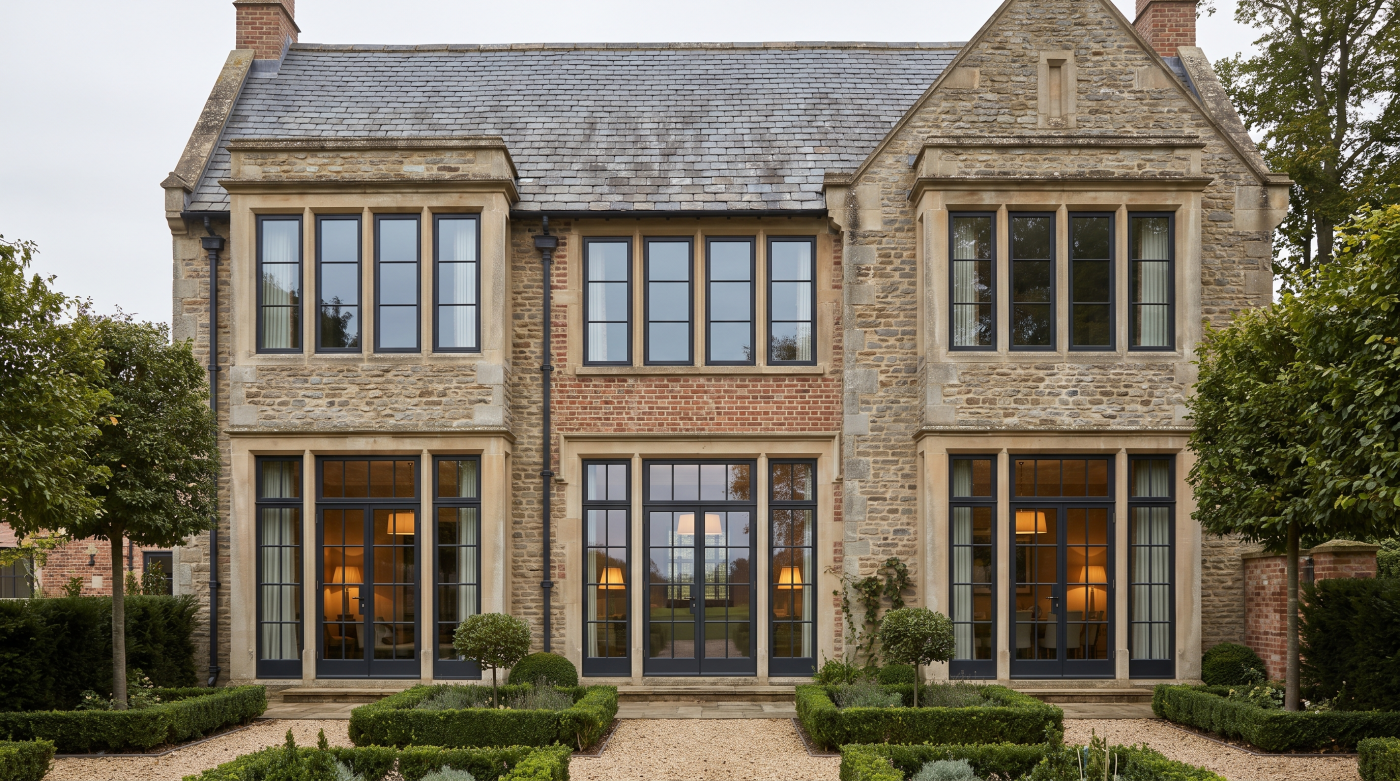
Every Period Home Tells a Different Story
At first glance, many period homes appear to belong to clearly defined architectural categories. A Georgian townhouse may be recognised by its symmetry and restrained proportions, while a Victorian villa might be distinguished by decorative brickwork, bay windows and more elaborate detailing. Yet within those broad styles, every building has developed its own history through alteration, repair, neglect and adaptation. That history matters when decisions are being made about the windows.
Some properties retain original joinery of considerable craftsmanship and historic value. Others contain later replacements that only loosely reflect the architecture of the house. In many cases, different elevations have been altered at different times, leaving a mixture of original fabric, sympathetic repairs and unsuitable interventions. Treating all of these windows as though they present the same problem risks overlooking what is genuinely important about the building.
Architects and heritage consultants therefore begin with observation rather than assumption. They look at frame proportions, glazing bar patterns, opening styles, surrounding masonry and the relationship between the windows and the wider façade. They also consider the condition of the existing joinery, the significance of any surviving historic material and the practical needs of the people living in the home. These details help determine whether repair, selective replacement or a more comprehensive intervention is likely to be appropriate.
This is why standardised solutions rarely sit comfortably within period architecture. A window that works well in one Georgian property may appear heavy or poorly proportioned in another, even if the buildings seem similar from a distance. The most successful decisions respond to the individual character of the house rather than relying on a generic idea of what a “heritage window” should look like.
Before any product is chosen, the building itself needs to be understood. Its age may provide the starting point, but its particular story should guide what happens next.
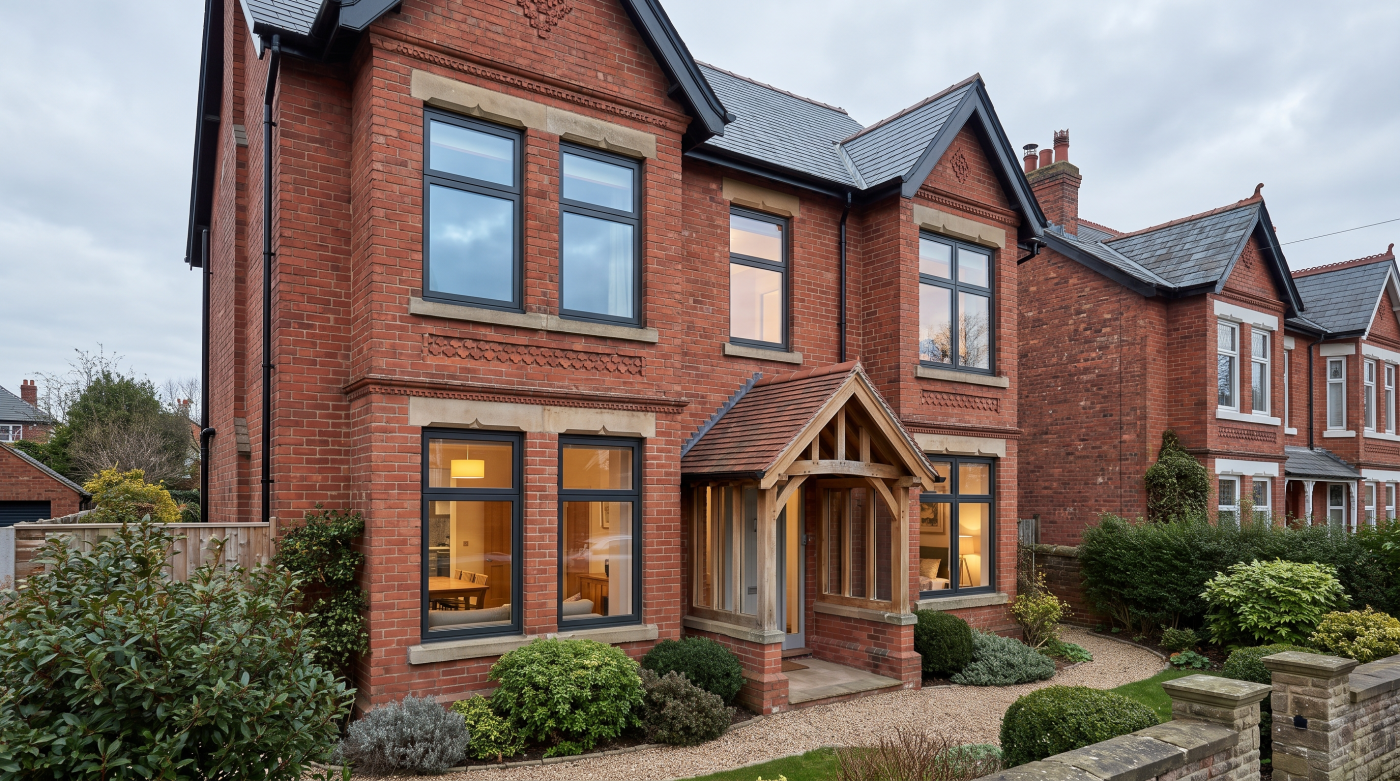
Original Doesn’t Always Mean Better—But It Doesn’t Always Mean Worse Either
One of the most persistent misconceptions surrounding period homes is that there is only one correct approach to existing windows. Some assume every original window should be preserved regardless of its condition, while others believe replacement is always the most practical solution. In reality, neither position reflects the way architects and heritage specialists typically assess historic buildings.
The first question is rarely whether a window should be replaced. Instead, it is whether it continues to contribute positively to the building. Original timber windows may display signs of age after decades of exposure, yet many remain structurally sound and capable of careful repair. In other cases, years of inappropriate alterations, poor maintenance or extensive decay may have compromised both their appearance and performance to the point where replacement becomes a reasonable consideration.
Historic value also extends beyond physical condition. Original joinery often demonstrates levels of craftsmanship, material quality and architectural detailing that are difficult to replicate today. Even where repairs are required, retaining significant historic fabric can preserve an important part of the building’s story. Conversely, if the existing windows are modern replacements that bear little relationship to the property’s original design, introducing a more sympathetic specification may actually enhance its architectural character.
Performance deserves equal consideration. Older windows may contribute to draughts, condensation, external noise and inconsistent indoor temperatures, all of which affect how comfortably a home can be lived in throughout the year. Improving these aspects should not be viewed as conflicting with conservation but as part of ensuring that historic buildings remain practical places for modern life.
Rather than approaching the decision as a choice between preservation and replacement, experienced professionals seek the most appropriate balance. Every period home presents different opportunities and constraints, and the best outcome is usually the one that respects the building’s heritage while allowing it to continue serving those who live there for many years to come.
Why Planning and Heritage Considerations Matter
Replacing windows in a period home is not simply a design decision. Depending on the age, location and significance of the property, it may also involve planning policies intended to protect the character of historic buildings and places. While these requirements can sometimes appear restrictive, their purpose is not to prevent change but to ensure that alterations respect the architectural qualities that make these homes valuable in the first place.
Listed buildings and properties within conservation areas are often subject to additional controls, although the level of oversight varies depending on the building and the proposed work. Local planning authorities are generally concerned with preserving features that contribute to the significance of the property, including window proportions, materials, opening styles and the overall rhythm of the façade. Even relatively small changes can alter the appearance of a historic building more than many homeowners initially expect.
This is one reason architects engage with heritage considerations early in the design process. Rather than viewing planning as a final hurdle, they incorporate conservation principles into the specification from the outset. Understanding what is likely to be acceptable allows design decisions to evolve naturally, reducing the risk of costly revisions later in the project. Early discussions with conservation officers or heritage consultants can often clarify expectations before detailed work begins.
Importantly, heritage guidance does not necessarily rule out improving comfort or energy performance. Sensitive upgrades are frequently possible when they are carefully considered and appropriately detailed. The objective is to ensure that any intervention enhances the long-term future of the building without diminishing the qualities that give it its architectural identity.
Approaching planning in this way shifts the conversation from seeking permission to making informed, respectful decisions. It encourages homeowners to see themselves not simply as property owners, but as temporary custodians of buildings whose architectural character deserves thoughtful stewardship for generations to come.
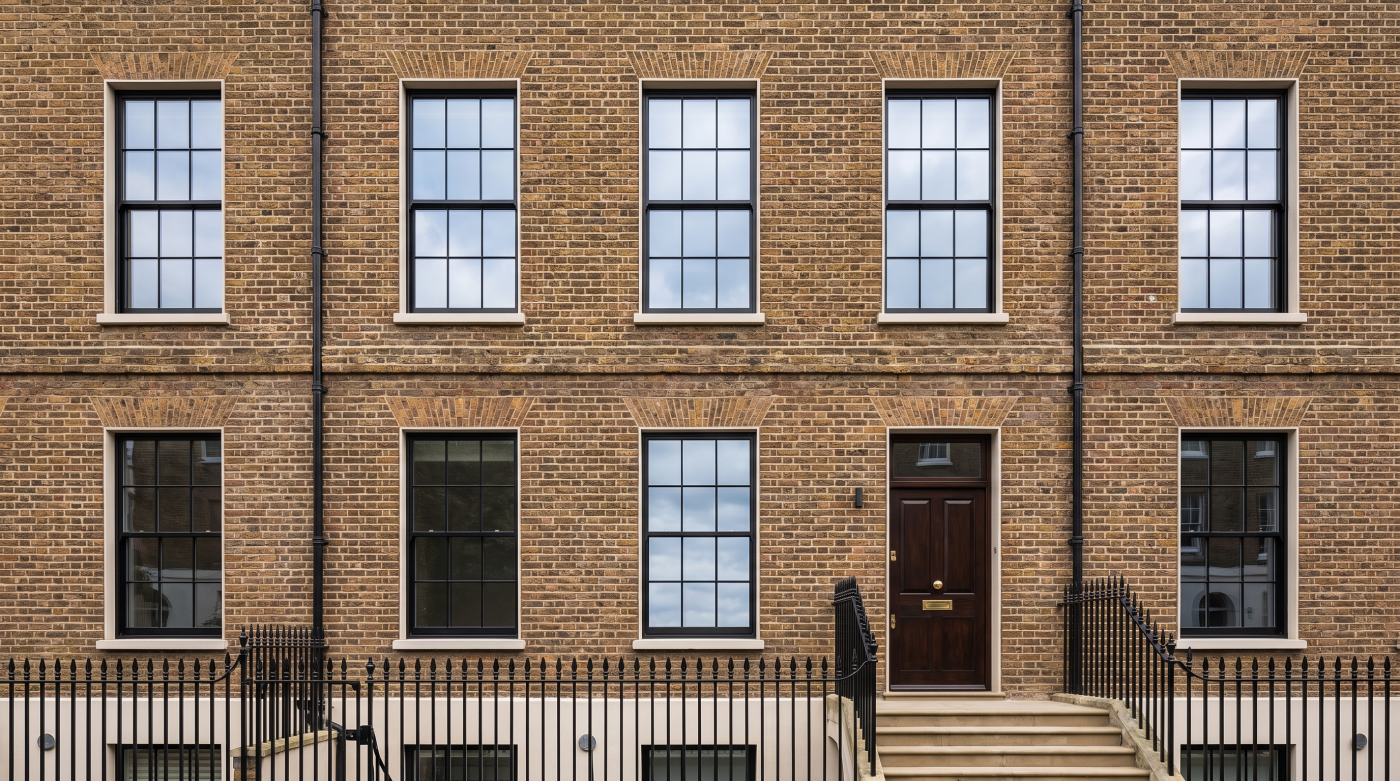
Comfort Matters Too
While heritage considerations rightly play an important role in period home renovations, they should not overshadow the practical experience of living in the building every day. Most homeowners are not replacing windows simply to change how their property looks. They are often responding to persistent draughts, cold rooms, condensation, traffic noise or the feeling that parts of the house never become truly comfortable, regardless of how much the heating is used.
These experiences have a genuine impact on daily life. Sitting beside a cold window on a winter evening, managing condensation each morning or avoiding certain rooms because they are difficult to heat can gradually shape how a home is used. Improving these aspects is not about chasing perfect energy performance figures; it is about creating a house that supports modern living while retaining its historic character.
Architects recognise that comfort is one of the most meaningful measures of a successful renovation. Warmer internal glass surfaces reduce radiant heat loss, better seals help eliminate uncomfortable draughts and improved glazing can lessen external noise without fundamentally altering the appearance of the property. These changes are often noticed long before homeowners see any reduction in their energy bills, making comfort one of the most immediate benefits of thoughtful specification.
Importantly, these improvements should always be considered in the context of the building as a whole. Older homes manage moisture, ventilation and temperature differently from contemporary construction, so any changes to the windows need to complement the wider behaviour of the property rather than disrupt it. A balanced approach ensures that enhanced comfort is achieved without creating unintended consequences elsewhere in the building.
The most successful period home renovations recognise that preserving architectural heritage and improving everyday living are not competing objectives. With careful design and sensitive specification, historic homes can remain both beautiful and genuinely comfortable, allowing their character to be appreciated not only as part of the past but as part of daily life in the present.
Modern Windows Can Respect Traditional Architecture
One of the greatest concerns homeowners have when considering replacement windows is that modern products will inevitably diminish the character of their property. It is an understandable fear. Many period homes have suffered from poorly judged alterations in the past, where bulky frames, inappropriate proportions or unsuitable materials disrupted the carefully balanced architecture of the original building. These examples have understandably created the impression that replacing windows and preserving character are fundamentally incompatible.
In practice, the quality of the design matters far more than whether a window is simply described as “modern” or “traditional”. Architects focus on the architectural language of the building itself. The proportions of the frames, the depth of the reveals, the rhythm of glazing bars and the relationship between solid wall and glazed opening all contribute to how a façade is perceived. These details are often more significant than the choice of material alone.
Contemporary manufacturing techniques now make it possible to produce replacement windows that respond sensitively to historic architecture while offering meaningful improvements in comfort, durability and performance. The objective is rarely to create an imitation of the original, but to produce a solution that sits comfortably within the building’s overall composition. A successful replacement should feel entirely at home, allowing the architecture to remain the focus rather than drawing attention to the window itself.
This is where careful specification becomes invaluable. Architects and experienced glazing specialists evaluate how each element will contribute to the appearance of the property as a whole, ensuring that sightlines remain elegant, proportions are preserved and the visual character of the building is respected. The result is often remarkably understated, with improvements becoming apparent through greater comfort and refined detailing rather than obvious visual change.
The most successful replacement windows do not compete with the architecture they serve. Instead, they quietly reinforce the qualities that have made period homes so enduringly admired, demonstrating that thoughtful contemporary design can enhance historic buildings without compromising their identity.
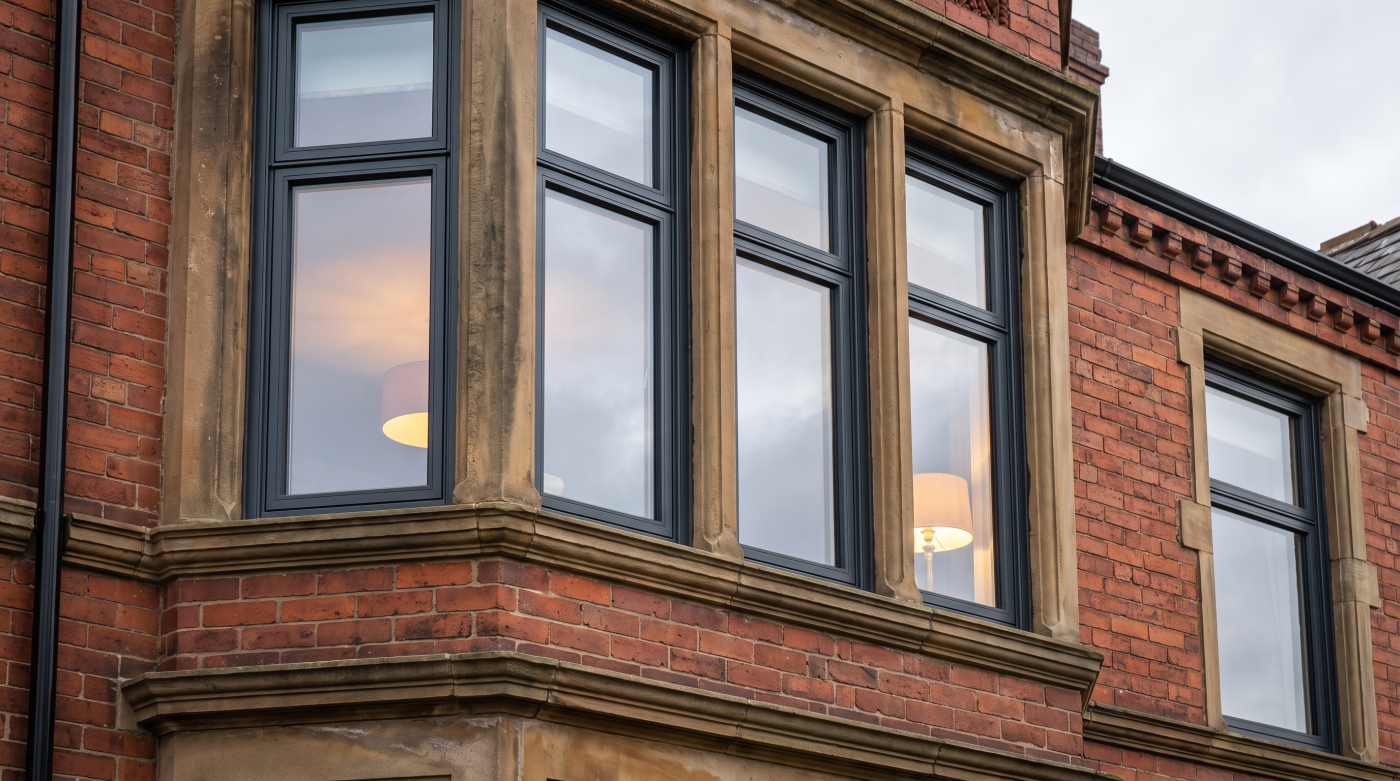
Architects Think About the Building as a Whole
When homeowners begin considering replacement windows, it is natural to focus on the windows themselves. They are the visible element of the project, and often the source of everyday frustrations such as draughts, condensation or deteriorating frames. Architects, however, tend to see them as one part of a much larger system. Their role is to understand how every component of the building works together before recommending any individual intervention.
Period homes are particularly dependent on this holistic approach. Solid walls, traditional materials and historic construction methods create buildings that respond differently to heat, moisture and ventilation than modern homes. Altering one element without considering the others can sometimes produce unintended consequences, even when the individual product performs exactly as intended. This is why experienced designers assess windows alongside insulation, ventilation, heating strategies and the overall condition of the building rather than treating them as an isolated upgrade.
The relationship between these elements is often subtle. Improving the airtightness of new windows, for example, may also influence how fresh air moves through the property. Better glazing can reduce cold surfaces and improve comfort, while thoughtful detailing around the installation helps manage moisture and maintain the integrity of the building envelope. None of these decisions exists independently; each contributes to the long-term performance of the home as a whole.
This integrated way of thinking also protects the architectural character of the property. Decisions about window proportions, reveal depths, external finishes and internal detailing are considered alongside practical performance, ensuring that visual quality and building behaviour remain closely aligned. The result is a renovation that feels coherent rather than a collection of unrelated improvements.
Ultimately, replacing windows is rarely about finding the best individual product. It is about identifying the most appropriate solution for the building itself. By viewing windows as part of a wider architectural strategy, architects help create period homes that are more comfortable, more resilient and better prepared for the decades ahead while remaining true to their historic character.
Questions Worth Asking Before Replacing Period Windows
The decision to replace windows in a period home is rarely improved by rushing towards products, brochures or performance figures. Instead, the most successful projects begin with a series of thoughtful questions about the building itself. These conversations help establish what the property genuinely needs while avoiding assumptions that may lead to unnecessary work or disappointing results.
A sensible starting point is the condition of the existing windows. Are they fundamentally sound but suffering from deferred maintenance, or have years of deterioration compromised their structural integrity? Understanding whether repair remains a realistic option provides an informed basis for any later decisions. Equally important is determining whether the current windows are original features that contribute to the building’s significance or later additions that have already altered its architectural character.
It is also worth considering how the home is used today. Are cold draughts affecting everyday comfort? Has external noise become intrusive? Are condensation or maintenance becoming persistent concerns? Clarifying these priorities helps ensure that any proposed solution addresses the issues that matter most to those living in the property rather than simply pursuing technical improvements for their own sake.
Planning and heritage considerations deserve attention from the outset as well. If the property is listed or located within a conservation area, understanding the relevant requirements early allows the project to progress with greater confidence. Engaging architects, heritage consultants or experienced glazing specialists at this stage often leads to more balanced and sympathetic solutions than attempting to navigate these complexities later.
Perhaps the most valuable question, however, is the simplest: What kind of custodian do you want to be? Period homes are passed from one generation to the next, with each owner making decisions that shape the building’s future. The best window specifications are rarely those that chase trends or extremes. They are the ones that respect the home’s history, support modern living and leave the building better prepared for those who will care for it in the years to come.