
What Are the First Signs That Your Glazing May Be Failing?
The first signs of a glazing problem are often changes in appearance or comfort that were not previously noticeable. A window may develop persistent misting, visible damage to the glass or moisture around its frame. It may also begin to feel draughtier or less comfortable during cold weather. These observations suggest that the window deserves attention, but they do not all mean that the glazing itself has failed.
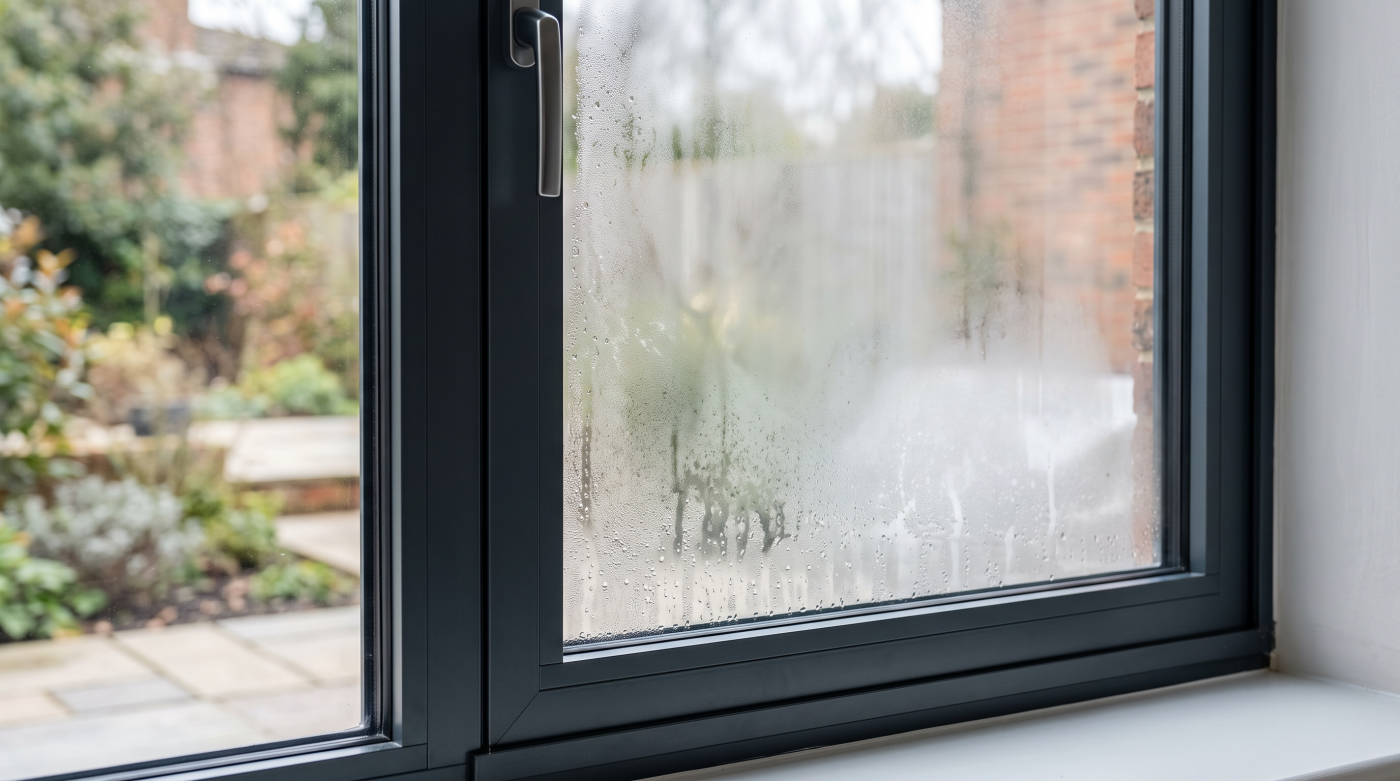
The location of moisture is particularly important. Condensation on the room-facing surface of the glass may be associated with indoor humidity, ventilation and surface temperature. Moisture on the exterior surface can also occur under certain weather conditions. Misting that appears within the inaccessible space between the panes of a sealed glazing unit is different and may indicate that the unit is no longer maintaining its intended seal.
Other symptoms can originate elsewhere in the window assembly. A draught may result from worn opening seals or a window that no longer closes correctly. Water appearing around the frame may be associated with a defect in the window or its connection to the surrounding wall. Visible deterioration of the frame or difficulty operating the window also requires consideration, even where the glass remains intact.
It is useful to observe when a problem appears, whether it persists and whether it affects one window or several. A symptom that becomes noticeable only during heavy rain may call for a different investigation from misting that remains trapped between glass panes.
The starting point is to identify what has changed and where it occurs. Understanding whether the concern relates to the glass, sealed unit, frame or surrounding construction helps establish what needs further assessment before repair or replacement is considered.
Does Condensation Between the Glass Panes Mean Double Glazing Has Failed?
Condensation between the panes of a double-glazed window is a significant indication that its sealed glazing unit may have failed. A typical double-glazed unit consists of two panes enclosing a space intended to remain sealed. When moisture appears within that inaccessible space, it suggests that the edge seal may no longer be maintaining the conditions for which the unit was designed.
The appearance can vary. Misting may initially be noticeable only during particular weather conditions or changes in temperature, then become more persistent over time. Because the moisture is trapped between the panes, it cannot be wiped away from either accessible glass surface. This distinguishes it from condensation forming on the inside or outside of an otherwise intact window.
Condensation on the room-facing glass surface is influenced by indoor humidity, ventilation and the temperature of the glass. External condensation can also occur when atmospheric conditions allow moisture to form on the outer surface. Neither observation, by itself, establishes that the sealed glazing unit has failed. Identifying precisely where the moisture appears is therefore an important first step.
A failed sealed unit does not automatically mean that the complete window needs replacing. The glazing unit is one component within a larger assembly, and the surrounding frame, opening mechanisms and installation may remain suitable for continued use. In some window systems, a compatible replacement unit can be installed while retaining the existing frame.
Where misting appears to be trapped between panes, an assessment can help confirm the condition of the unit and establish the available options. The appropriate response should reflect both the glazing defect and the condition of the complete window, rather than treating every instance of condensation as a reason for full replacement.
Can Draughts or a Colder Room Indicate That Your Glazing Is Failing?
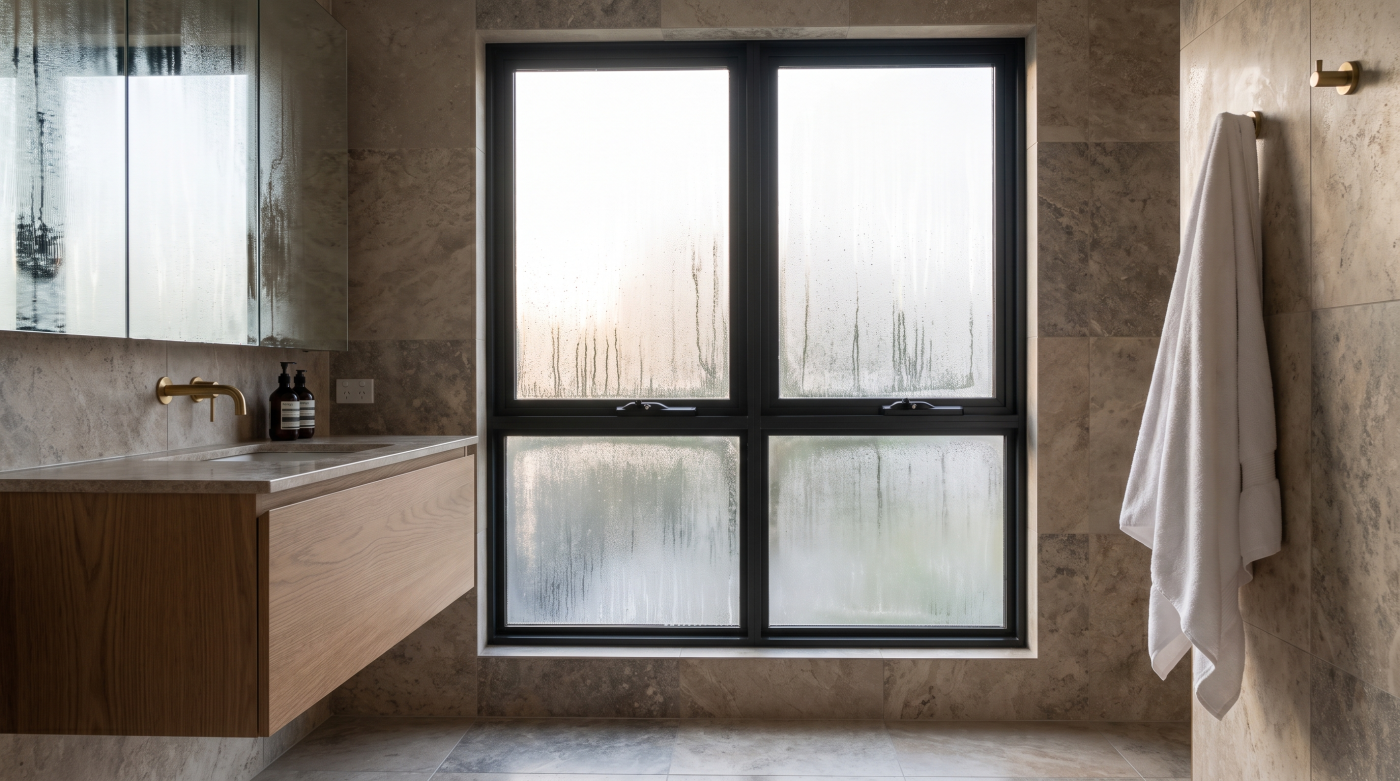
A draught or a noticeable drop in comfort near a window can indicate that something needs attention, but neither symptom confirms that the sealed glazing unit has failed. A window may feel cold because heat passes through its glass, because outside air enters around an opening element or because another part of the surrounding construction is allowing heat to escape. These causes require different responses.
During cold weather, the internal surface of a window can be cooler than the surrounding walls even when its glazing unit remains intact. Someone sitting nearby may experience greater radiant heat loss, while air cooled beside the glass can move downwards and create a sensation of draught. This is different from outside air entering through a gap, although the two effects can feel similar to someone using the room.
Uncontrolled air leakage may arise from worn opening seals, a window that no longer closes correctly or gaps at the junction between the frame and wall. These defects can affect comfort without involving a failure of the sealed glass unit. Changes in heating, ventilation or room use may also make an existing weakness more noticeable than it was previously.
A failed sealed unit may no longer provide its intended insulating performance, but a sensation of cold is not sufficient evidence to establish that diagnosis. The location of the discomfort and the condition of the complete window need to be considered.
The useful starting point is to distinguish a cold glass surface from unwanted air movement and to identify whether any leakage occurs around the opening elements or frame perimeter. That assessment can help establish whether the appropriate response involves maintenance, repair, glazing-unit replacement or a wider improvement to the building.
What Do Water Leaks, Damaged Seals or Deteriorating Frames Tell You About Your Windows?
Water appearing around a window can indicate a defect in the assembly, but it does not necessarily mean that the sealed glazing unit has failed. A window contains several different seals, each serving a particular purpose. The edge seal within a double-glazed unit is distinct from the visible gaskets around the glass, the weather seals on opening elements and the junction between the frame and surrounding wall.
Deterioration in any of these areas can affect how the window performs. Worn weather seals or an opening element that no longer closes correctly may allow rainwater or unwanted air to enter. Defects at the frame-to-wall junction can also provide a route for moisture, even where the glazing itself remains intact. Water may travel through concealed parts of the construction before becoming visible indoors, so the location of a damp patch does not always reveal its source.
The condition of the frame provides further context. Damaged protective finishes may leave exposed timber vulnerable to repeated wetting, while visible gaps, distortion or deteriorating components may affect the window’s ability to close and protect the opening. Persistent moisture can also damage adjacent plaster, paintwork and other building materials.
Some problems may be confined to a replaceable seal or a localised area of deterioration. Others may involve several parts of the window or its surrounding construction. The extent of the defect cannot be established reliably from one visible symptom alone.
Where water ingress or frame deterioration is recurring, the appropriate starting point is to identify its cause and assess the condition of the complete assembly. That distinction helps determine whether maintenance, targeted repair or more substantial replacement is needed without assuming that the glass itself is responsible.
Do Cracks, Scratches or Changes in the Glass Mean the Glazing Needs Replacing?
Visible damage to glass deserves attention, but not every mark means that the glazing has failed or needs replacing. Fine surface scratches, deposits and changes in appearance may affect the clarity of a window without necessarily compromising its integrity. A crack or chip is a different concern because its significance depends on the location and extent of the damage, the type of glass and the role of the pane within the window assembly.
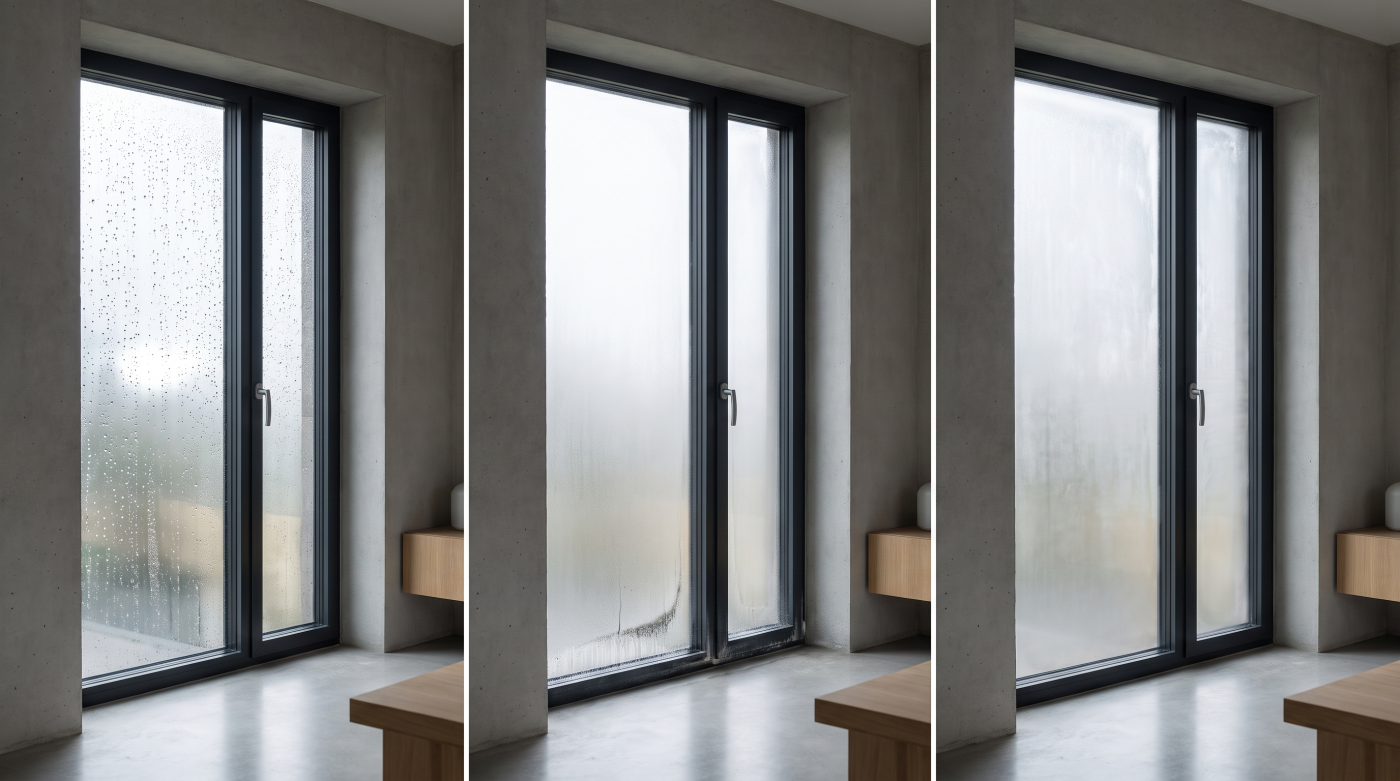
A mark that appears to be within the glass may sometimes be a deposit on an accessible surface. Persistent cloudiness can also have different causes, including moisture within a sealed unit or changes affecting a coating. Establishing where the change occurs is more useful than assuming that every loss of clarity has the same explanation.
Cracked glass requires particular care. Damage may affect the continued suitability of a pane, and its implications cannot be judged reliably from appearance alone. Where the damaged pane forms part of a sealed insulating glass unit, the available response may involve replacing the unit rather than treating that pane independently. The condition of the surrounding frame and the construction of the window will influence what is practical.
Glass that is cracked or otherwise suspected to have lost its integrity should not be handled or subjected to improvised repairs. An appropriate professional assessment can establish the nature of the damage and whether continued use is suitable.
The decision to replace glazing should therefore reflect the function and condition of the affected glass, not simply the presence of a visible mark. Minor surface wear and damage that may compromise a pane are different circumstances, and distinguishing between them helps determine the appropriate scope of work.
Can You Replace a Failed Glazing Unit Without Replacing the Whole Window?
A failed sealed glazing unit does not always require replacement of the complete window. In some window systems, the glazed unit can be removed and replaced while the existing frame remains in place. This may be appropriate where moisture has developed between the panes but the frame, opening mechanisms and surrounding construction continue to perform satisfactorily.
The feasibility of replacing the unit depends on how the window was constructed. Its glazing arrangement, frame condition and the availability of a compatible replacement all influence the options. The proposed unit must also be suitable for the existing assembly and its intended use. It should not be assumed that every frame can accommodate a different glazing construction or that all sealed units can be replaced independently.
A sound frame with an isolated glazing defect presents a different decision from a window with several interacting problems. Replacing a misted unit may restore the intended function of that component, but it will not resolve deteriorating timber, worn opening seals, defective hardware or water entering at the junction between the frame and wall. Those concerns require separate assessment.
Retaining an existing frame may also have architectural value. Its proportions, material and detailing can contribute to the appearance of a façade, particularly in a period property. Where the frame remains suitable, targeted glazing replacement may address the defect without unnecessarily changing those characteristics.
The appropriate scope of work should follow the condition of the complete window. If the problem is confined to a replaceable glazing unit, retaining the frame may be a proportionate response. Where the frame or other components are no longer suitable, replacing the glass alone may leave important problems unresolved.
How Should You Assess Suspected Glazing Failure in a Period or Listed Property?
In a period property, a glazing problem should be assessed in relation to the window’s architectural and historic significance as well as its condition. Original glass, traditional timber joinery, glazing bars and frame proportions may all contribute to the character of the building. Replacing the complete window in response to a single defect could remove significant fabric that might otherwise have remained in use.
It is important to establish which component is affected. Misting between the panes of a modern sealed unit installed within an older frame presents a different situation from damage to original glass or deterioration of historic joinery. Draughts and local discomfort may also arise from opening seals or gaps around the frame rather than failure of the glazing itself. Identifying the cause helps avoid an intervention that is more extensive than the problem requires.
Where existing fabric remains significant and serviceable, maintenance or targeted repair may be appropriate. The feasibility of replacing a failed glazing unit or making other improvements depends on the construction and detailing of the particular window. Any proposed change should be considered in relation to its effect on the frame, glazing divisions and appearance of the façade.
These considerations are especially relevant to Georgian properties in Bath and period houses across Wiltshire and the Cotswolds, although no single approach is suitable for every historic building. Where a property is listed, alterations affecting its special architectural or historic interest may require listed building consent. The requirements depend on the building and the proposed work and should be established before changes are undertaken.
The aim is to address the identified defect while retaining significant, serviceable elements where appropriate. A careful assessment of the glass, frame and surrounding construction provides the basis for deciding how much intervention the window actually needs.
How Do You Decide Whether Your Glazing Needs Repair, Unit Replacement or a New Window?
The appropriate response to a glazing problem depends on what has failed and whether the rest of the window remains suitable for continued use. Misting between the panes, a draught around an opening element and water entering at the frame perimeter may all affect the same room, but they point towards different parts of the assembly. Identifying the source of the problem is more useful than beginning with a decision to replace the window.
Where a defect is localised, maintenance or targeted repair may be sufficient. Worn weather seals, faulty hardware or an isolated issue at the frame perimeter should be assessed on their own terms. If moisture is trapped within a sealed glazing unit, replacing that unit may be possible while retaining a sound, compatible frame. Neither approach will necessarily resolve defects elsewhere in the assembly.
A complete replacement becomes a consideration where the frame, opening elements or wider window construction are no longer suitable, or where several problems cannot be addressed effectively through separate repairs. The decision should also account for the window’s appearance, its relationship to the building and any significant existing fabric. In a period property, retaining serviceable components may be particularly important.
Before committing to work, it is useful to record the symptoms, establish where they occur and consider the condition of the glass, seals, frame and surrounding construction together. An appropriate professional assessment can then clarify the available options and the extent of intervention each would require.
The central question is not simply whether the window feels colder or looks different. It is which component is responsible, what condition the remaining assembly is in and whether a focused intervention can address the problem. That sequence supports a proportionate decision without replacing more of the window than necessary.