
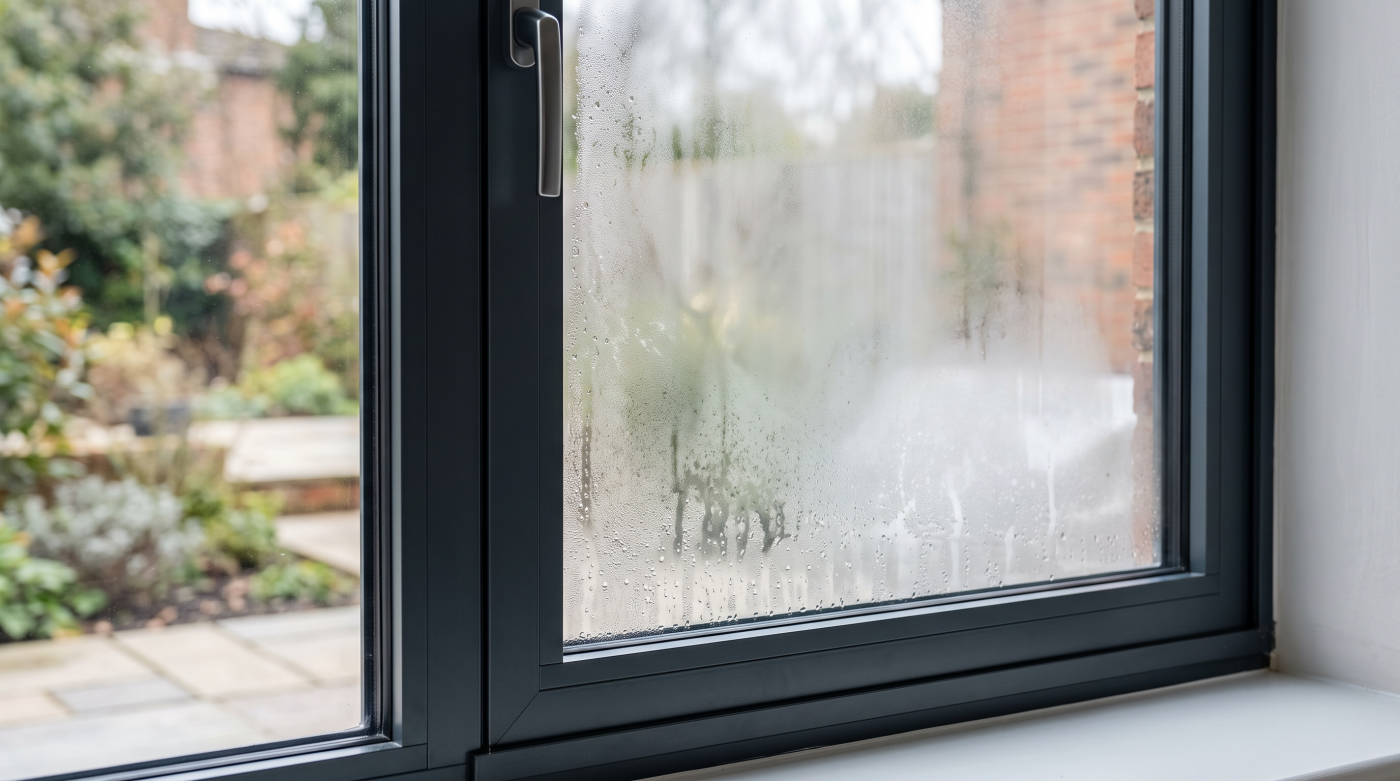
What Are the First Signs That Your Glazing May Be Failing? The first signs of a glazing problem are often changes in appearance or comfort that were not previously noticeable. A window may develop persistent misting, visible damage to the glass or moisture around its frame. It may also begin to feel draughtier or less […]
Tag Archives: Draughty Windows
21
Sep
Sep
Is It a Problem to Leave Old Windows in Place? Leaving old windows in place is not necessarily a problem. A window does not become unsuitable simply because it has been installed for many years, and age alone provides little indication of how well it continues to serve the building. Its condition, construction, exposure to […]
17
Sep
Sep
The Window Is Visibly Deteriorating — or No Longer Works Properly Some reasons for questioning a window are difficult to ignore. Its condition may have visibly changed. Frames or finishes can begin to show deterioration, components may no longer appear as they once did, or the window itself may have become increasingly difficult to use. […]
09
Sep
Sep
Warning Sign One: Rooms Feel Draughty Around the Windows A room can be warm according to the thermostat and still feel uncomfortable beside a window. That experience is often described simply as a draught, but the sensation does not always identify the problem as neatly as the word suggests. There may be unwanted air movement […]

02
Sep
Sep
Why Winter Reveals More About Your Glazing Windows and glazed doors form part of the boundary between two very different environments, and winter makes that role particularly noticeable. As external temperatures fall and heating keeps the interior warmer, the difference between conditions inside and outside becomes greater. Add stronger winds, prolonged rain and higher levels […]
27
Aug
Aug
Age Is a Clue, Not a Diagnosis One of the easiest ways to judge ageing glazing is also one of the least reliable: looking at how old it is. Homeowners are often told that windows have a particular expected lifespan and that, once they approach a certain age, replacement should follow. In reality, chronological age […]