
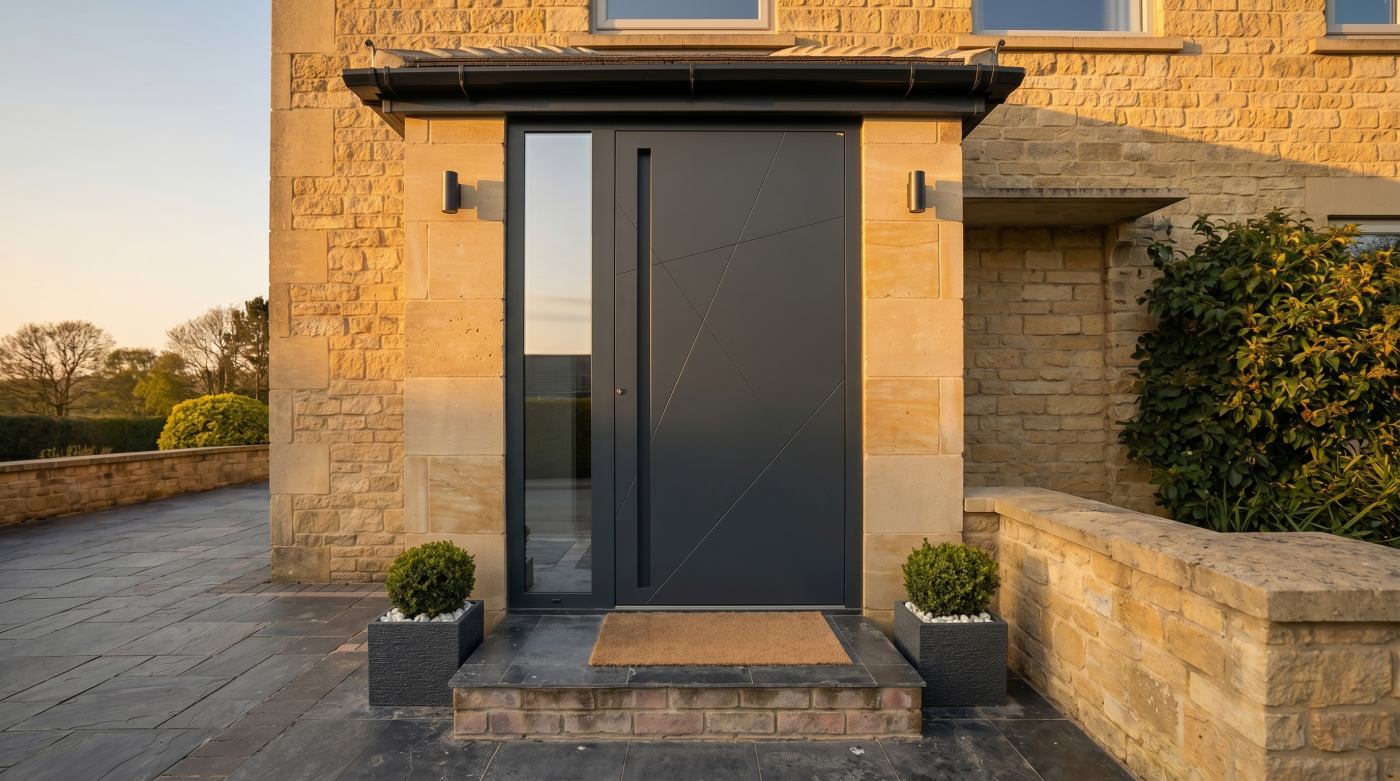
What Lock Should an Aluminium Front Door Have?
An aluminium front door needs a locking arrangement supported for its design, dimensions and intended use. The material alone does not determine the correct lock, and a highly rated cylinder cannot establish the performance of the complete entrance. The mechanism, protective hardware, frame and internal operation need considering together.
For a new door, resolve those details before manufacture. For an existing entrance, identify the product and investigate its condition before choosing replacement components. A useful specification explains how the door is secured, how people leave and what evidence applies to the proposed arrangement, rather than relying on a single security label.
Which Parts Make Up an Aluminium Door’s Locking System?
The word lock can describe several different components. The cylinder is commonly the part into which the key is inserted. The lock body and associated mechanism perform other functions, while handles, protective hardware and keeps contribute to operation and security. Ask the person preparing the specification to identify which parts are included rather than assuming a reference to a lock covers everything.
In a multipoint arrangement, a mechanism engages at several positions between the moving leaf and frame. Its supported cylinder, handles and keeps need to work together. A substantial-looking aluminium profile does not establish whether that relationship is appropriate. The surrounding door construction and installation also form part of the assessment, particularly where a product has been altered since its original manufacture.
Different entrances may operate differently. One may require a deliberate handle movement before locking, while another has a supported automatic function. Understand the actual sequence and what each action achieves. The manufacturer should explain how the user confirms the intended secured state, with a demonstration that relates to the proposed configuration rather than a different door in a showroom.
A clear schedule helps everyone discuss the same assembly. Identify the manufacturer, door range, locking mechanism, cylinder, furniture and internal release. Where details remain provisional, state what must be confirmed before ordering. This prevents a visually complete entrance drawing from concealing unresolved hardware choices and makes it easier to compare proposals on their actual operation, supporting evidence and maintenance requirements.
Is a Multipoint Lock the Right Starting Point?
Multipoint locking is common in contemporary entrance systems, but suitability comes from the supported door design. Ask what arrangement the manufacturer offers for the proposed leaf and configuration. The answer should consider dimensions, hardware and intended use together. A general statement that aluminium doors are strong does not establish which locking mechanism belongs in a particular entrance or retrofit.
Counting locking points provides only limited information. The way the mechanism engages, the construction around the keeps and the assembly’s assessed performance matter as well. A larger advertised number should not become a shortcut for ranking two doors. Request evidence relevant to the complete proposals, with any differences in size, hardware or configuration explained before treating their claims as directly comparable.
Operation deserves attention alongside resistance to attack. A mechanism that regular users find difficult may not be operated consistently as intended. Test a relevant arrangement where possible and understand the correct sequence. Ask what differences in the proposed door’s dimensions or hardware may mean for that experience, rather than assuming every leaf within a product family feels identical in use.
Installation and adjustment help the supported system work properly. If an existing door has become difficult to close or lock, investigate alignment, wear and the surrounding installation before choosing a different mechanism. A repair or approved adjustment may address the problem. For a new entrance, agree installation and handover responsibilities so the complete arrangement is delivered and explained appropriately from the beginning.
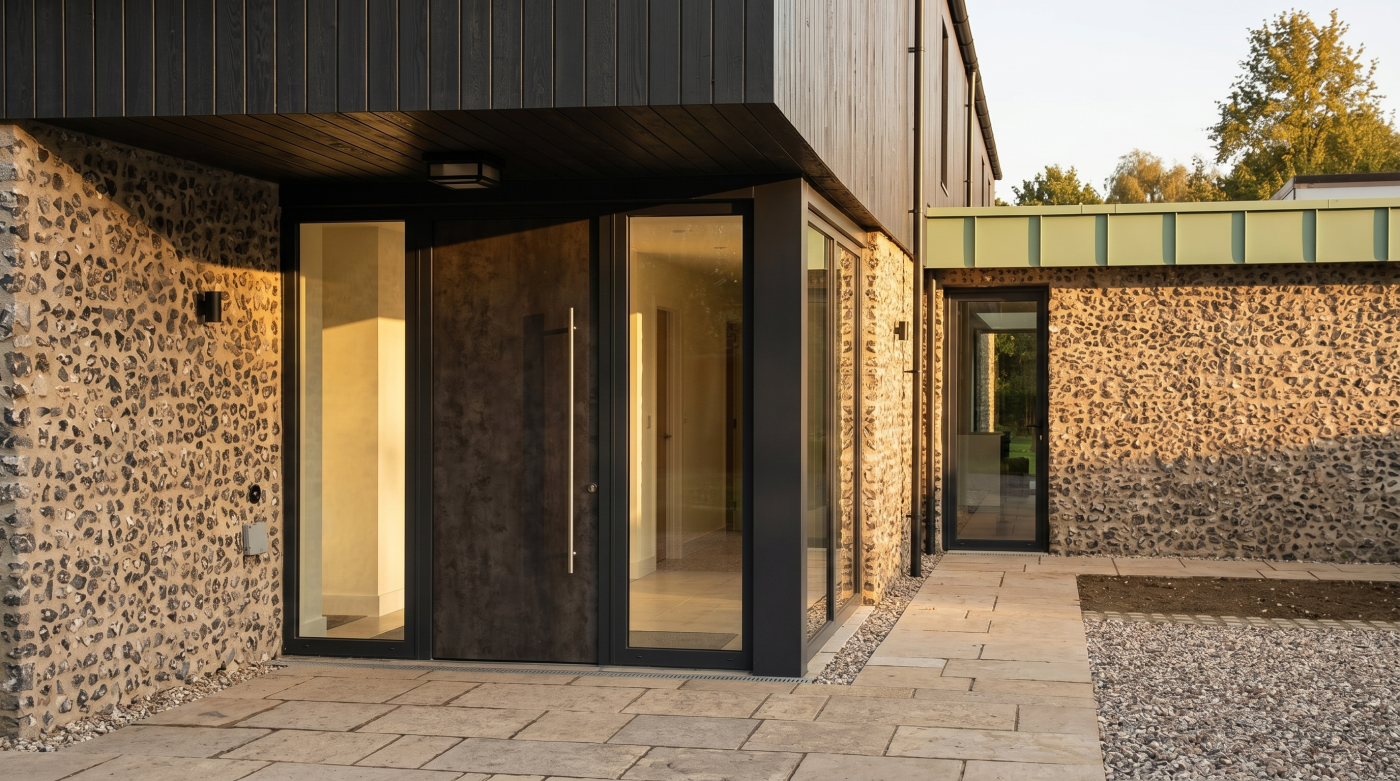
What Should You Check About the Cylinder and Protective Hardware?
The cylinder needs to suit the locking mechanism and the door’s construction. Profile, dimensions, operating features and protective hardware all affect that relationship. Ask for a supported combination rather than choosing a cylinder from a rating alone. A component advertised as broadly compatible still needs checking against the actual entrance, especially where the original product identity or later modifications are uncertain.
Protective handles or escutcheons, the fittings around a cylinder, may form part of the intended security arrangement. Their role needs understanding alongside the cylinder’s own assessment. The fit and relationship with the door should be confirmed by the manufacturer or a competent locksmith. Avoid treating components from unrelated proposals as automatically interchangeable because they appear to occupy the same visible position.
Evidence should identify what is being assessed. A certificate for one cylinder model or hardware combination does not establish the properties of every product carrying a similar name. Check the actual model, relevant rating and supported installation. The person specifying it should explain how those details relate to the complete doorset rather than leaving the homeowner to combine separate marketing claims.
For an existing entrance, retain the findings with the home’s records. Product information and details of an approved replacement make future servicing more straightforward. They also help prevent a later repair becoming an undocumented change to the original arrangement. A good specification should remain understandable after installation, when the household needs maintenance or another professional is asked to assess the door.
What Do TS 007, PAS 24 and Other Security References Mean?
Different references describe different parts of the assessment. TS 007 concerns relevant cylinders and protective hardware, while PAS 24 addresses enhanced security performance of complete windows and doorsets. Secured by Design is a police security initiative operating accreditation schemes. These terms can be related, but one reference should not be interpreted as proof that the proposed entrance satisfies every other claim.
DHF’s TS 007 guidance explains routes including a three-star cylinder or a one-star cylinder combined with assessed two-star protective hardware. This is a component-level explanation, not a universal aluminium-door specification. Confirm the current certificate, relevant edition and manufacturer-supported combination, alongside the performance evidence for the complete assembly being proposed.
Similarly, do not prescribe BS 3621 to every door simply because it is familiar. Its relevance depends on the lock arrangement and intended application, and other standards address different hardware and exit functions. Ask for a clear explanation where a specification or insurance requirement uses a particular reference. The practical task is to establish the appropriate evidence for this entrance.
Keep legal scope separate from those labels. England’s Approved Document Q concerns new dwellings, including those formed by material change of use. It is not a universal requirement to fit a particular cylinder to every existing aluminium door. Establish the project’s requirements and any relevant conditions, then compare the actual supported evidence without relying on a collection of standard numbers alone.
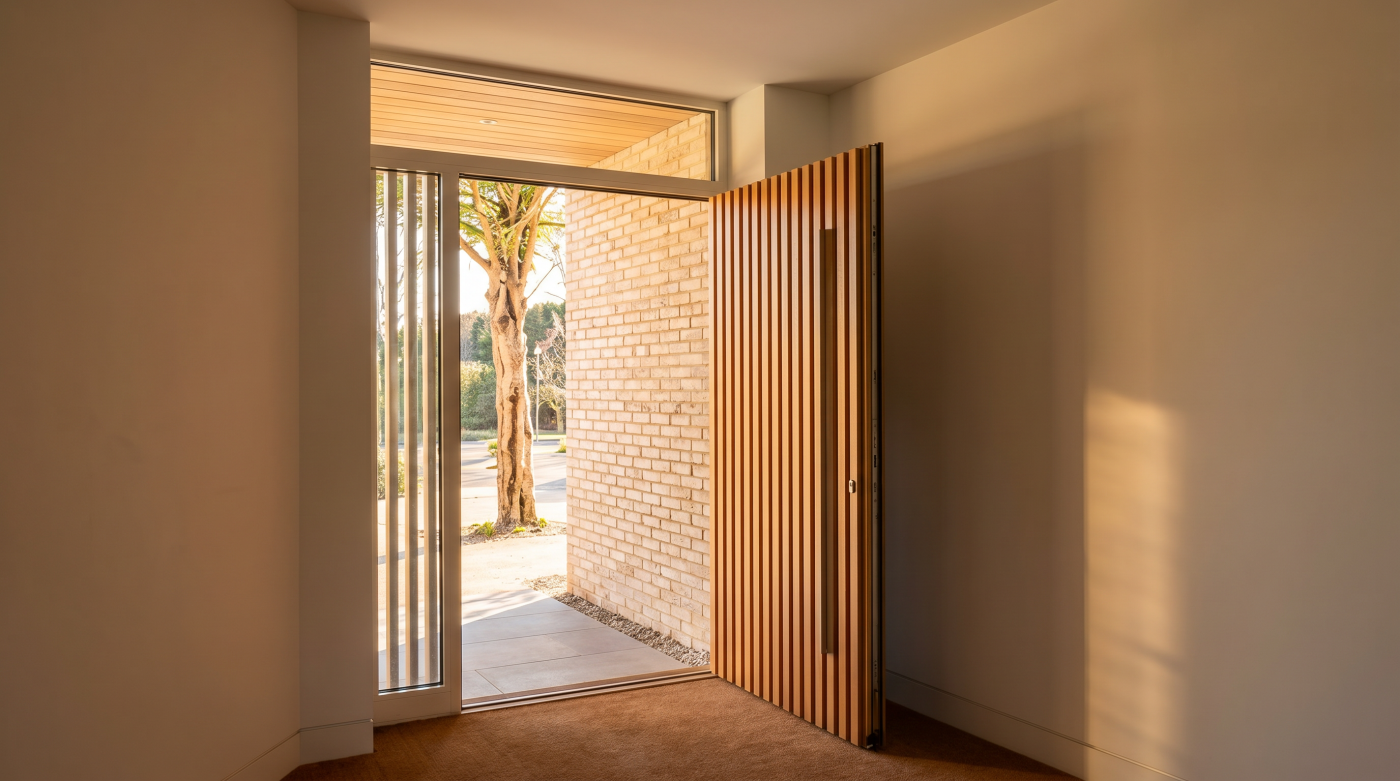
Should You Choose a Thumbturn or a Key on the Inside?
Internal operation should follow the entrance’s use and the needs of its occupants. A thumbturn and a keyed arrangement offer different ways to control release. Neither should be selected solely because a neighbouring property uses it or because one feature appears more secure in isolation. The complete door, relevant requirements and household’s abilities need to be considered together.
England’s Approved Document B must be read within the appropriate building and project context. A private house, a flat entrance and a common escape route can raise different questions. Obtain the relevant advice before altering an established fire-safety assembly or making assumptions about the internal release required for an entrance serving a shared building.
Glazing and letterplate arrangements also belong in the discussion. Any concern about access to internal hardware should be addressed through a coordinated, supported specification. Changing exit operation without considering escape is not a complete solution. Explain the actual entrance arrangement to the manufacturer and relevant professionals so they can assess security, release and compatibility rather than treating each component as a separate decision.
Include the regular users in a practical review. Consider reach, grip, familiarity and any access-management needs involving children or vulnerable occupants. A clear demonstration should explain ordinary locking and exit operation, with instructions retained at handover. The useful outcome is an entrance the household can operate appropriately, supported by the correct specification for the building rather than a universal preference for one internal control.
Are Automatic or Smart Locking Arrangements Worth Considering?
Automatic and electronic functions can provide useful options when they solve a defined household need. They are not all the same. A mechanism may engage automatically when the door closes without offering remote access, while a connected device may control a particular part of an existing lock. Establish what each proposed feature actually does before comparing its convenience or security implications.
Ask what closed, latched and locked mean for the selected system. Understand which actions remain necessary and what any indicator or notification confirms. A feature described as automatic should have its operating conditions explained. The household needs a reliable account of the intended secured state, rather than assuming the absence of a manual action means every part of the entrance has been checked.
Connected access adds account, software and support questions. Confirm physical compatibility first, then investigate the supported entry methods, failure behaviour and internal release. A battery-operated device, phone and remote service may fail in different ways. The manufacturer’s explanation should cover the proposed configuration, rather than applying a general reassurance that smart locks always remain usable or behave identically without power or internet.
Compare those responsibilities with the actual benefit. Someone may value access management for regular visitors, while another household prefers a simpler arrangement. Either can be a reasoned choice. The selected function should suit the occupants and supported doorset, with installation, handover and upkeep explained. Electronic features deserve consideration as part of the entrance rather than an assumed upgrade to every aluminium door.
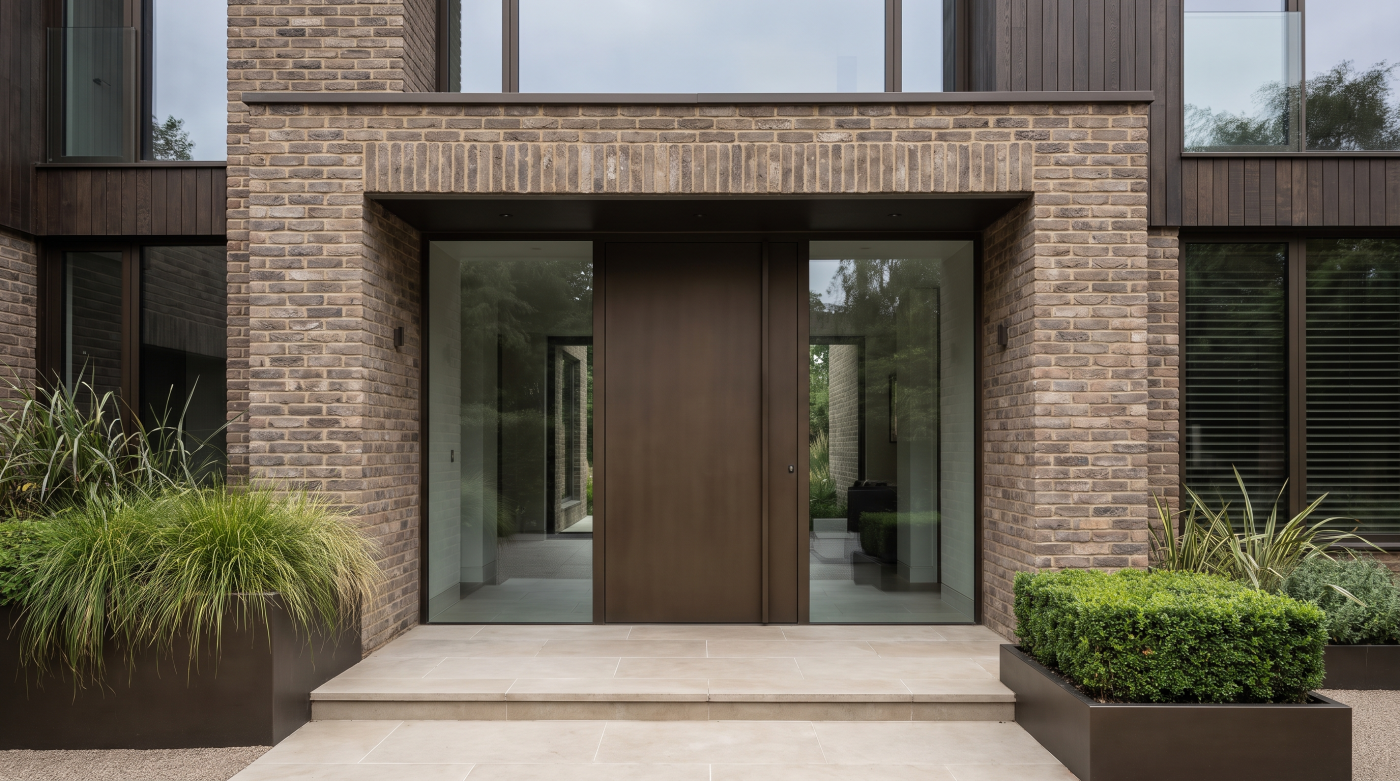
Can You Upgrade the Lock on an Existing Aluminium Door?
Begin by identifying the existing door and mechanism where possible. Records, manufacturer information and a competent inspection can help establish what is fitted and whether it remains supported. A difficult handle or key does not, by itself, prove the security specification is inadequate. Wear, alignment or an earlier unsupported alteration may be the issue that needs attention first.
Ask which components can be replaced or adjusted appropriately. The proposed change should suit the door’s construction and any relevant certification, warranty or fire-safety function. A higher-rated component is not automatically an approved substitute in every assembly. Confirm compatibility before ordering, with the manufacturer or suitable specialist explaining what evidence applies to the entrance after the work is complete.
Include the condition of the whole opening. Fixings, frame movement, seals and closing behaviour can affect the experience of using the lock. A component-only quotation may leave another problem unresolved. Request a defined scope covering the cause of the difficulty and the intended remedy, including any making good or further assessment needed to leave the entrance properly completed.
Retain repair and compatible upgrading as legitimate outcomes. Replacement may be appropriate where the assembly cannot meet the project’s needs, but that should follow an assessment. Across Bath, Wiltshire, Somerset, Bristol and the Cotswolds, the individual entrance remains more informative than assumptions about age or material. The decision should explain what can be supported now and how the door will be maintained afterwards.
What Should the Final Lock Specification Include?
A useful specification identifies the complete supported arrangement. It should describe the door product, mechanism, cylinder, protective furniture and internal release, together with any agreed automatic or connected functions. Relevant dimensions and configuration details should be established before manufacture. This creates a clear basis for checking the order rather than leaving important hardware choices hidden behind a general description of security.
Confirm the evidence and responsibilities alongside the equipment. Ask what assessment covers the proposed configuration, who installs it and who completes the surrounding work. The handover should explain the operating sequence and maintenance requirements. For an existing-door improvement, record what has changed and how compatibility has been confirmed so future work starts with accurate information about the assembly.
Review insurer requirements against the actual policy and proposal. No star rating, lock brand or doorset accreditation should be assumed to guarantee acceptance or a premium reduction. Where a condition is unclear, obtain clarification before committing to the arrangement. Keep the relevant documentation with the property records, alongside any required consents or building-control information for the wider project.
CBP approaches entrance decisions as an architectural glazing and specification partner, connecting hardware with the home and its occupants. The appropriate lock for an aluminium front door is therefore a supported arrangement that meets the actual brief. Its value comes from the way mechanism, cylinder, door construction and everyday operation work together, with clear evidence and an installation that preserves the intended specification.